• Link to X
  • Link to Facebook
  • Link to Instagram
  • Link to TikTok
  • Link to Youtube
  • About
    • About Us
      • President
      • Board of Directors
      • Board of Advisors
      • Financials
      • Our Methodology
      • Success Tracker
      • Contact
  • Act Now
    • 30 Ways to Help
      • Email Congress
      • Call Congress
      • Volunteer
      • Courses & Certificates
      • Be a Donor
    • Internships
      • In-Office Internships
      • Remote Internships
    • Legislation
      • Politics 101
  • The Blog
  • The Podcast
  • Magazine
  • Donate
  • Click to open the search input field Click to open the search input field Search
  • Menu Menu

Archive for category: Gender Wage Inequality

Gender Equality, Gender Wage Inequality, Global Poverty, Women and Female Empowerment

Addressing the Gender Wage Gap in Saint Lucia 

Gender Wage Gap in Saint LuciaWage disparities between men and women are a significant issue globally, and the gender wage gap in Saint Lucia is no exception. Despite some progress, women on the island still earn less than men for performing the same work. Factors such as restrictive societal norms and domestic responsibilities heavily contribute to this gap. Efforts are advancing to improve these conditions, but Saint Lucia still has a long way to go before achieving wage equality.

Gender Wage Gap in Saint Lucia

The gender wage gap in Saint Lucia reflects broader inequalities within the job market. Women make up 62.9% of the labor force, significantly trailing men at 75.6%. This disparity does not result from a lack of motivation or capability, but is largely due to the weight of unpaid domestic work carried by women. These societal expectations limit women’s full participation in the workforce, reducing their economic independence and contributing to poverty.

Also, the insufficient accommodations and resources available to support mothers balancing family responsibilities play a significant role in the high poverty rates among women in Saint Lucia. Because women frequently occupy lower-paying jobs, they have less access to the social protections that often receive funding from insurance and social security contributions, which puts them at a further disadvantage compared to their male counterparts.

Power of Education

According to UN Women, women in Saint Lucia earn approximately 10% less than men. However, data from the Saint Lucia Central Statistical Office shows that higher levels of education correlate with a smaller wage gap. This demonstrates the importance of access to quality education in empowering women and enhancing their earning potential. Investments in education are key to addressing the gender wage gap in Saint Lucia and alleviating poverty.

However, Saint Lucia has made meaningful strides in empowering women and promoting educational opportunities that play a crucial role in advancing gender equity among the workplace. Ongoing commitment to these initiatives remains important for further closing the income divide and building a society that thrives on principles of equality and fairness.

Time for Change

One promising initiative tackling the gender wage gap in Saint Lucia is the Renewable Energy Sector Development Project, launched by the World Bank. This clean energy initiative prioritizes gender inclusion by awarding scholarships to women in engineering fields. Since its start in July 2022, the program has awarded 17 scholarships to women pursuing degrees in electrical and mechanical engineering, fields historically dominated by men. This program offers a path for women to access higher-paying, high-demand jobs in the STEM field, thereby helping reduce the gender wage gap in Saint Lucia.

Recently in Saint Lucia, young ladies gathered with female leaders to discuss women’s empowerment and networking. The Department of Gender Affairs organized the event in partnership with the UN Women Multi-Country Office through the Build Back Equal Programme. The stories that these leaders shared inspired the girls, showing them that individuals like themselves can thrive despite facing institutional barriers. This event marked the beginning of more opportunities for young women to gain knowledge and feel empowered in their professional journeys.

The milestones achieved through initiatives like the Renewable Energy Sector Development Project and the Build Back Equal Programme are very meaningful. By actively creating spaces for women to enter and thrive in traditionally male-dominated fields, these programs help close the gender pay gap and also lay the groundwork for stronger economic development across Saint Lucia.

Looking Ahead

Despite the country’s small population of under 180,000, Saint Lucia is making bold strides toward gender equity. Such progress deserves greater recognition. Highlighting these efforts brings much-needed attention to the power of investing in women. When women gain access to quality education, professional mentorship and high-paying careers, the benefits extend outward; strengthening families, communities and the nation as a whole. Empowering women is not only a matter of fairness; it is a bridge for a more resilient society.

– Knia Parks

Knia is based in Pepper Pike, OH, USA and focuses on Good News and Politics for The Borgen Project.

Photo: Flickr

May 30, 2025
https://borgenproject.org/wp-content/uploads/borgen-project-logo.svg 0 0 Jennifer Philipp https://borgenproject.org/wp-content/uploads/borgen-project-logo.svg Jennifer Philipp2025-05-30 07:30:142025-05-30 05:24:03Addressing the Gender Wage Gap in Saint Lucia 
Gender Wage Inequality, Global Poverty

Dismantling Gender Wage Gap in Zimbabwe

Gender Wage Gap in ZimbabweThe gender wage gap in Zimbabwe has had a detrimental impact on women, limiting their economic independence, reinforcing social inequalities and hindering national progress. Although women make up 59.7% of the labor force population, they continue to earn significantly less than their counterparts. This persistent imbalance perpetuates an unstable patriarchal society and denies women full participation in economic growth.

Understanding the Gender Wage Gap

The gender wage gap refers to “the difference between median earnings of men and women relative to median earnings of men.” In Zimbabwe, factors such as unequal access to education influence this difference, with more than 8,000 girls dropping out more than boys. and limited job opportunities. For example, many women work in low-income domestic jobs and earn “less than $5.50 a day.” Even within the same industries as men, women tend to less pay for performing similar work. These statistics are only a partial reflection of what women go through on a day-to-day basis, making it imperative to address the root causes of this inequality.

Root Causes of the Gender Gap in Zimbabwe

  1. Cultural and Social Norms: Patriarchal attitudes significantly dominate many communities in Zimbabwe. Traditional gender roles often prioritize men as breadwinners, while women are expected to take on unpaid caregiving roles. For example, women carry an estimated 79% of the burden of water fetching responsibilities. These norms reduce women’s career prospects and hinder their advancement in the workplace.
  2. Education and Skills Gaps: While gender parity in basic education has improved, disparities persist at secondary and higher levels of education. More girls than boys drop out before completing secondary education, largely due to financial pressure and gendered expectations. Moreover, women are underrepresented. Furthermore, they face difficulties in accessing high-paying, male-dominated (71.21%) careers such as STEM (Science, Technology, Engineering, and Mathematics) fields. This is due to limited access to resources and the prevailing belief that women do not belong in the field.
  3. Discriminatory Work Practices: Lack of enforcement of equal pay laws and limited transparency around wages in Zimbabwe contribute to the gender wage gap and discrimination. Women are less likely to be promoted to leadership roles, even when they have the necessary qualifications and experience. Although Section 65 of the 2013 Constitution guarantees equal pay for equal work, enforcement remains weak. Without accountability, the gender wage gap in Zimbabwe continues to widen.
  4. Informal Employment: About 65% of Zimbabwean women work in the informal sector, where wages are often low, unpredictable and unregulated. These jobs usually do not provide social protections such as maternity leave, pensions and health care benefits. For example, only 12.7% of women receive their maternity benefits. Informal employment significantly contributes to the gender wage gap in Zimbabwe. It traps women in low-paying, insecure jobs with no progression.

Steps Towards Closing the Gender Gap in Zimbabwe

  1. Policy Reforms and Enforcement: Zimbabwe introduced the National Gender Payin 2013 and revised it in 2017. Section 65 of the Constitution states “equality in employment and equality of remuneration for similar work among men and women.” This policy aims to eliminate the gender disparities in economic opportunities, including pay, promotion and leadership opportunities. However, implementation remains inconsistent, and more work is necessary to ensure it applies to all. In the education sector, the revitalization of Zimbabwe’s education sector has led to the launch of programs to support female leadership and mentoring in STEM departments, helping more women pursue and succeed in technical careers.
  2. Empowering Women in Leadership: The Zimbabwe Gender Commission (ZGC), established in 2014, actively encourages women’s participation in politics, business and decision-making roles. The commission works to challenge stereotypes, promote women’s rights, empower women economically, raise public awareness and investigate gender-based discrimination. In its 2023 annual report, the ZGC highlighted a key achievement: it conducted targeted training workshops to equip women candidates with the skills and knowledge needed for effective political participation. As a result, 37 women were successfully elected to various political offices.
  3. Promoting Education for Girls: The Girls’ Education Accelerator, launched in collaboration with UNICEF and the Global Partnership for Education, helps girls in Zimbabwe overcome barriers like early marriage and financial hardship. It provides school supplies, menstrual hygiene products and scholarships. Since its implementation, thousands of girls have returned to school and progressed to higher levels of education. These investments equip girls for careers that challenge the traditional income divide.
  4. Support for Informal Workers: The launch of initiatives to provide protections, such as the Women’s Microfinance Bank in 2018, enables women to expand their businesses, move into formal employment and secure financial independence. The Bank provides low-interest loans to women in financial difficulties to empower them economically and socially. By 2021, more than 40,000 women had accessed financial services through the bank.
  5. Public Awareness Campaigns: Organizations like UN Women Zimbabwe and local NGOS run awareness campaigns to shift public attitudes on gender roles, such as releasing a booklet of Impact Stories to encourage support and collaboration. Campaigns focus on challenging stereotypes, promoting shared household responsibilities, creating inclusive economic growth and encouraging men to become allies in gender equality. These efforts aim to reshape cultural norms that sustain the gender wage gap in Zimbabwe.

Looking Ahead

The gender wage gap in Zimbabwe requires further addressing to eliminate it from all aspects of society. Ongoing initiatives and programs have provided hope and empowerment for women that the systemic barriers can be broken down. Empowering women benefits not only them but the nation as well, providing greater stability, prosperity and justice for all Zimbabweans.

– Blessing Nkama

Blessing is based in London, UK and focuses on Politics for The Borgen Project.

Photo: Flickr

May 8, 2025
https://borgenproject.org/wp-content/uploads/borgen-project-logo.svg 0 0 Jennifer Philipp https://borgenproject.org/wp-content/uploads/borgen-project-logo.svg Jennifer Philipp2025-05-08 07:30:482025-05-08 00:59:11Dismantling Gender Wage Gap in Zimbabwe
Gender Wage Inequality, Global Poverty

Fighting the Gender Wage Gap in Kosovo: Efforts and Initiatives 

Gender Wage Gap in KosovoThe gender wage gap reflects the difference in income between men and women, affecting productivity and economic growth. Kosovo has launched its national program for gender equality 2020-2024, intending to make gender disparity the focus of all the different strategies in the public and private sectors of society. One of the main pillars of the whole project is economic empowerment and social welfare. Together with the financial cooperation of international organizations, the country sets high expectations for the future role of Kosovar women in the labor market, potentially narrowing the gender wage gap affecting women’s development in Kosovo.

Impact on the Economy and General Income

The gender wage gap is a clear representation of the gender inequality that exists in every country, even if it looks different in each one. A study by the Regional Cooperation Council based on data from the Millennium Challenge Corporation (MCC) revealed that women in Kosovo earn 74 (USD 0.84) cents for every 1€ (USD 1.13) men earn. The largest gap appears in sectors such as mining and quarrying, where women earn 27 cents (USD 0.3) per 1€, and the only sector where women earn slightly more than men is in financial services, around 2 cents (USD 0.02) more than men. 

Women in Kosovo make up around 20% of the labor force, representing the lowest work participation in the region. This results in a potential economic loss of 13% for the country and contributes to the gender wage gap. When women earn less, they have less money to invest in education and opportunities, which impoverishes life quality. The reasons for the existence of this income difference lie in the employment access barriers and gender roles experienced by women.

Causes for Gender Disparities

Workers perceive different salaries depending on their field of expertise. In Kosovo, women occupy fewer positions in higher revenue fields such as STEM and engineering, but dominate the education and healthcare fields. However, the higher income positions remain attributed to men. Women predominate in the working landscape in the sectors of public administration, education, health care, retail and wholesale trade.

These patterns directly contribute to the gender wage gap in Kosovo, as reflected in the results in national statistics and data analysis. This income gap exists largely due to the employment barriers and gender roles that limit women’s opportunities. The biggest one is child or adult care. Society establishes the role of women as primary carers, discouraging women from seeking employment and making them less productive for potential employers. Because they must balance childcare and work, many women turn to part-time jobs or unpaid household care, which increases their risk of poverty. This reinforces lower economic capacity and poverty risk.

Women in Kosovo experience higher rates of poverty compared to men. Female-headed households show higher poverty rates than male-headed ones, except in 2017. On an individual level, 18.9% of women lived in poverty, compared to 17.2% of men. While poverty declined during this period, the reduction was more significant for men, highlighting the economic vulnerability and persistent inequality faced by women in Kosovo.

Kosovo’s Program for Gender Equality 2020-2024

The Agency for Gender Equality (AGE) is a governmental body that promotes gender equality in the country. Together with the international support of the UNDP and the EU, it has created a strategic plan to eliminate these gender gaps in the country. The economic empowerment and social welfare measures addressed are central to driving change in the current economic situation.

The program wants to enhance women’s skills relevant to the labor market demands, especially in underrepresented fields. It introduces legal reforms to fight workplace discrimination, ensure equal parental leave and improve access to social services. Financial support and access to credit to foster women’s entrepreneurship. The legal system will strengthen gender equality laws and the state will demand regular progress tracking on improved employment conditions.

Evaluation Report

The AGE and the Prime Minister revealed the accomplished results of the four-year project on 21 October, 2024. The goals highlight women’s employment dropping from 29.7% to 17.2%. More than 12,000 women have received employment support, and 14,000 young people, 51% of whom are women, secured jobs through the Superpuna platform designed to connect job seekers with employers. Additionally, specific projects such as “Government for Families” helped provide allowances to nearly 60,000 future mothers, which allowed 100,000 women to open their first bank account.

Future Expectations

Kosovo has made significant progress by involving public institutions in the journey towards gender equality. International cooperation and support is crucial to guarantee success, and the strategies implemented offer potential for future change. Research shows that the incorporation of gender in national policies brings change to society. In the end, closing the gender wage gap in Kosovo will improve the economy and the life quality of a group that represents half of the global population.

– Sara Arias Saiz

Sara is based in Leipzig, Saxony, Germany and focuses on Business and Politics for The Borgen Project.

Photo: Wikipedia Commons

May 4, 2025
https://borgenproject.org/wp-content/uploads/borgen-project-logo.svg 0 0 Jennifer Philipp https://borgenproject.org/wp-content/uploads/borgen-project-logo.svg Jennifer Philipp2025-05-04 01:30:172025-05-04 00:07:38Fighting the Gender Wage Gap in Kosovo: Efforts and Initiatives 
Gender Wage Inequality, Global Poverty, Women and Female Empowerment

The Gender Wage Gap in Croatia: Giving Women Time To Shine

Gender Wage Gap in CroatiaOver the last few years, Croatia has experienced steady economic growth at a rate above the EU average. However, during the same period the country’s gender wage gap has widened. The employment rate for Croatian women is the fifth lowest in the EU, and Croatia remains one of the lowest-ranked EU countries for gender parity overall. Several factors have led to the gender wage gap in Croatia, where nearly 22% of Croatian women are at risk of poverty and material deprivation compared to 17.7% of men.

Status of the Gender Wage Gap in Croatia

Croatian girls consistently outperform boys in school, both in test scores and average years of schooling. However, these achievements do not translate into similar success in the labor market. Men earn significantly more over their lifetimes, with women earning just 86.8% of what men earn monthly. Additionally, while Croatian men and women begin working at similar employment levels, women’s market participation drops with age. This gender earnings gap has serious long-term consequences, not only reinforcing women’s economic vulnerability but also contributing to higher rates of poverty among women.

Key Factors Leading to the Gender Wage Gap in Croatia

One reason for this is Croatia’s notably large gender gap regarding the allocation of time spent on care and domestic tasks. While the EU average score for this time disparity is 48.6 out of 100, Croatia’s score is 68.5. Similarly, 80% of Croatian women report they do housework every day as opposed to 40% of Croatian men—a disparity well above the EU average—with women performing almost 20 hours more of unpaid domestic work per week. As of 2017, 32% of Croatian women aged 25-64 did not seek employment due to having to perform unpaid labor looking after children or incapacitated adults. This pattern of unpaid labor limits women’s access to income and financial independence, which increases their risk of poverty, especially for single mothers and women in rural communities.

The widest gender gap in employment rates in Croatia is among the age group of 25-29, at a rate that increased between 2013 and 2022 from 5 percentage points to a whopping 20 points. The World Bank theorizes that this gap stems from expectations around child-rearing, stating that “women around this age could be at a disadvantage on the labor market, as an expectation that they might soon take maternity leave makes employers hesitant to hire or promote them.” The World Bank likewise theorizes that women in this age group are more likely to “seek flexible or part-time roles” over full-time employment in anticipation of family responsibilities. Croatia’s coverage of daycares and kindergartens is low, at 51% compared to the EU average of 86%. Childcare is even scarcer in rural areas, where as few as 13% of children have access to kindergarten.

Overall, Croatian social norms contribute greatly to the gender wage gap. The expectation and anticipation that women perform the brunt of domestic tasks leads to a greater share of women performing unpaid labor and facing limited access to professional opportunities, and likely influences a social structure that provides little support for women seeking childcare. These social norms also influence occupational segregation that contributes to the gender wage gap, with female-majority sectors such as education and health care offering more part-time roles and lower wages.

The Impact of COVID-19

The COVID-19 pandemic deepened gender inequality in Croatia. Women held a disproportionate number of jobs in sectors that lockdowns hit the hardest, such as tourism and personal services, and many, particularly those with lower education levels, lacked the option to work remotely. Women thus lost jobs or income more than men and at the same time had less protection from formal social safety nets. Unpaid care responsibilities surged during school closures, limiting women’s ability to seek or retain employment. Many women lacked access to health insurance or unemployment benefits, excluding them from government support. The pandemic also worsened mental health and coincided with a 31% rise in reported domestic violence, a crime in which women make up the vast majority of victims. 

Addressing the Gender Wage Gap in Croatia

Addressing the gender wage gap in Croatia and creating a more equitable labor market requires systemic cultural and policy-driven changes. Expanding access to affordable childcare and eldercare services is essential to ease the caregiving burden that disproportionately falls on women, allowing them increased time and energy for paid work. Promoting flexible work arrangements such as part-time roles with benefits, remote work options and adjustable hours could help women remain in the workforce, particularly during childbearing and childrearing years. Enhancing parental leave policies to encourage shared caregiving responsibilities between men and women could also reduce career interruptions for women. In addition, public awareness campaigns and educational efforts that challenge traditional gender roles and stereotypes could shift societal expectations and foster more inclusive work environments.

Change Is Happening

Croatia has introduced several concrete measures to help close the gender wage gap. In 2022, Croatia enacted legislative changes to the Employment Relations act, including defining “equal work” and mandating more salary transparency. However, the impact of such changes on the gender wage gap in Croatia is not yet clear. Starting in 2023, lawmakers introduced amendments to the Gender Equality Act and the Labor Act mandate that employers implement internal procedures for addressing harassment, establish equal treatment plans and are subject to stricter penalties for non-compliance with anti-discrimination rules. While comprehensive national statistics are not yet available, recent EU-wide surveys indicate a slight increase in women’s reported satisfaction with workplace equity and growing awareness of legal protections.

The Croatian government is also enacting policies aimed at improving access to childcare and eldercare services. Under the EU-funded National Recovery and Resilience Plan (2021–2026), Croatia committed €190 million toward building and upgrading kindergartens, with a goal of enrolling 90% of children aged 3–6 by 2030. The plan also includes investments in eldercare such as day centers and in-home services for the aging population. These efforts help reduce the unpaid care burden on women and improve their ability to participate in the labor market. Again, exact statistics on the immediate effect of this plan are not yet available. However, by increasing access to paid employment, particularly for women in low-income or rural households, these changes contribute directly to poverty reduction.

Moving Forward

While Croatia continues to grow economically, the gender wage gap still limits opportunities for women and deepens poverty among those who shoulder the burden of unpaid care work. However, policymakers have introduced new laws, increased wage transparency, and expanded access to care to begin addressing these inequalities. 

– Kelsey Eisen

Kelsey is based in San Francisco, CA, USA and focuses on Business and Politics for The Borgen Project.

Photo: Unsplash

May 2, 2025
https://borgenproject.org/wp-content/uploads/borgen-project-logo.svg 0 0 Jennifer Philipp https://borgenproject.org/wp-content/uploads/borgen-project-logo.svg Jennifer Philipp2025-05-02 07:30:262025-05-02 04:14:46The Gender Wage Gap in Croatia: Giving Women Time To Shine
Gender Wage Inequality, Global Poverty, Women's Empowerment

Reducing the Gender Wage Gap in Senegal

Gender Wage Gap in Senegal
Senegal aims to become an emerging economy by 2035, but to achieve this goal, it must tackle a persistent challenge in its labor market: the gender wage gap. Despite economic progress, the country still has one of the highest disparities in pay between men and women. Closing the gender wage gap in Senegal is essential not only for social equity but also for fostering sustainable growth and unlocking the full potential of its workforce. 

Persistent Wage Disparities

Progress has occurred in closing the gender wage gap in Senegal, but inequalities remain in several key sectors. Women continue to earn significantly less than men, despite efforts to promote fair pay. In fact, according to the work of Franck Viroleau in The Evolution of Gender Wage Inequality in Senegal Following the Economic Partners, “the ratio of female to male wages is estimated to be between 0.50 and 0.70 for tasks requiring similar skills.” The gap is particularly evident in sectors such as agriculture and manufacturing, where women are overrepresented in lower-paying jobs. In contrast, industries like finance and telecommunications have shown signs of improvement, with more women accessing leadership positions.

The persistent disparity not only hinders women’s economic independence but also worsens poverty on a larger scale. When women earn less, families struggle to meet basic expenses, pushing them further into financial insecurity. Additionally, lower wages in industries like the agricultural sector mean reduced savings and limited access to credit, making it harder for women to invest in entrepreneurial activities or break the cycle of poverty.

Sectoral Differences in Pay Gaps

The gender wage gap in Senegal varies by industry with agriculture, manufacturing and the informal sector showing the widest disparities. Women in these fields often earn significantly less than men due to lower wages, informal employment and limited career growth. In contrast, sectors like finance and telecommunications have made progress in reducing pay gaps, partly due to policies promoting wage equality. However, women remain underrepresented in leadership roles, highlighting the need for continued efforts toward fair pay.

Root Causes of Wage Inequality

As mentioned earlier, the gender wage gap in Senegal varies across sectors, but the root causes of these inequalities are complex. First and foremost, the social and economic system tends to favor men, with cultural norms and gender stereotypes shaping opportunities and responsibilities. Women are often expected to prioritize domestic roles, limiting their access to higher-paying jobs and career advancement. Additionally, women are more likely to work in informal sectors or low-paying jobs, while men dominate formal, higher-paying positions. These systemic barriers contribute significantly to the wage gap.

Ongoing Challenges and Future Outlook

Nevertheless, there is some good news regarding the gender wage gap, thanks to Plan Senegal Emergent. This ambitious initiative aims to drive Senegal’s emergence through a series of key actions set to take place between 2024 and 2025. One of its priorities is addressing the persistent wage disparity between men and women, recognizing that greater gender equality in the workforce is essential for sustainable economic growth. Indeed, increasing women’s participation in the country’s economic life is one of its core objectives. To achieve this, the plan includes measures to facilitate women’s access to production resources and financial capital, ensuring they have the necessary support to thrive as entrepreneurs and professionals. Additionally, it seeks to strengthen their technical and managerial skills, equipping them with the expertise required for full and active participation in economic activities across various sectors.

Looking Ahead

Closing the gender wage gap is essential for reducing poverty, fostering economic growth, and ensuring social equity. By promoting fair pay and equal opportunities, Senegal can unlock its full workforce potential and move closer to its 2035 development goals. 

– Eléonore Bonnaterre

Eléonore is based in the London, UK and focuses on Business and New Markets for The Borgen Project.

Photo: Flickr

March 21, 2025
https://borgenproject.org/wp-content/uploads/borgen-project-logo.svg 0 0 Jennifer Philipp https://borgenproject.org/wp-content/uploads/borgen-project-logo.svg Jennifer Philipp2025-03-21 07:30:312025-03-21 04:22:22Reducing the Gender Wage Gap in Senegal
Gender Equality, Gender Wage Inequality, Global Poverty

DreamSave: Women in Kenya Combat Poverty

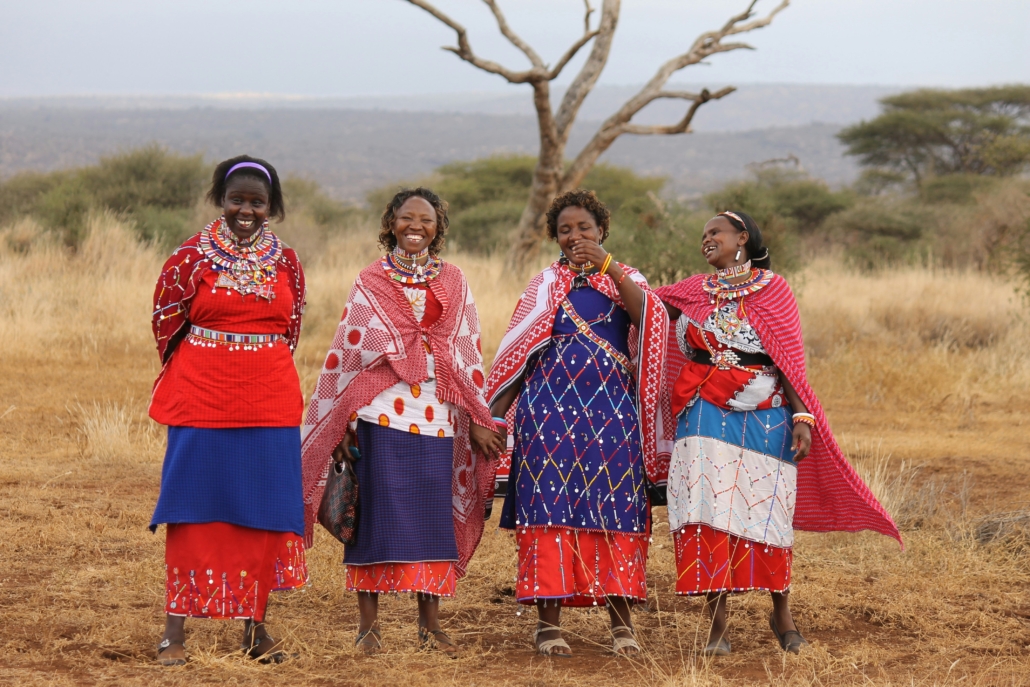
DreamSave: Women in Kenya Combat PovertyAccess to financial resources remains a major challenge for women in Kenya, limiting economic growth and business expansion opportunities. The gap in financial exclusion between men and women in Kenya has narrowed over the years. In 2024, financial exclusion was higher in women at 10% than in men at 9.8%. Women own nearly 48% of micro, small and medium-sized enterprises (MSMEs) in Kenya, yet they receive only 9% of available credit from financial institutions. With more than 80% of Kenyans working in the informal sector, the lack of banking access contributes to economic instability and deepens poverty.

Barriers to Financial Access

Small and medium-sized businesses in Kenya face significant obstacles in obtaining credit from financial institutions. Many lack sufficient assets to provide as collateral, making commercial bank loans difficult to secure. As a result, business owners often turn to friends and relatives for financial support, which is rarely enough to sustain long-term growth. Without proper funding, enterprises are forced to rely on lower-cost and often inefficient technologies, limiting their potential for success.

How DreamSave Works

DreamSave, an innovative mobile app, is transforming how savings groups operate by digitizing financial management. The platform enables users to track savings, manage loans, build credit histories and set financial goals without requiring access to traditional banking services. By providing a reliable and structured approach to saving, the app is helping women gain financial independence and break the cycle of poverty. In addition, the platform simplifies financial management for savings groups in underbanked areas. The app helps users record financial data, conduct meetings and track credit histories, ensuring accountability and transparency. By automating these processes, DreamSave allows members to focus on growing their businesses and achieving their savings goals.

Key Features of DreamSave

DreamSave is designed to overcome common financial barriers in developing countries. Its offline capability ensures that users in remote areas with limited internet access can continue managing their finances without interruptions. Data automatically syncs to the cloud whenever a connection becomes available, maintaining continuity in record-keeping. The app also offers enhanced traceability and compliance by keeping detailed logs of all transactions, allowing users to track their financial activities with full transparency.

Recognizing the high cost of mobile data in its target markets, DreamSave has optimized its platform to minimize data consumption, reducing costs by up to 60% compared to previous versions. Faster data synchronization ensures that users with limited internet access can efficiently update their records, even during brief online sessions. Additionally, DreamSave’s near-real-time data processing allows savings groups to instantly access updated financial insights. To ensure continuity, the app is backward compatible, meaning users can seamlessly transfer their existing data when upgrading to newer versions.

Global Recognition and Impact

DreamSave’s innovative approach has earned it multiple awards. It was recognized as the Best Finance App and Best Developing World Technology at the Fast Company 2023 World Changing Ideas Competition. The app also won the Best Digital Banking Technology Award at the 2023 Worldwide Finance Awards and the Most Empowering Digital Banking Technology Award at the 2022 Worldwide Finance Awards.

Looking Ahead

DreamSave continues to expand its reach, enabling more women in Kenya and beyond to access secure financial services. By bridging the gap in financial inclusion, the app is empowering women to achieve economic independence and contribute to long-term poverty reduction.

– Taylor Naquin

Taylor is based in Gilbert, AZ, USA and focuses on Technology and Global Health for The Borgen Project.

Photo: Flickr
March 11, 2025
https://borgenproject.org/wp-content/uploads/borgen-project-logo.svg 0 0 Precious Sheidu https://borgenproject.org/wp-content/uploads/borgen-project-logo.svg Precious Sheidu2025-03-11 07:30:512025-03-11 01:32:19DreamSave: Women in Kenya Combat Poverty
Gender Wage Inequality, Global Poverty, Women's Empowerment

The Gender Wage Gap in Burkina Faso

Gender Wage Gap in Burkina FasoBurkina Faso is a landlocked West African country, bordered by Mali, the Ivory Coast, Ghana, Niger, Togo and Benin. Despite some improvements made in women’s rights in the past, the gender wage gap in Burkina Faso remains a significant issue. A 2024 report by the World Bank group has found that an 82% gap in wage earnings exists between men and women. This significant disparity is attributed to the fact that most women are not paid at all for their work – 91% of female wage workers are unpaid, in comparison to 66% of male workers. Most of this work occurs in the agricultural sector, with more than 70% of the population being in rural areas.

The Current Issue

Some of the driving factors of the gender wage gap in Burkina Faso are the widespread notions that women belong in the home, or that their role in the workforce should not interfere or supersede their responsibilities in the home. “Occupational segregation” is common, with men in higher-level positions in higher-skilled work. 

Women are expected to take care of the household, so economic ventures outside of caregiving are difficult. The World Bank Group says, “We find that gender differences in labor force participation are primarily driven by differences in returns to worker characteristics, such as the number of young children in the household, and notably not due to characteristics such as differential educational attainment.” 

The lack of women or advocacy for women in politics means that it is difficult to address these issues. Currently, only 13 of the 71 members of the Burkinabe parliament (18.3%) are women.

Past Progress

It would be remiss to speak on gender equality or economic reform in Burkina Faso without mentioning Thomas Sankara. Sankara, leader of Burkina Faso from 1983 to 1987, was a revolutionary, Marxist and Pan-Africanist, and an outspoken, uncompromising feminist. 

He himself spoke on the inherent wage disparity in domestic duties being unpaid, saying “We are fighting for the equality of men and women, not of a mechanical, mathematical equality, but by making women equal to men before the law and especially before wage labor.”

Sankara passed many initiatives to help Burkinabe women. He encouraged both girls and boys to finish school, and required schools to let pregnant students return to finish their education. He also hired more women in government positions. Traditional gender roles such as caregiving drives economic gender inequality, so giving women opportunities outside of household/caregiving obligations allows them to participate more freely in the workforce.

Current Progress 

Burkina Faso has approved initiatives in order to help women and children including the Child-Sensitive Social Protection Programme (CSSSP), and the Water, Sanitation and Hygiene program (WASH). The 2024 Gender-Responsive and Age-Sensitive Social Protection (GRASSP) report recorded the impacts of this initiative. 

The CSSSP provides a cash transfer of FCFA 16,000 (30 USD) per month to every household within the 11 municipalities it was implemented in. The report tracked the impact of the CSSSP, as well as the combined impact of the cash transfer and the WASH program, which provides water, sanitation, hygiene and nutrition services.

This economic stability that this financial crutch offers allows women more freedom in their economic ventures. The GRASSP report noted that the hours of economic activity of girls in beneficiary households increased 9.9%. It also wrote that, “Women in the treatment group reported having gained some control over their savings and earnings, compared to their counterparts in the comparison group.” Additionally, the report indicated that improved quality of life encourages peace in the home stating that “[Beneficiaries] acknowledged that poverty was the cause of arguments, and that receiving the cash transfers ameliorated this stress since they had less difficulty paying for their basic needs.”

Continuing and expanding these programs would see an overall boost in Burkinabe economic stability. Food security and happier family dynamics make fulfilling household and caregiving duties easier for women. This opens up time and opportunity for economic activity.

Conclusion

In truth, the circumstances of these women come as a result of an overlap of patriarchal ideals and general economic inequality. Addressing the root problems means dismantling the traditional gender roles that assign and restrict women to caregiving, and to eliminate wage disparity to provide equal opportunity for women to generate independent income or own capital.

Teaching men to take on some of the time and mental burden of managing a household not only encourages respect and shared responsibility between spouses, but also frees up time for women to pursue independent economic ventures. But as of now, the CSSSP program is addressing the financial stress and household stress separately, improving the quality of life of women who struggle with them.

– Sandhya Mathew

Sandhya is based in Los Angeles, CA, USA and focuses on Good News and Politics for The Borgen Project.

Photo: Pixabay

March 4, 2025
https://borgenproject.org/wp-content/uploads/borgen-project-logo.svg 0 0 Jennifer Philipp https://borgenproject.org/wp-content/uploads/borgen-project-logo.svg Jennifer Philipp2025-03-04 07:30:312025-03-04 00:45:54The Gender Wage Gap in Burkina Faso
Gender Equality, Gender Wage Inequality, Global Poverty

Female Employment in Kenya: Boda Girls

Female Employment in Kenya“Boda-boda” driving, a form of motorcycle taxi service, has been a prominent industry in East Africa since the 1970s when drivers transported people across the Uganda-Kenya border on bicycles. In recent years, however, the industry has become a subject of intense public scrutiny, as several accidents and assaults have been increasingly connected to boda-boda drivers. Robbery, violence, drug trafficking and even murder claims have been connected with drivers, leading to protests and calls for regulation of the boda taxi industry. The public benefits boda-boda driving brings, including employment for thousands of young men and cheap transportation, especially to hospitals or voting booths, further complicate this issue.

Women and Boda-boda

Women have been excluded from the boda-boda industry since its invention, despite Kenya’s large strides towards gender equality over the past 50 years. Before 2022, there were few, if any, female boda drivers and women were subjected to numerous incidents of assault as passengers. Regardless of legal equality in the workforce, many barriers to entry still exist for female employment in Kenya. According to U.N. Women Africa, most women in Kenya work in the informal (home and agricultural labor) sector. At the same time, men receive higher wages and have more opportunities to participate in the formal economy than women.

Employment opportunities in Siaya County, the home of the Matibabu Foundation Hospital, are largely agricultural. This is especially true for women, who constitute anywhere from 30% to 80% of the agricultural labor force across sub-Saharan Africa and whose labor pays about one-tenth of what male boda drivers typically make in a year. Transportation is a major issue, as most women cannot afford the typical boda taxi fee to reach the hospital for health care services.

Boda Girls

Boda Girls, a cohort of Kenyan women who have trained to become boda drivers, offers a solution. As the first female driver entrepreneurship program, Boda Girls offers employment opportunities to women in addition to safe, free transportation and home care. Launched by the Matibabu Foundation Hospital and the Tiba Foundation in April 2022, the cohort has employed more than 50 female drivers, identifiable by their bright pink shirts and purple leather motorcycle seats.

In addition to training in road safety, Boda Girls learn self-defense to protect themselves and others in the case of unwarranted conduct, which they share with female students of nearby schools, according to The New York Times. Motorcycle upkeep and mechanical skills are also a part of the six-week training program.

Maternity Care

Boda Girls originated from the gap in female accessibility to hospitals, particularly for maternity care. Drivers provide free, safe transportation for women’s check-ups, even bringing portable ultrasounds in the case of complications. In the two years since its launch, the organization has now provided more than 6,000 free rides to hospitals for prenatal, family planning, and cancer screening services. Due to their services, Siaya County has experienced a 67% increase in hospital deliveries, a 100% increase in maternal clinics, and a 300% increase in cancer screenings, according to the Tiba Foundation.

After birth, Boda Girls also make home visits to follow up on postpartum care, planting a kitchen garden and avocado tree for future nutrition and profit opportunities for families.

School Girls

Boda Girls adopts schools to promote menstrual and sexual education for female students, as well as to distribute free sustainable menstrual kits. It also runs entrepreneurial clubs where girls can learn the fundamentals of business, and they promote high school graduation. In two years, Boda Girls has visited 84 schools and provided menstrual education and kits to more than 3,700 girls, according to its website.

Female Employment in Kenya

Female employment in Kenya is a cornerstone of the Boda Girls mission; they focus on widowers in particular, who often suffer from the loss of financial support. By facilitating entrepreneurship classes and group stress counseling, Boda Girls assists in dealing with grief in families and sponsoring female financial ventures. They also engage in micro-lending practices to boost entrepreneurship in Siaya County and have played a role in helping 118 women develop profitable small businesses and mentor others to do the same, according to The Tiba Foundation.

Boda Girls, launched by the Tiba and Matibabu foundations, has partnered with several other initiatives including the Red Pride Project and USAID’s Western Kenya Sanitation Project. “USAID aims to reach 500,000 women and girls with accurate information on proper menstrual hygiene management and reliable access to sanitary products in Western Kenya by 2027.”

Boda Girls’ ability to reach local schools and communities will play a major part in this goal, as it continues to recruit new driver cohorts and expand its range to a greater area of Siaya County.

Beyond simply providing transportation, Boda Girls works to inspire thousands of women and support female employment in Kenya and will continue to work towards gender inequality and access to essential services.

– Sadie Claps

Sadie is based in Seattle, WA, USA and focuses on Business and Politics for The Borgen Project.

Photo: Flickr

March 2, 2025
https://borgenproject.org/wp-content/uploads/borgen-project-logo.svg 0 0 Naida Jahic https://borgenproject.org/wp-content/uploads/borgen-project-logo.svg Naida Jahic2025-03-02 07:30:142025-03-02 01:10:34Female Employment in Kenya: Boda Girls
Gender Equality, Gender Wage Inequality, Global Poverty

Gender Wage Gap in Ethiopia

Gender Wage Gap in EthiopiaEthiopia, like many other countries across the world, faces a gender wage gap despite many measures being taken when it comes to economic growth and gender equality measures. The gender wage gap is the disparity in pay between men and women. It reflects systemic inequalities in opportunity and representation.

Root Causes of Ethiopia’s Gender Wage Gap

The gender wage gap in Ethiopia stems from women being concentrated in low-paying informal sectors and traditional societal norms that undervalue their economic contributions. These roles lack stability and benefits, leaving women with limited income and fewer opportunities to build financial security. Cultural expectations exacerbate the problem and reinforce a cycle where unpaid domestic labor and caregiving take more importance over professional development for women. Ethiopia’s gender gap reflects structural inequalities that restrict women’s participation and potential. Women face barriers such as limited education and norms in society, which undervalue their contributions.

Women in Ethiopia also face many challenges when accessing loans and financial services due to limited financial literacy.  The 2024 article: “Transforming the Lives of Women and Girls in Eastern and Southern Africa” states that women have “lower access to productive resources.” Overall, Ethiopian women have less access to vocational and training programs important for securing employment in higher-paying sectors like construction and technology. Current training programs fail to accommodate women’s dual work and caregiving responsibilities, which excludes them further.

Government and Organizational Efforts

The Ethiopian government is aware of the gender pay gap. Therefore, the government has been taking correct measures to help reduce gender inequality. According to the United Nations Development Programme (UNDP), a Gender Equality Strategy (GES) has been developed to “guide the country office on mainstreaming gender equality and women empowerment.” This gender strategy identifies priority areas and supports national efforts to get results. The government plans to build upon previous strategies to add to the policies the country already has in place. Current efforts to promote women’s education, access to credit and representation in decision-making are underway but require scaling up to achieve maximum impact. Local organizations and networks have also made many efforts to decrease the gender pay gap in Ethiopia. 

The Ethiopian Women Lawyers Association (EWLA) is one organization that is doing fantastic work. EWLA is a nonprofit organization founded by a group of Ethiopian female lawyers to promote Ethiopian women’s legal, economic, social and political rights. EWLA has provided legal assistance to more than 200,000 women (2023). More than five million women have benefitted from EWLA collaborative efforts until 2020.  EWLA has also been important in revising Ethiopian laws, such as family law and criminal codes, to align with women’s rights. The organization has also lobbied for gender-sensitive policies at governmental levels​. Furthermore, the organization works with grassroots Civil Society Organizations (CSOs) to address challenges such as gender-based violence, particularly in regions like Amhara and Afar​. EWLA’s priorities include finding sustainable funding and strengthening partnerships with other women’s organizations in the country. 

Opportunities for Improvement

The gender wage gap in Ethiopia reflects the gender wage gap across Africa. Factors such as cultural norms, education gaps and smaller economies play significant roles. However, reducing Ethiopia’s gender wage gap requires a multi-faceted approach. Expanding access to girls’ education can help break cycles of poverty and inequality.  Additionally, engaging communities to challenge stereotypes and fostering inclusive training programs can help women balance work and caregiving responsibilities. By implementing these strategies and building upon existing efforts, Ethiopia could make significant progress toward closing the gender wage gap and fostering economic growth.

– Ayat Aslam

Ayat is based in London, UK and focuses on Good News and Global Health for The Borgen Project.

Photo: Flickr

December 24, 2024
https://borgenproject.org/wp-content/uploads/borgen-project-logo.svg 0 0 Hemant Gupta https://borgenproject.org/wp-content/uploads/borgen-project-logo.svg Hemant Gupta2024-12-24 01:30:222024-12-23 22:46:11Gender Wage Gap in Ethiopia
Gender Equality, Gender Wage Inequality, Global Poverty

Gender Wage Gap in Tunisia: Challenges and Ongoing Solutions

Gender Wage Gap in TunisiaDespite significant progress in gender equality in Tunisia, women still face considerable wage disparities compared to their male counterparts. The Global Gender Gap Index reports Tunisia ranked 115th out of 146 countries, in 2024, with a parity score of 0.668, reflecting persistent gaps in economic participation and wage equality.

Although the country has made significant improvements since 2023, Tunisia has stalled in closing the gender wage gap. Tunisia is among the five countries with the largest gender pay gaps, alongside Sudan (82%), Algeria (81%), Egypt (79%) and Morocco (77%)​. As neighboring nations tackle similar issues, Tunisia risks falling further behind unless it takes bold action to address the root causes of wage inequality.

The Gender Wage Gap: A Persistent Issue

In Tunisia, as in many other countries, the gender wage gap is not simply a result of educational differences. Women in Tunisia are well-represented in education, particularly in higher education, with more women graduating than men in many fields. 

Despite higher literacy rates for females (79%) compared to males (72.2%), women remain underrepresented in higher-paying sectors. 

Women often work in traditionally lower-paying fields like teaching, health care and administrative roles, while men dominate more lucrative areas such as engineering and finance.

This occupational segregation results in women earning less than men in some sectors, even with similar qualifications, and being less likely to be hired. For instance, in the IT sector, women with the same credentials as their male counterparts are 15 % less likely to receive a callback from employers​.

Limited Leadership Opportunities

According to the World Bank, the country also faces a high degree of informal employment, Informal jobs tend to lack legal protections and social security benefits, intensifying economic insecurity for many women. Furthermore, women in Tunisia are significantly underrepresented in leadership positions, with only 26% of women holding middle and senior management roles​.

A combination of cultural norms, economic segregation and insufficient policies has influenced this, hindering women’s equal participation in the workforce. Tunisia also falls significantly behind in Political Empowerment scoring 0.216, reflecting a gender gap in political representation and leadership roles.

Women in Tunisia also face higher unemployment rates than men, with 20.61% of women unemployed compared to 13.6% of men. This is partly attributed to family and cultural pressures, especially in rural areas, where women are less likely to seek or pursue employment. As highlighted by the UN, women aged 15 and above spend 21.9% of their time on unpaid care and domestic work, compared to just 2.7% for men​.

Solutions

Several organizations and initiatives in Tunisia, such as UN Women, are actively working to address the gender pay gap and promote women’s economic empowerment. The UN Women office in Tunisia focuses on advocating for gender-sensitive policies and implementing programs to close the gender gap in education and employment. The UN Women: Strategic Note 2022–2025 focuses on three main pillars: 

  1. Enhancing women’s access to economic opportunities and decent work
  2. Fostering women’s political participation and leadership 
  3. Promoting women participation for peacebuilding and reconciliation

Key achievements in 2022 include:

  • Training 43 civil servants to implement gender-responsive budgeting frameworks that ensure government spending promotes equality.
  • Engaging 197 individuals in research to empower women and foster resilient communities in southern Tunisia.
  • Equipping 62 specialized units with better tools to investigate crimes against women and support survivors.

One initiative focuses on providing rural women with skills to enhance their participation in the labor market. The program addresses barriers like unsafe transportation, limited childcare and inadequate workplace safety, enabling women to access better opportunities.

The program, part of a broader UN effort to close gender gaps under the Sustainable Development Goals (SDGs), worked closely with national and local governments to advocate for safer and more equitable workplaces fostering policy advocacy and community engagement.

While detailed numbers of beneficiaries are not yet available, the approach emphasizes systemic change by integrating gender equality into national policy and budgeting. 

Looking Ahead

Tunisia has made progress in education and health, but women continue to face significant challenges, including wage disparities, higher unemployment rates, and disproportionate time spent on unpaid labor. Initiatives like the UN Women Strategic Note 2022–2025 tackle these issues by promoting economic opportunities, advocating for gender-responsive policies, and addressing key barriers such as unsafe transportation and childcare. These efforts, combined with policy reforms, aim to close the gender gap and ensure women achieve greater empowerment in Tunisia.

– Arianna Distefano

Arianna is based in London, UK and focuses on Politics for The Borgen Project.

Photo: Flickr
December 19, 2024
https://borgenproject.org/wp-content/uploads/borgen-project-logo.svg 0 0 Jennifer Philipp https://borgenproject.org/wp-content/uploads/borgen-project-logo.svg Jennifer Philipp2024-12-19 01:30:002024-12-17 23:58:20Gender Wage Gap in Tunisia: Challenges and Ongoing Solutions
Page 4 of 512345

Get Smarter

  • Global Poverty 101
  • Global Poverty… The Good News
  • Global Poverty & U.S. Jobs
  • Global Poverty and National Security
  • Innovative Solutions to Poverty
  • Global Poverty & Aid FAQ’s
Search Search

Take Action

  • Call Congress
  • Email Congress
  • Donate
  • 30 Ways to Help
  • Volunteer Ops
  • Internships
  • Courses & Certificates
  • The Podcast
Borgen Project

“The Borgen Project is an incredible nonprofit organization that is addressing poverty and hunger and working towards ending them.”

-The Huffington Post

Inside The Borgen Project

  • Contact
  • About
  • Financials
  • President
  • Board of Directors
  • Board of Advisors

International Links

  • UK Email Parliament
  • UK Donate
  • Canada Email Parliament

Get Smarter

  • Global Poverty 101
  • Global Poverty… The Good News
  • Global Poverty & U.S. Jobs
  • Global Poverty and National Security
  • Innovative Solutions to Poverty
  • Global Poverty & Aid FAQ’s

Ways to Help

  • Call Congress
  • Email Congress
  • Donate
  • 30 Ways to Help
  • Volunteer Ops
  • Internships
  • Courses & Certificates
  • The Podcast
Scroll to top Scroll to top Scroll to top