• Link to X
  • Link to Facebook
  • Link to Instagram
  • Link to TikTok
  • Link to Youtube
  • About
    • About Us
      • President
      • Board of Directors
      • Board of Advisors
      • Financials
      • Our Methodology
      • Success Tracker
      • Contact
  • Act Now
    • 30 Ways to Help
      • Email Congress
      • Call Congress
      • Volunteer
      • Courses & Certificates
      • Be a Donor
    • Internships
      • In-Office Internships
      • Remote Internships
    • Legislation
      • Politics 101
  • The Blog
  • The Podcast
  • Magazine
  • Donate
  • Click to open the search input field Click to open the search input field Search
  • Menu Menu

Archive for category: Gender Wage Inequality

Gender Equality, Gender Wage Inequality, Global Poverty

The Gender Wage Gap in Sri Lanka: Bridging the Divide

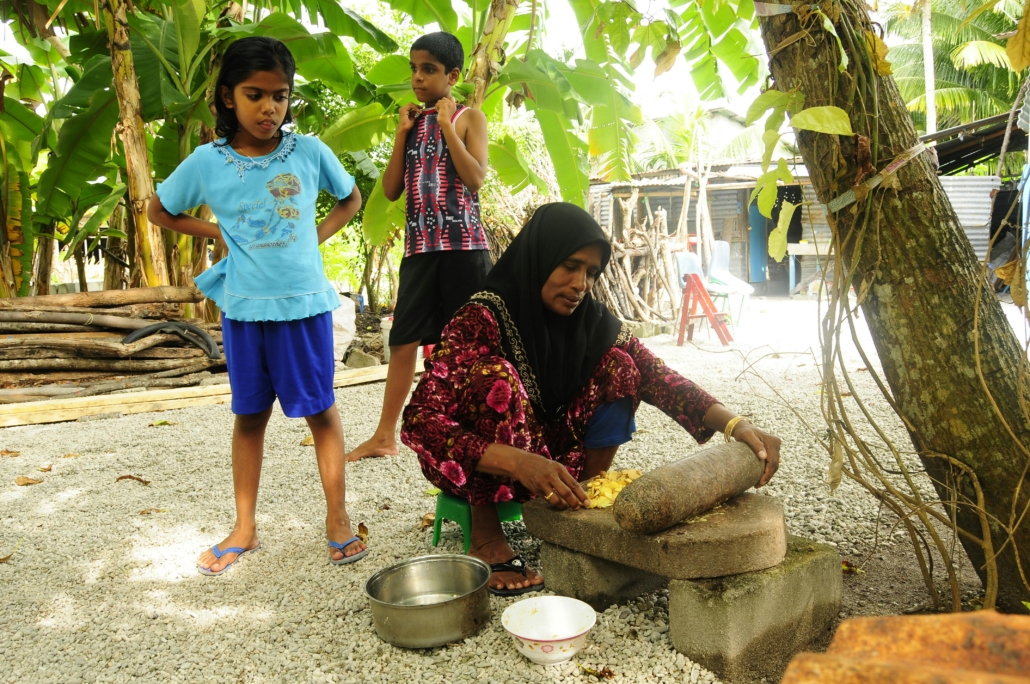
Wage Gap in Sri LankaSri Lanka, renowned for its achievements in education and health care, still faces significant gender inequality, particularly in wages. According to the United Nations Development Programme (UNDP) report, “Making Our Future: New Directions for Human Development in Asia and the Pacific,” social disparity remains prevalent, with a persistent gender wage gap limiting economic opportunities and exacerbating poverty in Sri Lanka. Closing this gap is crucial not only for gender equity but also for fostering economic growth and reducing poverty.

Current Status of the Gender Wage Gap in Sri Lanka

The gender wage gap in Sri Lanka remains significant. A recent International Labour Organization (ILO) report shows that women earn, on average, 30-36% less than their male counterparts. This gap is even wider in the informal sector, where many women are employed. They are often concentrated in low-wage sectors like agriculture, textiles and services. In contrast, high-paying sectors such as IT, engineering and finance remain male-dominated, widening the income divide.

While Sri Lanka performs well on global gender indices, particularly in education, the wage disparity highlights a deeper issue: economic progress has not translated into pay equity. Women still face wage discrimination and are often steered into lower-paying jobs, pointing to systemic barriers that need addressing.

Key Factors Contributing to the Gender Wage Gap

Occupational segregation remains a key issue. Despite women’s critical economic contributions, they are concentrated in lower-wage industries. Sectors like agriculture and textiles, where women predominate, tend to be undervalued. Cultural norms further compound the issue, with societal expectations often prioritizing women’s roles as caregivers, pushing them toward part-time or informal work. This “double burden” limits their full-time employment and career progression opportunities, constraining their earning potential.

Education and skills gaps also play a role. Although Sri Lanka has made strides in female education, women remain underrepresented in high-paying fields like science, technology, engineering and mathematics (STEM). Without targeted initiatives to encourage women’s participation in these fields, wage disparities will likely persist. Workplace discrimination and unconscious bias further entrench wage inequality. Women face obstacles in promotions, salary negotiations and leadership roles. Although legal frameworks exist to promote gender equality, weak enforcement leaves many women vulnerable to wage discrimination.

The Impact of COVID-19

The COVID-19 pandemic has widened Sri Lanka’s gender wage gap. The economic downturn disproportionately affected Women, particularly those in low-paying, informal jobs. Sectors such as hospitality, textiles and domestic services—where women are heavily represented—suffered severe losses during lockdowns.

The burden of unpaid caregiving also increased during the pandemic, with many women leaving the workforce to care for children or elderly relatives. This prolonged absence from the labor market has long-term repercussions on their earning potential, threatening to reverse years of progress toward wage equality.

Addressing the Gender Wage Gap in Sri Lanka

To close the gender wage gap in Sri Lanka, a comprehensive approach involving government intervention and support from nongovernmental organizations (NGOs) is essential. Enforcing existing equal pay laws and conducting regular wage audits are necessary first steps. According to U.N. Women, strengthening labor laws to ensure equal pay for equal work across all sectors is crucial for narrowing the gap.

NGOs play a pivotal role in advocating for women’s economic empowerment. For example, the Women’s Development Federation (WDF) in Sri Lanka has been actively working to empower women through skills training, entrepreneurship programs and advocacy for fair wages. Its initiatives have enabled thousands of women to gain financial independence by entering nontraditional sectors or starting small businesses. This has helped to bridge the wage gap in local communities.

Another notable organization, CARE International, has launched initiatives like the Made by Women movement, which focuses on improving working conditions and wages for women in the textile industry. Its advocacy has led to partnerships with local businesses to ensure better pay and opportunities for women workers, serving as a model for other industries.

The government can also expand women’s access to high-paying fields through targeted education and vocational training programs. According to recommendations from the UNDP, providing scholarships and incentives for women to pursue careers in traditionally male-dominated fields like STEM can help bridge the skills gap and diversify the workforce.

Addressing the caregiving burden through policies like affordable childcare and family-friendly work environments would enable more women to participate fully in the workforce. Such measures would encourage women to return to work after caregiving responsibilities, reducing career interruptions and ensuring better career progression.

A Path Forward: Economic Growth and Gender Equality

Addressing the gender wage gap is not just an issue of fairness—it’s crucial for Sri Lanka’s economic growth. Studies indicate that closing the wage gap could significantly boost the country’s gross domestic product (GDP) by increasing women’s labor force participation and productivity. Reducing gender wage inequality could lift many families from poverty, contributing to national economic resilience.

While Sri Lanka has progressed in some areas of gender equality, the wage gap remains a substantial barrier to true economic equity. A coordinated effort from the government, private sector and civil society is necessary to dismantle the barriers that keep women in low-wage roles and ensure equal opportunities.

– Nandini Bhatia

Nandini is based in the United Kingdom and focuses on Politics for The Borgen Project.

Photo: Flickr

November 1, 2024
https://borgenproject.org/wp-content/uploads/borgen-project-logo.svg 0 0 Hemant Gupta https://borgenproject.org/wp-content/uploads/borgen-project-logo.svg Hemant Gupta2024-11-01 01:30:302024-11-01 01:56:43The Gender Wage Gap in Sri Lanka: Bridging the Divide
Gender Wage Inequality, Global Poverty, Women's Rights

Organizations Fighting the Feminization of Poverty in Africa

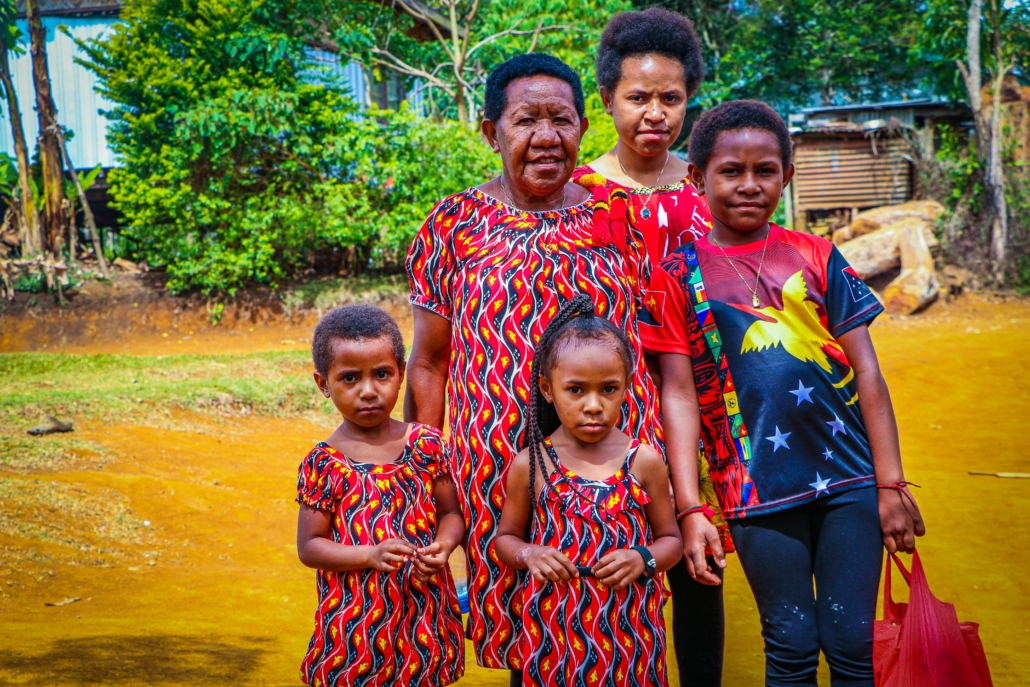
Organizations Fighting the Feminization of Poverty in AfricaAfrica, the world’s second-largest continent, shares borders with the Mediterranean Sea, the Red Sea, the Indian Ocean and the Atlantic Ocean. It holds the highest extreme poverty rates globally, with 23 of the 28 poorest countries, where poverty rates exceed 30%. With the poverty line set at $1.90 per day, Africa’s poverty rate is estimated at 35.5%. Over the past decade, the disparity between the poverty rates of women and men has widened, a trend often described as “the feminization of poverty.” While the continent has one of the highest rates of female labor participation ─second only to Asia─ vulnerable employment (such as unpaid family work) remains the norm.

Women Against Poverty

Compared to others, households led by women face a one-third higher risk of poverty, an issue often referred to as “the feminization of poverty,” which highlights the disproportionate number of women and children among the poor. In response, Women Against Poverty (WAP), a nongovernmental charity founded in Tanzania in 2012 by Mary Gemela and Cresensia Shirima, works to improve the socioeconomic conditions of girls and women in vulnerable conditions. The organization champions an agroforestry transformation in the developing world. It aims to substantially increase the use of working trees on smallholder rural landscapes, thereby ensuring food, nutrition, income, health, shelter, energy and a regenerated environment for women in these communities.

African Women’s Development Fund

Since its founding in 2001, the African Women’s Development Fund (AWDF) has been funding women-led organizations across Africa. AWDF supports grassroots, local and civil social movements that empower women. The foundation uses a philanthropic approach shaped by its early financial challenges to support feminist movements. Understanding the vital role of financial stability in building and maintaining organizations, AWDF commits to providing feminist groups with the necessary funding.

A wide array of organizations advocating for African women receives grants from AWDF. To qualify, organizations must be women-led, employ a staff that is at least 70% female, have operated for over three years and maintain a structured governance system dedicated to empowering African women. Eligible organizations can receive funding between $2,000 and $100,000. Over the past 22 years, 1,555 women’s rights and feminist organizations in 47 African countries and five Middle Eastern countries have received a total of $4.7 million from AWDF.

United Nations Women Africa

Globally, for every 100 men aged 25 to 34 living in extreme poverty, there are 122 women in the same age group. In sub-Saharan Africa, this disparity increases, with 127 women for every 100 men experiencing extreme poverty. Providing gender-responsive services, production resources, and market access in agriculture, industry and trade can significantly enhance the economic empowerment of women and youth in Africa. United Nations (U.N.) Women aim to empower up to 2 million women through regional and national interventions that increase income and build assets, wealth and business leadership. The program increases women’s access to productive resources and business services, addresses policy and regulatory barriers and enhances women’s participation in and benefits from the extractive industry, agriculture and trade. It also focuses on developing women’s and youth’s agribusiness and entrepreneurship skills across the value chain.

Looking Ahead

The feminization of poverty in Africa highlights women disproportionately affected by economic hardship. Organizations such as Women Against Poverty (WAP) and the African Women’s Development Fund (AWDF) are working to change this by providing women with the tools and resources needed to improve their livelihoods. Additionally, U.N. Women Africa is focused on empowering women through access to business opportunities and addressing policy barriers, ensuring that women can play a key role in driving economic growth and poverty reduction. These ongoing efforts are essential for fostering long-term development and creating a more equitable future.

– Minji L. Kim

Minji is based in Seoul, South Korea and focuses on Good News for The Borgen Project.

Photo: Flickr

September 24, 2024
https://borgenproject.org/wp-content/uploads/borgen-project-logo.svg 0 0 Precious Sheidu https://borgenproject.org/wp-content/uploads/borgen-project-logo.svg Precious Sheidu2024-09-24 07:30:312024-09-24 01:10:14Organizations Fighting the Feminization of Poverty in Africa
Gender Wage Inequality, Global Poverty, Women and Female Empowerment

Single Elderly Women in Japan Struggle with Poverty

Single Elderly Women in Japan Struggle with PovertyA recent survey conducted by Tokyo Metropolitan University Professor Aya Abe reveals that 44.1% of single women aged 65 and older in Japan are living in poverty. This rate is notably higher than their male counterparts and is nearly equivalent to the 44.5% poverty rate among working-age single-parent households.

Japan faces growing concerns about its aging population, particularly single elderly women who are at a higher risk of poverty. Current data suggests a stark contrast in poverty risks between genders and marital statuses, with elderly women more likely to struggle financially. Projections indicate that poverty rates for elderly women could increase from 22% to 25% and for divorced or unmarried women, the rate could spike to 50%. In contrast, only about 10% of elderly men are expected to fall into poverty. Widowhood offers limited financial relief, often restricted to bereaved family pensions.

Economic Inequality and Labor Market Challenges

The 2022 Ministry of Health, Labour and Welfare report in Japan reveals significant gender and age disparities in “one-person households.” Men constitute 35.9% of these households, with the largest age group being 70 to 74 years old, accounting for 28.7% of single male households. In contrast, women make up 64.1% of one-person households, with the largest demographic being those aged 85 and over, representing 24.1% of single female households.

Despite a doubling of income over the past two decades, Japanese women still earn significantly less than their male counterparts. As of Feb. 2023, the Statistics Bureau of Japan reported that the average monthly income for women was ¥83,896 ($630), compared to ¥345,645 for men. This disparity is exacerbated by the fact that 70% of female workers hold part-time or nonpermanent positions, which typically offer lower pay and limited opportunities for advancement. Consequently, Japan’s ranking suffered in the World Economic Forum’s 2022 Global Gender Gap report, ranking 116th out of 146 countries, primarily due to wage inequality and a scarcity of women in senior management roles.

Societal Norms and Systemic Disadvantages

“Social norms that assume women are being supported by men have led to a system that doesn’t consider women living alone—and persist even today,” said Abe, “Attention on ‘women’s poverty’ often focuses on young women and single mothers. Policies also revolve around child support and are not essentially supporting women.” This disparity stems from the post-war pension system, which was based on the assumption that women would leave the workforce to raise children while men, employed full-time, would secure generous benefits. Consequently, the system inadequately supports single, divorced or never-married women in their later years.

Policy Recommendations and Future Directions

In Japan, the public pension system covers individuals from age 20 to 59, with basic pension benefits starting at age 65, contingent on a minimum of 10 years of contributions. Full benefits are available after 40 years of contributions. Enhancing the income security function of this system can potentially mitigate the risk of elderly poverty.

A RIETI report recommended three frameworks for improving Japan’s pension system. Firstly, it suggested expanding employee health insurance to cover nonpermanent, part-time workers, thereby ensuring more comprehensive protection and reducing the risk of exclusion from the pension safety net. Secondly, raising the pensionable age could increase benefits for those currently receiving low amounts, more effectively addressing elderly poverty. Finally, implementing partial reforms to the existing system could significantly alleviate poverty without the need for a complete overhaul.

The Japanese government is actively promoting “lifelong work” to alleviate the country’s significant labor shortage and to encourage elderly citizens to contribute more toward their medical and nursing care expenses. To support this initiative, the Fiscal System Council is evaluating a proposal to raise the pensionable age to 68. Although the official retirement age in Japan is 65, the country has the world’s second-highest rate of senior employment, with many older adults working informal part-time jobs to supplement their pensions.

Looking Ahead

Japan’s aging population, especially single elderly women, faces severe economic challenges. Despite efforts to improve income security, significant disparities remain in wages and employment opportunities. With proposed reforms like raising the pensionable age and expanding insurance coverage, Japan aims to address these ongoing issues and enhance financial stability for its elderly citizens, striving to reduce poverty and improve their quality of life.

– Cindy Hong

Cindy is based in Milpitas, CA, USA and focuses on Global Health for The Borgen Project.

Photo: Unsplash
July 9, 2024
https://borgenproject.org/wp-content/uploads/borgen-project-logo.svg 0 0 Precious Sheidu https://borgenproject.org/wp-content/uploads/borgen-project-logo.svg Precious Sheidu2024-07-09 03:00:172024-07-09 03:08:11Single Elderly Women in Japan Struggle with Poverty
Gender Wage Inequality, Global Poverty, Technology

How Digital Jobs Could Reduce the Gender Wage Gap in Albania

Gender Wage Gap in AlbaniaAlbania emerged from a 50-year dictatorship in the early 1990s as the poorest country in Europe. Over time it has transformed itself into what the World Bank describes as an upper-middle-income country. However, despite rising wages, the gender wage gap in Albania remains an issue that needs addressing. However, the Digital Jobs Albania initiative from the World Bank could offer women in the country opportunities that can help shrink the gap.

Albania is one of the countries with “the highest proportion of women in government cabinets” in the world. Furthermore, according to the Institute of Statistics, women in Albania are, on average, better educated than their male counterparts. In Albania, 21.3% of women in the country have completed higher education compared to 18.2% of men. But, despite women being better educated and represented in government, they continue to be paid less than men across the majority of professions. What’s more, the gender wage gap in Albania is actually increasing over time, rather than decreasing.

Why Does the Gender Pay Gap Keep Growing?

According to Euronews, the average working individual in Albania was paid 61,898 lek gross per month in 2022, which is an increase of 8.2% from the previous year. Euronews’ research shows that it is the difference in the speed and size of salary increases between men and women that has likely led to the gender wage gap in Albania widening over time, despite women’s increased education and presence in government.

For men, the average salary of 63,773 lek was an increase of 9.2% from the year before. For women on the other hand, the average salary of 59,773 lek was only 7.3% more than the previous year. So, the gap between men’s and women’s pay in Albania increased from 4.2% in 2021, to 6.2% in 2022 thanks to men’s wages increasing faster than their female counterparts, Euronews reports.

Are Digital Jobs the Solution?

The European Institute for Gender Equality has been working with Albania to build its capacity for gender equality since 2013 and the Gender Equality Index that the country released in January 2020 scored 60.4 points. Its score in the Domain of Power of 60.9 was higher than the European Average of 47.6 points. This was primarily due to the aforementioned high levels of women working in government.

However, the index also shows that Albania’s score within the domain of money, which covers gender inequalities in financial resources and the economic situation in which men and women live, is 20.8 points lower than the EU-28 average. This means that women in Albania are more likely to be at risk of poverty than men within the country.

To work to combat the gender wage gap in Albania, the Digital Jobs Albania initiative offers opportunities to help them gain better access opportunities for work online, and so better connection to the global economy.

Digital Jobs Albania offers a three-month intensive training program in digital skills for women aged 16 to 35 aiming to encourage them to connect with rapidly growing industries that specialize in online freelance work, such as graphic design, digital marketing and web development.

Shrinking the Gender Wage Gap

The flexible working hours and the ability to work from home that these careers offer can help more women in Albania stay in the labor market and gain financial independence, therefore shrinking the gender wage gap in Albania.

Between September 2021 and May 2022, the project had already produced results with more than 5,000 women expressing interest in joining the training initiative. This was far more individuals than spots available and demonstrated just how unmet women’s work demands are in the country. Furthermore, the initiative has appealed to young people in the country, with more than 500 enrolling in the initiative.

– Kristina Grant

Kristina is based in Scotland, UK and focuses on Business and Technology for The Borgen Project.

Photo: Pexels

June 27, 2024
https://borgenproject.org/wp-content/uploads/borgen-project-logo.svg 0 0 Jennifer Philipp https://borgenproject.org/wp-content/uploads/borgen-project-logo.svg Jennifer Philipp2024-06-27 01:30:532024-06-25 04:45:02How Digital Jobs Could Reduce the Gender Wage Gap in Albania
Gender Wage Inequality, Global Poverty, Women's Rights

Gender Wage Gap in Singapore

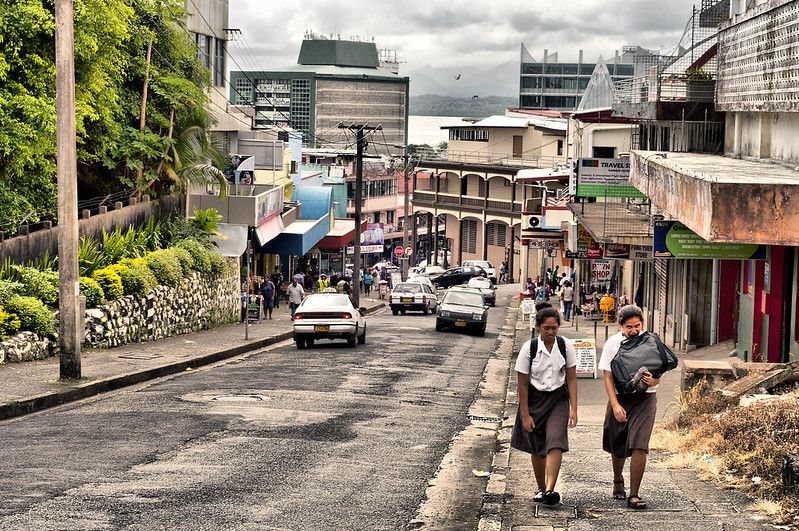
Gender Wage Gap in SingaporeThe latest updates showed that the unadjusted gender wage gap between male and female full-time employees aged 25 to 54 in Singapore has been narrowed down from 16.3% in 2018 to 14.3% in 2023, according to the released infographic figures from the Ministry of Manpower (MOM). According to United Nations data, Singapore ranks as “the second-most unequal developed economy in the world.” “Singapore does not have an official poverty line … Most Singaporeans are not aware of the scale and depth of poverty in Singapore,” stated a report from the Singapore Management University’s Lien Center for Social Innovation.

Unequal Earnings

The gender dimension is one of the most significant contributors to economic disparity and poverty in Singapore. Recent data from MOM highlights that women, despite having equivalent working hours and qualifications, earn less than men. These unequal earnings impact women’s financial stability, limiting their access to essential services such as health care and hindering their ability to save adequately in the Central Provident Fund (CPF). Women have about 40% less CPF savings compared to men, which underscores why 64% of women, versus 38% of men, depend on immediate family members for assistance with medical expenses, according to a 2010 health-care financing study by the National University of Singapore and Singapore Health Services.

The adjusted gender gap involving human capital and the labor market is 6.0% in 2023, lower than 6.7% in 2018. According to MOM’s report, the adjusted gap “is the unexplained component from the decomposition, which is the remaining gender pay gap between men and women employees after adjusting for both human capital and labor market factors where data was available.” The report considered, particularly, the occupational segregation of male and female employees as the main driver behind the gender wage gap in Singapore.

The report concluded three factors that could impact women’s choice of occupations: personality and skills; psychological traits; social norms and values. “These factors would continue to influence one’s choice of occupation, their career progression and earnings,” according to the report.

Unfair Treatment

A recent survey implied that in 2023, female employees still think they are not treated fairly regarding job compensation. In Singapore, 59% of investigated women employees said that they had an unfair base salary, and only 33% of them felt they were satisfied with the payment. Although the job market enhanced advocacy for diversity and encouraged women to have career paths in STEM, the fight against gender wage bias still has a long journey. 

The gender pay gap is a concerned issue for the government and society in Singapore. In 2022, the White Paper on Singapore Women’s Development aimed to support female employees in acquiring equal wages and flexibility in the workplace. In a total of 115 pages, the White Paper gave a call to all Singaporeans to equal job opportunities, caregiver support, mindset shifts in the workplace, etc. 

Minister Tan See Leng said that a closure in the gender wage gap in Singapore might need a “multi-pronged approach.” Fortunately, the Singapore government is striving for more equality in the job market by partnering with schools, industry, and the community to implement the SG Women in Tech movement, aiming to train and involve more talented female employees in the tech industry. 

Tan also mentioned that the government has been advocating for equal sharing of caregiving responsibilities in families by “increasing Government-paid paternity leave from two weeks to four weeks.” MOM has introduced a guideline on Flexible Work Arrangement (FWA) to assist employee’s requests for FWA. The government will also introduce the Workplace Fairness Legislation that sets goals to protect employees from discrimination in the workplace, according to the National Trades Union Congress (NTUC).

Increase in PMET Occupations

By 2018, the number of women who have at least a diploma qualification rose to 71%, which is almost double higher than that in 2002, according to a 2020 report. While traditional occupations such as nurse and accountant still significantly represent women’s labor market in Singapore, there is a large increase in women’s share among professionals, managers, executives and technicians (PMETs). From 2018 to 2023, the percentage increase in female PMET occupations is 2.5% more than that in males, according to MOM.

With the aid of Flexible Work Arrangements, women now have increasing participation in economic activity by enjoying equal educational and workplace opportunities. In the past decade, female employment for ages 25-64 increased from 69.2% to 76.6%, and the employment gap with men has decreased from 20.1 to 12.4 percentage points.

The Singapore government also works with the Council for Board Diversity to improve women’s share on the boards of the top 100 companies listed on the Singapore Exchange (SGX). The percentage of women on boards increased from 7.5% in 2013 to 22.7% in 2023. Statutory Boards also had a nearly 10% increase in women’s representation, according to a 2024 report.

– Cindy Hong

Cindy is based in Milpitas, CA, USA and focuses on Business and Celebs for The Borgen Project.

Photo: Unsplash
June 25, 2024
https://borgenproject.org/wp-content/uploads/borgen-project-logo.svg 0 0 Jennifer Philipp https://borgenproject.org/wp-content/uploads/borgen-project-logo.svg Jennifer Philipp2024-06-25 01:30:432024-06-23 13:41:45Gender Wage Gap in Singapore
Page 5 of 512345

Get Smarter

  • Global Poverty 101
  • Global Poverty… The Good News
  • Global Poverty & U.S. Jobs
  • Global Poverty and National Security
  • Innovative Solutions to Poverty
  • Global Poverty & Aid FAQ’s
Search Search

Take Action

  • Call Congress
  • Email Congress
  • Donate
  • 30 Ways to Help
  • Volunteer Ops
  • Internships
  • Courses & Certificates
  • The Podcast
Borgen Project

“The Borgen Project is an incredible nonprofit organization that is addressing poverty and hunger and working towards ending them.”

-The Huffington Post

Inside The Borgen Project

  • Contact
  • About
  • Financials
  • President
  • Board of Directors
  • Board of Advisors

International Links

  • UK Email Parliament
  • UK Donate
  • Canada Email Parliament

Get Smarter

  • Global Poverty 101
  • Global Poverty… The Good News
  • Global Poverty & U.S. Jobs
  • Global Poverty and National Security
  • Innovative Solutions to Poverty
  • Global Poverty & Aid FAQ’s

Ways to Help

  • Call Congress
  • Email Congress
  • Donate
  • 30 Ways to Help
  • Volunteer Ops
  • Internships
  • Courses & Certificates
  • The Podcast
Scroll to top Scroll to top Scroll to top