• Link to X
  • Link to Facebook
  • Link to Instagram
  • Link to TikTok
  • Link to Youtube
  • About
    • About Us
      • President
      • Board of Directors
      • Board of Advisors
      • Financials
      • Our Methodology
      • Success Tracker
      • Contact
  • Act Now
    • 30 Ways to Help
      • Email Congress
      • Call Congress
      • Volunteer
      • Courses & Certificates
      • Be a Donor
    • Internships
      • In-Office Internships
      • Remote Internships
    • Legislation
      • Politics 101
  • The Blog
  • The Podcast
  • Magazine
  • Donate
  • Click to open the search input field Click to open the search input field Search
  • Menu Menu

Archive for category: Gender Equality

Gender Equality, Global Poverty

The Intersectionality of Gender and Poverty in India

Gender and Poverty in IndiaAccording to NITI Aayog’s National Multidimensional Poverty Index (MPI) 2023, 14.96% of the Indian population live in multidimensional poverty. However, like the rest of the world, there is an intersectionality between gender and poverty in India. In particular, women are most susceptible to experiencing poverty and poverty most harshly impacts them. SwaTaleem is a nonprofit organization based in India that recognizes this intersectionality and works to uplift and empower girls and women in India.

Gendered Impact of Poverty

In the 1980s, feminists analyzed this intersectionality of poverty and gender and came to the conclusion that poverty affected women more than it affected men and that females suffered more than their male counterparts. This phenomenon and understanding came to be known as the “feminization of poverty”– a global truth. According to projections by UN Women, UNDP and the Pardee Center for International Futures from February 2022, an estimated 388 million women and girls lived in extreme poverty globally, compared to 372 million men and boys. This gender-based gap has only widened since the COVID-19 pandemic, especially in developing nations like India.

When examined, there are many reasons why this might be the case. According to a 1995 paper written by Kathryn King in Tulsa Studies in Women’s Literature, Vol. 14, No. 1, titled “Of Needles and Pens and Women’s Work,” others have traditionally restricted women to the private sphere of society and this remains largely true in the rural and sub-rural areas of India.

Killing of the female child after birth (infanticide) or even before birth (foeticide) is common in many urban and rural households, and if that is not the case, they experience neglect and exploitation with a noticeable bias toward the male child of the family. Even in urban areas, issues like double burden (that is, women having to take up the responsibility of both taking care of the household and children and of working) and the gender wage gap prevail. Additionally, a lot of the work women do in the household falls under the category of unpaid (and unrecognized) labor.

Education for The Poor Girl Child

As per data, more than 53 million girls in India–between the ages of 12 and 18–belong to underprivileged communities. Even though school enrollment of girls in India has been increasing and has increased from 10.7 to 28.1 million between 2000 and 2014, girls continue to drop out of school at higher rates than boys and many become victims of child marriage (despite it being illegal). According to data published by UNFPA in 2021, there are 102 million child brides in India. These trends highlight the need for niche organizations and NGOs like SwaTaleem to enter into this space of intersectionality of gender and poverty in India, and address the concerns that largely remain ignored by mainstream initiatives.

SwaTaleem’s Efforts

SwaTaleem is a New Delhi-based nonprofit organization that came into existence in 2015 and uses a participatory system-based approach to address the intersectionality of gender and poverty in India, helping those who live within this intersectionality. The organization aims to break the cycle of oppression by helping girls from lower socioeconomic backgrounds, and rural and tribal areas gain access to high-quality education and foundational skills, overcome language barriers and achieve financial freedom.

SwaTaleem majorly works with Kasturba Gandhi Balika Vidyalayas (KGBV schools), which are residential girls’ secondary schools run by the Government of India since 2004 to provide for and ensure quality education for girls belonging to the disadvantaged sections in India. Its methodology consists of working with school clusters through collaborative efforts and by using low-tech IVRS (Interactive Voice Response Service) technology to allow for an engaging and participatory approach to education.

Through its consistent efforts, the NGO has multiple ongoing programs, including:

  • Girls Engagement Program which conducts in hybrid mode.
  • Teacher Professional Development Program which includes both a digital component and a field-based component.
  • Parent Engagement Program where parents participate in the education of their daughters through regular contact points.
  • Women Leaders Program which aims at social transformation by recruiting and creating local women as leaders for community work while generating employment opportunities.
  • Government Officials Engagement Program where the organization engages government officials in the process and challenges systemic hierarchies.

SwaTaleem’s Impact

Through its work spanning the past eight years, SwaTaleem has positively influenced the lives of millions of girls and women. The organization has achieved this through its IVRS program, placing close to 100,000 calls annually and delivering more than 10,600 hours of educational content. Additionally, under its parent engagement initiative, it has made nearly 3,700 calls. Although SwaTaleem’s reach extends to practically every girl in India, its broader impact on the community is noteworthy. This success stands as a testament to the adage that “little by little, a little becomes a lot.”

– Manasvi Kadian
Photo: Flickr

December 19, 2023
https://borgenproject.org/wp-content/uploads/borgen-project-logo.svg 0 0 Kim Thelwell https://borgenproject.org/wp-content/uploads/borgen-project-logo.svg Kim Thelwell2023-12-19 07:30:392024-05-30 22:32:43The Intersectionality of Gender and Poverty in India
Gender Equality, Global Poverty

Gender Equality Improves in Sub-Saharan Africa

Gender Equality in Sub-Saharan AfricaGender equality in Sub-Saharan Africa improves as countries take positive strides to increase women’s involvement in their national economies. Gabon and Côte d’Ivoire are making significant strides in achieving scores above 90 on the World Bank’s Women, Business and the Law index.
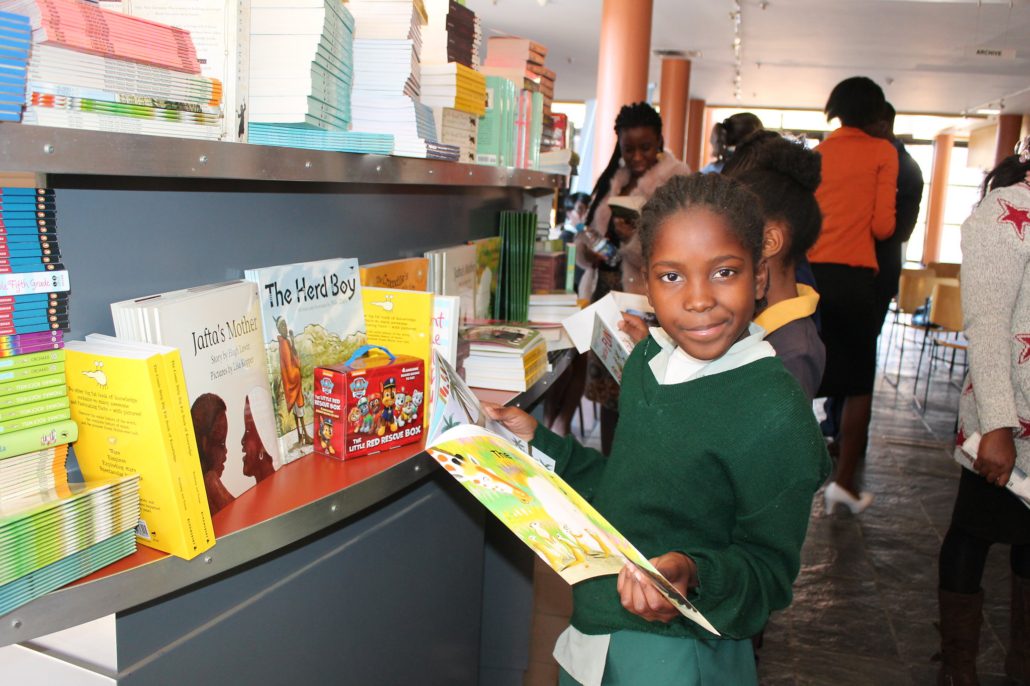
Poverty and Gender Equality in Sub-Saharan Africa 

Promoting global gender equality is one of the 17 Sustainable Development Goals (SDGs) set by the United Nations in 2015. The goal is to achieve gender equality by 2030. UN Women conducted a new data analysis that spotlights gender-based discrimination across all 17 SDGs and then summarized where Sub-Saharan Africa stands in comparison globally. 

The first Sustainable Development Goal is no poverty. The global average is that 122 women in the 24-34 year-old cohort live in extreme poverty for every 100 men of the same cohort. In Sub-Saharan Africa, the average is 127 women living in extreme poverty for every 100 men in the same cohort. The fifth Sustainable Development Goal is about gender equality and reducing the barriers for women and girls. Globally, women do 2.6 times the unpaid domestic work compared to their male counterparts. In the three countries that UN Women looked at — Ethiopia, Mali and Mauritius — women, on average, spend 19% to 22% of their day doing unpaid domestic work. Meanwhile, men spend approximately 2.5% to 8.7% of the day on unpaid domestic labor in the same three countries.

The global Multidimensional Poverty Index (MPI) comprehensively measures how poor a population is based on a summary figure of the three dimensions of poverty — health, education and living standards. The most recent survey year for Gabon was 2012, and based on the data collected, 15.6% of the population is multidimensionally poor. The most recent survey year for Côte d’Ivoire was 2016 when 46.1% of the population was multidimensionally poor.

Reforms in Gabon

Gabon adopted new laws in 2021 that revised the country’s 1972 Civil Code. The Civil Code had previously been rooted in French colonial labor laws that imposed constraints on the jobs and sectors women worked in, the hours and the pay for their labor. As part of the 2021 revisions to reduce these constraints, women in Gabon could:

  • Be heads of household.
  • Own and manage property.
  • Choose where they live. 
  • Have independent bank accounts not connected to their husbands.
  • Have access to more jobs that were previously unavailable to women.

Additionally, reforms to the Criminal Code in 2021 protected Gabonese women from gender-based discrimination when accessing credit.

In May 2023, the First Lady of Gabon, Sylvia Bongo Ondimba, patronized a three-day event promoting women’s rights and empowering them during the Conference of Ministers in Gender and the Advancement of Women. The event highlighted how vital the inclusion of women is when it comes to political and peace processes. At the end of the event, the eleven countries present adopted the “Declaration on the Common Agenda on priority actions for the promotion of women’s rights and their empowerment.”

Reforms in Côte d’Ivoire 

The results of the Program for the Analysis of Educational Systems were published in 2021. This report revealed that only 41% of children could read above the satisfactory level during their final year, and only 17% showed satisfactory proficiency in math.

Côte d’Ivoire has transformed its education system in response to the report. During the 2023/2024 school year, Côte d’Ivoire began the National Early Learning Program, which uses cognitive science and neuropsychology to understand how children read during their early schooling years. In addition to reforms on how children learn, Côte d’Ivoire is also reducing gender inequality and stereotypes in the educational system through: 

  • Training teachers.
  • Increasing female representation in school leadership.
  • Promoting safety.
  • Preventing violence.
  • A revised curriculum.

Concluding Remarks

The reforms that Gabon and Côte d’Ivoire have taken so far are essential steps in the 2030 Agenda to promote gender equality and reduce the barriers that women face. These steps help women gain greater access to rights at all levels — from education to economic systems and political processes. Gabon and Côte d’Ivoire are leading the charge of increasing gender equality in Sub-Saharan Africa.

– Komalpreet Kaur
Photo: Flickr

December 18, 2023
https://borgenproject.org/wp-content/uploads/borgen-project-logo.svg 0 0 Yuki https://borgenproject.org/wp-content/uploads/borgen-project-logo.svg Yuki2023-12-18 07:30:122023-12-15 13:36:06Gender Equality Improves in Sub-Saharan Africa
Gender Equality, Global Poverty, Women and Female Empowerment

Updates on SDG 5 in Namibia: Setting the Standard 

SDG 5 in NamibiaNamibia, a southern African country with a population slightly above 2.5 million, marked a milestone in global development. It is currently the first African country to meet the fifth Sustainable Development Goal (SDG), dedicated to advancing gender equality and women’s empowerment. 

In 2012, the United Nations (UN) created a list of 17 interconnected goals to act as the blueprint for a more sustainable, equitable and prosperous future for people and the planet by 2030. These “global goals” cover many issues, including poverty, hunger, health, education, gender equality, clean water and more.

SDG 5: Empowering Women and Combating Gender Discrimination

United Nations Sustainable Development Goal 5 specifically targets ending discrimination against women and girls through a comprehensive approach that encompasses the following:

  • Including women in the labor market: Globally, only one in two women work for wages as compared to three in four men.  
  • Ending violence against women,  both physical and sexual abuse: One in three women above the age of 15 experience physical/sexual violence in their lifetime. 
  • Stopping harmful practices such as child marriage and female genital mutilation: At least 200 million girls are subject to female genital mutilation. In 2021, nearly one in five girls were married before age 15. 
  • Integrating women within leadership and decision-making roles: The UN reports that women’s representation in government across more than 23 countries was under 10% in 2022. 
  • Adopting policies that strengthen and empower women and girls: Remove discriminatory laws and replace them with legislation to reflect society’s equal gender roles. 
  • Strengthening women’s empowerment through technology: Women make up a significant portion of the 3.9 billion people lacking access to technology.
  • Recognizing the value of domestic unpaid work: Women are more than twice as likely to be engaged in domestic work than men. 

Gender Equality and Economic Growth

Gender equality is not only a matter of human rights but also a driver of poverty reduction and good governance. The World Bank’s Gender Employment Gap Index (GEGI) predicts that closing all gender gaps would result in a 20% increase in GDP across all countries.  

Namibia’s Commitment to SDG 5

Working on SDG 5 in Namibia achieved the following: 

  • Achieving gender balance in the labor force: In 1990, women represented 45.6% of the workforce. As of 2022, women represent 49.8%. 
  • Ensuring gender-equitable education for males and females: In 1990, women’s literacy rate was 74%. Currently, the rate for women above 15 is 91.4%, equal to that of men.  
  • Increasing the representation of women in national government positions: In 2013, women held 24.36% of government positions. As of February 2021, women held 44.2% of parliamentary seats.
  • Increasing women’s use of technology: Around 93.6% of female-headed households have mobile telephone access.  

These accomplishments are a testament to the influence SDG 5 has had on local and national legislation, education and public awareness in Namibia. The Namibian government has implemented and enforced legislation prohibiting sex-based discrimination in the workforce and public campaigns promoting positive gender roles while eradicating harmful practices such as female genital mutilation. These efforts have facilitated women’s transition from the informal to the formal economy, giving autonomy to women and bringing them into the workforce. As of 2023, more than 50% of women are in the workforce, and 80% of Namibian women hold a bank account through an institution or online platform. 

Critical Success Factors: Collaboration

Namibia’s success in meeting SDG 5 goals is due to a cooperative effort between international organizations led by the UN, local Namibian government institutions and citizen-led movements. Namibia achieved a remarkable 91.7% implementation of the SDG 5 programs through this collaborative effort.

Participation of the UN has been vital to meeting SDG 5 in Namibia. Particularly noteworthy was the support from the United Nations Children’s Fund, the United Nations Population Fund and UN Women. Furthermore, local and governmental institutions within Namibia played crucial roles. In fact, the Namibia Ministry of Health and Social Services and the Namibia Ministry of Gender Equality played essential roles in following these advancements. 

Another notable role involved Namibian citizens. The “ShutItAllDown” movement in October 2020 propelled the country into action, calling for the protection of women against gender violence. Protests in Namibia’s capital, Windhoek, began in response to gender-based violence following the femicide of Shannon Wasserfall as a result of protesters’ demands. Namibia implemented security measures to enhance women’s protection. The government implemented a school curriculum focused on gender-based violence and enhanced training for police officers.

The Way Forward

To address poverty among women in Namibia, a robust political movement has emerged, accompanied by increased budgetary allocations for gender mainstreaming. National initiatives focus on preventing and educating against gender-based violence, and a recent positive step involves the elimination of the “tampon tax.” Legal foundations, such as The Namibian Constitution (1990) and the Combating of Domestic Violence Act (2003), along with affirmative action, contribute significantly to gender equality and poverty reduction.

Despite commendable progress, challenges persist, necessitating continued efforts. Achieving gender equality is an enduring process demanding sustained commitment across various sectors. Notably, Namibia’s significant strides in fulfilling SDG 5 exemplify the attainability of such goals. Also, Namibia’s progress could serve as an inspiration for neighboring countries.

– Isabella Oliver-Steinberg
Photo: Flickr

December 10, 2023
https://borgenproject.org/wp-content/uploads/borgen-project-logo.svg 0 0 Jennifer Philipp https://borgenproject.org/wp-content/uploads/borgen-project-logo.svg Jennifer Philipp2023-12-10 01:30:202023-12-07 16:25:47Updates on SDG 5 in Namibia: Setting the Standard 
Gender Equality, Global Poverty

Gender Equality in Scandinavia Creates Happy Countries

Gender Equality in ScandinaviaWomen’s rights are at the forefront of human rights, including their financial, emotional, physical and work rights. The practices seen in Norway and Iceland act as a great example of gender equality in Scandinavia.

The Impressionable Statistics in Scandinavia

Gender equality in Scandinavian countries Norway and Iceland are examples of progressive gender equality in action. Both countries have been voted as the happiest places in the world and this is in part due to their attitude to gender equality. The World Happiness Report states that Norway and Iceland have the ‘six key indicators’ to an abundant lifestyle — GDP per capita, social support, healthy life expectancy, freedom to make life choices, generosity and corruption.

Norway and Iceland see women as a factor that is beneficial to their society. Although the pay gap has lessened over the past decade, women still earn less than men — even in countries like Iceland & Norway. In 2023, the World Economic Forum stated that Iceland had closed more than 90% of the gender pay gap.

Social Support in Iceland and Norway

Women in Scandinavia are considered not only a part of the makeup of Iceland and Norway but are a fundamental part of the country’s workforce.

Iceland is voted number one for gender equality in the world. 66% of graduates are women and 30 of 62 parliamentary seats are held by women. 80% of women in Iceland are a part of the workforce and 50% of the attendees of the GMAT business school entrance exam are women. 

The World Economic Forum states that Norway’s ”Fostering and developing of female talent has the potential to accelerate the growth, competitiveness and future-readiness of economies and businesses worldwide.”

Healthy Life Expectancy in Norway

Much work goes into researching women’s livelihoods and what can improve them. Norway’s ‘Women’s Public Health Association’ is an example of betterment for women, as they focus on housing women for domestic violence recovery and women’s overall health.

The Women’s Public Health Association states: “We are equally committed to contributing to research on women’s health working on behalf of women who have been exposed to violence and minority women and more generally, to improving women’s rights in society.”

Freedom in Norway & Iceland 

Scandinavian countries like Norway and Iceland say that “their social contracts thrive because their community is strong.’ This community is made up of citizens, residents and visitors. Focus on gender equality in Scandinavia encourages freedom for all, as women’s rights are extended to immigrants.

Anthropologist Thomas Hylland-Eriksen states “What may be peculiar about the Nordic way of dealing with immigrants is the great emphasis placed on equality, including gender equality.” Minorities are considered a part of the fundamental system that makes up Nordic countries.

Furthermore, Iceland holds the Gender Equality Act, last updated in 2021, its main aims are to: prevent discrimination based on gender, as well as maintain gender equality and equal opportunities for the genders in all spheres of society. This means that it is by law unadvised to discriminate in the workplace.

What Is the Takeaway?

Gender equality is at the heart of human rights and United Nations values. Gender-based discrimination is prohibited under almost every human rights treaty. Yet globally, millions of women and girls continue to experience discrimination and violence — being denied their equality, dignity, autonomy and even life.

These influences and examples of equality allow for the gender gap to be discussed in the future. It will take almost 140 years for women to stand equal with men globally. However, gender equality in Scandinavia serves as inspiring progress. The female rights and attitude towards gender is a great example of a nation wanting to move forward on equal footing. 

– Anastasia Brown
Photo: Flickr

November 24, 2023
https://borgenproject.org/wp-content/uploads/borgen-project-logo.svg 0 0 Yuki https://borgenproject.org/wp-content/uploads/borgen-project-logo.svg Yuki2023-11-24 07:30:032023-11-20 04:10:51Gender Equality in Scandinavia Creates Happy Countries
Gender Equality, Global Poverty, Women

How Women’s Pavilion is Fighting for Gender Equality

Gender EqualityWomen’s Pavilion is a community exhibition in Expo City, Dubai, which aims to showcase women’s contributions to humanity, particularly those who have not received the recognition that they deserve already. This ranges from the work of women who are incredibly well-known to the completely anonymous. The exhibition includes different floors with each one describing the heroic and selfless actions of women with accompanying photos and memorabilia. In this way, Women’s Pavilion is fighting for gender equality.

Visiting Women’s Pavilion

Even if it is not possible for one to physically visit the display, the website offers a virtual 360° tour of the showcase that allows people to witness the amazing displays from their own home. The exhibit includes photos and accompanying explanations ranging from Frida Kahlo to Kathy Matsui, a partner in MPower.

The opening of Women’s Pavilion’s exhibit portrays how women have been underrepresented. With this being the first section of the Pavilion, it highlights the fact that gender inequality does not start at a specific age, and even children will experience prejudice from a school age. 

The Aims of Women’s Pavilion

The main and most evident aim of Women’s Pavilion is to encourage young women to break down the barriers that are pre-existing stereotypes and allow them to live carelessly as their authentic selves. It also aims to deconstruct any misconceptions when it comes to women’s roles; both in a small community or a wider society including household duties and careers. However, Women’s Pavilion also acknowledges the men who have helped to make sure that these women are finally getting the recognition that they deserve as a thank you for using their privilege in order to share the deserved spotlight with the women they worked alongside. 

This is not the first time that Dubai has been vocal in its fight for women’s rights and gender equality. Women’s Pavilion shares stories of many women from Arab countries and Islam who have fought to make the world a cleaner and better place.

Highlighting Gender-Related Poverty

In the display, there is a moving excerpt that consists of a wall filled completely with women’s shoes. At first glance, it may simply look like a wall of shoes, but after looking closer, they will learn that despite the 75% decrease in poverty, more women live in poverty compared to men. This highlights the fact that although conditions are improving immensely, there are still improvements that need to occur to promote gender equality. 

There is also a moving dedication to applaud the women who played important parts throughout the COVID-19 pandemic, which again showcases the work of women whose selfless acts are going unnoticed. 

Women’s Pavilion is a perfect representation of all of the women throughout history who have gone completely unacknowledged for their skills or contributions to society. From world-famous artists to teachers and behind-the-scenes programmers, Women’s Pavilion appreciates and applauds every woman. 

– Ella Bushell
Photo: Flickr

November 16, 2023
https://borgenproject.org/wp-content/uploads/borgen-project-logo.svg 0 0 Yuki https://borgenproject.org/wp-content/uploads/borgen-project-logo.svg Yuki2023-11-16 07:30:202023-11-13 19:54:03How Women’s Pavilion is Fighting for Gender Equality
Gender Equality

Committee for Women’s Rights in Monaco Integrates App-Elles

Women’s Rights in MonacoThe Committee for the Promotion and Protection of Women’s Rights in Monaco introduced the ‘App-Elles’ mobile application on September 21. This app aims to enhance personal security and combat domestic violence in the principality.

With one-third of its residents being millionaires and a lack of income tax, the principality does not track poverty rates. Economists state that due to the high wealth of Monaco’s residents, poverty is nonexistent. But that does not mean every citizen of Monaco is ultra-wealthy. Monaco, with a population of approximately 9,000 native Monégasques and limited housing options in its small 1-square-mile area, faces unique circumstances. The nonexistent poverty rates have led the government to prioritize social programs for the benefit of its residents.

The Committee for The Promotion and Protection of Women’s Rights

The Sovereign Order of Monaco created the Committee for the Promotion and Protection of Women’s Rights on October 25, 2018. The goal of this committee is to promote gender equality and combat all forms of violence against women. The Principality of Monaco and its Prince, Albert II, consider women’s rights an important issue. It is a core priority since Monaco accepted the United Nations and the Council of Europe’s conventions on women’s rights and protection. 

Female Abuse

The Committee for Women’s Rights in Monaco conducts an annual report with Monaco Statistics to track key data on the abuse of women in the principality. In January, the report’s findings showed that there was an increase in abuse against women. The number rose from 23 in 2021 to 33 in 2022 and approximately half were cases of physical abuse. While there hasn’t been a significant increase in the number of cases, this data aims to emphasize the importance of protecting women’s rights in Monaco. It underscores the need to take necessary measures to address and prevent domestic violence.

While the laws are helpful in criminalizing domestic violence within the courts, the Committee wanted a resource for victims and witnesses to use. The Committee partnered with the Resonantes Association to integrate “App-Elles” into Monaco’s emergency response network.

App-Elles

“App-Elles” was originally launched in 2015 to bring all of France’s resources and emergency contacts into one place for easy access. The app is currently available in 15 countries and has multiple languages available. This integration of the app into Monaco’s emergency landmark represents a significant step in Monaco’s commitment to protecting women’s rights and ensuring their safety within the principality. 

This app aims to help victims and witnesses of domestic violence call for assistance when they require it. The app gives users quick access to all of Monaco’s emergency contact numbers and resources. Additionally, the app can quickly alert trusted relatives and geolocate users during a crisis. 

Other services that the app provides include sound recordings starting from the moment the user triggers an SOS alarm. The recordings and geolocation tags are stored on a secure server for 15 days. If users want to keep these recordings, then they must download the files. These recordings are admissible as evidence in Monaco’s courts.

On September 26 and 27, the Committee for the Promotion and Protection of Women’s Rights in Monaco and the Resonantes Association conducted workshops to introduce the app to the residents and educate them on how to use the application to its full potential. 

Looking Ahead

“App-Elles” represents one of Monaco’s many initiatives in line with its commitment to advancing women’s rights and addressing violence against women. Monaco’s legal framework has been structured to criminalize acts of violence against women. The incorporation of “App-Elles” into Monaco’s emergency network offers crucial resources and evidence for individuals facing domestic violence during moments of crisis. Should this application prove effective in the coming years, it could serve as a model for other countries seeking to integrate similar tools into their emergency networks across Europe and, potentially, on a global scale.

– Komalpreet Kaur
Photo: Unsplash

November 2, 2023
https://borgenproject.org/wp-content/uploads/borgen-project-logo.svg 0 0 Jennifer Philipp https://borgenproject.org/wp-content/uploads/borgen-project-logo.svg Jennifer Philipp2023-11-02 22:37:312026-04-16 10:20:59Committee for Women’s Rights in Monaco Integrates App-Elles
Charity, Gender Equality, Global Poverty

Makeup Brands Helping Women in Poverty

Makeup Brands Helping Women in PovertyOn average, more women across the world live below the poverty line than men, facing the same issues with poverty as men with an added layer of gender-based violence to further it. Recently, different beauty organizations have stepped in to help these women. Makeup brands helping women in poverty across the world are creating and working with organizations like Project Beauty Share and the L’Oréal Fund for Women. 

These brands not only provide women with money and resources but also help to protect women from domestic violence and other issues that women face. Many of these brands do this by setting up good education systems within developing countries which help to provide young women with the education they need to provide for themselves. 

Project Beauty Share 

Project Beauty Share is an organization that was founded in 2010 with the goal of helping women by donating previously owned, but unused, makeup products to women in poverty. It was founded by a makeup artist after discussing with a client how many makeup products she buys and never uses, giving her the idea to create an organization that donates these products to homeless women and women in poverty. 

Makeup empowers women because it is a form of self-expression. It allows women to express all sides of themselves and show their own uniqueness, something that many women who are struggling with poverty do not have the luxury of doing. Makeup can help people to feel prepared, empowering them as a result. 

Project Beauty Share is currently funded by over 100 agencies that are helping to support women across the world. Some of these companies and organizations are SMILE, Ronald McDonald House, The Salvation Army and more. Project Beauty Share is a great example of an organization that is independent of the makeup companies that are helping women in poverty, and helping these women instead of actually providing makeup to them. 

Makeup Brands Helping Women in Poverty

  • L’Oréal has set up the L’Oréal Fund for Women, a charity based on helping women who are in poverty to get back on their feet and preventing violence against women. The fund was started in 2020, hoping to empower women through education. Because of this, similar to what the brand Tatcha has done, L’Oréal has funded many charities and organizations that work to set up schools for women in developing countries. 
  • Tasha has set up schools to fund girls’ education in multiple countries, like Bangladesh, Cambodia, India, Laos and more. The brand has done so continuously over the past six years, funding over five million days of schooling for girls across the world. 
  • Burt’s Bees is another brand that has given back to the women in the countries from which they source their products. The company uses shea butter sourced from West Africa to make its famous lip balms, and, in return, donates both money and resources for the improvement of the lives of women in the country. As of 2021, they have planted billions of wildflower seeds in order to restore the bee population in West Africa and have donated over $1 million, in both grants and products, to better the lives of over 14,000 women there. 

Final Thoughts

Makeup companies like L’Oréal, Tatcha and Burt’s Bees are helping to empower women living in poverty across the globe. These brands are not only offering financial assistance and resources but also tackling the root causes of gender-based violence by promoting education and empowerment. These endeavors highlight the potential for corporate resources to make a profound impact on women’s lives, breaking the cycle of poverty and violence.

– Allison Groves 
Photo: Flickr

October 12, 2023
https://borgenproject.org/wp-content/uploads/borgen-project-logo.svg 0 0 Yuki https://borgenproject.org/wp-content/uploads/borgen-project-logo.svg Yuki2023-10-12 07:38:462023-10-15 02:38:17Makeup Brands Helping Women in Poverty
Food Insecurity, Gender Equality, Global Poverty

3 Beirut Projects Supporting Poverty Reduction in Lebanon

Poverty reduction in LebanonIn 2020, Beirut, the capital of Lebanon, was devastated by a huge explosion. The impact resulted in over 200 casualties and 7,000 injured persons. The explosion made an estimated 300,000 people homeless. The youngest victim was just 2 years old.

The tragedy is “one of the largest non-nuclear explosions in history,” and Beirut’s infrastructure suffered greatly. Around 50% of the country’s health centers were deemed unusable. The World Bank estimated at least $3.8 billion in damages. Since the explosion, Lebanon’s economy has struggled. The country’s GDP declined by approximately 2.6% in 2022. The country has one of the lowest revenue rates globally, at 6% of GDP in 2022.

Amid political and economic instability, poverty in Lebanon, particularly in Beirut, is rising. In 2023, around 80% of civilians were living in poverty. This poverty rate is almost double the rate from before the Beirut explosion. In 2019, the poverty rate in the country was 42%. In Beirut alone, an estimated 25,000 households live in extreme poverty. More than ever, poverty reduction in Lebanon is critical. Thankfully, the country’s strife has prompted many community projects supporting rebuilding the country.

Espace Fann

In 2019, just over 59% of Lebanese civilians enrolled in higher education. However, as the country’s economy declines, education opportunities are in crisis. Annual tuition fees have drastically increased, from LL885,000 ($58.90) in 2022 to LL12 to 13 million ($798.60 – $865.15) in 2023.

This economic decline and increased tuition fees inspired Nour Tannir and Yasmine Dabbous to develop Espace Fann. The project is based in Beirut and provides a creative space for residents. According to their website, the group offers ”art education and design classes to young and mature talents. While we focus on design thinking and skill building, our aim is to encourage creativity, sustainability and healing through the arts… At Espace Fann, we offer university-level art education, including courses and workshops, at affordable prices. Our instructors help students learn new skills, develop their creativity and launch new careers in the arts.”

The initiative developed in 2019, but the NGO Stand for Women aided Espace Fann after the blast. The Lebanon-based charity supports women’s economic freedom and gender equality and aids the women’s workforce across the Middle East.

In January 2022, the unemployment rate in Lebanon was 29.6%, almost a third of the population. Espace Fann tackles poverty in Lebanon by providing participants with skills to support employment. The affordable courses include website design, self-branding and promotion, filmmaking and various art courses.

The “BERYT” Project

The Beirut Housing Rehabilitation and Cultural and Creative Industries Recovery Project, or BERYT, is alleviating poverty in Lebanon by focusing on re-establishing housing for Beirut residents. U.N.-Habitat and the World Bank lead it. The project supports people in Beirut through four main objectives. To begin, BERYT contributes to restoring damaged buildings with “heritage value.” It also offers support in renting and offers grants for cultural productions. It also focuses on “project management and capacity building.” Concentrated efforts will be in areas within 5km of the blast’s center. Within these neighborhoods, buildings that housed more economically challenged families will remain a priority.

Matbakh El Kell: The Community Kitchen

Another aspect of poverty in Lebanon is food insecurity. In 2023, the U.N. estimates that 1.4 people in the country face food insecurity. This data includes high rates of malnutrition. 28.3% of women between 15-49 have anemia. In addition, low birth rates affect over 9% of infants.

Matbakh El Kell: The Community Kitchen is just one of many projects tackling food poverty in Lebanon. The kitchen serves over 2,500 meals a day, completely free. The project is in the blast epicenter and was developed due to the 2020 tragedy. Meals are for a range of vulnerable demographics. This demographic includes impoverished families, the elderly, hospital outpatients and orphans. Souk El Tayeb, a company founded in 2004, developed the kitchen. The company aims to support local cuisines and produce while uniting communities. Souk El Tayeb also oversees many farmer’s markets, further aiding the local economy.

The 2020 Beirut explosion was a tragedy many Lebanese citizens will carry with them for a lifetime. However, the disaster has seen various innovative, community-based projects focused on poverty reduction in Lebanon.

– Bethany Brown
Photo: Flickr

October 8, 2023
https://borgenproject.org/wp-content/uploads/borgen-project-logo.svg 0 0 Yuki https://borgenproject.org/wp-content/uploads/borgen-project-logo.svg Yuki2023-10-08 04:18:302026-04-16 10:20:593 Beirut Projects Supporting Poverty Reduction in Lebanon
Gender Equality, Global Poverty, Women's Rights

Progress Report on Women’s Rights in Lesotho

Women’s Rights in LesothoThe status of women’s rights in Lesotho has seen slow but gradual improvement. Progress has been made in areas such as domestic abuse, poverty, sexual violence, economic opportunity and access to health care. Government initiatives, paired with NGOs and international institutions, have been the main driver towards achieving equality for women in Lesotho. 

Background on Lesotho

Lesotho is a landlocked country located in South Africa. The former Basutoland won independence in 1966 from the United Kingdom and recognized itself as the Kingdom of Lesotho. A constitutional government was then instituted in 1993 after a brief span of military rule. It acquired a semblance of political stability following the constitutional reforms in the late 1990s. 

Lesotho is classified as a lower-middle-income country. In 2022, 34.7% of the population was experiencing poverty, living on only $2.15 per day.

Definition of Women’s Rights

Women’s rights involve issues such as freedom from sexual violence, the right to vote, to hold public office, to work, to education and to own property. The United Nations Entity for Gender Equality and the Empowerment of Women (U.N. Women) is the U.N. entity committed to empowering women and promoting gender equality. Their vision of equality involves the following:

  • Elimination of discrimination against women and girls.
  • Empowerment of women.
  • Achievement of equality between women and men as partners and beneficiaries of development, human rights, humanitarian actions and peace and security. 

The Current Status of Women’s Rights in Lesotho

Internationally, Lesotho ranks very low on women’s rights. According to the Human Development Report 2021/2022, the country ranks 144 out of 191 worldwide on gender equality. As a result, women are more likely to live in poverty than men due to discriminatory practices that limit their employment opportunities.

Women in Lesotho face high rates of domestic abuse and sexual assault. A survey in 2018 reported that 16.5% of women ages 15–49 were victims of physical and/or sexual assault from a current or former partner within the last year. 

A lack of quality health care services is a major issue. With little access to necessary medical procedures, women become susceptible to high infant and maternal mortality rates. An underdeveloped health care sector also weakens the official capacity to mitigate virus outbreaks. Women in particular are disproportionately affected by HIV, as 27.3% live with the virus, compared to 17.4% of men.

Lastly, women are politically underrepresented in local government. Lesotho’s population was measured at 2.3 million as of 2022. Although women make up 50.7% of the population, as of February 2021, women held 23.3% of the seats in parliament. 

The Progress

Despite these ongoing issues, the status of women’s rights in Lesotho has improved. Regarding women’s health, the rate of infant and maternal mortality is decreasing. This is a direct consequence of the 86.6% increase in health care professionals attending live births.

The government has also passed legislation to enhance the status of women’s rights in Lesotho. In the last two decades, the government has passed The Sexual Offenses Act, The Anti-Trafficking Persons Act and the Local Government Elections Act, the latter of which sets a quota for women’s representation in local government.

The recent growth of the garment industry has had a major impact on poverty reduction. Currently, the garment industry produces 20% of the country’s GDP. While many men in Lesotho travel to South Africa to work in mines, it is women who find employment in clothing factories. Women make up 80% of the factory workforce. Such job opportunities mean women no longer have to rely solely on a man’s ability to provide.

To further reduce poverty the World Bank has adopted the Country Partnership Framework 2024–-2028 for Lesotho. This strategy focuses on three long-term outcomes:

  1. Increasing employment via the private sector by improving the enabling environment for micro to medium enterprise growth, fostering private investment and job creation.
  2. Enhance human capital outcomes by raising the quality of education/health/social protection.
  3. Strengthen climate resilience by optimizing natural resource allocation and increasing access to climate-resilient infrastructure.

Conclusion

Lesotho is still struggling with high rates of HIV/AIDS and relatively low gender inequality. Yet clear progress has been made on women’s rights. These improvements serve as a sign of hope that greater swaths of the population in Lesotho are experiencing longer, more stable and more enriching lives.

– Nicholas Jaramillo
Photo: Pixabay

October 2, 2023
https://borgenproject.org/wp-content/uploads/borgen-project-logo.svg 0 0 Yuki https://borgenproject.org/wp-content/uploads/borgen-project-logo.svg Yuki2023-10-02 23:51:392024-05-30 22:32:25Progress Report on Women’s Rights in Lesotho
Gender Equality, Global Poverty, Women's Rights

7 Facts About Gender Equality in Lithuania

Gender Equality in Lithuania
Lithuania ranks ninth in the world for gender equality, according to the World Economic Forum’s Global Gender Gap Report for 2023. Here are seven facts about gender equality in Lithuania.

7 Facts About Gender Equality in Lithuania

  1. Women’s Day in Lithuania: Women’s Day in Lithuania is celebrated annually on November 2. It marks the day in 1918 when Lithuanian women received the right to vote. To acknowledge the momentous 100th anniversary since women gained suffrage, the capital city of Vilnius put up several female-inspired pedestrian crosswalk lights in 2018 in place of the traditional male symbol.
  2. The Effects of COVID-19: The spread of COVID-19 had a disproportionate effect on men’s and women’s involvement in household tasks. In particular, 2021 saw 57% of women in contrast to 13% of men in Lithuania holding the sole responsibility of childcare. This 44% divide exists as one of the larger gender gaps throughout the European Union (EU). Similarly, in 2021, 70% of women in comparison to a significantly lower 8% of men reported holding the responsibility of household caretaking duties. These duties were also more strenuous for women as 16% of women devoted more than four hours a day toward chores compared to 5% of men.
  3. The Gender Pay Gap: The gender pay gap still persists in Lithuania, despite the country being recognized for equality. Reports indicate that women earn approximately 14% less than men. In addition, according to the State Social Security Fund Board in 2021, women-dominated sectors still see a disparity in pay with their wages generally being lower than their male counterparts. Gender statistics provided by CreditInfo Lithuania also underscore 72 out of 81 professional fields in Lithuania where men traditionally earn more than women. While these statistics can be impacted by complex features including childcare leave and the number of men and women in an individual sector, it is evident that the country can do more to address this gap.
  4. Violence Against Women: Violence against women ranging from domestic abuse to femicide is a crucial matter to address throughout the EU with 788 women killed by a partner or relative across 17 member states in 2020, according to the European Institute for Gender Equality EIGE). Additionally, 13 women from Lithuania contributed to that total. To address violence against women, in June 2013, Lithuanian officials signed the Istanbul Convention — a human rights treaty dedicated to tackling violence against women. However, the convention remains unratified which demonstrates the need for more action to combat violence against women in Lithuania.
  5. Female Prime Minister: Lithuania elected the first female president of Lithuania in May 2009, almost a century after women had gained the right to vote. However, even the first national election in 1920 saw women alongside men occupying positions of power as parliamentarians. Currently, female politician Ingrida Šimonytė acts as the prime minister of the nation. Furthermore, female politicians Aušrinė Armonaitė and Viktorija Čmilytė-Nielsen represent the Freedom and Liberal parties respectively.
  6. Gender Equality: Among the member states in the EU, Lithuania received a score of 60.6 out of 100 in the 2022 Global Gender Equality Index. The country’s highest scores in the index lie in the fields of work, a measurement of fair access to employment and work benefits between men and women, and health, which compares gender equality in access to quality health services. For the aspects of work and health conditions, Lithuania received scores of 73.9 and 82.7 respectively. However, in other indicators such as time, which measures the sum of time between men and women dedicated to domestic tasks, Lithuania scored only 50.6.
  7. The Law on Equal Opportunities for Women and Men: For years, the Lithuanian government has enacted legislation to address gender equality. The Law on Equal Opportunities for Women and Men was adopted in 1998 and the Law on Equal Treatment came into place in 2005. These laws worked to “forbid any discrimination – whether direct or indirect – on the grounds of sex.” Moreover, lawmakers amended these laws in 2016 and reflected changes including a ban on the priority given on the basis of gender, a prohibition on requiring job candidates to disclose personal class and familial information and a bar on discrimination against women as a result of pregnancy, childbirth or nursing.

Looking Ahead

While Lithuania is one of the top countries for gender equality, it still has some room to improve. With the continued efforts of the Lithuanian government, women’s rights should see even further improvements in the years to come.

– Katrina Girod
Photo: Flickr

September 30, 2023
https://borgenproject.org/wp-content/uploads/borgen-project-logo.svg 0 0 Kim Thelwell https://borgenproject.org/wp-content/uploads/borgen-project-logo.svg Kim Thelwell2023-09-30 01:30:102023-09-25 23:14:137 Facts About Gender Equality in Lithuania
Page 12 of 39«‹1011121314›»

Get Smarter

  • Global Poverty 101
  • Global Poverty… The Good News
  • Global Poverty & U.S. Jobs
  • Global Poverty and National Security
  • Innovative Solutions to Poverty
  • Global Poverty & Aid FAQ’s
Search Search

Take Action

  • Call Congress
  • Email Congress
  • Donate
  • 30 Ways to Help
  • Volunteer Ops
  • Internships
  • Courses & Certificates
  • The Podcast
Borgen Project

“The Borgen Project is an incredible nonprofit organization that is addressing poverty and hunger and working towards ending them.”

-The Huffington Post

Inside The Borgen Project

  • Contact
  • About
  • Financials
  • President
  • Board of Directors
  • Board of Advisors

International Links

  • UK Email Parliament
  • UK Donate
  • Canada Email Parliament

Get Smarter

  • Global Poverty 101
  • Global Poverty… The Good News
  • Global Poverty & U.S. Jobs
  • Global Poverty and National Security
  • Innovative Solutions to Poverty
  • Global Poverty & Aid FAQ’s

Ways to Help

  • Call Congress
  • Email Congress
  • Donate
  • 30 Ways to Help
  • Volunteer Ops
  • Internships
  • Courses & Certificates
  • The Podcast
Scroll to top Scroll to top Scroll to top