• Link to X
  • Link to Facebook
  • Link to Instagram
  • Link to TikTok
  • Link to Youtube
  • About
    • About Us
      • President
      • Board of Directors
      • Board of Advisors
      • Financials
      • Our Methodology
      • Success Tracker
      • Contact
  • Act Now
    • 30 Ways to Help
      • Email Congress
      • Call Congress
      • Volunteer
      • Courses & Certificates
      • Be a Donor
    • Internships
      • In-Office Internships
      • Remote Internships
    • Legislation
      • Politics 101
  • The Blog
  • The Podcast
  • Magazine
  • Donate
  • Click to open the search input field Click to open the search input field Search
  • Menu Menu

Archive for category: Gender Equality

Gender Equality, Global Poverty, Women's Empowerment

Poverty and the Gender Wage Gap in Peru

Gender Wage Gap in PeruPeru struggles with high national poverty rates and an economy that inflation and political and financial uncertainty further hinder. While Peru was one of the most prominent performers in Latin America in the last 25 years, COVID-19 hit the nation especially hard. Its economy contracted by 11% in 2020, accompanied by a 10 point rise in its national poverty rate (from 20.2% in 2019 to 30.1% in 2020) as a result of the pandemic. The nation is recovering from this setback, but several obstacles are in its way. One major obstacle is gender inequality — or, more specifically, the gender wage gap in Peru.

Gender Inequality in Peru

Gender inequality in Peru originates from an adherence to traditional gender roles. Women are less likely to work full time for pay, for example, occupied instead with unpaid work such as household chores and child care. Women in Peru spend around 24 more hours per week on unpaid tasks than men, while men spend roughly 21 more hours per week on paid tasks than women. The prevalence of these gender roles affects economic participation and wages for women — the median full-time female worker in Peru earns 17% less than the median full-time male worker.

The labor force participation rate for women in Peru was 65.9% in 2023, compared with 79.5% for men. The effects of motherhood intensify this gap, with 41% of women in Peru stopping working after their first child, a percentage that remains after 10 years. Women with children often seek more flexible occupations such as part-time or informal jobs to accommodate their added responsibilities, according to the OECD. Traditional gender roles reinforce these effects of motherhood and may discourage the full-time participation of women in the workforce.

Bridging the Gap

Increasing the participation of women in the workforce could both strengthen efforts to reduce the gender wage gap in Peru and bolster the nation’s economy. Women represent a large portion of the population — their contributions to the workforce could help Peru’s formal economy grow, especially after COVID-19. Addressing this gap could be key to restoring and revitalizing the nation’s economy in the wake of the pandemic.

Education level is an important step towards achieving these goals. Women who graduated from upper secondary school and university have 80% and 90% labor market participation rates, respectively, while those with lower levels have under 50% participation, according to the OECD. Encouraging higher education could thus stimulate Peru’s economy by incorporating more people into the workforce, while simultaneously addressing gender inequality.

However, while reducing gender inequality in Peru still needs more work, education rates have increased for both genders in recent years. Rates of enrollment for boys and girls from pre-primary to upper secondary education are virtually the same, and illiteracy has essentially vanished among older teenagers of either sex, at a rate of about 0.5 percentage points. By contrast, among 60+ year-olds, women tend to be more frequently illiterate, with the gap between genders reaching roughly 18.7 percentage points, according to the OECD.

Encouraging higher education and economic participation among women could help bridge the gender wage gap in Peru — heightened labor participation and education provide girls with a stronger political voice and representation. Bridging this gap in itself could incentivize more women in Peru to work, including those in disadvantaged communities. Thus addressing gender inequality could gradually reduce the national poverty rate and bolster Peru’s economy.

Addressing Poverty and Gender Inequality in Peru

Organizations such as Peruvian Hearts, a nonprofit that focuses on educating girls and women in Peru, encourage the independence and economic participation of women. This organization’s PH Scholars program offers university scholarships and psychosocial support to disadvantaged girls to empower and educate women. It focuses specifically on girls from low-income families and has raised $666,072, as of June 2024, to address gender inequality and the interconnected problem of national poverty.

Globalteer’s Women’s Empowerment Project also aims to educate disadvantaged women in Peru and encourage their participation in the workforce. Concentrated in rural villages near Cusco, this project provides resources, financial backing, market knowledge and support to women in these areas to encourage economic independence and address poverty in Peru. This organization has currently raised $5,759, as of June 2024, to bridge Peru’s gender divide.

Peru has undoubtedly made significant progress in addressing gender inequality. However, in the wake of the COVID-19 pandemic, reducing the gender wage gap can encourage more women to participate in the workforce and thus bolster Peru’s economy.

– Lana Swindle

Lana is based in Princeton, NJ, USA and focuses on Global Health and Politics for The Borgen Project.

Photo: Flickr

June 23, 2024
https://borgenproject.org/wp-content/uploads/borgen-project-logo.svg 0 0 Jennifer Philipp https://borgenproject.org/wp-content/uploads/borgen-project-logo.svg Jennifer Philipp2024-06-23 07:30:142024-06-23 13:07:58Poverty and the Gender Wage Gap in Peru
Gender Equality, Global Poverty, Women's Empowerment

Women for Gaza: Gender Poverty and Aid in Gaza

Women for GazaGender significantly influences poverty in Gaza, with data indicating that female-headed households in Palestine are 30% more likely to fall below the poverty line. The recent increase in hostilities has further worsened the already poor living conditions for Gaza’s female population. Since the recent escalation of conflict in Gaza and the West Bank, more than 10,000 women have died.

Gender-Specific Needs Neglected in War

In 2023, Sima Sami Bahous, Executive Director of the United Nations (U.N.) Women, declared, “Women and girls pay the highest price when armed conflict erupts.” Documentation consistently shows that the specific needs of women during conflicts, such as sanitary products, antenatal care and safe, private facilities, often go unmet and are typically excluded from conflict prevention and resolution efforts.

Gender Poverty in Gaza

Gaza’s history of political instability, prolonged occupation and entrenched poverty has left deep scars. Amnesty International argues that the lack of clear governance and leadership often results in the re-emergence of traditional structures that reinforce patriarchal values. The hardships endured by women and girls in Gaza extend beyond recent events. Even before the latest escalation of hostilities, the female population of Gaza disproportionately experienced poverty. UNICEF highlighted that malnutrition among pregnant women was already high before Israel’s recent occupation of the area.

The impact of poverty on Gazan women has also threatened their sexual and reproductive rights, issues that existed even before the recent escalation of the Israeli-Hamas conflict. Records show that 94,000 women were already lacking access to sexual and reproductive services before Oct. 7, 2023. In the five months following, this number soared to over one million.

The Current Situation for Women in Gaza

Since Oct. 7, 2023, women have accounted for 70% of the fatalities. Miscarriages have increased by 20% and seven mothers are killed every hour, with more than a million women displaced. In April 2024, the U.N. issued a ‘Gender Alert’ for Gaza’s female population due to the disproportionate impact of recent hostilities. The dire living conditions and crumbling civilian infrastructure have worsened to the point of near nonexistence.

The World Health Organization (WHO) reports that critical care remains largely inaccessible to women who are sick, injured, breastfeeding or pregnant; only one-third of Gazan hospitals are still functional. The conflict has caused unusually high rates of mortality among women and children. Tess Ingram, UNICEF’s communication specialist, stated in a Jan. 2024 press conference that an infant is born into a ‘horrendous war’ every 10 minutes. Save the Children further highlighted the emotional suffering of families, reporting that more children died in Gaza in Oct. 2023 than in global conflicts annually since 2019.

Aid for Women and Women-led Aid

Reports indicate that five women-led organizations employ a network of 1,575 staff members on the ground. These groups lead humanitarian operations in Gaza:

  1. U.N. Women. U.N. women support gender-specific needs and requirements in Gaza. The organization leads the national gender coordination efforts, lobbying for women’s rights to be incorporated into international emergency responses. 
  2. Women’s protection and empowerment, Gaza and Lebanon, Medical Aid for Palestinians (MAP). MAP promotes maternal, neonatal and child care through an integrated approach to improving quality care for Palestinian and Lebanese women affected by the prolonged conflict.
  3. Women for Women International. Working closely with local women’s rights organizations, including the Wefaq Society for Women and Child Care, this group aims to address urgent humanitarian needs of women through essential service provision such as meals, clothing, hygiene kits and trauma-informed counseling.
  4. Relief Web. With five teams of doctors, nurses and midwives on the ground in Gaza, this organization is providing life-saving and dignity-maintaining medical aid to Gaza’s women and girls; including the distribution of UNFPA menstrual hygiene kits.
  5. Women Against Violence. A Palestinian-Jewish women’s forum that provides shelter for female Jewish and Palestinian survivors of conflict. The group makes efforts to alleviate the mental burden of female experiences by providing a safe space for dialogue between Israeli and Jewish women.
  6. ISRA-United Kingdom (U.K.). A group of women from Birmingham, U.K., operates under the slogan “Women for Gaza.” This NGO provides life-saving provisions to preserve the dignity of women caught amid the Israeli-Hamas conflict.

The intense struggles faced by women-led organizations on the ground in Gaza highlight their steadfast commitment to saving lives. Bahous recognizes, their work transcends mere survival: “It is about maintaining hope, dignity and the possibility of a better future.”

Looking Ahead

In Gaza, the disproportionate impact of conflict on women remains a critical issue, exacerbating their already vulnerable conditions. Since Oct. 2023, women have represented a significant majority of the fatalities and have faced severe disruptions in access to essential health services. Humanitarian organizations, including several women-led groups, continue to make efforts to provide crucial aid.

– Thea Carter

Thea is based in London, UK and focuses on Global Health and Politics for The Borgen Project.

Photo: Flickr

June 22, 2024
https://borgenproject.org/wp-content/uploads/borgen-project-logo.svg 0 0 Precious Sheidu https://borgenproject.org/wp-content/uploads/borgen-project-logo.svg Precious Sheidu2024-06-22 01:30:052024-07-03 13:20:47Women for Gaza: Gender Poverty and Aid in Gaza
Gender Equality, Global Poverty, Women's Empowerment

Give a Future: Fighting for Gender Equality in Ethiopia

Gender Equality in EthiopiaEthiopia is a landlocked country located in the Horn of Africa. It is Africa’s oldest independent country and holds the second-largest population on the continent, with a population of 113.6 million. It has sentiments of a Marxist past, with highly restrictive media environments and tensions within the government. Notably, in October 2018, Sahle-Work Zewde was elected as president, marking a historic milestone as Ethiopia’s first female head of state since Empress Zawditu. With her inauguration came a pledge to champion gender equality in Ethiopia, aiming to translate rhetoric into tangible progress.

Gender Equality in Ethiopia

Ethiopia has committed to improving gender equality, especially with Zewde, who made women hold half of the positions in her cabinet. Nevertheless, when it comes to female education, the improvement does not seem so drastic. Similarly, despite women’s significant contribution to the agricultural sector in rural regions of Ethiopia, their contributions often go unrecognized and they face restrictions in accessing resources and community participation.

Recent findings by the United States Agency for International Development (USAID) found that one in three women experience physical, emotional, or sexual violence and only 50% of girls who enroll in primary schools ever make it to grade five. This seems to be an issue in Ethiopia, where many girls are unable to transition to secondary and tertiary school due to distance, personal security and economic challenges. Women often face more constraints in regard to less access to credit and limited market access and 30% of Ethiopian women do not make decisions on individual and family issues such as birth control methods.

Give a Future and Gender Equality

Give A Future is a nonprofit run by a group of dedicated individuals who believe in sustainable change through cost-effective programs. It was founded almost 20 years ago by Stephanie Ferrario and her team. The initiative started with homes for street children, which then turned into many homes, three schools, a large scholarship fund for girls, a large microfinance program for women and family programs to help families with their responsibilities. Its ethos builds upon providing knowledge, training and access to credit to create changes that last a lifetime and carry on into the next generations. As they say, “Educated women make the world a better, safer, more resilient place and are good for business.”

All of Give A Future’s programs are run by Ethiopians who are motivated to make their country a better place. Recognizing the vital role education plays in shaping the future, particularly for girls, Give A Future emphasizes the classroom as a sanctuary, providing not just learning opportunities but also a haven of safety and empowerment. The Borgen Project spoke with founder Ferrario, who highlights that “education is the one thing nobody can ever take away from you” and it is always the way to build the foundations for a better life. Therefore, Give A Future provides support for girls and women who want to finish university and supports women in its microfinance program, enabling them to create and run small businesses.

This has a ripple effect and contributes toward dismantling gender inequality once and for all, one woman at a time. The small number of women in business and politics, which Ferrario tells us has remained relatively the same since Zewde was appointed head of state, is a testament to this and highlights the importance of increasing female representation and empowerment at a higher level.

Impact

Recently, Give A Future created shecan.world. On this platform, women have a voice and can tell their stories to others, creating a plethora of role models for women who have overcome challenges and tackled the obstacles in front of them. Ferrario explains how this began during lockdown by telling Ethiopian women’s stories and has now grown into a large online library of women role models with more than 400 women, 100,000 listeners and 600,000 views. The aim is to inspire other women and create a log of powerful and incredible women.

What Can We Do?

When asked what people in the Global North could do to help combat poverty not only in Ethiopia but in the Global South as a whole, her response was insightful. Central to Ferrario’s approach is the cultivation of trust, a vital component in empowering local communities to drive their own development trajectories. Rather than imposing external solutions, she advocates for investing in understanding the root causes of poverty and collaborating closely with local stakeholders and organizations. By prioritizing local expertise and perspectives, interventions can be tailored to address the specific needs and challenges faced by communities, fostering sustainable, long-term change.

– Cordelia Moore

Cordelia is based in Exeter, UK and focused on Good News for The Borgen Project.

Photo: Flickr

May 14, 2024
https://borgenproject.org/wp-content/uploads/borgen-project-logo.svg 0 0 Lynsey 2 https://borgenproject.org/wp-content/uploads/borgen-project-logo.svg Lynsey 22024-05-14 01:30:362024-05-14 00:58:23Give a Future: Fighting for Gender Equality in Ethiopia
Gender Equality, Global Poverty, Women's Empowerment

Tonga Empowers Gender Equality in Leadership

Gender Equality in LeadershipTongan women are severely underrepresented in political leadership positions, both at local and national levels. This is a reminder of the gender disparities that persist in society and a reflection of deep-seated social norms that perpetuate the idea that women are less suited for leadership than men. However, through initiatives like the Balance of Power and Tonga Youth Leaders, Tonga is empowering gender equality in leadership, breaking down barriers, challenging traditional views and promoting women’s participation in political decision-making.

Barriers to Tonga’s Women in Political Leadership

While women’s leadership within the public sector and family and community life has had successive progress, political leadership progress is still limited. No more than two women have been elected to the national Parliament in a general election, which was in 2017. In the most recent election, in 2021, no women were elected. Women’s underrepresentation in political leadership is a result of barriers that are often rooted in cultural, social and institutional factors that perpetuate gender inequality and limit women’s opportunities to participate actively in political decision-making processes.

Some key barriers to Tonga’s women in political leadership include:

  • Cultural and social norms are deeply ingrained. These norms perpetuate the view that men are inherently better in leadership positions than women and that women don’t have the “right” skills and experience for political leadership roles that men do. Such norms can deter women from pursuing careers in leadership positions, as they may face societal pressures to conform to traditional gender roles.
  • Gender stereotypes can undermine women’s credibility as political leaders. Women who pursue careers in politics face scrutiny, discrimination and bias based on gender, with their qualifications, capabilities and decisions questioned or dismissed due to stereotypes about women’s competence in leadership roles.
  • A lack of media representation of women’s voices. Media plays a crucial role in shaping public perceptions, influencing opinions and circulating information about political candidates and issues. Underrepresentation in the media can reinforce gender stereotypes and traditional gender roles.
  • Institutional and legal frameworks can limit women’s political participation. Women do not have the same financial resources as men. The practice of voters expecting reciprocal gifts from candidates creates challenges for women, as they may have limited resources or face societal pressures that prevent them from meeting these demands. While bribery is illegal under Tongan electoral law, voters do not classify it as bribery and this makes it harder for women to compete effectively in elections.

The importance of gender equality in leadership is crucial as men and women often have differing needs and viewpoints, highlighting the significance of ensuring women are represented. With women constituting half of the population, it is pivotal that their interests are effectively addressed. A balanced participation of both men and women in decision-making is essential.

Balance of Power

Balance of Power is an Australian Government funded, locally-led approach to supporting women in political leadership. It is an initiative aimed at addressing gender disparities in political representation by shifting social norms and attitudes that impede women from being recognized as credible leaders. It focuses on promoting gender equality in leadership by empowering women to participate actively in political leadership roles.

The Balance of Power initiative employs adaptive management and politically informed approaches to drive change. Through training, mentorship and advocacy, the Balance of Power seeks to challenge social norms, traditional views and barriers that hinder women’s engagement in politics. The initiative executes this with media collaboration to increase women’s leadership visibility, strengthening the Women in Leadership Coalition, research and advocacy to address negative perceptions and regional engagement to change social norms.

Tonga Youth Leaders

Tonga Youth Leaders is a “youth-led organization that empowers and develops Tongan youth to become catalysts for positive change in their own communities.” The organization was set up in 2017 by Elizabeth Kite to give a voice to the Tongan youth and encourage their participation in community development through small projects and fostering leadership skills.

The Tonga Youth Leaders organized an initiative called Girls Takeover Parliament, which offers 26 young women and girls the chance to participate in a parliamentary setting, enabling them to express and share views on national issues. The Girls Takeover Parliament initiative helps young women and girls realise their potential, develop leadership skills and allow them the opportunity to pursue a career in politics.

About 90% of participants expressed their interest in pursuing a career in politics after they attended the Girls Takeover Parliament initiative. The initiative has had a significant impact on empowering young women and girls and raising awareness about youth engagement and gender equality in leadership.

Tonga’s commitment to empowering gender equality in leadership is evident through innovative initiatives like the Balance of Power and Tonga Youth Leaders. These initiatives not only challenge social norms and traditional views and break down barriers but also foster inclusivity and encourage youth engagement, as well as women’s active participation in decision-making roles. Through targeted programs, media collaborations and community engagement, Tonga is paving the way for a more equitable and representative political landscape.

– Isabella Green

Isabella is based in Aylesbury, UK and focuses on Good News for The Borgen Project.

Photo: Flickr

April 29, 2024
https://borgenproject.org/wp-content/uploads/borgen-project-logo.svg 0 0 Lynsey 2 https://borgenproject.org/wp-content/uploads/borgen-project-logo.svg Lynsey 22024-04-29 07:30:322024-04-29 00:30:44Tonga Empowers Gender Equality in Leadership
Gender Equality, Global Poverty, Women's Rights

Gendered Wages and the Gender Wage Gap in Barbados

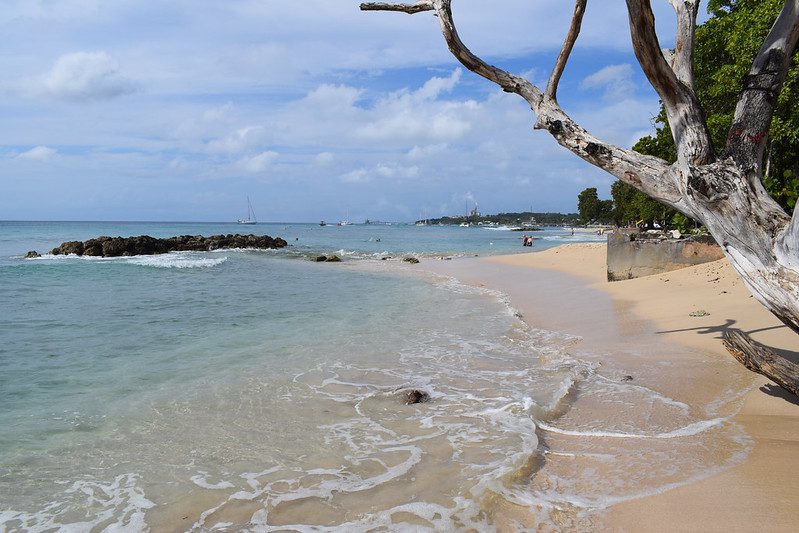
Gender Wage Gap in BarbadosWhen picturing Barbados many people imagine golden beaches and sunny skies, yet this is not always the reality. Barbados, located in the Caribbean Sea, is one of the many places in the world that still experiences gender inequality. According to the World Economic Forum, in Barbados, “women earn about 86.8% of their male counterparts.” This means that even in today’s modern age, women are still experiencing a huge pay difference from men. Due to experiencing a larger pay difference than men, women in Barbados are more likely to experience poverty. As well as this, according to the U.N., “more women than men tend to fall below the poverty line.”

The Issue

The gender pay gap seems to be something of the past, but the evidence in places such as Barbados shows that this is not the case at all and that the gender wage gap remains. Women are continually experiencing negative stigma and inconsistencies in working conditions such as wages and this statistic only serves to highlight this problem. Women who are experiencing a gender wage gap are experiencing this due to, “a population’s cultural beliefs and attitudes toward women.” This means that many countries are still harboring negative and sexist attitudes towards women, which needs to change for the gender wage gap in Barbados and around the world to fully close.

Tackling the gender pay gap in places like Barbados could create better living conditions as well as more opportunities for jobs around the world. The gender wage gap in Barbados highlights the inequalities that are still prevalent between men and women, and studies show that “countries with more gender equality tend to be happier.” Improving gender equality and the gender pay gap benefits both men and women.

The Future

Mother’s Union is fighting for gender equality across the globe and support women who are in these places striving for equality as well as providing a safe space for women to talk. Since 1913, the Mother’s Union has more than 2,000 members who help reach out to women and support them in Barbados. The Mother’s Union has many different outreach programs in Barbados such as counseling services and skills training. In 2023 it also celebrated its 110th year anniversary.

– Kiera Egars

Kiera is based in Leeds, UK and focuses on Politics and World News for The Borgen Project.

Photo: Flickr

April 18, 2024
https://borgenproject.org/wp-content/uploads/borgen-project-logo.svg 0 0 Jennifer Philipp https://borgenproject.org/wp-content/uploads/borgen-project-logo.svg Jennifer Philipp2024-04-18 10:02:342026-04-16 10:11:54Gendered Wages and the Gender Wage Gap in Barbados
Education, Gender Equality, Global Poverty, Women and Female Empowerment

Udaan’s Efforts in Nepal: Giving Girls a Second Chance

Udaan's Efforts in Nepal: Giving Girls a Second ChanceWomen constitute more than half of Nepal’s population, yet they reside in a society where traditional norms frequently restrict girls’ access to education. However, Udaan’s efforts in Nepal aim to change this reality. The Udaan project, translating to flight or soar in Nepali, represents a transformative effort to educate and empower girls.

The Challenges Girls Face in Nepal

According to the Educational Equality Institute, societal norms, affordability issues and a lack of parental motivation hinder girls’ access to education in Nepal. Notably, 5.1% of Nepal’s population lived on $1.90 a day in 2022 and 20.27% lived below the poverty line in 2023. Poverty increases the likelihood of children, especially girls, dropping out of school. Approximately 18% of Nepalese children do not complete primary education, with girls making up 49% of this group. Parents often prioritize marriage over education for their daughters, believing they cannot secure jobs to support their parents in the future, unlike their sons. This mindset leads to many girls leaving school early, perpetuating cycles of poverty and inequality.

Transformative Education through UDAAN

Udaan has become a driving force for change, offering girls a chance to overcome societal barriers and chase their dreams. The project delivers comprehensive support through scholarships, mentorship programs and community engagement efforts. These scholarships pay for tuition, books, snacks and other educational expenses, eliminating financial hurdles and allowing girls to continue their education without interruption. Aimed at girls aged 9 to 14, Udaan features an intensive 11-month curriculum designed to challenge damaging social norms and provide a stable, secure environment for girls’ education. This enables them to catch up on missed education and rejoin the public school system within a year.

Udaan’s Efforts in Nepal: Shaping the Future

Beyond offering education to girls, Udaan also aims to prevent child marriage by providing quality education. This empowers them to make informed life decisions, secure sustainable jobs and support themselves and their families. As Udaan expands its impact, the outlook for girls in Nepal is bright. Empowering each girl to follow her dreams and contribute to her community, Udaan’s influence reaches well beyond the classroom, fostering a more equitable and inclusive society for future generations.

Looking Forward

Udaan’s comprehensive approach promises a brighter future for girls in Nepal, breaking the chains of poverty and gender bias. Udaan’s efforts in Nepal are pivotal to this mission. Through education and empowerment, this initiative paves the way for young women to achieve their potential and contribute significantly to their communities. The ripple effects of their success are bound to foster greater gender equality and economic development across Nepal. As these girls soar to new heights, they exemplify the transformative power of education in shaping societies.

– Erika David

Erika David is based in Union, NJ, USA and focuses on Good News and Technology and Solutions for The Borgen Project.

Photo: Unsplash

April 11, 2024
https://borgenproject.org/wp-content/uploads/borgen-project-logo.svg 0 0 Precious Sheidu https://borgenproject.org/wp-content/uploads/borgen-project-logo.svg Precious Sheidu2024-04-11 01:30:262024-04-10 16:40:26Udaan’s Efforts in Nepal: Giving Girls a Second Chance
Gender Equality, Global Poverty, Women's Empowerment

What Is Being Done To Alleviate the Gender Wage Gap in Austria

Gender Wage Gap in AustriaDespite high female employment rates, Austria grapples with one of the European Union’s largest gender pay gaps. Women’s economic independence is hindered by a prevalence of part-time work and unpaid care responsibilities within families, leading to career breaks and financial repercussions. This is compounded by gender segregation in lower-paying service industry jobs, with women significantly underrepresented in leadership positions across sectors such as economy, science, politics and public service. However, two of the most important ways that the gender wage gap in Austria has been addressed are through the National Action Plan (NAP) on Gender Equality in the Labor Market and the Pay Transparency Law.

Action Plan on Gender Equality in the Labor Market

Published in 2010, the NAP outlined strategies for the period spanning from 2010 to 2013 with the goal of eliminating existing gender disparities in the workforce and promoting the strategic and coordinated implementation of diverse initiatives and policies. Notably, the NAP highlighted the fact that women who are not fully integrated into the labor market or are marginally employed face a heightened risk of poverty in their later years. Especially because, in 2007, more than 70% of women who received a net income from the widow’s pension received pensions that fell below the poverty risk threshold, set at 60% of the median income.

During the period spanning 2019 to 2020, the EU-co-funded initiative known as “TRAPEZ – transparent pension future – securing women’s economic independence in old age” conducted an in-depth investigation into Austria’s Gender Gap in Pensions (GGP). The project’s objective was to thoroughly analyze the GGP and recommend practical strategies to mitigate its effects, ultimately bolstering the financial independence of older women.

The strategies outlined in the NAP likely provided important insights and data that informed the direction and focus of the TRAPEZ project. Additionally, the NAP’s emphasis on coordinated implementation of initiatives and policies to address gender disparities in the workforce would have fostered a collaborative approach among stakeholders, including governmental bodies, research institutions and advocacy groups. Overall, by recognizing the heightened risk of poverty faced by women with limited labor market integration or marginal employment, it seems that the NAP laid the groundwork for subsequent initiatives aimed at enhancing women’s financial security and narrowing the gender wage gap in Austria.

The Austrian Pay Transparency Law

Introduced in 2011, the transparency law ensures that if a company has more than 1000 employees, they are required to publish an annual income report detailing information about men’s wages and women’s wages as well as a clear statement of the minimum wage in job vacancy advertisements. Fortunately, there was a more significant wage increase among newly hired women in large firms following the reform compared to newly hired men, indicating a narrowing of the gender wage gap among recent hires.

However, according to results from a regression discontinuity design, the transparency law did not alter wages or the gender wage gap because the law’s impact on employment growth or turnover was small and lacked statistical significance. Notably, for larger firms, the transparency law correlated with a decreased percentage of women employed in treated firms. It seems that the implications for the gender wage gap in Austria, based on the transparency law, are mixed. On the one hand, the transparency law’s requirement for larger companies to disclose wage disparities and minimum wage information in job advertisements has potentially contributed to a reduction in the gender wage gap among recent hires. However, the overall impact of the law on income inequality is limited, as it did not significantly alter wages or the gender wage gap across the board.

Concerns

Transparency law advocates assert that disclosing pay information is crucial in closing the gender pay gap in Austria, as it enables women to confront discriminatory wage practices. However, skeptics express concerns regarding potential administrative burdens and fear that men might capitalize on the disclosed information more effectively than women. Some suggest that the policy’s ineffectiveness could be attributed to the fact that it does not require firms to act upon revealed wage differences. Additionally, the policy’s limited scope, which does not address factors such as firm sorting, may have contributed to its lack of effectiveness.

However, the transparency policy did result in a reduction in the rate at which individuals leave their employment at a treated firm within a given period. This suggests that the policy may have alleviated concerns about unfair pay schedules among workers, leading to higher job satisfaction and reduced turnover.

Final Remark

Currently, the gender wage gap in Austria has reduced from 23.5% to 18.8% from 2011 to 2021. Although this gap remains above the EU average, it is clear that progress has been made in reducing the wage gap over the past decade. Further initiatives focusing on transparency, equitable pay practices and broader gender equality measures will be crucial in achieving lasting change.

– Avery Fuller
Photo: Pexels

April 7, 2024
https://borgenproject.org/wp-content/uploads/borgen-project-logo.svg 0 0 Lynsey 2 https://borgenproject.org/wp-content/uploads/borgen-project-logo.svg Lynsey 22024-04-07 07:30:222024-04-05 02:55:31What Is Being Done To Alleviate the Gender Wage Gap in Austria
Gender Equality, Global Poverty, Women's Empowerment

The World Bank’s New Gender Strategy: Female Leadership

World Bank's New Gender StrategyAcross the world, gender equality is “an urgent imperative,” according to the World Bank. The global community is currently grappling with an unparalleled series of crises disproportionately affecting women and girls. Gender equality is a cornerstone for fostering a world characterized by peace and prosperity, playing an essential role in the global developmental trajectory.

While achieving gender equality is a continuous challenge for the worldwide community, the proposed World Bank Gender Strategy 2024-2030 attempts to “accelerate gender equality for a sustainable, resilient and inclusive future in alignment with the World Bank Evolution Roadmap.” The strategy actively promotes engagement with public and private sector clients, development partners, civil society and other critical stakeholders to achieve key objectives. Objectives include engaging women as community leaders and increasing opportunities for women, both crucial in addressing gender-specific challenges and promoting overall economic and social progress.

Empowering Women in Eastern and Southern Africa

The World Bank article, “Transforming the Lives of Women and Girls in Eastern and Southern Africa,” focuses on applying the institution’s new Gender Strategy in East and South Africa from 2016-2023 and exploring the future implications of this updated approach. In both Eastern and Southern Africa, women and girls are faced with extreme educational and economic disadvantages continuously. While essential strides for gender equality have been made within these regions, there is still far more to achieve.

“In AFE countries, only 26% of women had an account with a financial institution in FY17 and women are 24% less likely than men to have an account. Only 10% of women borrowed for their business or farm and business ownership is disproportionately skewed toward men; for instance, 70% of Rwanda’s businesses are owned by men.” Ultimately, the World Bank hopes to close these gender gaps and boost female empowerment by continuing to engage women as leaders and increase their opportunities within communities.

Addressing Gender Disparities

In response to the challenges of gender equality, specific projects have been launched by the World Bank’s Gender Strategy to increase women’s participation in entrepreneurial endeavors. One example is the Ethiopia Women Entrepreneurship Development Project, aiming to increase earnings and employment for women in targeted cities. The program guarantees participants access to finances and supports the development of their entrepreneurial and technical skills. It has provided more than 24,000 women with loans, leading to an average income increase of 68%.

The Intersection of Gender Equality and Global Health

The World Bank will continue establishing and developing its New Gender Strategy program because of the positive effects investing in women and girls can have within communities, as shown through a U.N. case study on investing in women’s leadership. The disproportionately high HIV infection rates among adolescent girls and young women, especially in sub-Saharan Africa, stem from intersecting factors such as unequal power dynamics, gender norms and limited access to health care and resources.

To combat this, empowering young women through providing education, access to resources and leadership opportunities is crucial for reducing HIV incidence and achieving global health and gender equality targets. “The world will not be able to defeat AIDS while reinforcing patriarchy. The only effective route map to ending AIDS and achieving the Sustainable Development Goals is a feminist route map,” quoted Winnie Byanyima, the Joint United Nations Programme on HIV/AIDS (UNAIDS) Executive Director.

In Summary

The pursuit of gender equality remains an urgent global imperative, especially amid crises disproportionately impacting women and girls. The World Bank’s Gender Strategy 2024-2030 aims to accelerate equality and global improvements by empowering women as leaders within communities and achieving goals of economic gender equality. Initiatives like the Ethiopia Women Entrepreneurship Development Project exemplify targeted efforts to enhance women’s economic participation and empowerment, echoing the broader call to bridge gender gaps worldwide.

– Marisa Kole
Photo: Unsplash

February 28, 2024
https://borgenproject.org/wp-content/uploads/borgen-project-logo.svg 0 0 Lynsey 2 https://borgenproject.org/wp-content/uploads/borgen-project-logo.svg Lynsey 22024-02-28 07:30:342024-02-27 04:53:21The World Bank’s New Gender Strategy: Female Leadership
Gender Equality, Global Poverty

Aurat Foundation: Fighting Poverty in Pakistan

Aurat FoundationIn a 2023 report, the World Bank expected poverty level in Pakistan to reach 37.2%. This percentage is slightly below the previous rate of 39.8% in 2018, however, when adjusting for population growth, the number of Pakistanis living in poverty has grown by nearly 3 million since 2018. Considering these rates, this article will outline three factors that are contributing to individuals being poor in Pakistan today.

Deeply Rooted Inequalities in Pakistan

Social inequalities, specifically those rooted in gender workplace discrimination, are the first factor leading to individuals being poor in Pakistan. According to the World Bank, gender inequalities remain persistent in Pakistan, with only one out of four working-age women participating in the labor force and 80% of these women working in agriculture. The majority of women therefore find themselves concentrated in low-paid jobs and have limited opportunities for upward mobility in the formal sector of the economy, making these social inequalities a primary factor of being poor in Pakistan.

Environmental Degradation in Pakistan

Environmental Degradation is the second factor contributing to being poor in Pakistan today. Asian Development Bank (ADB) outlines a clear connection existing between environmental degradation and poverty, with both factors continually reinforcing each other. “Increasing air pollution and contamination of ground and surface water,” for example, are “the most commonly cited indicators of environmental degradation in Pakistan” and ones that those living in poverty are especially vulnerable to. Long-term exposure to these pollutants has significant effects on the health of impoverished individuals, who must then devote significant portions of their already limited incomes to health costs.

Limited Poverty Reduction Programs

The final factor contributing to being poor in Pakistan is the insufficient poverty reduction programs that the country has implemented. Although Pakistan indeed has a long history of poverty reduction programs, these programs tend to focus on only one measure of poverty and thus often fall short of reducing overall poverty levels. These programs also account for only about 2% of GDP and have a limited outreach, thus making them the third factor that is contributing to poverty in Pakistan.

The Good News: Aurat Foundation

Established in 1986, the Aurat Foundation focuses on spreading awareness and creating a society where men and women are coequal, both possessing the right to lead their lives in whichever ways they decide. This right extends to the formal sector of the economy, a sector that with a current male domination. Throughout its many years of operation, the Aurat Foundation has therefore established itself as a prominent NGO in Pakistan, specifically focusing on “providing grants, undertaking advocacy for women’s economic empowerment through gender-responsive budgetary allocations and incorporating of women’s concerns into the macro-economic policy framework and social protection programs.”

In addition to women’s political and economic empowerment, the Aurat Foundation contributes to disaster relief, particularly in launching the Motherland Flood Relief Campaign which responded to “Pakistan’s worst-ever floods in 2010.” These floods are ones that disproportionately affect the poor in Pakistan as these individuals lack the resources necessary to rebuild their lives after such a disaster.

In understanding these deeply rooted inequalities, the effects of environmental degradation and limited poverty reduction programs, the detrimental effects of being poor in Pakistan become clear. However, looking at the Aurat Foundation’s work, people can learn how to mediate these effects for each impoverished individual in Pakistan for a better future.

– Staff Reports
Photo: Pixabay

February 21, 2024
https://borgenproject.org/wp-content/uploads/borgen-project-logo.svg 0 0 Jennifer Philipp https://borgenproject.org/wp-content/uploads/borgen-project-logo.svg Jennifer Philipp2024-02-21 01:30:032024-06-11 00:18:07Aurat Foundation: Fighting Poverty in Pakistan
Gender Equality, Global Poverty, Women's Rights

Women’s Rights and Gender Equality in Lithuania

Gender Equality in LithuaniaThe principle of equal opportunity and equal treatment has been held since 1992, but recent years have marked a period of change in gender equality initiatives in Lithuania. Before then, few movements or government legislations existed that encouraged great institutional change in gender equality, particularly in industries such as science and research.

Governmental Gender Equality Initiatives

The Ministry of Social Security and Labour is in charge of equality policy in Lithuania and ensuring that their strategies are effectively implemented.  In 2021, this government group took on responsibility for ensuring gender equality as a core value in the work of the nation’s central government. The ministry also had an internal structure named the Equal Opportunities and Equality between Women and Men Group, which oversees government policy on anti-discrimination and gender equality. This group has eight employees, two of whom work strictly on gender-based issues.

Initiatives in the Workplace

In 2016, the Ministry of Social Security and Labour implemented the initiative “Municipal Success Code- Gender Equality.” This project aims to reduce gender disparities regarding both the right to work and rights at work by purposely targeting issues such as the wage gap between genders and public education on the impacts of this inequality. This project ran until December 2019.

This program tackled the gender pay gap in municipalities by raising public awareness, identifying factors that determine equality and developing targeted solutions. Consequently, in 2017, a list of gender-based inequality indicators was compiled, encompassing nine key factors: “demography, knowledge, participation in the labor market, access to social services, economic power (resources), authorities and decision-making, health and health services, domestic violence and time.” This list of specifics meant that the correct targeted measures could be issued to the appropriate people and areas.

Lithuania’s movements towards women’s rights in the workplace have made an impact. The percentage of unemployed females (5.5%) stands slightly lower than the unemployment rate of men, which is currently at 7%. However, there is still progress to be made in this sector, as the proportion of females spending time on unpaid chores remains at 18.7%, which is notably higher than the male figure of 9%.

Women’s NGOs in Lithuania

“According to data from the Lithuania’s Women’s Information Centre, there were 63 women’s NGOs in existence on 1 January 1999.” Although there is no “umbrella term” involving all organizations for women in Lithuania, the Lithuanian Women’s Association embraces 12 member organizations. Additionally, 18 women’s organizations are involved in this association’s coordination council and the Women’s Information Centre was founded as a mediator for all the organizations in the nation. This has been monumental for women’s rights.

For instance, these initiatives sped up the implementation of the Law on Equal Opportunities, which benefits women’s rights in the opportunity to and ability to engage in public life. Additionally, it focuses on improving sectors such as transport and infrastructure. Another significant example was their cooperation to engage in protests against “quotas established for men during the entrance examinations at the Kaunas Institute of Technology in 1998.” These quotas were put in place by the university itself, demonstrating the severity of institutional gender bias. This powerful initiative meant that these quotas were soon abolished.

Initiatives Against Violence Against Women

Violence against women is a serious problem in Lithuania. The 2014 European Union Agency for Fundamental Rights survey data results demonstrated that, since the age of 15, 31% of women in Lithuania have experienced physical and/or sexual violence. The Network of Specialized Assistance Centres was set up by NGOs and has been in place since 2012. This initiative set up centers to support victims of violence, educate them on how and where they can receive this aid and help in restoring interpersonal relationships with family members.

Further, in 2012, the Lithuanian government initiated an Inter-Institutional action plan focused on crime prevention and the control of violence, with a particular emphasis on violence against women. In 2015, more than 8,000 women received assistance through these centers. Lithuania currently operates 17 specialized support centers to aid women who are victims of domestic violence.

Looking Ahead

Thanks to these efforts, Lithuania ranks ninth globally for gender equality, as reported by the World Economic Forum’s Global Gender Gap Report for 2023. Elements of gender equality can be seen in the social aspects of everyday life in Lithuania. For instance, the literacy rate of males and females aged 15 and above stands at 99.8%. With the ongoing support of the Lithuanian government, the fight for gender equality is certainly progressing in the right direction and can be expected to strengthen even further.

– Eva McMonigle
Photo: Flickr

February 16, 2024
https://borgenproject.org/wp-content/uploads/borgen-project-logo.svg 0 0 Lynsey 2 https://borgenproject.org/wp-content/uploads/borgen-project-logo.svg Lynsey 22024-02-16 07:30:242024-02-15 03:46:38Women’s Rights and Gender Equality in Lithuania
Page 11 of 39«‹910111213›»

Get Smarter

  • Global Poverty 101
  • Global Poverty… The Good News
  • Global Poverty & U.S. Jobs
  • Global Poverty and National Security
  • Innovative Solutions to Poverty
  • Global Poverty & Aid FAQ’s
Search Search

Take Action

  • Call Congress
  • Email Congress
  • Donate
  • 30 Ways to Help
  • Volunteer Ops
  • Internships
  • Courses & Certificates
  • The Podcast
Borgen Project

“The Borgen Project is an incredible nonprofit organization that is addressing poverty and hunger and working towards ending them.”

-The Huffington Post

Inside The Borgen Project

  • Contact
  • About
  • Financials
  • President
  • Board of Directors
  • Board of Advisors

International Links

  • UK Email Parliament
  • UK Donate
  • Canada Email Parliament

Get Smarter

  • Global Poverty 101
  • Global Poverty… The Good News
  • Global Poverty & U.S. Jobs
  • Global Poverty and National Security
  • Innovative Solutions to Poverty
  • Global Poverty & Aid FAQ’s

Ways to Help

  • Call Congress
  • Email Congress
  • Donate
  • 30 Ways to Help
  • Volunteer Ops
  • Internships
  • Courses & Certificates
  • The Podcast
Scroll to top Scroll to top Scroll to top