Expanding Education Access in Rural Nepal
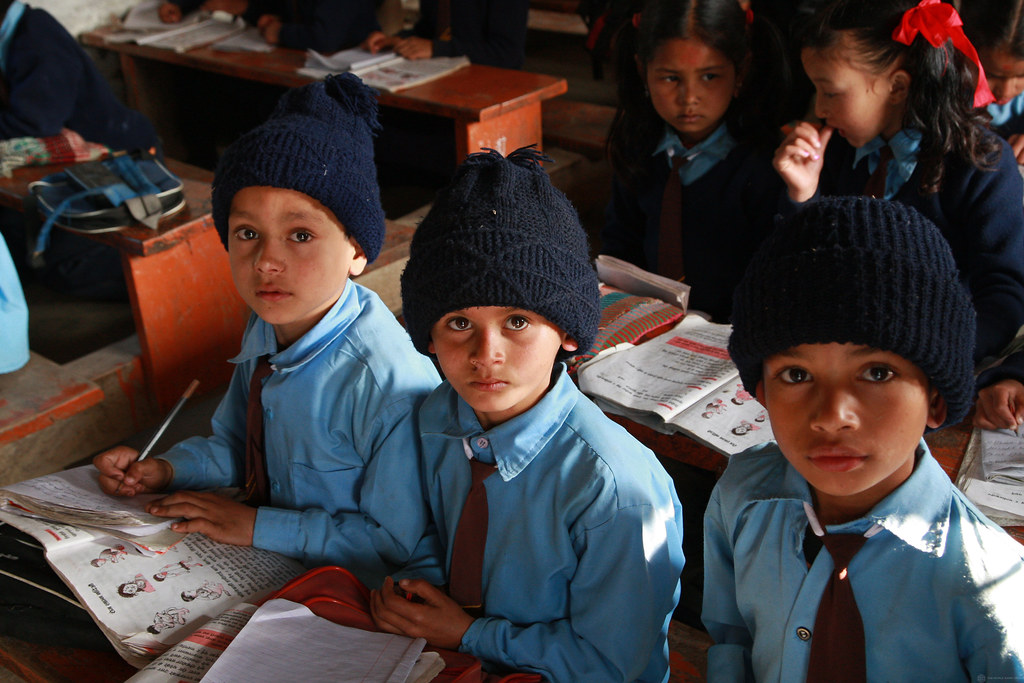 In many rural parts of Nepal, children face major barriers to education because of poverty and weak infrastructure. These barriers include long travel distances to schools, lack of textbooks and limited internet access. Community libraries in rural Nepal help reduce these challenges by providing learning spaces, books and digital tools that support education.
Organizations such as UNICEF Nepal report that children in hard-to-reach areas of Nepal are experiencing unequal access to quality education. Many rural schools also struggle with a shortage of qualified teachers and educational materials. Community libraries in rural Nepal help address these gaps by giving students access to computers, books and tutoring programs.
Community Libraries in Nepal
In recent years, several community organizations have set up libraries and learning centers within rural Nepal. Many community libraries in rural Nepal offer Wi-Fi, literacy programs and after-school tutoring for children who do not have a good environment for studying anywhere else.
Room to Read is one organization seeking to offer educational opportunities to Nepalese students. Room to Read has been involved in literacy projects in Nepal since its first operation in 2000, providing assistance with girls’ education programs. The organization has published numerous children’s books in regional languages to support literacy growth while establishing many libraries around the world.
In Nepal, these organizations work hand-in-hand with the community and schools to form children’s libraries filled with culturally relevant literature. In addition, the programs ensure that educators and librarians are trained to help children acquire the ability to read. The program claims that these efforts result in good academic results and increased reading.
READ Global is another organization that promotes education in rural areas. In Nepal, READ Global collaborates with local communities to create community libraries and resource centers that offer computer training, educational resources and initiatives for women’s empowerment. The group has established several community libraries across Nepal since its establishment in 1991.
Technology and Literacy Support
In Nepal, community libraries are increasingly offering digital learning opportunities. Libraries are important for children to get access to computers and educational technologies because many rural areas still have poor internet connectivity. Some provide lessons in digital literacy, teaching students how to use online learning resources and develop computer skills that might help them find work in the future.
According to the World Bank, improving education could be the key to reducing Nepal’s poverty. As the level of education and literacy of the population increases, people could get better paying jobs, which in turn helps to boost the local economy
Furthermore, libraries also allow women to access further education. Girls in rural Nepal sometimes drop out of school at an early age due to domestic issues or financial troubles. In this regard, community libraries provide motivating environments for women to engage in literacy activities.
Education Access in Rural Nepal
One of the most effective ways to fight poverty is through education. Community libraries offer Nepalese students and their families opportunities for the future while helping them overcome existing educational barriers. Access to literature, the internet and help with reading could increase students’ success in academic and career opportunities.
Organizations and local groups continue to expand access to education and resources across rural Nepal despite ongoing obstacles. These initiatives are providing kids with the resources they need to pursue higher education and improve their future employment prospects by funding neighbourhood libraries and learning centres.
Community libraries in rural Nepal show how local, community-driven solutions can reduce educational inequality and expand learning opportunities. Organizations such as UNICEF, Room to Read and READ Global continue to support these efforts by funding and developing rural education programs.
By strengthening literacy programs, improving digital access and supporting local communities, community libraries in rural Nepal help create long-term pathways out of poverty through education.
– Avery Hoadley
Avery is based in Toronto, Ontario, Canada and focuses on Good News and Global Health for The Borgen Project.
Photo: Flickr
