Humanitarian Efforts To Address Elderly Poverty in Tonga
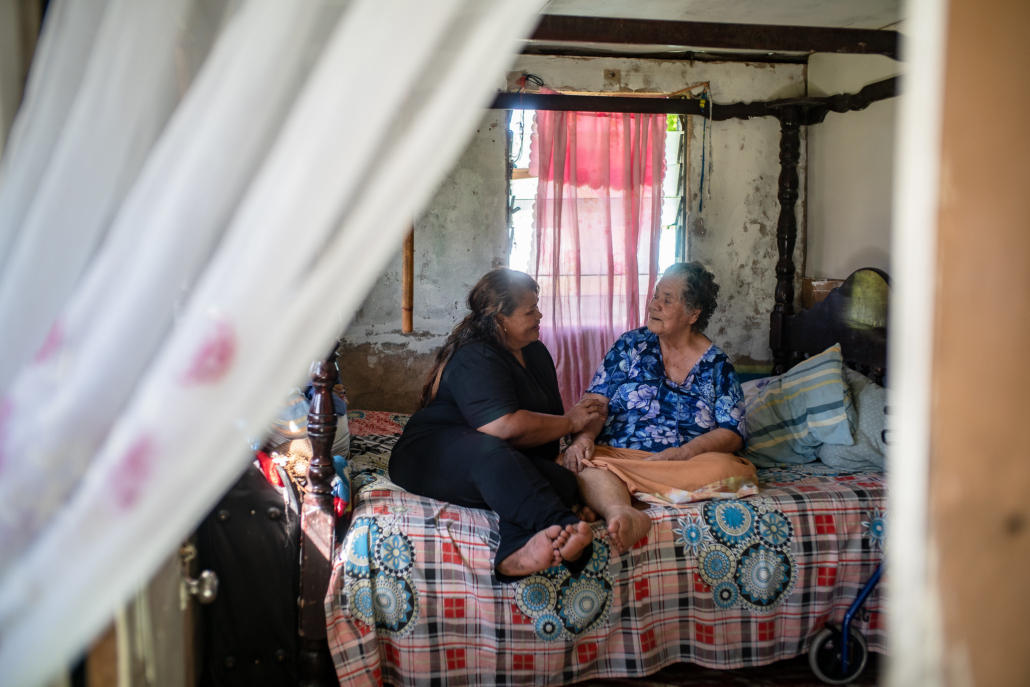 Elderly poverty in Tonga has long been a concern due to limited formal employment opportunities, reliance on subsistence livelihoods and traditional family-based care systems. As of 2021, the overall elderly poverty rate was 22.1% in Tonga, with rural and outer islander communities being affected more than urban communities. In recent years, Tonga has taken meaningful steps to improve the economic security and well-being of its older population through social protection initiatives, policy development and partnerships with regional and international organizations.
Improving Health Care Access for Older Adults
One of the most significant developments in addressing elderly poverty in Tonga has been the expansion of social welfare and health care programs for older adults. According to the Asian Development Bank (ADB), Tonga has strengthened its social protection framework to support vulnerable populations, including seniors. In December 2023, the government and ADB signed a $16.18 million USD grant to improve safe and high-quality health care services for older individuals and their caregivers.
In November 2024, the World Health Organization (WHO) approved the Health Enhancement and Resiliency in Tonga (HEART) Project, which granted $30 million USD towards non-communicable diseases such as diabetes and heart disease. Improved health care access plays a critical role in reducing elderly poverty, as untreated illness often leads to increased financial strain and dependence.
Regional and Community-Based Support Initiatives
Regional organizations have also contributed to reducing elderly poverty. According to HelpAge International, Tonga has increasingly participated in age-inclusive policy discussions within the Asia-Pacific region. These efforts promote the rights of older people and encourage governments to integrate aging considerations into national development strategies.
At the community level, local organizations and churches continue to play an important role in supporting elderly Tongans. While family-based care remains central to Tongan culture, these community networks provide additional assistance such as food support, social engagement and caregiving for seniors who lack immediate family support. Organizations include Her Majesty Queen Nanasipau’u Charity and Tongan Health Society.
Financial Plans and Social Security
Financial plans are an effective way to reduce elderly poverty in Tonga, given that the majority of jobs are labor-intensive. Tonga established the National Retirement Benefits Fund (NRBF) under the National Retirement Benefits Scheme (NRBS) Act of 2010 to provide financial security for Tongans in old age. The fund offers benefits related to retirement between the ages of 60 and 70, as well as support in cases of permanent total disability, early release or death.
In addition to providing retirement benefits, the NRBF promotes national savings and investment, helping working Tongans build long-term financial stability for old age. Complementing this system, Tonga introduced a Social Welfare Scheme in September 2012, which provides monthly financial assistance of $65 TOP to elderly citizens aged 75 and older. This offers direct income support to some of the country’s most vulnerable seniors.
Overall, elderly poverty in Tonga is improving through expanded social protection, health care investment and age-inclusive policy development supported by regional and international aid. While the elderly population makes up approximately 3% of Tonga’s population, the goal is to ensure they have access to funds whenever they need them. Through local and regional organizations and government grants, the road to ending elderly poverty in Tonga is near.
– Simran Dev
Simran is based in Caledon, ON, Canada and focuses on Global Health and Celebs for The Borgen Project.
Photo: Flickr
