 Throughout our human history, education has always stood as a fundamental pillar for progress, equity and empowerment. However, as we progress into the 21st century, a formidable chasm emerges—one that threatens to jeopardize the very foundations of this cornerstone. The United Nations Educational, Scientific and Cultural Organization (UNESCO) Global Education Monitoring Report’s Call to Action serves as a critical reminder of the urgent need to bridge this gap.
In fact, the UNESCO Global Education Monitoring Report highlights a critical concern—a $97 billion funding shortfall necessary to meet the ambitious Sustainable Development Goal 4 (SDG 4) by the year 2030. This analysis delves into the critical need to address this educational funding gap and the intricate challenges introduced by the COVID-19 pandemic, identifying key strategies for creating a more equitable future in education.
The $97 Billion Question
The 2023 UNESCO Global Education Monitoring Report illuminates a significant financial shortfall obstructing the achievement of global educational goals by 2030. To guarantee universal access to quality education at the pre-primary, primary and secondary levels in low and lower-middle-income countries from 2023 to 2030, an additional $97 billion in funding is necessary. This figure is particularly concerning compared to the initial annual financing gap of $39 billion estimated for the period from 2015 to 2030.
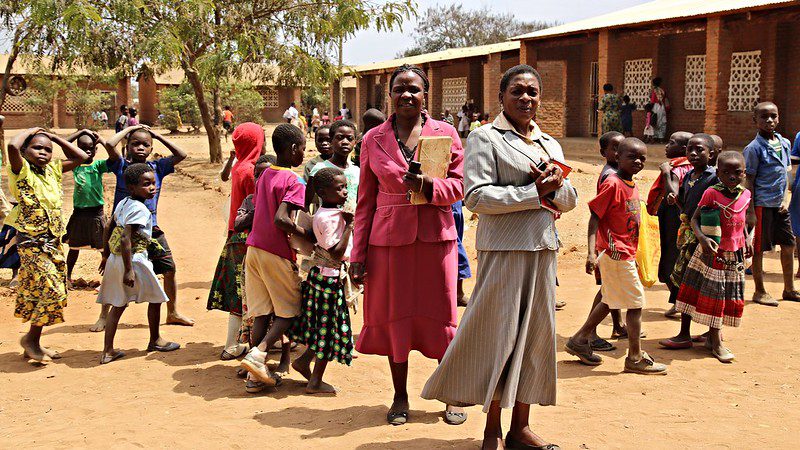
This shortfall poses a risk of leaving numerous countries behind in their commitment to SDG 4. This dire financial situation necessitates a comprehensive reassessment of how education is financed globally, with sub-Saharan Africa most in need, facing a $70 billion yearly shortfall to meet its educational needs: it is estimated, that around 20% of children of primary school age and nearly 60% of upper secondary school age are currently not attending school.
A Crisis Within a Crisis
The onslaught of the COVID-19 pandemic has deepened pre-existing educational inequities, bringing to the forefront additional complexities in both funding and educational access. On top of the GEM Report, insights from UNESCO and the World Bank shed light on the significant toll the pandemic has taken on educational outcomes, with projections indicating potential losses amounting to $21 trillion in lifetime earnings for learners at the moment.
This alarming scenario underscores the critical need for a substantial increase in pre-primary teaching staff in economically disadvantaged countries and a concerted effort to address the widespread learning deficits that have emerged globally as a result of the pandemic.
A Rallying Cry for Action
Responding to emerging crises, the World Bank has outlined a five-pillar strategy to revitalize global education. This strategy focuses on preparing and motivating learners, enhancing teacher skills, improving the relevance and availability of learning resources, creating safe and inclusive schools and managing education systems effectively.
This plan demonstrates the Bank’s dedication to systemic reform and outcomes-based methods, providing a guide to navigate the current challenges toward a future where everyone has access to quality education.
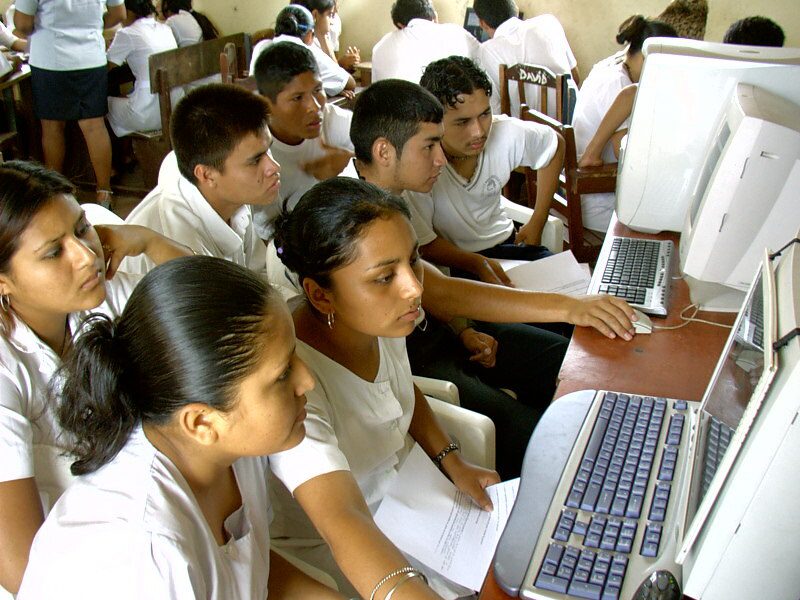
Furthermore, the UNESCO Global Education Monitoring Report emphasizes the crucial role of technology in unlocking the full potential of education systems worldwide. This includes digital learning platforms, online resources and teacher training in ICT, aiming to reduce the pandemic-induced funding gap by up to 75%.
It highlights three foundational pillars necessary for the effective integration of technology in education:
- Access to Technology: Ensuring universal access to digital tools and the internet is fundamental. In fact, without widespread access, the benefits of educational technology cannot be fully realized, perpetuating existing inequalities.
- Governance and Regulation: The establishment of robust governance frameworks and regulatory mechanisms is essential to guide the use and integration of technology in educational settings. These frameworks should address quality assurance, data privacy and equity concerns.
- Teacher Preparation: Teachers are at the heart of educational transformation, and preparing them with the necessary skills and resources to integrate technology into teaching practices is vital. This includes training in digital pedagogies and providing ongoing professional development opportunities.
Investing in the Future
The UNESCO Global Education Monitoring Report highlights a journey fraught with challenges yet brimming with opportunities for transformative reforms. Tackling these obstacles requires evidence-based policymaking and enhanced international cooperation, now more critical than ever.
These actions represent a worldwide commitment to ensure education is an inalienable right, available to everyone regardless of their socioeconomic status.
– Matilde Liboni
Photo: Pixabay




 Prime Minister Hun Manet of Cambodia at the United Nations (U.N.) General Assembly in September 2023 stated “My government is committed to taking transformative actions…The five key priorities are people, roads, water, electricity and technology – especially digital technology to address the fourth industrial revolution and digital transformation of Cambodia’s economy.” Furthermore, he highlighted the importance of Cambodia’s digital innovation and the 2030 Sustainable Development Goals (SDGs).