Child Marriage in the Central African Republic
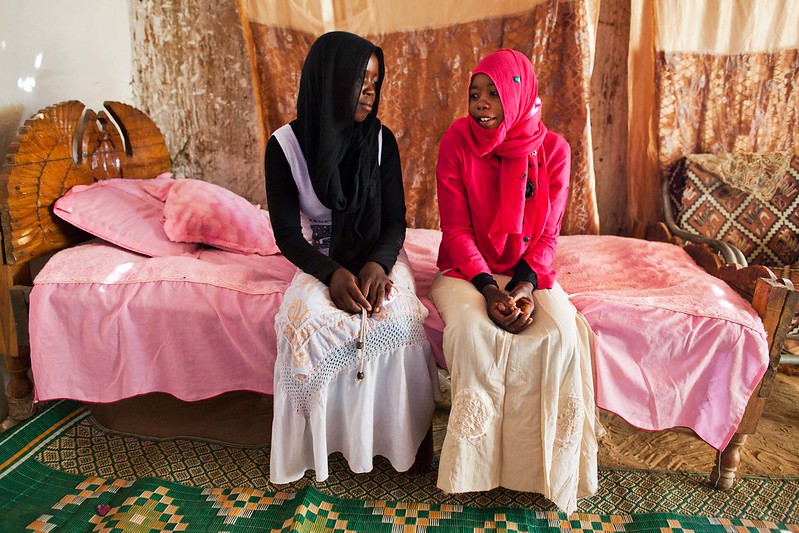
Child marriage rates in the Central African Republic are the second-highest globally. According to Girls Not Brides, among girls in the Central African Republic, 61% marry before their 18th birthday and 26% marry before they turn 15 years of age. As for young men or boys, 28% marry before the age of 18. There are several factors that contribute to this problem, and below is a look into some of them.
Factors Contributing to Child Marriage in the Central African Republic
- Education Gaps, Poverty and Cultural Standards: Child Marriage In the Central African Republic is prevalent primarily because of poverty, social norms prioritizing male education over female education and a general lack of education. In a country where most people live in poverty and lack access to education, families often see marriage as a way to provide their daughters with economic opportunities and ensure their safety. According to Monique Nali, the former director for gender promotion at the Ministry of social affairs, girls in the Central African Republic go into marriage before adulthood due to social norms that prioritize early marriage for girls. In this society, a common belief is that marriage and motherhood are the only roles for women. Unfortunately, such beliefs contribute to the perpetuation of female oppression.
- Polygamy: In a polygamous relationship, the law sanctions the practice as long as the spouses acknowledge and agree to the arrangement before marriage. In many cultures, having multiple wives and children is considered a symbol of wealth and pride and it can also increase the labor force. Additionally, polygamy can provide continuity for family lines.
- Female Genital Mutilation and Cutting (FGM/C): Female Genital Mutilation and Cutting (FGM/C) is a significant contributing factor to the prevalence of child marriage in the Central African Republic. According to statistics from Orchid Project and 28 Too Many (2022), 17.3% of girls between the ages of 15 and 19 underwent FGM/C from 2018 to 2019. In this region, FGM/C is a core part of the culture and girls undergo the painful procedure as a rite of passage. Unfortunately, girls who have undergone FGM/C are more likely to become victims of child marriage.
Measures To Prevent Child Marriage
In the Central African Republic, children under the age of 18 have no legal permission to marry due to the 1992 Convention on the Rights of the Child. The government is responsible for ensuring that every person has the right to freely consent to marriage. The Central African Republic has also implemented additional laws to prevent early and forced marriages.
The Convention on the Elimination of All Forms of Discrimination Against Women (CEDAW), an international agreement that prohibits discrimination against women, was signed in 1991 and requires all states to ensure free and full consent to marriage. This convention has established a legal framework for the protection of children’s rights in the Central African Republic, particularly in regard to marriage. Furthermore, CEDAW has aided in eradicating all types of discrimination against women in the country.
While the Central African Republic has committed to achieving Goal 5 of the Sustainable Development Goals, which calls for eliminating child marriage, forced marriage and female genital mutilation by 2030, High-level political forums are yet to provide updates on progress.
Conclusion
The Central African Republic’s ability to enforce laws protecting children appears to be weak due to a lack of resources, inadequate funding for initiatives and unstable economic conditions, leaving women and girls vulnerable to violence. Addressing gender inequality and harmful practices, such as child marriage, can be challenging in cultures where such practices are traditional.
It is much easier for girls who are married as children to become victims of physical and sexual violence from their partners because their lack of rights and power over their lives makes them more vulnerable to such violence. This vulnerability may lead to long-term psychological and physical effects. Hence, public awareness campaigns and education could play a major role in creating real and lasting change in the fight against child marriage in the Central African Republic.
– Simran Raghav
Photo: Flickr
