• Link to X
  • Link to Facebook
  • Link to Instagram
  • Link to TikTok
  • Link to Youtube
  • About
    • About Us
      • President
      • Board of Directors
      • Board of Advisors
      • Financials
      • Our Methodology
      • Success Tracker
      • Contact
  • Act Now
    • 30 Ways to Help
      • Email Congress
      • Call Congress
      • Volunteer
      • Courses & Certificates
      • Be a Donor
    • Internships
      • In-Office Internships
      • Remote Internships
    • Legislation
      • Politics 101
  • The Blog
  • The Podcast
  • Magazine
  • Donate
  • Click to open the search input field Click to open the search input field Search
  • Menu Menu

Archive for category: Child Marriage

Child Marriage, Child Poverty, Children, Developing Countries, Global Poverty, Nonprofit Organizations and NGOs

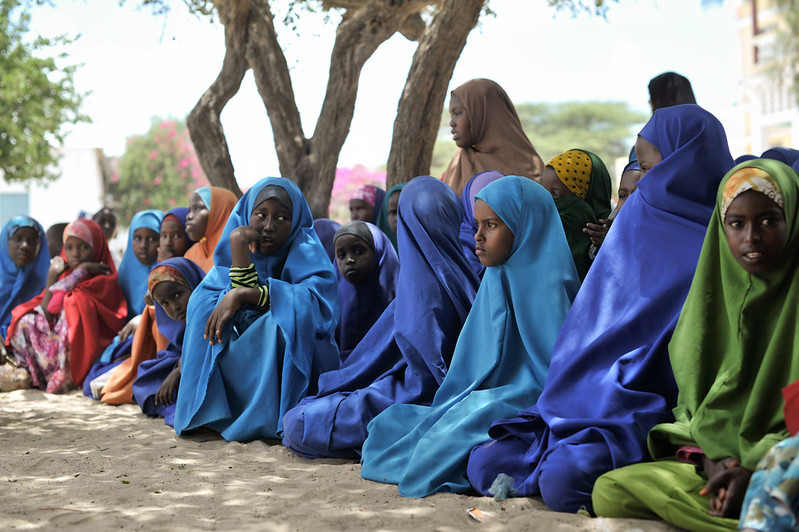
Solutions in the Fight Against Child Marriage in Somalia

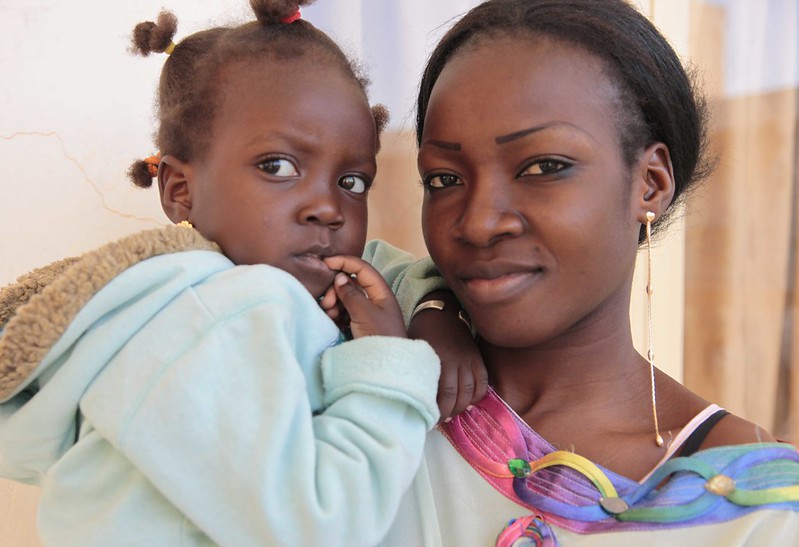
Child Marriage in SomaliaAbout 36% of girls in Somalia are married before the age of 18 and 17% are married before the age of 15. Child marriage is expected in a lot of underdeveloped countries and is often a direct product of poverty. Somalia’s government does not have a national strategy or action plan to help combat this issue.

Causes of Child Marriage

Girls Not Brides is a nongovernmental organization committed to action against child marriage by mobilizing communities and drafting solutions. According to the organization, high rates of child marriage can be attributed to many factors, including gender inequality. Somalian girls are often married young to protect family honor. The social norms in the country emphasize the protection of young girls before marriage.

These young women are married for increased protection measures, mitigating instances of sexual violence or abuse. However, gender inequality is only one small portion of a larger problem: poverty. Often, in times of crisis and disaster, families use child marriage as a solution to cope with severe economic hardship.

The European Civil Protection and Humanitarian Aid Operations, a commission that supports countries based on international humanitarian law, reports that at least 6.9 million individuals in Somalia need humanitarian aid this year alone. Nearly half of the population is in severe need. Child brides are one solution to cope with such hardship. Higher rates of child marriage are further exacerbated by food insecurity and droughts, among other significant issues that the county faces.

Government Action and Legislation

The Somali Ministry of Women and Family Affairs created legislation to protect children from marriage. One of these initiatives included the Child Rights Bill. The bill prohibits the marriage of young children and the abuse of children in any form.

Furthermore, the Ministry of Women and Human Rights Development has developed other laws currently in the drafting stage that aim to protect children and implement elements of the Convention on the Rights of the Child into Somalia’s national laws. Adopted in 1989, the Convention on the Rights of the Child is an expansive treaty on the social, political and cultural rights of children worldwide.

The Humanitarian Relief and Development Council

The Humanitarian Relief and Development Council is a nonprofit, woman-led organization in Somalia supporting women, children and other minority groups facing conflict, poverty, violence and injustice. The organization works directly on the ground to provide community-based mobilization campaigns to spread knowledge and awareness on the harmful effects of sexual gender-based violence and child marriage.

In addition, families also receive health insurance. The nonprofit prioritizes women and children, a vulnerable population, by mobilizing community members to raise their concerns to government officials.

Looking Ahead

According to the Sustainable Development Goals (SDGs), Somalia has committed to eradicating child marriage by 2030. According to Girls Not Brides, global progress varies by country. However, the practice continues to decline globally. The organization reports that around 68 million cases have been prevented in the last few years. Progress has been linked to socioeconomic status, meaning economic growth plays a key role in reducing rates of child marriage.

In conjunction with humanitarian aid organizations, government initiatives are one of the few solutions to stop this slowly but surely decreasing problem. Child marriage prevention in Somalia starts with ensuring the rights of children and supporting families in economic hardship.

– Dominic Samaniego

Dominic is based in Fullerton, CA, USA and focuses on Good News and Technology for The Borgen Project.

Photo: Flickr
May 27, 2024
https://borgenproject.org/wp-content/uploads/borgen-project-logo.svg 0 0 Lynsey 2 https://borgenproject.org/wp-content/uploads/borgen-project-logo.svg Lynsey 22024-05-27 01:30:512024-05-26 09:06:54Solutions in the Fight Against Child Marriage in Somalia
Child Marriage, Education, Global Poverty

Child Marriage in South Africa

Child Marriage in South Africa Each day, approximately 41,000 girls worldwide, become brides before reaching the age of 18, entering into child marriage. Every such marriage results in a girl losing her freedom, childhood and any chance for autonomy. These girls are more than 50% more likely to face sexual or physical harm. Girls Not Brides, a female-led NGO, directs its efforts toward ending gender-based violence and child marriage in South Africa and globally.

Women Leading Change

Men often dominate public discourse, making it notable when women lead the charge for change. Such was the case in South Africa in November 2023, when female philanthropists, activists and leaders convened to strategize support for adolescent girls, with a focus on eradicating child marriage.

Prominent among the attendees were Mrs. Michelle Obama and Ms. Melinda Gates. Mrs. Obama, the former First Lady of the United States (U.S.), underscored the critical role of education for young girls in breaking the cycle of child marriage and called for sustained investment in grassroots organizations and leadership. Ms. Gates advocated for a comprehensive approach that includes policy and legal reforms. She emphasized the importance of community awareness supported by government action to empower girls with choices over their futures. Both women, celebrated authors and influential figures, alongside other local dignitaries, issued a call to action against child marriage.

Benefits of Ending Child Marriage

Ending child marriage in South Africa and globally, brings a multitude of benefits that span social, economic and health dimensions. By addressing this issue, South Africa could unlock the potential for individual growth, societal advancement and economic development. Notable sources, including the United Nations (U.N.), World Bank and various NGOs, have highlighted these benefits in their research and advocacy efforts.

According to UNICEF, by delaying marriage, girls are less likely to face early pregnancy, which is associated with higher risks of maternal and neonatal mortality and morbidity and more likely to stay in school and complete their education. Education equips girls with the knowledge and skills necessary to support themselves, fully participate in their communities and make informed decisions about their lives and health, setting a foundation for improved health outcomes both for themselves and their future children.

Furthermore, the World Bank indicates that eliminating child marriage could significantly boost economic growth and productivity by enhancing a country’s earnings and growth potential. In fact, educated and empowered women are more likely to enter the workforce and contribute positively to the national economy.

Economic Implications

Eradicating child marriage has positive ripple effects on the economy, including a reduction in birth rates that alters a population’s age structure, thereby enhancing what is known as the ‘demographic dividend.’ This term refers to the economic growth potential when a larger portion of the population is of working age. It boosts health, productivity and the overall economy. The effect on productivity is particularly significant.

Child marriage sidelines girls, excluding them from the workforce and depriving economies of half their potential labor force, presenting a substantial obstacle to development. The World Bank estimates that countries lose on average about 1% of their economic base due to child marriage.

The Role of Girls Not Brides

Girls Not Brides is a global network dedicated to ending child marriage, focusing on girls as central to the solution. The organization collaborates with communities, local governments and faith leaders, emphasizing that only a collective effort can eliminate the outdated stigma of girls being inferior and end the practice of child marriage as a means of connecting families and kin.

This strategy aims to end the treatment of girls as currency and sees empowering them as a way out of poverty. By mobilizing young girls and improving their access to education and sexual health care, Girls Not Brides helps lift nations out of poverty.

Empowering the Future

The global fight against child marriage, led by influential women and organizations like Girls Not Brides, is carving a path toward empowerment and equality for girls in South Africa and beyond. By fostering education and legal reforms, these efforts are unlocking the vast potential for personal and economic growth, setting a precedent for future generations.

The collective drive and dedication to ending child marriage reflect a powerful commitment to reshaping society for the better, ensuring every girl has the opportunity to control her destiny and contribute fully to her community.

– Isaac Rowlands
Photo: Unsplash

February 15, 2024
https://borgenproject.org/wp-content/uploads/borgen-project-logo.svg 0 0 Precious Sheidu https://borgenproject.org/wp-content/uploads/borgen-project-logo.svg Precious Sheidu2024-02-15 03:00:312024-02-14 03:43:49Child Marriage in South Africa
Child Marriage, Global Poverty

Child Marriage in the Dominican Republic

Child Marriage in the Dominican RepublicFor one day in 2020, 10-year-old Melany of the Dominican Republic stepped into President Luis Abinader’s office as part of Plan International’s youth empowerment campaign, allowing young girls to voice their concerns and desires in influential spaces. Melany chose to advocate for a more robust response to child marriage in the Dominican Republic, an issue that the country is facing at a high level. Child marriage in the Dominican Republic is even legal with parental and judicial permission.
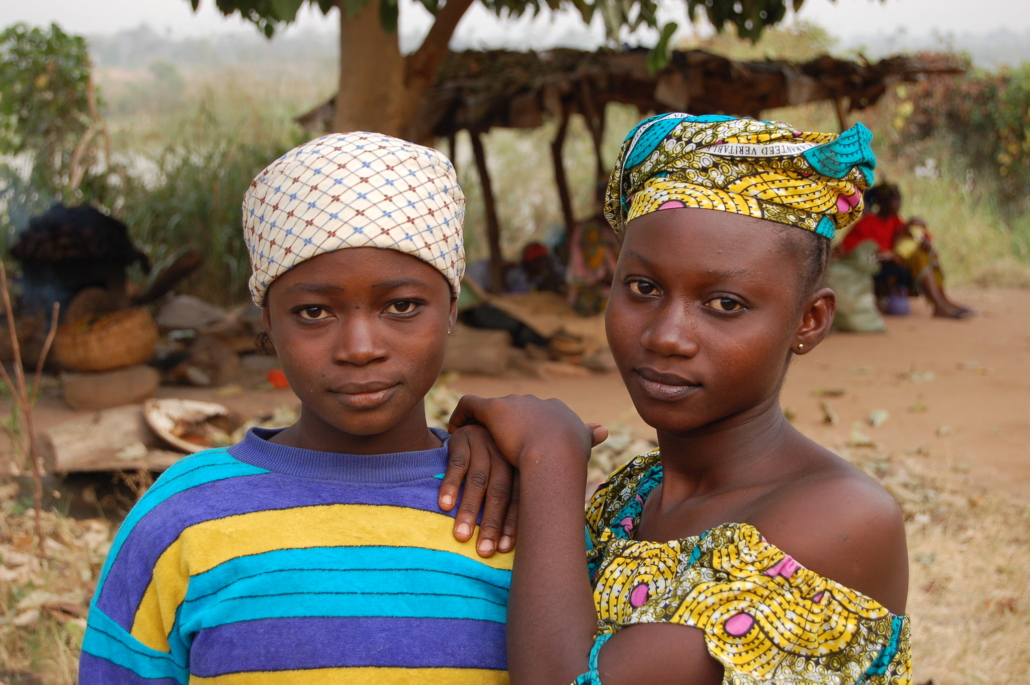
During her time in office, Melany spent hours with the President, advocating and discussing the prioritization of protecting children and in 2021, a year after Melany’s symbolic “presidency,” the Dominican Republic passed Law 1-21, making it illegal for a person under 18 to marry under any circumstance.

History and Effects of Child Marriage

According to the International Justice Mission (IJM), among all Latin American and Caribbean countries, the Dominican Republic has the highest rates of child marriage, defined as “any formal marriage or informal union between a child under the age of 18 and an adult or another child.” According to UNICEF, approximately 36% of women between ages 20 and 24 were first married before turning 18 in the Dominican Republic, compared to 15% in Haiti, 8% in Jamaica and 26% in Cuba.

The consequences of these unions reach from the individual level to the national level and even worldwide, with profound effects on a country’s economy and living standards. In 2017, the World Bank found that individuals married under the age of 18 are more likely to drop out of school, resulting in a shortened education that disqualifies them from job opportunities and reduces their earnings in the labor market.

It also found that being married during childhood is a likely predictor of pregnancy before the age of 18. The addition of supporting a child adds financial demand on top of the already limiting conditions of shortened education and job disqualification, creating a poverty-vulnerable environment.

Advocacy Efforts and Improvements

To combat the financial consequences and causes of child marriage in the Dominican Republic, Crecer Contenta, a program set up in 2012 by Plan International that Melany is also part of, collaborates with 120 communities around the country to set up an extracurricular class.

The class provides financial education to young girls, covering topics such as money management, entrepreneurial pursuits and life skills to help them overcome social issues within their communities. It also educates parents to promote community solidarity against child marriage and emphasizes the widespread benefits of keeping children in school and out of marriage.

According to Plan International, about 540 young girls have felt the impacts of Crecer Contenta. The program recently completed its nine-month program in five Dominican communities, working with 88 girls to develop their financial skills and instill the importance of completing education.

While child marriage is illegal in the Dominican Republic it continues informally. More than three years after her time in office, Melany continues her fight against these informal unions with the support of Crecer Contenta and Plan International by her side.

– Emily Shapiro
Photo: Unsplash

February 5, 2024
https://borgenproject.org/wp-content/uploads/borgen-project-logo.svg 0 0 Borgen Project https://borgenproject.org/wp-content/uploads/borgen-project-logo.svg Borgen Project2024-02-05 03:00:012024-02-04 05:32:52Child Marriage in the Dominican Republic
Child Marriage, Global Poverty

Addressing Child Marriage in Nigeria

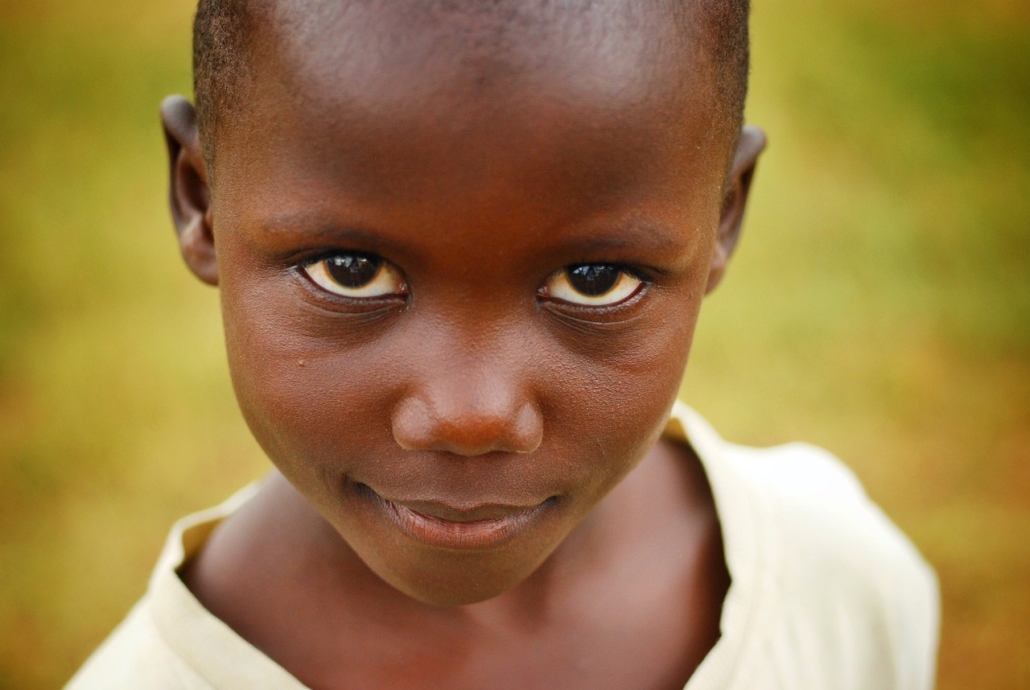
Child Marriage in NigeriaAn ethnic region comprised of more than 500 indigenous languages, Nigeria is the most populous country in Africa. Being the most inhabited African territory as of 2018, child marriage in Nigeria is prevalent with it holding the highest number of child marriages. According to UNICEF Nigeria, an estimated 22 million child brides live in Nigeria since 2018, which accounts for 41% of all child brides in West and Central Africa. This means that four out of every 10 girls, nearly 60 million, were forced into marriage before the age of 18.
Political Efforts

Child marriage remains prevalent in Nigeria due to the federal and state governments not implementing proper laws to prevent it. Passed in 2003, the federal Child Rights Act (CRA, 2003) prohibits marriage under the age of 18. Child marriage blatantly violates Nigeria’s constitution as well as the African Charter on the Rights and Welfare of the Child and the United Nations Convention on the Rights of the Child.

Human Rights Watch says the states using Islamic legal systems have failed to execute the Child Rights Act and continue endangering young girls. In Sharia-legislated states, child marriage is justified through their traditional grounds, meaning they believe that adulthood begins with puberty. “It is disturbing that almost two decades after the Child Rights Act was passed, Nigerian girls are still being forced into child marriages,” said Mausi Segun, Africa director at Human Rights Watch on the HRW website.

External Influences

Married girls within the Imo and Kano states face heavy influences from traditional practices and family relations. In August and September 2021, Human Rights Watch discovered that child brides in this northern Nigerian region are “denied their fundamental rights to education, a safe dwelling, freedom from violence and often do not have access to adequate health care.”

Due to the lack of protection for adolescent females, their families force them into marriages, leaving these young girls with little bodily autonomy or individual rights. Global Citizen states that overall, Nigeria’s child marriage crisis stems from gender inequality, religious practices, patriarchal authority, family poverty, stigma around teenage pregnancy and a lack of enforcement of legal protections.

Positive Changes

The Spotlight Initiative, an active partnership between Europe and the United Nations (UN), supports ending all forms of harmful gender-based practices globally. Between 2019 and 2020, the European Union (EU) invested $35 million which was distributed to developing countries through five main categories: policy, institution, prevention, data and women’s movement and civil society. Additionally, in 2020, the Katsina State House Assembly passed the Child Protection Bill which ensures commitment and improvements towards ending child marriage. In November 2022, the Katsina State House Assembly eventually voted to adopt the Child Protection Bill, guaranteeing girls the necessary protection against sexual violence.

Organizations Fighting to End Child Marriage in Nigeria

Created in 2000, the Bella Foundation for Maternal and Child Care is a community-focused grassroots organization in Imude, Ojo, in Logos State. Bella Foundation decided to focus its work on ending child marriage in the Ojo Local Government because “it is one of the places in Lagos State with the highest number of cases,” founder Bella Akhagba reports. Akhagba believes that the solutions start with educating and empowering women, which is why the Bella Foundation trained 10 women specifically to speak as advocates to young girls in Nigerian schools. The team has received training in various skills so that “they are empowered to generate income for themselves and their families since poverty is one of the greatest causes of child marriage in South West.”

Bella Foundation advocates for policy changes and promotes the improvement of female health by spreading awareness within schools and communities. “Through mentorship meetings with the girls of Ojo, we have been able to change their mindsets and attitudes,” Akhagba added.

It’s Never Your Fault is another organization making efforts to end child marriage in Nigeria. Started by a group of friends in 2018, this nonprofit is attempting to ban child marriage in all 36 states across Nigeria by advocating for a change in legislation, since it is a loophole in their constitution’s legal jargon that allows it. Susan Ubogu, Kurdirat Abiola and Temitayo Asuni felt compelled to take action against child marriage in Nigeria and created their campaign #BanChildMarriageNigeria with hopes of changing the law via a Change.org petition. Since creating the petition on December 18, 2018, it has obtained 473,640 of its 500,000 needed signatures.

The organization petitions as a way to campaign for change, raise awareness, and “give a voice to girls who couldn’t speak for themselves.” From its platform, it began a #RaiseTheAge petition to try and urge the government to amend the constitution. Ubogu, Kurdirat and Asuni have begun focusing on workshops surrounding gender equality and partnering with Nigerian celebrities to raise awareness. In the future, it plans to work directly with victims of social injustice and find ways to rehabilitate or reintegrate these women back into society ethically.

Looking Ahead

The current trends suggest that there is a need for Nigeria to address contributing factors to child marriage to achieve positive change. Efforts could involve advocating for and implementing laws and policies that safeguard girls’ rights. Prioritizing the protection of children’s rights, fostering gender equality and empowering communities to challenge entrenched cultural norms are essential steps. By cultivating a society that values the well-being of its youth, Nigeria can potentially pave the path to a brighter future.

– Samantha J. Rentfro
Photo: Flickr

December 8, 2023
https://borgenproject.org/wp-content/uploads/borgen-project-logo.svg 0 0 Kim Thelwell https://borgenproject.org/wp-content/uploads/borgen-project-logo.svg Kim Thelwell2023-12-08 07:30:102023-12-04 09:41:39Addressing Child Marriage in Nigeria
Child Marriage, Global Poverty

Child Marriage in Uganda

Child Marriage in UgandaUganda, a landlocked country in east Africa, boasts beautiful landscapes, wildlife and the largest freshwater lake in the world, Lake Victoria. With its safaris and reputation for having generous and welcoming people, Uganda has earned the title “the pearl of Africa.” 

But behind its natural beauty, Uganda is one of the poorest countries in the world, with 21.4% of its population living in absolute poverty and surviving on only $1.90 per day. Conflict and political unrest have restricted human rights, with women and girls among the most affected. Child marriage in Uganda continues to be a traditional and established practice, with Uganda being home to 5 million child brides.

Facts About Child Marriage in Uganda 

According to a study that the United Nations Children’s Fund (UNICEF) conducted, 5 million Ugandan girls marry before the age of 18 and 1.3 million before the age of 15. Burdened with the responsibilities of being a wife and a mother, many young girls are unable to stay in school or enter the workplace, where they would find economic and social freedom. Child marriage has a greater effect on girls living in rural and low-income households, with families often deciding to collect a dowry rather than continue to pay for their daughter’s education. According to Save the Children, “1 million child marriages in Uganda could be prevented if girls get secondary education.”

Child marriage is a traditional practice and low-income families use it to earn money. Families often exchange girls as young as primary school age for goats and other material items, and treat the girls as a commodity or a means of income. With citizens accepting child marriage as a traditional practice, educating both young girls and the wider community is an essential part of changing cultural opinion.

Child marriage has a detrimental effect on the young bride’s emotional, physical and mental health. A young bride is more likely to be forced into sexual activity, which can result in pregnancy. Young mothers often face the devastating effects of childbirth, with mortality rates being five times greater for girls aged 10 to 14. A young girl’s body is often not mature enough to endure pregnancy and complications, such as heavy bleeding, eclampsia and anemia, increasing the risk of both mother and infant death.

Abuse and Violence

Child brides are more vulnerable to abuse and violence. Lack of education and autonomy leaves young girls disempowered and vulnerable to domestic abuse. These girls lack sexual education and report experiencing sexual violence three times more often than married adults. In 2018, 26.1% of women aged 15-49 reported experiencing physical and sexual abuse within the previous 12 months.

Child marriage violates a girl’s human rights, limiting her ability to become self-sufficient, have a developmentally appropriate childhood and have authority over her future. Historical patriarchal practices in the region treat women and girls as property, resulting in people trading them for cattle or dowries, or as a means of resolving family disputes. Even when Ugandan women gain employment, they receive 39% less income than their male counterparts.

Looking Ahead 

In 2016, UNICEF and the United Nations Population Fund (UNFPA) launched a multi-country program called The Global Programme to End Child Marriage. With the support of the program, the National Strategy to End Child Marriage and other similar strategies underwent implementation in 55 out of 120 districts. 

Between 2016 and 2019, 5,984 peer educators and mentors implemented safe spaces and school clubs for education on reproductive health in 40 districts. At least 346,526 Ugandan girls aged 10–19 received this education and health care. The next phase of the program focusses on educating all Ugandan children about issues around gender, as well as teaching life skills and empowerment.

Toll-free Helpline

The Ugandan government implemented toll-free helplines, to address and track cases of violence against girls and women. In 2018, those helplines received 200,185 calls, of which 107,871 were resolved. Of all calls received, 2% were those in child marriage. Uganda is now implementing legislation in 40 counties to end child marriage. In 2018, Uganda became the first country to include ending child marriage in its national strategy.

In 2014, Uganda called for a resolution and stated a commitment to ending child and forced marriage by 2030. With support from organizations like UNICEF and UNFPA, child marriage rates are decreasing and cultural attitudes toward child marriage are improving. By ending child marriage in Uganda, estimates have indicated that Uganda could generate $3 million per year by 2030, with women being more able to contribute to the country’s economy. 

Important legislative steps continue to be taken to ensure that child marriage is no longer an accepted practice. With these steps, the beauty of the Ugandan landscape can be reflected in the safety and freedom of its female inhabitants.

– Isabel R. Burnside
Photo: Pixabay

November 26, 2023
https://borgenproject.org/wp-content/uploads/borgen-project-logo.svg 0 0 Yuki https://borgenproject.org/wp-content/uploads/borgen-project-logo.svg Yuki2023-11-26 03:00:272023-11-25 02:24:45Child Marriage in Uganda
Child Marriage, Global Poverty, Women's Rights

Child Marriage and Women’s Rights in Burkina Faso

Women's Rights in Burkina FasoBurkina Faso, home to 3 million child brides, grapples with one of the highest child marriage rates in the world. Shockingly, of these children, 500,000 girls are married before the age of 15. This deeply ingrained practice finds its roots in a complex web of factors from tradition to poverty and, most importantly, gender inequality. Child marriage not only strips girls of their childhoods but also robs them of the opportunity to enjoy their rights and reach their full potential. It perpetuates a cycle where girls’ voices are silenced, their dreams dashed and their aspirations sacrificed. Ending this practice means empowering girls to be healthy, to continue their education and to participate actively in development.

The Impact

The consequences of child marriage reverberate throughout the lives of girls and young women in Burkina Faso. A lack of education is one of the most common outcomes. As the adolescent birth rate is 132.3 per 1,000 women aged 15–19, girls who marry early are more likely to drop out of school to raise their children. 

Furthermore, the health implications of these rights violations for girls cannot be overlooked. Burkina Faso has one of the highest rates of maternal mortality in the world, with one in every twenty-two women succumbing to pregnancy-related causes. By simply providing education to these girls surrounding sex education, alongside improved health care programs in place, these deaths could be dramatically reduced. These alarming statistics underscore the urgent need for comprehensive solutions that empower girls and women to make informed choices about their lives, their health and their futures.

A Glimmer of Hope

That being said, despite these shocking statistics, Burkina Faso as a nation does recognize the need for change, and recent developments demonstrate this. As of February 2020, the Burkina Faso government had announced its dedication to eradicating early, non consensual marriage for girls by raising the legal age of marriage to 18 and ensuring that in Burkina Faso’s criminal code, forced marriage is clearly outlawed. 

A year later, in July 2021, Burkina Faso also committed to a five-year journey of action to improve gender equality by 2026 by investing $40 million into the development of legal as well as social change to end not only child marriage but gender-based violence, female genital mutilation and more. These efforts demonstrate a genuine commitment to protecting the rights of girls and women throughout the country. 

Impact: Success Stories and Empowering Change 

In Burkina Faso, where conflict disrupts education and pressures some families into early marriages, stories of resilience and hope emerge. 

At the Sainte Maria Goretti shelter, a beacon of hope, over one hundred young women have sought refuge, each with a determination to rekindle their dreams. Sister Veronique, a guardian at the shelter, has been witness to their incredible journeys. “Some have faced violence, while others endured hardships that would daunt the bravest,” she shared. Veronique takes care of girls like Evelyne, 16, whose grandfather planned to force her to marry an older man after an attack on their village caused them to flee.

“I overheard his intentions and made the courageous choice to find refuge here,” said Evelyne. “I’m still a child, and on top of that, I want to study,” she emphasized. While Evelyne’s parents eventually located her at the shelter, social worker support and their recognition of Evelyne’s passion for learning convinced them to let her continue her education. 

These stories radiate the indomitable spirit of young girls in Burkina Faso, who, even in the face of adversity, stand resolute in their pursuit of education and dreams. Their journeys embody the transformative power of enabling girls to make choices that shape their own lives and futures, encapsulating the promise and hope for women’s rights in Burkina Faso.

A Hopeful Path Forward

In Burkina Faso, the battle against child marriage is ongoing, but there is a glimmer of hope that lights the way for women’s rights in Burkina Faso. The prevalence of this harmful practice is gradually decreasing as legal reforms and awareness campaigns gain momentum. While there is much work ahead, the path forward is clear: By breaking the cycle of child marriage, we not only empower individual girls but also pave the way for an entire generation to rise, thrive and shape a brighter future for women’s rights in Burkina Faso.

– Phoebe Abrahams
Photo: Flickr

November 22, 2023
https://borgenproject.org/wp-content/uploads/borgen-project-logo.svg 0 0 Yuki https://borgenproject.org/wp-content/uploads/borgen-project-logo.svg Yuki2023-11-22 07:30:472023-11-19 06:49:06Child Marriage and Women’s Rights in Burkina Faso
Child Marriage, Children, Global Poverty

The UN Initiative: Ending Child Marriages by 2030

Ending Child Marriages
Child marriage is any formal marriage or informal union involving a child under the age of 18. Child marriage, or any marriage without the full and free consent on both ends of the marriage, has received international recognition as a violation of children’s rights. Ending child marriages is essential to protect children from violence, death and other challenges.

The marriage of children occurs all over the world, and the reasons differ from culture to culture. It has roots in gender inequality and the belief that girls and women are inferior to boys and men. Child marriage highly affects girls. About one in every five women aged 20 to 24 get married before their 18th birthday, compared to one in every 30 men. A lack of education, poverty, harmful cultural social norms and practices and insecurity have made the problem worse. Luckily, the UN Initiative is working towards ending child marriages.

How Does Child Marriage Cause Harm?

Twelve million girls marry before the age of 18 every year. That averages out to 23 girls every minute. Girls involved in child marriages are more likely to suffer domestic violence, contract HIV/AIDS and have a higher death rate during pregnancy and childbirth. Child marriages also have negative economic impacts, which can lead to intergenerational cycles of poverty. 

Girls who are at the greatest risk of marrying early often experience isolation from their family, friends and communities. They are typically poor and live in rural areas. 

The UN Initiative and How it is Helping

The 17 Sustainable Development Goals (SDGs) set include global plans for 2030 that aim to protect the environment, tackle poverty and improve lives. UNICEF aims to protect millions of vulnerable girls around the world from child marriage, and hopefully put an end to child marriage by 2030. 

When child marriages do not persist, girls are more likely to reach their full potential. Putting a stop to this practice is vital to achieving gender equality, improving maternal and newborn health and improving economic development. 

According to UNICEF, tackling this issue requires recognizing factors like poverty and poor access to education and health care. Factors like these enable child marriages; however, the reasons for this practice vary from culture to culture. UNICEF’s plan focuses on 12 countries across Africa, Asia and the Middle East where child marriage rates are high. UNICEF reports that 45% of child brides live in South Asia, while 20% are in sub-Saharan Africa. 

The Initiative’s Objective

The initiative’s objective goal is to enlist families, communities, governments and young people to help prevent girls from marrying too young, by empowering girls who are at risk as well as supporting the girls who are already married. The program follows four proven strategies: 

  1. Increasing girls’ access to education 
  2. Educating communities and parents on the dangers of child marriages
  3. Increasing economic support for families
  4. Strengthening and enforcing laws that establish the minimum age of marriage as 18 years old

Over the last decade, there has been a global drop in the number of child marriages, showing that ending child marriages is possible. In 2006, one in four women aged 20 to 24 was married as a child, in contrast to today’s number, which has fallen to one in every five women. 

Ending child marriages around the world will not only save many young girls’ lives, but will also help the economy and promote gender equality. 

– Paige Falk
Photo: Flickr

November 5, 2023
https://borgenproject.org/wp-content/uploads/borgen-project-logo.svg 0 0 Lynsey Alexander https://borgenproject.org/wp-content/uploads/borgen-project-logo.svg Lynsey Alexander2023-11-05 03:00:232023-11-03 05:32:34The UN Initiative: Ending Child Marriages by 2030
Child Marriage, Global Poverty

Child Marriage in Iran

Child Marriage in IranChild marriage is illegal in 153 countries. However, it is not in the past and still occurs legally quite frequently in 45 sovereign states. Despite the immense decline in matrimonies among minors, the numbers still remain disturbing in the eastern part of the world. One of the countries with a high prevalence rate of child marriage is Iran. 
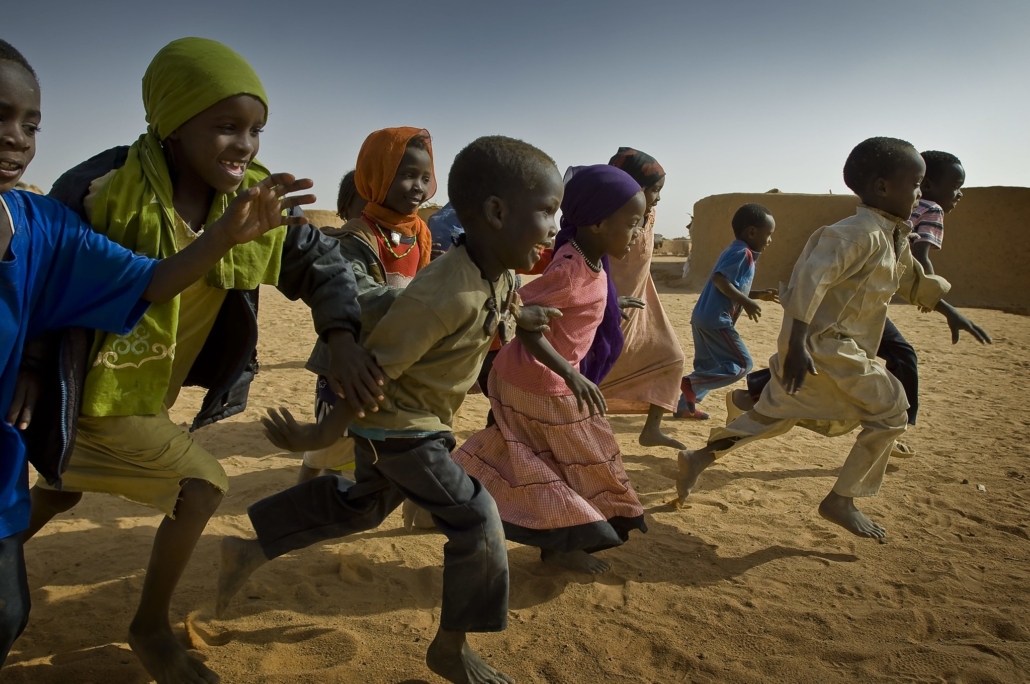
Economy in Iran 

Iran is a Middle Eastern country known for its fossil fuel sources. The United States Department of Energy proclaimed Iran the world’s third-largest oil and second-largest natural gas reserves holder. Despite its abundance of lucrative resources, Iran’s Parliament Research Center reported that 30.8% of the population faces financial hardship. 

Legal and Illegal Child Marriages

The pervasiveness of underaged marriages is one of the reasons that detriments the economy of Iran. UNICEF shortlisted Iran in the top five countries with a high rate of child espousal in 2020 in the Middle East and North Africa. According to Iran Open Data, one out of five marriages is among minor people. The Islamic government established the legal age of marriage to be 13 for girls and 15 for boys. However, the Islamic Republic civil code permits people to get married below the set age with a legal guardian’s consent. 

Despite scientific research recording the physical, mental and moral harm caused by early marriages, Iranian law still allows it. Moreover, numerous cases of illegal marriages occur on a religious basis that forces girls to wait for their majority to get married legally. Therefore, an underaged wife is not eligible for endowment or financial support in case of the loss of her husband. In addition, society always demands young women to quit academic institutions in order to take care of the household. 

Economic, Mental and Moral Harm of Early Matrimony

The law’s acceptance of child marriage in Iran results in early pregnancy, illiteracy and social barriers for young women. All these factors are detrimental to the flourishing economy and society of the country because they lead to the gender gap in the community and workplace. 

Early marriage not only harms the economy of Iran, but it also motivates pedophilia and child mistreatment because Islamic Republic laws on marriage permit alternative forms of sexual pleasure besides penetration until the age of 9 for spouses. Hence, child marriage traumatizes girls and ruins their lives from an early age. 

The Effect of COVID-19

COVID-19 raised the number of early marriages. Iran Open Data announced a sharp increase in child nuptials. COVID-19 provoked this type of marriage after a gradual reduction previously. The Civil Registration Organization reported 118,000 registered underaged marriages, which is 9000 extra from the past years. 

Hope for Iranian Girls From the Government 

Regardless of a rapid spike in underaged marriages, the situation remains hopeful. Currently, the Iranian government is undertaking measures to prevent child marriage by increasing the age of the legal espousal for both men and women to 18 years old. The Iranian government has accepted for consideration an adjustment of the Civil Code to enlarge the legal age for matrimony. The law’s implementation will result in positive outcomes for the communal and financial future of the country. 

Furthermore, Iran aims to banish early and involuntary marriage by 2030. Apart from the legislation, Plan International has presented five solutions to thwart underaged matrimonies. It emphasized education and empowerment of young ladies to help the community be more supportive and accepting of women’s rights. Plan International offers to petition the Iranian government about the importance of girls’ development which they are not able to get because of forced and child marriages.

Positive Outcomes 

Augmentation of marriage age will result in a higher prevalence of education for both men and women. Since society will not force girls to abandon school in order to take care of their husbands and offspring. Thus, this change will affect the economic condition of Iran because more women will be able to work. 

It is important not only from an economic point of view but also from a social perspective, considering that girls will receive an opportunity to fulfill their potential in society. 

– Stephanie Len
Photo: Flickr

October 17, 2023
https://borgenproject.org/wp-content/uploads/borgen-project-logo.svg 0 0 Yuki https://borgenproject.org/wp-content/uploads/borgen-project-logo.svg Yuki2023-10-17 08:18:032023-10-19 04:25:25Child Marriage in Iran
Child Marriage, Global Poverty

Addressing Child Marriage in Chad

Child Marriage in Chad
“I was given in marriage at 17, my husband was 35. I didn’t love him, he was mean to me. He was beating me, forcing me to sleep with him. He was hurting me a lot until I said to myself, enough is enough. I couldn’t go on with him. That’s why I decided to leave. If I stayed with him, he would’ve killed me.” 

This is the story of Titi, one of many who have suffered the experience of child marriage in Chad. Her words are a testament to the harsh realities that Chad is facing. The African nation is grappling with the grim challenge of having one of the highest child marriage rates in the world. The extent of the issue is staggering — while poverty, displacement, regional and ethnic disparities and cultural complexities play their part in forming this burden.

The Scale of Child Marriage in Chad

UNICEF’s 2014 report puts the rate of child marriage in Chad as the third highest in the world, only behind Bangladesh and Niger. Chadian girls are suffering staggering marriage rates as 29% of girls under 15 are married, and a staggering 70% are married before their 18th birthday. Taking into account that Chad has 1.8 million girls between the ages of 10 and 19, a very conservative estimate shows that more than half a million girls are married while still being children.

Regional Inequalities

Ethnic diversity defines the threads of Chad’s identity. Nevertheless, within the complex tapestry of tradition, poverty and gender norms, certain regions and ethnic groups bear a disproportionate burden in the nation’s child marriage crisis. The rate of female child marriage in the Chari Baguirmi region is at a disheartening 70%, while the Mayo Kebbi Est, Guera, Kanem and Salamat regions range from low to mid 60%. Child marriage in Chad, however, is not exclusive to girls, as 23% of boys in the Logone Oriental region suffer from this reality, followed by the Logone Occidental, Mandoul and Mayo Kebbi Ouest regions, with rates between 12% and 17%. There are also disparities by ethnicity, as the Peul/Foulbe group grapples with a devastating 67% prevalence of child marriage, trailed by Massa/Mousseye, Baguirmi/Barma and Kanembou/Bomou from low to mid 60%.

Roots of Child Marriage in Chad

In Chad, poverty, insecurity and limited access to vital services like education fuel the distressing prevalence of child marriage. At its core, gender norms and economic and humanitarian turmoil are the main drivers of child marriage in Chad. Very conservative gender perspectives paired with 5.5 million individuals in need of humanitarian aid, 406,000 people displaced and over 528,000 refugees from neighboring lands create a context for desperation. 

Views of women’s purity and honor cut across religious lines. Child marriage practices permeate households nationwide, encompassing Catholic, Protestant, Animist and Muslim families alike. Moreover, poverty within these communities significantly drives child marriage in Chad. With 54% of young brides originating from the poorest households, impoverished families see early marriage for their daughters as a means of alleviating perceived financial burdens. Harsh expectations, skewed perceptions, and destitute material conditions create a context for child marriage to thrive.

World Vision’s Efforts

While child marriage in Chad is a dire situation that affects countless people, World Vision is an NGO playing its part in helping prevent and alleviate the burdens of this reality. World Vision works to fight inequality, poverty and injustices and explicitly intends to combat child marriage in Chad through its child protection and participation program. This program focuses on improving children’s quality of life through protection from abusive behaviors. More than 59 child protection clubs have been created, which provide children with the tools necessary to promote their protection and development as well as provide a safe space for expressing their points of view. 

In 2019, World Vision was able to annul 37 child marriage cases, allowing girls to return to school, while also aiding in reporting more than 50 child protection incidents that received appropriate responses. Furthermore, World Vision educated 310 religious and community leaders, along with 3,000 individuals, about the implications of child marriage and the detrimental impact of violence against children. World Vision’s work stands as a testament to the power of efforts to alleviate the burdens that countless Chadian children face.

Final Thoughts

The well-being and promotion of youth form the foundation for the future of any nation. The scope of child marriage in Chad is disheartening. The situation is indeed dire, with an urgent need for comprehensive interventions to safeguard the livelihoods of these children as well as the future prosperity of the nation.

– Agustín Pino
Photo: Flickr

September 7, 2023
https://borgenproject.org/wp-content/uploads/borgen-project-logo.svg 0 0 Lynsey Alexander https://borgenproject.org/wp-content/uploads/borgen-project-logo.svg Lynsey Alexander2023-09-07 07:30:502023-09-05 08:57:10Addressing Child Marriage in Chad
Child Marriage, Women's Empowerment

Ongoing Efforts Focused on Improving Women’s Rights in Mauritania 

Women’s Rights in Mauritania According to Georgetown’s 2021-2022 Women, Peace and Security Index, Mauritania is the 14th worst country for women to live in. Lying below the southern border of Morocco in the northwest of Africa, Mauritania is deeply conservative and one of the poorest nations on earth. Currently, 56.9% of its residents live in multi-dimensional poverty. The country’s laws designate men as the head of households, structurally relegating women to domestic roles and leaving them with limited opportunities to improve their economic situation. Sharia law and cultural influences have entrenched gender-based discrimination in Mauritania. Nevertheless, there is hope, as the treatment of women has seen some gradual improvements. 

Combatting Sexual and Physical Violence Against Women

Mauritania alarmingly accepts sexual and physical violence against women both socially and institutionally. The country’s governance by Sharia law leads to severe punishment for “Zina,” or sex outside of marriage. The high burden of evidence required to prove rape makes women hesitant to report their assaults, fearing legal punishment for engaging in intercourse if the state fails to prosecute the attacker. Consequently, only about 20% of rape cases are reported, as per the findings of the Social Welfare Ministry. Besides the moral implications of widespread rape, the trauma of sexual assault significantly hinders women’s independence and economic well-being in the long run.

Moreover, Mauritania often tolerates domestic violence without prosecution, and this contributes to perpetuating poverty. A study by the International Monetary Fund (IMF) revealed that a mere 1% increase in female victimhood from domestic violence corresponds to a 9% drop in economic activity. Although legislation urgently addresses these injustices, progress has been slow. Despite activists’ efforts leading to the government passing the Law Against Violence Against Women and Girls, it was never certified by parliament. In the meantime, NGOs like the “Association of Women Heads of Households” (AFCF), founded by women’s rights activist Aminetou Mint El-Moctar in 1999, provide crucial support to women by intervening in cases of sexual assault and assisting them in pressing charges.

Creating Economic Opportunities for Women

Addressing gender disparities in economic opportunities is essential for empowering Mauritanian women. The country’s rank as sixth worst in the world, according to the Women’s Workplace Equality Index, underscores the urgent need for action. Several potent barriers to economic equality exist, including differences in wages, limitations on land rights, restricted opportunities for specific jobs, social stigma and the absence of legal authority to be heads of households.

Although some laws exist to address these issues, the government often has limited control over local rule. Consequently, the female labor participation rate was a mere 26% in 2022 compared to 57% for men. Women who do have jobs often occupy informal domestic positions without formal arrangements and social protections, making them highly vulnerable to falling into poverty. Unfortunately, up to 20% of the population remains enslaved.

In recent years, the government has taken steps to address these issues, such as promoting female political representation, expanding job opportunities, investing in education and cracking down on slavery. A national multi-party platform involving local authorities and NGOs was established to help enforce federal laws, particularly concerning land rights. However, external observers, including the World Bank, argue that Mauritania must focus on achieving legal gender equality through comprehensive systemic reforms.

Confronting Forced Child Marriage

Gender inequality in marriage is another significant concern in Mauritania, with 37% of girls going into marriage before their 18th birthday. Some communities even resort to force-feeding girls to make them appear more sexually mature at a younger age. Early and forced marriages seriously undermine women’s rights and economic potential in Mauritania. While cultural norms play a critical role in perpetuating this practice, poverty also motivates women to marry early.

The Mauritanian government has pledged to end forced child marriage within the next decade, collaborating with UNICEF to enact legislative and judicial reforms and conduct education campaigns against the practice. For instance, UNICEF worked with local imams to create religious arguments supporting children’s rights.

Additionally, the government has implemented programs like the Sahel Women Empowerment and Demographic Dividend (SWEDD) to empower girls to stay in school, as pregnancy is a significant barrier to girls’ education prospects in Mauritania. Nevertheless, human rights organizations, including Human Rights Watch, insist that there is a need for legislation establishing a minimum age for marriage in line with international standards and giving women the legal right to refuse marriage. Moreover, despite being technically illegal in Mauritania, child marriage remains permissible with parental and judicial consent.

Conclusion

Despite the challenges Mauritania faces regarding gender inequality, there is hope for positive change. Activists and NGOs like AFCF provide support to women facing violence and discrimination, while the government has taken steps to promote female political representation and expand job opportunities. Collaborating with UNICEF, Mauritania aims to end forced child marriage and empower girls to stay in school through programs like SWEDD. Although progress may be gradual, these efforts signal a growing commitment to improving the lives and economic prospects of Mauritanian women.

– David Newman
Photo: Flickr

August 4, 2023
https://borgenproject.org/wp-content/uploads/borgen-project-logo.svg 0 0 Jennifer Philipp https://borgenproject.org/wp-content/uploads/borgen-project-logo.svg Jennifer Philipp2023-08-04 01:30:012026-04-16 10:21:00Ongoing Efforts Focused on Improving Women’s Rights in Mauritania 
Page 5 of 13«‹34567›»

Get Smarter

  • Global Poverty 101
  • Global Poverty… The Good News
  • Global Poverty & U.S. Jobs
  • Global Poverty and National Security
  • Innovative Solutions to Poverty
  • Global Poverty & Aid FAQ’s
Search Search

Take Action

  • Call Congress
  • Email Congress
  • Donate
  • 30 Ways to Help
  • Volunteer Ops
  • Internships
  • Courses & Certificates
  • The Podcast
Borgen Project

“The Borgen Project is an incredible nonprofit organization that is addressing poverty and hunger and working towards ending them.”

-The Huffington Post

Inside The Borgen Project

  • Contact
  • About
  • Financials
  • President
  • Board of Directors
  • Board of Advisors

International Links

  • UK Email Parliament
  • UK Donate
  • Canada Email Parliament

Get Smarter

  • Global Poverty 101
  • Global Poverty… The Good News
  • Global Poverty & U.S. Jobs
  • Global Poverty and National Security
  • Innovative Solutions to Poverty
  • Global Poverty & Aid FAQ’s

Ways to Help

  • Call Congress
  • Email Congress
  • Donate
  • 30 Ways to Help
  • Volunteer Ops
  • Internships
  • Courses & Certificates
  • The Podcast
Scroll to top Scroll to top Scroll to top