• Link to X
  • Link to Facebook
  • Link to Instagram
  • Link to TikTok
  • Link to Youtube
  • About
    • About Us
      • President
      • Board of Directors
      • Board of Advisors
      • Financials
      • Our Methodology
      • Success Tracker
      • Contact
  • Act Now
    • 30 Ways to Help
      • Email Congress
      • Call Congress
      • Volunteer
      • Courses & Certificates
      • Be a Donor
    • Internships
      • In-Office Internships
      • Remote Internships
    • Legislation
      • Politics 101
  • The Blog
  • The Podcast
  • Magazine
  • Donate
  • Click to open the search input field Click to open the search input field Search
  • Menu Menu

Archive for category: Child Marriage

Child Marriage, Children, Global Poverty

Child Marriage in Eritrea

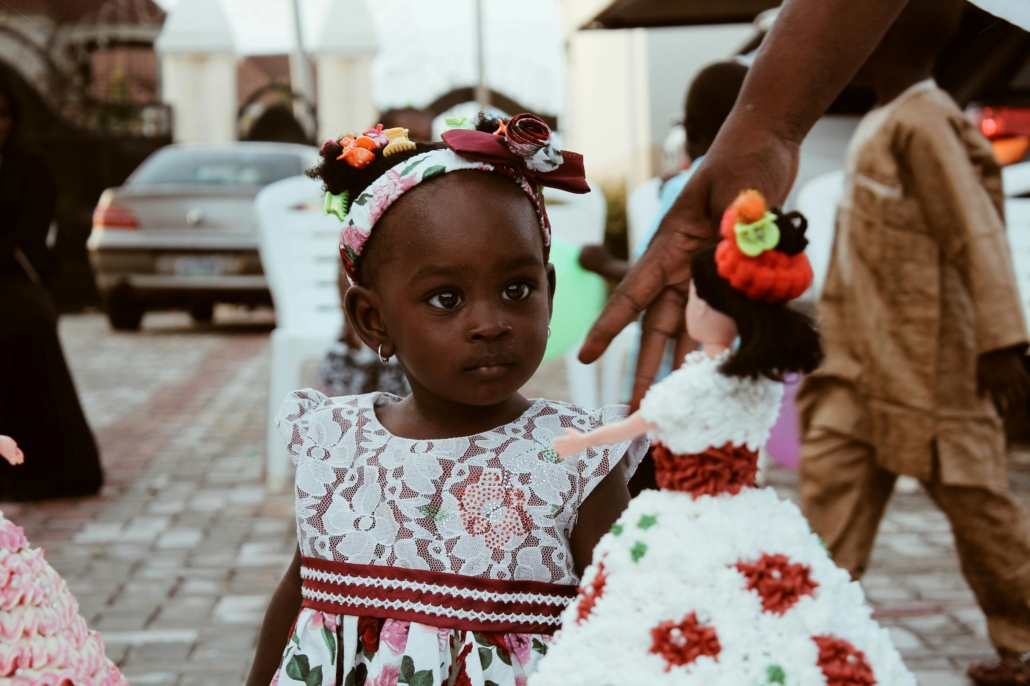
Child Marriage in EritreaChild marriage disproportionately affects the lives of young girls in Eritrea, as an estimated 41% of girls are married before the age of 18 compared to 2% of boys, according to the most recent government data from 2010. Many recognize child marriage as a violation of human rights, with the Universal Declaration of Human Rights stating that consent to marriage must be ‘free and full’ and cannot be so when one of the parties is below adult age.

Eritrea revised its Marriage Law in 1991 to make 18 the minimum age for marriage, however, a 2025 Human Rights Watch report reported that child marriage remains prevalent despite this law. This is due to a lack of enforcement, as well as customary laws and legal exceptions. For example, 16-year-old girls can marry if they are pregnant or have already given birth.

Causes of High Rates of Child Marriage

The Girls Not Brides organization states that gender inequality is the driving factor behind child marriage in Eritrea, in addition to poverty, and a lack of opportunities for education or financial independence for girls. These factors are worse in rural areas where the rate of child marriage is significantly higher, 55.2% compared to 20.4% in urban areas. There is social and financial pressure on girls to abandon their studies to perform domestic or agricultural labor and enter marriage to relieve their families of financial burden.

Addressing the Problem

At the 2019 Nairobi Summit Eritrea committed to end all forms of violence against women and girls, including child marriage by 2030, committing to provide “access for all adolescents and youth, especially girls, to comprehensive and age-responsive information, education and adolescent-friendly comprehensive, quality and timely services to be able to make free and informed decisions and choices about their sexuality and reproductive lives.”

International aid can also help to end child marriage by reducing risk factors like poverty and lack of access to health care and education through targeted programs and partnerships. Organizations such as UNICEF and UNFPA work in Eritrea to protect those at risk of child marriage. The UNFPA collaborates with the Ministry of Health to strengthen the national health system and expand access to health care, particularly for underserved rural populations. UNFPA also work with the National Union of Eritrean Women to support legislation against underage marriage and FGM.

The Current Status of the Issue

Due to a lack of recent data from the government on child marriage rates, it is difficult to know how close Eritrea is to achieving the goal of eradicating child marriage by 2030. It is important that regulatory bodies get accurate and recent data from the government to address the issue and assess the progress that has occurred. International support is essential to improve access to education and provide resources to impoverished rural communities to alleviate financial pressures that push girls out of education and into marriage. Increased opportunities combined with stricter enforcement of the minimum legal age for marriage will help girls in Eritrea to live childhoods free from forced marriage.

– Nieve Dowling

Nieve is based in Bristol, UK and focuses on Good News and Politics for The Borgen Project.

Photo: Flickr

October 29, 2025
https://borgenproject.org/wp-content/uploads/borgen-project-logo.svg 0 0 Jennifer Philipp https://borgenproject.org/wp-content/uploads/borgen-project-logo.svg Jennifer Philipp2025-10-29 01:30:532025-10-29 00:48:40Child Marriage in Eritrea
Child Marriage, Child Poverty, Global Poverty

Behind the Paradise: The Scourge of Child Marriage in Fiji

Child Marriage in FijiFiji, a Pacific island nation celebrated for its magnificent volcanic scenery and idyllic beaches, presents a stark contrast between its natural beauty and a dark social reality. One of the most pressing issues shadowing its paradise image is the practice of child marriage in Fiji, where minors are wed before developing the capacity to understand the commitment. This burden falls disproportionately on girls, who families in Fiji often traditionally view as a commodity to marry off as early as possible to alleviate their burdens. A complex interplay of social, cultural and political factors has heavily influenced the persistence of this practice.

The Drivers Perpetuating the Practice: Patriarchal Society

For years, the legal framework itself enabled this crisis. Until 2009, the Marriage Act of Fiji stated the legal age of consent for marriage as 16 years old for girls and 18 years old for boys. The distinction between the legal consent age between girls and boys speaks about the patriarchal nature of society in Fiji. The largely male dominant society has resulted in an alarming rate of girls entering child marriage, which is about 12%. Additionally, it is also a deeply cultural and religious society that values the concept of arranged marriage. In these arranged unions, couples may have little to no prior acquaintance, often meeting for the first time on their wedding day. Traditional customs like bulubulu further compound this practice. It is a formal apology ritual, which can lead to underage pregnant girls cohabiting as common-law wives with the fathers of their children.

Exploitation

A particularly alarming form of exploitation involves young girls marrying men outside of Fiji under the guise of providing labor or a better life. These transnational arrangements often leave them vulnerable to abuse and servitude. Tragically, for those who manage to escape these fraudulent marriages and return home, reintegration is fraught with difficulty. They often face profound social ostracization and stigma within their traditional communities, leaving them doubly victimized.

Poverty

A central driver of child marriage is the relentless fight against global poverty. Indeed, this link is tragically evident in Fiji where many economically strained families see marrying off a daughter as a necessary strategy to reduce their financial burden. In some cases, these unions become transactional, providing an immediate, albeit often small, benefit to the family. This decision, born of economic desperation, comes at the devastating cost of the child’s future, forcing her into a life for which she is profoundly unprepared. The data underscores this economic link: in Fiji, 4.4% of girls living in the poorest homes married before 18 years old, compared to 3.9% from the richest households.

The Lifelong Impact on Children and Society

The consequences of child marriage in Fiji create a devastating ripple effect across society and for the individual. A primary outcome is unintended adolescent pregnancy, where girls, under pressure to prove their fertility soon after marriage, face the dangerous health scenario of a child giving birth to a child. These young brides, thrust into adulthood prematurely, face heightened risks of sexual violence and life-threatening complications during pregnancy and childbirth. Furthermore, the practice almost universally forces children to abandon their education, severely limiting their future economic opportunities and perpetuating the very cycle of poverty that often drives child marriage in Fiji. This creates a demographic marked by profound and persistent vulnerability.

The Bright Side

The Fijian government has committed to eliminating child marriage in Fiji by 2030, aligning with the global Sustainable Development Goals (SDGs). Fiji has amended the earlier mentioned Marriage Act of Fiji and made 18 the legal marriage age for both boys and girls. The amendment also removed the provision allowing minors to marry with parental consent. To support this national commitment, the Spotlight Initiative’s Pacific Regional Programme began in October 2020. It is working with 16 Pacific Island countries to address early marriage, sexual harassment and domestic and intimate partner violence. The initiative is coordinated through a collaborative model, which the UN Resident Coordinator’s Office in Fiji manages, and it is partnered with UN agencies like UN Women, UNICEF, IOM, UNFPA and UNDP.

Conclusion

The grim reality of child marriage has fractured Fiji’s idyllic facade. While the government has outlawed the practice, its persistence, fueled by poverty and patriarchal norms, continues to rob children of their futures. Closing the gap between law and local custom is the critical challenge. The future of the nation depends on transforming these deep-seated traditions to ensure every Fijian child can truly thrive.

– Vaidehi Ratudi

Vaidehi is based in Hamilton, ON, Canada and focuses on Politics for The Borgen Project.

Photo: Unsplash
October 24, 2025
https://borgenproject.org/wp-content/uploads/borgen-project-logo.svg 0 0 Jennifer Philipp https://borgenproject.org/wp-content/uploads/borgen-project-logo.svg Jennifer Philipp2025-10-24 01:30:082025-10-23 00:32:36Behind the Paradise: The Scourge of Child Marriage in Fiji
Child Marriage, Children, Global Poverty

Everything To Know About Child Marriage in Nicaragua

Child Marriage in NicaraguaThe Nicaraguan government and local organizations have worked to reduce and eliminate child marriage and early unions. Their efforts have achieved a 50% decrease in the number of girls married before the age of 18, falling from 1987 to 35% in 2012. However, Latin America remains the only region in the world that has not shown a clear decline in child marriage over the last three decades. Nicaragua has the highest rates within the region and ranks 14th globally with 10% of girls marrying or entering a union before age 15. Among boys, 19% marry or enter a union before the age of 18. Here are the main reasons for child marriage in Nicaragua:

Poverty

Poverty continues to affect a large portion of Nicaragua’s population. The United Nations reports that 48% of people live below the poverty line. Continual climate disruptions devastate the environment and worsen economic conditions. High levels of organized crime and human trafficking also contribute to insecurity. Many families marry off their children to ease financial hardship and improve their economic situation, resulting in increased levels of child marriage in Nicaragua

Furthermore, Nicaraguan society continues to enforce cultural and gender norms that pressure girls to marry young and bear children. These expectations limit and restrict their opportunities.

Lack of Education

A lack of access to education is both a cause and result of child marriage in Nicaragua. Families often pressure girls to leave school after marriage. Communities with poor access to education have higher levels of child marriage.

When families remove girls from education to marry, they face a greater risk of teenage pregnancy. Reports show that 30% of girls who marry or enter a union become pregnant within the first year. A 2019 UNFPA study highlighted the high correlation between early unions/marriage and pregnancy among girls in Nicaragua. Not only this, but teenage pregnancies pose a serious health risk for young mothers with increased maternal mortality rates.

Solutions in Place

The Nicaraguan government has implemented several measures to reduce child marriage and aims to end early and forced marriage by 2030. The government co-sponsored the 2013 and 2014 United Nations General Assembly resolutions on child, early and forced marriage. In 2013, as a member of the United Nations Economic Commission for Latin America and the Caribbean, Nicaragua adopted the Montevideo Consensus on Population and Development, which recognized the need to address the high levels of adolescent pregnancy and its associations with forced marriages.

The government also updated legislation under the Follow-up Mechanism to the Belem do Para Convention to ensure the minimum age of marriage was 18 for both men and women. During its 2019 Universal Periodic Review, the government agreed to review recommendations to combat all harmful practices against women and girls, including child marriage in Nicaragua.

Beyond legal reforms, the government and international organizations have focused on education and advocacy. Several non-governmental organizations (NGOs) and educational initiatives work to keep girls in education. For example, SOS Children’s Village, a charity dedicated to improving the lives of children living in poverty, has provided education to more than 2,630 children. Other global charities, such as UNAIDS, have partnered with UN Women, UNICEF and the World Health Organization in a joint initiative to eliminate child marriage and to ensure that governments meet the needs of women and girls in Latin American and the Caribbean. Due to the work of these initiatives and awareness brought to these issues, a number of communities now acknowledge the harm that child marriage in Nicaragua caused.

The Path Forward

There is still much more work to be done. There are still barriers to reform that need to be addressed and tackled with global organizations calling for stricter and better enforced policies, more access to education for girls, a change in cultural gender norms and continuing efforts to end poverty. However, the continued successes of government initiatives and charity organizations suggests a real progress for the improvement of women and girl’s rights and opportunities and for the reduction of child marriage in Nicaragua.

– Alys Gaze

Alys is based in Wales, UK and focuses on Good News and Politics for The Borgen Project.

Photo: Unsplash
October 23, 2025
https://borgenproject.org/wp-content/uploads/borgen-project-logo.svg 0 0 Jennifer Philipp https://borgenproject.org/wp-content/uploads/borgen-project-logo.svg Jennifer Philipp2025-10-23 03:00:272025-10-23 00:23:15Everything To Know About Child Marriage in Nicaragua
Child Marriage, Children, Global Poverty

Combating Child Marriage in Belize

Child Marriage in BelizeChild marriage in Belize is a pervasive issue, trapping both young girls and boys in a cycle of poverty and inequality. However, although the rates of child marriage remain high, organizations and the government have committed to addressing the issue.

Key Child Marriage Statistics in Belize

In Belize, child marriage is more prevalent among girls, with 34% of girls marrying or entering a union before they turn 18 and 6% before they turn 15. However, Belize also has one of the highest rates of boy marriage in the world, with 22% of them marrying before the age of 18 and 5% before 15.

One of the key drivers of this high rate of child marriage is the education level. According to Girls Not Brides, 16% of the girls who had received no education were married before they turned 18. Additionally, 26% of girls who were married between the ages of 15 and 19 did not complete their education beyond the primary level.

Poverty is also a key driver of child marriage. About 11% of the girls who were married before their 18th birthday came from some of the most impoverished households in Belize, compared to 3% from the richest households.

Initiatives 

The government is committed to combating child marriage in Belize. In 2024, it submitted a voluntary national review into the elimination of gender-based violence, of which child marriage is part. Furthermore, in 2020, the government developed the Road Map to End Child Marriage and Early Unions in Belize. It focuses on taking action in the health, education, child protection and economic development sectors as a holistic approach to combating child marriage in Belize.

Organizations such as the Spotlight Initiative have also been crucial in combating child marriage. This initiative, started by the United Nations (U.N.), is working to tackle gender inequality and violence in Belize by establishing mobile women’s centers. These centers provide crucial services to women, such as “sexual and reproductive health services, legal advice, psychosocial support and information on gender-based violence.”

Therefore, the women who visit these centers are not only more aware and educated about their choices, but also less vulnerable to gender-based violence such as child marriage. Because the centers are free, the underserved and most vulnerable women in Belize can now access services they previously could not afford.

Looking Forward

While the initiatives put forward by the government and the U.N. are a crucial step in combating child marriage in Belize, poverty, lack of education and ingrained patriarchal notions about the status of women and girls are key drivers of child marriage. 

– Victoria Adrados

Victoria Adrados is based in London and focuses on Good News for The Borgen Project.

Photo: Flickr

September 17, 2025
https://borgenproject.org/wp-content/uploads/borgen-project-logo.svg 0 0 Hemant Gupta https://borgenproject.org/wp-content/uploads/borgen-project-logo.svg Hemant Gupta2025-09-17 01:30:182025-09-17 01:07:11Combating Child Marriage in Belize
Child Marriage, Children, Global Poverty

From Loopholes to Legal Clarity: Child Marriage in South Korea 

Child Marriage in South KoreaUntil recently, child marriage in South Korea remained legal for teens as young as 16 with parental consent, making the country an outlier among developed nations. However, that changed when lawmakers amended South Korea’s Civil Act to set the minimum marriage age at 18 with no exceptions. While child marriage affects one in five girls worldwide, the South Korean child marriage ban demonstrates that decisive policy and public awareness can dismantle harmful traditions, safeguard youth and advance the global movement to end child marriage.

From Loophole to Legal Clarity

The revised South Korea’s Civil Act, specifically Article 807, now establishes 18 as the absolute legal marriage age. This change frees minors from the pressure to marry before adulthood. Previously, Article 808 allowed underage marriage with parental consent but lawmakers eliminated that exception to safeguard young people. These reforms challenge traditional values in which parents play a decisive role in early marriage arrangements, causing South Korean parents to consider the concerns that the UN Convention on the Rights of the Child raised.

Marriages Beyond Borders: The Loophole Challenge

While South Korea’s child marriage ban closes domestic legal loopholes, a persistent concern remains in marriages arranged beyond its borders. Since the 1990s, international marriage brokers connect South Korean men with women from other countries. Some families exploit cross-border arrangements to wed partners under 18 abroad, and then return to register the marriage in South Korea.

This practice blurs the line between child marriage and human trafficking, pushing the boundaries of the child marriage ban in place. Brokers finalize matchmaking deals typically within nine days, giving minors and adults little time for informed consent.

As of 2007, 40% of Korean men in agriculture, forestry and fishing were married to foreign wives, primarily from China, Vietnam, Cambodia and the Philippines. Migrant brides face obstacles such as language barriers, economic dependency and cultural isolation, which make them vulnerable to abuse.

The Murder That Sparked Reform

A landmark case of abuse involves Thach Thi Hoang Ngoc, a 20-year-old Vietnamese bride, murdered by her mentally ill 46-year-old Korean husband only eight days after arriving in South Korea. The broker of the marriage failed to mention her husband had schizophrenia, causing a public outcry for officials to pay more attention to international marriage regulations.

“The general public in South Korea was shocked and outraged and demanded that the government take more proactive measures to strictly regulate international marriage practices,” Helen Lee wrote in a 2010 Law Library of Congress report.

In 2007, South Korea enacted the Act on Regulation of Marriage Brokerage Agencies which requires brokers to register, follow foreign regulations and provide written agreements between both parties to prove consent. The amended Act in 2010 imposes stricter restrictions and the Cross-Governmental Policy to Promote Wholesome International Marriage, which adds tighter broker rules and mandatory educational seminars for Korean spouses. Officials now conduct rigorous criminal and medical background checks to protect future spouses from dangers identifiable early on.

A Victory for Children’s Rights

South Korea currently holds one the world’s lowest teenage pregnancy rates—about two to three births per 1,000 girls aged 15-19. Even with these low figures, officials remain concerned about any link between the teenage pregnancy rate in South Korea and child marriage.

By enforcing Article 807, the child marriage ban in South Korea protects young people from early parenthood, helps ensure uninterrupted education and limits health risks associated with teenage pregnancy. The reform also advances Sustainable Development Goal 5.3 (SDG 5.3), the global pledge to end child marriage by 2030.

The Cultural Shift

Since the child marriage ban in South Korea, cultural standards surrounding arranged marriage have shifted. Once deeply rooted in Confucian traditions, matchmaking practices adapted to emphasize youth autonomy.

Rights organizations like Girls Not Brides note that child marriage in South Korea has been rare and often undocumented, linked more to gender inequality and trafficking than to mainstream cultural practices.

The Ministry of Gender Equality and Family celebrated South Korea’s reform as a step toward ensuring equal opportunities for all youth to pursue education, work, and personal growth.

Since lawmakers changed the legislation, cultural and familial approaches to matchmaking have shifted, and South Korea increasingly recognizes that personal choice to marry is paramount in marital decisions involving youth. As a 2022 study notes, “Young adults’ changing values, particularly concerning marriage, are among the key factors that have contributed to this phenomenon.”

Global Role in Ending Child Marriage in South Korea

The South Korean child marriage ban shows that even highly developed countries can harbor outdated laws, and that real change is possible with political will and public support. Local NGOs and South Korean citizens emphasize the need to pair strong legal protections with cultural change, using South Korea as an example of a successful complete ban on child marriage, barring parental consent as a factor entirely.

Nationwide awareness campaigns and school programs aim to promote the value of education, self-determination and self-advocacy in marital decisions. South Korea co-sponsored Human Rights Council initiatives aimed at ending child, early and forced marriage, addressing topics ranging from the consequences of child marriage to its occurrence in humanitarian crises, particularly during the COVID-19 pandemic.

For countries struggling with partial bans, South Korea offers a clear blueprint: set a clear minimum age, remove all exceptions and enforce the law consistently while updating legislation regularly. 

Looking Ahead

The child marriage ban in South Korea has focused attention on teenage pregnancy, education disruption and youth autonomy. The success of the laws and the government’s ongoing revisions ensure that minors will no longer face the same legal pressure or loss of agency in South Korea again.

South Korea’s journey from conditional allowances to a total ban proves that legal reform and public consensus can protect the formative years of life. It stands as a global role model for the global push to end child marriage and lower the teenage pregnancy rate worldwide.

– Nicole Fernandez

Nicole is based in Reno, NV, USA and focuses on Good News and Global Health for The Borgen Project.

Photo: Unsplash
September 10, 2025
https://borgenproject.org/wp-content/uploads/borgen-project-logo.svg 0 0 Jennifer Philipp https://borgenproject.org/wp-content/uploads/borgen-project-logo.svg Jennifer Philipp2025-09-10 03:00:252025-09-10 01:22:34From Loopholes to Legal Clarity: Child Marriage in South Korea 
Child Marriage, Education, Global Poverty

Addressing Child Marriage in Chad With Education and Reform

Child Marriage in ChadIn Chad, thousands of girls as young as 14 years old are pressured to leave education behind and marry before reaching adulthood. Girls Not Brides underlined that in 2019, nearly 61% of Chadian women between the ages of 20 and 24 were married before their 18th birthday. While child marriage rates remain high in the region, the government of Chad and local organizations are rallying behind reforms. Through tougher laws, an increase in tailored educational initiatives and grassroots activism, efforts to curb child marriage rates are actively advancing, bringing hope to thousands of girls.

Correlation Between Child Marriage and Poverty in Chad

Research highlights a strong link between child marriage and poverty. In Chad, this practice is more prevalent among the lowest-income communities: girls from households facing the greatest economic challenges have more than triple the likelihood of marrying before 18 than those in the wealthiest group. The World Bank further emphasizes that economic hardship and limited educational opportunities drive child marriage. This cycle deprives girls from building secure futures, trapping entire families in economic hardship for generations.

Government and Policy Reforms to End Child Marriage in Chad

Policy changes, local initiatives and Non-Governmental Organizations (NGOs) are making meaningful progress in reducing child marriage in Chad. As part of the 2023 Universal Periodic Review, Chad emphasized their dedication to fostering equal rights for both men and women, and prioritizing academic opportunities for girls and their participation within schools.

The Sahel Women’s Empowerment and Demographic Dividend (SWEDD), is a collaborative effort between the World Bank Group and United Nations, aiming to narrow the gender gap and back efforts to help girls remain in or re-enter education.

The program’s transformative effect is clear, having already achieved: 

  • About 27,906 girls participated in advocacy workshops, helping them understand their rights and resist early marriage
  • It provided 360 mentors with specialized training on how to deliver education on gender issues and human rights
  • It established 360 refuge centers

Strengthening Laws and Birth Registration 

Policy reforms have paved the way for change, and these efforts are now being reinforced through improved legal protections and birth registration efforts. At the  High Level Political Forum in 2019, Chad confirmed the implementation of a revised statutory marriage age, raising it from 16 years to 18 years.

In February 2019, Chad’s government worked alongside the Organization of African First Ladies and United Nations to launch a fully funded plan to eradicate underage marriage. There were six key components of the strategy: 

  • Strengthening laws
  • Expanding public outreach
  • Offering survivor assistance
  • Workforce training
  • Upgrading facilities 
  • Improving oversight

In 2023, Chad implemented a new constitution that bolstered legal safeguards for women and girls, prohibiting harmful practices like genital mutilation and child marriage. Minister of Justice, Yousoff Tom underlined the commitment of the Chadian government, stating “since ratifying the convention in 1995, Chad had worked tirelessly to eradicate discrimination against women.”

With the assistance of the UN, Chad has strengthened birth documentation systems through the opening of registration offices, a crucial step in preventing age falsification.  Legal authorities now travel to refugee settlements to deliver new copies of birth records, strengthening the government’s ability to verify age with precision, closing the loopholes that once left girls vulnerable.

Chad’s Push for Girls’ Education

Chad has made notable progress in ensuring girls remain in education. The 2024 expansion of the Women’s Empowerment and Demographic Dividend not only worked to prevent violence against girls, but also strengthened access to education. The impacts of the initiative were clear, allowing 127,000 girls to receive academic and financial assistance.

Such measures are vital, just 12% of those who graduate from secondary school end up married before reaching age 18, in contrast to 76.5% of girls that have no education.

These reforms are already showing results, with the percentage of girls attending primary school climbing to 83% in 2024. To further advance girls’ education, Chad’s government imposed penalties on schools that denied admission to pregnant students, to safeguard young mothers’ rights to continue their studies and improve their economic prospects.

The Chadian government also created a ministry dedicated to women’s affairs to embed women’s needs and interests into the frameworks of all state-led initiatives. The Positive Parenthood Program works to challenge harmful gender norms while also expanding centers that offer medical and legal assistance to victims.

How Local and Global Groups Are Driving Change

Founded in 2011, Girls Not Brides brings together organizations from around the world to expand opportunities for girls and women and fight against early marriage. Girls not Brides spans almost 100 countries, successfully linking hundreds of groups together who each contribute to reaching the collective goal of preventing child marriage, and empowering and safeguarding girls. Girls not Brides has 10 member organizations working in Chad to tackle the underlying factors fueling child marriage through public engagement, educational initiatives and support services for girls.

Cellule de Liaison des Associations Féminines (CELIAF) is a further example of a coalition fighting for the rights and safety of girls in Chad. CELIAF consists of more than 450 Non-Governmental Organizations, who together, are working to end all forms of inequality faced by women, through strengthening their role within society. According to Peace Direct, CELIAF plays a key role in bringing together women’s advocacy groups in Chad, with their work impacting 16,000 women. Additionally, from 2012 to 2016 CELIAF launched a women’s empowerment initiative that focused on enhancing female participation in peacebuilding. Through linking grassroots organizations, advancing leadership opportunities and championing women’s perspectives, CELIAF effectively lays the groundwork for social change and combats damaging practices like child marriage.

Looking Ahead

Chad continues to face one of the highest child marriage rates globally, but change is on the way. Indeed, through policy changes, expanded educational opportunities and the commitment of local and international organizations, measurable progress has been made. From increasing the legal age of marriage and enhancing birth registration systems, to providing educational support and guidance to young girls, these efforts are empowering women and equipping the, with the tools to shape their own futures.

– Ciara Moore

Ciara is based in Edinburgh, Scotland and focuses on Good News and Politics for The Borgen Project.

Photo: Wikimedia Commons

September 9, 2025
https://borgenproject.org/wp-content/uploads/borgen-project-logo.svg 0 0 Jennifer Philipp https://borgenproject.org/wp-content/uploads/borgen-project-logo.svg Jennifer Philipp2025-09-09 01:30:272025-09-08 23:31:07Addressing Child Marriage in Chad With Education and Reform
Child Marriage, Child Poverty, Global Poverty

Addressing Child Marriage in Libya

Child Marriage in LibyaPoverty drives child marriage as families use the practice to escape their poor economic situation. Large families feel the burden of poverty to a greater extent, with many regarding underage marriages as a tool to decrease the burden of families that are unable to take care of their children. People often use underage marriages as a tool to settle financial debt between families and creditors. Child marriages further aggravate the poverty cycle as child brides are often illiterate and have received little to no formal education, fueling their dependency on their spouses. Here is information about child marriage in Libya and efforts to address it.

A Profile of Libya 

Libya has been enduring a civil war for over a decade, and child marriages in Libya are increasing because of the continued deprivation that the civil war has brought upon the population. Libya has faced ongoing social and political upheaval since the Arab Spring uprising in 2011. The uprising ousted Colonel Muammar Gaddafi, ending his regime after 42 years in power. Since 2014, Libya has been divided between United Nations-backed western Libya and eastern Libya under military rule from the Libyan National Army, known as the LNA. 

To unify Libya, the United Nations and the Libyan Political Dialogue Forum created the interim Government of National Unity (GNU) in 2021. Based in Libya’s capital city of Tripoli, the GNU has received international recognition as Libya’s central government. Opposing the GNU is the Government of National Stability, known as the GNS, is a civilian-led administration that the Libyan House of Representatives established in 2022. The GNS is situated in eastern Libya and has limited control.

The LNA commander, Kalifa Haftar holds real power within eastern Libya. The GNS and Haftar have received support from Egypt and the United Arab Emirates. The ongoing struggle between the GNU, the GNS and the LNA has fueled political unrest and widespread violence has further worsened the economic situation, which is increasing rates of child marriage in Libya. International human rights organizations are intensifying their scrutiny of the GNU and GNS for allowing the exploitation of children to continue, violating the UN Convention on the Rights of the Child.

The Prevalence of Child Marriage in Libya 

Data on child marriage in Libya is limited due to restricted access to judicial records amid the ongoing unrest and violence. Between 2021- 2024, Libya registered more than 1,000 underage marriages. Child marriage, which Libyan law defines as the union of persons under the age of 18, is prohibited unless specific exceptions are granted. Libyan law requires individuals to be of sound mind and at least 18-years-old to marry. However, family court judges have the legislative right to authorize underage marriage if the guardian of the minor has given permission and the judge deems the marriage essential. Judges are necessary to meet the minor once, with no social or psychological evaluation necessary for the approval of the marriage.

Between 2011-2017, a  Tripoli courthouse recorded more than 100 underage marriages of children as young as 14 years old, with the largest age gap between spouses being 38 years. Child marriages are more prevalent in southern and rural areas where religious extremism is on the rise. 

In 2021, the GNU launched a marriage facilitation fund offering grants of 40,000 LYD ($8,770 USD) split equally between the two spouses. Given the state of economic instability in Libya, some families are arranging child marriages for economic relief. Internally displaced persons are among the most vulnerable groups and are able to use the fund as a lifeline. In 2021, the youngest recipient of this fund was a 12-year-old girl.

The Consequences of Child Marriage 

Child marriages have severe psychological and physical consequences for minors, particularly girls. Reports from Libya contain testimonies of doctors performing caesarean sections on girls as young as 14. Girls face heightened risks of miscarriage, premature delivery and infant-mother mortality due to their physical immaturity and lack of adequate health care infrastructure in Libya. Child marriage disproportionately affects girls and they are more likely to experience sexual and domestic violence, limited education and economic dependence on their spouse, which renders them unable to leave their situation. Mental health data shows that girls in underage marriages have higher rates of anxiety, depression and post-traumatic stress disorder.

Libya’s Strategy to End Child Marriages 

Local women’s rights organizations in Libya have launched the “Not Before 18” campaign to combat child marriages. The campaign includes school-based sessions led by social workers for young girls and their parents to raise awareness about the consequences of underage marriage. The campaign also features women speakers to encourage social development, particularly in rural areas where child marriage is more prevalent.

The Ra’idat program, which the United Nations created, is a year-long leadership and advocacy training initiative for young Libyan women. It equips women with skills in communication, media and civic engagement along with opportunities for further training through the European Union and the African Union. Education is a key strategy for breaking the cycle of poverty and for preventing child marriage in Libya.

– Liberty Whitford Webb

Liberty is based in London, UK and focuses on Good News and Politics for The Borgen Project.

Photo: Flickr

September 6, 2025
https://borgenproject.org/wp-content/uploads/borgen-project-logo.svg 0 0 Jennifer Philipp https://borgenproject.org/wp-content/uploads/borgen-project-logo.svg Jennifer Philipp2025-09-06 07:30:592025-09-05 15:17:37Addressing Child Marriage in Libya
Child Marriage, Global Poverty, Women and Female Empowerment

Addressing Child Marriage in Guatemala  

Child Marriage in GuatemalaChild marriage in Guatemala is a serious issue that has devastating repercussions for young girls. Education is no longer seen as a priority, so often girls are forced to leave school early. Without adequate support or oversight, many face mental, physical and sexual abuse. Their underdeveloped bodies, combined with a reliance on homebirths, leave both young mothers and their infants at a heightened risk of maternal and infant mortality. Reducing and ultimately eradicating child marriage is therefore a crucial step in safeguarding girls’ futures.

Thankfully, Guatemala banned child marriage in 2017. This legislation and the continued work of both global and local organizations have already helped protect many vulnerable girls. However, despite the recent ban, Girls not Brides found that, as of 2022, 30% of young girls in Guatemala are still victims of child marriage. There are multiple and complex reasons for the continuation of such a damaging practice.

Key Factors Behind the Persistence of Child Marriage in Guatemala

  1. Rural Areas Make Monitoring Difficult: There are numerous tight-knit communities in Guatemala that are extremely rural and so informally govern themselves. Many communities still support child marriage; to avoid monitoring and legal consequences, they hold unofficial unions. The indigenous Maya community, who often live in rural areas, experience higher rates of child marriage than the rest of the country.
  2. COVID-19: Governments across the world struggled to monitor vulnerable children during the COVID-19 pandemic. This led to a worldwide increase of 10 million additional girls susceptible to child marriage.
  3. Poverty: In 2020, 68% of Guatemalan children were living in poverty. Many families use dowries to ease their situation, while at the same time reducing the number of mouths to feed. Some girls, desperate to escape their destitute home lives, choose to marry while still young. They hope marriage will offer a more stable and secure life, unaware of just how vulnerable it can leave them.
  4. Teenage Pregnancies: Due to lack of sex education, pregnancy among adolescent Guatemalans is fairly common. Between January 2020 and December 2020, there were 99,656 recorded teenage pregnancies in Guatemala. Many families hold traditional values, so they believe their daughters should be married immediately if they are pregnant. This often overlooks the circumstances under which the pregnancy occurred, placing young survivors of rape in particularly harmful and unjust situations.

Efforts to Eradicate Child Marriage in Guatemala

Although there are still many issues that need to be addressed when tackling child marriage in Guatemala, the country is heading in the right direction. UN Women, UNFPA and UNICEF are working to reduce the number of young Guatemalan brides. They are implementing a Regional Program in the Latin American and Caribbean region. These organizations are currently focusing on Colombia, Mexico, Guatemala, El Salvador and the Dominican Republic. They aim to raise awareness of child marriage and its harmful effects on young people, while also empowering young girls and providing opportunities for them to build a better future for themselves.

There is also the Women’s Justice Initiative (WJI), a Guatemalan-based organization founded in 2011, that is dedicated to combating gender inequality and ending violence against women and girls, especially in rural communities. They run multiple programs to help Guatemalan women and girls. These include:

  • Legal Services: They offer free, legal support to women and girls in a variety of vulnerable positions such as domestic abuse, child marriage and divorce.
  • The Women’s Rights Education Program: It is a three-month program educating women on topics related to women’s issues. This includes property rights and domestic and sexual violence.
  • The Adolescent Girls Program: The Adolescent Girls Program is a six month course to teach girls about their rights, female empowerment and to provide them with leadership skills so that they have more opportunities open to them in the future.
  • The Community Advocates Program: This program provides Maya women with the knowledge and skills to transform their community firsthand. They begin by taking part in a two-year training program, where they deepen their understanding of women’s rights and develop leadership skills. With this knowledge, they go on to support, educate and guide other Guatemalan women and girls.

Looking Ahead

The WJI has had an astounding impact in helping to reduce child marriage in Guatemala. While larger organizations, such as the U.N., can influence the country (and region) as a whole, smaller ones like WJI work face-to-face in remote and often overlooked communities. By addressing child marriage in these hidden, hard-to-track areas, they gradually dismantle the problem at its roots. For many Maya women in rural areas, this organization is the only way for them to seek support.

With varied and determined organizations at the forefront of tackling women’s and girls’ issues in Guatemala, child marriage is slowly but steadily declining. It is the work of individuals that can and will bring an end to child marriage in Guatemala.

Until Guatemala completely eradicates child marriage, the fight continues. WJI makes a meaningful difference in the lives of vulnerable women and girls.

– Lysia Wright

Lysia is based in Derby, UK and focuses on Global Health for The Borgen Project.

Photo: Wikimedia Commons

September 3, 2025
https://borgenproject.org/wp-content/uploads/borgen-project-logo.svg 0 0 Jennifer Philipp https://borgenproject.org/wp-content/uploads/borgen-project-logo.svg Jennifer Philipp2025-09-03 07:30:312025-09-02 14:27:11Addressing Child Marriage in Guatemala  
Child Marriage, Children, Global Poverty

Bringing the Focus to Child Marriage in Angola

Child Marriage in AngolaAngola, located on the southwest coast of Africa, has little data on child marriage. However, from the statistics that have emerged, it paints a rather alarming picture. The lack of stories from underage brides can indicate that there has been little investigation into this topic, making it even more crucial that the internet is bringing the focus to child marriage in Angola.

The Hard Facts

Angola’s legal age of marriage is 18. However, this law can have exceptions. If the guardians of a minor believe marriage to be in the best interest of the child, children can marry from as young as 15.

In Angola, 8% of girls are married before they are 15 years old. While this can appear to be a relatively low percentage, that is still 929,000 young girls. The statistic is even higher for brides under the age of 18, at around 30%. This means that at least 2.9 million girls are married before they reach the legal age of marriage in Angola. While child marriage is less common for boys, 6% of boys in Angola also marry before they are 18.

Why is Child Marriage Happening in Angola? 

Gender inequality is a primary cause of child marriage. The perpetuated belief that girls and women are lesser than their male counterparts can contribute to violence against girls. More than 7,000 girls reported in 2020 that they had experienced some form of physical, verbal or sexual violence. And, that same year, there were reports of a further 15,000 cases of violence against children. Violence against women correlates with the increased number of child brides. From 2017 to 2020, the yearly number of reported child marriages rose from 11 to 267.

Young girls are subject to the majority of child marriages, highlighting the strong tie to gender inequality. Girls are valued more for their potential relationships with men, rather than for their own independent futures. Young women will have their development stunted by these marriages, teaching them to rely on their husbands rather than their own skills. 

Additionally, COVID-19 largely affected Angolan girls. Only 19.73% of children attended a school prior to the pandemic and the closure of schools from 2020 puts children at a heightened risk of falling victims to child marriage and/or gender-based violence. Since the schools have been re-opened there is no data to show how many children have returned to school. The children will have been impacted from the years without education, and many are now too old to return to their studies.

The Solutions from The Angolan Government

The Angolan Government are now bringing the focus to child marriage in Angola. It has pledged that by 2030, it will have ended child and forced marriages. It is among 20 countries that have committed to this cause. From 2013, the government has co-sponsored numerous Human Rights Council resolutions which focus on putting an end to child marriage. Amidst this, it also signed a statement at the Human Rights Council which implored a solution to child marriage.

In 2019, the Angolan Government stated that they were in the process of adopting a national strategy to prevent child pregnancies and marriages. The government continues to address the issue of underage marriages, and it is hopeful that with a strategy in place, it can significantly reduce the number of cases.

The Work of Mwana Pwo

Created in 2017, Mwana Pwo is an organization based in Angola that aims to inspire leadership amongst women. Mwana Pwo translates to “girl child” in Chokwe. Maria Malomalo created this organization after going to a clinic for check-ups during her third pregnancy and realizing she was nearly always the oldest woman there. She was only 30 at the time. Maria began to question why so many young girls were marrying and giving birth at such a young age, this led to the creation of Mwana Pwo.

In terms of bringing the focus to child marriage in Angola, Mwana Pwo created the project Just a Child in 2022. The organization Bread for The World funded it, which works to eradicate world hunger. The objective of Just a Child is to reduce the number of cases of child marriage in Angola.

Poverty definitely has links to child marriages. Many families view marriage as a way for girls to escape poverty and simultaneously reduce costs for a household. This is why the work of Mwana Pwo is so essential. By encouraging young girls to become leaders and seek an education, the organization is enabling them to escape poverty independently. 

Mwana Pwo has stated that “The impact of poverty on child marriage is undeniable, but sometimes you also have to ask ‘why don’t they sell their sons? So it’s the whole issue around gender inequality and looking at women as ‘things,’ not as people.” 

The organization has set up facilities that allow young women and girls to develop new skills. Its information hubs provide a place for girls to enroll in courses such as entrepreneurship, IT and business. These skills are life changing and enable young girls to take control over their own futures. The website for Mwana Pwo goes into further detail on the great work it is carrying out and what it has accomplished with donations.

– Katie Gray

Katie is based in Glasgow, UK and focuses on Good News and Global Health for The Borgen Project.

Photo: Unsplash

August 3, 2025
https://borgenproject.org/wp-content/uploads/borgen-project-logo.svg 0 0 Jennifer Philipp https://borgenproject.org/wp-content/uploads/borgen-project-logo.svg Jennifer Philipp2025-08-03 01:30:552025-08-02 10:57:58Bringing the Focus to Child Marriage in Angola
Child Marriage, Global Poverty, Women's Empowerment

Ending Child Marriage in Madagascar

Child Marriage in Madagascar

Archaic gender norms and inequalities have been around for centuries. These inequalities still permeate Madagascan culture, leaving young girls under 18 vulnerable to fall victim to child marriages. In 2020, the total number of girls married before the age of 18 was a staggering 12 million per year. 

It is often the context in developing countries like Madagascar that others see girls as women as soon as they begin menstruating, so can begin their duties as a mother and a wife with immediacy. However, girls can start their period as young as 8 years old, at an age where their brain is not even one-third developed yet. 

Who Is Vulnerable?

Girls facing extreme levels of poverty are the most susceptible to child marriage in Madagascar. Nearly 40% of girls in the world’s poorest countries are victims of child marriages; this is twice the global average. This is because impoverished families see marriage – particularly to a wealthier man – as a way to achieve financial security. Poorer regions, such as Toliara, show the highest rates of child marriage in Madagascar. In Toliara, 69% of girls marry before the age of 18.

Low access to education also assists the prevalence of the child marriage route. If getting a substantial education is not feasible for girls in a developing country, families will see marriage for income as their only option. It is often the case that parents will invest in the education of their sons over their daughters if they have limited resources; this choice leaves girls vulnerable to falling victim to their families using them as a commodity in a child marriage.

Solutions To End Child Marriage in Madagascar

Charities like UNICEF and UNFPA are helping in the fight to end child marriage in Madagascar. Despite the introduction of the Law on Marriage and Matrimonial Regimes in 2007 – which sets the minimum age for marriage at 18 for both girls and boys – child marriage practices are still in place in Madagascan communities. Examples of this include “moletry,” which is the marriage of a young girl to an older man for the payment of money to the child’s family, and “tsenan’ampela,” an active girls’ market for prostitution.

However, there is still hope. The Madagascan government has committed to eliminate child marriage by 2030. The United Nations’ Sustainable Development Goal 5.3 lays this out – to achieve gender equality and empower all women and girls. Tools that are undergoing development with UNICEF to implement the national strategy include orienting government officials at a regional level, to guide local authorities in developing and implementing action to eliminate child marriage.

The Life Skills Framework

The Life Skills Framework – which focuses on self-awareness skills and community living – was implemented in several Madagascan communes with above average child marriage rates in the early 2020s. UNICEF is making efforts to prioritize the most vulnerable children and families, such as those in poverty with daughters susceptible to falling victim to an arranged marriage. This program explores topics such as the risk of child marriage, the challenges of young parenting and protecting oneself against violence and exploitation. There is a heavy focus on the rights of the child and the illegality of child marriage in the current day.

The implementation of the program long-term may pose an issue, as UNICEF is directly injecting funds instead of the government. It is simply not economically viable for the Madagascan government to prioritize child protection over all else. Nonetheless, this program has been largely successful in its implementation thus far. Men and boys learn about positive masculinity and the effect of the patriarchy on young girls, which would be an otherwise foreign topic to them. Between January 2020 and February 2021, the program reached almost 10,000 children across Madagascar, and from 2021 to 2024, child marriage rates have dropped from 38.8% to 32.4%. However, without funding, this program will have difficulty reaching all of the communities that it should.

Looking Ahead

Child marriage in developing countries is as pervasive an issue today as it has been for centuries. However, the statistics show that the rate of child marriage in nations like Madagascar is steadily decreasing. If initiatives like the Life Skills Framework receive support from communities and governments, the fight to end child marriage can be won.

– Sarina Maloy

Sarina is based in Bath, UK and focuses on Good News and Global Health for The Borgen Project.

Photo: Unsplash

July 27, 2025
https://borgenproject.org/wp-content/uploads/borgen-project-logo.svg 0 0 Jennifer Philipp https://borgenproject.org/wp-content/uploads/borgen-project-logo.svg Jennifer Philipp2025-07-27 07:30:452025-07-27 03:11:46Ending Child Marriage in Madagascar
Page 2 of 13‹1234›»

Get Smarter

  • Global Poverty 101
  • Global Poverty… The Good News
  • Global Poverty & U.S. Jobs
  • Global Poverty and National Security
  • Innovative Solutions to Poverty
  • Global Poverty & Aid FAQ’s
Search Search

Take Action

  • Call Congress
  • Email Congress
  • Donate
  • 30 Ways to Help
  • Volunteer Ops
  • Internships
  • Courses & Certificates
  • The Podcast
Borgen Project

“The Borgen Project is an incredible nonprofit organization that is addressing poverty and hunger and working towards ending them.”

-The Huffington Post

Inside The Borgen Project

  • Contact
  • About
  • Financials
  • President
  • Board of Directors
  • Board of Advisors

International Links

  • UK Email Parliament
  • UK Donate
  • Canada Email Parliament

Get Smarter

  • Global Poverty 101
  • Global Poverty… The Good News
  • Global Poverty & U.S. Jobs
  • Global Poverty and National Security
  • Innovative Solutions to Poverty
  • Global Poverty & Aid FAQ’s

Ways to Help

  • Call Congress
  • Email Congress
  • Donate
  • 30 Ways to Help
  • Volunteer Ops
  • Internships
  • Courses & Certificates
  • The Podcast
Scroll to top Scroll to top Scroll to top