• Link to X
  • Link to Facebook
  • Link to Instagram
  • Link to TikTok
  • Link to Youtube
  • About
    • About Us
      • President
      • Board of Directors
      • Board of Advisors
      • Financials
      • Our Methodology
      • Success Tracker
      • Contact
  • Act Now
    • 30 Ways to Help
      • Email Congress
      • Call Congress
      • Volunteer
      • Courses & Certificates
      • Be a Donor
    • Internships
      • In-Office Internships
      • Remote Internships
    • Legislation
      • Politics 101
  • The Blog
  • The Podcast
  • Magazine
  • Donate
  • Click to open the search input field Click to open the search input field Search
  • Menu Menu

Archive for category: Charity

Charity

6 Poverty-Fighting Charities in El Salvador

Charities in El SalvadorAs of 2020, poverty affected 26% of El Salvador’s population. This issue of poverty arises from diverse factors, with limited access to education being a prominent one. According to the CIA factbook, more than 10% of those aged 15 and above lack basic reading and writing skills. This constraint hampers citizens’ ability to participate in the economy and secure higher-level jobs.

Additionally, crime poses a significant issue in El Salvador. In 2023, the nation recorded the world’s highest homicide rate at 52.02 murders per 100,000 residents. A major contributor to this alarming statistic is the widespread prevalence of gang activity and associated violence.

Amid these challenges, various charitable organizations are actively working to fight poverty in El Salvador. The dedicated efforts of these organizations are creating tangible positive changes within the country.

6 Poverty-Fighting Charities in El Salvador

  1. Food for the Poor – One of the charities working to end poverty in El Salvador is Food for the Poor. This nonprofit based in Florida works to provide food, shelter, medicine and other necessities to the impoverished in Latin America and the Caribbean. It has provided significant help to those struggling with hunger in El Salvador. In 2022, the charity provided 3,335 bags of rice, 4,781 packages of beans and other support items. Its goal was to feed 551,524 people, most of whom were elderly or children. In 2021, the organization revitalized 100 schools that educated more than 40,000 students in impoverished areas.
  2. The Salvadoran American Foundation – The Salvadoran American Foundation (SAF) was founded in 1983 in Miami, by a group passionate about helping the people of El Salvador. It works to improve the livelihood of those suffering from poverty in El Salvador. In addition, it strives to help every resident of the country secure their basic needs. SAF sponsored a program that facilitated the education of 1,200 children, focusing on teaching them English. Students engaged in five hours of weekly instruction to enhance their reading, writing and speaking skills in the language. Among the numerous success stories, one stands out: in 2022, SAF intervened to address rapid weight loss in an infant. By supplying the child’s mother with sufficient food and essential nutrients, the organization enabled her to provide adequate breastfeeding for the baby.
  3. Fundacion Educando – Another one of the charities working to end poverty in El Salvador is Fundación Educando (FESA). It has been operating in El Salvador for the past 20 years. The group works to transform the lives of youth through sports and education. Through the help of FESA, many of the youths it has instructed have made it to professional sports leagues such as the First Division of El Salvador for soccer and Major League Baseball.
  4. World Vision – The group’s primary objective is to enhance the lives of individuals in vulnerable situations, particularly children and their families. When emergencies like hurricanes or floods strike El Salvador, the organization swiftly engages in humanitarian responses, offering vital resources such as food, clean water and other essentials to those affected. Throughout the COVID-19 pandemic, the group extended aid to more than 1 million people, distributing food and hygiene kits. Additionally, it highlights that 121,263 individuals have received assistance from its initiatives.
  5. COAR Peace Mission – The last one of the charities working to end poverty in El Salvador is COAR. Since 1980, COAR has been working to help children in El Salvador. It founded the COAR Children’s Village, where children who are unable to live with their families or have no family can reside. At these homes, children receive food and education and can participate in extracurricular activities such as dance and band. Currently, the school provides residence for more than 1,000 children, from kindergarteners to high schoolers.
  6. Americares – Americares is an organization that provides health care to vulnerable populations in El Salvador. Americares provides health services to those who cannot access the country’s health care programs. The organization opened the Americares Family Clinic, which provides low-cost medical aid for those on the eastern side of the country. The clinic sees almost 30,000 people every year.

In conclusion, despite the challenges El Salvador faces in eradicating poverty and crime, numerous organizations dedicated to addressing these issues demonstrate that progress is achievable. Positive transformations are actively taking place for many residents in El Salvador.

– Emma Glas
Photo: Wikimedia

August 25, 2023
https://borgenproject.org/wp-content/uploads/borgen-project-logo.svg 0 0 Lynsey 2 https://borgenproject.org/wp-content/uploads/borgen-project-logo.svg Lynsey 22023-08-25 07:30:322023-08-22 23:52:556 Poverty-Fighting Charities in El Salvador
Charity

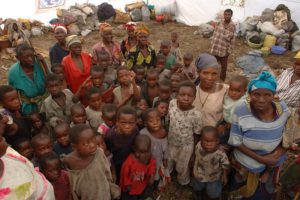
5 Charities Operating in Vietnam

5 Charities Operating in VietnamIn the last decade, over 10 million people have escaped poverty in Vietnam. However, poverty in ethnic minority groups such as the La Hu and H’Mong remains rampant. Vietnam has yet to improve the quality of life for the more vulnerable groups of society and treat all citizens equally. The multi-dimensional poverty rate for ethnic minorities is 35.7% compared to the national multi-dimensional rate of around 9%. The poverty rate for La Hu and H’Mong is starkly higher at 84.9% and 82.9%. Fortunately, many charities operating in Vietnam are helping to bridge the inequality gap.
5 Charities Operating in Vietnam

  1. The Global Village Foundation (GVF) – The GVF was founded in 2000 by philanthropist and author Le Ly Hayslip. Their mission is to use humanitarian work to elevate the standard of life for people throughout rural Vietnam as well as Southeast Asia. Le Ly grew up in Xa Hoa Quy during the Vietnam War. She witnessed the devastation of the war, which impelled her to establish two organizations: the Global Village Foundation and East Meets West Foundation. Both organizations provide basic needs such as food, shelter, medical assistance and education to help rebuild Vietnam. The GVF is now one of the most prominent charities in Vietnam. They offer apprenticeship programs to help young people develop their leadership skills and create projects that help disadvantaged people around the world. They also offer school construction, school cultural exchange programs and disaster aid. Most recently, in June 2023, they celebrated their 30th anniversary by converting an abandoned high school building into the Village of Hope Orphanage in Danang.
  2. Action Aid – Vietnam has one of the largest female workforces in Asia. However, the rate of domestic violence and underage marriage is high. One in 10 girls are married under the age of 18. Established in 1989 as one of the most important international charities in Vietnam, Action Aid supports women and girls across the world. They educate local communities about women’s rights and hold girls’ clubs in schools, creating a safe space where girls can learn about their bodies. They empower girls to fight for their right to education and live free from violence. In 2015, Action Aid spoke with over 1,200 people living in Hoa Binh about childcare and household chores done solely by women that are taken for granted. Their COVID-19 response has also reached around 46,000 people in Vietnam.
  3. Children’s Hope in Action – Children’s Hope in Action (CHIA) is an NGO based in Hoi An and works within the wider Quang Nam province to help disadvantaged children. It was founded by Robyn Morley in 2006. In 2000, Morley volunteered at an orphanage for disadvantaged children. She met malnourished children who were often sent to an orphanage due to the low financial conditions of their families. She established CHIA to bridge the gap in the availability of aid and services for children.
  4. Little Rose Warm Shelter – In 1992, the Ho Chi Minh City Child Welfare Association established the Little Rose Warm Shelter (LRWS). More than 290,000 disadvantaged young people have been helped by the association. The LRWS is one of the few local charities in Vietnam that focuses on rehabilitating and providing aid for girls who are victims of sexual and domestic abuse in Ho Chi Minh City. The LRWS empowers young girls by providing education, job opportunities, therapy, health care facilities and shelter. They spread awareness on how to care for victims of abuse and prevent child abuse within community groups by collaborating with the local authorities. They use social enterprises to fund their services. The Little Rose Bakery sells scrumptious baked goods to continue helping young girls.
  5. Blue Dragon Children’s Foundation – In early 2003, the Blue Dragon Children’s Foundation began to help children in crises all over Vietnam. Whether it is in the bustling city streets or the quiet rural areas, the Blue Dragon provides aid to adolescents who are victims of trafficking, homelessness, illness, drug abuse and sexual exploitation. In 2002, the Blue Dragon’s journey started when Michael Brosowski, an Australian teacher, began teaching English to a small group of children who were cleaning shoes to survive. By 2003, Brosowski, Pham Sy Chungi and their friends from university had established a residence for homeless children in Hanoi. Over the past 20 years, they have helped girls from forced marriages and brothels in China, opened a safe house for boys suffering from neglect and advocated to improve policies regarding child labor and safeguarding vulnerable children. Now, in 2023, more than 20,000 adolescents have been rescued across Vietnam.

All of these charities operating in Vietnam continue to work selflessly for vulnerable groups in society. They are actively driving Vietnam towards a brighter future and lowering the rate of poverty.

– Sharvi Rana
Photo: Unsplash

August 22, 2023
https://borgenproject.org/wp-content/uploads/borgen-project-logo.svg 0 0 Lynsey Alexander https://borgenproject.org/wp-content/uploads/borgen-project-logo.svg Lynsey Alexander2023-08-22 02:50:562024-05-30 22:32:175 Charities Operating in Vietnam
Charity

3 Organizations Making a Difference in the DRC

Organizations Making a Difference in the DRCThe Democratic Republic of Congo (DRC) is home to the fourth largest population in Africa, with nearly two-thirds of its people living on less than $2.15 a day. The DRC is among the least developed countries in the world. Following the two Congolese wars, nearly 62% of the Congolese, roughly 60 million people, live in poverty. Adding to its challenges, the DRC faces the fourth largest Internally Displaced People (IDP) crisis globally, with 6.3 million displaced people. These hardships stem from the ongoing conflict that has plagued the country since the 1990s.

Brief History of Conflict in the DRC

The conflict in the DRC has its roots in the Rwandan Genocide of 1994, which led to nearly 2 million Hutu refugees seeking refuge in Congo. In fear of retribution, Hutu extremists formed militias, while Tutsi militias emerged to counter their actions. The Tutsi-led government of Rwanda, after defeating the genocidal Rwandan government, became involved in what was then called the Republic of Zaire, later renamed the DRC. Rwandan troops and Tutsi militias based in the Congo invaded Zaire, sparking the first Congolese War in 1996. The conflict resulted in the victory of Rwandan troops and the Zairean opposition, with Laurent Kabila, the opposition leader, assuming the presidency of the newly renamed Democratic Republic of Congo.

Tensions between Rwanda and the DRC escalated, leading to the second Congolese War in 1998. Kaila aimed to reduce Rwandan control over his government by removing Tutsis from his administration and weakening Rwandan military influence in the eastern DRC. Although the war officially concluded in 2002, the conflict persisted until 2004. Since 1996, the eastern DRC has witnessed more than 6 million deaths to casualties from wars, clashes between ethnic and militant groups and activities of local armed factions. In light of these conditions, there are a number of organizations working to make a difference in the DRC.

3 Organizations Making a Difference in the DRC

  1. Concern Worldwide: Established in 1968 by John and Kay O’Laughlin-Kenndey, Concern Worldwide is a non-governmental organization dedicated to combating extreme poverty in the communities it serves. It has been actively working in the DRC since 1994, employing 300 individuals to implement emergency livelihood, agricultural and health programs nationwide. In 2022, Concern Worldwide provided essential support to more than 150,000 displaced individuals through emergency cash vouchers and food assistance. It also improved the lives of more than 350,000 individuals in rural areas and displacement sites by providing water, hygiene and sanitation services. Concern Worldwide addressed gender inequality by reaching 3,866 women and 2,714 men through gender training and sensitization held in local communities, along with 1,215 children through school workshops in 2022. 
  2. Cooperative for Assistance and Relief Everywhere (CARE): Founded in 1945 by Arthur Cuming Ringland and Wallace Campbell, CARE is a non-profit organization that aims to defeat poverty and achieve social justice. It operates in 111 countries and has been working in the DRC since 2002. CARE focuses on humanitarian response, women’s economic empowerment, sexual and reproductive health, food and nutrition security and climate resilience. In 2021, CARE reached more than 1 million individuals in the DRC, with the majority being women. 
  3. International Rescue Committee (IRC): Founded in 1933 by Albert Einstein, the IRC is a non-governmental organization that works in more than 40 crisis-affected countries. It provides health care, education and community empowerment while addressing gender inequality. Since 1996, the IRC has assisted 2,764,357 people in the DRC. It focuses on regions like Tanganyika, Kasai Central and North and South Kivu, providing emergency support, peace-building projects, training for health care and government workers, assistance to sexual assault survivors, reproductive services and ensuring girls’ enrollment in schools. In 2022, the IRC reached more than 32.9 million people and supported 3,137 health care facilities worldwide. 

Looking Ahead

Despite the ongoing conflicts, these organizations making a difference in the DRC are actively assisting a country grappling with the aftermath of war, political instability and economic decline. As millions of individuals struggle to meet their basic needs, are forcibly displaced and endure the hardships due to the ongoing conflict, these partnerships and the critical ongoing work by Concern Worldwide, CARE and the IRC serve to alleviate the impacts of war and poverty and improve the lives of the people in the DRC.

– Clara Swart
Photo: Flickr

August 22, 2023
https://borgenproject.org/wp-content/uploads/borgen-project-logo.svg 0 0 Lynsey Alexander https://borgenproject.org/wp-content/uploads/borgen-project-logo.svg Lynsey Alexander2023-08-22 01:30:362023-08-18 00:55:403 Organizations Making a Difference in the DRC
Charity, Global Poverty, Poverty

4 Charities Operating in Panama

Charities Operating in PanamaAccording to the World Bank, in 2022, 13.3% of the population in Panama lived under the poverty line of $6.85 per person per day. However, through the work of organizations, communities living in poverty receive aid. In particular, four charities operating in Panama are committed to improving the lives of the disadvantaged.

4 Charities Operating in Panama

  1. Fundación Calicanto. This community-based organization in Panama came about in 1994 to empower impoverished and disadvantaged women in Panama. The organization’s CAPTA program helps women become self-reliant and economically stable through professional and vocational training that will allow them to secure a job in the hospitality industry. The program also has a psychological development component that aims to improve the self-confidence and self-esteem of women. Considering that, in Panama, marginalized women in inner city slums lead around 50% of households and have, on average, four children by the young age of 25, the need for the CAPTA program is clear. At the heart of CAPTA lies its rigorous five-week “Foundation Cycle”  course, the cornerstone of women’s personal growth. Through this course, participants acquire essential life skills while cultivating a deep belief in their ability to shape their destinies. Thereafter, women move on to technical training at the Panama International School and Restaurant La Sexta. The staggering success of this program is apparent through the graduation of about 1,500 women, with an impressive 74% either securing permanent employment or advancing on to formal education.
  2. Enlaces. Enlaces is a Panama-based organization developed in 2010 to transform the lives of disadvantaged children and youth in Panama who aspire to make positive impacts in the world. Enlaces uses a three-pronged approach of “psychosocial care, artistic learning and pedagogical study programs” to help children reach their full potential. Many children and teenagers living in the neighborhoods around the Historic Center of Panama City face poverty and a lack of access to opportunities for economic and social growth. Their disadvantaged circumstances can result in a continuation of generational poverty. Enlaces aims to improve the futures of these children through a methodology that “combines dance, education and emotional development as preventive tools,” the GlobalGiving website highlights. Children in the program also have opportunities to secure scholarships for their education, both academic and artistic. Enlaces efforts teach integral life skills that shape the lives of about 400 children and adolescents (ages 4-17) annually.
  3. Asociación Panameña para el Planeamiento de la Familia. Founded in 1965, APLAFA aims to improve the health and well-being of disadvantaged people in Panama through low-cost services offered in seven clinics located around Panama. In particular, its focus is sexual and reproductive health but its services also extend to pediatric and maternal care. These services play a pivotal role in addressing high-risk pregnancies and ultimately contribute to reducing maternal and infant mortality rates in Panama. Over the last decade, APLAFA has served almost 500,000 people through its clinic services and educational initiatives and has delivered more than 15,000 low-cost health services.
  4. Fundación Oír es Vivir. Founded in 2008, Fundación Oír es Vivir supports individuals with hearing impairments in Panama by providing auditory services and aids regardless of financial means and resources. This organization aids people living in poverty who cannot receive the necessary medical help due to financial barriers or other difficulties. The organization actively promotes detection and intervention programs for hearing-related issues among newborns, preschoolers and students. The organization helps the audiologically impaired live a higher quality of life. Ultimately, this initiative seeks to improve productivity levels and enhance quality of life through the provision of hearing aids. Fundación Oír es Vivir has given care to more than 30,000 people.

These four prominent charities operating in Panama profoundly impact individuals and communities confronted with various challenges. 

– Elizabeth Antenucci
Photo: Flickr

August 9, 2023
https://borgenproject.org/wp-content/uploads/borgen-project-logo.svg 0 0 Lynsey 2 https://borgenproject.org/wp-content/uploads/borgen-project-logo.svg Lynsey 22023-08-09 14:45:402023-08-28 06:07:524 Charities Operating in Panama
Charity, Global Poverty

Charities Operating in Antigua and Barbuda

Charities in Antigua and BarbudaAntigua and Barbuda, located within the West Indies, is renowned for its stunning white sand beaches and crystal-clear waters. Antigua is a hugely popular hub for tourism, making it one of the most economically successful nations in the Caribbean.

As of 2022, Antigua and Barbuda’s GDP per capita was less than $19,000 USD. UNICEF’s research reveals that 25% of adolescents aged 10-19 experience poverty across the islands. More recently, Antigua has seen a large increase in family poverty due to COVID-19, with UNICEF’s research highlighting a 29% increase in domestic poverty. UNICEF’s report showed that 600,000 people in the Eastern Caribbean lost their jobs, deeply impacting the already struggling nation. The islands of Antigua and Barbuda demonstrate resilience in the face of poverty, and various charities are working to transform the country’s circumstances. 

Charities Working Across Antigua and Barbuda

  1. UNICEF: UNICEF’s primary focus in eradicating poverty in Antigua and Barbuda is the well-being of local children. In 2021, UNICEF elevated the children’s agenda to the highest national level, extending its efforts across the Eastern Caribbean. Its Lifelong Learning program, with 157,700 children now enrolled in schools throughout the islands, tackles poverty through education. Formed by UNICEF, the LLP aims to support free education and improve access to learning in struggling nations. This has led Antigua to achieve a high score on the Global Remote Learning Readiness Index. UNICEF firmly believes in providing every child with equal opportunities to succeed in life, generating public funds to support their studies and overall welfare. Education reform is essential on the island and UNICEF’s work plays a crucial role in the nation’s development. In 2018-2019, only 27% of students passed five or more CSEC subjects, lower than the average passing rate among OECS Member States. 
  2. Pack for a Purpose: Pack for a Purpose operates globally, coordinating travelers to create a lasting impact in the countries they visit by bringing materials for local communities. Rebecca Rothney founded the program in 2009 with the vision of facilitating meaningful change during travelers’ journeys. In Antigua, Pack for a Purpose collaborates with the Sandals Foundation, providing essential support and supplies to local education facilities. This initiative significantly benefits the local community, positively influencing education throughout the island. So far, the program has facilitated the donation of more than 70,000 pounds of supplies, aiding thousands of children across the islands. Visitors to Antigua have generously contributed items like laptops, notebooks and markers, promoting literacy and fostering a positive learning experience for children in Antigua and beyond.
  3. Hesperian Health Guides: Hesperian Health Guides is a nonprofit organization that delivers free health information and education to communities facing challenges. Established in the early 1970s, it has now printed more than 3.5 million copies worldwide. HHG advocates for the right to health for every individual, creating easily accessible materials and translating them into 85 languages. Poverty remains a significant barrier to accessing health care, but access to advanced medical knowledge gives people a better chance to thrive. The organization continually develops innovative approaches to spread health awareness, including projects like ‘Helping Children Live with HIV’ and ‘The New Where There Is No Doctor,’ which have brought meaningful change to Antigua and Barbuda. According to recent statistics, HIV status testing and awareness was only at 7.3% in 2021. This highlights the role of ‘Helping Children Live with HIV’ in increasing awareness in Antigua and Barbuda. Since the country recorded its first case of HIV in 1985, the number of positive cases has expanded to more than 1,300 in 2020, highlighting the vulnerability of children to HIV worldwide. ‘The New Where There is No Doctor’ is a publication addressing health challenges, featuring updated information on treating diseases that significantly impact the world’s underserved populations.
  4. The Jermain Defoe Foundation: The Jermain Defoe Foundation is a U.K. charity that operates across all Caribbean islands. It was originally founded by the England footballer Jermain Defoe with the aim of supporting homeless and vulnerable children in his local village. The organization was founded in 2014 and does a huge amount of work toward poverty eradication throughout the islands. Some of its notable projects include organizing a football tournament to raise funds for underprivileged children, securing donations for hurricane relief in hurricane-prone Antigua, constructing a children’s home and organizing multiple Christmas shoebox appeals. The foundation’s accomplishments include raising up to £80,000 at a single Gala Dinner event, delivering donations to 178 students and raising more than £6,000 for children in St. Lucia, showcasing the significant impact of its work.
  5. Intervol: Intervol is a community volunteering charity based in the U.K. yet working in areas such as Antigua and Barbuda to support poverty reduction and education projects. More than a thousand student volunteers have taken part in these projects across the world, raising more than £250,000 of grant funding since 2003. By supporting the locals through health care, education, materials and clean water, the organization is able to make tangible change in Antigua and Barbuda.

Progress in health, education, relief and investment in the economy has seen Antigua transform over the past decade. As a small island in the Caribbean that is prone to hurricanes, Antigua is vulnerable to some of the factors that lead to poverty. However, these charities operating in Antigua and Barbuda continue to make efforts that aim to alleviate poverty and create equal opportunities in the country.  

– Gracie Gobat
Photo: Unsplash

August 2, 2023
https://borgenproject.org/wp-content/uploads/borgen-project-logo.svg 0 0 Jennifer Philipp https://borgenproject.org/wp-content/uploads/borgen-project-logo.svg Jennifer Philipp2023-08-02 01:30:272023-07-31 00:24:43Charities Operating in Antigua and Barbuda
Charity

Lebanon’s Humanitarian Efforts – 5 Charities Operating in Lebanon

Charities Operating in LebanonAccording to Human Rights Watch, 74% of the Lebanese population lives in income poverty, earning less than $14 per day. Lebanon is classified as a lower-middle-income country by the World Bank, with over half of the population living below the national poverty line in 2020 due to COVID-19 and other economic factors. Fortunately, a number of NGOs are working to lend a helping hand to those who need it the most. Here are five charities operating in Lebanon.

5 Charities Operating in Lebanon

  1. The Lebanese Red Cross – The Lebanese Red Cross is a nonprofit organization established in 1945 that focuses on helping those with concerns relating to conflict, social life and health by fundraising and hosting events. This NGO was recognized by the state of Lebanon in 1946 as a public nonprofit and as an essential part of the medical service of the Lebanese army. Each sphere of the country has its own establishment that collaborates with other sectors in order to create the plenary organization. This structure was made to ensure that all areas of the country had some sort of humanitarian presence. Due to its national success, the Lebanese Red Cross received major international recognition and was able to join both the International Red Cross organization as well as the Red Crescent Movement in 1947. The Lebanese Red Cross has over 7,000 volunteers all across the country who excel in their duties respecting the seven Fundamental Principles: humanity, impartiality, neutrality, independence, voluntary service, unity and universality. Respecting these principles has allowed this organization to accomplish many goals with regard to helping those living in poverty. A few of these achievements include fundraising thousands of dollars toward humanitarian aid, providing training for those in marginalized communities, as well as providing medical care to those in need in order to save many lives. For example, the Lebanese Red Cross responded to the major bomb in Beirut in August 2021 by rescuing and providing first aid to those injured. These teams of volunteers also distributed food, water, masks and other essentials to more than 80,000 people who were affected. This is one of the many ways that the Lebanese Red Cross has contributed to helping people.
  2. Beyond Association – Established in 2013, Beyond Association is a non-governmental organization in Lebanon that aims to promote humanitarian issues globally among different populations. Their mission is to raise awareness of humanitarian concerns, enhance human rights and empower individuals on a global scale. Beyond Association collaborates with national and international NGOs to develop programs addressing the needs of the world’s most vulnerable. This organization aims to achieve its goals by organizing fundraisers, projects and providing resources to those living in poverty. A substantial contribution that this NGO has made to the Lebanese community is their job hunt which consists of a list of open work for those who have trouble finding work for whatever reason. This initiative has helped many individuals get an income and thus, live above the poverty line. Another one of Beyond Association’s projects is its educational initiative toward COVID-19. After the spread of the deadly virus, this organization launched both in-person and online information sessions in order to spread awareness of COVID-19 and to help stop the spread. These initiatives were targeted toward teenagers and young adults as well as those who are immunocompromised. This initiative is known to have significantly improved the quality of life for Lebanese during the global pandemic. 
  3. Save the Children – Save the Children was a national organization aimed at providing the best possible life and upbringing for children around the world. This predominantly national organization transitioned to an international one in 2012 due to its high success rate in Lebanon. Save the Children uses rights-based approaches in order to increase children’s access to education, basic needs and opportunities. This organization is different from the rest as it places high importance on empowering civil society both during peaceful and turbulent times. Lebanon is the country with the highest number of Syrian refugees (especially children) relative to its population and Save the Children has recognized this and thus, has provided the country with an abundance of resources and care for these individuals. This NGO has responded to this spike in demand by ensuring that everyone in Lebanon – regardless of their socio-economic status receives access to basic human needs such as food, shelter and electricity. This organization is able to work on many different initiatives at a time due to its large size. One of these projects includes providing shelter for families who are not able to access any – with priority given to families with children. Save the Children will provide families living in unfinished houses with a conditional cash grant in order to upgrade and/or finish their shelters. This grant ensures that living conditions are adequate for families with growing children.
  4. Caritas Lebanon – Caritas Lebanon is an organization established in 1950 that aims to reduce poverty and the exclusion of people in different social settings. They focus on creating social, medical, economic, development and emergency programs in order to benefit marginalized communities across the world. Caritas is a Latin word for charity which is the main focus of this organization through its variety of fundraisers. This NGO is a member of Caritas Internationalists – one of the largest humanitarian networks in the world. Caritas Lebanon has worked toward eliminating poverty in Lebanon and all over the world by creating programs in relation to basic assistance, education, food security, health and shelter which have proved to be immensely beneficial to those in poverty. The organization also created numerous response programs in relation to the emergency crises that our world has faced thus far including COVID-19 and the influx of Syrian refugees.
  5. BASSMA- BASSMA is a humanitarian organization established in 2002 whose mission is to empower the world’s most disadvantaged people through the rehabilitation of poverty-stricken families, social assistance, the protection and social reintegration of abused individuals and poverty awareness through Civic Engagement and Community Service projects. So far, BASSMA’s efforts in reducing global poverty have been deemed successful through their program of rebuilding homes in Lebanon that have been destroyed. This has helped many individuals with the financial burden of such a task that would take years to reach. Their deep empathy and commitment to helping families in need have proven to have helped many Lebanese families in the past 20 years. BASSMA’s gift-giving project is another significant initiative, providing children living in poverty or unsuitable conditions with small gifts during the holidays.

In short, Lebanon, through its numerous national and international humanitarian organizations, has made a significant impact in addressing global poverty and aiding those facing humanitarian issues. These efforts have improved the lives of many individuals. The Borgen Project looks forward to witnessing further progress in the future.

– Jennah Kalaaji
Photo: Flickr

July 11, 2023
https://borgenproject.org/wp-content/uploads/borgen-project-logo.svg 0 0 Jennifer Philipp https://borgenproject.org/wp-content/uploads/borgen-project-logo.svg Jennifer Philipp2023-07-11 07:30:592023-07-09 08:49:48Lebanon’s Humanitarian Efforts – 5 Charities Operating in Lebanon
Aid, Charity, Global Poverty

Soccer Aid 2023: A Triumph of Sport, Philanthropy and Global Unity

soccer aidSoccer Aid 2023, held on June 11, was a monumental event that brought together the worlds of soccer and philanthropy in a spectacular display of sportsmanship and goodwill. Organized by UNICEF and powered by the passion of athletes, celebrities and fans, Soccer Aid helped to showcase extraordinary skills and contribute to a noble cause.  The accomplishments of this awe-inspiring event and the impact it had on the lives of children worldwide are notable.

Annual Charity Soccer Match

Soccer Aid is an annual charity soccer match that brings together a star-studded team of celebrities and soccer legends who play against each other to raise funds for UNICEF’s vital work in helping children around the world. UNICEF U.K. Ambassador Robbie Williams first initiated Soccer Aid in 2006 to raise funds for UNICEF’s global projects. Since then, Soccer Aid has become one of the most anticipated charitable sporting events globally, drawing millions of viewers and enthusiastic supporters.

The Accomplishments of Soccer Aid 2023

  1. Record-breaking Donations. Soccer Aid 2023 surpassed all previous records, raising an astounding amount of £14.6 million, thanks to the generous contributions of sponsors, donors and viewers worldwide. The funds will be channeled toward addressing critical issues affecting children, such as malnutrition, lack of education and access to clean water and sanitation. 
  2. Awareness and Advocacy. Beyond raising funds, Soccer Aid 2023 played a crucial role in spreading awareness about the challenges faced by vulnerable and impoverished children in various parts of the world, particularly those facing humanitarian crises. According to UNICEF, more than 1 billion children across the globe live in multidimensional poverty, suffering several deprivations at once. Through the power of the media and the personal influence of the participants, the event shed light on pressing issues and inspired millions to get involved in humanitarian efforts.
  3. Global Reach. Soccer Aid’s reach extended far beyond the stadium as the event broadcasted live in several countries, connecting people from diverse backgrounds and cultures with the common goal of helping children in need. The event had social media platforms abuzz with discussions, encouraging global conversations about the importance of both philanthropy and sportsmanship. 
  4. Impact on Children’s Lives. The funds raised from Soccer Aid 2023 will have a lasting impact on the lives of countless disadvantaged children. The funds will support UNICEF’s ongoing efforts to provide life-saving vaccinations, essential nutrition, access to quality education and protection from violence and exploitation, creating a brighter and more hopeful future for the next generation. 

Philanthropic Sporting

Soccer Aid 2023 was more than just a soccer match; it was a testament to the immense power of humanity when united for a common cause. Through the passion and dedication of soccer legends, celebrities and millions of supporters, the event achieved astounding donations, spreading awareness and making a positive impact on the lives of children worldwide. Soccer Aid continues to set an example of how sports and philanthropy can come together to bring about positive change, proving that unity and collaboration can change the lives of vulnerable children and help build a more equitable and compassionate world.

– Dunia Matta
Photo: Pixabay

June 30, 2023
https://borgenproject.org/wp-content/uploads/borgen-project-logo.svg 0 0 Lynsey Alexander https://borgenproject.org/wp-content/uploads/borgen-project-logo.svg Lynsey Alexander2023-06-30 03:41:292024-05-30 22:32:19Soccer Aid 2023: A Triumph of Sport, Philanthropy and Global Unity
Charity, Global Poverty

Top 5 Charities Operating in Iraq

Charities in IraqIraq has faced economic devastation, political corruption and violent conflicts for more than two decades. With more than 1 million displaced Iraqis, the country is in desperate need of support. Here are the top 5 charities operating in Iraq.

Top 5 Charities Operating in Iraq

  1. Save the Children: Since 1991, Save the Children has been a prominent nonprofit organization dedicated to assisting displaced children and families in Iraq. Their child protection programs have played a pivotal role in safeguarding and rehabilitating Iraqi children. Over 337,000 children facing perilous circumstances have benefited from their efforts, which include enhancing water supply, training educators and providing crucial psychosocial support.
  2. Caritas Iraq: Also known as the Brotherhood of Charities, Caritas provides food aid to the underprivileged in Iraq. The organization maintains social centers that offer medical care and food assistance to disadvantaged families. Since the ISIS attacks in 2014, it has helped nearly 400,000 Iraqis cope with hardships. Caritas currently provides more than 5,000 families monthly with psychological and social programs to support them through war trauma and displacement.
  3. Iraqi Children Foundation: The Iraq war and occupation by ISIS have had devastating consequences, especially for Iraqi children. Charities like the Iraqi Children Foundation focus on their well-being, particularly those who have endured abuse, neglect and exploitation. Through impactful programs like Hope Buses, medical care and social services, the foundation collaborates with trusted partners to provide immediate support and valuable mentorship. By 2021, it had helped and protected thousands of vulnerable children in poverty-ridden neighborhoods in Baghdad.
  4. Free Yezidi Foundation: After the Yezidi genocide in 2014, the Free Yezidi Foundation (FYF) emerged as a nonprofit organization dedicated to uplifting and assisting the Yezidi community. It empowers women to assume leadership roles, facilitate trauma healing and aid survivors in applying for reparations. Their commitment has provided invaluable support and resources to the Yezidi community on the path to recovery and empowerment.
  5. MADRE: MADRE is an international women’s rights organization that protects and empowers women facing threats from fundamentalist forces. MADRE supports women who have experienced abuse and terror through safety shelters and advocacy campaigns. It nurtures and empowers women, enabling them to assume leadership positions and contribute to shaping a world where marginalized women have a voice in policy and decision-making.

One Step at a Time

Despite the challenges, nonprofit organizations are making a tangible difference in Iraq. While eradicating poverty takes time, the collective efforts of these five charities are advancing the journey toward a brighter future for Iraqi citizens. The lasting effects of the war necessitate dedicated individuals committed to making a difference in the livelihoods of poverty-stricken communities in Iraq.

– Dunia Matta
Photo: Flickr

June 29, 2023
https://borgenproject.org/wp-content/uploads/borgen-project-logo.svg 0 0 Jennifer Philipp https://borgenproject.org/wp-content/uploads/borgen-project-logo.svg Jennifer Philipp2023-06-29 01:30:192023-06-29 07:56:13Top 5 Charities Operating in Iraq
Charity, Global Poverty

10 Charitable Esport Events Committed to Reducing Poverty

Charitable Esport EventsWith the rise of video games came the rise of esports, where gamers compete with each other in a large variety of multiplayer games. Esports, like regular sports, has many tournaments and events with celebrities of the genre involved. It is also a popular avenue for charity fundraising and awareness. In particular, 10 charitable esport events hold with the goal of contributing toward ending global poverty and helping those in need.

10 Charitable Esport Events

  1. ATLUS hosted a 2022 charity tournament. An event referred to as the “Persona 4 Arena Ultimax Charity Sho-Down” occurred in 2022, where winning players donated sizable monetary winnings to the charity of their choice. The first prize winner won $10,000, which went to Dysautonomia International, and second place won $5,000, which went to the ALS Association. Dysautonomia International works to fundraise for research and raise awareness of autonomic nervous system disorders while empowering patients. ALS Association works to combat amyotrophic lateral sclerosis (ALS), a neurodegenerative disorder, in the U.S. but notably participates in global research of the disorder.
  2. Riot Games and Twitch teamed up for the Valorant charity stream. The three-day Valorant Spike Nations of Twitch event in 2020 had 10 European teams representing their countries competing to donate portions of the $10,000 prize pool to charities of their choosing. Claiming the biggest win, the Portugal team donated $37,614 to the Portuguese Food Bank to help alleviate hunger in the country.
  3.  A “Dota 2” event called WeSave! Charity Play to combat COVID-19. Hosted by WePlay!, the event had 24 teams and started with a $120,000 prize pool that grew as players gathered funds throughout the event. The prize pool money went to CEPI and GlobalGiving to support efforts in combating the impacts of COVID-19. CEPI brings together private, public and philanthropic sectors to assist in vaccine development while GlobalGiving is a platform that supports nonprofits by connecting them to donors.
  4. The $10 million FIFA 21 event to support COVID-19 vaccination. In 2021, Gamers Without Borders hosted an event with the popular football video game FIFA 21 where $1 million worth of charitable prize money went toward supporting the immunization efforts of GAVI, the Vaccine Alliance, and UNICEF. GAVI has enabled the vaccinations of more than 981 million children, particularly in the world’s most disadvantaged nations. The second edition of the event had more elite players compete, which led to Gamers Without Borders donating $10 million to communities struggling to recover from the impacts of the COVID-19 pandemic. This is part of Gamers Without Borders plan to donate $30 million to humanitarian aid and stands as a notable example of how esport events support charitable causes.
  5. A “Dota 2” Showmatch helped support Ukraine. Popular players, such as ODPixel, participated in this event in September 2022 to help raise funds for Ukraine’s fundraising platform, United24. Fundraising through the platform is effective because “Ukraine itself knows best what is needed and can deliver aid directly, ” the United24 website says.
  6. Popular Twitch Streamer Ninja dabbled in charity during a 2018 “Fortnite” event. Hosted in Las Vegas, the Fortnite event gave money to fans, popular players and Ninja himself based on who won each match and how many people could take Ninja out. Ninja won one of nine matches and donated $2,500 to the Alzheimer’s Association.
  7. In 2023, Guild Esports partnered with U.K. blood cancer and blood disorder charity Anthony Nolan. The groups held a FIFA tournament to raise awareness of blood disorders and encourage people between the age of 16 and 24 to get involved in the cause by joining the stem cell register. Anthony Nolan has helped 1,350 patients receive stem cells from donors. The event is a notable example of how charitable esport events can make a difference by raising awareness.
  8. Gamers Without Borders 2022 “Rocket League” event. The event involved $2 million worth of prize winnings for charity. The third-place winner, SMPR Esports, openly announced its donation to the global child rights organization UNICEF.
  9. The 2023 AO Summer Smash event. The charitable gaming event involving Fortnite featured popular players such as Lazarbeam and Loserfruit and $50,000 worth of prize money for charitable causes. First place Loserfruit won $25,000 and donated it to GIVIT, which looks to support the most vulnerable and disadvantaged people in Australia.
  10. Gamers Beat Cancer has launched a monthly “Rocket League” event. This event, starting in 2023, aims to raise awareness and funds for U.K. charity Gamers Beat Cancer. This is through the “Rocket League” event itself and the sale of a “special edition esports jersey” to raise awareness and funding. Gamers Beat Cancer donates video games and consoles to cancer patients and assists them with other important technology that can make their lives easier.

These charitable esport events highlight the significant role that the gaming community can play in reducing global poverty and improving the lives of those in need.

– Lachlan Griffiths
Photo: Flickr

June 19, 2023
https://borgenproject.org/wp-content/uploads/borgen-project-logo.svg 0 0 Kim Thelwell https://borgenproject.org/wp-content/uploads/borgen-project-logo.svg Kim Thelwell2023-06-19 01:30:362023-06-15 08:58:1210 Charitable Esport Events Committed to Reducing Poverty
Aid, Charity, Global Poverty

The Importance of Community-Led Projects in the Aid Sector

Community-Led Projects
The charity sector plays an important role in poverty reduction but its approaches have at times garnered criticism in terms of efficacy and reach. From Peace Direct, Third Sector and Non-Profit Quarterly comes a swelling of proposals to make charity work more effective, more democratic and more conscious. More specifically, community-led projects in the aid sector stand as a solution to strengthen aid efforts globally.

Issues in the Charity Sector

Decolonization academic Khadijah Diskin said at the BAME Fundraising Virtual Conference 2021 that the charity sector was “explicitly tied to the colonization of the Global South” and if “charities do not acknowledge their histories, they are likely to be repeated.”

A report published by Peace Direct and partners, including Adeso (African Development Solutions), Alliance for Peacebuilding and WCAPS (Women of Color Advancing Peace Security and Conflict Transformation) sheds further light on the issue.

The report published in 2021, titled “Time to Decolonise Aid,” claims that “power and resources remain dominated by, and between, certain organizations and relationships largely based in the Global North.” As a result, decision-making often ignores indigenous knowledge and experience. Instead, aid efforts are centered around “Western values and knowledge,” leading to misunderstanding and the reinforcement of old ways of perceiving the Global South as unknowledgeable and desperate.

From a purely practical standpoint, this makes the delivery of aid very difficult. It means extra people have to be employed to do a job that would otherwise be done by local people with intimate knowledge of the issues. Peace Direct closes the report with recommendations. NGOs are to adopt a “transitional mindset,” which puts in place targets for the “transfer of power and resources to local organizations.” Finally, NGOs are asked to “re-evaluate partnerships… so that they are more equitable and mutually accountable.”

Progress

Since the publishing of the “Time to Decolonise Aid” report, progress is invisible. The Inter-Agency Standing Committee (IASC) is a global institution that boasts membership from the World Food Programme (WFP), the World Health Organization (WHO) and the Office of the High Commissioner of Human Rights (OCHCR). The IASC organized the Grand Bargain Caucus on Funding for Localisation in March 2023, in response to criticisms of efficacy and reach in regard to the aid sector.

Those represented in the agreement included USAID, DG-ECHO, Denmark, OCHA, UNHCR, Save the Children, IFRC, A4EP and the Northwest Syria NGO forum. All agreed that localization, or community-led projects in the aid sector, stood as the solution. All present also agreed that a target of 25% of total spending by NGOs should go toward community-led projects. A roadmap formalizes this target and directs all to:

  • “Measure funding to Local and National Actors (LNAs)” only from what is channeled directly – one must not count indirect funding such as support costs or cash delivery toward the 25% goal.
  • “Report all funding to LNAs through publicly available platforms” – all information on provider, recipient and location is to be provided.
  • “Develop individual roadmaps for when and how [to reach] the 25% target” – organizations must present this at the next Annual Meeting in June 2023.

Targeting 25% of all budgets to community-led projects in the aid sector is a huge win for social justice. The signatories present have great reach and can provide the necessary capital to get genuinely transformative local action off the ground.

Impactful Community-Led Projects

Community-led projects are not only more ethically sound but they are also more effective. This is according to Sami Adler of Global Giving, an NGO that “actively work[s] to shift power toward [their] partners.” This is because, as the executive director of the Solidarity Foundation Shubha Chacko suggests, “emotional closeness, shared sentiments and beliefs and commonality in terms of background and experiences” all collide and contribute to impactful service.

The Solidarity Foundation

This is visible in the work of the Solidarity Foundation. The Solidarity Foundation is a registered trust based in India that supports sex workers and gender/sexual minorities. Sex workers in India face a multitude of issues that contribute to “extremely poor” conditions of life. Prostitution is legal, but there are multiple barriers to soliciting and brothel keeping. Labor laws do not safeguard sex workers and sex workers have no access to trade unions. As a result, abuse cannot be policed, pushing sex workers further into the shadows.

Instead of receiving protection, sex workers are subject to violent and moral policing that seeks to correct their “deviancy” rather than seeking to investigate the roots of their condition. Poverty is a “contextual factor” regarding sex work in India.

The Sarvojana Coalition

According to the Sarvojana Coalition, an NGO that supports sex workers in the region, poverty pushes as much as 68% of women into the trade. Solidarity Foundation supports these sex workers by hiring those who previously worked in the trade into outreach and leadership roles. The empathy that comes from a former sex worker means sex workers are more likely to seek help. Sex workers can expect no moral judgment or shaming. Rather, the organization shows them that they matter and that there are viable alternatives to sex work if they desire it. Crisis Management, for example, is a project that the Solidarity Foundation team organizes. It is a hub in the local area that “increases a sense of well-being and improves access to justice” by offering walk-in support in times of crisis.

The Solidarity Foundation highlights the importance of community-led projects in the aid sector. By allowing members of a particular to take the lead on projects, aid can improve in terms of both reach and efficacy.

– James Durbin
Photo: Flickr

June 10, 2023
https://borgenproject.org/wp-content/uploads/borgen-project-logo.svg 0 0 Kim Thelwell https://borgenproject.org/wp-content/uploads/borgen-project-logo.svg Kim Thelwell2023-06-10 01:30:122023-07-10 01:14:49The Importance of Community-Led Projects in the Aid Sector
Page 15 of 42«‹1314151617›»

Get Smarter

  • Global Poverty 101
  • Global Poverty… The Good News
  • Global Poverty & U.S. Jobs
  • Global Poverty and National Security
  • Innovative Solutions to Poverty
  • Global Poverty & Aid FAQ’s
Search Search

Take Action

  • Call Congress
  • Email Congress
  • Donate
  • 30 Ways to Help
  • Volunteer Ops
  • Internships
  • Courses & Certificates
  • The Podcast
Borgen Project

“The Borgen Project is an incredible nonprofit organization that is addressing poverty and hunger and working towards ending them.”

-The Huffington Post

Inside The Borgen Project

  • Contact
  • About
  • Financials
  • President
  • Board of Directors
  • Board of Advisors

International Links

  • UK Email Parliament
  • UK Donate
  • Canada Email Parliament

Get Smarter

  • Global Poverty 101
  • Global Poverty… The Good News
  • Global Poverty & U.S. Jobs
  • Global Poverty and National Security
  • Innovative Solutions to Poverty
  • Global Poverty & Aid FAQ’s

Ways to Help

  • Call Congress
  • Email Congress
  • Donate
  • 30 Ways to Help
  • Volunteer Ops
  • Internships
  • Courses & Certificates
  • The Podcast
Scroll to top Scroll to top Scroll to top