• Link to X
  • Link to Facebook
  • Link to Instagram
  • Link to TikTok
  • Link to Youtube
  • About
    • About Us
      • President
      • Board of Directors
      • Board of Advisors
      • Financials
      • Our Methodology
      • Success Tracker
      • Contact
  • Act Now
    • 30 Ways to Help
      • Email Congress
      • Call Congress
      • Volunteer
      • Courses & Certificates
      • Be a Donor
    • Internships
      • In-Office Internships
      • Remote Internships
    • Legislation
      • Politics 101
  • The Blog
  • The Podcast
  • Magazine
  • Donate
  • Click to open the search input field Click to open the search input field Search
  • Menu Menu

Archive for category: Charity

Charity, Global Poverty

5 Charities Operating in Malawi

Charities Operating in Malawi
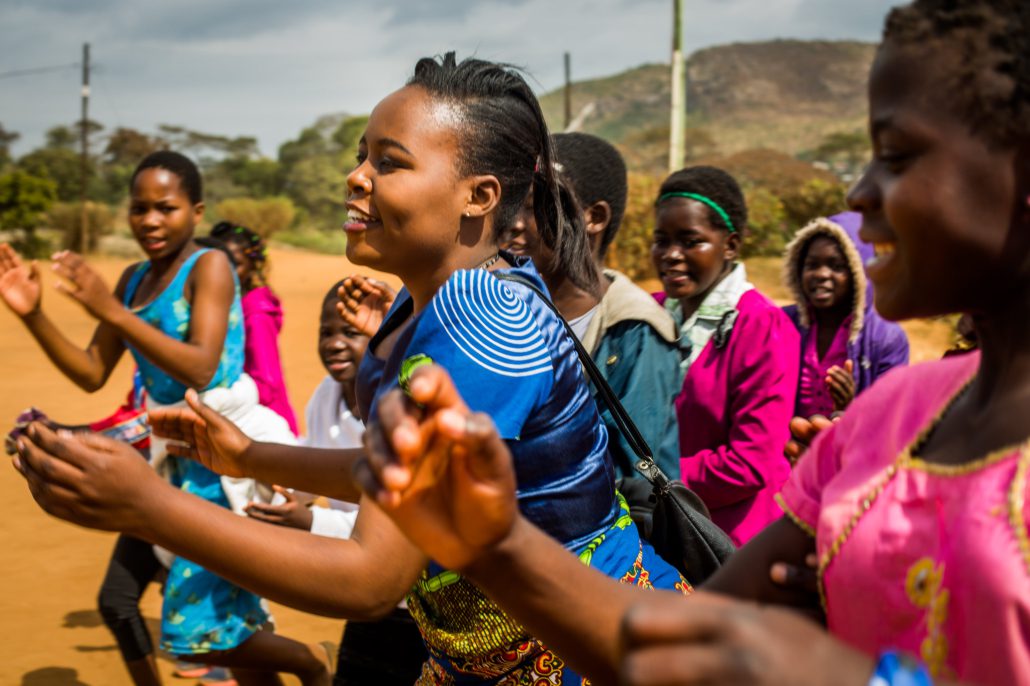
Malawi is a small country in Southern Africa with a population of more than 19 million. According to the World Bank, in 2019, about half of the population lived under the national poverty line. Climate shocks, low education completion rates, a struggling agricultural sector and slow infrastructure reform contribute to the high prevalence of poverty in Malawi. Below are five charities operating in Malawi with unique programs to address poverty in the nation.

5 Charities Operating in Malawi

  1. Aid Africa. This small U.K.-registered charity came about in 2004 to help improve the lives of vulnerable people in Malawi, such as orphans, the elderly, the disabled and those with HIV/AIDS. Aid Africa runs several programs in the areas of water and sanitation, food security, agriculture, education, reforestation and community development. The reforestation program aims to replenish the supply of trees and restore soils so that the natural resource does not run out. In Malawi, rural people rely on wood for constructing buildings and for fuel for cooking and heating water. This has led to deforestation, which has several consequences. For instance, deforestation exacerbates poverty as the soil quality reduces causing crops to fail and making farmlands susceptible to the destruction of flooding. The project trains locals to plant and care for trees while creating tree nurseries. In 2020, Africa Aid began the Moringa Groves Project, growing 100 moringa trees and green vegetables across several villages to resolve malnutrition in communities.
  2. Pump Aid. This local charity, established in 1998, holds a vision to end the water crisis in Malawi by the year 2030 through projects to improve water, sanitation and hygiene (WASH) in rural communities. Pump Aid hopes to positively impact the education, health and nutrition of communities in this way, thereby helping people to rise out of poverty. The strategy encourages sustainability and self-reliance so that communities do not become aid-dependent. “We’re establishing small-scale businesses, creating prosperity and improved livelihoods for Malawians by training water entrepreneurs,” its website says. These local water entrepreneurs learn the skills to establish, maintain and repair water pumps in communities.
  3. Tiyeni. This is an NGO based in Malawi with a funding arm in the U.K. Tiyeni came about in 2004, and after years of research and trials, began working with 38 smallholder farmers in 2013 across four villages. The organization helps smallholder farmers improve agricultural productivity through affordable and technology-minimal strategies, such as Deep Bed Farming. Farmers have seen their yields multiply up to threefold as a result of incorporating strategies that improve soil quality and sustainability.
  4. Orant Charities Africa. This is an NGO with a 100% Malawian staff base. Orant Charities United States, based in Texas, supports this Malawian charity with free consulting and financial support to reduce fundraising costs. Orant Charities Africa strives to improve the quality of life of vulnerable Africans, putting gender equality at the forefront of these efforts. Its health care program is its longest-standing project. Its efforts to improve access to quality health care services in Malawi include the establishment of the Kasese Health Center in 2014. Orant’s mobile clinic helps the community and the ill by traveling daily to treat patients in remote rural areas.
  5. RiseUp Malawi. Founded in 2013, this organization provides educational programs in order to help vulnerable youth who live in extreme poverty in rural Malawi’s Mangochi District. RiseUp Malawi’s initial program was the “Youth Entrepreneurship After School Program,” aiming to provide free computer training, English classes and life skills lessons. Today, the program has more than 150 young participants. RiseUp also offers a scholarship program to fund the primary and secondary costs of private school education for exceptional children. In 2022, RiseUp positively impacted at least 40,000 individuals.

Looking Ahead

Agriculture, energy, education and health care strongly influence a country’s ability to prosper. These five charities operating in Malawi are making significant impacts on disadvantaged Malawians through their work to improve the quality of life in the nation.

– Naomi Kang
Photo: Flickr

February 26, 2023
https://borgenproject.org/wp-content/uploads/borgen-project-logo.svg 0 0 Naida Jahic https://borgenproject.org/wp-content/uploads/borgen-project-logo.svg Naida Jahic2023-02-26 01:30:212023-02-24 10:55:565 Charities Operating in Malawi
Charity, Global Poverty

5 Charities Operating in Sierra Leone

Charities Operating in Sierra Leone
Sierra Leone has found itself in a dire situation with a 10-year civil war and a mass outbreak of Ebola. Despite this, some have been implementing large-scale charitable efforts. By prioritizing sanitation, gender equality and safety for children, charities operating in Sierra Leone can help dramatically improve living conditions in Sierra Leone. Here is information about five charities operating in Sierra Leone.

WaterAid

WaterAid is a charity that provides clean water and sanitary spaces to impoverished countries. Sierra Leone suffered from a mass outbreak of Ebola from 2014-2016. Statistics from WaterAid show that less than one in four households had access to wash their hands and one in 14 had access to soap. With poor sanitary spaces, the people of Sierra Leone suffered greatly with more than 14,000 cases of Ebola. A lack of clean water also results in the prevalence of diarrhoeal-related illnesses with more than 700 children under the age of 5 dying from the illness every year. WaterAid aims to provide clean water, toilets and other sanitary products to prevent the devastating impacts of various diseases. Through funding the construction of taps dispensing clean water, WaterAid strives to give the people of Sierra Leone access to clean water.

Sierra Leone War Trust For Children

Sierra Leone’s 10-year civil war forced many young children to fight and see things beyond their years. Established in 1999, the Sierra Leone War Trust For Children aids those children most affected by the civil war and helps them find a safe future. Project funding has prioritized children’s health and education to give young children the best chance at a healthy and fulfilled life. Since its establishment, the charity has raised more than $1 million and has helped more than 5,000 Sierra Leonean children. Current projects involve giving aid to Ebola orphans who have lost parents and donating school supplies to improve the quality of education in the country. By giving children important skills, they have a better chance of finding employment in the future and growing the economy.

British Red Cross

The British Red Cross is a charity that strives to end human suffering around the world. The charity prioritizes education as a key to the nation’s health. For example, Red Cross volunteers visit households to educate families on disease prevention techniques. By giving Sierra Leonean people essential knowledge about the spread of disease, the risk of another outbreak is much lower. As a result of COVID-19, domestic abuse of women in Sierra Leone has been an increasing problem. Through cash grants, the British Red Cross has also emphasized the provision of education, medical attention and job opportunities to women suffering from domestic abuse.

Aberdeen Women’s Center

Charities operating in Sierra Leone are necessary to provide aid for women in society. The Aberdeen Women’s Center, operating in Freetown Sierra Leone, aids women who have suffered from female genital mutilation (FGM). The charity has gained significant popularity since it started in 2010 and the maternity ward now delivers more than 3,000 babies a year. By ensuring safe childbirth for young women, the charity is working to set a precedent by encouraging safety for women post-childbirth. With support from the Aminata Maternal Foundation (AMF), the charity also helps adolescent females post-childbirth learn employable skills and find a career path. Aberdeen Women’s Center is working to create a long line of healthy and economically stable women in a Sierra Leonean society where they are often marginalized.

UNICEF

UNICEF aims to increase safety for children in Sierra Leone by providing greater access to education and health spaces. It realizes the unprecedented circumstances children, especially girls, are facing, which is why the charity is a part of the “Global Programme to Accelerate Action to End Child Marriage.” This initiative has the goal of protecting adolescent mothers.

Due to extreme poverty, school attendance in Sierra Leone is low. UNICEF statistics show that only 44% of students complete lower secondary school, and even fewer complete an upper secondary education – 22%. The high frequency of teenage pregnancies and marriages has contributed significantly to these low numbers. According to UNICEF data from 2015, 30% of females married before the age of 18, and one in 10 teenage girls was pregnant. Moreover, high illiteracy and a lack of economic independence have led to women lacking a political voice in Sierra Leone. To stop this cycle from repeating, UNICEF is working on getting more girls into school by financially aiding The Ministry of Basic and Senior Secondary Education (MBSSE). The MBSSE supports a bridge program to help adolescent mothers re-enroll.

The Road Ahead

Overall, these charities in Sierra Leone have made monumental strides. By prioritizing sanitation, education and medication, these charities are greatly helping those in poverty. Although the country has a long way to go to escape widespread poverty, the efforts of these charities will contribute to a more prosperous future for Sierra Leone’s citizens.

– Freddie Trevanion
Photo: Flickr

February 24, 2023
https://borgenproject.org/wp-content/uploads/borgen-project-logo.svg 0 0 Kim Thelwell https://borgenproject.org/wp-content/uploads/borgen-project-logo.svg Kim Thelwell2023-02-24 07:30:472023-02-21 13:29:525 Charities Operating in Sierra Leone
Charity, Global Poverty

5 Charities Operating in the Maldives

Charities Operating in the Maldives
 The Republic of Maldives is a South Asian island country located in the Indian Ocean. It is also known for being one of the smallest Muslim-majority countries and one of the smallest countries in Asia in general. Here are five charities operating in the Maldives.

5 Charities Operating in the Maldives

  1. Maldivian Red Crescent Society: This nonprofit is the first of the five charities operating in Maldives on this list. Maldivian Red Crescent Society is a member of the International Federation of the Red Cross (IFRC) and has been providing humanitarian aid for more than 12 years. Since its founding, it has carried out emergency response, mental health, youth empowerment and patient transport programs.  One group this charity has focused on is migrants. It has helped many migrants with social inclusion and mental health improvement. The charity has also played an elemental role in the Maldives charity scene with its continued work in supporting the most vulnerable populations of the island.
  2. Coram International Maldives: This institution focuses on children’s rights. It provides research and consulting for a number of issues relating to children and human rights violations. Being an international institution, Coram provides assistance in more than 92 countries. In the Maldives specifically, the charity works to provide consulting and research related to education, child protection and youth unemployment. In 2019, Coram International paired with UNICEF Maldives to administer a situation analysis regarding the youth of the Maldives. This study developed an assessment report that could help organizations such as the U.N. and UNICEF better help the children of the Maldives.
  3. Maldives Family Foundation: The third on the list of five charities operating in Maldives is the Maldives Family Foundation. This foundation works to provide assistance to families through legal aid, psychological help, and financial guidance. Maldives Family Foundation also has a large presence on social media, with prominent Facebook, Twitter and Instagram pages. One way the charity has been helping the citizens of the Maldives is by raising awareness of the Child and Family Protective Services available within the country.
  4. UNICEF in Maldives: UNICEF is a worldwide organization that provides humanitarian aid to children. The charity has been operating in the Maldives since 1978. When UNICEF started in Maldives, it had a primary school enrollment rate of 15% and many children were dying before the age of 5. Since then, with the help of humanitarian organizations such as UNICEF, the Maldives has become a country with one of the lowest poverty rates in South Asia. One way in which UNICEF has contributed to the alleviation of poverty in the Maldives is through its partnership with the National Bureau of Statistics. In this partnership, the team created a Multi-Dimensional Poverty Index. This index collected data about “household income, consumption, and the complexities of deprivation and inequality among communities, and [shed] light on how these factors impact children.”
  5. Huvadhoo Aid: This organization is focused on providing for the Maldivian community in areas such as human rights, equality and the promotion of democracy. One project that Huvadhoo Aid undertook was a reproductive education and rights workshop in 2012. This workshop was held at a local preschool, where many youths gathered to learn about safe sexual practices. A core goal of the workshop was to fight the HIV/AIDS epidemic in the Maldives.

Looking Ahead

Whether it be working with climate issues, families, the youth or vulnerable populations, these charities are working to make the Maldives a better place. These organizations provide support, not just for residents of the Maldives, but for the international community.

– Timothy Ginter
Photo: Flickr

February 8, 2023
https://borgenproject.org/wp-content/uploads/borgen-project-logo.svg 0 0 Naida Jahic https://borgenproject.org/wp-content/uploads/borgen-project-logo.svg Naida Jahic2023-02-08 07:30:502024-05-30 22:30:465 Charities Operating in the Maldives
Charity, Global Poverty

How Charities are Fighting Poverty With AI

Poverty With AI
With the rapid emergence of widely accessible Artificial Intelligence (AI) chatbots, such as Chat GPT, it is getting easier for small organizations to leverage the power of AI in everyday use as technology becomes less expensive. Charities can now take advantage of the accessibility of AI to greatly benefit philanthropy and fundraising to effectively carry out their roles and aid in the fight against global poverty.

Fighting Poverty with AI

Artificial Intelligence has already helped combat global poverty around the world. The founding director of the Sandford Poverty & Technology Lab, Elisabeth Mason, says that technology and the emergence of AI “puts us in a better position to solve issues we’ve never been able to solve.” While Mason claims that technology alone may not be able to fully eliminate poverty, the involvement of other factors such as low education levels, lack of workplace skills and unaffordable food and resources could help the world fight poverty with AI.

Some researchers are using AI to track impoverished zones most in need. One impactful example of how AI has helped combat global poverty is in 2020, when Marshall Burke, David Lobell and Stefano Ermon led a team of researchers at Stanford to develop a powerful tool that uses AI to track the development of poverty levels across villages in Africa. They managed to achieve this by combining AI with satellite imagery that is both free and accessible to the public, which allowed them to be able to predict poverty in these areas with an accuracy between 81% and 99%.

Another way scientists have integrated AI into techniques for combating poverty is by improving agriculture. According to the World Bank, almost 65% of working adults living in poverty rely on agriculture, as there is an intricate link between global poverty and agriculture. Sending aid and resources can only do so much for helping the world’s poor, and thus it is vital to invest in the agriculture sector to give farmers a way to elevate their financial status, as investments in the agricultural sector produce four times more effective results in poverty reduction than any other economic sector.

Agricultural development is a powerful poverty-reduction tool, and therefore, Carnegie Mellon University launched FarmView as a project to solve the global food crisis and fight poverty with AI. FarmView essentially uses robotics that AI powers to improve the agricultural yield of certain staple crops and plant breeding, especially sorghum. Sorghum is tolerant of both drought and heat, which is valuable in developing countries like Nigeria, India and Ethiopia as it thrives in famine-prone parts of the world.

Taking Advantage of AI

These new emerging techniques to fight poverty with AI could mean significant developments for charities that are advocating for the world’s poor. Here is a list of measures that charities may take to adopt AI into their battles against poverty and better improve their organization and techniques for fundraising and philanthropy:

  1. Targeted Outreach: As seen with the example from Stanford, charities can use AI to analyze past and current data on poverty levels to provide helpful information by identifying individuals and communities most in need and delivering services and necessities to the poor. This allows charities to target their efforts and reach a wider range of people living in poverty more effectively.
  2. Virtual Assistants and Chatbots: Charities can use AI-powered chatbots and other types of virtual assistants to aid in technical tasks that would make the operation of the charity smoother and more effective. For example, chatbots can help answer frequently asked questions, provide information on different services and collect donations.
  3. Predictive Modeling: Charities can help analyze poverty-related factors, including unemployment and rising costs of living, to predict future trends and needs. This can help with planning for future challenges and allow charities to allocate resources accordingly.
  4. Fraud Detection: Detecting fraud can be easier than ever, as accessible AI is able to analyze patterns of donations, identify suspicious activity and prevent charities from losing funds.
  5. Automation: Charities can also automate certain manual labor tasks to fortify the process of running a charity, including data entry, which allows charities to redirect funds and savings to other poverty-related efforts, and ensure the smooth operation of the charities.

The Beginning of a New Era

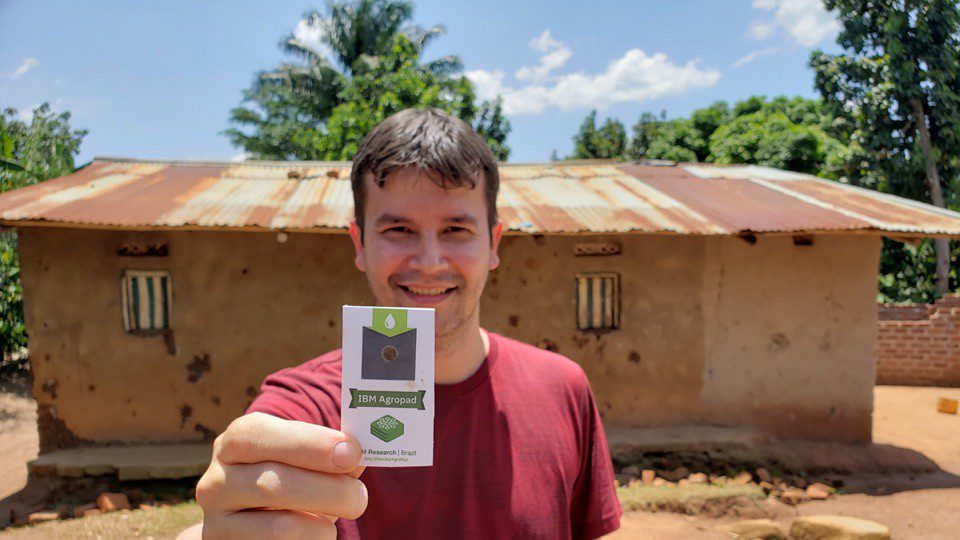
Charities have already begun adopting AI into their operations, and they will only continue to explore the possibilities technology can bring to fight poverty with AI. Tech giant IBM, for instance, has partnered up with the nonprofit organization St John’s Bread & Life to establish the Emergency Food Best Practice project. With the organization helping “serve more than 2,000 meals a day” in New York, IBM plans to develop a tool based on the data and distribution model of St. John’s Bread & Life and share it with other organizations to produce results benefiting those most in need.

– Noura Matalqa
Photo: Flickr

February 5, 2023
https://borgenproject.org/wp-content/uploads/borgen-project-logo.svg 0 0 Jennifer Philipp https://borgenproject.org/wp-content/uploads/borgen-project-logo.svg Jennifer Philipp2023-02-05 07:30:132023-02-02 14:18:36How Charities are Fighting Poverty With AI
Charity, Global Poverty

Improving Life for Costa Rica’s Poor 

Costa Rica's Poor
In the last few years, Costa Rica has experienced an increase in poverty, despite predicted lowering rates. In 2021, poverty reached 23% of households. This is equivalent to 383,500 households. About 6.3% of these households live in extreme poverty, meaning they cannot meet their basic needs. Translated, this means that 376,800 people cannot meet their basic food needs to survive. Increasing unemployment rates, which rose to 18% in 2021, are partially to blame for the increased poverty level among Costa Rica’s poor.

Women and Poverty

Poverty affects women at a more significant percentage in Costa Rica. This is partly due to the low labor force participation rates of women in the region. Paired with the lower wage that women often make compared to men, it seems inevitable that more women in Costa Rica continue to fall into poverty. Single mothers are specifically at risk. More than half of single mothers live in poverty, and their situation continues to deteriorate.

Bringing Awareness to Slums

Slums are one of the most concentrated examples of the intense poverty throughout Costa Rica. According to GlobalGiving, “Costa Rica has over 300 of these precarios in which more than 35,000 families live, almost all of them existing below the poverty line.”

A video that The Tico Times posted walks viewers through Triángulo de la Solidaridad, one of the best-known slums, in a tour that Boy with a Ball, a nonprofit organization that is working to improve the community. The video depicts tiny homes made of tin and wood crammed closely together. The community has unreliable electricity and no sewage system. More than 500 families live in these conditions, with 50% remaining unemployed. In an effort to bring awareness and relief to these communities, Boy with a Ball offers tours of the slums to tourists. Matus, a tour guide for Boy with a Ball explains his motivation behind aiding the cause: “I like [the tours] because this way I can show the other side of Costa Rica that normally tourists wouldn’t see.”

Boy With a Ball

Boy with a Ball began in 2004 when a small group of volunteer workers moved to San Jose, Costa Rica to work in some of the most dangerous neighborhoods. Since then, the company has created teams working in Kenya, Nicaragua, Nigeria and multiple cities in the U.S. In 2021, the organization impacted 2,577 youth and had more than 1,000 volunteers. The organization has also created 11 tutoring centers with more than 60 operating small groups to create personal mentoring relationships with youth in poverty.

Boy with a Ball works to reach the youth in the slums who often become involved in crime and drug trades in an attempt to escape their circumstances. By providing mentorship and the resources necessary to transform them into leaders for the community, the volunteers hope to encourage the next generation to build a life outside the slums.

The Future of Costa Rica’s Poor

The organization Action Change has extended its work outside of the slums in an attempt to bring education to more children and lower future poverty rates. According to Action Change’s website, “Poverty is a huge factor in education, families that have parents with less than 6 years of education, tend to have lower income and their children don’t finish school.” In addition, low funding for schools has left many children without a safe space to learn and play, by gathering funding and empowering community members, Action Change hopes to grow local communities and develop education throughout Costa Rica. The organization encourages students to stay in school by providing them with better-quality learning materials and safer school environments.

Action Change has supported more than 50 projects worldwide and celebrated the 15-year anniversary of its work in 2020. Action Change has raised more than $2 million to fund its projects to help Costa Rica’s poor.

Both Boy with a Ball and Action Change hopes to change the future statistics of poverty by empowering the next generation to build sustainable and prosperous lives. One child at a time, Costa Rica works to prevent future families from suffering the same poverty as their ancestors.

– Brooklynn Rich
Photo: Flickr

January 26, 2023
https://borgenproject.org/wp-content/uploads/borgen-project-logo.svg 0 0 Jennifer Philipp https://borgenproject.org/wp-content/uploads/borgen-project-logo.svg Jennifer Philipp2023-01-26 01:30:552023-01-23 14:35:50Improving Life for Costa Rica’s Poor 
Charity, Global Poverty

5 Charities Operating in Nigeria

Charities Operating in Nigeria
In Nigeria, approximately four out of 10 citizens live in poverty, according to a report from the World Bank. The document details an analysis of Nigeria’s first official poverty numbers in almost 10 years, reporting upon the increase in poverty rates due to weaknesses in the labor market, minimal market growth and human capital as low as 0.4 in 2020. In the report, World Bank Country Director for Nigeria, Shubham Chaudhuri spoke about the overlap of financial and humanitarian interests. He remarked on the necessity of “boosting health and education, bolstering productive jobs, and expanding social protection.”

With elevated inflation rates pushing more than 8 million Nigerians below the poverty line, the World Bank stresses the three types of reforms for Nigeria:

  • Macroeconomic reforms
  • Policies supporting farm and farm-household enterprises’ productivity
  • Bettering electricity, water and sanitation access

Below are five charities operating in Nigeria which have aims that align with the listed reform focuses:

1. Lagos Food Bank Initiative

Founded in 2016, the Lagos Food Bank Initiative (LFBI) is a nonprofit that focuses on nutrition to fight hunger and reduce food waste. With a focus on children, pregnant women, lactating mothers, those with diet-related illnesses, citizens older than 50 years old and impoverished families, LFBI combats poverty on the front lines. Since its founding, LFBI has reached 160 communities through its various programs, such as:

  • Education Enhancement Intervention for Food Insecure Students (EDUFOOD)
  • Temporary Food Assistance Program (TEFAP)
  • Family Farming Program
  • Nutritious Meal Plan Intervention for Vulnerable Mothers and Children (NUMEPLAN)
  • Job Placement Program
  • Nutrition Intervention for Diabetes Self-Management (NIDS)
  • Food Bank Network Nigeria

According to the 2021 annual report, LFBI distributed 641,207 kg of food and sundry, placed 195 citizens in jobs and served 294,855 beneficiaries, logging up to 33,3312 volunteer hours.

2. Amaudo Itumbauzo

Established in 1989, Amaudo Intumbauzo aids those “roaming the streets” and living with mental illnesses in southeast Nigeria. According to the website, as a result of both “negative cultural beliefs” and a lack of resources or understanding, many vulnerable Nigerians are left without treatment, care and even homes.

Amaudo aims to provide a place for healing, offering a rehabilitative “safe haven” while also administering community-based services on mental health awareness and discrimination. The organization’s rehabilitation center, Okopedi, accommodates up to 60 residents living with severe mental illnesses, helping residents with support through counseling, medication, training and family tracing. Through other projects, such as the Ntalakwu project, Project Comfort and the Community Mental Health Programme (CMHP), Amaudo works to promote a deeper understanding of mental illnesses and support those mental health effects.

3. The GEANCO Foundation: Saving and Transforming Lives

Established in 2005 by Godwin Onyema, the GEANCO Foundation (representative of the initials of each member of the Onyema family: Godwin, Ebele, Afam, Nche & Nma and Chukwogzie Onyema) is one of the five charities operating in Nigeria that aims to improve health care and save lives in Nigeria.

Since its founding, GEANCO has aided more than 200 Nigerians in receiving life-saving medical procedures, such as hip and knee replacements and bone structure repairs. Moreover, the organization makes significant donations to schools, and maternal and infant health facilities and funds “hundreds of thousands” of scholarships, all working to provide Nigerians with opportunities to secure a safe, healthy future.

4. TASTE Nigeria

TASTE is a U.K. charity that encourages volunteers from around the world to share expertise in sustainable technology with Nigerians. One of TASTE’s primary focuses in communal support is providing access to clean water. One way the organization aids communities is through funding the development of “powered burholes,” which pump fresh water through pipes, which they did recently in the town of Jemkur. From working with locals to developing community construction teams, TASTE supports community members through a series of “streams,” as listed on its website:

  • “Geological surveying of potential water locations.
  • Community support in the development of sanitation systems.
  • Drilling services for boreholes to supply clean drinking water.
  • Water delivery to needy communities.
  • Visiting schools in Jos to teach children about the work of TASTE and to help them understand the importance of basic hygiene principles.
  • Taking a high-profile approach to honest & ethical standards in business.”

5. Education as a Vaccine (EVA)

Education as a Vaccine (EVA) is a nonprofit that aims to improve Nigerian health and further development in Nigeria. EVA focuses on reaching the youth by providing “innovative, efficient and effective” education lessons on reproductive and sexual health as well as child rights. With nearly 46% of the population currently less than the age of 15, Nigeria’s 40 million women of “childbearing age” combat “disproportionately high levels of health issues surrounding birth.”

Founded in 2000, at the core of EVA is the belief that when equipped with necessary resources and support, young people contribute largely to the development of an entire country.

According to the website, EVA’s primary advocacy focus areas are:

  1. Passage and implementation of national legislation on health, HIV and AIDS basic education
  2. Financing and provision of female condoms
  3. Provision of comprehensive and integrated youth-friendly sexual and reproductive health services
  4. Financing and scaling up quality implementation of comprehensive sexual education– in and out of school settings.

Since its founding, EVA has served 185,201 children, 464,925 youth and 70,671 adults. In total, EVA’s programs have reached 720,797 individuals through:

  • Advocacy
  • Care for Orphans and Vulnerable
  • HIV Prevention Education
  • Sexual & Reproductive Health Education

While these five charities operating in Nigeria are conducting meaningful and impactful work, they are just a few of many organizations focusing on alleviating the symptoms and causes of poverty. Each organization’s website show information about their work, current focuses, efforts and programs.

– Micaella Balderrama
Photo: Pixnio

January 25, 2023
https://borgenproject.org/wp-content/uploads/borgen-project-logo.svg 0 0 Jennifer Philipp https://borgenproject.org/wp-content/uploads/borgen-project-logo.svg Jennifer Philipp2023-01-25 07:30:212023-01-23 08:39:575 Charities Operating in Nigeria
Charity, Global Poverty

5 Charities Operating in Botswana

Charities Operating in Botswana
Botswana, located in the center of Southern Africa, has one of the world’s fastest-growing economies. This is mainly due to the country’s careful economic management, diamond wealth and its multi-party democratic government. As of 2021, Botswana has a population of approximately 2.4 million. The country is currently an upper-middle-income country with the potential to become a high-income country by 2036. However, Botswana is facing some challenges. Botswana’s reliance on diamonds makes the country vulnerable to external shocks, which the COVID-19 pandemic made clear when the economy decreased by 8.7% in 2020, according to the World Bank. Furthermore, while Botswana prioritizes education and provides nearly free primary education universally, in 2021, the unemployment rate in Botswana was at 26%.

The World Bank estimates that children in Botswana spend 8.1 years in school, from age 4 to 18, but the number decreases to 5.1 years when factoring in how much time children spend actually learning. This certainly contributes to adults being unable to attain jobs that require certain skills or levels of education. Although progress needs to occur, there are numerous charities in Botswana administering aid. Here are five charities operating in Botswana.

1. Camphill Community Trust

Camphill Community Trust was once a small school, but it currently has more than 100 centers in 18 countries. It supports individuals with learning difficulties and disabilities from early childhood to adulthood. It provides education, a sense of community, and work experience. Camphill Community Trust offers Rankodimo Kindergarten, which is pre-primary learning for 20 children ages 3-5, as well as Rankoromane School for 60 children ages 5-14. Finally, there is Motse Wa Badiri Training which offers quality education, training and jobs for those with disabilities.

It offers a four-year learning program for those who are 14 years or older called The Integrated Learning for Living and Work Programme (ILLWP). It is available to give students an expansive basis of knowledge and skills. There are 96 students enrolled currently. Overall, Camphill Community Trust is one of the charities in Botswana offering beneficial learning and work experience to children and young adults, helping their chance to become successful adults.

2. SOS Children’s Villages

Botswana is one of the top four countries that HIV and AIDS impact the most. HIV and AIDS have caused suffering for those afflicted and their families and it has negatively impacted Botswana’s economy as it commonly affects working adults. This hurts households financially and decreases the workforce in Botswana. There are around 160,000 children lacking parental care and among them, 120,000 lost that care because of AIDS. When the children’s parents are ill, they have to focus on working to provide for themselves instead of receiving an education. With this in mind, SOS Children’s Villages have been busy making sure that families have basics such as health care, education and counseling available to them.

The organization has been giving support and needed services to more than 130 territories and has helped 4 million children by strengthening family ties and other forms of care. SOS Children’s Villages also provides homes to families in Francistown, Serowe and Tlokweng. These homes are for families completely unable to care for their children. Since each family’s situation is different, the SOS Children’s Villages assistance adapts to each family. SOS Children’s Villages is one of the noteworthy charities in Botswana that is striving to give children a positive environment and a secure future.

3. Ray of Hope Botswana

Ray of Hope Botswana aspires to give children an education that is both comprehensive and consistent since 2015. Located in Gamodubu village, it is a youth-led organization that mentors more than 100 children who are typically 7 years old or younger. Gamodubu village has a primary and secondary school, but for children under the age of 6, the academic foundation is inadequate. Ray of Hope Botswana’s focus is on children who lack access to stable and good quality education. It provides tutoring in Math, English and Life Skills. It is one of the charities in Botswana determined to motivate children to rise above the poverty line.

4. Caritas Botswana

Founded in 1984, Caritas Botswana’s aspiration is to assist people out of poverty. The agency’s efforts promote the poor’s quality of life as it targets education, more adequate use of resources, improved access to health services and community involvement. As previously mentioned, HIV is a serious issue in Botswana. Caritas Botswana’s contributions, which consist of raising awareness and educating people about HIV and AIDS and offering transportation to those needing treatment, are essential in fighting this disease.

Additionally, Caritas Botswana runs more than 20 preschool centers, which train preschool teachers and give education, nutrition and welfare to more than 700 children. Along with this, Caritas Botswana helps communities cultivate long-term solutions for socio-economic development by contributing micro-financing and agricultural supplies such as seeds and farming tools. The agency also helps households increase their income by establishing credit programs and savings.

5. Lady Khama Charitable Trust

The founder of Lady Khama Charitable Trust, which is one of the many productive charities operating in Botswana, is Ian Khama, the fourth President of the Republic of Botswana. Founded in 2002, it raises funds for charities in Botswana that aim to help vulnerable children, women and people living with disabilities. Lady Khama Charitable Trust’s main asset is finding local organizations which are needing support and then providing them with that support. It has more than 18 “community upliftment projects,” nine of which are its core beneficiaries. This includes Camphill Community Trust, Bana Ba Metsi, Childline Botswana, Flying Mission Services, Little Friends Center, SOS Children’s Villages, Ray of Hope Foundation, Cancer Association of Botswana and Sponsor a Child Trust.

Despite the hardships Botswana faces, the country is improving. These five charities operating in Botswana are working to provide much-needed aid to Botswana. With focuses on education, serious illness, inequality, job production, health and security for children, each one is helping Botswana progress with its individual programs and techniques.

– Megan Roush
Photo: Pixabay

January 20, 2023
https://borgenproject.org/wp-content/uploads/borgen-project-logo.svg 0 0 Kim Thelwell https://borgenproject.org/wp-content/uploads/borgen-project-logo.svg Kim Thelwell2023-01-20 07:30:512024-05-30 22:30:425 Charities Operating in Botswana
Charity, Global Poverty

5 Charities Operating in Paraguay

Charities Operating in Paraguay
Paraguay is a country located in central South America with a population of 6.7 million people. While its poverty rate has declined in recent years, Paraguay remains one of the poorest nations on the continent, with 26.9% of people living in poverty in 2020. This is particularly prevalent in rural areas, where more than a third of the population lives below the poverty line. As citizens struggle with the effects of the coronavirus pandemic, natural disasters and government corruption, charities are stepping up to provide vital aid to those most in need. Below are the five charities operating in Paraguay that are working to improve the lives of its locals.

1. Fundación Paraguaya

Fundación Paraguaya is the first of the five charities operating in Paraguay. It focuses on eliminating poverty, targeting mainly young people and women. It teaches skills to enable impoverished families to improve their financial situations, teaches entrepreneurial skills and strengthens small businesses by providing loans.

Fundación Paraguaya’s Self-Sustainable Agricultural Schools, which teach entrepreneurial skills to young people living in rural areas, have been particularly successful. In 2021, the HundrED Research Report recognized the schools as having a “tremendous’” impact on agricultural communities. So far, the school has enabled 97 graduates to learn real-world skills which have helped them to become financially self-sustainable.

2. Fondo de Mujeres del Sur

Fondo de Mujeres del Sur (FMS) is a nonprofit based across Latin America that aims to empower women and other marginalized communities. FMS fights for the sexual and reproductive rights of women, runs programs to tackle gender and sexuality-based discrimination and promotes economic justice for women in Paraguay.

The work of FMS is especially important due to the highly prevalent gender inequalities and violence against women in Paraguay. The World Bank reports that between 2019 and 2022, there were 143 cases of femicide. The fact that there were reports of 30 cases of femicide between January to September 2022, six more than in the same period the previous year, indicates that violence against women is not going to reduce on its own and that organizations such as FMS should tackle it through its work.

From 2012 to 2015, FMS implemented a program to defend and promote women’s labor rights. The program provided financial and technical support to organizations and unions of female workers in the domestic and sewing industry in Argentina, Paraguay and Uruguay. It enabled meetings between organizations in order to allow women to collaborate in advancing their rights. In Paraguay alone, three female worker organizations received support thanks to FMS.

3. Global Infancia

Global Infancia is a Paraguay-based charity that aims to create a culture of respecting children’s and adolescents’ rights. Not only does it lobby the government to enact laws that protect children, but it also engages with and informs the public on issues affecting children’s rights and works with families and children in Paraguay to improve their lives.

Global Infancia’s impact is of particular importance due to the widespread mistreatment of children in Paraguay. The Paraguayan government ran a survey in 2017 involving approximately 8,000 households and found that nearly 50% of those interviewed used violence as a form of discipline against children.

Global Infancia’s community development program works to improve the quality of life for underprivileged children and adolescents in the cities of Remansito and Villeta. It is currently providing over 1,700 under-18s with educational and early developmental services, as well as helping them to develop skills that will prepare them to enter working life.

4. Caritas Paraguay

Caritas Paraguay (locally known as Pastoral Social Nacional) is a nonprofit addressing the needs of what it calls “the new faces of poverty: people deprived of their liberty, the homeless, immigrants and small farmers.” While the charity began as a U.S. aid program, delivering food, clothing and medicines, its role has evolved and it now raises awareness about poverty, promotes grassroots groups and encourages community organization.

Along with Caritas’s yearly Lent campaign, the charity has also launched an emergency appeal in response to the flooding in the region of Chaco. As the majority of those that the yearly foods affect belong to agricultural, indigenous communities facing high levels of poverty, Caritas’s work is vital in helping those who are most in need.

5. Habitat for Humanity

Habitat for Humanity is an international charity fighting global poverty and homelessness, which has helped more than 4,500 families in Paraguay alone. Its branch in Paraguay focuses on tackling the poor housing situation where, according to the Inter-American Development Bank, 39% of families in urban areas live in inadequate housing. The housing situation affects indigenous farming communities even more, as the number of families living in inadequate housing increases to 50% in rural areas.

Habitat is helping Paraguayans by offering assistance in the repairing and building of homes for underprivileged families, allowing them to repay loans through affordable mortgages. It also offers affordable construction materials to locals and grant credits for the construction of houses to families who cannot afford traditional loans.

While Paraguay is yet to overcome the challenges of poverty and inequality, these five charities operating in Paraguay are instrumental in providing aid to the neediest and impoverished. Women, children, the indigenous population and small farmers, groups that the rest of the society often overlooks, benefit greatly from the work of these charities, and hopefully will continue to do so with further donations and support.

– Priya Thakkar
Photo: Flickr

January 20, 2023
https://borgenproject.org/wp-content/uploads/borgen-project-logo.svg 0 0 Kim Thelwell https://borgenproject.org/wp-content/uploads/borgen-project-logo.svg Kim Thelwell2023-01-20 07:30:382024-05-30 22:30:415 Charities Operating in Paraguay
Charity, Global Poverty

5 Charities Operating in China 

Charities Operating in China 
Despite China’s rapid economic development, in 2014, more than 70 million people lived in poverty within China’s rural communities. Here are five charities operating in China.

1. Give2Asia

Only 26% of China’s 622,000 rural health stations have a qualified medical practitioner. Furthermore, very few of these stations have the proper equipment, with the 2008 Sichuan earthquake damaging many of them. Poor health care has a devastating impact on the wealth of communities and is the leading cause of poverty in China’s rural communities, according to an International Journal for Equity in Health article.

Give2Asia’s Rural Doctors Program aims to provide 1,000 medically trained professionals to China’s rural communities. The program also aims to rebuild and properly equip dilapidated health stations, emphasizing early Leukemia diagnoses. This program should significantly improve the health of China’s rural people, increasing their ability to work.

2. The China Environmental Protection Foundation

Whilst China has a huge quantity of renewable water, much of China still suffers from water scarcity. This is due to a combination of rapid pollution and population growth, as a result of industrialization.

Water security is essential for lifting a population out of poverty. The China Environmental Protection Foundation (CEPF) recognizes this and has taken an education-focused approach to provide rural China with water security. For instance, CEPF’s “Green Mountains and Clear Waters” initiative has provided more than 2,500 Chinese students with clean drinking water. CEPF has also created “Streams Action – Honeywell Safe Drinking Classroom,” which educates rural primary school children on water safety. CEPF hopes to educate and mobilize Chinese students to protect the Yangtze River from further pollution, as 459 million people depend on its water.

3. Rural China Education Foundation

Illiteracy is a leading cause of poverty within China’s rural communities. Pertinently, 95% of China’s farmers are illiterate or semi-illiterate, according to an International Journal for Equity in Health article.

One of the charities operating in China is the Rural China Education Foundation (RCEF). RECF provides education to primary-age children across rural China. Its initiatives range from book clubs to summer camps. In the spring of 2021, 370 rural Chinese children received social-emotional lessons from RCEF’s “rural education innovators.” These lessons centered around building positive relationships and developing emotional intelligence. Combining literacy with social skills and vocational-specific classes, RCEF aim to equip rural Chinese children with the means to escape poverty through employment.

4. Habitat for Humanity

Due to China’s enormous population of more than 1.4 billion, housing poverty is a prominent issue. This issue is more prevalent in China’s rural communities, where an earthquake struck in 2008. Homes in urban centers are prohibitively expensive, leaving rural Chinese people without well-maintained homes.

Habitat For Humanity (HfH) began operating in Sichuan in 2000. Since then, HfH has provided more than 1,400 cheap, sturdy and sanitary homes for low-income families. It has also improved rural infrastructure and mobilized Shanghai corporations to improve living conditions for elderly people. Affordable housing is key to lifting China’s rural communities from poverty.

5. Syngenta Foundation for Sustainable Agriculture China Office

Despite China’s colossal land mass, there is not enough farmable land to feed its vast population. Furthermore, the amount of soil available to farmers is shrinking, due to soil degradation and water scarcity. Farms are often small and maintained by an aging population as rural Chinese children are choosing wealthier urban lifestyles. These factors pose a significant threat to Chinese food security.

The Syngenta Foundation for Sustainable Agriculture China office has created several programs to combat the looming threat of food poverty in China. For instance, the “Sichuan kiwifruit value chain project” incentivizes and trains young people in the cultivation of the Kiwi, one of China’s most profitable cash crops. This program also educates rural Chinese youth on building profitable businesses and even provides supermarket affiliations to farmers. This program also educates rural Chinese communities on the importance of proper irrigation and crop rotation, in an effort to reduce soil degradation.

The Significance of Rural China’s Prosperity

China has successfully lifted 800 million people out of poverty over the last 40 years, however, China’s rural communities are in danger of being left behind. The well-being of China’s rural communities is vital, not only for China but also for the 21% of the world’s population they feed, according to Syngenta Foundation. The charities operating in China that maintain the well-being of its rural people are integral to global food security.

– David Smith
Photo: Pixabay

January 14, 2023
https://borgenproject.org/wp-content/uploads/borgen-project-logo.svg 0 0 Jennifer Philipp https://borgenproject.org/wp-content/uploads/borgen-project-logo.svg Jennifer Philipp2023-01-14 07:30:172024-05-30 22:30:415 Charities Operating in China 
Charity, Global Poverty

5 Charities Operating in the Philippines

Charities Operating in the Philippines
The Philippines is an archipelagic country located in Southeast Asia with a population of 111 million people. Among the 111 million people, 21.6% of the population live in poverty and 75% of people in the south live in poverty. Despite the economic growth that the country has seen over the last few years, many people living in poverty are unable to experience economic growth. One can attribute poverty in the Philippines to natural disasters and violence throughout the country. With the dangers of sharing the world’s highest frequency of tropical storms, people living in poverty suffer since they cannot garner the agricultural and industrial resources necessary to help them. Charities operating in the Philippines work hard to help people living in poverty find ways to access the necessities required to live prosperous lives.

5 Charities Operating in the Philippines

  1. Cross Catholic: Cross Catholic Outreach is one of the five charities operating in the Philippines. It began its journey in 2001 and expanded into Southeast Asia in 2003. In the Philippines, the Cross Catholic Outreach works through its ministries to help people in poverty, and they do so by “sending financial support, shipping material and providing professional consultation for relief projects.” Cross Catholic has collaborated with partners like Answering the Cry of the Poor (ANCOP) and the Daughters of Wisdom to help extend its reach throughout the country. ANCOP is an extension of the Couples of Christ (CFC). Cross Catholic has helped ANCOP build hundreds of homes for the poor and helped fund social development programs since 2006. Cross Catholic work with Daughters of Wisdom in Manila and Cebu city has helped give children in poverty an opportunity to access education, health care and sanitation products for those who are unable to access or afford the services.
  2. CARE Philippines: CARE has been working in the Philippines since 1949. Since then, it has worked to alleviate poverty and combat social injustice through three leading roles: “Humanitarian Action, Promoting Lasting Change and Innovative Solutions and Multiplying Impact.” Human Action consists of saving lives, especially women and children, and the most marginalized in times of emergency. CARE Philippines’ humanitarian action also consists of “preparedness and early action, emergency response and recovery and encourages future resilience and equitable development.” Promoting Lasting Change and Innovative Solutions consists of streamlining and providing innovative solutions for sustainable development along with providing services and empowerment of women, all of which rely on understanding the drivers of poverty and social injustice.
  3. PAC Canada: PAC Canada is another charity operating in the Philippines. It began working in August 2016 alongside 600 residents of Barangays (villages) 128, 143, 144 and 145 through fostering relationships from trust and respect. PAC Canada focuses its operations on Tondo, Manila. It established its headquarters there on July 20, 2019, the same day Canada Revenue Agency listed it as a charitable organization. PAC Canada’s work focuses mainly on improving the lives of impoverished children and families after its founder, Phillippe Blanchard, sought to find ways to support them. Some of PAC’s programs include Watch Baby Grow (WBG) and Watch Toddler Blossom (WTB) Sponsorship (nutritional supplements) Programs along with Play and Catch-Up After School Programs, all of which focus on helping children.
  4. Save the Children Philippines: Save the Children Philippines started operating in the Philippines in 1981 and focused its work alongside “local communities to design sponsorship programs for kids.” In addition, the programs Save the Children created seek to develop programs that ensure that children can grow and learn in a safe environment to adulthood, which means ensuring that children get an education and mother and babies are healthy through accessible health care. Save the Children Philippines managed “to protect 16,082 children from harm, support 17,032 children in times of crisis, provide 393,164 children with a healthy start in life and support 11,492 parents to provide for their children’s basic needs.” Save the Children Philippines is one of the five charities operating in the Philippines helping to alleviate poverty.
  5. Project PEARLS: Project PEARLS started operating in 2010 and focuses on helping children and alleviating poverty. Project PEARLS’ programs revolve around education, health care, nutrition and empowerment through skills development. As part of the education initiative, its scholarship program helps more than 700 students in four communities: Tondo, Manila, Bocaue, Bulacan; Naic, Cavite and Zamboanga Sibugay. The charity also “provides breakfast to hundreds of children in Tondo, Manila. In partnership with organizations and individuals, we also bring critical medical and dental services to the communities.”

Looking Ahead

All five charities operating in the Philippines work effortlessly alongside their partners and communities by establishing programs geared towards helping those living in poverty, especially children who find access to essential services and need to lead fulfilling and meaningful lives and eventually escape poverty.

– Arijit Joshi
Photo: Flickr

January 14, 2023
https://borgenproject.org/wp-content/uploads/borgen-project-logo.svg 0 0 Jennifer Philipp https://borgenproject.org/wp-content/uploads/borgen-project-logo.svg Jennifer Philipp2023-01-14 07:30:112023-01-11 05:49:315 Charities Operating in the Philippines
Page 17 of 42«‹1516171819›»

Get Smarter

  • Global Poverty 101
  • Global Poverty… The Good News
  • Global Poverty & U.S. Jobs
  • Global Poverty and National Security
  • Innovative Solutions to Poverty
  • Global Poverty & Aid FAQ’s
Search Search

Take Action

  • Call Congress
  • Email Congress
  • Donate
  • 30 Ways to Help
  • Volunteer Ops
  • Internships
  • Courses & Certificates
  • The Podcast
Borgen Project

“The Borgen Project is an incredible nonprofit organization that is addressing poverty and hunger and working towards ending them.”

-The Huffington Post

Inside The Borgen Project

  • Contact
  • About
  • Financials
  • President
  • Board of Directors
  • Board of Advisors

International Links

  • UK Email Parliament
  • UK Donate
  • Canada Email Parliament

Get Smarter

  • Global Poverty 101
  • Global Poverty… The Good News
  • Global Poverty & U.S. Jobs
  • Global Poverty and National Security
  • Innovative Solutions to Poverty
  • Global Poverty & Aid FAQ’s

Ways to Help

  • Call Congress
  • Email Congress
  • Donate
  • 30 Ways to Help
  • Volunteer Ops
  • Internships
  • Courses & Certificates
  • The Podcast
Scroll to top Scroll to top Scroll to top