• Link to X
  • Link to Facebook
  • Link to Instagram
  • Link to TikTok
  • Link to Youtube
  • About
    • About Us
      • President
      • Board of Directors
      • Board of Advisors
      • Financials
      • Our Methodology
      • Success Tracker
      • Contact
  • Act Now
    • 30 Ways to Help
      • Email Congress
      • Call Congress
      • Volunteer
      • Courses & Certificates
      • Be a Donor
    • Internships
      • In-Office Internships
      • Remote Internships
    • Legislation
      • Politics 101
  • The Blog
  • The Podcast
  • Magazine
  • Donate
  • Click to open the search input field Click to open the search input field Search
  • Menu Menu

Archive for category: Charity

Charity

Disasters Emergency Committee’s Relief Efforts to Help Ukraine

Relief Efforts in UkraineThe Disasters Emergency Committee (DEC) is a group of U.K. charities that launches appeals for urgent funding to address humanitarian crises around the world. Through its Ukraine Humanitarian Appeal, DEC charities aim to implement relief efforts to help Ukraine by meeting the basic needs of people in war-torn Ukraine and Ukrainian refugees in neighboring countries.
Consequences of the War

The war in Ukraine has led to the destruction of infrastructure, the dissolution of essential services, the separation of families and severe injuries and deaths. Because of these incitements, more than 7 million people have fled Ukraine, according to the British Red Cross Society.

According to the Office of the United Nations High Commissioner for Human Rights, as of March 12, 2023, Ukraine has noted a total of 21,965 casualties, with 8,231 people killed and 13,734 people injured. Additionally, the country will require $411 billion to rebuild the country, according to the World Bank in March 2023.

A Collaborative Effort

The DEC Ukraine Humanitarian Appeal has raised more than £400 million worth of funding to assist in Ukraine, Poland Moldova, Romania and Hungary, including £25 million matched by the British government, “making it the biggest charity donor to the Ukraine humanitarian response in the world,” the DEC website says.

In the initial three months of the response, the majority of the finances went toward helping people within Ukraine itself. In the first six months of the response, almost 50% of the funding went toward cash assistance for more than 338,000 people to meet their basic needs of survival.

Additionally, 17% of funding went toward securing warm meals and food packages for people.  Furthermore, 15% went toward health services for 71,000 people and mental health care for 37,000 people. The DEC’s work also includes safeguarding Ukrainians residing in bomb shelters and providing medical and mental health services.

The DEC’s local partners are helping across the borders of these countries, like Action Against Hunger, the British Red Cross and World Vision. The organization released a short video entitled “Never Alone,” created by a majority Ukrainian team and directed via remote camera. The video highlights the devastation and ruin brought about by Russia’s attack on Ukraine. “We cast Ukrainian people still living there – so that we could capture their resilience, their strength and their Ukrainian stoicism for all to see,” film director Rick Dodds said. The individuals in the short film are actors but they represent true stories of the victims of war assisted by DEC charities.

Helping Ukraine

According to Ukraine’s economy ministry projections, the country’s GDP will only grow by about 1% in 2023, illustrating the significant economic consequences of the war. The most tangible way to support the DEC in its relief efforts to help Ukraine is to donate. Individuals in the U.K. can do so physically by visiting any of the 11,500 Post Office branches in the U.K. There is also the option of donation via phone call or via the online website. Through the Disasters Emergency Committee and its relief efforts in Ukraine, Ukrainians in Ukraine and in neighboring countries can look to the possibility of a brighter future.

– Robin Kalellis
Photo: Flickr

June 6, 2023
https://borgenproject.org/wp-content/uploads/borgen-project-logo.svg 0 0 Kim Thelwell https://borgenproject.org/wp-content/uploads/borgen-project-logo.svg Kim Thelwell2023-06-06 01:30:492023-06-02 13:05:48Disasters Emergency Committee’s Relief Efforts to Help Ukraine
Charity

5 Charities Operating in Jamaica

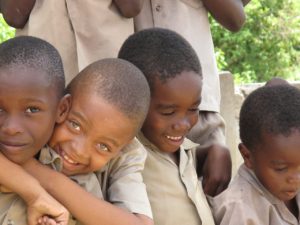
Charities Operating in JamaicaLimited health care resources including insufficient facilities and professionals, pose a significant challenge to Jamaica’s well-being. The economic aftershocks of COVID-19 resulted in an approximate 9% plunge in the country’s real GDP between 2019 and 2020. Further exacerbating the situation is the prevalence of food and water insecurity, where many communities face inconsistent access to clean water and affordable, nutritious food.
Fortunately, many organizations in Jamaica are actively engaged in the recovery process with poverty reduction initiatives. Highlighted below are five charities operating in Jamaica, all of which help to support the most vulnerable communities across the island.

5 Charities Operating in Jamaica

  1. Angels of Love Jamaica – A complex web of societal challenges such as outdated health care systems, prevalent violence and income inequalities closely connect to the deprivation of children in Jamaica. According to a 2017 report, Jamaica was among the countries that experienced the highest rates of child homicide in 2015, at a total of 13 per 100,000 population. On top of that, Jamaican children are also prone to HIV/SIDA, with around 10% of patients under 18 years of age. To address issues of physical and mental illnesses, Angels of Love Jamaica began its journey in 2009. This non-governmental organization focuses on improving the conditions of these children by providing critical services, including lifesaving treatments, health care provisions and educational assistance, among other supportive contributions. In 2017, 50 Jamaican children with cancer enrolled in the NGO’s programs for free medical examinations, weekly hospital visits, sorting prosthetics, financial support and more.
  2. ISSA Trust Foundation – Couples Resorts established the foundation in 2005. It strives to provide a system of prevention, promotion and community health improvements for the people of Jamaica. The Issa Trust Foundation also emphasizes its vision to improve the welfare of Jamaican children through a concentrated focus on pediatric health care and education. It undertakes a variety of proactive campaigns, such as hosting annual charity concerts and constructing children’s health care centers. Moreover, the Foundation facilitates the provision of essential medical equipment and services, all of which focus on enhancing the quality of life for the younger generation. Since its establishment, thousands of Jamaican children have been treated with care in Negril and Ocho Rios.
  3. Heart Foundation Jamaica – Cardiovascular disease is another prevalent contributor to mortality in Jamaica. In 2014, noncommunicable diseases resulted in 15,380 deaths, of which cardiovascular disease accounted for a substantial 6,504 cases. Out of cardiovascular conditions, cerebrovascular disease caused a total of 2,637 people’s lives. In response to these death rates, the Heart Foundation Jamaica aims to improve conditions by providing cardiovascular health research, training, treatment and promotion. For more than 50 years, the foundation has been raising awareness, generating necessary funding and orchestrating various events, from golf tournaments to marathon runs/walks. The Foundation’s goal is to reduce premature mortality from cardiovascular diseases in Jamaica by 25% in 2025.
  4. Food for the Poor – In 2020, the issue of food insecurity worsened in Jamaica, with 12.8% of the population reporting inadequate access to food in 2021. This figure doubled the projection that the United States Department of Agriculture Economic Research Service made in pre-COVID-19 times. On the other end, water scarcity has also been a problem for many Jamaican residents. Challenges surrounding water insecurity are primarily due to old and overwhelmed water systems. Some elements of which were established as far back as the 1800s and others in the 1960s, causing difficulties in meeting water demands of the population. Based in the U.S., Food for the Poor is “the largest charity organization in Jamaica.” Since 1982, it works with various organizations across the country, including churches, directly helping the poor. The organization has its own emergency relief aid programs that focus on helping people struggling with water, sanitation, health care, housing, agriculture and more. In January 2023, the organization provided around 1,000 food packages to people living in rural communities of Jamaica with the goal of “spread[ing] the joy of giving to those in need.”
  5. Jamaica Red Cross – Jamaica is no stranger to natural disasters, frequently facing various forms of environmental threats such as droughts, storms and floods. According to the World Bank, between 1980 and 2020, the country experienced an annual average of 20 storm events, seven instances of flooding and three periods of drought. The Jamaica Red Cross confronts the need for effective disaster management alongside many other supportive programs. From youth development and first aid training to restoring family links and equipment rental, the organization carries out a diverse portfolio of initiatives to improve the well-being of residents in Jamaica. The organization’s “Meals on Wheels” program provides approximately 100 Jamaican citizens per week with necessary food in and around Kingston.

These five charities operating in Jamaica play an essential role in addressing the country’s pressing issues from poverty and health care shortages to food and water insecurity. Along with many other organizations, charities in Jamaica are filling crucial gaps and offering hope to those in need. Through their dedicated work, such groups are not just providing immediate relief but are also working towards long-term, sustainable solutions that aim to reduce poverty and foster a more resilient nation.

– James Bao
Photo: Pixabay

June 1, 2023
https://borgenproject.org/wp-content/uploads/borgen-project-logo.svg 0 0 Jennifer Philipp https://borgenproject.org/wp-content/uploads/borgen-project-logo.svg Jennifer Philipp2023-06-01 02:32:112024-06-04 01:08:565 Charities Operating in Jamaica
Charity

5 Charities Operating in Papua New Guinea

Charities Operating in Papua New GuineaPapua New Guinea, located in the southwestern Pacific, faces numerous challenges due to poverty, with around 38% of the population living below the international extreme poverty line. Inequality is prevalent, as the rate of poverty in rural areas is disproportionately higher than in urban areas. This is especially significant, as around 87% of people in Papua New Guinea live in rural areas. Many are dependent on subsistence farming and have limited access to health care and education.
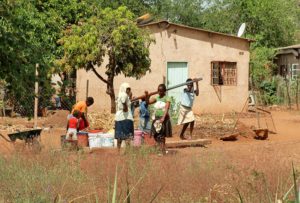
Political instability, dependency on unreliable subsistence agriculture, a lack of investment in new infrastructure and an increasing frequency of natural disasters exacerbate the issue of poverty. However, on the bright side, the following five charities operating in Papua New Guinea are working to address the issue of poverty.

5 Charities Operating in Papua New Guinea

  1. CARE: The organization has been operating in Papua New Guinea since 1989. Its primary aim is to reduce gender-based violence and increase opportunities for women. It also focuses on health care, education, agriculture and resource management. Many women, especially within rural areas, have almost no control over their property and the money they earn. This is alongside having little to no involvement in decision-making. In response to this, CARE works to help women in Papua New Guinea become more involved in making decisions to encourage equality. The nonprofit aims to reduce gender-based violence by working directly with communities and families. It targets issues with agriculture and health care by providing training in health and nutrition and in farming skills to increase crop diversity and production. It also provides access to non-formal education and grants which enable people to find new ways of earning income. In 2023, CARE has directly reached 174 million people in 111 countries through 1,631 projects.
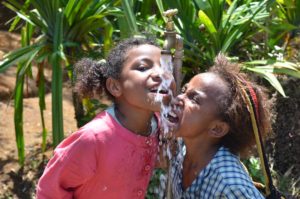
  2. WaterAid: This organization began work in Papua New Guinea in 2012 with the aim of improving access to safe water and sanitation. About 4.9 million people don’t have access to clean water in Papua New Guinea, and this results in the spread of disease through contaminated water. About 825 children below age 5 die each year due to diarrhea. Women and girls are more likely to collect water for their families instead of attending school due to gender inequality. WaterAid is working with the government and local communities to fight this by emphasizing the importance of hygiene and helping to provide clean water sources and toilet facilities. Musangan Village benefitted from the installation of 11 taps, with locals participating in the planning and building. WaterAid is also working to increase hygiene by providing more toilets in Papua New Guinea to reduce the spread of disease. The availability of toilets in schools could increase the attendance of children, especially girls who may be absent due to their periods. In turn, this is likely to equip children to access better opportunities in the future.
  3. Save the Children: Save the Children has been working in Papua New Guinea since 1978 to ensure the protection and safety of children. Currently, health care and education services in the country do not meet the needs of children. Many are vulnerable to exploitation, violence and child labor. The fragile, ineffective health care system results in a high mortality rate of 57 deaths per 1,000 live births. Save the Children aims to secure the safety of children by working with governments and communities to implement programs that provide health care, education and protection. The increasing frequency of natural disasters in the islands as a result of climate change places many children at risk. Therefore, Save the Children also works to encourage resilience by helping communities prepare for disasters and improve their capacity to respond and recover more effectively. In the Pacific, Save the Children reached 211,566 people in five countries in 2020.
  4. Wantok Support Charity: This organization focuses on education, health care and climate change relief by supporting projects that target these issues. Climate change is leading to increased water and food insecurity. Also, rising sea levels could mean there is a need for relocation. Therefore, the charity supports projects which alleviate the threats climate change brings to Papua New Guinea. It also supports the government in achieving the aims set out in the National Health Plan from 2010. This is alongside supporting organizations that work to improve access and standards of education.
  5. The United Nations International Children’s Emergency Fund (UNICEF): UNICEF aims to increase safety for children in Papua New Guinea by providing access to education and health care services. Around 25% of children between ages 6 and 18 are not in school. Also, compared to boys, fewer girls have access to education. UNICEF supports education opportunities and promotes violence-free and positive learning environments. The organization also assists the government in preparing for the increasing prevalence of natural disasters and the impacts of climate change through safely built schools. UNICEF is improving access to health care by providing training for health care workers, vaccine storage and newborn care intervention to reduce the risk of diseases.

Looking Forward

In the face of pervasive poverty in Papua New Guinea, several charities are actively working to alleviate the challenges faced by the population. Organizations like CARE, WaterAid, Save the Children, Wantok Support Charity and UNICEF are making significant contributions in areas such as gender equality, water and sanitation, child protection, education and health care. Through dedicated efforts, these charities are helping to improve the lives of vulnerable children and communities, providing hope for a brighter future in Papua New Guinea.

– Isla Wright
Photo: Flickr

May 31, 2023
https://borgenproject.org/wp-content/uploads/borgen-project-logo.svg 0 0 Naida Jahic https://borgenproject.org/wp-content/uploads/borgen-project-logo.svg Naida Jahic2023-05-31 07:30:552026-04-16 10:21:015 Charities Operating in Papua New Guinea
Charity

5 Charities Operating in Zimbabwe

Charities Operating in ZimbabweZimbabwe is a landlocked Southeast African country where poverty is prevalent. With 39.75% of the population living on less than $2.15 a day in 2019, Zimbabwe faces numerous challenges to overcoming poverty, including drought, famine, disease, corruption and civil conflict. A lack of investment in health care and education and a high dependency on low-yield agriculture that is susceptible to drought, pests and disease have exacerbated the situation. Extreme poverty also recently increased from 30% in 2017 to 42% in 2019, affecting over 6.6 million people. Fortunately, numerous charities operating in Zimbabwe are working to address these challenges and alleviate poverty.
5 Charities Operating in Zimbabwe

  1. The Beatrice Project: A U.K.-based charity established in 2015, the Beatrice Project aims “to provide sanitary protection and training to enable young girls to complete their schooling.” The project now provides 300 girls with vital sanitary protection, reducing gender-based inequality and improving access to education. Without projects like this in place, girls are forced to use unhygienic and uncomfortable materials, which can lead to absence from school and impact their future opportunities.
  2. Makomborero: Makomborero aims to improve lives in Zimbabwe through education, enabling people to change their futures by targeting one of the root causes of poverty. The charity takes a variety of approaches to achieve this aim. In addition to providing scholarships and other financial support to break barriers to education, it has built a mobile science laboratory that has been used by over 100 students, works to expand interest in education and increase standards of learning and provides small business training. Through these initiatives, Makomborero is creating opportunities in a country where unemployment was at 7.4% in 2019 while teaching people to generate and manage income using their available resources rather than relying on loans. Over the last 10 years, Makomborero has funded A-Level education for 195 students, supported 50 students through graduation from Zimbabwean universities and helped lift 67 families out of poverty with its entrepreneurial training.
  3. ActionAid: Since 1997, ActionAid has worked to reduce the impacts of poverty, drought and food shortages in Zimbabwe and provided emergency aid to over 44,000 people. After El Niño caused a devastating drought in 2016, Zimbabwe was rife with malnutrition and starvation: some four million people suffered from a lack of food and water. A persistent threat in Zimbabwe, droughts severely reduce crop production and livestock survival and contribute to food insecurity. Insufficient access to food and water leaves many children too weak to attend school, and women and girls must often wait hours to procure limited water resources. One way that ActionAid is helping is by establishing boreholes to provide communities with safe and long-term access to water. This is helping to reduce the spread of diseases like typhoid and cholera while ensuring that fewer children miss out on education due to lack of a basic resource. ActionAid also works to educate farmers on methods for increasing crop yields and provides loans to help families develop small businesses that will reduce their dependency on unreliable agriculture for income.
  4. Save the Children: Save the Children has provided humanitarian relief and sustainable solutions for combating poverty’s effects on children in Zimbabwe since 1983. Consistent with its larger global mission, the charity emphasizes improving Zimbabwean children’s health, safety and access to education to pave the way for a brighter future. In addition to long-term strategies like investing in education and health care, Save the Children provides emergency aid to help save lives and reduce the impact of disasters. For instance, the charity mitigated the 2018 cholera outbreak in Zimbabwe by instituting “a highly effective clean water, sanitation and hygiene program.”’ In 2022, Save the Children lifted 31,000 Zimbabwean children out of poverty, educated 82,000 and provided health care and nourishment for 54,000. Save the Children’s ongoing efforts are helping to ensure that children in Zimbabwe, and around the globe, have a fair chance at life.
  5. Love Zimbabwe: Love Zimbabwe operates in Zimbabwe and Wales, pairing the Wales community of Abergavenny with the Zimbabwe village of Chinamhora to provide targeted relief for those in need while promoting the benefits of fair trade. In addition to raising funds, working to improve education and providing aid for people in Chinamhora, the charity provides skills-based training aimed at equitable economic growth. It helps people in Chinamhora become more self-sufficient by encouraging them to make and sell arts and crafts, promoting their products, helping them start businesses and working to ensure that they receive fair prices. Love Zimbabwe is also working to improve hygiene and ensure reliable access to clean water in Chinamhora, and has established a community center that offers food, support, water and other vital necessities.

Looking Forward

Despite the numerous challenges that the country faces, these five charities operating in Zimbabwe are creating hope for a brighter future. Their work to reduce the impacts of poverty through both immediate aid and long-term initiatives are improving lives for current and future generations in Zimbabwe.

– Isla Wright
Photo: Flickr

April 27, 2023
https://borgenproject.org/wp-content/uploads/borgen-project-logo.svg 0 0 Jennifer Philipp https://borgenproject.org/wp-content/uploads/borgen-project-logo.svg Jennifer Philipp2023-04-27 01:30:292023-04-26 08:07:205 Charities Operating in Zimbabwe
Aid, Charity, Children, Global Poverty

5 Charities Operating in Kazakhstan

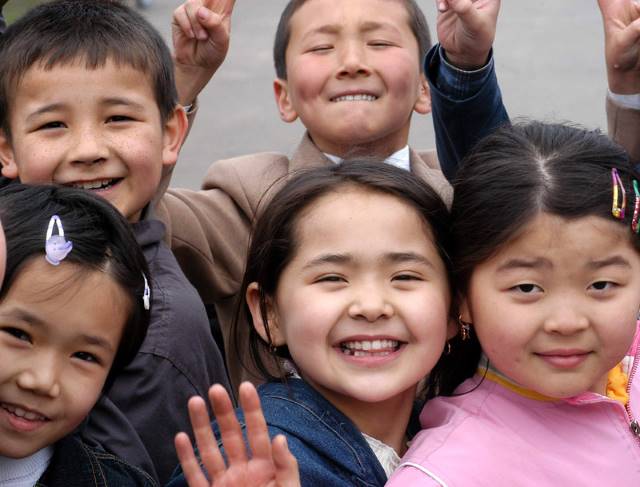
Charities Operating in KazakhstanHuman Rights Watch (HRW) calls attention to major issues affecting low-income families and disabled children in Kazakhstan. While it is access to state benefits for the former, the latter face barriers that exclude them from education. Child-focused charities continue playing a crucial role in alleviating these issues and addressing the needs of those affected. Here are five charities operating in Kazakhstan, acting as agents of change. 

5 Charities Operating in Kazakhstan

  1. Niyet: Niyet is a private nonprofit organization working to improve the living conditions of all children experiencing adversity, including orphans, children with disabilities and children from impoverished families. In 2018, Kazakhstan had about 26,000 orphans and children living without parental supervision. Meeting child support needs can play a significant role in helping to prevent family separations. Sourced from a comprehensive database of underprivileged children, the recipients receive donations from Niyet in the form of cashless support or personalized certificates. Two implemented programs, Food Basket and Road to School, offer these certificates in exchange for food and school supplies at partnered markets and shops. Magnum Cash & Carry is one of the accessible partnered retail stores, with more than 50 outlets in the Almaty region of Kazakhstan.
  2. ITeachMe: This is a public charity and development center based in Almaty that fights for the labor rights of disabled and vulnerable people. Created in March 2020, the organization teaches digital skills to boost the employability of its beneficiaries and help them better integrate into society. ITeachMe helps in placing young, disadvantaged people on the path to better economic opportunities. With multiple programs and 45 professional courses, the organization asserts that 90% of its graduates go on to secure employment. It delivers its free ITeachMe Program 6.0 in Russian, Kazakh and sign language. Under expert supervision, the educational course delves into programming, project management and more. The OrleTECH Program comprises more than 150 video tutorials and is available to individuals between the ages of 18 and 40 who are interested in learning how to design websites or test software. During the COVID-19 pandemic, ITeachMe provided emergency assistance. Through the support of the U.S. Urgent Action Fund, ITeachMe provided humanitarian aid to 80 underserved people living in cities and rural areas and supplied “life-saving medicines” to 26 people. ITeachMe also provided legal and psychological counsel through chatbots and instant messaging apps, which continue to function to this day.
  3. Botashym: Botashym is an organization with a focus on medical aid. Established in 2017, its goal is to raise funds to aid orphans, children with cerebral palsy, disadvantaged families and veterans. It provides its services both inside and outside Almaty. Children up to 13 years of age make up the priority demographic for rehabilitation. Whatever the disability, Botsashym informs parents of the latest clinics or treatment methods. Botashym helps to raise the treatment costs for selected children by creating individual profiles with targeted fundraising goals. In 2022, the nonprofit raised enough money to rehabilitate 16 children with different diseases of varying severity. The organization does not require the family of beneficiaries to bear any costs. Through treatment, children can improve both mobility and speech. Botashym is currently developing an Orphans Assistance program.
  4. Kasietti Zhol Foundation. This Astana-based nonprofit offers free rehabilitation services. Kasietti Zhol’s mission is to provide high-quality rehabilitation for children with cerebral palsy without requiring overseas travel. To accomplish this, the organization holds a worldwide School of Mentors initiative and organizes seminars aimed at educating and training professionals, social workers and parents on the latest rehabilitation methods. As part of its Healthy Children Project, more than 1,000 children received comprehensive rehabilitation at no cost in 2021. The #KazakhstanDoGood project brings awareness to the lack of rehabilitation for disabled children. In 2021, Kazakhstan had only 40 medical rehabilitation centers that were equipped to treat children with disabilities. More than 26,000 children are living with cerebral palsy in the country, yet only 20% manage to access rehabilitation. Families below the poverty line struggle to find treatment and usually have to wait for openings. In some cases, parents opt to leave their children in orphanages. For this reason, Kasietti Zhol opened rehabilitation centers in nine orphanages in Kazakhstan. Four children with special needs found adoptive families after treatment. The #KazakstanDoGood project aims to open 14 rehabilitation centers for children with cerebral palsy. Kasietti Zhol’s president, Gulmira Abeldinova, disclosed that from October 2022 to January 2023, the charity’s rehabilitation center took in 183 children for free rehabilitation. In 2023, it will concentrate on developing ways to address neuro-orthopedic disorders in children.
  5. Dara Foundation: Dosaeva Gulnar Yesengeldinovna established the Dara Foundation with the aim of enhancing the quality of life for underprivileged children through the creation of more efficient support systems. The foundation seeks to provide better assistance to those in need. The Mentors program offers three levels of mentoring: individual, corporate and coaching. At the corporate level, 34 organizations partner with Dara Foundation to introduce at-risk youth to various professions and offer workshops, internships and scholarships. Currently, there are 15 cities in Kazakhstan hosting the Mentors program and more than 200 orphans have partnered with mentors since 2014. Today, 138 children have finished internships and higher education courses through the Dara Foundation and more than 100 children have received individual coaching.

Looking Ahead

Many Kazakh children and families still face hardships but ongoing efforts of charities operating in Kazakhstan and the government of Kazakhstan bode signs of better opportunities and progress for the young generation. The results so far are encouraging and paint a positive outlook for the future.

– Clare Calzada
Photo: Flickr

April 18, 2023
https://borgenproject.org/wp-content/uploads/borgen-project-logo.svg 0 0 Kim Thelwell https://borgenproject.org/wp-content/uploads/borgen-project-logo.svg Kim Thelwell2023-04-18 07:30:052023-04-17 06:05:015 Charities Operating in Kazakhstan
Charity, Children, Global Poverty

4 Charities Aiding Children in Sierra Leone

Charities Aiding Children in Sierra Leone
Life has been extraordinarily difficult for children living in Sierra Leone. An 11-year civil war, Ebola outbreak and poor quality of education have severely impacted children across the country. However, despite the hardship that children in the country have faced over the past 20 years, charities are working to improve education and health care for children in Sierra Leone.

4 Charities Aiding Children in Sierra Leone

  1. Save the Children. Headquartered in the United Kingdom, Save the Children provides children with education and health support in more than 100 countries. Since 1999, it has worked in Sierra Leone to improve the health, education and protection of children in the country. In terms of learning, the organization provides children with educational tools and facilities to set them up for future employment. The children’s rights charity focuses on increasing school attendance and retention. Due to widespread poverty, Sierra Leone suffers from very low school attendance rates with a UNICEF statistic illustrating that only 22% of students complete upper secondary school. Absence from school prevents children from gaining employable skills that allow for an economically independent future. Save the Children puts focus on aiding the most marginalized children, such as those living in slums or in kinship care, to improve their future prospects and avoid contributing to already high unemployment and illiteracy rates.
  2. Sierra Leone War Trust for Children. Throughout Sierra Leone’s 11-year civil war, many children experienced both physical and mental trauma. The Sierra Leone War Trust For Children is a trust that promotes “education, health, rehabilitation and self-sufficiency” among children impacted by the nation’s history of violence so that they can live economically independent and prosperous lives as adults. The trust not only focuses on the harms of the civil war; it also aids children suffering from more recent issues in the country such as the Ebola outbreak of 2014. Ebola orphans have received school supplies from the trust’s projects to improve education and ensure future employability. The Sierra Leone War Trust For Children has aided 5,000 impoverished children in the country and has raised more than $1 million through donations.
  3. Lilomi. Lilomi is a children’s charity based in the U.K. that ensures better health care and educational facilities/resources for children in Sierra Leone. It works at the Jonathan’s Child Care school and orphanage in the city of Bo providing safe sanitary spaces and higher-quality school equipment, among other efforts. Inadequate access to hygiene and sanitation facilities remains a prevalent issue in Sierra Leone. The Lilomi team built a new set of hygienic toilet blocks in the school/orphanage in 2021 with the aim of protecting children against preventable illnesses. Schools across Sierra Leone are severely underequipped making it difficult for educational facilities to teach practical skills. In order to prevent this from limiting the horizons of children in Bo, in 2019, Lilomi provided the school/orphanage with funds for science equipment, now expanding the scope of learning in science and mathematics. Following this success, the charity has made plans to go one step further and build a science lab for the school.
  4. SOS Children’s Villages. SOS Children’s Villages is a nonprofit organization that has delivered support for children and young adults in Sierra Leone since 1974. The nonprofit organization provides children lacking parental care with a safe home. As a result of the civil war ending in 2002, a third of Sierra Leone became internally displaced and many children lost their families. SOS Children’s Villages helps children to find lost relatives so they can grow up with their families. In the case where a child has no relatives, the organization provides an SOS parent who supports them through difficult periods of adjustment. The organization also runs community schools and kindergartens that have given 3,000 children access to education.

Children-focused charities in Sierra Leone have made monumental efforts in combating the consequences of civil war, Ebola and widespread poverty. By prioritizing the safety of children across the country, charitable organizations can ensure a future generation of healthy and prosperous adults.

– Freddie Trevanion
Photo: Flickr

March 26, 2023
https://borgenproject.org/wp-content/uploads/borgen-project-logo.svg 0 0 Jennifer Philipp https://borgenproject.org/wp-content/uploads/borgen-project-logo.svg Jennifer Philipp2023-03-26 01:30:062023-03-24 04:59:224 Charities Aiding Children in Sierra Leone
Charity, Global Poverty

5 Big Businesses that Give to Charity

Big Businesses That Give To CharityPhilanthropy among businesses and successful individuals has been seen since the rise of “big business” itself. In the late 1800s, business leader Andrew Carnegie owned a multi-million dollar steel enterprise and donated the majority of his fortune to philanthropic causes, such as the founding of 2,509 libraries. One of the key philanthropists of the modern world includes business magnate Bill Gates, who founded the Bill and Melinda Gates Foundation to fight world poverty and inequality. Below are five big businesses that give to charity and use their profitability to support philanthropic causes.

5 Big Businesses that Give to Charity

  1. Rolex. This watch company began business in 1905 as a brand that is now a widely recognized symbol of wealth, luxury and sophistication, with watches costing anything within the range of $5,000 to $75,000. While Rolex is, technically speaking, a for-profit company, it is owned by a nonprofit charity organization, the Wilsdorf Foundation. Rolex founder and altruist, Hans Wilsdorf, had hoped that his business would be a “perpetual force for good.” One avenue for the donation of Rolex’s profits is the initiative Perpetual Planet, which supports expeditions and data collection to tackle climate change and protect oceans. Funding from Rolex has supported Felix Brooks-church’s project to tackle malnutrition in Tanzania by fortifying flour with essential nutrients to benefit 2 million people daily. Rolex’s financial contributions have also supported Andrew Bastawrous’ Peek Vision project, which utilizes mobile technology to provide accessible eye care through smartphones in poorer countries such as rural Kenya, where Peek Vision provided more than 250,000 eye tests.
  2. Disney. Disney is another one of the big businesses that give to charity, with a total of $233 million worth of donations in 2022 through various channels. It invested in the organization Chicas en Tecnologia, which works to provide tech-focused education for girls in Argentina to help reduce the gender gap in technology. Disney partners with UNICEF to support programs such as a two-year initiative to prevent child labor in Vietnam and the P.L.A.Y initiative that provides mobile playgrounds in Haiti and Bangladesh. There is also a Disney Employee Matching Gifts initiative where the company pledges to match the charitable financial donations made by employees.
  3. BP. Founded by the BP oil company, the BP Foundation received its charitable status in 1953 and has since supported philanthropic efforts around the world. The foundation partakes in employee-led philanthropy through the Employee Matching Fund. The foundation gave more than $2 million in 2021 to match employee donations to nonprofit organizations. This fund encourages BP employees to commit their time and effort to charitable causes with the knowledge that the BP Foundation will make an equal contribution. The foundation also provides humanitarian relief, such as the $2 million it donated to the World Health Organization’s COVID-19 response program.
  4. Goldman Sachs. The global financial services company Goldman Sachs began its journey in 1869 in New York City and made a significant $62.8 billion in revenue in 2022 alone. As part of its commitment to community engagement, the company runs a Goldman Sachs Gives initiative, which partners with nonprofit organizations and contributes financial grants toward philanthropic initiatives. To date, the Goldman Sachs Gives initiative has granted more than $2 billion to 9,000 nonprofit organizations across 140 countries. Recent philanthropic efforts include $8.8 million in 2022 donated to various organizations across the globe providing relief for Ukrainian refugees fleeing war in their home country. Since 2000, Goldman Sachs Gives has supported the South African nonprofit Ubuntu Pathways with grants funding the provision of vaccines for more than 40,000 people in South Africa and a center that helps 2,000 children receive a quality education.
  5. Microsoft. Bill Gates, one of the wealthiest men today, co-founded a leading, multinational technology company — the Microsoft Corporation. In line with Gates’ personal commitment to philanthropy, Microsoft as a company recognizes a corporate social responsibility that involves supporting fundamental human rights and protecting the planet. Microsoft also operates an employee donation matching program. In 2022, Microsoft and its employees donated a total of $255 million to nonprofits through this initiative. Through the Microsoft Tech for Social Impact scheme, in 2021, Microsoft allocated $2.5 billion in technology grants to nonprofits, and in 2022, Microsoft expanded this scheme to include access to cloud technology. By equipping nonprofits with technical equipment and knowledge of how to use it, Microsoft is helping to diversify and modernize the help given to the world’s poor.

Looking Ahead

Although some view big businesses as pioneers of capitalism acting only in the interest of individual shareholders, there are in fact many big businesses that give to charity. Rolex, Disney, BP, Goldman Sachs and Microsoft are key examples of large corporations contributing to philanthropic causes to aid communities that require support.

– Sophie Sadera
Photo: Flickr

March 24, 2023
https://borgenproject.org/wp-content/uploads/borgen-project-logo.svg 0 0 Jennifer Philipp https://borgenproject.org/wp-content/uploads/borgen-project-logo.svg Jennifer Philipp2023-03-24 07:30:532023-03-23 03:59:465 Big Businesses that Give to Charity
Charity, Global Poverty

King Charles’ Charitable Efforts

King Charles’ Charitable Efforts
As Prince of Wales, Charles has long since made great efforts to transform lives and build sustainable communities. He has been a patron to more than 400 charities and in the last 10 years has raised approximately £140 million. However, as he takes his place as King, his new duties will necessarily require him to take a step back. Though expected to continue most of Elizabeth II’s 600 patronage involvements, he may have to offload or even entirely reconsider some of these commitments. What is sure is that Charles deeply values charitable action, and intends to go to great lengths to continue championing its cause.

King Charles’ Charitable Efforts as Prince

Charles waited his turn to become King for more than 70 years, an extended period that galvanized him to make a difference while Prince. By principle, he advocated a streamlining of the Monarchy, reducing expenditure that could make room for charitable efforts such as improving living conditions in some of the world’s poorest regions.

He has founded charities such as the Prince’s Foundation, an educational organization that aims to create a sustainable future for people of all ages and backgrounds, as well as the Prince’s Trust, which works towards a similar goal but exclusively within the United Kingdom.

Foremost among King Charles’ charitable efforts is establishing the Turquoise Mountain foundation, an NGO that works to protect heritage and communities around the world, providing “jobs, education and a renewed sense of pride” in developing regions. Since 2006, it has treated more than 160,000 patients at its Kabul clinic, built more than 50 small businesses in Afghanistan, Myanmar and the Middle East, and helped preserve precious cultures while driving economic development.
Another prominent accomplishment is his founding of Duchy Originals in the early 1990s, with the goal of improving “soil fertility, biodiversity and human health.” His interest in the environment dates back to the 1960s, long before it was ubiquitously supported. The brand donates all its profits to charitable causes, and in the decade since partnering with Waitrose, a leading British supermarket, in 2009 turned over more than £30 million.

The Legacy of Elizabeth II

As impressive as Charles’ own track record is, he will be succeeding his mother Elizabeth II who has been hailed by some as the most charitable monarch in history, having raised more than £1.4 billion for charities in her lifetime.
This succession raises some doubt surrounding the future of fundraising. The first big question concerns what will become of Charles’ previous charitable duties. According to The Conversation, it is generally understood that William will take on the majority, though there are some who doubt if William will be quite as involved in the minutiae of advocacy as his father was, and whether this could affect performance.
Secondly, exactly what will become of Elizabeth II’s patronage is unknown. Though Charles could take on the majority, some commitments could be up for review in the near future.

Charles’ Pledges for the Future

What Charles has so far indicated for certain as King is that, according to his Christmas speech in 2022, charitable organizations “which do such extraordinary work in the most difficult of circumstances” will remain an integral part of his focus.
Though he has only been on the throne for a short period, among King Charles’ charitable efforts thus far has been a new £1.95 million pledge from the Prince of Wales Charitable Fund (PWCF) to seven personally important causes. One of these recipients will be Practical Action, which aims to support farmers in their transition to regenerative farming approaches in sub-Saharan Africa. This is not only beneficial to the environment; it secures the posterity of local farmers. Practical Action will receive £390,000.

Charles’ early actions as king and his impressive charitable efforts as Prince of Wales show that, despite questions over leadership roles in the wake of his succession, the fight against poverty will continue to receive a great deal of support and advocacy from the British Monarchy.

– Gabriel Gathercole
Photo: Flickr

March 11, 2023
https://borgenproject.org/wp-content/uploads/borgen-project-logo.svg 0 0 Jennifer Philipp https://borgenproject.org/wp-content/uploads/borgen-project-logo.svg Jennifer Philipp2023-03-11 01:30:532023-03-11 05:45:52King Charles’ Charitable Efforts
Charity, Global Poverty

5 Charities Operating in Pakistan

Charities Operating in Pakistan
Giving charity is important to many people living in Pakistan. In fact, a study from 2021 reported that 84% of people gave charity during the height of the COVID-19 pandemic in one way or another. It was also reported that 79% of those unemployed also gave charity at some point. With the country currently struggling with financial debt and food crises, the value of charity has risen in importance. Below are five charities operating in Pakistan.

5 Charities Operating in Pakistan

  1. Islamic Relief: This charity operates throughout Pakistan, working with communities to implement sustainable and innovative projects. In Azad Jammu and Kashmir, the organization worked to show communities how to adapt to the effects of changing weather patterns. In the aftermath of the summer floods of 2022, Islamic Relief worked to rebuild villages, install water and sanitation facilities and helped to rebuild small businesses and housing. In addition, the charity had a seasonal aid program, including a 1:1 child sponsorship program. In 2005, Islamic Relief received an award from the Government of Pakistan for its efforts during the devastating earthquakes that year.
  2. AAM Nation Care: AAM Nation Care is a charity that aims to help those who are poor and less fortunate in Pakistan. Its work occurs through a multidimensional approach, as it will reach out to low-income communities and help them develop specific ways to grow and find aid. The charity’s work includes establishing a free online academy to educate poor students and provide lower-income families with food and cash.
  3. Save the Children: Save the Children is a world-renowned organization that is a global leader in helping children to prevent, prepare and recover from calamities due to changing weather patterns. The charity first started working in Pakistan in 1979, through its work with Afghan refugees. Today, its work includes providing child rights and development and humanitarian response programs. In addition, it works alongside many other charities operating in Pakistan and Pakistani civil society to implement programs that work with child health, nutrition, education, protection, disaster response and preparedness and gender equality. In the last year, Save the Children helped more than 19,000 children in Pakistan.
  4. Red Cross: The Red Cross is an organization that has been working for almost 150 years, and is the largest humanitarian network in the world. The charity worked tirelessly during the recent floods to ensure aid reached all the affected areas. The primary focus of their relief effort continues to involve saving lives, providing temporary shelter and blankets to those whose homes were destroyed and clean water, food, medical support and sanitation to prevent the spread of water-borne diseases. In addition, the Pakistan Red Crescent works currently to help relieve the pressure on the health care system, supporting households and helping local communities.
  5. Human Appeal: Since 2006, Human Appeal has been one of the major charities operating in Pakistan. Subsequently, they have implemented several different relief programs, by supporting education, livelihoods and clean water projects. Its current programs include constructing girls’ primary schools, education for orphaned girls, providing COVID-19 protection kits, supporting small businesses and providing schools with water coolers.

Looking Ahead

In Pakistan, estimates have indicated that 30% of people continue to live in poverty. The recent floods alleviated several issues in the country, including the loss of large amounts of agricultural land and livestock. However, there are many charities operating in Pakistan that work tirelessly and efficiently to provide aid to those who most need it.

– Saad Haque
Photo: Flickr

March 4, 2023
https://borgenproject.org/wp-content/uploads/borgen-project-logo.svg 0 0 Naida Jahic https://borgenproject.org/wp-content/uploads/borgen-project-logo.svg Naida Jahic2023-03-04 01:30:202024-05-30 22:30:495 Charities Operating in Pakistan
Charity, Global Poverty

5 Charities Operating in Brazil

Charities Operating in Brazil
Between 2019 and 2021, 9.6 million people who were not previously impoverished fell below the poverty line. By 2021, 62.9 million people in Brazil (29.6% of the population) had a monthly per capita income of up to R$497. This was the highest level of poverty that the country had experienced since 2012. Although Brazil is facing a number of issues, such as homelessness and poverty, five charities operating in Brazil aim to improve the lives of the most disadvantaged citizens.

5 Charities Operating in Brazil

  1. The Favela Foundation. This organization came about in 2017 with the goal of, according to its website, “contributing to the development and growth of sustainable social and educational projects in the favelas of Brazil.” Essentially, the Favela Foundation provides various forms of support to grassroots initiatives working to advance education and improve social welfare in the favelas. The Foundation also works alongside NGOs to provide free English classes to people of all ages. Knowledge of English can help boost working and earning potential in Brazil. The Foundation’s main area of operation is in Rocinha — a favela located inside Rio de Janeiro and also the largest favela in the country.
  2. Catalytic Communities. This nonprofit organization is a Rio- based think tank and advocacy NGO. In short, this organization works as a news and research source that advocates for the well-being of the people who inhabit the favelas of Rio. This nonprofit plays a role in advocating for pro-favela legislation within the local and national governments by raising awareness and conducting research. Its most recent project is making a legislative proposal that would allow Community Land Trusts in Brazil. These trusts would help by essentially providing more affordable housing.
  3. Community in Action. Founded in 2004, this NGO focuses on social outreach with the goal of facilitating community development in the favelas through education initiatives and other projects. The organization has a large network of volunteers from all over the world. Volunteer opportunities include providing English lessons, assisting with child care, assisting with manual labor and urban gardening projects. With its plethora of volunteer opportunities, anyone who wishes to help has many options.
  4. ActionAid. This U.K.-based NGO has played a humanitarian role in Brazil since 1999. Most recently, ActionAid has made efforts to address the impacts of the COVID-19 pandemic on Brazil’s most at-risk residents. It has helped vulnerable Brazilians amid the pandemic by providing food, hygiene kits and protective face masks to those in need. Prior to the pandemic, ActionAid focused on education for slum children, safeguarding girls from sexual exploitation and helping drought-ravaged areas to recover from extreme weather events and become more climate resilient, among other activities.
  5. Associacao Crescimento Limpo. This is a social services organization that is focused on the homeless population of Brazil. Located in a town outside of São Paulo, this organization provides services in the area of housing and job training. One of its most recent projects is a halfway house for people who are struggling with homelessness and drug abuse. Crescimento Limpo has made a positive difference by helping the homeless community in Brazil, with many success stories to prove it. One example of Crescimento Limpo’s success is visible in the story of Wayne. Wayne suffered from drug addiction and eventually sought help. He was later placed in one of Crescimento Limpo´s halfway houses. After recovery, he launched a new initiative with the organization called Caféla, a restaurant that provides jobs for unemployed residents.

Overall, through community initiatives, these five charities operating in Brazil are working to make Brazil a better and safer place. These organizations not only benefit Brazil but also contribute to the reduction of poverty worldwide.

– Timothy Ginter
Photo: Flickr

March 1, 2023
https://borgenproject.org/wp-content/uploads/borgen-project-logo.svg 0 0 Kim Thelwell https://borgenproject.org/wp-content/uploads/borgen-project-logo.svg Kim Thelwell2023-03-01 07:30:402023-02-28 07:47:095 Charities Operating in Brazil
Page 16 of 42«‹1415161718›»

Get Smarter

  • Global Poverty 101
  • Global Poverty… The Good News
  • Global Poverty & U.S. Jobs
  • Global Poverty and National Security
  • Innovative Solutions to Poverty
  • Global Poverty & Aid FAQ’s
Search Search

Take Action

  • Call Congress
  • Email Congress
  • Donate
  • 30 Ways to Help
  • Volunteer Ops
  • Internships
  • Courses & Certificates
  • The Podcast
Borgen Project

“The Borgen Project is an incredible nonprofit organization that is addressing poverty and hunger and working towards ending them.”

-The Huffington Post

Inside The Borgen Project

  • Contact
  • About
  • Financials
  • President
  • Board of Directors
  • Board of Advisors

International Links

  • UK Email Parliament
  • UK Donate
  • Canada Email Parliament

Get Smarter

  • Global Poverty 101
  • Global Poverty… The Good News
  • Global Poverty & U.S. Jobs
  • Global Poverty and National Security
  • Innovative Solutions to Poverty
  • Global Poverty & Aid FAQ’s

Ways to Help

  • Call Congress
  • Email Congress
  • Donate
  • 30 Ways to Help
  • Volunteer Ops
  • Internships
  • Courses & Certificates
  • The Podcast
Scroll to top Scroll to top Scroll to top