• Link to X
  • Link to Facebook
  • Link to Instagram
  • Link to TikTok
  • Link to Youtube
  • About
    • About Us
      • President
      • Board of Directors
      • Board of Advisors
      • Financials
      • Our Methodology
      • Success Tracker
      • Contact
  • Act Now
    • 30 Ways to Help
      • Email Congress
      • Call Congress
      • Volunteer
      • Courses & Certificates
      • Be a Donor
    • Internships
      • In-Office Internships
      • Remote Internships
    • Legislation
      • Politics 101
  • The Blog
  • The Podcast
  • Magazine
  • Donate
  • Click to open the search input field Click to open the search input field Search
  • Menu Menu

Archive for category: Charity

Charity

Charities in Italy Stepping Up Post Pandemic

Charities in ItalyFor many, lockdowns, social distancing and face masks feel like a distant memory. But for many Italians, the consequences of the COVID-19 pandemic are sharply present as many struggles in both relative and absolute poverty daily. 
COVID-19 first arrived in Europe in Italy, with the first case confirmed on February 21, 2020. Since then, the country has been one of the hardest hit by the virus, with the World Health Organization (WHO) declaring almost 26 million confirmed cases and 190,782 deaths between January 2020 and June 2023. 

COVID-19’s Effect on the Italian Economy

The Italian government took measures to cap the spread of COVID-19. Lockdowns, the closure of non-essential businesses and social distancing changed the shape of Italians’ daily lives. Heavy bureaucracy and inefficiencies in the public sector meant significant delays in government payments to families and businesses worst affected. Further, public sector resources were stretched. Consequently, many businesses closed their doors for good, and have not since reopened. The pandemic triggered the worst recession since World War II, which saw Italy’s economy shrink by 8.9% in 2020, and with it an increase of families in absolute poverty. 

Today, Italy is still recovering from the economic effects of the pandemic. Approximately 5.6 million people experienced food insecurity in 2021, meaning they could not afford essential goods and services needed to meet the accepted minimum standard of living. This is the worst rate of absolute poverty since 2005, with 5.6 million, or 9.4% of the population, experiencing absolute poverty. Before the pandemic, in 2019, the figure stood at 7.7% of the population. Moreover, 22% of the Italian population is at risk of food poverty. 

Further, a study from Eurostat shows the extent of poverty in Italy compared to other EU countries. Eurostat defines poverty and social exclusion as those who are either at risk of poverty (determined by disposable income) and/or face severe social and material deprivation (determined by their ability to afford a set minimum of items or social activities in addition to the employment of a household). 

Eurostat found that 21.6% of the population is at risk of poverty or social exclusion — Italy ranks highly above the EU average. These figures show that poverty is on the rise in Italy. The COVID-19 pandemic has had a significant impact on the Italian economy and thus the most financially vulnerable groups. 

Mission Bambini

As the Italian economy faces the aftermath of the COVID-19 pandemic, on the ground, there are an array of organizations working to alleviate poverty in the country. Mission Bambini focuses on the health and education of children across the country by working to expand employment and educational opportunities. Some projects include the Scintilla project which aims to make childcare and nurseries more accessible. Mission Bambini also created ‘Second Chance Schools’ for traditional school dropouts. As a result, 12,978 children have accessed early learning services, while 1,239 young people have joined job counseling and training programs. 

La Ronda Della Solidarietà

Further, La Ronda Della Solidarietà ODV of Rome has supported Rome’s homeless by providing food, blankets and medical supplies to those on the street. As the number of the city’s homeless has increased since the COVID-19 pandemic, so too have its efforts and resources. 

Cooperazione Internazionale

Similarly, in Milan, the Cooperazione Internazionale has been aiding families in poverty by distributing food, baby products and necessities to those in need under the Fighting Poverty in Italy Project. Additionally, the project helps families by seeking legal and parental support to families where necessary. The organization works closely with the municipality of Milan to identify those most vulnerable to offer them aid. The project has been a massive success, with 35 million tons of food distributed by August 2022. 

The COVID-19 pandemic has created economic hardship for millions of vulnerable Italians. However, in the wake of increased food insecurity and both relative and absolute poverty, charities in Italy have expanded their resources to help mitigate the worst effects of poverty. 

– Lucy Wing
Photo: Unsplash

October 20, 2023
https://borgenproject.org/wp-content/uploads/borgen-project-logo.svg 0 0 Yuki https://borgenproject.org/wp-content/uploads/borgen-project-logo.svg Yuki2023-10-20 08:41:092023-10-20 11:11:38Charities in Italy Stepping Up Post Pandemic
Charity, Global Poverty

Ons Jabeur Is Dubbed Tunisia’s “Minister of Happiness”

Tunisia’s Minister of Happiness 
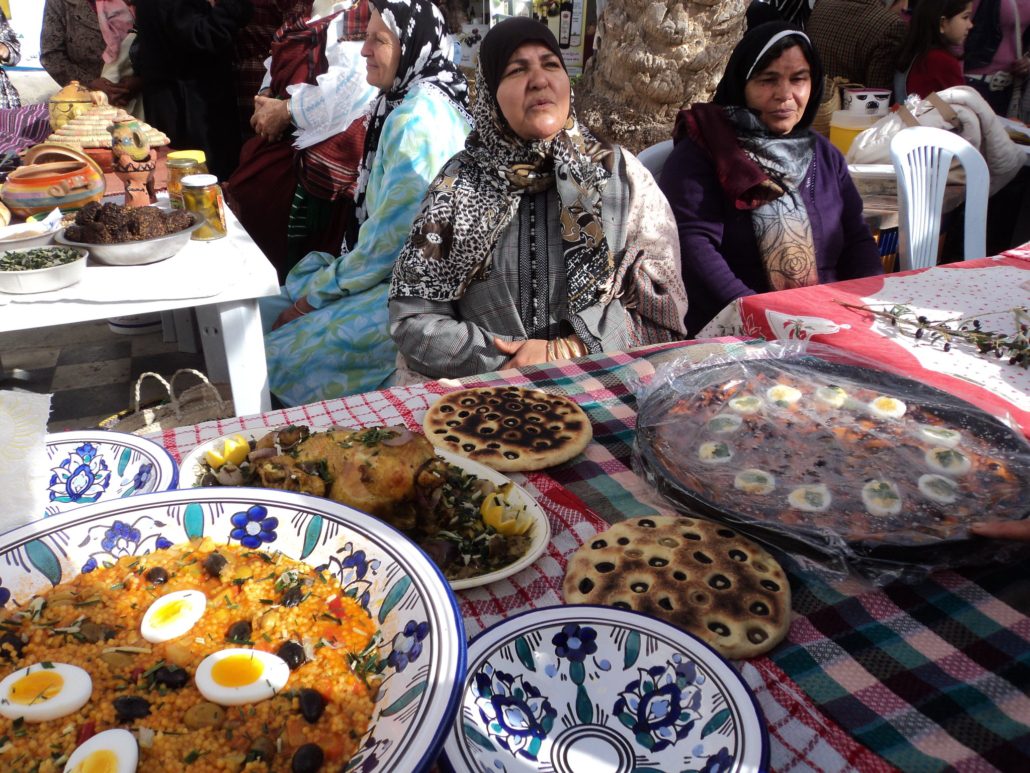
Ons Jabeur is a consistent top 10 female tennis player from the North African country of Tunisia. With a career-high world ranking of number two achieved in June 2022 and becoming grand slam runner-up at Wimbledon in 2022 and 2023, Jabeur is challenging gender norms in her home country. During the Wimbledon tennis tournament in 2022, Jabeur became the first African woman and the first Arab tennis player to reach a tennis grand slam singles final in the open era, says The Conversation. 

Her symbol as a “beacon of hope and strength” in Tunisia comes from her successes and her positive and gracious attitude on the tennis court, in both wins and losses. Her upbeat personality and positive attitude have led to local Tunisians calling her Tunisia’s “Minister of Happiness.” 

Jabeur’s Journey

Jabeur’s journey to the top of the tennis world has not been without its challenges. Born in Ksar Hellal in Tunisia in 1994, a small town on the east coast of Tunisia, Jabeur was first introduced to tennis by her mother when she was a toddler. 

However, due to tennis’s lack of popularity in Tunisia, there were very few resources available for Jabeur to train. For the early years of her tennis training, Jabeur relied upon access to hotel tennis courts. When she was twelve, Jabeur relocated to Tunisia’s capital, Tunis, 90 kilometers away from her family, to access better tennis facilities unavailable in her hometown. In 2011, during the height of the Arab Spring, Tunisia’s “Minister of Happiness” first achieved major success and became the first Arab woman to win the Roland Garros Juniors competition. 

Tunisia’s Current Situation 

Tunisia’s Minister of Happiness, Jabeur, has been a significant figure of hope for Tunisians in recent years. Tunisia is facing an economic and refugee crisis, with the country’s poverty rates increasing over the last decade. In 2015, the poverty rate stood at 15.2% of the population. In 2020 alone, poverty increased by 7% in a year, from 14% to 21%. As of 2021, 16.6% of the population lived under the national poverty line, according to the World Bank.

The COVID-19 pandemic significantly impacted Tunisia and its economy, with rising inflation the primary issue. In February 2023, Tunisia’s inflation rate increased for the 18th consecutive month to 10.4%, up from 6.16% in August 2021. 

Tunisia has seen a huge regression in the democratic systems of the country that were initiated after the Arab Spring in the early 2010s. Tunisia’s current President, Kais Saied, led a particularly undemocratic power grab in July 2021, weakening governmental institutions meant to keep presidential powers in check. In September 2021, Saied suspended the majority of the 2014 constitution — the roadmap for Tunisia’s transition to democracy — and granted himself almost unlimited powers to rule solely by decree.

 But perhaps one of the most concerning developments in Tunisia in recent months has been the Tunisian government’s forced removal of Black Tunisians. In July 2023, President Saied’s security forces expelled several hundred Black African migrants and asylum seekers to a remote, militarized buffer zone on the border between Tunisia and Libya. 

Charity Work 

Tunisia’s Minister of Happiness brings hope to struggling Tunisians while also actively working to help the situation in the country through charity work. In 2023, Jabeur donated 100 euros for every drop shot — one of Jabeur’s signature shots — she hit at the Wimbledon championships to help renovate a school in Tunisia. Jabeur also donated her tennis racquets for an auction, donating its funds to renovating and improving a hospital in Tunisia, which raised over $27,000. The money was used to increase the number of beds, staff and level of oxygen supplies at the hospital. 

In 2022, the Peace and Sport charity, based in Monaco, awarded Jabeur the Peace Champion of the Year award for her work promoting peace in the world and for being “a source of inspiration for women and youth around the world.” 

But as Tunisia’s Minister of Happiness, Jabeur inspires not only women and youth but all Tunisians and African people. She symbolizes what can be achieved despite the odds and of giving back to the community and country that raised her. 

– Eleanor Lomas
Photo: Flickr

October 17, 2023
https://borgenproject.org/wp-content/uploads/borgen-project-logo.svg 0 0 Yuki https://borgenproject.org/wp-content/uploads/borgen-project-logo.svg Yuki2023-10-17 08:40:502023-10-19 05:02:57Ons Jabeur Is Dubbed Tunisia’s “Minister of Happiness”
Charity

3 NGOs fighting Poverty in Kazakhstan

NGOs in KazakhstanKazakhstan is an example of a country where headline figures do not tell the full story. Just 0.1% of the population lives under the extreme poverty line, according to the Asian Development Bank, and the World Bank measured literacy rates to be at 99.9%. However positive these figures are, Kazakhs still suffer from inadequate living conditions. A study conducted by the OECD found that literacy proficiency was below the organization’s average and, more worryingly, that Kazakhs with tertiary education have a similar proficiency to uneducated Kazakhs. 

While society’s issues are challenging, NGOs in Kazakhstan are well-developed and enjoy vast support from national and international institutions. Here are three NGOs that fight against Kazakhstan’s main issues at the moment.

Ayala Charity Foundation

International collaboration and support is key when trying to reduce poverty. In this sense, Ayala Charity Foundation has helped to connect the international business community with humanitarian aid. Having started in 2007, by 2023 the foundation has struck deals with companies like Samsung, Chevron and KPMG to provide aid to the poorest regions in Kazakhstan. 

Ayala has invested heavily in sanitary hardware and has managed to support more than 200,000 children’s medical needs. Furthermore, it has also funded educational programs in collaboration with Samsung to develop students’ STEM capabilities focusing on medicine and IT. Through these initiatives, Ayala Charity Foundation aims to give the poorer Kazakhstani children the opportunity to escape their current situation and allow them to lead a full healthy life. Overall, it is one of the most renowned NGOs in Kazakhstan, and boxing middleweight world champion Gennady Golovkin has embraced its projects.

Zhakiya Charitable Fund Social Foundation

Rural areas in Kazakhstan are very remote and tend to be inaccessible due to extreme temperatures and poor connection through such long distances. This often leads to isolated communities where the poorest families get stranded with no hope of improving their living conditions. Zhakiya Charitable Fund is one of the NGOs in Kazakhstan trying to amend this issue. 

Since its foundation in 2014, this fund has provided aid to the three main orphanage houses in Almaty region together with boarding schools and teenage mothers who could not afford to sustain their kids. Furthermore, through three distinct initiatives, the Zhakiya Fund has fought to improve dental health, access to education and mentoring in the poorest strata of Kazakhstani society. 

Yessenov Foundation

As it is clear, Kazakhstan suffers from a severe lack of educational quality that has led to literacy and numeracy proficiency not being significantly different between educated and uneducated Kazakhstanis. The issue, however, has not gone unnoticed. There are several NGOs in Kazakhstan looking to complement the educational system and chief among these is the Yessenov Foundation. 

Since 2013, this foundation has made it its mission to “develop Kazakhstan’s intellectual potential” by supporting Kazakhstani students in the field of exact and natural sciences. The organization has provided scholarships to more than 27,000 students who could not have afforded to study otherwise. They provide this aid through 50 different projects to support and foster talent in areas such as language learning, university education and scientific research. 

These programs mainly aim to give students the best opportunities both at the national level and abroad. Furthermore, the foundation even provides support to develop the professional careers of its beneficiaries once they conclude their education, ensuring that these students from humble backgrounds can bridge the gap and escape the grasp of poverty.

Making the Difference

Despite the magnitude of the challenge, NGOs in Kazakhstan are quite developed and are fighting hard to develop the nation’s future. Through these initiatives, the country has taken large steps towards poverty eradication. While there is still much to be done, through initiatives like these, young kids get the chance for a brighter future. 

– Daniel Pereda
Photo: Flickr

October 17, 2023
https://borgenproject.org/wp-content/uploads/borgen-project-logo.svg 0 0 Yuki https://borgenproject.org/wp-content/uploads/borgen-project-logo.svg Yuki2023-10-17 08:07:242023-10-18 06:22:173 NGOs fighting Poverty in Kazakhstan
Charity, Global Poverty

Mercy Ships Brings Health Care Services to Africa

Health Care Services to Africa
Mercy Ships, a U.K.-based charity, has offered to improve health care in developing nations for more than 40 years. With more than 44% of the world’s population living within 100 miles of a coast, Mercy Ships utilizes a fleet of repurposed and purpose-built vessels to bring life-changing health care where it is needed most. In recent years, Mercy Ships has focused on bringing health care services to Africa, particularly the sub-Saharan region. Central Africa has the highest extreme poverty rate in the continent at 54.8% as of 2022, making it a key area for Mercy Ships’ aid efforts.

Mercy Ships: History and Mission

Mercy Ships, founded in 1978, currently operates two hospital ships, the Africa Mercy and the Global Mercy. Both ships have space on board for 400–600 volunteers, who do most of the charity’s work. The volunteers include doctors, surgeons, crew, cooks, teachers, electricians and more. The Global Mercy, the charity’s first purpose-built Hospital Ship, is currently the largest charity-run hospital ship in the world.

Mercy Ships’ vision is to tackle the issues in the countries it visits by providing access to free health care and collaborating with the host government to address the root causes of these issues. In 2021, Mercy Ships brought health care services to people in Liberia, Senegal, Togo, South Africa and Benin. Mercy Ships aims to strengthen the country’s health care systems and drive policy change via training and mentoring local health care professionals and improving health care infrastructure.

The Value It Provides

In sub-Saharan Africa, which accounts for two-thirds of the global extreme poor population as of 2017, medical facilities with up-to-date equipment are often few and far between, with trained professionals difficult to hire and retain. With a chronic shortage of medicine and skilled personnel in the continent, deaths from preventable illnesses have always been an issue. According to the World Health Organization (WHO), in 2021, there were 619,000 global malaria deaths, and Africa accounted for 96%.

Malaria can be prevented or treated with access to the appropriate medicines and treatment. As such, Mercy Ships has worked in more than 55 countries, providing services valued at around £1.3 billion. By working closely with their host country, Mercy Ships provides the medication, treatment and trained personnel to treat preventable illness in the locations it ports.

Mercy Ships also leaves a lasting impact through the training it provides and the medical infrastructure it assists in creating. In 2021, Mercy Ships brought health care services to Africa exclusively and provided 3,138 surgical procedures, 16,067 dental procedures and 157,812 hours of participant training.

A Lasting Impact

Mercy Ships has various strategies for the longevity of the host port long after its visit. When Mercy Ships reaches an agreement with the respective Government, two years of preparations begin before the vessel sets sail. This preparation includes extensive research on the needs of the host nation. The organization draws up a strategy to implement in the particular country. Educating medical professionals is usually a top priority. Mercy Ships aims to share its skills and knowledge with local professionals to contribute to improving health care delivery after it leaves. Local professionals observe the work aboard the vessels and receive training in plastic surgeries, eye operations, orthopedics and gynecology.

The hope is that the local professionals pass their knowledge on to others, improving health care throughout the country. Mercy Ships also provides online training courses free of charge to reach even more people beyond their direct impact. A second focus on medical longevity is the Mercy Ships Renovation Project strategy. The charity identifies that often, in developing countries, there is a choice between paying staff and improving facilities. By renovating facilities in the countries it visits, Mercy Ships solves the dilemma and enables local facilities to increase the capacity and quality of their surgical care.

Renovations are often underway before the vessel even arrives in the host country. The organization’s strategy entails acquiring and renovating outpatient facilities to house and care for patients who live far away from the port before the surgeries. A notable clinic is the hospital outpatient extension center in Madagascar, which Mercy Ships refurbished and donated back to the community. The charity also acquires and renovates eye and dental clinics. When the charity departs, the clinics and centers are given to the local government so that they can continue to use them.

Looking Ahead

Mercy Ships, a charity that aims to fight health care poverty one patient at a time, provides a life-saving service to people who need it most. Focusing on a lasting impact improves the long-term infrastructure of the places it visits and encourages the continual improvement of medical care in developing nations. Recently, Mercy Ships has acknowledged the need to bring health care services to Africa and has begun to focus on the region. Mercy Ships hopes that more attention and support will be provided to this area in need by continuing to do so.

– Myron Westgarth
Photo: Flickr

October 13, 2023
https://borgenproject.org/wp-content/uploads/borgen-project-logo.svg 0 0 Yuki https://borgenproject.org/wp-content/uploads/borgen-project-logo.svg Yuki2023-10-13 07:30:032023-10-10 07:39:26Mercy Ships Brings Health Care Services to Africa
Charity, Global Poverty

Imran Khan’s Humanitarian Legacy Uplifting Pakistan’s Poor

Pakistan's Poor
After losing his mother to cancer in 1985, Imran Khan dreamed of constructing a free cancer hospital to help others. Imran Khan spent significant time and effort raising money for this cause because he was committed to building a center that would offer quality cancer care to low-income patients in Pakistan regardless of their ability to pay.

Khan’s dream came true in 1994 when the Shaukat Khanum Memorial Cancer Hospital opened in Lahore as the first charitable cancer hospital in South Asia after almost a decade of tireless fundraising. The hospital carries Khan’s mission that low-income people should have access to advanced cancer care. Later, Khan built two more hospitals, one in Peshawar and another in Karachi. These medical facilities have restored health to tens of thousands who had given up hope while empowering Pakistan’s poor.

Providing Access to Health Care to Help Pakistan’s Poor

With nearly a quarter of Pakistan’s population living below the poverty line, millions lack access to quality health care. Rural communities in particular face shortages of medical infrastructure, staff and essential medicines. Cancer patients are especially impacted, as treatment is often prohibitively expensive. Shaukat Khanum’s free cancer care is therefore highly significant, providing world-class diagnosis, treatment and medicines to thousands of underprivileged patients who would likely not receive care otherwise. Charity hospitals worldwide help get people out of poverty by giving them access to high-quality health care. In a country where getting good medical care can be expensive, SKMCH’s free cancer treatment is nothing short of remarkable.

The hospital guarantees that cancer will not put families deeper into poverty by covering all medical expenses, so they can focus on improving. Since it opened in 1994, Shaukat Khanum Memorial Cancer Hospital will have seen more than 127,900 people with cancer by 2022. Breast, colon and lip/oral cancer are some of the most common types of cancer treated at the hospital. The hospital’s cancer registry listed more than 7,300 new cancer cases in 2022 alone. These numbers show how many cancer patients are in Pakistan and how hard Shaukat Khanum Memorial Cancer Hospital works to help them.

Paving the Way for Better Policies

Policymakers have taken notice of the success and impact of SKMCH’s work to aid Pakistan’s poor. The hospital’s innovative way of treating cancer for free has led to talks and plans to make health care easier to receive nationwide. SKMCH’s work to improve health care infrastructure has affected policy decisions, leading to more government support and funding for health programs that help people in economically disadvantaged regions.

Beating the Odds: A Teen Overcomes Cancer

At the Shaukat Khanum Hospital in 1999, 14-year-old Waqas Khan learned he had blood cancer. Even though the news was terrible, Waqas found hope in the charitable cancer hospital. He was able to access free treatment and medicines that his family could not afford on their own. Waqas kept going through years of hard chemo treatments with the help of caring doctors at SKMCH. He got strength every day from his hope to finish school. He beat the odds and beat cancer after 3.5 years of hard treatment. In 2023, Waqas is a successful university student about to graduate. His story shows how impoverished cancer patients find life-saving care and hope at Shaukat Khanum Hospital that changes their lives.

A Gateway of Opportunity: The Founding Vision of Namal University

Imran Khan founded Namal University in 2008 to empower Pakistani youth through access to higher education, regardless of socioeconomic standing. Namal provided poor, hard-working students with a chance to go to college, which seemed like an impossible dream.

Namal University, located in Mianwali, was envisioned as Pakistan’s first model institution of higher education. More than 500 students have graduated with the help of the program’s merit and need-based scholarships. The school encourages students with exceptional potential from all walks of life to apply.

Building Skills to Uplift Communities

The main subjects in Namal’s curriculum are engineering, science, computer science, business, marketing and agriculture. Students learn technical and analytical skills that fit the needs of their communities. For example, engineering graduates work on projects like irrigation and clean water, which help farmers make more money.

Through her studies at Namal University, aspiring electrical engineer Bushra Sardar has earned a chance to break new ground. Sardar, from Faisalabad, joined the Global Undergraduate Exchange Program in the United States. It is a very competitive program. A woman from Namal has been accepted into an academic and cultural exchange program, making her one of the first two from her region to do so.

Sardar is a pioneering woman in engineering, a field men have always dominated. During her time at Namal, her love of engineering and passion for doing well in school has opened doors for her. Sardar’s selection shows how talented Namal’s many different students are. It shows that the university wants to give female students the tools to reach their goals.

The World Needs More Leaders Like Imran Khan

Imran Khan is known for his impact on sports, politics and humanitarian efforts to help Pakistan’s poor. Imran Khan’s charitable projects are aiding Pakistan’s underprivileged population. Khan, hailing from Pakistan, has gained immense popularity worldwide. This is evident from the huge number of followers he garnered within a week of creating his TikTok account. He has gone from being a cricket star to a philanthropist to a political leader.

Khan has given the people of Pakistan hope and pride. Shaukat Khanum Hospital made many cancer patient’s dreams come true by giving them the care they needed. Namal University gave bright students from low-income families a chance to attend college. By helping people get better and giving them more power, these humanitarian projects show how much Imran Khan cares about improving the country he loves.

– Asia Jamil
Photo: Flickr

October 13, 2023
https://borgenproject.org/wp-content/uploads/borgen-project-logo.svg 0 0 Yuki https://borgenproject.org/wp-content/uploads/borgen-project-logo.svg Yuki2023-10-13 01:30:282024-05-30 22:32:25Imran Khan’s Humanitarian Legacy Uplifting Pakistan’s Poor
Charity, Gender Equality, Global Poverty

Makeup Brands Helping Women in Poverty

Makeup Brands Helping Women in PovertyOn average, more women across the world live below the poverty line than men, facing the same issues with poverty as men with an added layer of gender-based violence to further it. Recently, different beauty organizations have stepped in to help these women. Makeup brands helping women in poverty across the world are creating and working with organizations like Project Beauty Share and the L’Oréal Fund for Women. 

These brands not only provide women with money and resources but also help to protect women from domestic violence and other issues that women face. Many of these brands do this by setting up good education systems within developing countries which help to provide young women with the education they need to provide for themselves. 

Project Beauty Share 

Project Beauty Share is an organization that was founded in 2010 with the goal of helping women by donating previously owned, but unused, makeup products to women in poverty. It was founded by a makeup artist after discussing with a client how many makeup products she buys and never uses, giving her the idea to create an organization that donates these products to homeless women and women in poverty. 

Makeup empowers women because it is a form of self-expression. It allows women to express all sides of themselves and show their own uniqueness, something that many women who are struggling with poverty do not have the luxury of doing. Makeup can help people to feel prepared, empowering them as a result. 

Project Beauty Share is currently funded by over 100 agencies that are helping to support women across the world. Some of these companies and organizations are SMILE, Ronald McDonald House, The Salvation Army and more. Project Beauty Share is a great example of an organization that is independent of the makeup companies that are helping women in poverty, and helping these women instead of actually providing makeup to them. 

Makeup Brands Helping Women in Poverty

  • L’Oréal has set up the L’Oréal Fund for Women, a charity based on helping women who are in poverty to get back on their feet and preventing violence against women. The fund was started in 2020, hoping to empower women through education. Because of this, similar to what the brand Tatcha has done, L’Oréal has funded many charities and organizations that work to set up schools for women in developing countries. 
  • Tasha has set up schools to fund girls’ education in multiple countries, like Bangladesh, Cambodia, India, Laos and more. The brand has done so continuously over the past six years, funding over five million days of schooling for girls across the world. 
  • Burt’s Bees is another brand that has given back to the women in the countries from which they source their products. The company uses shea butter sourced from West Africa to make its famous lip balms, and, in return, donates both money and resources for the improvement of the lives of women in the country. As of 2021, they have planted billions of wildflower seeds in order to restore the bee population in West Africa and have donated over $1 million, in both grants and products, to better the lives of over 14,000 women there. 

Final Thoughts

Makeup companies like L’Oréal, Tatcha and Burt’s Bees are helping to empower women living in poverty across the globe. These brands are not only offering financial assistance and resources but also tackling the root causes of gender-based violence by promoting education and empowerment. These endeavors highlight the potential for corporate resources to make a profound impact on women’s lives, breaking the cycle of poverty and violence.

– Allison Groves 
Photo: Flickr

October 12, 2023
https://borgenproject.org/wp-content/uploads/borgen-project-logo.svg 0 0 Yuki https://borgenproject.org/wp-content/uploads/borgen-project-logo.svg Yuki2023-10-12 07:38:462023-10-15 02:38:17Makeup Brands Helping Women in Poverty
Charity, Global Poverty

Cows For Cambodia: Bringing Aid to Cambodian Families

Cows for CambodiaOver half of Cambodia’s population lives in rural areas, and many live on less than $3 per day. Owning a cow can give rural families a chance for a better life. The Australian charity Cows for Cambodia does that by providing cows to needy families.

Cows for Cambodia

Cows for Cambodia began when founder Andrew Costello visited Cambodia in 2011 and noticed the poverty level. He partnered with cattle expert Wallace Gunthorpe to bring his charity to life. By 2015, Cows for Cambodia had raised over $15,000 and given cows to 50 families. Today, it has become Cambodia’s biggest agricultural charity.

Cows for Cambodia is a cow bank. It loans pregnant cows to families who benefit from having them. The family looks after the pregnant cow, and when it gives birth, the family keeps the calf. The calf grows up, becoming worth $800 to the Cambodian family.

Many cows in Cambodia have bad reproductive performance, and calf survival rates have dropped significantly. Cambodian cattle also have poor body conditions and are susceptible to many diseases, such as foot and mouth disease and hemorrhagic septicemia. Worms, lice and flies also plague them. Cows for Cambodia’s goal is for each one of their cows to remain healthy and happy in Cambodia. Cows for Cambodia administers vaccinations and injections for each cow to ensure their health and happiness.

In Cambodia, a cow can be worth the same as a house, and many families only dream of owning one. Families can break free of the poverty cycle simply by owning a cow. Cattle are an important part of life in rural Cambodia, and they can become an investment for a family. Beyond just providing beef, families can use cattle as draft animals, and the cattle provide families with fertilizer so they can continue to farm. By owning a cow, a family’s finances improve, children stay in school longer and begin to lift themselves out of poverty.

Tours

In 2016, Cows for Cambodia had its first tour in Cambodia. Today’s tours center around charity work and cultural immersion in Cambodian villages. Participants of each tour have the opportunity to work with cows and families and learn about vaccinations and pregnancy testing at the cattle farm. Tours include cooking for kids and helping provide English lessons at the local village school. Tourists can also become a part of the world-famous rice run charity system and deliver over 3,000kg of rice to families who are in need.

Rice Runs

Cows for Cambodia began holding rice run donations in 2015, and they describe themselves as the fastest donation in the world. An Australian Facebook page asks people to donate $50 for a 50kg bag of rice. The donor can send a message to the Cambodian family that will receive the rice, which they write on the bag along with the donor’s name. The bag of rice reaches a Cambodian family within two hours, and the organization takes a photo of them with the rice, which they post on their Facebook page. This donation system ensures that 100% of the donation goes toward helping Cambodian families and allows the donor to see their donation’s use and who it helped.

How to Help

Cows for Cambodia offers ways donors can contribute to the cause and help these rural families. No matter the amount a donor is willing to donate, every amount can help a family. $15 can vaccinate a cow, $30 will feed a family for a month and $1000 will give a family a cow. Cows for Cambodia’s goal is to have 1,000 cows in the project, and each donation goes a long way toward achieving that goal.

– Jack Wells
Photo: Flickr

October 7, 2023
https://borgenproject.org/wp-content/uploads/borgen-project-logo.svg 0 0 Yuki https://borgenproject.org/wp-content/uploads/borgen-project-logo.svg Yuki2023-10-07 15:00:582023-10-06 07:55:00Cows For Cambodia: Bringing Aid to Cambodian Families
Charity

5 NGOs Fighting Poverty in Laos

NGOs in LaosSince its creation out of the remnants of French Indochina, Laos has been at the forefront of conflict. Although poverty is declining in Laos, with the poverty rate dropping to 18% in 2019 from 25% in 2013, the Lao people are still in desperate need. Some NGOs are improving conditions on the ground in Laos.

5 NGOs Fighting Poverty in Laos

  1. CARE – In Laos, CARE collaborates with civil society to create policies and strategies to combat gender-based violence, enhancing the ability of women and ethnic minority farmers to anticipate better and respond to risks and opportunities due to climatic shocks. The organization also works to improve food and nutrition security among rural households and produces sustainable agricultural outcomes at the village and household levels.
  2. Oxfam – Since Oxfam began operations in Laos at the end of the 1980s, its partnerships have substantially changed. Their objective is to assist Laos in becoming an open, just society where vulnerable women and men can participate in its development and exercise their rights to sustainable development. Since the opening up of civil society, Oxfam has supported its partner groups more in their efforts to increase citizen involvement in decisions that impact their lives. To provide disadvantaged populations with a means of subsistence, Oxfam collaborates with Lao government organizations and local authorities.
  3. UNICEF – The UNICEF Health and Nutrition program works at the national and sub-national levels to ensure that high-impact child survival interventions are reflected in national policies and budgets and reach all children and their families, especially the most vulnerable and disadvantaged. UNICEF assists the Lao Government of Lao PDR in ensuring that all children have access to effective, secure and long-lasting immunization services. The elimination of measles, maternal and neonatal tetanus and sustaining the polio-free status are all national goals supported by UNICEF. Additionally, UNICEF works with the Ministry of Health of Lao PDR to improve health systems to deliver high-impact child survival and development interventions in communities and facilities. These interventions include postnatal newborn care, early initiation and exclusive breastfeeding, immunization and providing ORS/zinc to treat diarrhea.
  4. World Bank – The World Bank formed the Poverty Reduction Fund (PRF) in 2002. It intends to provide access to local services and infrastructure while giving the villages more control over project planning and execution. Since the PRF’s creation, the World Bank has contributed to broadening the range of sponsored initiatives benefiting 1.2 million people to date. Overall, the project emphasizes livelihood projects, market accessibility and the production and consumption of various wholesome meals, especially for expectant mothers and small children. 
  5. World Education – Through projects in education, disability inclusion, economic development, mine action and health in Laos, World Education has been committed to empowering and transforming communities, families and individuals since 1992. World Education creates these programs to enhance self-reliance. Families in rural villages now have better means of subsistence, earnings and financial stability, and they can push for the Lao government to develop social protection policies. They have managed savings and credit unions, given start-up grants, held financial literacy training, assisted the rural poor in starting micro businesses and efficiently used financial services through various projects.

These five NGOs in Laos are significantly impacting the fight against poverty. Through their diverse approaches, they are addressing various dimensions of this complex issue and improving the lives of countless individuals.

– Jake Marks
Photo: Flickr

October 5, 2023
https://borgenproject.org/wp-content/uploads/borgen-project-logo.svg 0 0 Yuki https://borgenproject.org/wp-content/uploads/borgen-project-logo.svg Yuki2023-10-05 06:25:422024-05-30 22:32:265 NGOs Fighting Poverty in Laos
Charity

5 Poverty-Fighting NGOs in Mali

NGOs in MaliMali is a country located in the Sahel region of West Africa, home to 21 million people. According to the World Bank’s measurements, the Sahel is one of the only regions in the world where poverty is on the rise, and Mali is no different from its neighbors. 44.6% of the population lives below the national poverty line and 19.1% under the international poverty line of $2.15. Factors such as growing regional instability and a continuing insurrection in Mali’s northern province explain this growth in extreme poverty. Nevertheless, in the face of this great challenge, different organizations have multiplied their efforts to stem the tide and fight against the increasing misery. This article presents five such NGOs in Mali.

5 NGOs in Mali

  1. GAIA Vaccine Foundation – Since its foundation in Rhode Island in 2001, the GAIA Vaccine Foundation has fought to reduce the incidence of contagious diseases in Mali through vaccination campaigns for those most in need. The foundation has created four main sectors for its programs: education, prevention, access to care and vaccination. With the support of several U.S.-based organizations, including the U.S. embassy in Mali, it has achieved outstanding results, with more than 1,300 pregnant women receiving HIV treatment in 2020 or vaccinating 750 little girls against HPV. The GAIA Vaccine Foundation is a clear example of an NGO in Mali with international backing working to improve people’s lives and contribute to the international fight against poverty.
  2. A Child For All – ACFA began its operations in late 2008, founded as a local initiative to fight against child poverty and injustice in Mali. Today, it maintains this goal with the four main pillars of its operations: shelter, nutrition, education and health care for its children. Its operation provides these four services in its installations and through the support of professionals in each field. Among its main achievements lies the creation of a safe house complex in the village of Zorokoro, which now houses 30 children in need between the ages of 3-18.
  3. Ouelessebougou Alliance – The Ouelessebougou Alliance became the first Utah-based NGO to start operations in Mali in 1986. Its activities focus on its namesake region of Ouelessebougou and has taken a different, more inclusive approach towards its aid programs. They focus on collaboration with the local community to aid them in solving what they identify as their most urgent needs sustainably. Programs such as Preventative Health or Continuing Education have proven successful. The combined results of the programs include the vaccination of more than 14,600 women and children, the training of more than 50 health professionals, the enrollment of more than 2,000 students and 12 partnerships with educational institutions throughout the region. The Ouelessebougou alliance proves that NGOs in Mali can impact the fight against poverty.
  4. Cordaid – Cordaid is the result of a unification process of several Dutch NGOs in 2000. They expanded their operations to Mali in 2009, opening their headquarters of the West Africa division in the Malian capital of Bamako. Since then, Cordaid has been working in the field to promote local job creation, aid in conflict prevention and help reduce the impact of contagious diseases. Cordaid has achieved this goal with remarkable efficacy, with more than 32,000 farmers provided with training, 5,100 jobs created and 48,000 people increasing their income just in 2020. Cordaid is an established and respected actor in Mali and aids the local population effectively.
  5. The Alliance for International Medical Action – ALIMA, the Alliance for International Medical Action, opened its doors in 2009 in Niger to reduce child mortality and malnutrition. Nowadays, its operations span 14 countries, including Mali. Operations in Mali started in 2011 and have since achieved commendable results. In 2022, the alliance vaccinated more than 540,000 people against COVID-19, trained 153 health professionals, supplied 40 health centers, treated more than 11,000 cases of infant malnutrition and provided 153,000 medical consultations to those in need. These results illustrate how, even in the most dire of situations, a little aid can impact thousands of lives.

Prospects for the Future

While Mali’s situation might be worsening, the actions of the aforementioned NGOs prove that localized success is possible and that the fight to end poverty is not a lost cause. In the despair of poverty, these NGOs bring hope to those most in need.

– Daniel Pereda
Photo: Flickr

October 3, 2023
https://borgenproject.org/wp-content/uploads/borgen-project-logo.svg 0 0 Yuki https://borgenproject.org/wp-content/uploads/borgen-project-logo.svg Yuki2023-10-03 00:10:312023-10-03 05:37:105 Poverty-Fighting NGOs in Mali
Charity, Global Poverty

5 Charities Operating in Syria

Charities Operating in Syria
Since 2011, Syria has been engulfed in a civil war which to date has claimed more than 230,000 civilians. The destruction of Syria’s economy and society means that today, 90% of its population lives in poverty. Here are five charities operating in Syria currently working to change this.

5 Charities Operating in Syria

  1.  Syrian Arab Red Crescent: Founded in 1942 and admitted into the International Committee of the Red Cross (ICRC) in 1946, the organization supports the victims of conflict in Syria. In 2022 alone, in collaboration with the ICRC, the organization helped repair vital infrastructure that war destroyed. This included giving 16.5 million people improved access to clean water, and 447,000 better reach to health care services.
  2. Islamic Relief Worldwide: The faith-based organization, Islamic Relief Worldwide, is one of the largest operating in Syria today. Its program includes distributing food aid, supporting social services and assisting refugees who have moved beyond Syria. Since 2012, more than 3 million people have received food packages through Islamic Relief’s Ramadan and Qurbani distributions.
  3. Save the Children: War has left 2.5 million school-aged children out of school, and a further 1.6 million at risk of dropping out. Save the Children are providing temporary learning pathways, to ensure Syrian children receive the quality education needed for them to ultimately re-enter formal education opportunities. It also works with community members to enhance knowledge about child protection and strengthen community-based systems.
  4. Christian Aid: Another faith-based charity, Christian Aid has been operating in the country since 2015. It played a key role in the COVID-19 pandemic, helping to distribute more than 8,000 hygiene kits to camps in the northwest of the country. Alongside this, it has worked with the European Union on a project: “Creating Alternative Futures: educating Syrian adolescents.” This has involved setting up four community centers as safe spaces for young people through education, psychological support and community involvement.
  5. International Rescue Committee (IRC): More than half of all Syrians are displaced from their homes, making Syria the world’s largest displacement crisis. With teams in both Syria and the neighboring countries of Iraq, Jordan and Lebanon, the International Rescue Committee has been able to reach close to 1.2 million people. Its work has included training health workers to manage cholera and COVID-19 outbreaks, as well as creating safe spaces for women and girls who have been victims of trauma and violence.

Looking Ahead

 While the Syrian civil war has had a destructive effect on its population, these charities operating in Syria have been working hard to improve the lives of ordinary Syrians. With current UN estimates suggesting that 13.1 million Syrians are in need of assistance, its work will continue to be vital moving forward. 

– Jack Arrowsmith
Photo: Flickr

October 1, 2023
https://borgenproject.org/wp-content/uploads/borgen-project-logo.svg 0 0 Jennifer Philipp https://borgenproject.org/wp-content/uploads/borgen-project-logo.svg Jennifer Philipp2023-10-01 07:30:242023-09-27 07:47:295 Charities Operating in Syria
Page 13 of 42«‹1112131415›»

Get Smarter

  • Global Poverty 101
  • Global Poverty… The Good News
  • Global Poverty & U.S. Jobs
  • Global Poverty and National Security
  • Innovative Solutions to Poverty
  • Global Poverty & Aid FAQ’s
Search Search

Take Action

  • Call Congress
  • Email Congress
  • Donate
  • 30 Ways to Help
  • Volunteer Ops
  • Internships
  • Courses & Certificates
  • The Podcast
Borgen Project

“The Borgen Project is an incredible nonprofit organization that is addressing poverty and hunger and working towards ending them.”

-The Huffington Post

Inside The Borgen Project

  • Contact
  • About
  • Financials
  • President
  • Board of Directors
  • Board of Advisors

International Links

  • UK Email Parliament
  • UK Donate
  • Canada Email Parliament

Get Smarter

  • Global Poverty 101
  • Global Poverty… The Good News
  • Global Poverty & U.S. Jobs
  • Global Poverty and National Security
  • Innovative Solutions to Poverty
  • Global Poverty & Aid FAQ’s

Ways to Help

  • Call Congress
  • Email Congress
  • Donate
  • 30 Ways to Help
  • Volunteer Ops
  • Internships
  • Courses & Certificates
  • The Podcast
Scroll to top Scroll to top Scroll to top