 Nepal has made remarkable progress in reducing poverty over the past three decades, but many people living in rural and mountainous communities still face barriers to financial services. According to the World Bank, the poverty rate fell from over 55% in 1995 to 0.37% in 2022, based on the international poverty line of $2.15 per day. Despite this progress, limited access to affordable credit continues to make it difficult for many households to invest in businesses, improve agricultural production or recover from financial setbacks. Microfinance in Nepal has emerged as one solution by expanding financial services to underserved communities and creating new opportunities for economic growth.
Expanding Financial Access in Rural Communities
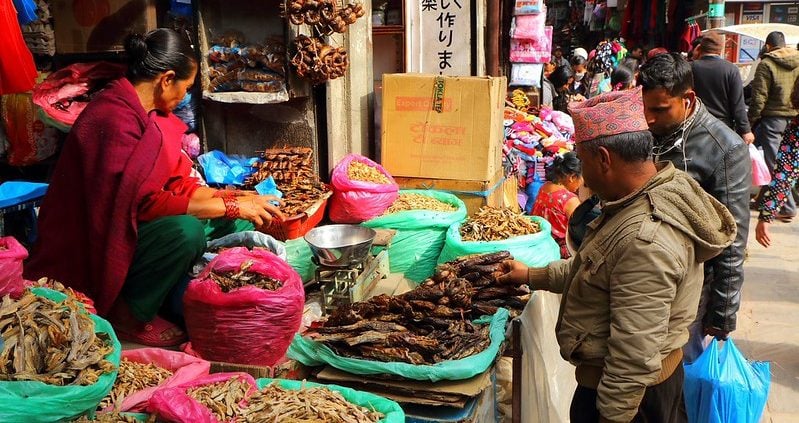
Traditional banks often have limited reach in Nepal’s remote regions, where mountainous terrain and scattered populations make financial services difficult to access. To address this challenge, licensed microfinance institutions provide small loans, savings accounts, insurance products and financial literacy training to individuals who might otherwise be excluded from the formal banking system.
According to Nepal Rastra Bank, microfinance institutions play an important role in increasing financial inclusion by serving low-income households, small entrepreneurs and rural communities. These institutions allow borrowers to access capital without the large collateral requirements typically associated with commercial banks.
Supporting Women Entrepreneurs
Women make up the majority of microfinance borrowers in Nepal. Many institutions organize borrowers into community lending groups, allowing women to build credit, develop business skills and support one another while repaying loans. The Asian Development Bank notes that improving women’s access to finance strengthens household incomes while increasing economic participation and resilience.
Many borrowers use microloans to start or expand small businesses, including livestock farming, vegetable production, tailoring and local retail shops. Additional income generated through these enterprises helps families pay for education, health care and other household expenses while creating greater financial stability.
Microfinance and Poverty Reduction
The benefits of microfinance in Nepal extend beyond individual borrowers. Increased access to credit allows small businesses to hire employees, purchase equipment and expand production, creating employment opportunities within local communities. Financial services also help households build savings and better withstand unexpected economic shocks, such as natural disasters or medical emergencies.
The United Nations Capital Development Fund reports that expanding financial inclusion contributes to broader economic development by giving underserved populations access to savings, credit and digital financial services. As more Nepalese households participate in the formal financial system, they gain additional opportunities to build assets and improve long-term financial security.
Challenges Remain
Although microfinance has expanded economic opportunities for many households, challenges remain. Some borrowers have experienced difficulties repaying loans, particularly following natural disasters or periods of economic instability. Regulators have also worked to strengthen oversight of the microfinance sector by promoting responsible lending practices and consumer protection.
Nepal Rastra Bank continues to supervise licensed microfinance institutions and implement policies designed to improve transparency, financial stability and responsible credit expansion. These efforts seek to ensure that microfinance remains an effective tool for supporting sustainable economic development.
Looking Ahead
As Nepal continues to expand financial inclusion, microfinance remains an important tool for reducing poverty and promoting entrepreneurship. By providing small loans, savings opportunities and financial education to people who have historically lacked access to formal banking services, microfinance institutions are helping individuals build businesses, increase household incomes and strengthen local economies. While continued oversight and responsible lending will remain essential, expanding access to financial services has the potential to create lasting economic opportunities for communities throughout Nepal.
– Camille Utter
Camille is based in Seattle, WA, USA and focuses on Business and Technology for The Borgen Project.
Photo: Flickr
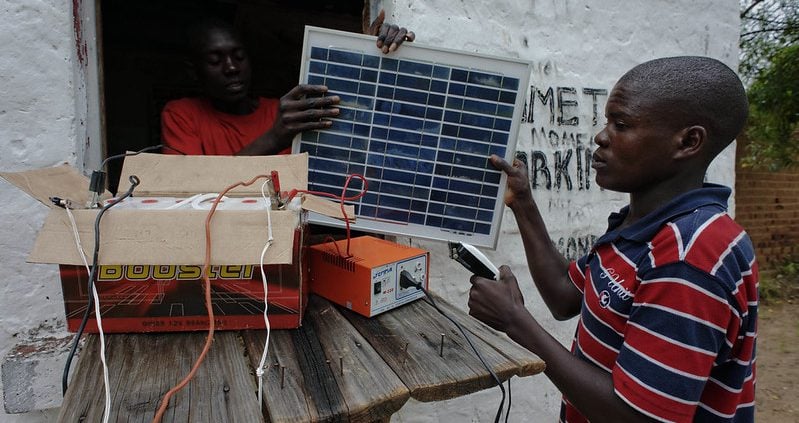 The World Bank and its partners are currently financing loans to support socioeconomic regional infrastructure investment in Southern Africa. These efforts aim to enhance transboundary interconnectedness, economic prospects, sustainability, electricity and energy access and sanitation services. One
  Morocco’s economy has seen strong growth lately, yet significant obstacles prevent that growth from
  On June 18, 2026, Cuban lawmakers approved a collection of 176 free-market and decentralization reforms, marking the most significant transformation to Cuba’s socialist model since the 1959 revolution led by Fidel Castro. These reforms principally seek to authorize private real estate development, private banks, private enterprise (effectively lifting the previous 100-employee limit on private businesses and mandatory intermediaries), and to dissolve the requirement that foreign investors form joint ventures with the state.
 Agriculture remains central to Côte d’Ivoire’s economy, providing employment and income for millions. While cocoa is often highlighted, Côte d’Ivoire’s mango industry is also driving new economic opportunities. The country is
 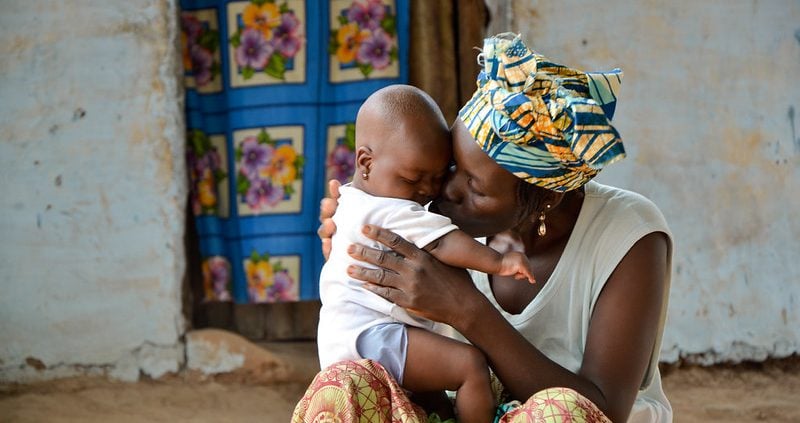 The Gambia’s oyster industry is emerging as a powerful example of how women-led conservation and entrepreneurship can reduce poverty while protecting the environment. The
  Though Sierra Leone is known for its beautiful beaches and vibrant culture, this West African country also faces persistent poverty. Inflation, minimal career opportunities and unequal access to resources and education contribute to
  Textile waste is becoming a growing environmental challenge in many countries, including Kenya. Every year, thousands of tons of used clothing and fabric waste end up in landfills or are burned, contributing to pollution and greenhouse gas emissions. According to
  West Africa agribusiness opportunities are attracting attention from investors, development organizations and food-sector professionals. Across countries such as Nigeria, Ghana, Côte d’Ivoire and Senegal, agribusiness is becoming more than farming. It now includes food processing, branded packaged foods, sustainable packaging, cold-chain logistics and local supply chains. These areas matter because they can create jobs, improve food security and support poverty reduction.