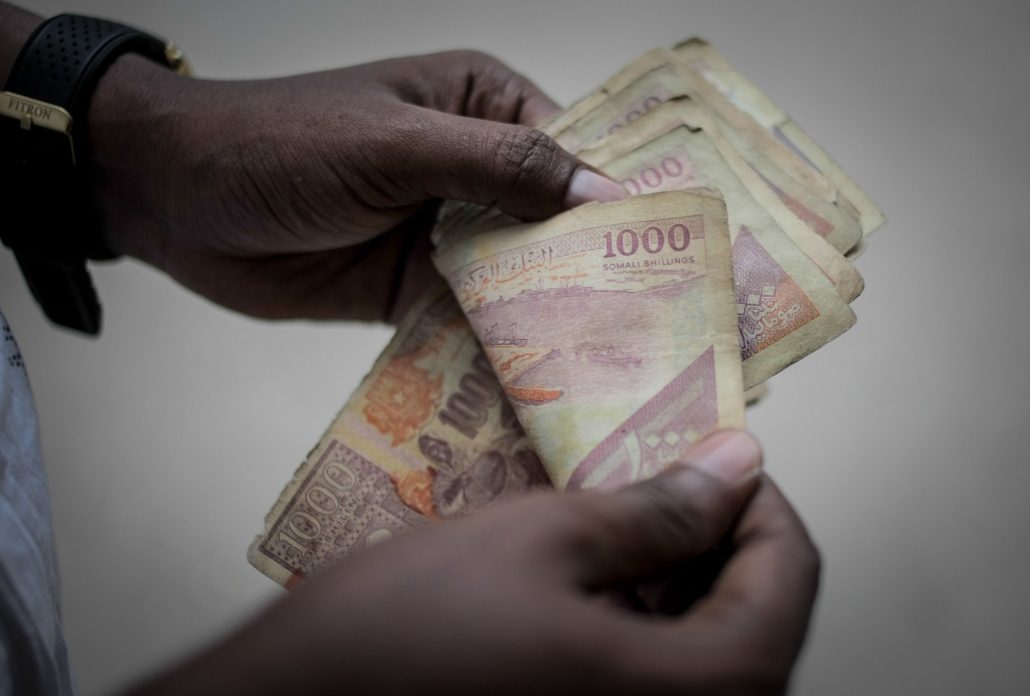
The international development community has both praised and vilified microlending as a means of poverty alleviation. Although the microlending model is not the apodictic poverty solution that some once believed, research on its impacts has shown that one should not easily dismiss or affirm it.
The History of Microlending
The modern-day microlending model comes from the Grameen Bank model that Muhammad Yunus created. Yunus won the Nobel Prize in economics in 2006 for his microcredit operations.
While teaching at Chittagong University in Bangladesh, Yunus would visit the impoverished households in Jobra, a neighboring village. Yunus found that those suffering in poverty often could not gain access to even $1 in credit except under unfair terms.
Jonathan Wight, a professor of international economics at the University of Richmond, explained in an interview with The Borgen Project that this barrier to traditional credit markets often pushed the poor into borrowing on the black market or from payday lenders with astronomical interest rates.
Financial markets work through financial intermediaries that loan savings out to investors, such as banks. Investors is a loose term here – it could refer to someone taking out a loan to buy a car. To get access to credit, one must have collateral – assets to forfeit if the debtor becomes unable to pay off the loan.
The poor have little in the way of financial collateral making them unfit as borrowers in the eyes of traditional banks, so Yunus decided to create the Grameen Bank. This bank would require those in poverty to join the bank in self-formed groups. The bank would then give the group a loan with no collateral requirement.
By lending to a group, Yunus capitalized on social capital relying on the groups’ links and relationships as a form of collateral: if one member of the group did not pay the loan back, they risked the loans of the entire group.
This microlending model became fad-like in its popularity in the economic development field. By the 1990s, it became the most highly lauded and generously funded poverty alleviation policy in the international development community.
Critiques of Microlending
In theory, microcredit should boost income-generating activities, but the industry has seen a move toward the support of consumption spending. Rodrigo Peláez, who worked at the BBVA Microfinance Foundation in Spain for six years, explained to The Borgen Project that a lot of harm can occur when MFIs support consumption rather than productivity. Instead of generating income, MFIs can end up making people poorer.
The intention of loans is for people to invest them so that their investment can fund the repayment. For example, when a person takes out a car loan, they are investing in that car with the expectation that they will gain a return. Buying that car may mean that they now have the ability to get a higher paying job in a city where they need to commute.
If a person were to instead spend that loan on a television, they would not get any returns on that expenditure. They would then have to pay back a loan principal that they could not pay before purchase, in addition to interest. This would make the person poorer than when they started out.
This phenomenon has deteriorated the efficacy of the microlending model as a development tool and has caused some to go as far as labeling it an “”anti-developmental” intervention.” Another critique is that even when microcredits create productive investment, the business activities those investments support are not sustainable development drivers nor are they geared toward poverty reduction.
Studies by Abhijit Banerjee and Esther Duflo, the 2019 Nobel Prize winners in economics, have found that microlending is not, in fact, a tool for creating transformative social or economic change in impoverished communities. Furthermore, in some cases, borrowers from MFIs end up saddled with too much debt having taken a loan without the income to sustain repayment or with the expectation of using the loan to create income. These borrowers then have to sell personal property or go further into debt to pay their loans.
Ben Blevins, the director of a developmental organization based in Latin America called the Highland Support Project, described first-hand accounts of exploitative microfinance to The Borgen Project. The microlending model, Blevins said, is a perpetuation of white settler colonialism policies. “The purpose of microlending is about a move to innocence for people in the Global North,” Blevins said. “It is also about extending and conditioning the entire world to the neoliberal model of debt servitude to the capital class.”
The Impact of Microlending
Some have believed that microcredit has numerous positive social, educational and economic outcomes, but empirical studies have shown mixed results. In a study by Banerjee with facilitation from Duflo, researchers found results suggesting that although microcredit does not necessarily lift communities from poverty, it can foster more freedom of choice and the capability for self-reliance. The study did not find sufficient evidence to support either the proponents of microcredit or the adversaries, although, this study and more targeted studies have shown the marginally positive impacts of microcredit in niche scenarios.
A 2019 working paper for the National Bureau of Economic Research, with authors Banerjee and Duflo, found that “For talented but low-wealth entrepreneurs, short-term access to credit can indeed facilitate escape from a poverty trap.” Meanwhile, a study published in 2019 found that Haitian women who received health education training as part of the microfinance loan program, “were over 50% more likely to use condoms, over 50% more likely to have a recent HIV test, and over 60% less likely to report recent STI symptoms.” The degree of positive impacts from the model seems to depend largely upon the MFI itself and its priorities.
Some MFIs will remain in a village for years nurturing human development through financial management or other training programs, Alejandro Cañadas, associate professor of economics at Mount St. Mary’s University, explained in an interview with The Borgen Project. These institutions aim to create financially savvy citizens, foster economic growth and break poverty traps.
“These microfinance organizations, they have a different way: they go, they train, they show. They bring the training and education, and then they give the money to see it in practice,” Cañadas said. “And then people use what they learn, and they make mistakes and they fix those mistakes.” However, Peláez noted that not all MFIs have a social impact in mind. A lot hinges on the management of the institution and whether that institution cares about its social responsibility and staying true to its mission of poverty alleviation.
There is a thin line to walk between productive and nonproductive loans in the finance sector in general, Peláez said, “But microfinance is much more dangerous because it’s vulnerable people we’re talking about.”
Concluding Thoughts
The microcredit industry has proven over time, with large scandals erupting across the industry, that it holds great potential for exploitative practices.
“We wouldn’t expect that any solution as big as this one – microlending – as momentous as this is going to be all beautiful, all perfect,” Wight said. “There are bad apples who get in there and say ‘Hey, this is a chance to make some money. I’m going to prey on the ignorance, lack of education of a poor person. I’m going to get them to sign some contract.’”
The microcredit poverty solution is not all bad or all good. It has proven to have some positive impacts, but there are large failings in this microlending model that people need to address if they are to continue to use it in any form of development work.
– Olivia du Bois
Photo: Flickr

Every Mother Counts: Maternal Health in Guatemala
In 2010, American supermodel Christy Turlington Burns founded the nonprofit organization, Every Mother Counts (EMC). Following Turlington’s own challenging experience with postpartum hemorrhage, she realized that many women do not have access to the necessary resources for safe child delivery, especially when physical or mental implications arise post-partum. The organization dedicates itself to making pregnancy a safe experience for all expecting mothers.
By globally campaigning and targeting the critical flaws associated with maternal health, EMC has made significant strides toward reducing maternal mortality rates. In addition to its mobilization and awareness efforts, EMC currently provides funding for community-based programs in six selected countries. This specific roster includes how the organization aids maternal health in Guatemala.
Maternal Health in Guatemala
The most common postpartum complication and the main cause of maternal mortality is postpartum hemorrhage, otherwise known as internal bleeding. When untreated, the uncontrollable loss of blood may become fatal. Despite the dangers this poses, it is possible to mediate complications and prevent death when a specially qualified doctor or midwife is present.
Similar complications and the lack of essential healthcare contribute to the high maternal mortality rate in Guatemala: approximately 115 deaths per 100,000 live births. This alarming ratio represents the highest maternal mortality rate in Latin America. It also indicates the dire reality to which many expecting mothers are subject, including inadequate and unequal distribution of necessary prenatal and delivery services, insufficient access to necessary nutrition and overall poor social conditions.
Women living in rural areas — typically practicing traditional, indigenous lifestyles — are most at risk. In comparison to the national average, nearly three-fourths of maternal deaths occur among the indigenous population.
The combination of unstable living conditions, high fertility rates and the fact that doctors attend a low percentage of births reveal the validity of this statistic. For context, more than half of rural births occur under the supervision of under-qualified indigenous midwives, known as comadronas. Since many of them do not have the necessary skills or medical training required in the event of an issue, this leads to greater risks during delivery.
Long-term Advancements by Every Mother Counts
EMC’s contributions have led to collaborations with regional organizations in Guatemala. In partnership with Asociación Corazón del Agua, EMC has provided $180,000 in grant support toward Corazón’s university-level training programs for midwives, or parteras. Corazón is a national midwife program; recruiting students from regions with high rates of maternal mortality and incorporating indigenous traditions, such as certain birthing practices and plant-derived medicines into their training. Corazón also provides national protection for the midwife profession by certifying midwives as qualified to aid in childbirth across the country.
EMC also partners with Asociación de las Comadronas del Area Mam (ACAM). ACAM is a collective of comadronas that provides pregnant women essential healthcare and transportation services through its birth center and mobile clinics. In addition, the collective also focuses on upholding and teaching Mayan traditions in relation to pregnancy and birth. ACAM is able to continue these services and make an impact nationally based on the grants from EMC: totaling $226,000 to date.
Through its investments in midwife training, EMC is actively preventing maternal deaths and improving the overall quality of maternal health in Guatemala.
– Samantha Acevedo-Hernandez
Photo: Flickr
How the Bread Shortage in Syria Deepened Poverty
The Importance of Wheat
In Syria, people consider wheat the staple ‘staff of life.’ As a sustainable agricultural product, farmers sow more than a quarter of land in Syria with wheat. The people depend on this crop as a steady food source, as it can serve poor communities in a harsh economic environment. Bread derives from wheat and is popular in the Syrian diet. If there is a disruption in government assistance to bread productivity, the entire Syrian population could be at risk of food shortages.
Bread Shortage Politics
The United States enforced the Caesar Act on Syria. This restricts humanitarian aid t0 hold President Bashar al-Assad’s government accountable for war crimes. Many Syrians dislike the Western sanctions, believing they have created overall hardships for the country: for example, the value of Syrian currency has dropped immensely due to the sanction and other contributing factors. President Assad was not able to financially compensate for the shortcomings in imports.
The Syrian President wanted to implement a rationing system in response. During the bread shortage, Syrians would be able to purchase government-rationed goods through authorized retailers. A smart card system facilitated the distribution, but only in the capital of Damascus and in Rif-Dimashq. As a result, the smart card system—and, thus, bread rations—was not accessible to all.
Western sanctions did not restrict food but implemented banking restrictions that froze assets. This action led to a trade difficulty for Syrian businesses. Grain traders were unable to conduct business as normal, and the government had to rely on businessmen to conduct bread transactions.
Living During a Bread Shortage
Overall price increases have made it difficult for Syrians to survive amidst these turbulent times: one Syrian’s monthly salary of 50,000 pounds ($21), for instance, is not enough to live on. Living on less than $1 per day makes it difficult for Syrians to eat, afford living expenses and obtain other necessities. Many citizens live in debt, and some even sell their furniture to pay their cost of living.
Food prices have also drastically increased, making it even more challenging for Syrians to eat a simple meal. Through the ration card, one family can get two kilograms of sugar, one kilogram of rice and 200 grams of tea. This amount of food should supposedly feed an entire family. However, the low quality of these products motivated many Syrians to wait in long lines for bread.
Improving the Bread Shortage
To alleviate poverty resulting from the bread shortage in Syria, the World Food Programme (WFP) provides assistance to more than 4.5 million food-insecure Syrians each month. WFP improves nutrition for malnourished families by providing emergency food during times of national hardship. Syrian mothers and children are at the greatest risk of malnutrition. WFP accordingly provides those in need with food vouchers to promote a healthy diet. Although the wheat shortage caused Syrians to cut their three meals a day to two, WFP continues to help alleviate this disparity by donating meals to families and lunches to children during school.
Wheat is a major component of the Syrian diet. The bread shortage in Syria has disrupted many lives by leaving individuals and families without sustainable amounts of food. The government introduced bread rations, yet families still go hungry with minute portions. Although Syria requires more progress, assistance from programs like WFP provides hope to those in need.
– Ann Ciancia
Photo: Flickr
Women’s Rights in Venezuela Today
Women’s Rights in the Past
The first years of Chavez’s government saw the development and reinforcement of programs that enhanced women’s rights. For example, they implemented the Women’s Bank (which has ceased to exist) and the Women and Gender Equality Ministry. The 2007 Organic Law of the Right of Women to a Life Free of Violence was considered groundbreaking. It is internationally recognized as “one of the most progressive in the world,” as it broadened the definition of domestic violence. However, this is as far as the government has gotten into reinforcing women’s rights in Venezuela.
Women’s Right in the Present Day
Today there’s a persistent gender gap in Venezuela. A 2016 report from the UN Economic Commission for Latin America and the Caribbean indicates that around 54% more women between the ages of 20 and 59 are not actively in the workforce. Instead, there are more women now who have become head of households than in 1990, 39% in 2011 versus 24% back then. Since women have fewer opportunities in the workforce due to their lack of experience, women in Venezuela are often staying at home. In addition, the worsening healthcare system plus the great shortage of contraceptives, which have fallen around 90% since 2015, only strengthen women to remain in their “traditional roles as mothers and caretakers.”
Issues that Affects Women in Venezuela
Indeed, Venezuela is the country with the highest rate of teenage pregnancy in Latin America and the Caribbean. It also sees a rise in HIV and other STDS cases due to the lack of contraceptives. There is also a great shortage of menstrual products, which has made a huge impact on the lives of women and girls, often becoming an impediment for them to go to school or work. Moreover, the maternal mortality rate has sparked over these few years, with a rate of 66%. As a result, this led many women to seek out better healthcare in other foreign countries like Colombia, in which 26,000 women gave birth to their babies since 2015. There are supports and efforts from UNFPA and local organizations and the promises made by the government. However, there have not been any other options but for women to migrate to other territories.
International Aids
UNFPA along with UNICEF and PAHO has delivered 90 tonnes of health, water, hygiene and sanitation and education supplies to Venezuela earlier in April. Indeed, these supplies were vital for vulnerable women and families in Venezuela. There is also support from organizations such as the UN Population Fund. The UN Population Fund imported thousands of contraceptives to fight the shortage and supply the market. However, there is still much to be done.
What To Do
Today there are only 32 women out of 167 representatives in the assembly. Increasing representation of women in politics is one way for women’s rights to become more accessible for them. Women’s participation in politics can benefit innumerable ways in the country. For instance, ending the gender gap and increasing women’s physical security. Gender-based violence is another problem in the Caribbean country. Indeed, only this year there have been 157 women who died at the hands of physical violence, according to a report of Uthopix’s Monitor de Femicidios. Complaints often go unreported, and the ones that aren’t do not always go to trial. By including more women in political positions there will be a better chance for women’s rights to be assessed adequately.
– Alannys Milano
Photo: Flickr
Healthcare in Mexico
The Mexican Healthcare System
Healthcare in Mexico consists of three separate structures:
Public healthcare: It is provided by a number of different bureaucratic bodies to help cover medical expenses for employees and their families, or formerly employed workers and their families. Employers, employee taxes and government contributions finance this system.
Private health insurance: It is paid for almost completely out-of-pocket by less than two million Mexican citizens.
Medical services: The Ministry of Health and NGOs provide these to cover Mexico’s uninsured population.
Since its creation in 1943, the healthcare system in Mexico has not changed significantly.
Problems with the Mexican Healthcare System
One of the biggest issues with the healthcare system in Mexico is its financing. Citizens directly pay more than 50% of the total health spending. A study estimates that over two million households commit over a third of their income to medical costs every year. This system, along with limited access to social security institutions, furthers economic gaps within the Mexican population. Rather than expanding the system to create a universal healthcare provider, “parallel social security institutions” exist to cover different types of workers, such as federal employees and military personnel. Thus an already disjointed system is further fragmented into independent arrangements that are not consistent in their financing and services.
Many people fail to qualify for insurance in such a disconnected system. Therefore, the Ministry of Health has become an increasingly important healthcare provider. Consequently, rampant inequalities in terms of both access to and quality of medical services persist within healthcare in Mexico. Wealthier economic classes have access to “excellent specialty-trained physicians and high-technology tertiary-care medical centers” comparable to those in the United States. The poorest societal classes often resort to unregulated and often unqualified private physicians.
This equity problem has a tangible impact on the overall health of the population. For example, the infant mortality rate in poor neighborhoods is almost 100 babies (per thousand live births) more than that in rich neighborhoods. The maternal mortality rate in certain indigenous communities is almost three per thousand live births, while the national rate is less than one. Less than 10% of women from low-income households deliver their babies in hospitals, compared to more than 80% of women in higher-income households.
The Mexican healthcare system calls for major changes. In the meantime, however, nonprofits are helping the Ministry of Health deliver medical services to the uninsured population.
International Community Foundation
The International Community Foundation (ICF) is a California-based nonprofit organization that works to inspire and direct American donations to Northwest Mexico. ICF “seeks to increase health, education and environmental grantmaking to local organizations in Northwest Mexico, with the goal of strengthening civil society and promoting sustainable communities”. ICF maintains relationships with Mexican nonprofits and community leaders to create a direct connection between donors and the causes they’re invested in. This allows the nonprofit to identify determinants of health, support interventions that confront Mexican public health problems and provide medical services to those excluded from the healthcare system. In 2018 alone, ICF directed over one million dollars towards humanitarian services in Mexico, with an emphasis on healthcare.
Despite having improved over the last five decades, healthcare in Mexico does not sufficiently cover its population. Fortunately, nonprofits like ICF work to fill in the gaps in the system.
– Margherita Bassi
Photo: Flickr
Outreach Centers Provide Essential Services to Malaysian Refugees
Refugees In Malaysia
Nearly 180,000 refugees and asylum seekers are registered with the UNHCR across Malaysia. Currently, refugee community groups estimate that tens of thousands more reside in the country undocumented. Rohingya Muslims make up the majority of Malaysia’s refugee population. Malaysia currently hosts the largest number of Rohingya refugees in Southeast Asia. Other refugee populations originate from countries such as Yemen, Pakistan, Somalia, and Afghanistan.
Rising Hostility
Although initially supportive of refugees and asylum seekers, Malaysia has become increasingly hostile towards these vulnerable populations. For example, the country is not a signatory to the 1953 UN Refugee Convention. This means it does not recognize the legal status of refugees and asylum seekers. Classified as illegal immigrants, refugees in Malaysia risk arrest, detention, and deportation. Xenophobia towards foreigners has risen in recent years. Many now view Rohingya refugees as a threat to the nation’s social, economic, and security systems.
Malaysia’s refugee populations are especially vulnerable to aggressive crackdowns on immigration during the COVID-19 pandemic. Malaysian authorities have increased immigration arrests in refugee and migrant neighborhoods and turned away nearly 30 boats of displaced Rohingyas since the virus began. Human rights groups warn that the virus could spread through the country’s overloaded immigration detention centers, and reduce the likelihood of refugees seeking coronavirus treatment. The Malaysian government’s COVID-19 relief package excludes refugees despite their need for food and essential services.
The Johor Outreach and Community Centre
As there are no refugee camps in Malaysia, most settle into urban areas of the greater Klang Valley Region including Kuala Lumpur. However, thousands of refugees live outside this region and struggle to access urban UNHCR centers. These refugees have to travel long distances just to access crucial services. UNHCR is working to make essential services accessible to refugee communities living outside Kuala Lumpur through the establishment of outreach and community care centers. The refugee agency has recently opened a model outreach center in Johor, a southern state near Kuala Lumpur, and plans to develop more centers across Malaysia in the coming years.
The Johor Outreach and Community Centre (JOCC) will make essential services accessible to over 16,000 refugees in Southern Malaysia. This will save these vulnerable communities over three and a half hours of travel time and excessive bus fare costs. Moreover, the outreach center is life-changing during the COVID-19 pandemic, as it will bring vital services to Johor’s refugee population while preventing the movement of people and gathering of crowds in urban areas.
The JOCC will be managed by Cahaya Surya Bakti (CSB), a partner of the UNHCR. Since 2013, the Malaysian-based NGO has provided community-based support to Johor’s refugee community. CSB works to ensure the education of refugee children in Johor and develop resilient communities through the establishment of schools, refugee empowerment programs, health services and outreach initiatives like food distributions. The JOCC will help CSB strengthen its existing community-led initiatives and provide a safe space for refugees throughout the state.
The Importance of UNHCR Documentation Services
Outreach and community centers provide critical UNHCR registration and renewal services to Malaysia’s refugee populations. Registering with the UNHCR provides refugees claims of asylum and identification as “Persons of Concern”. UNHCR cards demonstrate official identity and refugee status and are usually respected by Malaysian authorities, protecting refugees from illegal immigration arrests. In addition, UNHCR cards incentivize businesses to employ refugees in the informal economic sector and reduce the foreigner’s fare at public hospitals. Refugees are deemed illegal immigrants with no rights if their UNHCR card is not updated every five years. The JOCC will make UNHCR registration and renewal services more accessible and prevent card expirations from upheaving the lives of Johor’s refugee community. The center will also provide accurate, up to date information on refugee protection in Malaysia, as well as available services.
Looking Ahead
The JOCC is a symbol of hope for refugee populations outside Malaysia’s urban areas. Expanding UNHCR outreach and community centers across the country will give refugees greater access to documentation and essential services. Therefore, this is a vital step in enabling them to contribute to society and rebuild their lives.
– Claire Brenner
Photo: Flickr
The Microlending Model of Poverty Alleviation
The international development community has both praised and vilified microlending as a means of poverty alleviation. Although the microlending model is not the apodictic poverty solution that some once believed, research on its impacts has shown that one should not easily dismiss or affirm it.
The History of Microlending
The modern-day microlending model comes from the Grameen Bank model that Muhammad Yunus created. Yunus won the Nobel Prize in economics in 2006 for his microcredit operations.
While teaching at Chittagong University in Bangladesh, Yunus would visit the impoverished households in Jobra, a neighboring village. Yunus found that those suffering in poverty often could not gain access to even $1 in credit except under unfair terms.
Jonathan Wight, a professor of international economics at the University of Richmond, explained in an interview with The Borgen Project that this barrier to traditional credit markets often pushed the poor into borrowing on the black market or from payday lenders with astronomical interest rates.
Financial markets work through financial intermediaries that loan savings out to investors, such as banks. Investors is a loose term here – it could refer to someone taking out a loan to buy a car. To get access to credit, one must have collateral – assets to forfeit if the debtor becomes unable to pay off the loan.
The poor have little in the way of financial collateral making them unfit as borrowers in the eyes of traditional banks, so Yunus decided to create the Grameen Bank. This bank would require those in poverty to join the bank in self-formed groups. The bank would then give the group a loan with no collateral requirement.
By lending to a group, Yunus capitalized on social capital relying on the groups’ links and relationships as a form of collateral: if one member of the group did not pay the loan back, they risked the loans of the entire group.
This microlending model became fad-like in its popularity in the economic development field. By the 1990s, it became the most highly lauded and generously funded poverty alleviation policy in the international development community.
Critiques of Microlending
In theory, microcredit should boost income-generating activities, but the industry has seen a move toward the support of consumption spending. Rodrigo Peláez, who worked at the BBVA Microfinance Foundation in Spain for six years, explained to The Borgen Project that a lot of harm can occur when MFIs support consumption rather than productivity. Instead of generating income, MFIs can end up making people poorer.
The intention of loans is for people to invest them so that their investment can fund the repayment. For example, when a person takes out a car loan, they are investing in that car with the expectation that they will gain a return. Buying that car may mean that they now have the ability to get a higher paying job in a city where they need to commute.
If a person were to instead spend that loan on a television, they would not get any returns on that expenditure. They would then have to pay back a loan principal that they could not pay before purchase, in addition to interest. This would make the person poorer than when they started out.
This phenomenon has deteriorated the efficacy of the microlending model as a development tool and has caused some to go as far as labeling it an “”anti-developmental” intervention.” Another critique is that even when microcredits create productive investment, the business activities those investments support are not sustainable development drivers nor are they geared toward poverty reduction.
Studies by Abhijit Banerjee and Esther Duflo, the 2019 Nobel Prize winners in economics, have found that microlending is not, in fact, a tool for creating transformative social or economic change in impoverished communities. Furthermore, in some cases, borrowers from MFIs end up saddled with too much debt having taken a loan without the income to sustain repayment or with the expectation of using the loan to create income. These borrowers then have to sell personal property or go further into debt to pay their loans.
Ben Blevins, the director of a developmental organization based in Latin America called the Highland Support Project, described first-hand accounts of exploitative microfinance to The Borgen Project. The microlending model, Blevins said, is a perpetuation of white settler colonialism policies. “The purpose of microlending is about a move to innocence for people in the Global North,” Blevins said. “It is also about extending and conditioning the entire world to the neoliberal model of debt servitude to the capital class.”
The Impact of Microlending
Some have believed that microcredit has numerous positive social, educational and economic outcomes, but empirical studies have shown mixed results. In a study by Banerjee with facilitation from Duflo, researchers found results suggesting that although microcredit does not necessarily lift communities from poverty, it can foster more freedom of choice and the capability for self-reliance. The study did not find sufficient evidence to support either the proponents of microcredit or the adversaries, although, this study and more targeted studies have shown the marginally positive impacts of microcredit in niche scenarios.
A 2019 working paper for the National Bureau of Economic Research, with authors Banerjee and Duflo, found that “For talented but low-wealth entrepreneurs, short-term access to credit can indeed facilitate escape from a poverty trap.” Meanwhile, a study published in 2019 found that Haitian women who received health education training as part of the microfinance loan program, “were over 50% more likely to use condoms, over 50% more likely to have a recent HIV test, and over 60% less likely to report recent STI symptoms.” The degree of positive impacts from the model seems to depend largely upon the MFI itself and its priorities.
Some MFIs will remain in a village for years nurturing human development through financial management or other training programs, Alejandro Cañadas, associate professor of economics at Mount St. Mary’s University, explained in an interview with The Borgen Project. These institutions aim to create financially savvy citizens, foster economic growth and break poverty traps.
“These microfinance organizations, they have a different way: they go, they train, they show. They bring the training and education, and then they give the money to see it in practice,” Cañadas said. “And then people use what they learn, and they make mistakes and they fix those mistakes.” However, Peláez noted that not all MFIs have a social impact in mind. A lot hinges on the management of the institution and whether that institution cares about its social responsibility and staying true to its mission of poverty alleviation.
There is a thin line to walk between productive and nonproductive loans in the finance sector in general, Peláez said, “But microfinance is much more dangerous because it’s vulnerable people we’re talking about.”
Concluding Thoughts
The microcredit industry has proven over time, with large scandals erupting across the industry, that it holds great potential for exploitative practices.
“We wouldn’t expect that any solution as big as this one – microlending – as momentous as this is going to be all beautiful, all perfect,” Wight said. “There are bad apples who get in there and say ‘Hey, this is a chance to make some money. I’m going to prey on the ignorance, lack of education of a poor person. I’m going to get them to sign some contract.’”
The microcredit poverty solution is not all bad or all good. It has proven to have some positive impacts, but there are large failings in this microlending model that people need to address if they are to continue to use it in any form of development work.
– Olivia du Bois
Photo: Flickr
Disability and Poverty in Bolivia
A disability can take many forms; it can impair the senses, inhibit daily routines or completely change one’s quality of life. Although many can be born with a disability, people in impoverished countries may face the issue of developing disabilities later in life due to disease and sickness that do not undergo treatment because treatment is unaffordable. Whether the disability is physical or mental, having a disability can often correlate with future poverty due to difficulty in schooling and an inability to gain employment. Here is some information about disability and poverty in Bolivia.
The Correlation Between Disability and Poverty in Bolivia
In 2018, 10.6% of Bolivia’s population lived on $3.20 USD a day or less. With a population of more than 11 million, a significant number of Bolivians live in poverty. Meanwhile, an estimated 15% of the population has some type of disability.
The term disability is broad due to its application to either physical or mental problems; the 15% of the population covers both since mental and physical disabilities can affect labor force and schooling participation. More than 75% of those with a disability do not participate in schooling in Bolivia. Employers are hesitant to hire given the extensive training and exceptions necessary; a lack of schooling hurts hiring opportunities further. Those with disabilities face lacking or rejected health care and unforgiving employers, and others often misunderstand them in classrooms. Nonetheless, if they cannot find a job, a life in poverty is almost a guarantee. While impairments are quite a struggle individually, those who aim to care for their loved ones struggle too.
The Progress
The Bolivian education system introduced a project called Fe y Alegría Bolivia in 2012 geared towards helping special needs students by creating a more inclusive environment to influence greater school participation in the disabled community. The main issue with this project is funding. While the issue of funding can apply to almost any project, what is missing in the structure of the program is the socialization and conditioning to function not only in the classroom but in society as well.
For instance, as a social experiment, a program referred to as the Accelerated Benefits Demonstration and Evaluation Project emerged in the U.S. for disabled individuals from 2007 to 2009. It offered Medicare as well as counseling to create a smooth transition for disabled individuals into a working society. During its time, the project had notable successes by granting those with disabilities the ability to pay for necessities, a greater inclination to work and increased preparation to work. This project is an excellent model for countries like Bolivia.
Although the project occurred for only a short amount of time, the Accelerated Benefits Demonstration and Evaluation Project demonstrated positives that could apply to foreign countries like Bolivia. A program like this has the potential to significantly reduce the gap in labor participation and increase school attendance in a similar way. Preparing these individuals for daily work would greatly improve their ability to obtain employment, hopefully reducing the correlation between disability and poverty in Bolivia.
– Angela Munoz
Photo: Flickr
Understanding Women’s Rights in Turkey
A Brief History of Women’s Rights in Turkey
Women’s rights in Turkey have come a long way since initial equality legislation in 1923. By the 1980s, women’s rights movements had gained more momentum when the Turkish government responded to protests regarding violence against women. In 1985, Turkey ratified the Convention on the Elimination of All Forms of Discrimination Against Women (CEDAW), thus giving women’s rights issues the political focus they deserve. Through the 1990s, the passage of laws to protect domestic violence survivors granted more fundamental rights to women. However, the Turkish government did not stop there in their fight for women’s rights.
In 2011, the Republic of Turkey—along with many other European countries—drafted and signed a resolution known as the Istanbul Convention to further solidify and protect women’s rights. This resolution provided strict legal action against those who committed violence towards women. The status of women’s rights in Turkey has improved significantly since 1923, but the existence of said rights are currently at stake.
Women’s Rights Today
On August 13, 2019, Turkish President Recep Tayyip Erdoğan stated the government’s plans to withdraw from the Istanbul Convention altogether. Erdoğan explained that the convention’s resolution, “puts a dynamite on the foundation of the family” and is “not legitimate”. His decision has sparked outrage among women’s rights supporters in Turkey as this convention was a major milestone for women’s equality not only in Europe but across the world. Many have taken to the streets to protest Erdoğan’s declaration, but this has not reversed his proposal.
Turkey’s femicide rates have also increased in recent years. Femicide is known broadly as the murder of women and girls, and more specifically is the intentional killing of women simply because they are women. In 2019, 417 women were killed in domestic violence incidents and in 2020, 207 women were killed in homicides. This rise in femicide rates is attributable to both domestic violence and “honor killings”. Honor killings are when relatives or partners kill a loved one if they feel they’ve dishonored them in some way. Turkey has seen an increased rise in honor killings since 2018.
Won’t Back Down
Worldwide domestic violence against women has increased significantly amidst the COVID-19 pandemic—and Turkey is no exception. The recent femicide of 27-year-old college student Pınar Gültekin sparked outrage among women’s rights advocates in Turkey. Many have taken to the streets to call attention to rising femicide rates and domestic violence against women. Protests against President Erdoğan’s decision to withdraw from the Istanbul Convention have also reignited in the aftermath of Gültekin’s murder.
Today, activists in Turkey are continuing to support organizations and campaigns working to strengthen and protect women’s rights. There is still much work to do to ensure to protect women’s rights in Turkey.
– Sadat Tashin
Photo: Flickr
Innovations in Poverty Eradication in Rwanda
Rwanda is a low-income country in East Africa with a population of 12.6 million as of 2019. The World Bank and the IMF have supported Rwanda’s economic development, which has been remarkable throughout the past decade. Following years of conflict that destabilized national progress, particularly the 1990-1994 genocide that claimed almost 1 million lives, there have been exemplary innovations in poverty eradication in Rwanda.
In 2013, the Government of Rwanda drew its second Economic Development and Poverty Reduction Strategy (EDPRS II) as part of its Vision 2020 for socio-economic transformation, which included targets of a GDP growth of 11.5% and a 20% reduction in poverty levels. The Vision 2020 also aimed for an annual creation of 200,000 new jobs, 50% of them in non-agricultural sectors. The Government also founded the Rwanda Development Board (RDB) to further drive economic development. In 2019, RDB recorded $2.46 billion USD in investment commitments to Rwanda, with the U.S. being the top investor. Energy, water, manufacturing and the service industry attracted the highest investment. Notably, 46.5% of people in Rwanda were employed as of November 2019 with 61% of the total workforce in the agricultural sector. Here are some of the effective innovations in poverty eradication in Rwanda.
4 Innovations in Poverty Eradication in Rwanda
Prospects
Rwanda aims to become a middle-income country by 2035 and a high-income country by 2050. In its Vision 2050, the RDB’s National Skills Development and Employment Promotion Strategy seeks to boost investment in the country, advance skills in the workforce and build on emerging technologies all to transform Rwanda’s socioeconomic status. The World Bank Group projected Rwanda’s annual GDP growth rate to be at 6.9% in 2021 in comparison to a low of 2% in 2020 from a high of 9.4% in 2019. Through the innovations in poverty eradication in Rwanda, the country’s socio-economic status should keep growing.
– Beth Warūgūrū Hinga
Photo: Pixabay
Tackling Child Poverty in Poland
In 2016, child poverty in Poland was at a rate of 24.2%. The next year, the percentage of child poverty in Poland dropped to 17.9.
The Family 500+ Program
Although child poverty in Poland is declining, the country ranks in the middle among other E.U. countries. In large part, the country can thank the social policies that the Polish government has adopted, especially the Family 500+ program. This program benefits children where families with two or more children under the age of 18 receive PLN 500 per child monthly, regardless of income. Families with lower incomes receive the benefit for their first child as well. The program boosted additional financial support to about 12% of the average gross wage in 2016. The program shows a great increase in transfers to households living in poverty, as by design, it emerged to be supplementary to other social assistance programs and family benefits.
How the Program Helps
Although the World Bank has argued that the Family 500+ program could create undesirable outcomes, like female labor force participation, which would inhibit fertility rates within the country, the Family 500+ program is a tremendous aid to children in poverty in Poland. For instance, the Family 500+ program covers an estimated 55% of all children in Poland who fulfill the age requirement of being under the age of 18. Meanwhile, by the end of February 2017, the Family 500+ program covered more than 3.82 million children under the age of 18, totaling PLN 21 billion. This shows the Polish government’s commitment to alleviating child poverty in Poland, as the program has contributed to a dramatic increase in the government’s spending on children.
In addition to Poland’s new family benefits program that it launched in order to alleviate child poverty in Poland, the country has also increased efforts to boost birth rates through the program. According to a Eurostat report in 2015, Poland had one of the lowest fertility rates in Europe at a rate of 1.32 children per woman, placing Poland at the second-lowest, right after Portugal.
Success at Reducing Child Poverty in Poland
In a recent Oxfam report, which is an international charity based in Oxford, Poland placed 26th in the world for fighting inequality. In spite of this, Oxfam ranked Poland the best at utilizing social spending to fight poverty and alleviating child poverty in Poland. In fact, estimates have determined that Poland’s child poverty rate will reduce by 76%, because of the program’s cash transfers. Statistics Office shows a 13% to 15% increase in childbirth, as recorded in December 2016 and January 2017. Not only that, after the program’s introduction, rates of consumption and saving have increased and debt levels have decreased. This shows an increase in income which could, in effect, help to alleviate poverty in Poland as a whole.
The Family 500+ program proves to be a significant tool in eliminating child poverty in Poland.
– Danielle Lindenbaum
Photo: Flickr