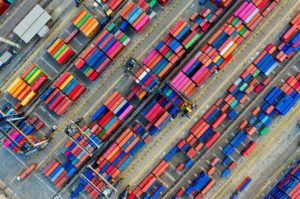
 Throughout the past several decades, nations in Southeast Asia have seen significant declines in extreme poverty rates. As poverty has fallen and these nations have developed economically, the Association of Southeast Asian Nations has become the United States’ fourth-largest trading partner. While the United States does rely heavily on this region for imports, trade with ASEAN also supports American exports and bolsters nearly 346,000 American jobs. The following five countries in Southeast Asia are critical trading partners and demonstrate the economic benefits that can coincide with a decrease in extreme poverty:
1. Malaysia
Malaysia has been extremely successful in reducing poverty throughout the past several decades. According to the United Nations, “… in 1970, 49.3% of Malaysian households were below the poverty line.” As of 2015, the figure had fallen to 0.4%. As poverty has fallen, Malaysia has also grown economically, developing profitable manufacturing, petroleum and natural gas industries.
As the country has reduced poverty and developed economically, it has become an important trading partner to the United States. The United States imports electrical machinery, tropical oils and rubber from Malaysia. It also exports soybeans, cotton and aircraft to the nation. In total, the trade between the two nations totals around $57.8 billion each year and supports nearly 73,000 American jobs.
2. Thailand
Thailand is another country that has seen impressive levels of poverty reduction in recent decades. According to The World Bank, poverty rates fell from around 65% in 1988 to under 10% in 2018. The nation has also evolved economically, developing large automotive and tourism industries as poverty rates have fallen.
Trade between the United States and Thailand has steadily grown, totaling $48.9 billion in 2018. When analyzing imports, the United States relied on Thailand for machinery, rice and precious metals. In terms of exports, the United States provided the nation with electrical machinery, mineral fuels and soybeans. In total, the exports to the nation supported nearly 72,000 American jobs. Additionally, exports to Thailand have been increasing in recent years, growing nearly 14.5% from 2017 to 2018.
3. Vietnam
Vietnam is perhaps one of the most astounding examples of poverty reduction and economic development. The World Bank reports that “the poverty headcount in Vietnam fell from nearly 60% to 20.7% in the past 20 years.” As it has done so, the nation developed one of the most rapidly growing middle classes in Southeast Asia, became a center for foreign investment and developed key industries in electronics, footwear and textiles.
While the United States has come to heavily rely on Vietnamese imports, Vietnam is also a rapidly growing market for American exports. In fact, American exports of goods to Vietnam increased by 246.9%, and American exports of services to the nation increased 110% since 2008. According to the Office of the United States Trade Representative, “U.S. exports of Goods and Services to Vietnam supported an estimated 54,000 American jobs in 2015.”
4. Indonesia
Though the nation still has significant progress to make, Indonesia is another nation that has seen a reduction in extreme poverty rates. Since 1990, the nation has managed to half its poverty rate and make significant economic advancements. Currently the largest economy in Southeast Asia, the nation has developed notable industries in petroleum, natural gas, textiles and mining.
Trade with the nation totaled around $32.9 billion in 2019. While the United States imported apparel and footwear from the nation, it also exported soybeans, aircraft and fuels to Indonesia. In total, American exports to Indonesia are growing, increasing 19.1% from 2017 to 2018 and supporting nearly 56,000 American jobs.
5. Philippines
While poverty is still an issue in the Philippines, it has seen significant declines in recent years. According to the World Bank, poverty fell from 26.6% to 21.6% from 2006 to 2015. The nation has also made significant improvements in developing industries outside of agriculture. While agriculture composed nearly one-third of the nation’s GDP in the 1970s, it currently represents 9.3%, split between an emerging industrial and service sector.
Trade with the nation currently provides $29.6 billion each year, and exports to the Philippines grew 3% from 2017 to 2018. Mainly, the Philippines relies on American exports for electrical machinery, soybean meal, and wheat. Overall, exports to the Philippines support an estimated 58,000 American jobs.
Affecting nearly one in five American jobs, international trade is a critical part of the American economy. As demonstrated by Southeast Asia, a reduction in global poverty rates not only contributes to global economic development but also supports the export industry and American jobs.
– Michael Messina
Photo: Pexels

5 Countries in Southeast Asia Supporting American Exports
1. Malaysia
Malaysia has been extremely successful in reducing poverty throughout the past several decades. According to the United Nations, “… in 1970, 49.3% of Malaysian households were below the poverty line.” As of 2015, the figure had fallen to 0.4%. As poverty has fallen, Malaysia has also grown economically, developing profitable manufacturing, petroleum and natural gas industries.
As the country has reduced poverty and developed economically, it has become an important trading partner to the United States. The United States imports electrical machinery, tropical oils and rubber from Malaysia. It also exports soybeans, cotton and aircraft to the nation. In total, the trade between the two nations totals around $57.8 billion each year and supports nearly 73,000 American jobs.
2. Thailand
Thailand is another country that has seen impressive levels of poverty reduction in recent decades. According to The World Bank, poverty rates fell from around 65% in 1988 to under 10% in 2018. The nation has also evolved economically, developing large automotive and tourism industries as poverty rates have fallen.
Trade between the United States and Thailand has steadily grown, totaling $48.9 billion in 2018. When analyzing imports, the United States relied on Thailand for machinery, rice and precious metals. In terms of exports, the United States provided the nation with electrical machinery, mineral fuels and soybeans. In total, the exports to the nation supported nearly 72,000 American jobs. Additionally, exports to Thailand have been increasing in recent years, growing nearly 14.5% from 2017 to 2018.
3. Vietnam
Vietnam is perhaps one of the most astounding examples of poverty reduction and economic development. The World Bank reports that “the poverty headcount in Vietnam fell from nearly 60% to 20.7% in the past 20 years.” As it has done so, the nation developed one of the most rapidly growing middle classes in Southeast Asia, became a center for foreign investment and developed key industries in electronics, footwear and textiles.
While the United States has come to heavily rely on Vietnamese imports, Vietnam is also a rapidly growing market for American exports. In fact, American exports of goods to Vietnam increased by 246.9%, and American exports of services to the nation increased 110% since 2008. According to the Office of the United States Trade Representative, “U.S. exports of Goods and Services to Vietnam supported an estimated 54,000 American jobs in 2015.”
4. Indonesia
Though the nation still has significant progress to make, Indonesia is another nation that has seen a reduction in extreme poverty rates. Since 1990, the nation has managed to half its poverty rate and make significant economic advancements. Currently the largest economy in Southeast Asia, the nation has developed notable industries in petroleum, natural gas, textiles and mining.
Trade with the nation totaled around $32.9 billion in 2019. While the United States imported apparel and footwear from the nation, it also exported soybeans, aircraft and fuels to Indonesia. In total, American exports to Indonesia are growing, increasing 19.1% from 2017 to 2018 and supporting nearly 56,000 American jobs.
5. Philippines
While poverty is still an issue in the Philippines, it has seen significant declines in recent years. According to the World Bank, poverty fell from 26.6% to 21.6% from 2006 to 2015. The nation has also made significant improvements in developing industries outside of agriculture. While agriculture composed nearly one-third of the nation’s GDP in the 1970s, it currently represents 9.3%, split between an emerging industrial and service sector.
Trade with the nation currently provides $29.6 billion each year, and exports to the Philippines grew 3% from 2017 to 2018. Mainly, the Philippines relies on American exports for electrical machinery, soybean meal, and wheat. Overall, exports to the Philippines support an estimated 58,000 American jobs.
Affecting nearly one in five American jobs, international trade is a critical part of the American economy. As demonstrated by Southeast Asia, a reduction in global poverty rates not only contributes to global economic development but also supports the export industry and American jobs.
– Michael Messina
Photo: Pexels
Sustainable Land Management is Restoring Small Farms in Samoa
The History of Land Degradation in Samoa
Climate change, deforestation and agricultural expansion have resulted in extensive vegetation and forest deterioration. Additionally, as part of the Samoan government’s initiative to increase exports in the 1970s, many forests were cleared to make way for agricultural land. The intensive farming of crop commodities like coconut, taro, bananas and cocoa robbed Samoa’s soil of key nutrients and threatened the health of the agricultural sector. Agriculture accounts for 90% of Samoa’s exports and makes up a significant portion of the nation’s GDP, although profits rarely return to local communities. Land degradation affects the livelihoods of small-village and farming communities. As land resource insecurity rises, communities fear that future generations will be left with little to no development opportunities.
The SMSMCL Project
The Strengthening Multi-Sectoral Management of Critical Landscapes (SMSMCL) Project works to counter the land degradation problem by introducing sustainable land management strategies that improve food, water and energy security in Samoa. Funded by the United Nations Development Programme (UNDP) and implemented by the Government of Samoa, the project works to protect and sustainably manage productive landscapes from 2013-2018 in an effort to reduce poverty and combat the effects of climate change.
The SMSMCL Project takes a multifaceted approach to solving the problem. It encourages the use of nitrogen-rich plants like legumes to restore nutrients in critical landscapes and introduces climate-resilient food and tree crops to withstand environmental fluctuations. In addition, the project encourages a shift from mono-cropping to mixed-cropping. In the past, most of Samoa’s agricultural lands only cultivated traditional crops such as taro, a starchy root vegetable. The mono-cropping of taro deteriorated soil health, and the reliance on the crop devastated Samoa’s agricultural industry during a taro-leaf blight of the 1990s. By diversifying traditional food crops, the SMSMCL project improves agricultural productivity and strengthens crop resilience to prevent infectious crop diseases from devastating farmers’ livelihoods.
The SMSMCL Project involves village communities in every step of the process to educate Samoans on sustainable land and water management. Farmers, community organizations, students and church groups have responded enthusiastically to embrace sustainable land-management practices and encourage nature conservation.
Encouraging Results
Already, 126 villages throughout Samoa have benefited from the Strengthening Multi-Sectoral Management of Critical Landscapes project, and over 16,760 hectares of agricultural and forest land have been restored. Embracing sustainable land management strategies has improved the food security of Samoa’s population, helping communities cultivate their lands efficiently and secure opportunities for future generations.
– Claire Brenner
Photo: Pixabay
George Mason University Professor Researches Obesity in Kenya
For more than 10 years, Dr. Constance Gewa, a George Mason University professor and nutrition expert, has researched food security in her home country, Kenya. With each study, she has shined a light on different aspects of nutrition for women and children in the country. In 2019, when she returned for further research about obesity in Kenya, she came with more than questions — she brought some answers, too.
Although Kenya has the classification of being a low-income country, the number of citizens struggling with obesity in Kenya is beginning to rise. This comes as a result of globalization and a growing international market. According to Gewa, Kenya is experiencing a nutritional transition as the country is importing more than it is exporting. Having previously survived on its own market and agriculture, Kenya now stocks stores with cereal, instant noodles, chips and cookies. These foods have cheaper prices and are extremely accessible to children, whose schools often provide them. However, they can also lead to obesity.
Childhood Obesity in Kenya
In 2009, Gewa published a study titled Childhood overweight and obesity among Kenyan pre-school children: association with maternal and early child nutrition factors that addressed Kenya’s need to prevent overnutrition as well as treat malnourishment. Of the almost 1,500 children aged 3 to 5 whom she studied, Gewa found 18% to be overweight and 4% to be obese.
This may be due to mothers’ nutrition. A child whose mother is overweight due to a poor diet is 83% to 112% more likely to become obese. Gewa found that factors such as the duration the child exclusively breastfed were also important. She determined that children who solely breastfed for more than 24 months had a 45% decrease in obesity risk. In other cases, a mother believes that breastfeeding will not nourish her child enough and prematurely introduces other foods into the child’s diet. Popular alternatives to breastmilk include infant formula, solid food like bananas and rice as well as cow’s milk. All of these foods are too high in calories for the child, resulting in weight gain.
Mothers with a lower income and education are more likely to breastfeed, and therefore give their child a lower risk of becoming obese. A mother with primary or higher education will typically have a higher income, allowing her to purchase other foods to supplement breastfeeding. However, this does not mean that children living on a lower income are immune to the dangers of obesity in Kenya. Processed and fried foods are becoming cheaper and more accessible. Some Kenyans have explained that french fries and donuts are cheaper than fresh produce, and they cannot afford to prioritize nutrition.
Breastfeeding and Traditional Food
In 2016, Gewa published two papers. The first investigated maternal knowledge and the cessation of breastfeeding. From this study, Gewa concluded that early breastfeeding practices, a mother’s understanding of the recommendations regarding breastfeeding, the health of the child as well as the mother and social acceptability all determine how long a mother exclusively breastfeeds. If a mother is knowledgeable of the benefits of breastfeeding and feels comfortable breastfeeding at home and in public, she is more likely to breastfeed for a longer duration.
Gewa’s second 2016 study examined maternal beliefs and accessibility to indigenous and traditional food. Her research indicated that less than 60% of Kenyan mothers consumed indigenous traditional foods (ITF), but 52% wished they could eat more of this food. They attributed their lack of ITF consumption to inaccessibility, high prices and poor taste. Gewa stated that when Kenyan health officials discuss food security, they must consider both malnourishment and obesity to avoid “moving from one problem to another.”
Reducing Obesity in Kenya
From these studies, Gewa argues that education on proper nutrition and efforts to make healthy foods affordable are necessary to reduce obesity in Kenya. She used this knowledge to return to Kenya and use her research to spark change. On her return to Kenya, Gewa said, “It is important for study participants and communities to become aware of the research findings because they are stakeholders. I believe that sharing research findings motivates community ownership and participation in identifying solutions.” When Gewa met with the people represented in her study, they were surprised and grateful for her return — they told her no one had ever come back before.
To Gewa, the research is just the beginning. In addition to analyzing obesity in Kenya, Gewa’s work calls for discussion and works with those directly affected to create a greater impact. Local health officials and Kenya’s administration have found an open channel of communication with their constituents through Gewa’s research. While obesity in Kenya remains an issue, it is encouraging to see these steps in the right direction toward health and nutrition prioritization.
– Alexa Tironi
Photo: Flickr
Colombian Family Creates YouTube Channel to Teach Sustainable Farming Practices
Nubia Cardenas and her two sons, Jeimer and Arley, live in the countryside of Chipaqué, Colombia, a municipality close to Bogotá, the country’s capital. They have recently become YouTube stars with their channel “Nubia e hijos,” or “Nubia and children.” Many farmers in Colombia grow large fields of onions, potatoes and aromatic herbs for the residents of metropolitan areas. However, due to the ongoing COVID-19 pandemic, food supplies are more difficult to access and food prices are steadily increasing. This makes it more difficult for low-income communities and farmers to get the resources they need to survive. In this context, Cardenas’s YouTube channel, which focuses on sustainable farming practices, is crucial for farmers in Colombia.
Peasant Farming in Colombia
Recent corruption within the Colombian government is putting an even bigger strain on peasant communities throughout Columbia. The former minister of agriculture, Andrés Felipe Arias, created the Agro Ingreso Seguro program to assist poor farmers in the economic downturn. While the program was supposed to be a low-interest line of credit from the government to impoverished farmers, it only benefited wealthy farmers, giving them subsidies greater than 26,000 pesos.
The Agro Ingreso Seguro program might have resulted in a $300 billion diversion of funds, but it enabled the top 1% of the largest farms in Columbia to dominate 81% of the country’s farms, while millions of poor farmers live on tiny plots of land. Although Arias received a 17-year prison sentence over this scandal, his actions greatly impacted impoverished Colombian communities’ access to resources and opportunities they desperately need during the COVID-19 pandemic.
Columbia’s economic state and the current state of the world were two major reasons for the creation of the “Nubia e hijos” YouTube channel. The purpose of the channel is to share tips for sustainable farming practices, like how to grow fruits, vegetables and herbs. In doing so, the Cardenas family hopes to ensure that no one will have to go to bed hungry in Colombia.
5 Interesting Facts About the “Nubia e hijos” Channel
The coronavirus pandemic has limited interaction and communication to strictly online forms. However, the Cardenas family was dedicated to sharing their potentially life-saving knowledge with others. Through the “Nubia e hijos” YouTube channel, the Cardenas family has established an innovative way to improve their own economic situation and help fight hunger and poverty in many parts of the world through sustainable farming practices.
– Ashley Bond
Photo: Flickr
Protecting Iraq’s Yazidi Communities During COVID-19
Who Are the Yazidis?
The Yazidis are a Kurdish-speaking minority located primarily in northern Iraq, where about 400,000 lived as of 2014. They have traditionally kept to themselves but experienced ethnic and religious persecution from both Saddam Hussein’s regime over the years as well as ISIL most recently. Such oppression crippled Yazidi communities as their members dealt with the economic fallout and social setbacks resulting from trauma. The novel coronavirus poses a new threat, and the consequences for peace and security in Iraq will be manifold — especially if the Yazidis are excluded from Iraq’s COVID-19 economic recovery strategy.
The COVID-19 Crisis
The spread of COVID-19 has hurt Iraq and its people on a grand scale, as it has in the rest of the world. Yet, despite a low number of cases in northern Iraq, Yazidi communities have been disproportionately affected by the virus due to safety measures taken by the Iraqi government. In Sinjar, where many Yazidis in Iraq live, most of the working population must travel for jobs located outside of the city or are farmers who rely on visiting other cities to sell their crops. However, this way of life is no longer possible under the imposed movement restrictions. Yazidis cannot leave Sinjar for employment, and farmers cannot travel to other cities. Therefore, many Yazidi communities have essentially lost all means of income.
The emergency measures have also adversely impacted the Yazidis on the healthcare front, as access to healthcare has been reduced. Those requiring medical attention can only receive it four hours away in Mosul, taking an ambulance so that they can cross various checkpoints throughout the province. Along with the long trip, some Yazidis do not seek treatment in Mosul because of the language barrier. These factors have further ostracized the Yazidis economically and socially, thus risking an increase in regional poverty.
The Resurgence of Poverty and of ISIL
Poverty’s resurgence in Yazidi communities because of the novel coronavirus has myriad implications for peace and security within the Middle East. In addition to trauma following the end of ISIL’s occupation of Yazidi land, the pandemic has created a mental health crisis within Yazidi communities. Those who previously received counseling at mental health facilities are no longer able to obtain that help due to COVID-19. Some experts are even predicting that 25% of Yazidis will require mental health care after the pandemic subsides.
Others have raised concerns surrounding the return of ISIL during this period of instability. Iraq’s government has acted on this issue militarily and can continue to fight ISIL’s revival by providing economic aid and building necessary healthcare infrastructure in Yazidi communities.
Humanitarian Solutions and NGOs
Ultimately, northern Iraq’s stability will not be achieved through military success alone. The long-term solution will be humanitarian. Following the U.N. Sustainable Development Goals (SDGs), such as developing better infrastructure, will lead to extraordinary progress on other pressing problems in Iraq, like reducing poverty and improving health.
Giving non-governmental organizations, like Yazda, a bigger role in community building is another way to strengthen Yazidi societies. Yazda focuses on helping Yazidis in various ways. It has already helped thousands obtain mobile medical services in addition to providing hundreds of mental health and socioeconomic assistance and supporting hundreds more in their pursuit of criminal justice.
For now, Baghdad is focused on reopening its urban and economic centers. However, including Yazidi communities in the reopening process during and after COVID-19, as well as supporting them to become more resilient in tumultuous conditions, will be crucial in preventing future conflicts and eliminating poverty in Iraq.
– Alex Berman
Photo: Flickr
COVID-19 and the Uyghur Human Rights Policy Act
Xinjiang is located in China’s northeast corner. Of its 19 million inhabitants, 8 million belong to the Uyghur Muslim minority. Since the days of Mao Zedong, the Chinese government has consistently persecuted certain religions, including Islam. Separatist sentiments among the Uyghur population and their strong Muslim identity have made them a problematic minority for the government’s vision of a united, nonreligious China in Beijing. The spread of COVID-19 as well as the mass detention and forced labor of the Uyghur peoples illustrate the importance of properly enacting the Uyghur Human Rights Policy Act.
A History of Tension
The Uyghur peoples have a history of independence. In the 1940s, the Xinjiang region was independent for a short time. The Uyghur language, religion and culture are completely different from those of the Han Chinese. Since Xi Jinping became the General Secretary of China’s communist party, religious persecution against Muslims, Christians and other spiritual groups has increased. Ethnic tensions have intensified, as the Uyghurs are often painted as thugs, Chinese separatists and religious extremists.
Multiple Uyghur-led, anti-government acts of violence in 2014 initiated Jinping’s harsh crackdown on the ethnic minority group. This meant the mass detention of Uyghurs in re-education facilities, an effective and wide-ranging surveillance system and forced labor. The Chinese government states that these measures are part of its fight against religious extremism and terrorism. In 2017, Jinping claimed that “Xinjiang is in an active period of terrorist activities, intense struggle against separatism and painful intervention to treat this.”
Uyghur Detention Facilities
The Chinese government has indefinitely detained an estimated 1 million Uyghurs in so-called re-education camps since 2014. The objective of these camps is to turn the Muslim Uyghurs into loyal citizens of the Chinese nation. Re-education includes forcing detainees to learn Mandarin and attempting to strip them of their Islamic faith.
Many Uyghurs in these camps must work in factories and other forms of labor against their will. Some global companies rely on products produced in Xinjiang. In 2012, Volkswagen came under heavy criticism for its decision to open a factory in the region’s capital, but the German car manufacturer is far from the only company to do business in Xinjiang. Uyghur forced labor is also critical to the supply chains of global brands such as Adidas and H&M.
The Perfect Environment for COVID-19 Transmission
Recent spikes in COVID-19 cases throughout Xinjiang, China have many human rights activists concerned that a massive outbreak could happen in the dense re-education camps and factories. Governments throughout the world have released inmates from tightly packed prisons to prevent COVID-19 transmission on a grand scale, but such a move by the Chinese government seems unlikely. Chinese nationalist hardliners may view an outbreak in these re-education facilities positively, based on their current treatment and detention of Uyghur Muslims. However, the United States can do something about this blatant violation of human rights through the aggressive application and enforcement of the Uyghur Human Rights Policy Act.
The Reasons the Uyghur Human Rights Policy Act is Important
Economic pressure from the U.S. government could help release many Uyghur people from detention centers, a measure that is especially important with a deadly outbreak of COVID-19 in the region. The Uyghur Human Rights Policy Act gives Congress the authority to impose strategic sanctions and export restrictions on products produced in Xinjiang.
The bill can encourage companies like Volkswagen to stop production in the area via sanctions, cutting off their access to the valuable U.S. market. This bill would thereby apply pressure on the Chinese government to change its policy of mass detention and forced labor of Uyghur Muslims. President Trump signed the Uyghur Human Rights Policy Act into law, giving himself the power to send Congress a list of “foreign individuals and entities” responsible for abusing the Uyghurs.
The U.S. has already sanctioned multiple Chinese companies over their actions in Xinjiang, but no sanctions have been levied on Western businesses that rely on forced Uyghur labor for their production or supply chains. Congress and President Trump have to power to more broadly and aggressively enact the Uyghur Human Rights Policy Act in order to institute real change in Xinjiang and avert the worsening of a human rights crisis.
– Marcus Lawniczak
Photo: Flickr
How COVID-19 Is Changing Politics in Hungary
Hungary is a landlocked European nation of nearly 10 million that operates under a parliamentary government system. Historically, the political divide in Hungary led to highly competitive elections, with the prime minister and presidential positions democratically grappled over. Elected as prime minister in 2010, Viktor Orbán is an outspoken Eurosceptic, self-proclaimed illiberal and member of the right-wing Fidesz party. Orbán has slowly centralized government powers, squashed political opposition and threatened freedom of the press for nearly a decade. Orbán supporters point to the prime minister’s rapid response to the COVID-19 global pandemic, which hit Hungary in March 2020 but has experienced near-eradication from the country, as evidence of his effectiveness. Implementing a five-year jail sentence for promoting misinformation about the virus, closing borders and shutting down non-essential businesses early, Orbán undoubtedly contributed to Hungary’s successful containment of COVID-19. However, the power he indirectly obtained from the virus also contributed to his controversial ambitions to redefine politics in Hungary.
5 Ways COVID-19 is Changing Politics in Hungary
Moving Forward
With an election approaching, approximately half of Hungarians approving of the Fidesz party and Orbán’s approval rating at an all-time high of 57%, the stability of politics in Hungary is in danger. As partisan leaders have largely failed in efforts to hold Orbán democratically accountable, NGOs like Freedom House are stepping in to influence politics in Hungary. Freedom House collects data on political overreach and provides educated reports and quantitative scores on the status of democracy in Hungary, where critical press coverage of the government is punishable. The reliable and in-depth assessments that Freedom House generates provide crucial evidence for Orbán’s political opposers. If these opposers, who advocate for democracy and decentralized government, can regain parliament seats in 2022, Hungarians in the political minority will likely regain a voice.
– Caledonia Strelow
Photo: Wikimedia Commons
The Fight Against Hunger in Togo
Many West African countries have been struggling with the indirect effects of COVID-19, hunger being the worst of the side-effects that the pandemic brought on. Togo is one of these nations facing an escalating death rate due to the indirect results of COVID-19 such as hunger and malnutrition. Here is some information about the increased hunger in Togo.
Causes of Hunger in Togo
The decrease in demand for phosphate contributed to Togo’s economic struggles. Phosphate is a natural resource that the country produces abundantly. For the majority of the 19th century, Togo’s economy depended on the rare mineral, but since the early 2000s, phosphate prices have gone up and the sales have gone down. Thus, the republic is now agriculture-dependent, like many of its neighbors.
Due to the quick shift between the two sectors, the agricultural aspect of the economy does not receive adequate support. In fact, only 16% of farms in Togo currently use fertilizers, meaning that they do not function optimally. Farms also only make up 2% of bank loans nationwide, which shows that farmers are not investing in technology to improve their business longterm. For the Togolese Republic, agriculture maintains nearly 40% of the economy. This field did not have the preparation for so many to be economically dependent on it, which is one of the reasons why 58% of the Togolese population live in poverty.
The Environment and Hunger
In the past 10 years, droughts in Togo have worsened significantly, with rainfall decreasing by 2.4% per decade and temperature increasing by 1.1°C in the last half a century. While these numbers may not seem high, they have a significant negative consequence on the success of agriculture. A 2°C increase in temperature, which predictions determine could occur by 2050, could create a decrease of 62.02% in the net revenue of the nation and put an even higher percentage of the population under the poverty line and into the malnourished category. An increase in the number of floods has further subdued agricultural progress.
Hunger in Togo Statistics
With impoverishment comes hunger. Togo is 81 out of 117 countries on the Global Hunger Index. As of now, 16.1% of the population experiences undernourishment. The Togolese Republic had decreased its hunger rates from 32% back in 2001. It has successfully stabilized its depth of hunger rates, with average nutrition being around 280 kilocalories and consistently lower than that of a healthy population for the last decade. Yet, to this day, nearly 30% of children under the age of 5 experience chronic malnourishment, with spikes of up to 43% in the Savannah region, where the dry, hot climate drastically worsens hunger and poverty.
Side Effects of Hunger
Although hunger in itself is a major human rights issue, there are many side effects of hunger and malnutrition that put the population at a further disadvantage. Poor cognitive development in children, diabetes and growth stunts are all severe byproducts of population malnutrition. The effects of hunger on mental health are just as devastating. Parents of malnourished children are 53.1% more likely to go through depression and 56.2% more likely to have PTSD.
These side effects can drastically decrease productivity in both the parents and the children once the children grow up, thus furthering the poverty and hunger in the family. It is arduous for governments to control hunger in the population as when it is so widespread. In fact, malnourished workers can further worsen the economy leading to more hungry citizens. Some believe that the estimated cost of malnutrition to the global economy is around $3.5 trillion per year.
Effects of COVID-19 on Hunger
The current global pandemic has negatively affected nearly every country in the world, but it seems that West African countries like Togo will struggle much more economically. The disease severely impacted Togo’s agriculture season. With enforced social distancing and curfews, limits on working hours and enforced policies on markets and sellers, farmers have experienced economic challenges. Environmental challenges have already been decreasing the success of farming in the West African region but the pandemic might have even worse effects. The closing of schools also meant that many children who relied on in-school meal plans, now have no access to nutrition.
Fighting Hunger in Togo
As previously highlighted, without government intervention, high rates of hunger in a population after time lead to even higher rates of hunger; therefore, it is economically beneficial for the government to involve itself. Yet, the Togolese government has not made the proper investment into agriculture or hunger initiatives over the past decade.
The World Food Programme (WFP) has been one of the main actors dealing with the issue of hunger in Togo. WFP has been present in Togo since 1968 and is currently participating in three main projects to help the country: United Nations SDG 2030 Fund, WFP Immediate Response Account (IRA) for emergency preparedness activity in Togo and U.N. Country Team (UNCT) for food assistance to those who experienced floods in the Togo maritime region. WFP has been working on increasing and improving food production strategies across the territory, providing technical and financial assistance to farms and training 95 national actors from northern Togo on a joint quick assessment of humanitarian needs after a catastrophe. WFP has also introduced food-for-work projects in the region, in which citizens receive nourishment for participating in reforestation or improvement of roads.
In order to help the Togolese government respond to COVID-19 properly, WFP has not only been providing food to those the pandemic has affected but also collecting data from 2,180 households about food security. However, the virus has now delayed many of WFP’s projects.
Although hunger has been rising drastically over the last couple of months globally, social response and aid have also been on the rise. Hunger in Togo will likely increase in 2020, but given the work of NGOs such as WFP, the citizens of Togo will hopefully receive the aid they need.
– Anna Synakh
Photo: Flickr
5 Facts About Poverty in Ecuador
Ecuador is a country located in Western South America that is home to the Amazon rainforest and the Galapagos Islands. Despite its abundance of natural resources, the country has struggled with political instability and economic crises throughout its history: as of 2022, approximately 25% of the population still lived below the poverty line. However, recent economic growth creates hope for the eventual alleviation of poverty in Ecuador. Below are five facts about poverty in Ecuador.
5 Facts About Poverty in Ecuador
A Positive Outlook
Despite the economic challenges that Ecuadorians have faced in the past, recent statistics reveal hope for the country in the years to come. The country’s GDP is recovering with the help of government reforms and the resilience of the Ecuadorian people, despite the economic instability that has characterized the past few decades. With the efforts of the local government and the international community’s continuous support in alleviating poverty in Ecuador, there may come a day when Ecuador can achieve freedom from its financial burdens and successfully combat poverty.
– San Sung Kim
Photo: Flickr
5 Innovations in Poverty Eradication in Chad
Chad is a land-locked country with sporadic rain patterns and regular droughts, but it has not given up its hope of ending poverty. With a population of approximately 15.5 million people, 66.2% of the population live in severe poverty with little access to clean water, healthcare and education. However, this has not stopped the Government of Chad or partnering organizations from aiding in the country’s advancement. Here are five innovations in poverty eradication in Chad.
5 Innovations in Poverty Eradication in Chad
Chad is working hard to lift its people out of poverty. This is evident in its unique approaches in important areas such as agriculture and livestock, education and technology access, life-saving vaccines and access to clean water. Increasing access to education and technological literacy along with high child vaccination rates in several areas should heavily aid in bringing a generation out of poverty. In addition, they should have opportunities in their adult lives to continue to work on even more innovations to further the success of their country.
– Madalyn Wright
Photo: Flickr