 Jamaica remains one of the largest islands in the Caribbean. However, many recognize it for more than its vibrant culture. The island has incurred great debt over the years and is constantly subject to mother nature’s unpredictability. Jamaica has a constant threat of hurricanes, high debt and an overall poorly structured economy. Therefore, many Jamaicans find themselves living under the international poverty line. Any person living below this line will face a number of obstacles. However, a disabled person living in poverty faces unique challenges. People with disabilities have a greater job opportunity in the U.S. In many other parts of the world, society has isolated them.
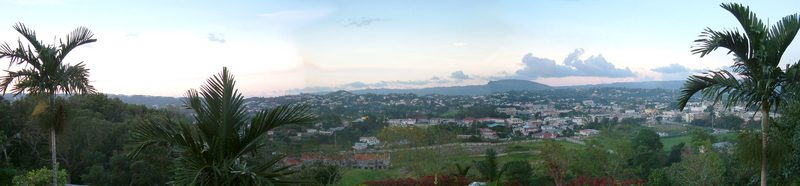
In Jamaica, there are laws that affect the daily lives of disabled islanders, especially those who are deaf. The deaf community in Jamaica cannot drive or work due to their lack of hearing ability. As a result, they spend their lives separated from the rest of their island nation. The Jamaican Deaf Village (JDV) is a small village in Mandeville, Jamaica where the deaf can easily live, work and communicate with each other. Mandeville is a small town in the mountains near the center of Jamaica. In this village, deaf people find a way to work and participate in the diminutive economy.
How the Village Began
This secret village in Jamaica established in 1958. Reverend Willis Etheridge and his wife visited the island and saw the unique struggles faced by the deaf community. The couple founded the Caribbean Christian Center for the Deaf (CCCD). In 1984, the organization took 100 acres of land and began the physical construction of the JDV. During the village’s early years, there was a church, factory and some small houses for the residents. The island of Jamaica is proud of its religious culture (mainly Christian). So, this church for the deaf was an important step for them. The factory was meant to provide employment specifically for deaf islanders so they could support their own families while also participating in the Jamaican economy.
After several years of planning, development and outreach, the first deaf residents moved into the village on July 15, 2002. Only a short time after that, workers produced the factory’s first product. This was the first step to creating a self-sufficient village.
How JDV Operates Today
The Jamaican Deaf Village in Mandeville has grown exponentially since its conception. Today, the village has farms, houses, apartments, a recreational center and a kitchen house. The kitchen house is a large kitchen and dining area where the residents will all gather together for their meals.
Each resident in the village takes on a specific role in order to create this self-sufficient community. Many women work in the kitchen house where they cook, clean dishes and do laundry. Another part of the kitchen house is the art room. This small room contains a number of paintings, sculptures, jewelry and various other art pieces created by JDV members. These pieces are popular souvenirs for visitors and another way for deaf Jamaicans to participate in the local economy.
The farm in JDV is a critical aspect of the village. Those who take on farming roles tend to livestock and crops daily. Their livestock consists mostly of cattle, goats and sheep. The crops produced in the village are a range of tropical fruits such as plantains, bananas, mangos and more.
Products from the farm are mainly used to feed the local residents. However, they can also sell their crops to the markets. Since the village is in the middle of the mountains, it takes several hours for residents to get into town. This creates another obstacle for the impoverished deaf. However, their small agricultural production plays a huge role in keeping them fed.
How the JDV Receives Funding
The key source of funding for this secret village in Jamaica is the factory. Over the years, they have manufactured a variety of products, but they started with furniture. The first object ever produced from this small factory was a wooden chair. The deaf is able to earn a living and partake in the Jamaican economy by manufacturing furniture and other objects. They build them in their home village and sell them to outside buyers.
This secret village of Jamaica also loves hosting visitors. The CCCD created a special program where visitors can come stay in the village for a period of time. While there, visitors help perform basic tasks. Visitors immerse themselves in the deaf culture and learn how each of the various roles of the village work. These roles range from farming to laying down cement for new buildings. Visitors from around the world can get a firsthand look at how these islanders keep themselves above the poverty line.
How the JDV is Essential for the Poor and Deaf
The key role of the JDV is providing the deaf community of Jamaica a life they would otherwise not have. About 19% of the Jamaican population in 2017 fell under the poverty line. This number has gradually decreased over the last three years. However, there is still a large number of Jamaicans who find themselves lacking basic necessities. The most common issues found among the impoverished population is a lack of food and clean, piped water. Jamaicans who suffer from a severe disability tend to find it even harder to gain access to these necessities. Disabled islanders are typically not allowed to work or even drive in most cases. This is especially difficult for the deaf as they can perform basic tasks but do not get utilized.
Many deaf Jamaicans will come to the United States just to get a degree or driver’s license. The Jamaican Deaf Village allows those with hearing disabilities to use their skills and create a life for themselves. This is an opportunity that would, otherwise, be denied.
The Jamaican Deaf Village plays an important role in the deaf community of Jamaica. However, it also contributes to the island’s overall economy. Over the years, the village has become a popular tourist destination. Just as most islands around the Caribbean do, Jamaica’s economy highly benefits from tourism. The village has become a hot spot for international visitors. In addition, the unique products created in the village create extra income.
This secret village in Jamaica provides a positive lifestyle for the deaf community they otherwise would not have. It also allows them to do their part to improve the island’s economy.
– Brittany Carter
Photo: Good Free Photos

The UAE’s History of Foreign Aid Assistance
The Goal of the UAE’s Foreign Aid Assistance
The UAE aims to be unbiased in its humanitarian assistance, not focusing on politics or beliefs. This is a byproduct of the UAE’s mission for tolerance. The UAE has made multiple initiatives in recent years to promote tolerance not only in their foreign affairs but also in their domestic affairs. At the end of 2018, President H. H. Sheikh Khalifa bin Zayed declared 2019 the Year of Tolerance. To push this goal forward, the UAE began teaching tolerance in schools, focused on promoting more tolerant policy, and created a number of organizations to promote tolerant objectives. In order to carry out these aims internationally, the UAE’s Cabinet formed the UAE Humanitarian Committee. The committee brings together experts in the field to ensure that their foreign aid is efficient and moral.
History
According to the UAE’s website, the UAE provided more than 47 billion AED in foreign aid assistance from 1971 to 2014. Africa is the largest recipient of the UAE’s foreign aid. However, the UAE also provided assistance to those in their neighboring communities. In 2015, the UAE was named the World’s Top Humanitarian Donor as a percentage of its GDP for the year 2013. The Development Assistance Committee of the Organization for Economic Cooperation and Development gave this award. In 2013 the UAE provided roughly 5.89 billion U.S. dollars in foreign aid, equal to about 1.33% of their GDP. More than 140 countries received this aid, and it focused on issues such as health, education and social services.
Present Day
The year 2020 has been tumultuous for every country due to COVID-19, causing many nations to focus solely on domestic affairs. The UAE has remained dedicated to its mission regarding foreign aid assistance. It has also been making strides to ensure that both their people and other countries have the tools they need to combat this global pandemic.
A major factory was repurposed to produce only N95 masks in Abu Dhabi, the capital of the UAE. This factory has the capacity to produce more than 90,000 masks per day. To date, the UAE has provided more than 1,000 metric tons of foreign aid assistance in response to COVID-19. Additionally, $10 million was donated by the UAE via the World Health Organization. The donation went toward COVID-19 testing kits.
In addition to their COVID-19 foreign aid response, the UAE has been a major player in foreign aid assistance to those affected by the Beirut Port explosion. On August 4, 2020, two explosions caused the death of close to 200 people. They also destroyed the homes of many more in Lebanon. The UAE has utilized its organization, the Emirates Red Crescent (ERC), to provide foreign aid assistance in Lebanon after this tragedy. This aid focuses on providing medical supplies and medical support.
The UAE has set an example not only of the degree in which countries should engage in foreign humanitarian assistance but also in the way they should do so. Humanitarian assistance is not about a country’s beliefs, geography or affairs. Instead, humanitarian assistance is about facilitating a more equal society where everyone is able to fulfill their basic needs.
– Danielle Forrey
Photo: The National
The Problem of Homelessness in Bahrain
Housing Assistance
In fact, there is not much information about homelessness in Bahrain. This is because the government has established an agency called The Ministry of Housing. Its main responsibility is to provide adequate social housing for those in the country who cannot afford it. The constitution specifies the obligation of the government to provide housing for its citizens. Three-fifths of Bahrain’s citizens have benefited from government housing assistance, which is why homelessness in Bahrain is not a large social phenomenon.
Housing Insecurity
Despite the low rates of homelessness in Bahrain, there is a problem of housing insecurity for many of Bahrain’s residents. Migrant laborers who work in low paying jobs do not receive the same rights citizens do, especially when it comes to housing. Their housing arrangement is through the “Kafala” system, a form of modern-day slavery, in which an employer dictates where the workers live. Housing is generally paid for by renting shared apartments to save money. Without receiving housing benefits and having an average wage of BHD 196, which the government defines as “low pay”, migrant works are left in a very vulnerable position. When oil prices fell in 2019 and an economic downturn occurred, many of these laborers were not receiving their wages. On top of that, the rising cost of living resulted in an increased rate of suicide among the migrants.
Signs of Progress
The government of Bahrain is currently in the second phase of implementing a Wage Protection System bill, which passed in 2019. The bill would require companies to pay their employees using methods authorized by the Central Bank of Bahrain. It would also require them to inform the Labour Market Regulatory Authority of the payments. Additionally, it imposes requirements employers must adhere to when seeking migrant labor. These requirements include a clean record absent of failure to pay workers’ wages. This is a step in the right direction, as it will ensure that migrant workers will at least receive the payments they need for rent, combating housing insecurity.
Such measures come in part as a result of advocacy by groups that fight for the rights of laborers. One example is an organization known as Migrant-Rights.org. Migrant-Rights.org is an advocacy group based in GCC that documents migrant worker abuse and advocates on their behalf. The work of these groups helps reduce housing insecurity among migrant workers, further improving the issue of homelessness in Bahrain.
– Mustafa Ali
Photo: Flickr
Innovations in Poverty Eradication in the Netherlands
Tax Breaks to Benefit Education and Innovation
Each year, the Netherlands releases a National Reform Programme that reports on the state of the economy, the budget, future changes and reforms. Included in the 2019 program is the plan to reduce tax burden on citizens and small businesses while increasing taxes on large corporations. All of this is in addition to creating additional investments in the public sector. This plan intends to strengthen households and the Dutch economy as a whole with specific attention to fostering innovation and promoting entrepreneurship. In addition to tax cuts for citizens, the program proposes an increased investment in research of €400 million. The investment works to expand innovation, strengthen the economy and move toward poverty eradication in the Netherlands. Much of the investment will benefit research specifically through the education system.
Housing Inequality
Despite relatively low poverty levels in the Netherlands, social exclusion pervades many Dutch communities since it excludes them from participating in various associations. Not only are these associations economic but they also have to do health, welfare and education. This phenomenon leads to a deficient citizenship when citizens are unable to fully enjoy the rights and privileges the majority of the country has access to. This issue pervades the housing market in the Netherlands as the wealthy country sees continuous rises in housing prices that alienate low-income populations.
In order to combat this, the National Reform Programme lays out measures to ensure accessible, affordable and stable housing. Creating equal housing opportunities is essential to poverty eradication in the Netherlands. This program is underlined by a mortgage debt repayment plan that aims to incentivize paying off mortgages through interest deductions of 3 percentage points per year. It begins this year and plans on reaching a maximum of 37%. Additionally, the government plans to incentivize the accelerated construction of new homes as the housing supply is scarce.
Refugee Crisis
Many of those living in poverty in the Netherlands are asylum seekers, often from the war-torn region of Syria. The Dutch government is working to support the refugee population in the Netherlands. They suffer from much higher levels of poverty than their nationals. In order to do this, it has committed to creating special programs. These programs will ensure the safe reception of asylum seekers as poverty eradication in the Netherlands stars abroad. Internationally, the Netherlands supports education programs for refugee children. It supports housing opportunities for refugees in countries in their region of origin. It supports other rights protection programs as well.
Additionally, the Netherlands encourages businesses to hire from refugee populations. It also offers additional support to startups that benefit asylum-seeking populations. Further plans for assisting refugees and other vulnerable populations within the nation are laid out in the National Reform Programme. Investment and individualized support will be offered through pathway guidance and job training to aid these populations in their participation in the labor market and to increase financial freedom.
– Jazmin Johnson
Photo: Unsplash
How a Solar Wash Hand-Washing Basin Saves Lives
Access to Water in Ghana
In Ghana, more than five million people utilize surface water to meet their basic needs. Utilizing contaminated water is often the only option many people have. However, it leaves populations vulnerable to water-related diseases, infections and illnesses. In many cases, this discourages populations from practicing handwashing, taking daily baths, and ensuring their body is sufficiently nourished. As a result, the transmission of water-related diseases increases. This establishes and encourages poor hygiene, sanitary and personal care habits.
Solar Wash
Two native Ghanian brothers, Richard Kwarteng and Jude Osei, have developed a solar-powered handwashing basin in efforts to curb the spread of COVID-19 and “encourage regular hand-washing etiquette,” Kwarteng said. The invention, called Solar Wash, uses just a few components. It comprises of an alarm, a sink, a sensor, a faucet, a motherboard and a solar panel. Solar Wash resembles a regular hand-washing sink but works in an even more hygienic, sustainable and cost-efficient manner.
Solar Wash’s sensors ensure users do not have to physically touch the faucet’s tap. First, upon sensing motion, the sensor dispenses soapy water and enacts an alarm for 25 seconds. This is in accordance with the guidelines of the World Health Organization (WHO) and the Centers for Disease Control (CDC). After the 25 seconds, the tap dispenses just enough water for users to conclude washing their hands. Solar Wash acts as a handwashing station for 150 people during just one charging cycle.
The Ghanaian Ministry of Environment, Science, Technology and Innovation is working with Kwarteng and Osei. They are working to ensure the continuation of Solar Wash manufacturing and its accessibility to people in all of Ghana.
Global Potential of Solar Wash
Solar Wash emerged in Ghana as a result of the COVID-19 pandemic. However, continued manufacturing and placement of the invention would greatly improve conditions around the world, particularly those living in poverty. Continued use of Solar Wash, or similar technology, would:
Conclusion
Innovations like Solar Wash demonstrate simple but important practices and solutions needed to alleviate poverty. Solar Wash offers a simple, affordable and sustainable means of practicing handwashing with its simple build and technical structure. An innovation like Solar Wash can play an immense role in reducing health-related concerns in Ghana. It can also help throughout the world with continued production and implementation.
– Stacy Moses
Photo: Flickr
Nurses Perform Life Saving Surgery in Ethiopia
Lack of Access
In countries like Ethiopia, lack of access is primarily due to physician shortage. After training for 10 years, many specialists leave the country for better conditions and pay. The current specialist ratio in Ethiopia is less than 1:100,000. This makes it impossible for the majority of the population to gain access to surgery in Ethiopia.
Training Nurses to Perform Surgery
The Ethiopian government began implementing a novel solution to the problem in 2009. Nurses, midwives and other healthcare workers were trained to provide emergency surgery such as cesarean section, appendectomy and laparotomy. Moreover, in the last decade, thousands of healthcare professionals have graduated from the three years training program. This provided people in rural settings access to surgery in Ethiopia. The majority of surgeries done were cesarean sections, which helped reduce the maternal mortality rate by half in 2015. Nurses or trained surgical officers achieve outcomes comparable to that of surgeons. Some medical professionals believe this is due to the experience of these individuals working on the front lines. They can identify emergencies skillfully and provide effective solutions.
Other Countries Are Doing the Same
Nurses comprise 50% of the global healthcare workforce. Many organizations such as the International Council of Nurses argue that nurses don’t currently work at their full potential. Nursing Now, another organization, believes that by utilizing nurses more, we could reach global health goals faster. Despite successes, skeptics are still concerned that nurses will not be able to deliver healthcare as effectively as traditionally trained physicians. However, other African countries including Mozambique and Tanzania have also started similar programs. Additionally, these programs observed that training midlevel providers to do surgery was a cost-effective method to provide long term care in rural areas. Around 90% of the providers stayed in rural locations after seven years compared with 0% of physicians.
Challenges
Despite the success of nurses in increasing access to surgery in Ethiopia, they are still faced with many challenges. Routine power cuts interrupt surgeries around the country with dangerous consequences. In addition, the shortage of resources such as antibiotics and anesthesia hinders the work of these health care workers. Poor equipment and long waiting times contribute the most to high mortality rates for surgery in Ethiopia and other developing countries. Although emergency surgical workers have expanded the workforce, they do not solve the problem of low resources.
To continue increasing access to surgery in Ethiopia, the country was part of Safe Surgery 2020 in 2015. Safe Surgery 2020 is an initiative that partners with other NGOs to provide life-saving surgery to more of the world’s population in a safe and affordable way. The initiative has taken lessons from training healthcare providers and applied them to Cambodia and Tanzania as well. In addition to training more workers, Safe Surgery 2020 addresses gaps in infrastructure, policy development and research.
Future development programs can support the positive work being done by improving infrastructure and the delivery of resources to rural areas. By training more local experts, more of the world population can have access to basic surgery and healthcare.
– Beti Sharew
Photo: Flickr
The Secret Village of Jamaica: Jamaica Deaf Village
In Jamaica, there are laws that affect the daily lives of disabled islanders, especially those who are deaf. The deaf community in Jamaica cannot drive or work due to their lack of hearing ability. As a result, they spend their lives separated from the rest of their island nation. The Jamaican Deaf Village (JDV) is a small village in Mandeville, Jamaica where the deaf can easily live, work and communicate with each other. Mandeville is a small town in the mountains near the center of Jamaica. In this village, deaf people find a way to work and participate in the diminutive economy.
How the Village Began
This secret village in Jamaica established in 1958. Reverend Willis Etheridge and his wife visited the island and saw the unique struggles faced by the deaf community. The couple founded the Caribbean Christian Center for the Deaf (CCCD). In 1984, the organization took 100 acres of land and began the physical construction of the JDV. During the village’s early years, there was a church, factory and some small houses for the residents. The island of Jamaica is proud of its religious culture (mainly Christian). So, this church for the deaf was an important step for them. The factory was meant to provide employment specifically for deaf islanders so they could support their own families while also participating in the Jamaican economy.
After several years of planning, development and outreach, the first deaf residents moved into the village on July 15, 2002. Only a short time after that, workers produced the factory’s first product. This was the first step to creating a self-sufficient village.
How JDV Operates Today
The Jamaican Deaf Village in Mandeville has grown exponentially since its conception. Today, the village has farms, houses, apartments, a recreational center and a kitchen house. The kitchen house is a large kitchen and dining area where the residents will all gather together for their meals.
Each resident in the village takes on a specific role in order to create this self-sufficient community. Many women work in the kitchen house where they cook, clean dishes and do laundry. Another part of the kitchen house is the art room. This small room contains a number of paintings, sculptures, jewelry and various other art pieces created by JDV members. These pieces are popular souvenirs for visitors and another way for deaf Jamaicans to participate in the local economy.
The farm in JDV is a critical aspect of the village. Those who take on farming roles tend to livestock and crops daily. Their livestock consists mostly of cattle, goats and sheep. The crops produced in the village are a range of tropical fruits such as plantains, bananas, mangos and more.
Products from the farm are mainly used to feed the local residents. However, they can also sell their crops to the markets. Since the village is in the middle of the mountains, it takes several hours for residents to get into town. This creates another obstacle for the impoverished deaf. However, their small agricultural production plays a huge role in keeping them fed.
How the JDV Receives Funding
The key source of funding for this secret village in Jamaica is the factory. Over the years, they have manufactured a variety of products, but they started with furniture. The first object ever produced from this small factory was a wooden chair. The deaf is able to earn a living and partake in the Jamaican economy by manufacturing furniture and other objects. They build them in their home village and sell them to outside buyers.
This secret village of Jamaica also loves hosting visitors. The CCCD created a special program where visitors can come stay in the village for a period of time. While there, visitors help perform basic tasks. Visitors immerse themselves in the deaf culture and learn how each of the various roles of the village work. These roles range from farming to laying down cement for new buildings. Visitors from around the world can get a firsthand look at how these islanders keep themselves above the poverty line.
How the JDV is Essential for the Poor and Deaf
The key role of the JDV is providing the deaf community of Jamaica a life they would otherwise not have. About 19% of the Jamaican population in 2017 fell under the poverty line. This number has gradually decreased over the last three years. However, there is still a large number of Jamaicans who find themselves lacking basic necessities. The most common issues found among the impoverished population is a lack of food and clean, piped water. Jamaicans who suffer from a severe disability tend to find it even harder to gain access to these necessities. Disabled islanders are typically not allowed to work or even drive in most cases. This is especially difficult for the deaf as they can perform basic tasks but do not get utilized.
Many deaf Jamaicans will come to the United States just to get a degree or driver’s license. The Jamaican Deaf Village allows those with hearing disabilities to use their skills and create a life for themselves. This is an opportunity that would, otherwise, be denied.
The Jamaican Deaf Village plays an important role in the deaf community of Jamaica. However, it also contributes to the island’s overall economy. Over the years, the village has become a popular tourist destination. Just as most islands around the Caribbean do, Jamaica’s economy highly benefits from tourism. The village has become a hot spot for international visitors. In addition, the unique products created in the village create extra income.
This secret village in Jamaica provides a positive lifestyle for the deaf community they otherwise would not have. It also allows them to do their part to improve the island’s economy.
– Brittany Carter
Photo: Good Free Photos
Updates on SDG Goal 14 in Paraguay
Purpose of the Sustainable Development Goals
The UN introduced its 17 SDGs to lay out a blueprint to achieve a more sustainable future by 2030. Together they work to address social, economic and environmental challenges that the world faces and move towards a sustainable future. Goal 14 is to conserve and sustainably use the oceans, seas and marine resources. With more than three billion people dependent on marine resources globally, this goal is essential to a sustainable future.
Water quality, area of protected space, biodiversity threats and levels of overfishing and other indicators measure SDG Goal 14. Paraguay has struggled with water quality. Although it has some protected wildlife reserves near water, many species are critically endangered and biodiversity has been decreasing.
About the Paraguay River and Asunción
Paraguay is a landlocked country. As a result, achieving SDG Goal 14 in Paraguay requires protecting its freshwater and river systems. The Paraguay River flows from north to south throughout the entire country. It plays an important role in the freshwater system and its health is vital to the achievement of SDG Goal 14 in Paraguay. Farmers and fishermen rely on the river and it provides a significant portion of water to the Pantanal, the largest tropical wetland in the world.
Additionally, in recent decades the river has suffered from increased levels of development and pollution due to things like untreated sewage and garbage entering the river. Poor infrastructure and management of waste lead to these items entering the river system. This harms habitat and reduces water quality. These problems are particularly prevalent in the city of Asunción. Asunción is the capital of Paraguay located on the western side of the nation. The city sits on the bank of the Paraguay River and is home to a rich variety of bird species including many migratory birds during parts of the year. The wetlands near Asunción support many other species and protect the city from flooding. The river and wetlands benefit the community by providing a source of jobs including fishing and tours as well.
The Health of the Paraguay River
Furthermore, the health of the Paraguay River near Asunción has been a concern of the community for decades. Untreated sewage as well as garbage from many landfills make their way into the river. In 2005, the Ecological Reserve of Banco San Miguel and Bahía de Asunción was created to protect the wetland ecosystem along the river. It was also a place for endangered migratory birds to rest.
The creation of the reserve was an effective first step. However, the measures taken were insufficient. Few resources were used to reverse the existing damage. With the health of the river decreasing, Paraguay was not on track to meet SDG Goal 14 by 2030. The Ministry of Environment and Sustainable Development teamed up with city officials from Asunción. With support from the U.N., it created the Asunción Green City of the Americas — Pathways to Sustainability project.
The plan aims to address multiple issues including waste management, transportation and habitat protection in order to benefit the people and wild animals near Asunción. Improved bus systems as well as walking and bicycling networks would benefit the communities of Asunción and reduce harmful emissions. Better waste management will reduce citizens’ exposure to harmful chemicals. It will also help preserve the health of the river and wetland ecosystem.
Overall, adequate protection and maintenance of the ecological reserves on the river along with improved waste management and transportation are important. With them, the Paraguay River can maintain its essential role for ecosystems and the people of Asunción. The Ministry of Environment and Sustainable Development needs to continue to work hard to protect the Paraguay River and help achieve SDG Goal 14 in Paraguay.
– William Dormer
Photo: Wikimedia Commons
Accessing Medical Care in Mexico
IMSS in Mexico
Mexico has private practices, hospitals and physicians working in the healthcare system. The medical employees are trained. They also have experience working in the U.S. and Europe. Mexico’s national healthcare system includes The Instituto Mexicano del Seguro Social, or the IMSS system. It translates to the Mexican Institute of Social Security.
The IMSS system is a part of the national Social Security and focuses on helping employees and employers. Reportedly, applying to be a part of the IMSS system costs about $40 a month. People with pre-existing medical conditions are less likely to be accepted when applying.
Seguro Popular in Mexico
Seguro Popular is the second option people have to get assistance and coverage with medical care in Mexico. It targets people who did not qualify for the IMSS system or cannot afford the costs. Unemployed and ill individuals are already a focus for being part of the program. Fees to participate in Seguro Popular vary depending on household income.
According to the World Bank, in 2002, only half of the Mexican population benefited from health insurance. With Seguro Popular’s efforts to help those underprivileged, the insurance sought to help up to 55.6 million people by 2013. By 2013, 22.8 million people were also able to receive a screening for diabetes and high blood pressure. Millions of people who were unable to receive assistance before the establishment of Seguro Popular are able to now. The percentage of poor people that received help from Seguro Popular grew from 42.3% in 2008 to 72.32% in 2012. Although Seguro Popular has helped many people in need with medical assistance, there remains an issue of access for unemployed people below the poverty line.
Medical Costs and Poverty in Mexico
On average, access to prescription drugs is 30% to 60% less than the U.S charges; however, the prices remain challenging to afford for poor individuals.
Above 40% of people living in Mexico are living under the poverty line. Dozens of poor people live with less than $2 a day, and those who are extremely poor are living at $1 a day. Millions of children in Mexico are poor. Over 20 million children and teens being poor and five million are extremely poor.
Some people cannot apply for programs such as IMSS and Seguro Popular because of their inability to access the internet or afford transportation costs to get to medical facilities. Although there are over 80 million people who have access to the internet in Mexico, there are still millions of others without access.
As the country advances technologically and medically, more people will continue to access medical care in Mexico whether it be through a public or private practice. However, the poor and extremely poor remain groups who cannot be forgotten about.
– Amanda Cruz
Photo: Wikipedia
Uganda’s 2021 Scientific Election
Politics in Uganda
Uganda, a presidential republic, has universal suffrage for all citizens over the age of 18. As a multi-party system, Ugandan politics remain democratic. With that said, a 2019 study conducted by a civil action group, Democratic Action and Engagement, stated that the 2021 election may bring unrest amid civilians and authorities. Around 89% of the 450 interviewed stated that they were fearful of the violence the upcoming election may bring. This is due to a handful of issues Ugandans face daily.
Said-issues include a “lack of electoral reform” as stated by VOA News. Electoral reform has been a large concern for Ugandans since 2006. While there have been movements towards reform, citizens are also concerned about security agencies’ presence in partisan politics and tribal unrest.
As mentioned in Democracy in Africa, President Museveni has faced significant opposition for many years. Around 76% of Ugandans live in rural areas. These citizens are less likely to stay up-to-date about political activity and the desired reforms in urban areas. This “winning strategy,” as described by Democracy in Africa, has created a political bias for many years. Considering 2021’s scientific elections, this bias may persist even further given the lack of resources to stay informed in rural areas.
COVID-19 Impact on 2021 Election
As with many worldly events, the global pandemic has impacted Uganda’s parliamentary general election. To keep Ugandans safe from COVID-19, President Museveni has enforced “scientific elections.” Ultimately, Uganda’s 2021 elections will be almost entirely virtual. Citizens will vote for their leaders through radios, TV and other social media sites. This is the currently proposed safest way to endure an election, as large gatherings are not permitted.
While many recognize the importance of social distancing, Ugandans are skeptical about the election’s validity. Specifically, Ugandan politician Robert Kyagulanyi, also known as Bobi Wine, stated his concerns regarding a scientific election. According to The Observer, Kyagulanyi feels as though normal elections can be held as many other countries have done so safely. As of June 2020, Uganda saw less than 1,000 COVID-19 cases and no deaths. Politicians and citizens alike feel as though a scientific election is unnesscary at this time.
Concerns for a Scientific Election
Utilizing technology for something as important as a general election is inevitably accompanied by questions of the security and validity of the results. In a 2018 article, it mentions the incorporation of technology is done so mostly on the basis of “the fetishization of technology rather than by rigorous assessment of their effectiveness.” Considering the years of opposition against President Museveni and the desire to utilize technology despite effectiveness, perhaps enforcing a scientific election is another mode of creating bias within rural areas.
Senior research fellow Joseph Mukasa Ngubwagye of Advocates Coalition for Development and Environment (ACODE) emphasizes Uganda’s relatively minimal Coronavirus cases. In his own opinion, he believes that the Ugandan election may be executed as normal via masks and social distancing. Ngubwagye’s skepticism corresponds with many Ugandans, especially considering President Museveni’s history of public opposition.
COVID-19 has impacted politics across the globe. With the years of political anger that Ugandans have faced, a 2021 scientific election has proved to only further ignite frustration. Navigating an election during a global pandemic is difficult. However, Uganda may continue to see civilian unrest due to the history of bias. There still is time, though, to reroute the direction of the election year and give the voices back to Ugandans.
– Anna Hoban
Photo: Flickr
Treating ASD in Developing Countries
What is Autism Spectrum Disorder (ASD)?
Autism Spectrum Disorder (ASD) is a disorder that causes developmental delays due to atypical neurological development. In those affected by ASD, delays are identifiable in early childhood and persist throughout the lifespan, varying in intensity based on the severity of the disorder.
Some symptoms of ASD are atypical eye contact, repetitive behaviors and the inability to consistently understand social cues. They also include the difficulty in communication and cognitive impairment.
Many people with ASD are smart individuals capable of independently living. However, sometimes, the disorder prevents people from properly functioning or taking care of themselves. To ensure people with ASD are as successful as possible, doctors encourage early intervention that helps children learn skills to combat ASD. Intervention strategies teach these children how to communicate their thoughts and understand what others are thinking, as well as other general coping skills that offset the difficulties of ASD. The earlier these skills can be learned, the more beneficial and effective they are.
ASD in Developing Countries
ASD occurs worldwide, but many countries have strong stigmas against it that discourage openly treating or even talking about ASD. Additionally, there is a large deficit of information about ASD in developing countries. In many of these countries, doctors are not easily accessible. Even when they are, they are not properly trained on how to treat ASD. Thus, a large number of children and people in general with ASD remain undiagnosed and, consequently, untreated.
85% of people with ASD are estimated to live in developing countries. As a result, organizations such as the Global Autism Project strive to raise awareness of ASD. The Global Autism Project is in the process of training teachers to work with those with ASD in developing countries. This provides important tools for destigmatizing and diagnosing ASD.
However, studies have identified that the best intervention strategy currently obtainable is to provide information about behavioral treatment to family members. Providing them with this information allows them to implement the treatment. While this holds the potential for success, it has also been found that this is extremely hard to consistently execute in families that are suffering from poverty.
Bumetanide: A New Drug to Reduce ASD Symptoms
There are countries that lack these resources to holistically work with children with ASD. As a result, a new drug called bumetanide could improve symptoms. It could also work as a treatment system for those who lack other resources and options.
Bumetanide works to stabilize the ratio of two important neurotransmitters: GABA and glutamate. A study observed the effects of this drug. When bumetanide was implemented consistently in three to six-year-olds, the severity of their ASD symptoms declined. For example, many showed improved eye contact and cognitive processing. There are other prescription drugs that have been used to treat ASD, but they all cause multiple and sometimes severe side effects as well. Bumetanide had few side effects, with none proving to be severe.
The improved ratio of GABA to glutamate aids children with ASD in learning. It helps promote the development of healthy brain pathways. Forming these beneficial pathways early on can hold lifelong benefits by permanently improving brain development. Thus, bumetanide can serve as an accessible treatment for children with ASD in developing countries. It creates lasting improvements without requiring continuous doctor appointments and therapy sessions.
– Hannah Allbery
Photo: Flickr