• Link to X
  • Link to Facebook
  • Link to Instagram
  • Link to TikTok
  • Link to Youtube
  • About
    • About Us
      • President
      • Board of Directors
      • Board of Advisors
      • Financials
      • Our Methodology
      • Success Tracker
      • Contact
  • Act Now
    • 30 Ways to Help
      • Email Congress
      • Call Congress
      • Volunteer
      • Courses & Certificates
      • Be a Donor
    • Internships
      • In-Office Internships
      • Remote Internships
    • Legislation
      • Politics 101
  • The Blog
  • The Podcast
  • Magazine
  • Donate
  • Click to open the search input field Click to open the search input field Search
  • Menu Menu
Blog - Latest News
Aid, Aid Effectiveness & Reform, Global Poverty

Using Data Literacy to Improve Development in Sudan
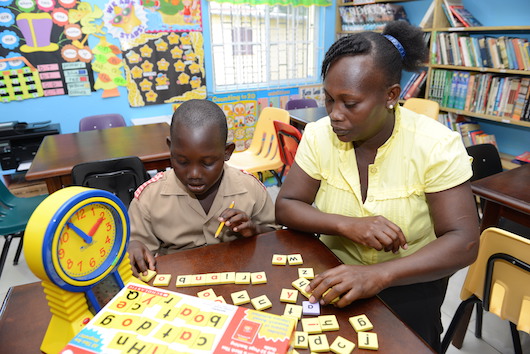
Data Literacy
The World Bank has launched a data literacy program to improve evidence-based policymaking and development outcomes in Sudan.

Funded by UKAid, experts from the World Bank will work over the next eight months to bridge the gap between data producers and data consumers. The program will bring together statisticians, who produce oftentimes complex development indicators, and journalists, academics and government officials, who use this data to inform policymaking.

“This initiative is timely,” said World Bank Country Representative to Sudan, Xavier Furtado. “In addition to better quality data, the World Bank hopes that the Evidence Base Program will contribute to greater transparency and accountability in how public policy is debated and decisions are made.”

Sudan faces a complex set of development issues requiring sound policy.

The most recent data from the World Health Organization indicates that the under-five mortality rate is 77 per 1000 children, the maternal mortality rate is 360 per 100,000 live births and the number of deaths due to tuberculosis is just over 25 per 100,000 citizens. The most recent data from The World Bank indicates that 46.5 percent of the population in Sudan is living in poverty.

But WHO notes that its figures haven’t been updated since 2013 and Sudan didn’t begin to measure these statistics until between 1990 and 2000. The World Bank also notes that its figures have not been updated since 2009. On the World Bank’s 0-100 scale of level of statistical capacity, Sudan sits just above 51, compared to the average for all sub-Saharan African countries of 70.

Finding solutions to the challenges facing Sudan will require targeted, efficient development programs and leaders cannot hope to make progress without first filling its data literacy and acquisition gaps.

The United Nations Development Program (UNDP) has also been working toward this objective. Since 2006, UNDP has hosted workshops designed to train government representatives on how to understand, analyze and utilize development data – hoping to foster better aid policy.

“We understand that changes will not happen overnight,” Furtado said. But by building capacity to collect, analyze and manage reliable data at national and provincial levels through its new program, the World Bank hopes to ingrain data use into the development culture of the fragile state. In turn, they estimate that better programs and more inclusive economic growth will occur.

– Ron Minard

Sources: UNDP, WHO, World Bank 1, World Bank 2
Photo: USAID

February 12, 2016
Share this entry
  • Share on Facebook
  • Share on X
  • Share on WhatsApp
  • Share on Pinterest
  • Share on LinkedIn
  • Share on Tumblr
  • Share on Vk
  • Share on Reddit
  • Share by Mail
https://borgenproject.org/wp-content/uploads/borgen-project-logo.svg 0 0 Borgen Project https://borgenproject.org/wp-content/uploads/borgen-project-logo.svg Borgen Project2016-02-12 01:30:462024-05-27 09:28:51Using Data Literacy to Improve Development in Sudan

Get Smarter

  • Global Poverty 101
  • Global Poverty… The Good News
  • Global Poverty & U.S. Jobs
  • Global Poverty and National Security
  • Innovative Solutions to Poverty
  • Global Poverty & Aid FAQ’s
Search Search

Take Action

  • Call Congress
  • Email Congress
  • Donate
  • 30 Ways to Help
  • Volunteer Ops
  • Internships
  • Courses & Certificates
  • The Podcast
Borgen Project

“The Borgen Project is an incredible nonprofit organization that is addressing poverty and hunger and working towards ending them.”

-The Huffington Post

Inside The Borgen Project

  • Contact
  • About
  • Financials
  • President
  • Board of Directors
  • Board of Advisors

International Links

  • UK Email Parliament
  • UK Donate
  • Canada Email Parliament

Get Smarter

  • Global Poverty 101
  • Global Poverty… The Good News
  • Global Poverty & U.S. Jobs
  • Global Poverty and National Security
  • Innovative Solutions to Poverty
  • Global Poverty & Aid FAQ’s

Ways to Help

  • Call Congress
  • Email Congress
  • Donate
  • 30 Ways to Help
  • Volunteer Ops
  • Internships
  • Courses & Certificates
  • The Podcast
Link to: Using a Solidarity Levy to Fund Disaster Relief Link to: Using a Solidarity Levy to Fund Disaster Relief Using a Solidarity Levy to Fund Disaster Relief Link to: 10 Ways to Help the World’s Poor Link to: 10 Ways to Help the World’s Poor 10 Ways to Help the World’s Poor
Scroll to top Scroll to top Scroll to top