• Link to X
  • Link to Facebook
  • Link to Instagram
  • Link to TikTok
  • Link to Youtube
  • About
    • About Us
      • President
      • Board of Directors
      • Board of Advisors
      • Financials
      • Our Methodology
      • Success Tracker
      • Contact
  • Act Now
    • 30 Ways to Help
      • Email Congress
      • Call Congress
      • Volunteer
      • Courses & Certificates
      • Be a Donor
    • Internships
      • In-Office Internships
      • Remote Internships
    • Legislation
      • Politics 101
  • The Blog
  • The Podcast
  • Magazine
  • Donate
  • Click to open the search input field Click to open the search input field Search
  • Menu Menu

Tag Archive for: The International Monetary Fund

Posts

Economy, Global Poverty

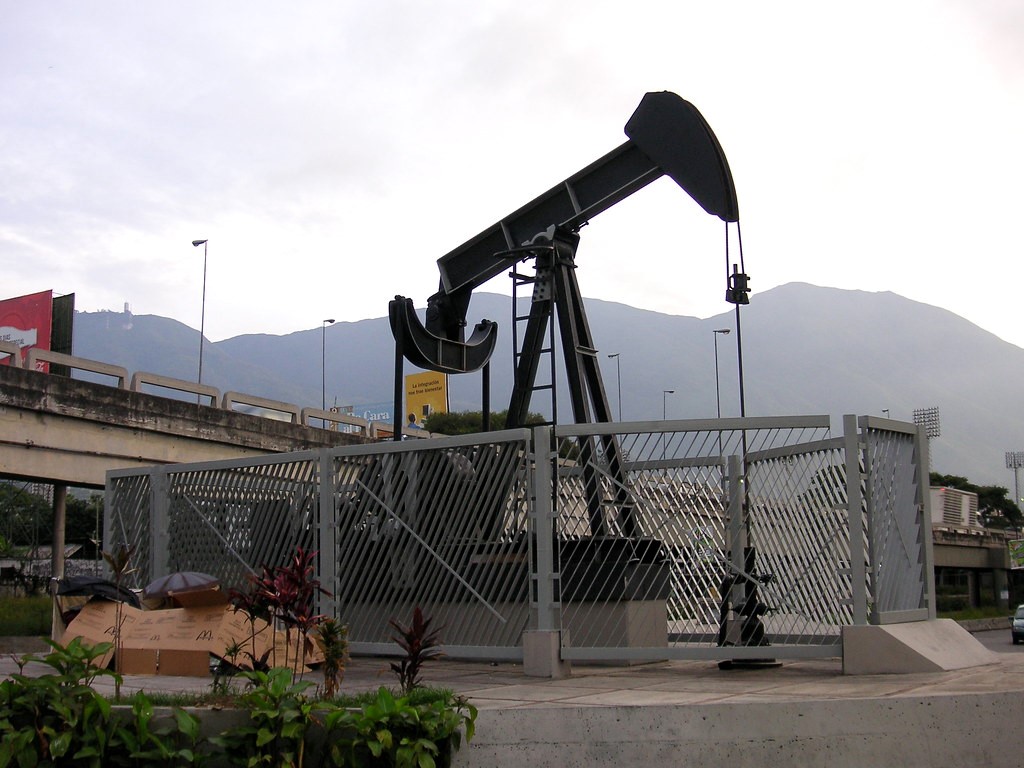
The Fall of Venezuela’s Oil-Based Economy

The Fall of Venezuela’s Oil-Based Economy
Currently, Venezuela is in an economic crisis. According to the International Monetary Fund (IMF), Venezuela’s inflation rate will exceed 10 million percent by the end of 2019. This high inflation has destroyed Venezuela’s economy, causing poverty and unemployment rates to rise. In turn, it has also created mass food and medical supply shortages across the nation. Venezuela was not always in a state of crisis; it was once a thriving country backed by a booming oil-based economy. If one understands the fall of Venezuela’s oil-based economy, they will know how Venezuela’s current crisis came to be.

Fruitful Origins

Back in the 1920s, people found some of the world’s largest deposits of oil in Venezuela. Upon this discovery, Venezuela embarked on the path of a petrostate. As a petrostate, Venezuela’s economy relies almost entirely on oil exports. The government overlooked domestic manufacturing and agriculture, choosing to import basic goods instead of producing them within Venezuela. With strong support for an oil-based economy, Venezuela rode on its economic boom until the end of the worldwide energy crisis of the 1970s.

The 1970s energy crisis involved international oil shortages due to interrupted supplies from the Middle East. In place of the Middle East, Venezuela became one of the top oil suppliers worldwide. Oil prices thus skyrocketed due to limited suppliers and oil production in Venezuela increased to meet rising demand. Venezuela added about $10 billion to its economy during the energy crisis, providing enough wealth to cover the importation of basic goods. It was even able to begin more social welfare programs.

The Fall

Once the energy crisis ended in the early 1980s and oil prices stabilized again, Venezuela’s economy saw its first notable decline. Oil production did not decrease in spite of lowered oil prices and demand, resulting in a capital loss for Venezuela’s economy. The production of oil is an expensive endeavor which requires high capital investment in the hopes of that even higher sales can offset the investment. Therefore, while oil production remained high, Venezuela failed to build off of the investment, losing capital immediately.

This loss of capital marked Venezuela’s oil-based economy’s initial fall, as Venezuela risked its well-being on the unstable oil market. Just prior to the drop in oil prices, Venezuela went into debt from purchasing foreign oil refineries. Without investing in domestic agriculture or manufacturing, the Venezuelan government became economically strapped; it could no longer pay for its imports and programs, and especially not its new refineries.

In order to pay for its expenses, Venezuela had to rely on foreign investors and remaining national bank reserves. Inflation soared as the country drilled itself further into debt. It was not until the early 2000s that oil prices began to rise again and Venezuela could once more become a profitable petrostate — in theory. Under the regime of Hugo Chávez, social welfare programs and suspected embezzlement negated the billions of dollars in revenue from peaked oil exports.

By 2014, when oil prices took another harsh drop worldwide, Venezuela did not reserve enough funds from its brief resurgence of prosperity. Ultimately, the country fell back into a spiral of debt and inflation.

Lasting Effects

The fall of Venezuela’s oil-based economy sent shockwaves throughout its population, affecting poverty and unemployment rates and causing mass food and medical shortages. Estimates determined that in April 2019, Venezuela’s poverty rate reached nearly 90 percent nationwide. A notable factor of its widespread poverty, some suggest that Venezuela’s unemployment rate was 44.3 percent at the start of 2019.

Unemployment is rapidly increasing in Venezuela as both domestic and foreign companies lay off workers — with some companies offering buyouts or pension packages, and others just firing workers without warning. As Venezuela falls further into debt and its inflation rises, there is not enough demand within the country for foreign companies to stay there.

As previously mentioned, the earlier Venezuelan government chose to rely on imports rather than domestic production for its basic goods. Now, in 2019, the country suffers from its past mistakes. Unable to afford its imports, food and medical supply shortages are rampant across Venezuela. According to recent United Nations reports, over a 10th of the nation’s population is suffering from malnourishment. In addition, malaria — which the country virtually eliminated several decades prior — is reappearing as there are more than 400,000 cases nationwide.

A Way Out

While the fall of Venezuela’s oil-based economy may be detrimental to the nation’s overall stability, there is a way out of ruin: the International Monetary Fund, an international agency that exists to financially aid countries in crisis. In the fight against global poverty, the IMF is a vital tool that can prevent countries from reaching an irreparable state.

If Venezuela defaults on its debt and seeks funding from the IMF, Venezuela would be able to invest in domestic agriculture and other infrastructure. Therefore, if the oil industry continues to decline, there will be a fallback for supplies and potential exports. While this is not a panacea to the fall of Venezuela’s oil-based economy, it is a way for the nation to prepare for any future declines in oil prices and begin to work toward prosperity.

– Suzette Shultz
Photo: Flickr
September 15, 2019
https://borgenproject.org/wp-content/uploads/borgen-project-logo.svg 0 0 Kim Thelwell https://borgenproject.org/wp-content/uploads/borgen-project-logo.svg Kim Thelwell2019-09-15 07:30:452019-10-28 11:17:36The Fall of Venezuela’s Oil-Based Economy
Economy, Global Poverty

The Save the State Protests in Liberia

Save the State Protests

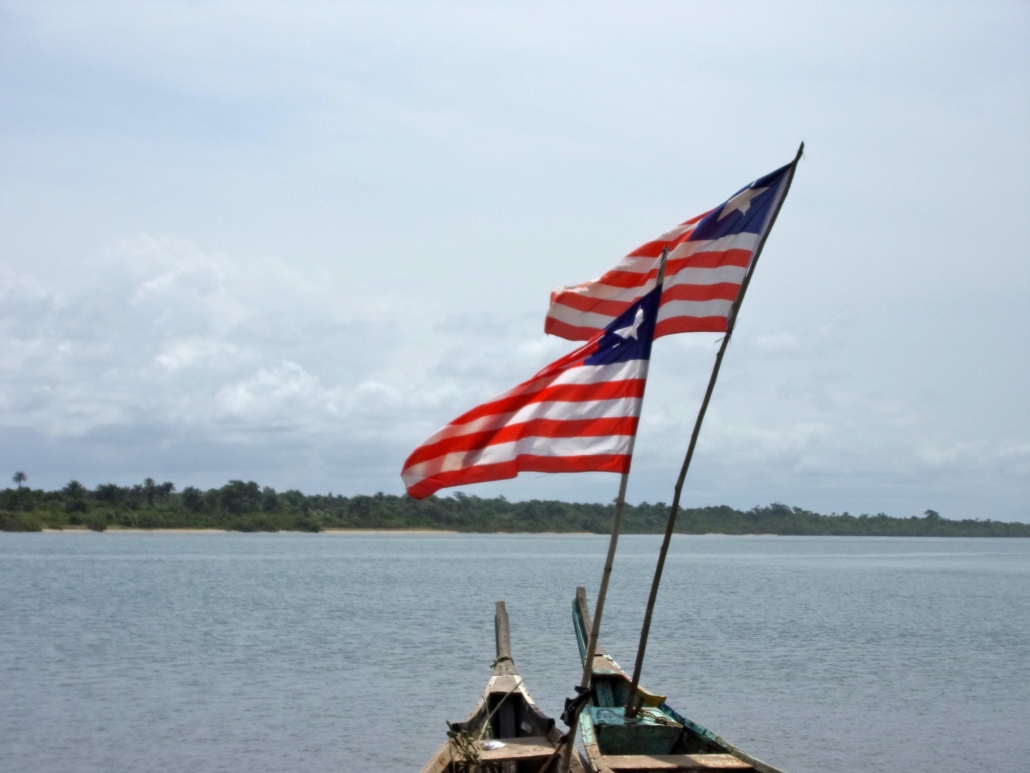
Liberia, or officially the Republic of Liberia, is a small country located on the western coast of Africa. Coming from a rich history of international involvement, the nation holds the title of the first African state to declare independence and, therefore, is the oldest African modern republic. The Save the State protests are currently gripping Liberia.

On June 7, 2019, in the capital city of Monrovia, ongoing tensions and disappointment in the current regime reached a head, resulting in the largest anti-government protest since the end of the civil war in 2003. This was the first of the Save the State protests, which a coalition of politicians, professionals, students and regular citizens called the Council of Patriots organized.

The main goal of the demonstration was to protest high inflation rates and governmental corruption. These two points of frustration have been amplified during the current presidential administration, as these were the two major campaign promises behind the 2018 election of President George Weah. However, these issues merely represent the breaking point of decades-long tensions and it is necessary to understand the socio-economic situation in Liberia which has caused so much unrest, especially as protests continue.

A Damaged Economy

Liberia has continued to feel the effects of two civil wars that took place between 1989 and 2003 and resulted in the death of a quarter of a million people. The wars crippled the Liberian economy by 90 percent and the economy has struggled to fully recover ever since. It suffered another blow with the outbreak of Ebola from 2014 to 2015 that claimed the lives of thousands.

After these crises, foreign aid flowed into the country to help in the restoration of the economy and offer assistance to those struggling in the aftermath. But, as international funding began to dissipate – most recently with the withdrawal of the U.N. peacekeeping mission in 2018 – the country has struggled to develop on its own.

The country continues to rank among the poorest nations in the world, according to the Central Intelligence Agency’s World Factbook. The fact that inflation reached a record high of 28.5 percent in 2018 and an International Monetary Fund growth rate projection of only 0.4 percent in 2019 compounds this.

Disillusioned Voters

The socio-economic situation of sustained, long-term poverty and poor living conditions due to rising prices and financial mismanagement have escalated since the election of President Weah. This is as a result of the lack of changes he made following his campaign promises. His connection to the people of Liberia as a former football star who achieved international acclaim initially spurred people’s excitement for his presidency.

However, hope for improvement has soured as prices continue to rise, fiscal growth continues to slow and the president’s personal wealth appears to be growing. This dissatisfaction brewed alongside a huge scandal where $102 million in new banknotes was allegedly missing. Although no one found evidence to support this claim in an investigation, people cited accuracy and completeness as major issues in the central bank’s records.

As 64 percent of Liberians continue to live below the poverty line and the people have planned more Save the State for the coming months, it is clear that long-term poverty engenders long-term instability and, therefore, a constant state of tension. This kind of unstable environment becomes a powder keg for tensions to erupt, making the future of these peaceful protests uncertain.

Despite President Weah’s opposition to the demands of the protestors thus far, their message remains clear: they want to save their state and improve the lives of their compatriots. It is a prime example of citizens wanting their voices be heard.

– Alexandra Schulman
Photo: Flickr

July 31, 2019
https://borgenproject.org/wp-content/uploads/borgen-project-logo.svg 0 0 Kim Thelwell https://borgenproject.org/wp-content/uploads/borgen-project-logo.svg Kim Thelwell2019-07-31 18:01:092024-05-29 23:10:33The Save the State Protests in Liberia
Page 5 of 512345

Get Smarter

  • Global Poverty 101
  • Global Poverty… The Good News
  • Global Poverty & U.S. Jobs
  • Global Poverty and National Security
  • Innovative Solutions to Poverty
  • Global Poverty & Aid FAQ’s
Search Search

Take Action

  • Call Congress
  • Email Congress
  • Donate
  • 30 Ways to Help
  • Volunteer Ops
  • Internships
  • Courses & Certificates
  • The Podcast
Borgen Project

“The Borgen Project is an incredible nonprofit organization that is addressing poverty and hunger and working towards ending them.”

-The Huffington Post

Inside The Borgen Project

  • Contact
  • About
  • Financials
  • President
  • Board of Directors
  • Board of Advisors

International Links

  • UK Email Parliament
  • UK Donate
  • Canada Email Parliament

Get Smarter

  • Global Poverty 101
  • Global Poverty… The Good News
  • Global Poverty & U.S. Jobs
  • Global Poverty and National Security
  • Innovative Solutions to Poverty
  • Global Poverty & Aid FAQ’s

Ways to Help

  • Call Congress
  • Email Congress
  • Donate
  • 30 Ways to Help
  • Volunteer Ops
  • Internships
  • Courses & Certificates
  • The Podcast
Scroll to top Scroll to top Scroll to top