Posts

Mental Health in Antigua and BarbudaEveryone knows that mental health is just as important as physical health. That does not change the fact that mental health encounters neglect concerning overall health and well-being. Antigua and Barbuda, similar to other small Caribbean island nations, faces unique challenges in conversations focusing on mental health due to limited resources, stigma and lack of awareness. However, the government and various organizations, such as the World Health Organization (WHO) and the Antigua and Barbuda Association of Mental Health Counsellors Inc. (ABAMHC), have created public awareness campaigns and taken the steps necessary toward improving mental health in Antigua and Barbuda.

The majority of people with mental health challenges in Antigua and Barbuda are diagnosed with schizophrenia, schizoaffective disorder and depression. In 2007, only three male patients and one female patient made any visits to one mental hospital for psychiatric treatment, meaning a large number of Antigua and Barbuda citizens lived untreated. Data collected presents assessments and treatments for 174 outpatients through primary health care centers. Out of 174 patients, 114 (66%) carry schizophrenia and other related disorders, 23 (13%) mood (affective) disorders, and 8 (5%) other mental illnesses. In addition, people with mental disabilities are more likely to experience poverty. Social support groups, health care, jobs and education are not easily accessible to impoverished families to provide for the members, specifically children and adolescents, who require extra care.

Health Institutions

Care for mental health in Antigua and Barbuda is severely underdeveloped and primarily focused on confinement rather than treatment. The placement of individuals diagnosed as neurodivergent, someone whose brain processes information differently, in improperly trained health institutions, unfortunately, led to a crisis across the region, where mental health conditions proceed without formal examination, resulting in several people living without necessary care.

In addition to undertrained health institutions, there is one mental health hospital named Clarevue Psychiatric Hospital. Surprisingly, the Clarevue Psychiatric Hospital is the “sole mental health care facility in Antigua and Barbuda,” with enough space for 130 patients who are 18 years old or older. Similar to other health facilities, Clarevue Psychiatric Hospital was “ill-equipped to satisfy the mental health needs of the country.” 

Authorities and mental health specialists, like Health Minister Sir Molwyn Joseph, are stepping up to create a supportive environment for Antigua and Barbuda residents. Plans and programs are underway to construct new mental hospitals and provide appropriate training for mental health professionals. Thankfully, local leaders are passionate and persistent about positively changing other people’s lives by providing support and resources.

“When I reflected, back in 1998, I made [an] appeal…, so you can see the level of urgency,” Joseph said.

Effects of Poverty on Mental Health

Studies indicate that poverty significantly impacts mental well-being economically. Poverty and mental health in Antigua and Barbuda are intertwined as poverty leads to social stresses and trauma, and mental health can lead to impoverishment resulting in a cycle of hardships to access basic needs such as food, housing and healthcare. According to the United Nations Children’s Fund (UNICEF), 18% of Antigua and Barbuda citizens lived in poverty, and 5% were indigent in 2016. Compared to the remainder of the Eastern Caribbean, Antigua and Barbuda has a lower poverty rate than the average of 23%.

Economic hardships disproportionately affect children and adolescents. The poverty rate for children between the ages of zero and 17 is 24%, and for adolescents, it is 25%, which is higher than the rate of 16% for adults ages 18 years or older and the overall rate of 18.4%. The higher percentage among the younger population signifies an urgent call for social and economic policies to improve living conditions for vulnerable groups.

Mental Health Crisis Among the Youth

Experienced psychiatrists have expressed concerns about the mental health among the youth. “In a 2021 report showing that nearly 20 percent of teenagers in Antigua and Barbuda between the ages 13 and 15 had seriously considered taking their lives.”

Dr. Chenelle Joseph, a psychiatrist who has worked with the mental health challenges of the younger generation, has witnessed a growing mental health crisis in Antigua and Barbuda, with increasing reports of suicide idealization and mental health disruptions like depression, bullying and anxiety.

To lower the percentage of teens idealizing taking their lives, a new initiative to amplify community stability and address ascending suicide rates will launch in Antigua and Barbuda. Antiguan-born psychotherapist and former United Nations official Jamion Knight will introduce the Mango Bucket Project, the country’s first suicide prevention hotline to relieve the pressures of modern life of individuals in the Caribbean islands.

“If persons and communities across the country could make a small contribution to improving the mental fitness and resilience of the nation, we can collectively transform the lives of thousands of people who are facing significant and crushing pressures daily,” Knight said.

Mental Treatment Act of 1957

On February 7, 2025, the National Youth Parliament Association of Antigua and Barbuda (NYPAAB) hosted a debate to tackle the Mental Treatment Act of 1957, a 70-year-old piece of legislation that was enacted in various countries, including Antigua and Barbuda, to regulate the treatment and care of people with mental health conditions.

Several government officials have voiced their opinions on the Mental Treatment Act of 1957 and criticized it as insufficient for managing modern questions in mental health care services. Prime Minister Marver Woodley, Attorney General Christal Percival, and Speaker of the House Jessica Zouetr reconsidered the context of current comprehension of mental health and utilized their voices to lead some countries to call for reforms that better align with mental health care practices and rights. 

Mental Health Awareness

While the challenges to improving mental health in Antigua and Barbuda still exist, the collective efforts of the community, government and organizations signal a positive shift toward a more supportive mental health landscape. The nation’s ability to shine through as it navigates these difficulties together reminds everyone that they are not alone in their struggles.

As Antigua and Barbuda pushes forward, the need remains to maintain an environment where mental health is prioritized and celebrated. The road toward healing is bumpy, but the community strides toward a healthier, happier future with every development. The story of the mental health crisis in Antigua and Barbuda is one of hope, compassion and unwavering strength of the human spirit from which all beings should learn.

– Makayla Johnson

Makayla is based in Clayton, NC, USA and focuses on Good News and Technology for The Borgen Project.

Photo: Freepik

Mental Health in TogoThe West African country of Togo is located on the Gulf of Guinea, filled with beautiful white sand beaches and lush forests. The country’s geography is met with a population of 9,304,337 and increasing. The population growth rate of the country is 2.4%. In the year 2050, Togo expects to maintain a population of 15,584,778. The rapidly growing population is detrimental to a country amid a mental health crisis. More than half of the population lives off of $1.90 in U.S. currency a day and identifies with having mental health struggles from depression due to the absence of socioeconomic security.

The lack of economic growth in rural areas in Togo results 58.8% residing in poverty. Living below the poverty benchmark leaves many Togolese in a determinantal state. The absence of socioeconomic security prevents access to public health care, specifically mental health evaluation. Togo has only five licensed psychiatrists per 8 million people making mental health care in Togo challenging to access. Psychological help is a last resort for many Togolese as personal methods have not remedied one’s struggles. The West African region has the most significant suicide rates in the world; data concludes that 79% of the world’s suicides occur in developing countries.

Meeting Mental Health in the Middle 

Mental disorders affect young women in Africa the most. About 85% of 66 million young women have limited access to mental health treatment. The Bluemind Foundation is a nonprofit organization persistently working to defy the statistical outcomes of mental health in Africa. In 2023, the foundation funded the certification of 150 women in therapeutic training sessions. Heal by Hair is Bluemind’s signature three-day training program for French-speaking African hairdressers, which equips them with the skills to identify mental disorders and actively listen to their clients. In Lomé, the capital of Togo, Tele da Silveira is joining the fight one hairstyling session at a time.

Ms. Silveira is one of the 150 women certified by The Bluemind Foundation. Her salon has become a space of praise and peace for many of her clients. Mental health in Togo is frequently de-prioritized by the government. Ms. Silveira struggles with depression herself and is hoping for a more significant governmental push for mental health awareness and accessible care for all. Togo is not the only country that lacks public health support for mental illness; Madagascar, South Africa and Nigeria fall deeper into the statistics every day. “African countries have an average of 1 therapist per 500,000 inhabitants.” The Bluemind Foundation is determined to change the data. By 2035, Bluemind strives to have 1,000 certified hairdressers in more than 20 cities, caring for 2 million women. 

Taking Action for Togo 

Along with The Bluemind Foundation, The Humanity and Inclusion non-governmental organization (HI) strives to make mental health support in Togo accessible to all. The organization is pushing for mental health campaigns to be in schools. HI trains professionals in multiple education sectors in psychological support and boosts awareness within the community. Mental health is taboo throughout many African countries. Mental health in Togo is surrounded by stigma due to the lack of knowledge on mental illness as a whole.

HI’s mental health initiative is recent but promising. The Humanity and Inclusion organization works primarily on disability representation in education settings in developing countries. The organization’s tricycle movement in Togo, which gifted disabled students tricycles, was a success. Many Togolese see promise in the HI mental health effort due to the success of their disability efforts. Bluemind Foundation and Humanity and Inclusion empower the local communities to take a stand for their health by giving them the tools needed to help themselves and others. In March 2024, the Africa CDC established a new Mental Health Leadership Programme. The program plans to strengthen the public health workforce and establish mental health awareness and research as a priority. Regardless of access to public health care, the Togolese and Africans continue to bring awareness and support to each other.

Looking Ahead 

Mental health may be a taboo in many African countries. However, Togo is taking a stand for itself. Mental health in Togo will not change because of public health care access but because of the voices of the people. A hair salon chair to the shoulder of a helpful friend is how awareness is spreading, and the astigmatism is breaking. The work of the Bluemind Foundation, Humanity Inclusion and other organizations is just the beginning of mental health awareness for Togo and Africa.

– Mackenzie Inman

Mackenzie is based in Washington D.C., USA and focuses on Good News and Technology for The Borgen Project.

Photo: Pixabay  
Mental Health in Cabo VerdeA stunning collection of islands off the coast of West Africa, Cabo Verde is the home of more than 600,000 people. After gaining independence from Portugal in 1975, Cabo Verde quickly built a successful democratic government. Despite economic progress, opportunities remain limited. Droughts have led many to emigrate. Among those who have stayed, many live without access to clean water, nutritious food or adequate housing, impacting mental health.

Mental Health Rate in Cabo Verde

Cabo Verde has made significant progress in all areas since gaining its freedom. The mental health of its people has been no exception. In 2017, there were no reported mental health professionals. Three years later, 11 total psychiatrists, 40 psychologists, 23 social workers, one mental health nurse and one occupational therapist were reported, demonstrating the country’s effort at combating mental health.

Suicide rates have also steadily declined, dropping from 17.46 per 100,000 people in 2013 to 15.23 in 2019. However, nearly 5% of people living in Cabo Verde still experience depression. To combat this, the Cabo Verde government has expanded mental health resources. In addition, it has launched initiatives such as educational conferences to reduce the stigma surrounding mental health.

Reducing Stigma

World Health Day is observed annually on April 7. In 2017, the World Health Organization (WHO) partnered with Cabo Verde’s Ministry of Health and Social Security (MSSS) to organize a conference focused on depression. The conference aimed to tackle the issue without stigma or bias. Under the theme “Depression: Let’s Talk,” the event occurred in the nation’s capital and welcomed everyone to participate. Before the conference, the WHO held press briefings to discuss topics such as stigma, strategies for raising awareness about depression, its impact on those affected and the available resources for support.

A series of events also took place across Cabo Verde on the same date. At the University of Cabo Verde, a roundtable discussion was held with several doctors from the WHO and MSSS, focusing on discrimination in mental health. At the Agostino Neto Hospital Central Hospital in Praia, a “Conversation morning,” was held. Pregnant and new mothers were invited to participate in an open discussion about postpartum depression. Led by the clinical director from the hospital alongside doctors from the WHO, patients were educated on signs of postpartum depression and how to navigate it.

Government Support

The day concluded with a forum on depression at the Government Palace. During the event, the forum’s chairman, Dr. Arlindo do Rosário, emphasized that the work of the WHO and MSSS “further highlight the government’s firm commitment to actually include mental health in our work.”

Recently, Dr. Angel Olider Rojas Vistorte hosted a conference on mental disorders and social media usage in Praia. The event, held in June 2024, was organized by the Jean Piaget University of Cape Verde, the Ibero-American University Foundation and the European University of the Atlantic, where Vistorte is affiliated. The conference aimed to create a safe space for discussing mental health and promoting healthy dialogue about mental health issues. In his lecture, Vistorte went beyond depression, addressing anxiety and eating disorders as potential consequences of excessive social media usage.

Conclusion

Cabo Verde has made notable progress in improving mental health care, reducing stigma and increasing access to mental health professionals. Despite challenges such as poverty and limited resources, the country has seen a decline in mental health disorders and suicide rates. Educational initiatives and open discussions have further supported awareness and progress. These positive strides reflect Cabo Verde’s commitment to better mental health for its people.

– Hannah Pacheco

Hannah is based in Boston, MA, USA and focuses on Good News and Global Health for The Borgen Project.

Photo: Pixabay
Impact of Poverty on Mental HealthPeople from lower-income countries are often overlooked as a target audience for mental health care. In impoverished countries, in particular, mental health care is crucial for breaking the cycle of potentially exacerbated mental illnesses that disproportionately affect underprivileged populations. According to the World Health Organization (WHO), 13% of people across the globe suffer from mental health disorders, varying in type and impact, with depression and anxiety being the most prevalent of them all. Poverty puts people at a higher risk for developing mental health disorders, and makes it difficult for those people to receive proper care. Only 33.33% of people suffering from depression around the world may have access to mental health care. The mental health care that is available is limited and poverty negatively affects it.     

The Impact of Poverty on Mental Health

According to research that Yihan Sun of the Department of Science at the University of British Columbia in Canada conducted, “mental illness … increasingly causes severe disability in both wealthy and underdeveloped countries,” and “poverty is one of the factors that affect mental health.” In short, the relationship between mental health and poverty is that of a snowball effect. 

Mental health as a result of poverty can make preexisting mental illness worse. More specifically, poverty can worsen symptoms of depression, anxiety and post-traumatic stress disorder (PTSD). Yihan Sun goes on to mention that depression can result from concerns about “erratic income and spending” related to poverty. For example, anxiety can increase due to people not being able to make bill payments on time. People may also experience PTSD when they live in locations that are “disaster-prone” to such things as “fire incidents, traffic fatalities, environmental hazards and gun-related violence.”

Non-Communicable Diseases and Mental Health

Mental health can be considered a non-communicable disease (NCD), which is a disease that is not transmissible from one person to another and often includes chronic diseases and conditions like diabetes, heart and kidney disease. Mental health disorders have links to various non-communicable diseases. People suffering from diabetes and cardiovascular disease can be more at risk of developing anxiety or depression.

Unfortunately, non-communicable diseases are a significant cause of death for low to middle income countries. According to the World Health Organization (WHO), for the countries of Angola and the Central African Republic, non-communicable diseases are the broader cause of at least 20% of the deaths of their population in 2021. For the countries of Bangladesh and Cambodia, NCDs are the cause of more than 60% of the deaths of their populations in 2021. These countries are all classified as being low-to-middle income countries according to WHO.  

Current Global Poverty Status

Despite the devastating impact of poverty on mental health, particularly in developing countries, there is hope on the horizon. In the past 30 years, poverty has steadily and significantly declined in regions such as Latin America and the Caribbean, Eastern and Southern Africa, sub-Saharan Africa and Western and Central Africa, with poverty rates decreasing by at least 13% in each region—some by as much as 28%. 

East Asia and the Pacific have experienced the most dramatic improvement, with poverty rates plummeting from 65.2% in 1990 to just 0.6% in 2024. Although Latin American and Caribbean countries haven’t seen as much of a decline in poverty as the rest of the world, their poverty rate has still diminished significantly compared to the ’90s. 

The MINDS Act

Where there is hope, solutions to persistent problems are often within reach and this holds for those living in poverty in low- and middle-income countries. One such solution is the Mental Health in International Development and Humanitarian Settings (MINDS) Act, which offers a pathway to addressing these challenges.

The MINDS Act aims to enhance investment in mental health care from high-income countries, such as the U.S. and the U.K., to establish or support programs focused on breaking the cycle of poverty worldwide. By doing so, it seeks to address the reciprocal impact of poverty and mental health, helping to disrupt the harmful connection between the two.

Children would benefit significantly, as the rate of their anxiety and depression (due to living in poverty) would lessen. They would also be less susceptible to developing psychiatric disorders in their adulthood.

Solutions in Rwanda

Another solution could be in the form of programs like the ones implemented in Rwanda, after the sovereign state’s genocide of 1994. Findings determined that around 94% of the survivors witnessed traumatic events that would affect them decades later in the form of PTSD, depression and panic disorder. In response to the aftermath of the genocide, the state created a community-based psychotherapy that allows for “healing and peacebuilding for survivors.” Rwanda then proceeded to create the Gacaca Courts through the Government of National Unity, which would provide justice for survivors while emphasizing accountability for the perpetrators. The sovereign state eventually acquired enough stability to be able to provide it’s citizens with universal health coverage for mental health to each citizen for $2 a year.

Through the implementation of these programs, Rwanda has successfully and significantly lessened the state’s suicide rate from 8.84 in 2005 to 5.57 in 2018 as a result of community-based psychotherapy.  More than 1.2 million cases were tried in more than 12,000 courts after the creation of the new judicial system of the Gacaca Courts. Life expectancy within the country has since risen from 56 to 70 after the implementation of universal health care and the inclusion of mental health.

Conclusion 

Rwanda is proof that mental health care is incredibly important to the health of a community, especially during the aftermath of traumatic and tragic events. With the implementation of programs that changed and incorporated mental health care into Rwanda’s judicial system, universal health care system, and community, the country has, since the genocide of 1994, been able to look forward to its future with much better days ahead. It is possible to provide mental health care and restore hope, and solutions can emerge with humanity at the wheel.

– Sadie Treadwell

Sadie is based in Grovetown, GA, USA and focuses on Business and Good News for The Borgen Project.

Photo: Pexels

Poverty and Mental HealthThe United Nations (U.N.) Special Rapporteur on extreme poverty presented a new report at the 79th session of the U.N. General Assembly. This report details how the issues caused by mental health and poverty feed into one another, creating a vicious cycle.

It finds that those on lower incomes are three times more likely to suffer from depression, anxiety and other mental illnesses. Although the World Health Organization (WHO) has declared mental health a basic human right, 11% of the world’s population suffers from a mental illness.

Poverty Increases the Risk of Mental Health Conditions

Poverty creates psychological distress and, therefore, causes mental illness. Economic insecurity, job insecurity or poor-quality jobs, unemployment and underemployment (that is, being forced to work part-time due to lack of full-time employment) and less access to green spaces are all conditions of poverty that are proven to create stress. People experiencing poverty are additionally less likely to contact psychiatric services.

Social stigmas and self-stigmas (a negative perception of oneself that lowers self-esteem) also make it harder for people with mental illnesses to get a job and housing and to form supportive social networks. Stigmas likely play a part in the unwillingness of public policymakers to invest in tackling mental health issues. 

Africa Institute of Mental and Brain Health

Based in Kenya, this organization provides affordable and accessible mental health services. Several of its current projects focus on tackling both mental illness and poverty. For example, the initiative’s HOPE project aims to improve the outcomes of those who are homeless and have severe mental health in Kenya, Ghana and Ethiopia.

Strong Minds

StrongMinds provides free, community-based therapy in low-income areas, with a primary focus on Africa, in its mission to radically expand mental health care for people with depression globally. It currently operates in four countries but has been in Uganda since 2013, providing therapy to women, children, refugees and incarcerated populations. About 16% of treated women report increased work attendance and 30% say their children are less absent from school.

WHO

Since 2014, the WHO has endorsed group interpersonal psychotherapy as a treatment for mental illness in vulnerable people in low-income regions. It has provided more than 160,000 women and children in Uganda and Zambia with group talk therapy. More than 80% of those treated were depression free after treatment and remained so for six months.

Final Remark

The report identifying the contributors to the cycle of poverty and mental health recommends more investment in mental health care. It also suggests the implementation of social protection schemes to support people in need. The charities carrying out this work are already seeing a massive difference. 

– Georgia de Gidlow

Georgia is based in Hertfordshire, UK and focuses on Global Health for The Borgen Project

Photo: Wikimedia Commons

Mental Health In Namibia
Extreme poverty looms over Namibia, negatively affecting its population of 2.6 million and keeping living standards low. These high levels of socioeconomic hardship often cause people to overlook the country’s mental health issues, although illnesses such as anxiety, depression, Post-Traumatic Stress Disorder (PTSD), trauma, bipolar disorders and psychosis affect 25.6% of its population and the number could double by 2025. Here is information about the correlation between poverty and mental health in Namibia.

Poverty and Mental Health in Namibia

Namibia has a poverty rate of 47% and 46% of its youth workforce is unemployed, according to ISS African Futures. These factors contribute to a lack of financial resources and constant pressure to earn more, leading to high stress and anxiety levels. The Namibian reported that “approximately 70% of Namibians suffer from stress and chronic health conditions.” Additionally, people with low incomes often have limited access to mental health services, further worsening their situations.

The country suffers from a traumatic history. From 1915 to 1990, apartheid South Africa occupied Namibia, during which many of the latter’s citizens were killed and displaced. The country only gained independence in 1990, after a long, drawn-out war, which caused 20,000 to 25,000 deaths.

HIV and Psychological Issues

Furthermore, Human Immunodeficiency Virus (HIV) is quite prevalent in Namibia. According to the World Bank, the virus infects 11% of adults aged 15 to 49 years in the country.

Studies have shown that HIV has a direct link to mental health; it causes damage to brain cells and leads to a variety of neurocognitive disorders. Living with HIV also causes acute psychological distress and depression, both for the patient and their loved ones. A 2024 study found that depression affects 24.6% of HIV patients and 17% suffer from anxiety.

Approximately 9.3% of Namibians die from HIV. The burden of carrying the disease and the discrimination against it also increases the risk of suicide. From April 2020 to March 2023, 1,542 Namibians committed suicide, 82% being men. 

Cultural Influences

Another factor that further complicates mental health in Namibia is the stigma and cultural beliefs toward mental health issues. Many Namibians consider mental illness to be a sign of weakness or low willpower. Because of this, people go undiagnosed and there is less availability of treatments. A 2020 study showed that the level of public prejudice against mental health was 41% on the Community Attitudes towards Mental Illness (CAMI) scale.

The country has only two major mental institutions: Windhoek Central Hospital, which dedicates only 220 beds to mental health care, and Intermediate Hospital Oshakati, which offers 60 beds but often deals with 200 patients at once.

Solace in Drugs and Alcohol

Citizens affected by poor mental health in Namibia often cope through substance abuse. However, this can further exacerbate their condition and can result in psychosis, bipolar disorders, and depression, along with a decline in physiological health as well.

 The United Nations Office on Drugs and Crime reported that: “in 2020, the Government of Namibia confiscated 843,892 kg of cannabis, 4,930 tablets of mandrax, 2,922 grams of crystal meth, and 1,072 grams of cocaine.” Also, in 2023, WHO stated that Namibia drinks “2.38 of pure alcohol per capita amongst people aged 15 or above.”

Alleviating These Issues

Despite all these challenges, there is still a ray of hope for Namibians. Countless organizations have stepped up to advocate for mental health awareness and solutions. Established in 1980, Lifeline/Childline focuses on supporting emotional wellness and child protection in Namibia. It now has wide-reaching services all across the country and has gained international recognition from organizations such as USAID and UNICEF.

Lifeline/Childline operates a free counselling helpline that is available 24/7, providing mental health support to individuals suffering from a wide range of issues such as anxiety, depression and trauma. The organization provides counselling via telephone, text message or in person, making them accessible to a large sum of the population. From April 2024 to June 2024, its toll-free helpline answered 10,101 calls.

The non-profit also runs awareness programs that aim to reduce the stigma regarding mental health in Namibia and the importance of seeking help through social media campaigns, educational workshops, community outreach programs and its radio show.

Even though Namibia seems to be struggling in the face of these challenges, it’s important to acknowledge the fact that non-profits such as Lifeline/Childline are making a palpable difference and are changing people’s lives for the better. With more progress from the country’s numerous non-profits and government, mental illness rates in Namibia will likely decline and its citizens will be able to have bright, optimistic futures.

– Mustafa Tareen

Mustafa is based in Lahore, Punjab, Pakistan and focuses on Global Heath and Celebs for The Borgen Project.

Photo: Flickr

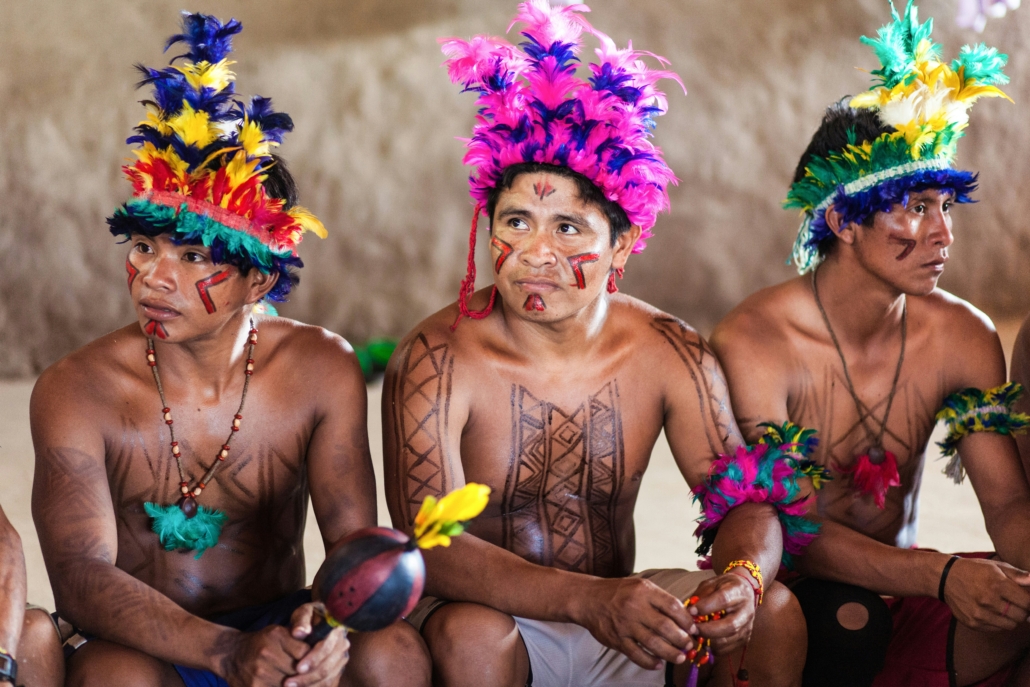
IDIL: Mental Health Access for Indigenous People in Oaxaca The United Nations General Assembly (UNGA) has designated 2022 to 2032 as the International Decade of Indigenous Languages (IDIL). The United Nations Educational, Scientific and Cultural Organization (UNESCO) leads global efforts to support this initiative. In Mexico, the project La Enfermedad de la que Nadie Habla en el Pueblo (ENHP) aims to expand access to mental health information and services. It does so by providing resources in Indigenous languages and incorporating Indigenous perspectives.

The International Decade of Indigenous Languages

The UNGA established the International Decade of Indigenous Languages (IDIL 2022-2032) to fulfill the objectives of the United Nations Declaration on the Rights of Indigenous Peoples. Throughout this decade, initiatives focus on preserving, revitalizing and promoting Indigenous languages worldwide. The Australian Government reports that many of these languages have reached a critical level of endangerment.

UNESCO estimates that approximately 40% of languages spoken will no longer be in use a century from now. Indeed, many are likely to be Indigenous languages. During International Decades, global facilitators coordinate action and mobilizations to raise awareness on a particular topic. La Enfermedad de la que Nadie Habla en el Pueblo is one example of coordinated action for IDIL. 

“La Enfermedad de la que Nadie Habla en el Pueblo”

Indigenous youths developed the project La Enfermedad de la que Nadie Habla en el Pueblo (ENHP), which translates to The illness nobody talks about in the village, to make mental health information accessible in Indigenous languages. ENHP successfully provided information in 30 Indigenous languages, addressing a critical gap in health communication. In a UNESCO article, the director of the Network of Interpreters and Intercultural Promoters, Eduardo Ezequiel Martínez Gutiérrez, stated that at least 30% of Oaxaca’s population is not fluent in their doctor’s or government’s language, a key issue ENHP aims to solve. The project also trains interpreters to act as intermediaries in mental health spaces.

According to Socialab, 65% of Indigenous people in Oaxaca, who speak up to 177 linguistic variants, cannot engage with content in Spanish. In response, the ENHP produced short videos with interpreters from various Indigenous communities. These videos discuss the symptoms of anxiety and depression and offer coping strategies. The project’s translation and interpretation efforts exemplify the goals of the International Decade of Indigenous Languages by improving access to mental health care for Indigenous peoples in a culturally relevant context.

Implementation of ENHP

The UNESCO program Impulso Joven, “Because Youth Matter,” awarded $10,000 in startup capital to 20 youth projects across 11 Caribbean and Latin American countries, including ENHP. Impulso Joven also provided practical workshops, training sessions and mentorship. The ENHP project unfolded in four stages. Initially, each interpreter completed a course on emotional disorders and mental health. In the second stage, interpreters adapted the course content to be culturally and linguistically relevant for Indigenous territories. Following this, the third stage involved the creation of audio and video materials. Finally, in the fourth stage, the team distributed these materials to Indigenous communities to help reduce the stigma around mental health.

Importance of Reconceptualization

ENHP’s efforts to reinterpret mental health information plays a crucial role in making mental health resources accessible to more Indigenous Peoples. This approach aligns with the goals of the International Decade of Indigenous Languages. The goals focus on actions supporting the United Nations Declaration on the Rights of Indigenous Peoples. The American Psychiatric Association (APA) has studied the barriers Indigenous Peoples in the United States (U.S.), Canada, the Pacific Islands and Australia face in accessing mental health services. These barriers include mistrust of mainstream services, social stigma associated with seeking help, insufficient awareness to recognize signs of poor mental health and the challenges of accessing mental health services in remote areas.

APA emphasizes that barriers to accessing mental health services for Indigenous populations should be viewed within the broader context of systemic, structural and societal challenges. Sandra García Reyes, an educator with ENHP, told UNESCO that mental health and self-care are integral to community care. ENHP has reinterpreted mental health information from a Western perspective to a holistic and relational approach. Furthermore, they take into account the intergenerational impacts of forced assimilation, relocation and discrimination.

Impacts of the IDIL

IDIL provides a framework for collaboration among diverse stakeholders, promoting coherence, continuity and cross-cultural dialogue in actions taken worldwide. IDIL is a global call to develop policies and make strategic investments to protect and revitalize Indigenous languages and support their speakers. According to UNESCO, IDIL involves 4,213 communities from 60 countries and 1,772 organizations. Across these communities, 202 languages are spoken and 2,635 events have been organized to recognize IDIL. Projects like La Enfermedad de la que Nadie Habla en el Pueblo exemplify how youth-led initiatives can enhance the lives of Indigenous communities by incorporating intersectional, community and cultural perspectives while safeguarding their languages.

– Tanisha Groeneveld

Tanisha is based in Leeds, UK and focuses on Good News and Global Health for The Borgen Project.

Photo: Flickr

Mental Health in ZimbabweAs of 2024, Zimbabwe’s population stands at approximately 16 million, highlighting an urgent need to support mental health initiatives as more people require access to care. Currently, 54% of Zimbabweans lack access to health care and the suicide rate is 14 per 100,000 people. With less than 20 psychiatrists available for the citizens of Zimbabwe, the mental health care gap is stark.

However, with support from developed countries and effective government programs, Zimbabwe is making significant strides in addressing its mental health challenges. Key initiatives include the World Health Organization’s Special Initiative for Mental Health and the Zimbabwe Life Project. These efforts aim to improve mental health systems, foster successful global partnerships and offer individuals and nations the chance to contribute.

The WHO’s Special Initiative for Mental Health

In 2020, more than 100 stakeholders, including nonprofits and politicians, backed the strategy outlined by WHO’s Special Initiative for Mental Health. These programs provide training to equip mental health professionals and caregivers with the skills needed to offer effective mental health support. Between 2021 and 2022, the WHO’s Special Initiative for Mental Health increased investments in mental health.

Furthermore, it expanded the capacity of general health staff in primary health care centers to identify and assist Zimbabweans experiencing mental disorders. The initiative emphasizes the importance of human rights for those struggling with mental health, including access to information and the right to privacy. This approach fosters a more inclusive and supportive environment.

The Zimbabwe Life Project

The Zimbabwe Life Project (ZLP), established in 2018, is a nonprofit organization that promotes mental health, well-being and resilience in Zimbabwe. The organization seeks to develop a skills exchange program involving mental health professionals in Zimbabwe. This initiative will facilitate participatory exchanges of knowledge, skills and experiences.

A primary objective is to share specialized mental health expertise and foster positive partnerships between mental health professionals in the U.K. and Zimbabwe. Furthermore, ZLP initiatives focus on continuous, comprehensive mental health care in Zimbabwe. In 2019, the organization donated medical equipment worth more than $20,000 to the nation.

Conclusion

Supporting mental health initiatives in Zimbabwe is crucial as the country faces significant challenges in meeting the mental health needs of its population. A combination of limited resources and a shortage of trained professionals has made access to care difficult for many. However, focused efforts are underway to improve mental health systems, foster global collaboration and provide essential knowledge and resources to those in need.

International organizations like the WHO have supported Zimbabwe’s mental health sector. Indeed, programs like the WHO’s Special Initiative for Mental Health and the ZLP have made strides in increasing awareness, training health care providers and integrating mental health care with primary health services. These initiatives aim to treat mental illness and promote long-term resilience and well-being across communities.

– Alysha Miller

Alysha is based in Toronto, ON, Canada and focuses on Global Health for The Borgen Project.

Photo: Flickr

Mental Health in EstoniaThe people of Estonia have been grappling with mental illness for years. With a population of 1.3 million, approximately 20% are affected by anxiety and depressive disorders. Several factors contribute to the high rate of mental illness in the country, including gender, economic status and the impact of COVID-19. However, a significant factor is the existing policies regarding mental health.

Gender Differences

Worldwide, women are at a higher risk for certain mental illnesses than men. Women are more likely to have mental distress like anxiety, depression, eating disorders and more. At the same time, men are more likely to have Attention-deficit/hyperactivity disorder (ADHD) and autism.

A 2021 post-COVID-19 survey in Estonia revealed that 31% of women in the study had developed depression, 25% had anxiety and 44% experienced sleep disorders. While women showed higher rates of certain mental disorders, men had a significantly higher rate of alcohol addiction at 34%, compared to 17% among women.

The Effects of Socioeconomic Status

The economic status of certain demographic groups in Estonia also correlates with higher levels of mental distress. According to the National Library of Medicine, “lower personal income was associated with higher rates of all mental health complaints (stress, depressiveness, overtiredness and suicidal thoughts) among employed adults in Estonia.” Economic status is not the only socioeconomic factor contributing to the rise in mental distress in Estonia.

Education has also been identified as a high-risk factor for mental health disorders. “The mental health of Estonian students has never been as critical as today.” Compared to other European countries, Estonia’s student population has twice as many reported mental health 0issues. In 2021, 5% of students across Europe were admitted to university with mental health problems, while Estonia’s rate was 9%.

COVID-19

COVID-19 significantly contributed to a global increase in mental distress and Estonia is no exception. The country continues to feel the effects of the mental strain left by the pandemic. According to the Health Systems and Policy Monitor, a 2022 study revealed that one in four adults in Estonia is at risk of developing depression in the aftermath of COVID-19.

Furthermore, a survey conducted by the National Library of Medicine found that elite athletes in Estonia experienced high levels of mental distress when COVID-19 hit. Female athletes showed higher distress levels than their male counterparts. With competitions canceled, training facilities closed and face-to-face coaching suspended, stress levels among athletes soared.

Policies

Estonia’s mental health services have improved in recent years due to continuous policy changes. Initially, the country had only drafts of policy documents for mental health services. However, as mental distress increased among its citizens, Estonia updated and strengthened its policies to address the growing need.

The Health Systems and Policy Monitor (HSPM) Network has provided an update on future policy changes aimed at improving mental health in Estonia. Due to the impact of COVID-19 and the rise in mental illness among low-income groups, policymakers have made mental health initiatives a top priority. A new “Mental Health Action Plan” is set to take effect from 2023 to 2026.

The Mental Health Action Plan details anticipated changes in the field of mental health. The plan emphasizes the Ministry of Social Affairs’ (MoSA) role in implementing these changes. It recognizes that addressing issues in mental health will require additional actions beyond what is currently outlined and achievable within the plan’s timeframe.

Conclusion

Mental distress can affect individuals regardless of gender or socioeconomic status, highlighting a widespread issue. However, positive strides have been shown, as evidenced by the significant improvements in Estonia’s mental health services in the past 10-15 years.

– Ashley Diaz

Ashley is based in Homestead, FL, USA and focuses on Global Health for The Borgen Project.

Photo: Flickr

Migration to Bosnia and HerzegovinaThe Balkan country of Bosnia and Herzegovina experienced the displacement of more than 2.2 million of its citizens during the 1992-1995 Bosnian war. However, now Bosnia and Herzegovina is at the forefront of a new migration crisis due to increased rates of global poverty and conflict. Since 2018, more than 110,000 migrants have entered the Balkan country. The numbers first increased in 2018 after 24,067 migrants and refugees arrived in the country compared to 755 in 2017. Despite migration challenging the infrastructure of Bosnia and Herzegovina, obstacles are often overcome thanks to the cooperation of various international institutions and charities

Western Balkan Migration Route

Bosnia and Herzegovina falls within the Western Balkan route, popular among migrants who look to enter EU countries. From January to September 2023, the International Organization for Migration (IOM) recorded 128,871 migrant, refugee and asylum seeker arrivals through the corridor. The large number and potential for an unexpected increase of migrants strain Bosnia and Herzegovina’s resources.

However, the IOM, UNHCR and EU provide financial support for the country to ease the pressure of this corridor on countries like Bosnia and Herzegovina and to protect migrants. The “Individual Measure to Strengthen the Response Capacity to Manage Migration Flows in Bosnia and Herzegovina” project aims to transfer the migration response to Bosnian authorities.

This project continues to receive considerable funding. In August 2024, The IOM confirmed 100% of the financing for protection management for the arrival of migrants into Bosnia and Herzegovina.

Accommodation for Migrants

The increased number of migrants in 2018 strained infrastructure in Bosnia and Herzegovina. Collaboration between the country’s Ministry of Security (MoS) and the IOM facilitated the creation of seven temporary reception centers (TRCs) to house more than 8,000 migrants.

In 2018, the IOM revealed that the national infrastructure was not adequate to house the sudden influx of migrants in Bosnia and Herzegovina. The closure of TRC Lipa and Bira in 2020 reduced overall accommodation capacity from 8,282 to 3,540 beds.

Despite the challenges of accommodating migrants, international cooperation has helped resolve these problems. In 2021, a newly built TRC Lipa increased its accommodation capacity to 1,500 migrants compared to its prior 1,400 migrant capacity. Johann Sattler, Head of the EU Delegation, commented on the opening of TRC Lipa: “This is a good reminder for all of us that those crises can be solved, and the only way to resolve crises is through dialogue and a willingness to compromise.”

War and Poverty

In July 2024, the UNHCR reported that the top three countries of origin of migrants in Bosnia and Herzegovina were the Syrian Arab Republic (35%), Afghanistan (29%) and Morocco (8%). The high number of Syrians and Afghans in Bosnia and Herzegovina correlates to the high levels of poverty in these countries due to war. In 2022, poverty affected 69% of Syrians and 90% of Afghans.

Mental Health

Migrants often face traumatic journeys that have psychological impacts. Adil, a Moroccan migrant who resides in TRC Lipa expressed how migration impacted his mental wellbeing to the IOM: “This journey is hard and dangerous. I have seen and experienced things that I do not want to remember.”

There are ongoing efforts by the IOM and Bosnian authorities to provide mental health support for migrants. The IOM continues to provide mental health screening for migrants inside and outside TRCs and aims to increase mental health support access for migrants in Bosnia and Herzegovina.

Between April 2024 and July 2024, the UNHCR assisted 585 migrants with psychosocial support.

Cultural Programs for Migrants

Alongside the efforts of international organizations and the Bosnian government to integrate migrants into the workplace and provide psychological aid for migrants, cultural programs also help improve their well-being.

In 2024, IOM ran creative programs in multiple TRCs. TRC Blažuj held a canvas painting workshop which allowed migrants to express their creativity. TRC Lipa has a creative zone where handcrafting workshops were held for migrants and refugees from Afghanistan, Gambia, Iran and Syria.

Cultural programs extend beyond reception centers in Bosnia and Herzegovina into mainstream society. Migrants from reception centers contributed to a fashion collection for The No Nation Fashion brand showcased at the 30th Sarajevo Film Festival.

Cooperation for Solutions

The impact of global poverty meant the influx of migrants to Bosnia and Herzegovina from 2018 onwards presented challenges to the country’s infrastructure and the safety of migrants. However, cooperation between the former Yugoslav country, international governments and organizations shows the capacity to overcome the potential challenges of migration to improve the quality of life of migrants.

– Sofia Brooke

Sofia is based in Oxfordshire, UK and focuses on Good News and Politics for The Borgen Project.

Photo: Flickr