• Link to X
  • Link to Facebook
  • Link to Instagram
  • Link to TikTok
  • Link to Youtube
  • About
    • About Us
      • President
      • Board of Directors
      • Board of Advisors
      • Financials
      • Our Methodology
      • Success Tracker
      • Contact
  • Act Now
    • 30 Ways to Help
      • Email Congress
      • Call Congress
      • Volunteer
      • Courses & Certificates
      • Be a Donor
    • Internships
      • In-Office Internships
      • Remote Internships
    • Legislation
      • Politics 101
  • The Blog
  • The Podcast
  • Magazine
  • Donate
  • Click to open the search input field Click to open the search input field Search
  • Menu Menu

Tag Archive for: Global Citizen

Posts

Aid, Global Poverty

How the Global Citizen Festival Helped Fight Global Poverty

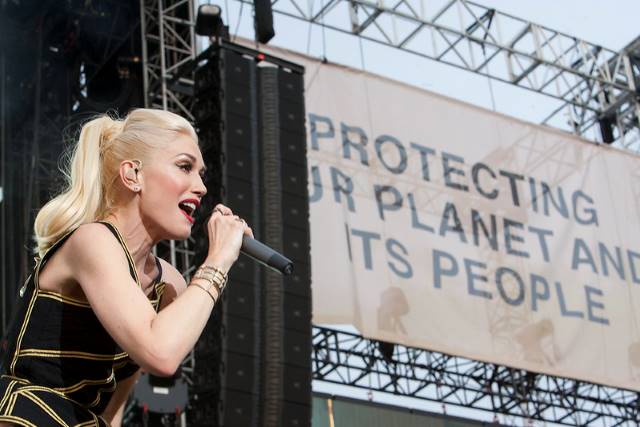
Global Citizen FestivalGlobal Citizen is an organization working to create a better environment for people experiencing extreme global poverty. The charity advocates for those who are experiencing inequalities, such as racial, ethnic, gender and economic disparities, which in turn influence the rise in poverty. To help eradicate extreme poverty worldwide, Global Citizen prioritizes advocacy campaigns and encourages others to support.

The organization’s key goals include promoting access to quality education, urging governments to increase funding for poverty reduction, improving water and sanitation, addressing hunger and fighting inequality. It also works to protect human rights, support freedom of expression, advance the rights of girls and women and improve access to health care systems.

New York’s Global Citizen Festival

To achieve this, it needs public support. So, every year, Global Citizen holds a festival to “amplify the movement.” On September 27, 2025, Global Citizen held the Global Citizen Festival in New York.

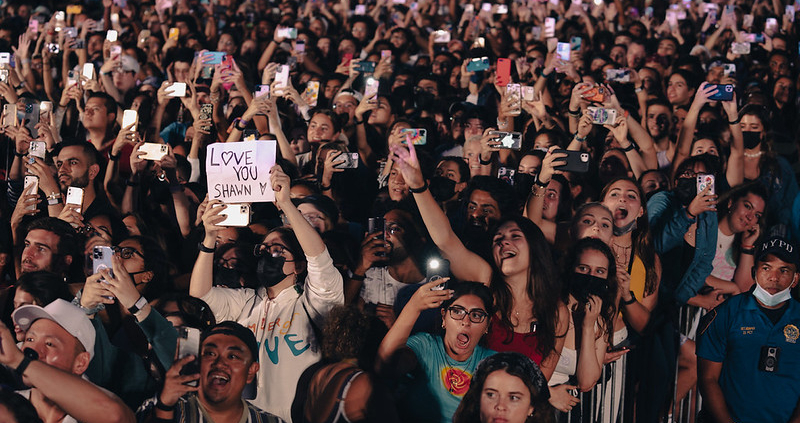
A-list celebrities such as Shakira, Tyla and Cardi B made appearances, influencing around 60,000 attendees. By taking their cause to a wide audience, the Global Citizen Festival helped exceed set targets, thanks to the support of the singers’ fans.

What did the Global Citizen Festival Achieve?

As a result of the festival, Global Citizen achieved 4.3 million actions from this event alone. Global Citizen launched the “Scaling Renewables in Africa” campaign with the European Commission due to the number of people in Africa without access to electricity. The Global Citizen Festival influenced “4.6 million homes across Africa to be powered by 2030.”

The event helped drive a widespread boost in support for the campaign. Another result of the Global Citizen Festival was “$140 million mobilized for children’s education and nutrition, including $30 million for the FIFA Global Citizen Education Fund.” This will significantly help reduce poverty by giving children access to high-quality education and football, which supports movement and health worldwide.

What is even more significant about the amount of money going toward the FIFA Global Citizen Education Fund is that “Global Citizen is getting closer to its $100 million goal by the 2026 FIFA World Cup.” A portion of this funding will be used to teach invaluable “skills, learning and community development through football around the world.”

Safeguarding the Amazon Rainforest

Global Citizen has a campaign to raise $1 billion. The goal is to safeguard 25 million hectares of the Amazon rainforest and protect the rights of the Indigenous peoples living there. These communities are deeply involved in protecting wildlife and nature full-time.

To date, the Protect the Amazon campaign has raised $280 million.

Final Thoughts

Global Citizen can fight extreme poverty more effectively thanks to the Festival, which gives the organization the boost it needs to implement its campaigns. Celebrity appearances allow the general public to get involved by appealing to their interests, even if they have not previously engaged in anti-poverty efforts. This benefits the organization and helps it make a real difference.

– Freya Bryers

Freya is based in the UK and focuses on Good News and Celebs for The Borgen Project.

Photo: Flickr
February 18, 2026
https://borgenproject.org/wp-content/uploads/borgen-project-logo.svg 0 0 Lynsey 2 https://borgenproject.org/wp-content/uploads/borgen-project-logo.svg Lynsey 22026-02-18 07:30:122026-04-16 10:20:58How the Global Citizen Festival Helped Fight Global Poverty
Global Poverty, Sports

Goals for Education: FIFA Global Citizen Education Fund

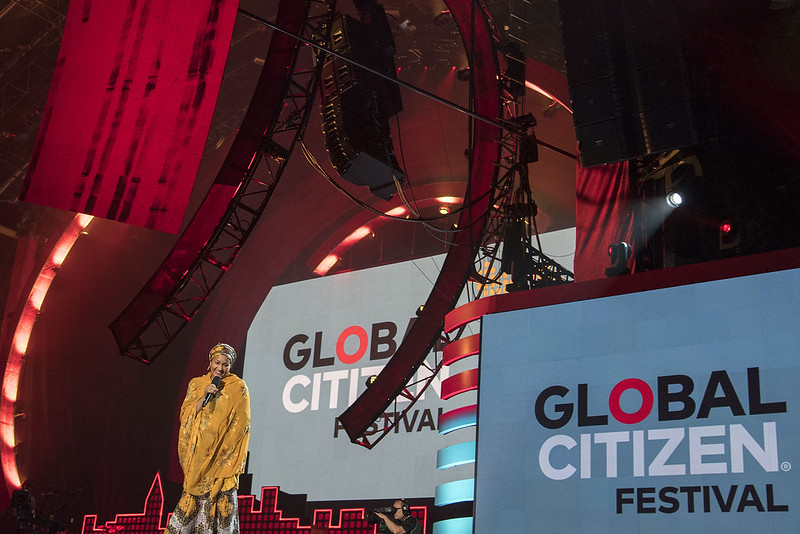
FIFA Global Citizen Education FundFIFA and Global Citizen launched the FIFA Global Citizen Education Fund, a $100 million initiative that expands access to quality education and life skills programs in underserved communities. The fund seeks to engage 50 million people by 2029, using sport, advocacy and entertainment to promote long-term development. Each ticket for the 2025 FIFA Club World Cup in the United States (U.S.) will include a $1 donation. The Weeknd’s global concert tour and contributions through Shift4’s global merchant network will generate additional revenue. FIFA will allocate a significant portion of the funding to Football for Schools (F4S), its school-based program developed with UNESCO. F4S uses soccer to build leadership, teamwork and emotional well-being in children across more than 100 countries.
A Message Delivered on the Global Stage

FIFA and Global Citizen unveiled the fund during the 2025 Global Citizen NOW Summit in New York City. FIFA President Gianni Infantino emphasized football’s ability to unify communities and create new opportunities. Global Citizen CEO Hugh Evans described the initiative as a bold move to confront the global education crisis. In addition, organizers plan to launch localized campaigns to promote community-level engagement. These campaigns will include mentorship programs, parent workshops and student leadership clubs designed to keep children enrolled and motivated. By focusing on holistic engagement, the initiative aims to reduce dropout rates and encourage lifelong learning.

Football Drives Access to Education

The FIFA Global Citizen Education Fund represents a unique fusion of sports, entertainment and advocacy to promote educational access. Its creators believe football’s universal popularity can be a tool for social change and educational access. According to the United Nations (U.N.), young people who engage in at least five hours of physical activity per week perform better academically than those active for less than one hour. This initiative comes at a time when about 244 million children worldwide remain out of school.

This global initiative will target countries and regions most in need of education infrastructure and programming. By working with partners worldwide, the fund aims to build stronger education systems, especially in areas where youth have been disproportionately affected by poverty and lack of access to schooling. In addition to ticket sales and concert revenue, the fund plans to attract private sector partnerships and additional donations from philanthropists. These contributions will expand program reach, train teachers and equip classrooms with the resources necessary for students to thrive. 

Moving Forward

With ongoing support and global attention on major events like the Club World Cup, the fund aspires to create a sustainable impact for future generations. By harnessing the universal appeal of football and the influence of global music and activism, the FIFA Global Citizen Education Fund aims to raise funds and build lasting change in communities that need it most. If successful, it could serve as a model for how entertainment, sport and philanthropy can work together to close the education gap and give every child the tools to shape their future.

– Glenn Brown III

Glenn is based in Smyrna, GA, USA and focuses on Good News and Technology for The Borgen Project.

Photo: Flickr

May 23, 2025
https://borgenproject.org/wp-content/uploads/borgen-project-logo.svg 0 0 Precious Sheidu https://borgenproject.org/wp-content/uploads/borgen-project-logo.svg Precious Sheidu2025-05-23 01:30:302025-05-22 09:13:07Goals for Education: FIFA Global Citizen Education Fund
Global Poverty, Poverty Reduction

Reflecting Back on Global Citizen Festival 2022

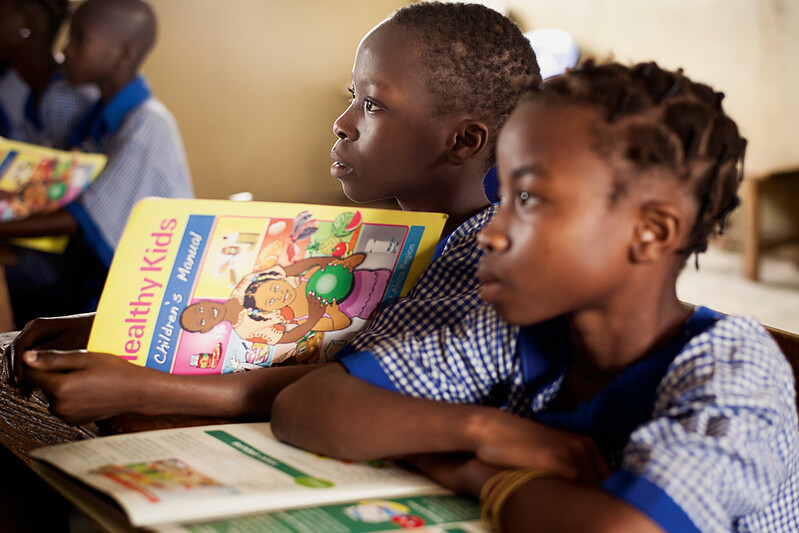
Global Citizen Festival 2022The 2022 Global Citizen Festival marked its 10th anniversary, featuring a unique dual concert held in both the United States (U.S.) and Ghana. Celebrating Ghana’s 65th anniversary of independence, the event showcased performances by renowned artists such as Mariah Carey, Metallica, the Jonas Brothers, Usher, Stormzy and SZA. This historic moment was a significant contribution to the global efforts against extreme poverty.


Festival Tickets

The festival’s ticketing system offers a unique approach to engage attendees in positive actions against poverty. “Global Citizen attendees can earn free tickets by signing petitions, taking quizzes, uploading videos and completing other tasks relative to the festival’s causes – ‘actions’ equate to entries in drawings for tickets,” Forbes explains. To participate, individuals can download the Global Citizen app, accumulate points and enter ticket drawings for a chance to claim two free tickets.

The Role of Performers

Liz Agbor-Tabi, the Vice President for global policy at Global Citizen spoke of the instrumental role of the A-list performers, “We believe that music is the universal language of humanity, and so through our unique model of pop and policy, we’re able to drive policy and advocacy. And we do that working with artists, with performing artists, visual artists, culinary artists, etcetera …It’s really a moment for the creatives to express through their artistic gifts and to be able to project five robust policy agendas.”

The absence of a paid fee for the artists who performed emphasizes the genuine and compassionate drive behind the festival and the aim of performances by such high-esteemed artists as a means to use their platform to simply spread the word on how the international community can tackle extreme poverty.

The Impact

The Global Citizen Festival in 2022 made a significant impact, hosting events in both New York City and Accra, raising a total of $2.4 billion. Notably, $440 million of this fund is dedicated exclusively to initiatives aimed at ending extreme poverty in Africa. During the festival, there were announcements about committing more than $800 million to combat extreme poverty. Additionally, as part of the seventh replenishment of the Global Fund to fight AIDS, Tuberculosis and Malaria, the European Commission and Canada pledged a substantial $1.6 billion to support these critical health initiatives.

The festival brought attention to pressing global concerns, including the impacts of COVID-19 and Russia’s actions in Ukraine, shedding light on their effects on poverty. According to the Global Citizen website, the event emphasized the need for leaders to urgently regain progress lost during the COVID-19 pandemic. It also addressed the ongoing crisis caused by Russia’s invasion of Ukraine, impacting both the Ukrainian people and exacerbating global hunger.

Moreover, the festival spotlighted the persistent issue of period poverty, affecting more than 500 million individuals who lack access to essential menstrual supplies and proper hygiene facilities. During the New York event, Global Citizen announced the launch of the Global Menstrual Equity Accelerator, aiming to tackle this widespread challenge.

Looking Ahead

The performers at the Global Citizen Festival 2022 used their platforms to educate and inspire people worldwide to address extreme poverty. The hope is that the results of the Global Citizen Festival 2023 will demonstrate an enhanced commitment from the international community to work toward putting an end to global poverty.

– Camryn Vodden
Photo: Flickr

November 24, 2023
https://borgenproject.org/wp-content/uploads/borgen-project-logo.svg 0 0 Kim Thelwell https://borgenproject.org/wp-content/uploads/borgen-project-logo.svg Kim Thelwell2023-11-24 01:30:302023-11-20 00:34:39Reflecting Back on Global Citizen Festival 2022
Advocacy, Global Poverty, Poverty Reduction

How the Global Poverty Project Fights Poverty

Global Poverty ProjectThe Global Poverty Project, also called Global Citizen, aspires to achieve three main goals: Defeat Poverty, Demand Equity and Defend the Planet. The organization believes that extreme poverty will not be solved if charities or governments continue working alone and that the best way to fight and solve poverty is to educate people about their potential to help the planet. 

Current Strategy

Since the organization was founded in Australia in 2008, the Global Poverty Project has found great success in mobilizing people and raising awareness of those struggling with poverty and food insecurity. The GPP is made up of hundreds of action-takers and impact-makers who work together to not only fight poverty but also to make sure as many people are aware of these issues as possible. The organization writes stories about people suffering to give a voice to a group of people who would otherwise be voiceless, such as a piece about an Indigenous Mexican activist imprisoned for years due to her activism. 

GPP also writes about the impacts of poverty and the countries most affected by it, and, in 2020, they released a recovery plan for the world, which details how they hoped to end COVID-19 on a global scale. The most significant success that GPP has seen occurs during the annual Global Citizen Festival, which began in 2013 and brings like-minded people together with global leaders to raise money and discuss their plans to support suffering countries worldwide.

2022 Global Citizen Festival

The 2022 Global Citizen Festival, which was a nine-hour conclusion to the six-week campaign, taking place in both Accra (Ghana) and New York, managed to generate $2.4 billion to help end extreme poverty. In New York, members of Congress stood beside world leaders and philanthropists and publicly spoke about the work they would be doing to help those in need. The President of France, Emmanuel Macron, stated that France would allocate 30% of its Special Drawing Rights to the poorest countries in the world, focusing on the African continent. Additionally, The Netherlands promised €25 million for food and nutrition security in 2023, while Norway donated NOK 100 million to the African Development Bank’s Africa Emergency Food Production Facility, and Slovenia donated €1.23 million to civil society organizations that fight to end hunger in Sub-Saharan Africa.

The 2023 Global Citizen Festival was also successful, raising $290 million in commitments from world leaders. Some of the accomplishments made by the GPP include $240 million given to the International Fund for Agricultural Development. Antigua and Barbuda and Timor-Leste endorsed the Fossil Fuel Non-Proliferation Treaty, and France and Norway called on other countries to increase their investments in the fight against poverty, solidifying the GPP’s ability to mobilize others successfully.

The Future

However, GPP always has more goals to work toward. After the 2023 Global Citizen Festival concluded, the campaign continued, calling for several more actions from certain countries. These actions included mobilizing the U.S. and the U.K. to follow through on their commitments to address extreme weather conditions, asking governments to increase their contribution to the International Fund for Agriculture Development to end hunger with an aim of $2 billion and an overall goal of having more countries support the Fossil Fuel Non-Proliferation Treaty. 

The GPP has seen immense success and has the support of numerous celebrities and world leaders. Celebrities include Billie Eilish, Coldplay, Hugh Jackman, Idris & Samantha Elba, the Jonas Brothers, Miley Cyrus and Usher. The GPP fights for more than an end to poverty. The organization fights for equal rights among everyone and equal access to acceptable living conditions. Due to the success that the GPP has seen over the past decade, they have accumulated hundreds of thousands of Global Citizens who work to end these issues all around the world.

– Dylan Hubbard
Photo: Unsplash

November 5, 2023
https://borgenproject.org/wp-content/uploads/borgen-project-logo.svg 0 0 Yuki https://borgenproject.org/wp-content/uploads/borgen-project-logo.svg Yuki2023-11-05 03:00:142023-11-05 00:55:59How the Global Poverty Project Fights Poverty
Education, Global Poverty

5 Ways the Global Citizen Festival Is Changing the World

Global Citizen Festival Is Changing the World
Global Citizen is an advocacy organization focused on ending global poverty and addressing critical issues worldwide. Hugh Evans and Simon Moss founded Global Citizen in 2008 to mobilize leaders and engage the public. Since its start, the organization has taken off and been incredibly successful. One way Global Citizen raises awareness is by hosting an annual festival. The festival aims to raise awareness about global issues like inequality, poverty, education and changing weather patterns. The event inspires people to make a difference and advocate for change. The Global Citizen Festival is changing the world in five important ways.

5 Ways the Global Citizen Festival is Changing the World

  1. Takes Action: Potential festival attendees must complete specific tasks to be eligible for ticket selections. Each action taken earns a certain number of points. Activities for this year’s festival include uploading activism videos, sending out tweets, signing petitions, taking quizzes and sending messages. Instead of purchasing tickets, people must earn them. Global citizens completed 2 million actions in 2022 before the festival began. Since the first festival in 2012, around 34 million actions have been taken. These actions create immense change and push leaders and the public to make a difference.
  2. Raises Awareness: One big part of the festival is incorporating celebrities and musicians to bring awareness to global issues. Global Citizen creates lineups to bring in fans from all over the world. The understanding of current issues is raised by bringing in fans and completing action tasks. This year’s lineup features Megan Thee Stallion, Lauryn Hill, Red Hot Chilli Peppers, Conan Gray and Stray Kids. By utilizing celebrities and music, the festival can bring in 60,000 people. That is 60,000 more people making a difference. The festival is also live-streamed and broadcast so people all over the world can watch it, which allows more people to engage with the festival and support the message. The influence of celebrities is enormous, too. Promoting and engaging with the celebration on social media helps raise awareness and promote the event.
  3. Education: The global citizen festival is only possible with education first. Global Citizen is constantly working towards educating people about current issues and what they can do to help. The festival provides engaging opportunities to learn and collect information about global problems. The festival has panels, workshops, personal stories and exhibits to educate and reach people deeper. Before, during and after the event, education is possible. Education is vital in a world where poverty has shown no sign of stopping. The festival is changing the world through this education and engagement.
  4. Mobilizes Leaders: Global Citizen targets the public to make a change and encourages leaders, too — the festival pressures leaders to support initiatives and legislation that empower our world and alleviate global poverty. Last year, many leaders made pledges on stage and through video calls to make a difference. Places like Ghana, Canada, Norway, Germany and many more made these promises. The festival also mobilized partners to agree to new financial and policy agreements to evoke a more significant change. The Global Citizen Festival prides itself on mobilizing leaders and creating a safer space for everyone. Leaders continue to join the cause and address the world’s most pressing issues.
  5. Fundraising: Although citizens must earn general admission tickets, the festival still raises money through donations. Partners, sponsorships, the world’s wealthy and the general public are all contributors. In 2022, the festival raised $2.4 billion to fight global poverty. The festival looks to match or beat that number this year. Now more than ever, money is needed to make a difference in alleviating poverty. Although the festival primarily focuses on mobilization and advocacy, the funds help end poverty and other global challenges.

Looking Ahead

The Global Citizen Festival is changing the world. The event shows how decisive collective action can be and how advocacy can come from anyone. Since its start, the festival has inspired millions of people to make a change and fight extreme poverty. Through the use of celebrities and musicians, the festival can educate and empower individuals. It inspires leaders and organizations to commit to preserving the world’s future. 

– Madison Rogers
Photo: Flickr

October 6, 2023
https://borgenproject.org/wp-content/uploads/borgen-project-logo.svg 0 0 Yuki https://borgenproject.org/wp-content/uploads/borgen-project-logo.svg Yuki2023-10-06 07:27:532023-10-08 02:37:065 Ways the Global Citizen Festival Is Changing the World
Education, Global Poverty

The Potential of Using Virtual Reality in Education in Nigeria

Virtual Reality in Education
Education is one of the proven pathways out of poverty, however, education in Nigeria faces several barriers. To improve education in Nigeria, companies are testing virtual reality in classrooms and this is showing promising results. Using virtual reality in education in Nigeria may address several inadequacies in the education system.

The Current Situation

Education in Nigeria suffers from multiple problems. The Nigerian Government allocated 7.2% of its national 2022 budget to education, according to UNICEF. While this marks an improvement from 5.7% in 2021, it still falls short of the recommended 15-20% for education expenditure from national budgets.

The curriculums of Nigerian schools are outdated, Global Citizen highlights, as it is based on the 1981 Universal Basic Education program. “… Imagine teaching kids about floppy disks and 90s programming languages, but in 2020,” a Nigerian university lecturer tells Global Citizen.

According to the Teachers Registration Council of Nigeria (TRCN), less than half of primary and high school teachers have teaching qualifications. “Nationally-recognized teacher hiring guidelines” do not exist and teaching in private schools is not well-regulated. Fortunately, around 90% of university lecturers in Nigeria have doctoral degrees as of 2021.

Corruption is rampant in the education sector. Global Citizen says that “paid-for certificates… sexual harassment, extortion and leaked questions” are common at all levels of education. In addition, schools allow abuses like flogging.

Violence threatens the attainment of education in certain parts of the country. More than 11,000 schools in Northern Nigeria have closed since December 2020 due to abductions and security issues related to the Boko Haram insurgency. This leaves approximately 1.3 million students without proper access to education.

On top of all that, gender and cultural issues affect children’s education in Nigeria. Girls have lower school attendance rates because of issues like forced marriages and cultural biases related to gender. In the northeastern and northwestern states of Nigeria, “29[%] and 35[%]of Muslim children, respectively, receive Qur’anic education, which does not include basic skills such as literacy and numeracy,” UNICEF reported. All of these issues have contributed to 20.2 million out-of-school children in Nigeria as of 2022.

A Virtual Solution

In December 2018, the UNICEF Innovation Fund invested in 13 startup companies that aim to use technological solutions to improve educational opportunities for children. Nigerian-born Judith Okonkwo founded one of these companies, Imisi 3D. Imisi 3D aims to “provide quality education tools through Virtual Reality (VR).”

Okonkwo believes that virtual reality will offer a more affordable and immersive experience for children. If schools are unable to afford real labs or field trips, students can just put on their headsets and dissect animals or explore the landmarks of specific countries. She also believes VR can help close the education quality gap between public and private schools.

Testing and Results

By March 2020, Imisi 3D had created “three educational VR models” and tested them on students and teachers from a public junior secondary school in the city of Lagos. While some issues came up, like students struggling to locate objects in the VR reality and students struggling to communicate what they saw in the virtual world, both students and teachers enjoyed using virtual reality in education.

In June 2021, the Journal of Education and Practice published an article about a study in Abuja, Nigeria, that tested virtual reality educational programs on 56 students across five junior high schools. The students’ ages ranged from 11 to 16 and girls accounted for 45% of the participants while boys accounted for 55%. The students enjoyed the VR programs and many said that the virtual world felt realistic and gave them a sense of ambiance.

Between the three types of programs the project exposed students to (video games, videos and images), students found the videos most intriguing and effective for learning. When asked which subjects virtual reality proved most helpful for, students cited the top three as geography and environmental studies, history and biology. Most students agreed that virtual reality made learning more fun and effective.

Virtual Reality Learning in Physics

Another study used 61 male students and 43 female students from two secondary schools in the Dutsin-Ma Educational Zone in Katsina State, Nigeria. This study compared students learning physics through conventional teacher-centered methods to those learning through virtual reality.

Just like in Abuja, students preferred virtual reality and had a much better understanding of physics when learning using virtual reality. Importantly, the study showed that female students had as good an understanding of physics as male students. This fact can encourage and instill confidence in females to participate more in education, especially in the underrepresented fields of science, technology, engineering and mathematics (STEM).

Barriers to Upscaling Virtual Reality in Education

While virtual reality is a successful teaching tool, there are issues the country needs to overcome to implement it on a mass scale. Schools need to have access to the proper hardware and software and establish quality internet connections. Both students and teachers need to have some basic understanding of how the technology works. There are also issues like financial and organizational challenges on the administrative level as well as the ability to create quality VR educational content for students. Despite this, virtual reality is paving an excellent path for the future of education.

Although there are several issues affecting education in Nigeria, the implementation of virtual reality could hold the potential to address some of these issues and set an example for the rest of the world.

– James Harrington
Photo: Flickr

October 22, 2022
https://borgenproject.org/wp-content/uploads/borgen-project-logo.svg 0 0 Naida Jahic https://borgenproject.org/wp-content/uploads/borgen-project-logo.svg Naida Jahic2022-10-22 01:30:402022-10-18 07:01:27The Potential of Using Virtual Reality in Education in Nigeria
COVID-19, Global Poverty, Poverty Reduction

4 Ways Global Citizen Helped Reduce Poverty in 2021 

Global Citizen Helped Reduce PovertyIn 2008, Hugh Evans, Simon Moss and Wei Soo co-founded Global Citizen, a movement to reduce global poverty and create lasting change. Global Citizen is working to end extreme poverty by 2030 by mobilizing people around the world to use their “collective voice” to garner change. These are four ways Global Citizen helped reduce poverty in 2021.

4 Ways Global Citizen Helped Reduce Poverty in 2021

  1. Global Citizen Live: 24-Hour Concert. Global Citizen helped reduce poverty in 2021 on September 25, 2021, by hosting a 24-hour-long concert to raise awareness on the inequality of vaccine distribution and the extreme famine caused by the increasing spread of COVID-19. Highlights of the event include performances by Billie Eilish, Elton John, Jennifer Lopez, Ed Sheeran and Coldplay. Interestingly, the event’s main aim was not just fundraising but rather using “participation as evidence for world leaders that people support bold action on the issues.” These efforts proved successful as several leaders and companies announced their pledges. USAID Administrator Samantha Power stated the U.S. would pledge more than $295 million to fight hunger and address gender-based violence and other humanitarian issues brought about by COVID-19. Lego and Verizon also committed to donating to the cause of ending global poverty. Global Citizen was able to fundraise $1.1 billion to help fight poverty in the most vulnerable countries.
  2. VAX LIVE: The Concert to Reunite the World. On May 8, 2021, this Global Citizen event brought together various “big names,” such as Jennifer Lopez, Joe Biden and Prince Harry, pledging for help to end vaccine inequities in vulnerable countries during COVID-19. However, the televised event was not live, but rather, pre-taped. Fortunately, the event was able to raise $302 million from “several philanthropic and corporate commitments,” exceeding the event’s fundraiser goal. With this money, Global Citizen was able to obtain 26 million doses of COVID-19 vaccines for impoverished countries.
  3. Global Citizen Festival: Mandela 100. On December 8, 2018, Global Citizen hosted a festival in Johannesburg, South Africa, honoring the life and legacy of Nelson Mandela. Mandela’s vision for global peace and equality remains a struggle that Global Citizen is trying to achieve. More than 70,000 Global Citizens, world leaders and music artists attended the festival in hopes of making a difference in the fight against global poverty. At the event, “Global Citizen and its partners announced key pledges across Health, Water, Sanitation & Hygiene (WASH), Food Security, Agriculture, Environment, Education, Finance and Innovation.” In 2021, Global Citizen used about $783 million of $7.2 billion raised through commitments made during the 2018 event to improve the lives of 12.4 million additional people. In total, since the event in 2018, Global Citizen has brought positive impacts to 117.8 million people.
  4. Global Goal: Unite for Our Future. On June 27, 2020, Global Citizen held a benefit concert with music performers and world leaders to help raise awareness about the hardships impoverished countries are experiencing amid the COVID-19 pandemic. With Dwyane Johnson as the host, the event included performances by Coldplay, Chris Rock, Shakira and more. This concert was integral considering that the world hunger rate rose to 690 million people in 2020. Fortunately, in February 2021, Global Citizen distributed the $1.4 billion fundraised during Global Goal to support organizations playing an integral role in fighting the COVID-19 pandemic, such as UNICEF, the Global Fund and the World Health Organization. In particular, the U.S. pledged $545 million at the event, a pledge that is now “supporting COVID-19 response efforts in 120 countries” through USAID and the Centers for Disease Prevention and Control.

Looking Ahead

Since its inception, Global Citizen has hosted many events to help the organization reach its goal of ending extreme poverty by 2030. With the help of motivated leaders and individuals using their voices to express the change they want to see in the world, Global Citizen has garnered significant support from the international community to contribute to the cause. Through generous donations, Global Citizen is able to positively impact the lives of millions of people in disadvantaged countries.

– Kayla De Alba
Photo: Flickr

January 22, 2022
https://borgenproject.org/wp-content/uploads/borgen-project-logo.svg 0 0 Jennifer Philipp https://borgenproject.org/wp-content/uploads/borgen-project-logo.svg Jennifer Philipp2022-01-22 01:30:582024-05-30 22:25:414 Ways Global Citizen Helped Reduce Poverty in 2021 
Education, Global Poverty

Global Citizen’s Book of the Month

Global Citizen's Book of the Month
Global Citizen’s book of the month focuses on educating the public on issues surrounding global poverty, and it is of the utmost importance due to the fact that individuals can learn basic advocacy skills, which will allow and encourage citizens to communicate with their government to help end global poverty. Book clubs, such as the Global Citizen Book Club, handpick new books each month and offer participants a chance to discuss the books as they relate to ending extreme poverty. This educates and mobilizes individuals to learn the key causes of poverty, and how to advocate for those living on less than $1 per day.

Global Citizen’s Book of the Month for October 2021 is “The End of Bias: A Beginning” by Jessica Nordell. Global Citizen hosts a discussion each week in its “Global Citizen All-Access” Facebook Group in order to facilitate conversations surrounding major themes from the book and how they relate to global poverty.

Also, in the following month, Global Citizen will host a virtual discussion with the author, in which Global Citizen members will have the opportunity to engage with one another as well as ask the author questions. Global Citizen also sat down with the author, journalist Jessica Nordell, to discuss her book prior to the virtual discussion that will take place on November 9, 2021.

How to Start a Book Club

Individuals can start a UNICEF USA Book Club, which is a great way to bring family, friends and/or colleagues who love to read together to discuss important issues relevant to the work of UNICEF around the world. UNICEF offers a step-by-step guide on how to start a book club. The goal of starting a book club is to build a community of informed advocates who will act on behalf of those facing global poverty worldwide. The guide provides lists of recommended books, as well as questions to help guide discussions and key information about UNICEF and UNICEF USA.

Other Book Clubs

There are other book clubs that individuals can join as well. For instance, Opportunity International has its own book club, which offers book recommendations every month that feature works from international authors, people who are living in the countries in which Opportunity International works, or issues related to global poverty and development. This book club is a great way to learn and explore—right from the comfort of one’s couch. Opportunity International is a global nonprofit organization that creates opportunities and provides assistance “…for entrepreneurs to build their businesses, children to go to school, farmers to feed their communities, and families to end the cycle of generational poverty.” The organization has helped develop innovative programs to address challenges that living in poverty has brought to those around the world for nearly 50 years.

The Opportunity Book Club works by providing participants with book recommendations that cover a wide range of issues, such as poverty, development, philanthropy, generosity and global economics. The books that the Opportunity Book Club offers range in length, and span different genres and narrative styles to cater to different literary tastes. Members of the Opportunity Book Club can share their thoughts and opinions, and ask questions in the Opportunity International Facebook group, which provides a great way to connect with readers all over the world.

Concluding Thoughts

The benefit of Global Citizen’s Book of the Month and other book clubs is that they grant readers the opportunity to learn about important issues. The awareness that these book clubs raise could influence action regarding eradicating global poverty.

– Grace Watson
Photo: Flickr

October 25, 2021
https://borgenproject.org/wp-content/uploads/borgen-project-logo.svg 0 0 Lynsey Alexander https://borgenproject.org/wp-content/uploads/borgen-project-logo.svg Lynsey Alexander2021-10-25 01:30:352021-10-25 06:24:17Global Citizen’s Book of the Month
Children, COVID-19, Education, Global Poverty

The Progress and Potential of Education in Kenya

Education in KenyaThe World Bank reported in 2015 that 36.8% of people in Kenya lived below the international poverty line, set at $1.90 per day. Estimates from April 2020 predicted that this level would continue to follow a slow downward trend to approximately 33.1% in 2020 and 32.4% in 2021. These recent statistics tend to vary across sources, however. For example, Statista reports that in 2020, 27.3% of Kenyans lived in poverty. Ultimately, sources seem to broadly agree that more than a quarter of the population in Kenya lives under the international poverty line. However, poverty rates could reduce by increasing opportunities for education in Kenya. The potential of education in Kenya reflects in the country’s successes over the years.
Poverty Reduction Progress in Kenya

Though the number of Kenyan citizens in poverty is undoubtedly high, Kenya has made great progress in reducing poverty in the last 15 years. In 2005, the World Bank found 46.8% of people living in poverty. This means that according to the World Bank statistics, poverty in Kenya has decreased by more than 10% in slightly more than 15 years. However, there is still a significant need for further poverty reduction progress in Kenya.

Eliminating poverty is crucial for a number of reasons as poverty has an irrefutable impact on other areas of life. One of these impacted areas is education. Global Citizen argues that poverty is the greatest barrier to education for children. Families living on less than $1.90 a day often cannot afford to send their children to school, whether that be due to high attendance fees, the cost of school materials or the need for the child to contribute to the family farm or business. Hence, addressing education is intertwined with addressing poverty in countries such as Kenya.

Educational Success: Free Primary School

Located in East Africa, Kenya is part of a region where harsh climate, violence and general instability lead to high poverty rates and limited access to education. Yet, in the education spectrum, the country has made great progress in recent years, showing the overall potential of education in Kenya. One successful initiative began in 2003, when the Kenyan government rolled out the Free Primary Education (FPE) program, waiving all primary school fees for students. As a result, Olympic Primary School in Kenya’s capital of Nairobi reported that enrollment nearly tripled. This growth in attendance seems to have occurred nationwide as UNICEF reports that before the COVID-19 pandemic closed many schools in early 2020, primary school enrollment in Kenya stood at 99%.

World Bank statistics show Kenya’s successes in improving education through FPE and other programs, with the most recent data from 2018 showing a literacy rate of almost 82% for people older than 15. This is up significantly from 72.16% in 2007 and 78.73% in 2014. Yet, despite these improvements in literacy and primary school enrollment rates, Kenya still struggles to provide high-quality education and see children through to secondary school. Though nearly all children in Kenya attend primary school at some point, many of them drop out to supplement the family income. In 2017, the Kenya Climate Innovation Center reported a 27% dropout rate in primary school.

Even if students complete primary school, very few of them go on to any further education. Statista reports that in 2019, 10.1 million children attended primary school in Kenya. However, only 3.26 million children enrolled in secondary school the same year and only 509,000 Kenyan students attended college in 2019. More recent data is not available due to widespread school closures as a result of the COVID-19 pandemic.

The Potential of Education in Kenya

Getting students into primary schools was the first step to improving education in Kenya. But, while the most recent World Bank data states that, in 2018, the Kenyan government spent 5.3% of the country’s GDP on education, schools are still short on resources and teachers. In some classrooms, the teacher-to-student ratio exceeds 1:100, leaving teachers overworked and overwhelmed. The government is working hard to increase the percentage of students who transition to secondary school but requires more resources to employ enough teachers and support high-quality education for students.

Overall, education in Kenya has seen a vast improvement in the number of students attending primary school in the last 20 years as a result of FPE and other work. Now, Kenya must look to improve in other areas of education in order to fully empower students with the tools and knowledge to rise out of poverty.

– Julia Welp
Photo: Flickr

September 12, 2021
https://borgenproject.org/wp-content/uploads/borgen-project-logo.svg 0 0 Jennifer Philipp https://borgenproject.org/wp-content/uploads/borgen-project-logo.svg Jennifer Philipp2021-09-12 01:30:342024-05-30 22:24:53The Progress and Potential of Education in Kenya
Education, Global Poverty, Poverty

Disparities in Education in Nigeria

disparities in Education in NigeriaNigeria has struggled with a weak education system for decades. Of the total number of children not in school worldwide, 20% of them live in Nigeria. Essentially, one in five children out of school resides in Nigeria. Girls make up a large percentage of children not in school. In Northern Nigeria, less than half of all girls actually attend school. COVID-19 has served to highlight the disparities in education in Nigeria.

COVID-19 Sheds Light on Inequalities

Before the COVID-19 pandemic, the number of children not attending school in Nigeria stood at around 13 million. This number doubled to 36 million as schools closed and children were forced to stay home. A large portion of these children were girls. Many girls and children living in rural areas of Nigeria had difficulties accessing education during the pandemic. Even though the government implemented remote learning plans via radio and television, barriers still presented themselves.

Many students, especially those in rural areas, do not have access to electricity or technology, and therefore, could not access education at all. While more affluent families could continue connecting to education online, those without access were unable to learn for a prolonged period of time, setting them behind the rest of their classmates. While it has always been clear that disparities in education in Nigeria require improvement, the COVID-19 pandemic brought about a greater desire for change.

How Improving Education Alleviates Poverty

There is a direct link between education and poverty, indicating how improving education in Nigeria can help the economic growth of the country while helping citizens rise out of poverty. When children are educated, they develop the skills and knowledge that can help them secure well-paying jobs in the future.

Furthermore, poverty is a cycle, and, a lack of access to education perpetuates that cycle. Oftentimes, parents are unable to send their children to school due to the unaffordable secondary costs of schooling. Even when school itself is free, textbooks and uniforms warrant costs that families simply cannot afford to pay. Uneducated children are unable to break cycles of poverty, meaning the next generation will most likely continue the cycle of poverty too.

Additionally, education reduces gender equality disparities. Educated girls are able to attain financial independence, reducing poverty for themselves and their communities. Educated women are also more likely to prioritize the education of their children. According to Global Citizen, If all adults completed secondary education, 420 million people could rise above the poverty line. This is due to the fact that education increases yearly earnings by 10% with each added year of education.

Latest Grant for Improving Education in Nigeria

The international community is working to help improve Nigeria’s education system with renewed vigor due to the intensified disparities caused by the pandemic. UNICEF allocated $20 million for the 2020-2022 period to support the education of children in Nigeria during COVID-19. The goals of the grant include four components:

  1. Supporting children affected by conflict. This goal involves building 100 temporary places for learning and rebuilding or creating 100 schools. It also includes creating more “gender-responsive” hygiene amenities and “promoting inclusive and gender-responsive enrollments in 18 local government areas across three states.” Furthermore, the grant aims to provide learning resources for 500,000 students. Roughly “100,000 conflict-affected children” will receive mental support services and 500 community leaders will be educated on protecting children’s rights.
  2. Improving the government’s role in education, especially in emergencies. This includes “budgeting, planning, implementation, monitoring and reporting.”
  3. Improving teacher preparation. This entails helping 28,000 teachers gain their teaching certification. A “teacher recruitment system” will be established and teachers will receive ongoing training to learn “Teaching at the Right Level.” A proper education assessment system will help monitor progress in schools.
  4. Improving the schools’ ability to support education for children affected by conflict. This involves “establishing and developing capacities of 300 school-based management committees on gender equity and gender-based violence” and promoting inclusivity of disabled students. Education plans should be conflict-sensitive to accommodate such children.

The Road Ahead

Education and poverty strongly correlate. The COVID-19 pandemic has heightened inequality worldwide, exacerbating poverty and increasing the number of children out of school, especially in developing countries like Nigeria. To eliminate disparities in education in Nigeria, greater measures must be implemented to overcome inequalities and ensure the country’s education system is better equipped to handle unprecedented circumstances in the future. With grants from supporting organizations like UNICEF, education in Nigeria can improve.

– Alessandra Heitmann
Photo: Flickr

July 29, 2021
https://borgenproject.org/wp-content/uploads/borgen-project-logo.svg 0 0 Kim Thelwell https://borgenproject.org/wp-content/uploads/borgen-project-logo.svg Kim Thelwell2021-07-29 01:30:172024-05-30 22:23:58Disparities in Education in Nigeria
Page 1 of 41234

Get Smarter

  • Global Poverty 101
  • Global Poverty… The Good News
  • Global Poverty & U.S. Jobs
  • Global Poverty and National Security
  • Innovative Solutions to Poverty
  • Global Poverty & Aid FAQ’s
Search Search

Take Action

  • Call Congress
  • Email Congress
  • Donate
  • 30 Ways to Help
  • Volunteer Ops
  • Internships
  • Courses & Certificates
  • The Podcast
Borgen Project

“The Borgen Project is an incredible nonprofit organization that is addressing poverty and hunger and working towards ending them.”

-The Huffington Post

Inside The Borgen Project

  • Contact
  • About
  • Financials
  • President
  • Board of Directors
  • Board of Advisors

International Links

  • UK Email Parliament
  • UK Donate
  • Canada Email Parliament

Get Smarter

  • Global Poverty 101
  • Global Poverty… The Good News
  • Global Poverty & U.S. Jobs
  • Global Poverty and National Security
  • Innovative Solutions to Poverty
  • Global Poverty & Aid FAQ’s

Ways to Help

  • Call Congress
  • Email Congress
  • Donate
  • 30 Ways to Help
  • Volunteer Ops
  • Internships
  • Courses & Certificates
  • The Podcast
Scroll to top Scroll to top Scroll to top