• Link to X
  • Link to Facebook
  • Link to Instagram
  • Link to TikTok
  • Link to Youtube
  • About
    • About Us
      • President
      • Board of Directors
      • Board of Advisors
      • Financials
      • Our Methodology
      • Success Tracker
      • Contact
  • Act Now
    • 30 Ways to Help
      • Email Congress
      • Call Congress
      • Volunteer
      • Courses & Certificates
      • Be a Donor
    • Internships
      • In-Office Internships
      • Remote Internships
    • Legislation
      • Politics 101
  • The Blog
  • The Podcast
  • Magazine
  • Donate
  • Click to open the search input field Click to open the search input field Search
  • Menu Menu

Tag Archive for: Energy Poverty

Posts

Development, Electricity and Power, Global Poverty

Addressing Energy Poverty in India

energy poverty in indiaDue to rapid population growth and economic development, India has a need to scale up its energy capacity to alleviate energy poverty and meet its energy demands. Energy poverty refers to household access to affordable, reliable and safe energy services. Although India could be the third largest economy by 2030, per capita income is below the global average, with regional infrastructure disparities affecting access to modern energy sources. The energy situation disproportionately impacts lower-income households, who spend a large portion of their income on energy or use less desirable energy forms, according to the 2023 Energy Research and Social Science article.

Governmental programs aim to alleviate energy poverty in India while promoting more reliable and efficient forms of energy. The Indian government will continue to subsidize all energy forms to meet growing demand while promoting technological development and private investment.

Energy Poverty In India

Energy poverty is still widespread in India because of the challenges of affordability, capacity and reliability. According to the Household Energy Poverty Index, 65% of households experienced energy poverty in 2020, but this is improving.

Energy poverty in India declined between 2004 and 2012 in most states but increased in poorer states which account for more than 30% of India’s population. It is declining slower in rural areas  — the greatest improvements being in major cities.

Energy poverty rates are higher than income poverty rates. In rural areas, 57% of households experience energy poverty while 22% experience income poverty, compared to 28% and 20% respectively for urban areas.

Energy poverty affects disadvantaged groups. It is linked to lower socio-economic status and level of education. Furthermore, lower castes and marginalized communities such as the Dalits and tribal Adivasi are particularly energy-poor or have only seen marginal rates of energy poverty decline, according to the 2019 Energy and Buildings article.

Despite nearly all Indians having access to electricity, 41% still rely on traditional biofuels like cow dung and wood for cooking because of financial insecurity. Women and girls are more likely to collect and prepare bio-fuels, detracting from time spent on education, childcare and income-generating activities, according to the 2019 Energy and Buildings article. These fuels create pollutants associated with chronic respiratory diseases, including tuberculosis and bronchitis.

India’s Energy Challenges

India has been increasing fossil fuel subsidies because of its carbon-intensive economy. Last year, 58% of energy consumption and 77% of generated energy came from coal. Crude oil accounted for 31% of energy consumption last year, but India imports approximately 87% of it, leading to vulnerability to price fluctuations and geopolitical risks that prevent lower-income households from accessing energy affordably and reliably.

Fossil fuel subsidies reinforce income inequalities by mostly benefiting higher-income individuals. They also contribute to health and environmental costs that disproportionately impact the poor.

During the global energy crisis, the Indian government instituted fuel price caps, tax cuts and budgetary transfers to help combat energy poverty. However, such measures led to overconsumption because fuel prices did not reflect their market value or social costs. This resulted in an estimated $346 billion in lost tax revenue in 2022 and less space for renewable energy and infrastructure development critical for low-income households.

Government Energy Policy in 2024

To address these issues, India is taking a hybrid approach by boosting all forms of energy. India is expected to invest more than $35 billion annually in advanced energy solutions by 2030.

Renewable energy is another focus, with a target to increase non-fossil fuel energy capacity by 2030.  The 2024 budget allocated approximately $71.7 million to the Green Hydrogen Fund to promote green hydrogen production and stimulate private-sector investment.

The budget also allows the first public-private nuclear energy partnerships, inviting $26 billion in investments for small modular reactors and research and development. The government will also engage in joint ventures for thermal power plants.

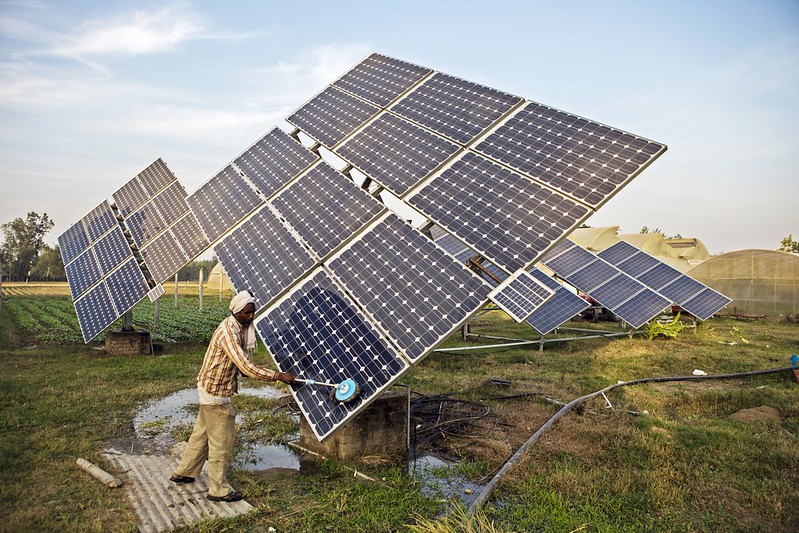
To ensure more equitable access, approximately $1.2 billion was allocated to subsidize solar panel installation for 10 million households and provide 300 units of free electricity monthly for some lower-income households. Decentralized Renewable Energy (DRE) projects like private solar panels, micro-grids and other community-focused projects help reduce energy poverty in Indian marginalized communities.

In addition to diversifying its energy sources, India has also diversified the countries it imports oil from to reduce price fluctuations due to supply changes and geopolitical tensions.

Energy Poverty in India: Conclusion

India’s multi-dimensional approach aims to balance its energy needs with sustainable and equitable access. Investments in advanced energy solutions and private sector ventures, as well as investments in clean energy and infrastructure, are necessary to meet India’s growing energy demand while working toward sustainable development goals.

Energy poverty in India is difficult to alleviate because of reliance on fossil fuels, deep socio-economic inequalities and infrastructural and financing challenges. However, India has made spectacular progress in recent decades in other developmental areas like poverty alleviation and expanding access to electricity. While the path to ending energy poverty is complex and long-term, recent government plans demonstrate continuity in efforts to alleviate the issue.

– Luke Ravetto

Luke is based in Boston, MA, USA and focuses on Politics for The Borgen Project.

Photo: Flickr
September 10, 2024
https://borgenproject.org/wp-content/uploads/borgen-project-logo.svg 0 0 Naida Jahic https://borgenproject.org/wp-content/uploads/borgen-project-logo.svg Naida Jahic2024-09-10 01:30:562024-09-10 01:15:11Addressing Energy Poverty in India
Electricity and Power, Global Poverty, Technology

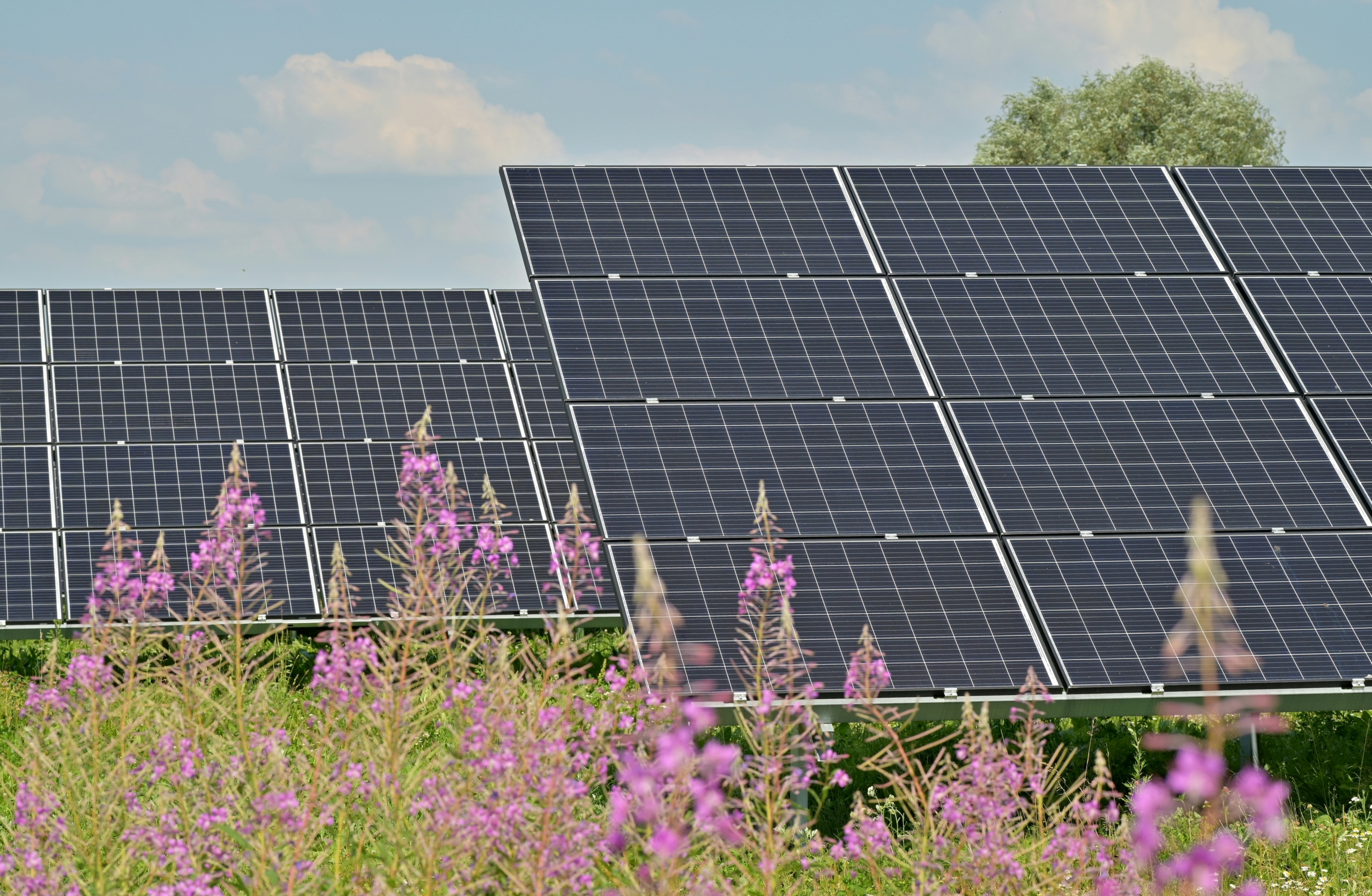
Renewable Energy as a Solution to Senegal’s Energy Poverty

Senegal’s Energy PovertyOne may view renewable energy as irrelevant to alleviating extreme poverty due to its higher technology prices (than fossil fuels). In the context of poverty alleviation, basic energy access is the focal point, not a global perspective. However, recent developments regarding renewable energy showcase that the technological quirks of renewable energy offer tools to solve Senegal’s energy poverty in appropriate contexts.
Senegal’s Energy Poverty

Senegal is a country of 18.2 million individuals located at the west end of Africa facing the Atlantic Ocean. According to the World Bank’s 2023 report, Senegal has reduced their incidence of poverty (using the national poverty line) from 43% in 2011 to 37.8 % in 2018. However, under a multidimensional perspective on poverty, the U.N. reports that 50.8% of Senegal faces poverty in health, education and standard of living.

Many studies argue that limited modern energy access (access to electricity) significantly perpetuates income poverty and threatens one’s health and standard of living. In Senegal, 3 million individuals do not have modern energy access. Furthermore, the urban-rural disparity in electricity access is 94% to 44%.

It is important to note that access to modern energy is significant in alleviating vulnerabilities associated with poverty. Modern energy is an access point to electrically charged technologies pivotal in supporting health, income-gaining ability and a higher standard of living. For instance, refrigeration allows quick access and storage of medical assets for the community; automated agricultural tools and internet access could unlock new and more productive income streams; light sources and heating could support better living conditions.

Off-Grid and Local Energy Sources

The use of small-scale, off-grid renewable energy in Senegal could be a complementary solution to the widespread energy disconnection. This is due to two major advantages that off-grid renewable energy provides. Small-scale renewable energy has the advantage of being functional in remote areas, according to the 2023 Stand Alone Solar (SAS) Market Update. The core cause for the disparity between urban-rural access to electricity is due to the rural parts of Senegal lack grid access to central electricity providers.

Fossil-fuel-based energy systems require large-scale infrastructures to connect homes to central energy providers and connecting large distances can be difficult and costly. On the other hand, renewable energy operates from a generally ubiquitous energy source (solar, hydro and wind) therefore being more easily installable in locations distant from the city, according to the Journal of Energy in Southern Africa.

Long-Term Affordability

Energy per unit becomes more affordable for certain utilities such as lighting when using solar energy instead of fossil fuels. The introduction of low-cost LED lights offers the rural population of Africa a form of lighting 50% cheaper than the kerosene lamps that are widely used.

Additionally, the cost of energy could become more stable with the contribution of local sources of renewable energy in Senegal. In 2021, Senegal relied on external fossil fuel imports for 59% of its energy needs. This leaves Senegal’s energy costs vulnerable to supply disruptions from international events. In the past few years, Senegal’s energy prices increased due to the COVID-19 pandemic and the Ukraine War, according to the World Bank’s 2023 brief.

Progress in Senegal

Corporations have financed several off-grid solar projects in rural Senegal in recent years. A good example is the installation of an off-grid solar energy generator in Northern Senegal by a renewable energy company GFM FOTOVOLTAICA in April 2024. The solar generators successfully power three water pumps, a cooling system preserving food and livestock vaccines. The generators are designed to be agrivoltaic meaning the space below the panels can be cultivated for food crops.

This is significant as it has been found that a common community backlash towards renewable energy is the loss of farmable land. Projects like this are small in scale but are useful demonstrators for the impact off-grid renewables can have in rural communities in Senegal. It indicates that there is both a potential for a successful market and poverty alleviation.

Favorable Government Policy Moves

There are positive signs within Senegal regarding governmental recognition and support for the use of off-grid renewable energy in Senegal. The Senegalese government began setting a five-year plan in 2020 to achieve universal electricity access, according to the International Energy Agency (IEA) report. There is good evidence that the Senegalese government recognizes that rural residential areas not having grid access (no connection to electricity providers) is a major reason for the disparity and high energy poverty in Senegal.

The 2023 SAS Market Update reports that “there is increasing acknowledgement that [Off-Grid Solar Products] are a complementary and competitive solution” from the government to the issue of electricity access in Senegal. In 2020, the Ministry of Energy enacted a bill that exempts off-grid renewable energy products from value-added tax, contributing to making access to energy more affordable in disconnected communities.

Furthermor, the 2023 SAS market report noted that the Senegalese government also resolved corporate politics where multiple electricity providers banded to obstruct SAS company operations in regions under their influence.

Such reforms and legislations favoring the acquisition of Stand-Alone renewable energy products signal healthy governmental support, making Senegal a great environment for off-grid sources of energy to reach more of its population.

Conclusion

Energy poverty underlies numerous dimensions of poverty. In Senegal, increasing access to clean modern energy is of paramount importance. There are good reasons to consider off-grid renewable energy as a viable method to increase electricity access in rural areas. Numerous experimental projects showcase the impact and feasibility of rural communities integrating renewable energy for their needs. The Senegalese government’s interest and policy-based support for this solution signals bright potential for renewable energy to become a contributive solution to Senegal’s energy poverty.

– Siwon Kim

Siwon is based in Boston, MAs, USA and focuses on Technology and Global Health for The Borgen Project.

Photo: Flickr

June 30, 2024
https://borgenproject.org/wp-content/uploads/borgen-project-logo.svg 0 0 Jennifer Philipp https://borgenproject.org/wp-content/uploads/borgen-project-logo.svg Jennifer Philipp2024-06-30 03:00:472024-06-30 01:30:00Renewable Energy as a Solution to Senegal’s Energy Poverty
Electricity and Power, Global Poverty

Renewable Energy in Estonia Challenges Poverty

Renewable Energy in EstoniaIn Estonia, poverty and energy poverty are conditions that affect both the citizens and the government. Estonia’s vulnerability and access to reliable, clean and economically efficient sources of renewable energy are a concern within the European Union (EU).

The latest Organization for Economic Cooperation and Development (OECD) Economic Survey reveals that double-digit inflation and labor shortages are slowing Estonia’s recovery from the COVID-19 crisis. However, according to OECD Secretary-General Mathias Cormann, Russia’s involvement with Ukraine is heightening poverty challenges. 

According to Epp Remmelg, an analyst at Estonia’s official statistics agency, “Close to 303,900 people lived at risk of poverty in 2022, which is nearly 3,000 more than in 2021. The at-risk-of-poverty rate reflects income inequality in a country.” The EU considers energy poverty a major challenge that needs to be addressed. The effects of the COVID-19 crisis and the Russian invasion of Ukraine in February 2022 were followed by a surge in energy prices. Estonian households have been primarily affected by energy poverty.

Energy Poverty Support

In Estonia, citizens considered to be “vulnerable energy consumers” are identified by the Energy Sector Organization Act to be people living alone, a family whose monthly income has not exceeded the minimum wage for the past six months and/or have received “subsistence benefits once during the past six months. The following initiatives provide support for citizens who face the effects of poverty.

  1. Welfare Development Plan (2016 through 2023): The objective of the Welfare Development Plan (2016 through 2023) is to reduce the absolute and relative poverty rates. It encompasses various initiatives aimed at improving health care, education, social services and employment opportunities. Through this comprehensive plan, Estonia aims to build a resilient and prosperous society where every individual can thrive.
  2. Subsistence Benefits: These are provided to Estonians who face poverty and submit a subsistence benefit application to their local government. This benefit provides food, clothing and housing costs for the individual and/or family. In addition, energy poverty support is included in subsistence benefits for people experiencing energy poverty.
  3. POWERPOOR Project: This aims to support countries transitioning to “clean energy” by using renewable resources. Estonia is one of 11 countries whose households receive lessons in energy intervention to become energy efficient. Energy Supporters advise citizens affected by energy poverty on how to plan and secure funding for energy efficiency. Additionally, Certified Energy Community Mentors advise users on how to create an energy-efficient community.

Clean Energy Transition

The International Energy Agency (IEA) policy review comes at a critical moment for Estonia, whose goal is to make a “clean energy” transition by replacing its 90% dependency on oil shale with renewable resources by 2030. Currently, Estonia is having success with biomass, heat pumps and onshore wind and solar as resources.

In 2022, it generated 2,606,549 megawatt-hours of energy from renewables. However, wind and sun are intermittent energies that need to be stored in large-scale energy storage devices. By storing energy, Estonia can avoid extremely high electricity prices.

Estonia Continues To Boost Renewables

Renewable energy production in Estonia now surpasses electricity generation from fossil fuels. “The good news is that homegrown renewables are putting Estonia within reach of its clean energy targets. “We’re aiming for a speedy uptake of renewable energy, especially wind and solar,” stated Kristi Klaas, Deputy Secretary General for Green Transition. 

– Pam Fenton

Pam is based in Wall Township, NJ, USA and focuses on Good News for The Borgen Project.

Photo: Unsplash

June 5, 2024
https://borgenproject.org/wp-content/uploads/borgen-project-logo.svg 0 0 Hemant Gupta https://borgenproject.org/wp-content/uploads/borgen-project-logo.svg Hemant Gupta2024-06-05 01:30:222024-06-03 13:49:55Renewable Energy in Estonia Challenges Poverty
Developing Countries, Electricity and Power, Global Poverty

The Future of Renewable Energy in Kosovo

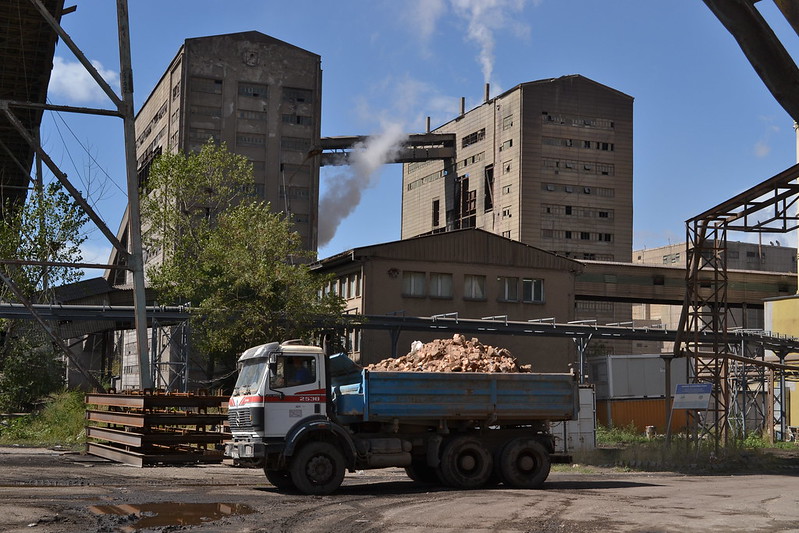
Renewable energy in KosovoIn 2024, Kosovo is at a crossroads. Its antique coal power plants cannot meet demand and need refurbishment. Many people see this as the perfect opportunity to expand the use of renewable energy in Kosovo. However, any renewable future in Kosovo has to contend with the state’s large coal reserves.  

The Current Energy Situation

Europe’s newest country is ranked 166th by size. But, within its 4,203 square miles, there are 12.44 Megatons of lignite coal. Kosovo has the world’s fifth-largest proven reserve of this type of coal. Kosovars have been dependent on this lignite coal since Yugoslav times. Even today, two lignite coal power plants – Kosova A and Kosova B – produce over 90% of Kosovo’s electricity. This current setup is facing problems in 2024. 

Ageing Infrastructure and Energy Importation

Yugoslavia built Kosova A in 1962 and B in 1983, respectively. Today, the plants are inefficient and in need of modernization. There are frequent blackouts at the two plants as they struggle with demand. 

The power grid is also in bad condition. Some rural villages report that they do not receive electricity for six months of the year. Two-thirds of people in poverty in Kosovo live in the countryside. Economic growth is nearly impossible without a reliable energy supply. Kosovo’s current energy problems are trapping people in the cycle of poverty. 

Kosovo has had to import energy as the power plants cannot provide the required levels in their current state. In 2022, Kosovo spent 12.5% of its GDP on importing energy, according to the International Monetary Fund (IMF) paper. This is a high percentage for a growing economy like Kosovo. It harms their ability to provide basic services for their citizens. For example, Kosovo only spends 3.5% of its GDP on health care while the EU average is 19.5%. Energy importation is a large burden on the Kosovo economy. 

Furthermore, expensive energy importation is having a subsequent effect on citizens as well. Many reports estimate that 40% of Kosovars live in energy poverty, according to a 2022 article by Ana Krstinovska. Energy importation drives the price of energy up in Kosovo and leads to locals not being able to afford basic energy necessities. 

Poor Air Quality

Kosovo has some of the most polluted air in Europe. Kosovo’s carbon intensity – CO2 emissions released per unit of electricity- is four times the rest of Europe, according to the IMF paper. The consensus is that Kosova A and B are the sources of this poor air quality. Their inefficiency and high usage make them two of Europe’s most polluting power plants, according to Intellinews.

Next to these coal power plants is the town of Obiliq. The citizens here suffer due to bad air quality. In 2020, environmental NGO Bankwatch studied dust concentration in Obiliq. The level of harmful toxins in the air surpassed the EU-required limit in 17 of the 26 days of the study.

Bankwatch specifically measured dangerous particulate matter (PM2.5) in the air. Long-term exposure to PM2.5 can lead to respiratory, pulmonary and heart diseases. In 2019, long-term PM2.5 exposure caused 4.14 million deaths worldwide.   

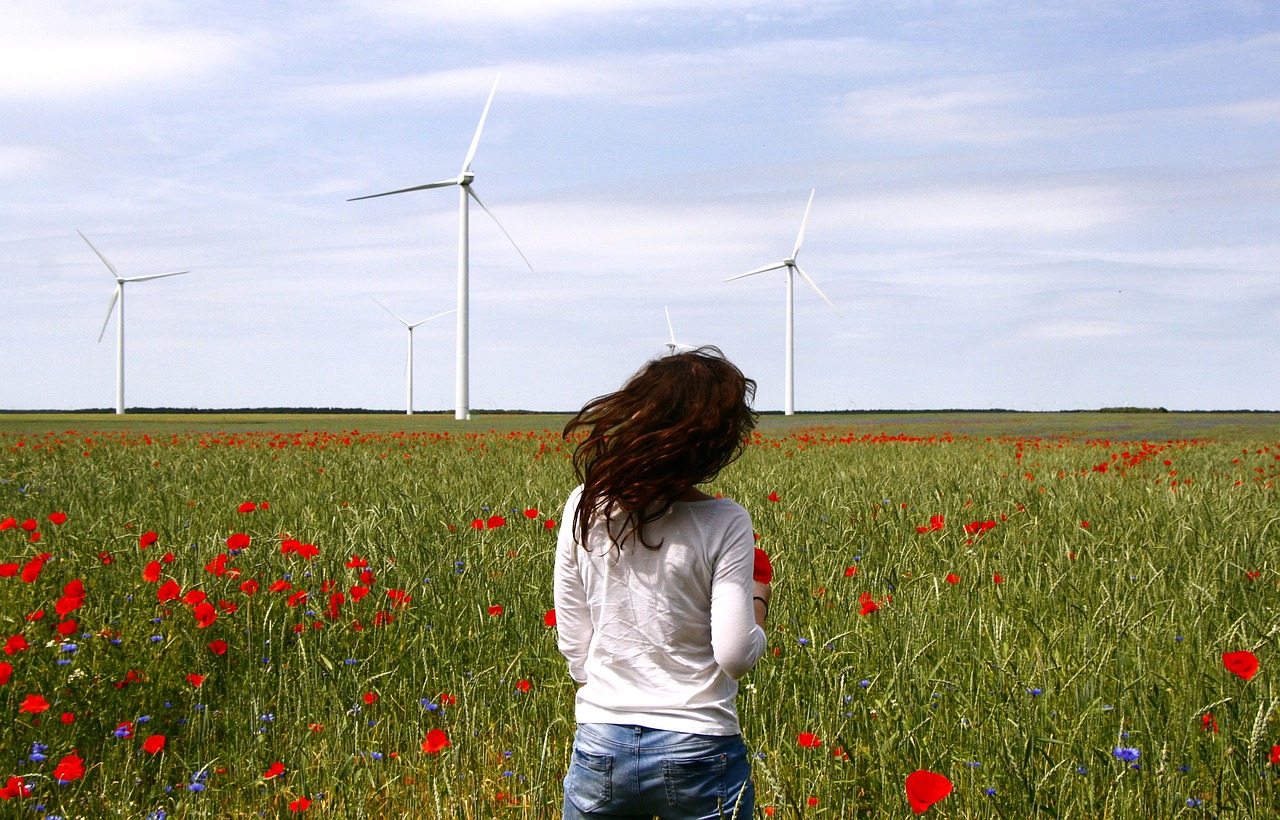
In 2024, Kosovo has made some steps towards a more sustainable energy grid already. Two years ago, Kosovo opened its biggest wind farm. The Selac Wind Farm has 27 turbines and provides electricity for around 10% of Kosovars. 

The project employed mostly workers from the local communities around the wind farm site. Contractors were contractually obliged to limit the amount of foreign workers during the project and the project brought much-needed jobs to this region. 

The Future of Energy in Kosovo

The Kosovo leadership has provided mixed messages on its commitment to a renewable future. The current government wants to modernize Kosova B and two units of Kosova A. A refurbishment would make the plants less polluting and increase energy production. This plan would allow Kosovo to be less reliant on importing energy. Bankwatch says the plans “would be an improvement, though less optimal than investment into renewable,” Intellinews reports.

The refusal to phase out coal is a controversial decision. In 2023, an environmental watchdog called it a “critical gap in Kosovo’s commitment to decarbonization,” according to Reuters. Kosova A and B are likely to remain in use beyond 2040.  

The strategy, whilst controversial for what it does not include, does provide proof of plans for a more renewable future. The Kosovo government set out these targets for 2031:

  • Reduce greenhouse gas emissions in the energy sector by 32%
  • Increase the share of renewable energy sources up to 35% 
  • Develop new solar, wind and biomass energy infrastructure.

The World Bank describes this strategy as “laying the foundations for greener growth in Kosovo,” Intellinews reports. Renewable energy in Kosovo could provide a safer and healthier environment. A renewable future in Kosovo could have a lower level of PM2.5 in the air than any future with fossil fuels. 

The refurbishment of Kosova A and B means they could become less polluting and produce more energy. This could mean better air quality and less energy imports. However, it could keep coal part of Kosovo’s energy production for the foreseeable future. The emergence of renewable energy in Kosovo is exciting but could continue to be alongside coal instead of replacing it.  

– Richard Sartor
Photo: Flickr

May 3, 2024
https://borgenproject.org/wp-content/uploads/borgen-project-logo.svg 0 0 Jennifer Philipp https://borgenproject.org/wp-content/uploads/borgen-project-logo.svg Jennifer Philipp2024-05-03 01:30:132024-06-11 00:12:45The Future of Renewable Energy in Kosovo
Global Poverty

Renewable Energy in Lithuania

Renewable Energy in LithuaniaLithuania ranks second among European countries in energy poverty, yet it’s making strides toward being energy independent by 2030. Developing renewable energy sources positions Lithuania to achieve energy autonomy and could help alleviate poverty within the country.
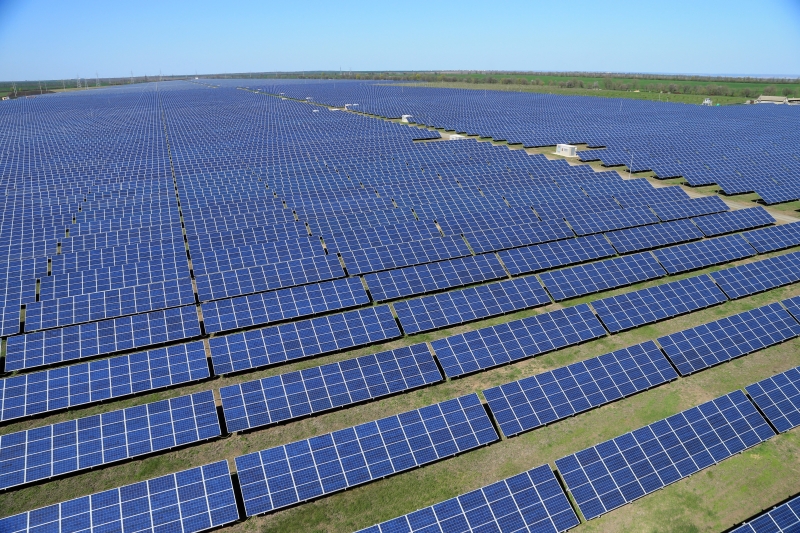
As of 2021, 22.5% of the population endured energy poverty. Currently, the country is pursuing both energy independence and sources of renewable energy within its borders in efforts to reduce the prevalence of poverty. In 2022, Lithuania ceased importing energy from Russia, marking a necessary step toward energy independence. The country remains committed to an ambitious objective of fulfilling its entire domestic electricity needs through renewable sources by 2030, according to its National Energy Independence Strategy. Lithuania also aims to achieve climate neutrality by 2050.

Exploring Other Energy Sources

In an intensive effort to reduce reliance on fossil fuels, Lithuania is making a transformative shift toward renewable energy sources such as wind. In May 2023, the Lithuanian National Energy Regulatory Council began constructing an offshore wind farm that is projected to produce nearly a quarter of the country’s electricity.

Solid biofuel — fuel derived from firewood, plants and agricultural waste — provides perhaps the greatest potential for sustainable energy production in Lithuania. In 2021, the country utilized 54.4% of it to create electricity and centralized heat, while households used 33.1%. Lithuania’s National Energy and Climate Action Plan expects that biofuel will contribute to 9% of electricity production by 2030.

With ambitious targets set to harness reliable, clean energy, the country is making significant strides in its renewable energy sector, marking a pivotal moment in its journey toward a greener future.

Alleviating Poverty Through Renewable Energy Production

In addition to reducing its reliance on other countries, increasing renewable energy production in Lithuania could result in poverty reduction through job creation, boosting economic growth, lowering the cost of living and increasing access to energy in underserved areas.

The effects of Russia’s continued assault on Ukraine, combined with the recent economic slowdown and fewer companies seeking expansion, have reduced employment opportunities in Lithuania. However, internal investment in renewable energy is combatting this loss. In 2022, the UK Energy Research Centre reported that renewable energy creates three times as many jobs per million pounds invested, compared to the fossil fuel industry. The development and expansion of renewable energy infrastructure could therefore greatly contribute to reducing unemployment and alleviating poverty in Lithuania. In just one year of working toward energy production autonomy, the unemployment rate in Lithuania dropped from more than 15% to 9%.

Investments in renewable energy projects stimulate economic growth. The renewable energy sector attracts investments, promotes technological innovation and supports local industries, encouraging economic development that can improve living standards and mitigate poverty rates.

Cost-saving Potential

The widespread availability of renewable energy could also reduce the cost of energy, helping lower the cost of living in Lithuania. According to the Minister of the Environment, Simonas Gentvilas, prior to 2022, Lithuania regularly spent about €3 billion per year on electricity, oil and gas from Russia. Transitioning to self-reliant, renewable energy sources could retain this money in Lithuania, as well as create lower energy costs in the long term. As a result, families will have increased financial resources, providing opportunities to escape poverty or financial strain.

Renewable energy projects could also expand access to reliable electricity, especially in rural or underserved areas. Bringing sustainable energy sources to these communities enhances quality of life, enables increased economic activities, improves educational opportunities and contributes to poverty reduction by facilitating access to essential resources and services.

Looking Ahead

While these examples of renewable energy in Lithuania represent crucial steps on the road toward poverty reduction and energy independence, addressing poverty in Lithuania appears to require a multifaceted approach. Combining renewable energy efforts with broader strategies that focus on education, health care, social welfare programs and employment opportunities could lead to lasting impact on reducing poverty and fostering sustainable development in the country.

– Bella Simokaitis
Photo: Pixabay

January 21, 2024
https://borgenproject.org/wp-content/uploads/borgen-project-logo.svg 0 0 Yana Chukur https://borgenproject.org/wp-content/uploads/borgen-project-logo.svg Yana Chukur2024-01-21 01:30:232024-01-19 02:10:59Renewable Energy in Lithuania
Global Poverty

India’s Quest To Build the World’s Largest Solar Parks


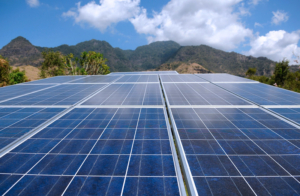
Solar ParksSolar power is a big asset in helping countries grow their economies and fight global poverty. With its vast population and economy, India has set forth an ambitious mission to build the world’s largest solar parks. Such parks stretch across massive areas and house numerous solar panels, harvesting clean energy and fostering economic growth in their countries. This choice is a huge step forward that could redefine the energy landscape and, if successful, serve as an inspiring model for the rest of the world, particularly in alleviating poverty.
Solar Park Projects

Energy poverty is a major obstacle to development in India and several other regions of the world. India houses nearly a fourth of all people worldwide who rely on solid fuels for cooking and nearly a fifth of those without electricity. However, the cleaner and more accessible method of converting solar energy to electricity can light a path out of poverty for the millions of people struggling with these problems.

India’s numerous solar park projects represent a massive step forward in increasing access to solar energy. One such notable project is the Pavagada Solar Park in Karnataka, covering over 13,000 acres of land and boasting a capacity of approximately 2,000 megawatts. Another is the Bhadla Solar Park in Rajasthan, with a capacity of 2,245 megawatts, placing it among the world’s largest solar parks.

Benefits

India’s solar initiatives, including but not limited to these expansive park projects, are a great source of enhanced electricity access for the poor. Especially in rural and remote areas, they can help power homes, schools and other essential facilities, illuminating a path out of poverty for those who need it most. This change can greatly improve the standard of living and economic opportunities.

Moreover, solar projects create a wealth of employment opportunities on several levels. Workers are needed to install and maintain solar panels and related technologies, and the generated energy helps run small businesses, which are another source of jobs. The solar energy job sector is growing incredibly fast, with millions of jobs provided each year. Job creation empowers poor individuals to make a living for themselves, aligning with India’s broader goal of poverty reduction.

Future Lessons

However, there are still lessons to learn from the failings of the solar projects implemented so far. India’s ambitious dreams have often clashed with local life, displacing communities in the process of acquiring land and impacting their livelihoods. At first, it seemed that the government was keeping the locals in mind, offering hefty compensations in exchange for the land.

However, Pavagada Solar Park has not delivered many of the promises it made years ago. Thousands remain unemployed, and hiring at the solar park involves discriminatory practices. In the future, it is imperative to approach land acquisition with sensitivity, ensuring fair compensation, proper rehabilitation and meaningful community engagement.

Looking Ahead

India’s solar endeavors present a fascinating opportunity to bolster technological innovation and build capacity for renewable energy. As with most projects of this scale, India must achieve a delicate balance between forward progress and upholding the rights of landowners. However, if they achieve such a balance, India’s solar energy projects can be a shining example. As solar infrastructure is developed, skill enhancement and knowledge transfer are inevitable, creating opportunities for the poor and facilitating economic growth.

Solar parks are a powerful tool in the fight against poverty and a strong commitment to protecting the environment. Solar energy is not just about clean power; it’s about empowerment, economic upliftment and providing opportunities for the poor. As India pioneers this journey towards sustainable energy, it sets a precedent for others to follow, leading to a world where poverty is steadily replaced by prosperity and progress.

– Namit Agrawal
Photo: Flickr

October 12, 2023
https://borgenproject.org/wp-content/uploads/borgen-project-logo.svg 0 0 Yuki https://borgenproject.org/wp-content/uploads/borgen-project-logo.svg Yuki2023-10-12 15:00:432023-10-11 10:08:34India’s Quest To Build the World’s Largest Solar Parks
Global Poverty

Renewable Energy Projects on Tribal Lands

Renewable Energy ProjectsSandia National Laboratories, a multimission research facility based in New Mexico, has been researching ways to incorporate renewable energy projects onto tribal lands to create dependable energy and boost the economy of several Native tribes.

Energy Poverty in Reservations

According to the U.S. Census Bureau, about a third of U.S. Natives are forced to live on reservations. These are located in extremely remote locations set aside by the Treaty of 1868. Many U.S. Natives are denied basic necessities as a result, including electricity and running water. Such a separation can lead to extreme poverty and unemployment. In the Navajo Nation alone, 35.8% of households live below the poverty threshold. This is extremely high when compared to the national average of 12.7%. 

To address this issue, Sandia National Labs has led a number of renewable energy projects on Native lands. The successful projects have created solutions to resolve both energy poverty and the economic needs of Native tribes. Listed are five benefits of such projects, taking the Aqua Caliente Solar Installation in Arizona and the Campo Kumeyaay Wind Farm in California as great examples of successful projects.

5 Benefits of The Ongoing Projects

  1. The team communicates with locals to find the most informed solutions. These projects involve plenty of communication with locals in order to be as effective as possible. The Sandia National Labs team and interns work closely with indigenous leaders and local experts to find the most advantageous energy solutions for the tribe based on their current needs. The plans for these projects are therefore methodical and organized before they are implemented. The team and interns are able to learn about the significance of proper communication and important considerations that must go into such projects.
  2. The projects have provided financial benefits for many impoverished households in the Navajo Nation. Setting up running electricity cables can cost up to $25,000 per mile, and it could be especially expensive for tribes located in remote reservations. In these cases, renewable energy sources are the better option. The upfront cost of renewable energy may be high as well. Still, it has great potential to save money later as it offers energy independence, saving households from dealing with rising electricity costs. Additionally, these projects have been funded by the Department of Energy for their ability to provide substantial amounts of power to both Native tribes as well as the nearest cities and energy companies.
  3. These projects have been proven to be reliable sources of energy. In the early 2000s, Aqua Caliente was powered by a propane generator, which was functional but extremely inefficient. Its replacement with solar energy panels was a logical solution for a location in Arizona that receives plenty of sun. The solar energy panels of Aqua Caliente were made even more efficient with the development of new inverter technologies. The new inverter system allows operation during larger voltage variations than traditional inverters and improves delivery to the utility grid. The energy stored by the new inverters can be used by the tribe even during cloudy days.
  4. It is an economically valuable resource for Native tribes. As well as providing clean and valuable energy, Aqua Caliente Solar Panels and the Campo Kumeyaay Wind Farm have been economically valuable resources to the tribes that utilize them. To make the Campo Kumeyaay Wind Farm a reality, the Kumeyaay tribe put in land leases with Kinetech Windpower. From this agreement, the tribe continues to receive royalties from the Power Purchase Agreement to sell their energy to power 30,000 San Diego homes. This project has continued to provide funds for the tribe even during difficult economic times, such as the Recession. The tribe is considering building 60 more windmills due to these successes. The Cahuilla tribe of Aqua Caliente sells the extra energy generated by the Wind Farm to the Pacific Gas and Electric Company. The energy that is generated by the Wind Farm is able to provide electricity for more than 225,000 homes, producing 559,000 MWh of energy annually. Additionally, the process of implementing these solar panels has created 400 new construction jobs and 10 permanent jobs.
  5. Sandia National Labs provides internship positions to prospective future Native leaders of renewable energy projects. Sandia National Labs provides two internships for students wishing to pursue careers in sustainable energy. These include The Department of Energy’s Indian Energy (DOE IE) Internship and the National Nuclear Security Administration’s Minority Serving Institute Partnership Program for Tribal Colleges and Universities (MSIPP TCU). The former internship is open to anyone interested in the development of renewable energy on tribal lands and finding solutions to energy poverty, and the latter provides positions for Indigenous students from all over the U.S. This allows Native students to build up their experience and become critical leaders in renewable energy projects in their communities. 

Some Remaining Hurdles and Future Plans

Some hurdles still need to be overcome when it comes to renewable energy projects. Although they are a great source of renewable energy, wind farms are known to harm wildlife, especially migrating birds. Many locals have raised concerns about this problem. The Campo Kumeyaay Nation has stated that their experts are currently working on ways to make their wind farms as safe as possible for wildlife. 

At present, Sandia National Labs Indigenous Energy Experts are considering a number of new projects, such as renewable energy storage and nuclear power. Many hurdles had to be overcome to implement both the Aqua Caliente Solar Panels and the Campo Kumeyaay Wind Farm, but as a result of both, people from tribes of the Aqua Caliente and Campo Kumeyaay regions have begun to overcome poverty while becoming key leaders of renewable energy projects.

– Sophia Holub
Photo: Unsplash

August 29, 2023
https://borgenproject.org/wp-content/uploads/borgen-project-logo.svg 0 0 Lynsey Alexander https://borgenproject.org/wp-content/uploads/borgen-project-logo.svg Lynsey Alexander2023-08-29 07:30:572024-05-30 22:32:16Renewable Energy Projects on Tribal Lands
Global Poverty

Renewable Energy in Yemen

Renewable energy in YemenThe United Nations Development Programme reported that only 40% of Yemeni households had access to electricity in 2021, primarily due to a severely damaged grid resulting from years of unrelenting war. Innovations in renewable energy in Yemen hold the potential to offer a sustainable solution to the immense human suffering caused by the lack of reliable electricity.
Energy Crisis

In 2020, Yemen’s big cities experienced up to 20 hours of blackouts per day while the poorest and most rural Yemenis suffered even more. Renewable energy in Yemen has not become widespread enough to entirely make up for oil and diesel-based energy, resulting in reduced agricultural productivity. Businesses struggle to operate without reliable power, hindering the country’s economic recovery.

Yemen’s electric grid is dependent upon expensive, imported oil that the country sources unreliably. For example, in September 2022, a Saudi refusal to allow oil tankers to enter Yemen’s Hodeidah port resulted in a severe energy crisis. Prices of electricity, foodstuffs and transportation soared, while economic activity ground to a halt. Rural farmers who relied on diesel to run their water pumps and irrigate their fields suffered greatly as the price of 20 liters of diesel rose from $4 in 2015 to $35 in 2022.

For those who do not want to rely on the public electricity grid, alternatives include subscribing to a private diesel-powered grid or using kerosene lamps, diesel generators, or personal solar panels to fill the gaps. But these systems are expensive and cheaper, low-quality versions often break down after just a few months, according to the World Bank.

Innovative Solutions

New innovations demonstrate the potential for addressing Yemen’s urgent need for more reliable and affordable energy. Yemen has access to a vast, untapped power source that can solve both of these problems: solar energy.

A significant portion of Yemen’s population has already adopted solar energy and its potential for further expansion is substantial. According to a 2018 analysis by the World Economic Forum, Yemen possesses the highest average solar energy potential among water-stressed countries due to the strength and concentration of sunlight.

International organizations like the World Bank have invested millions of dollars to finance the sustainable expansion of solar power.

The United Nations project “Enhanced Rural Resilience in Yemen” developed an innovative, affordable solar microgrid and funded its installation in three communities in 2020. As reported by the United Nations Development Programme, these microgrids significantly reduced the cost of energy, from 42 cents an hour to two cents an hour.

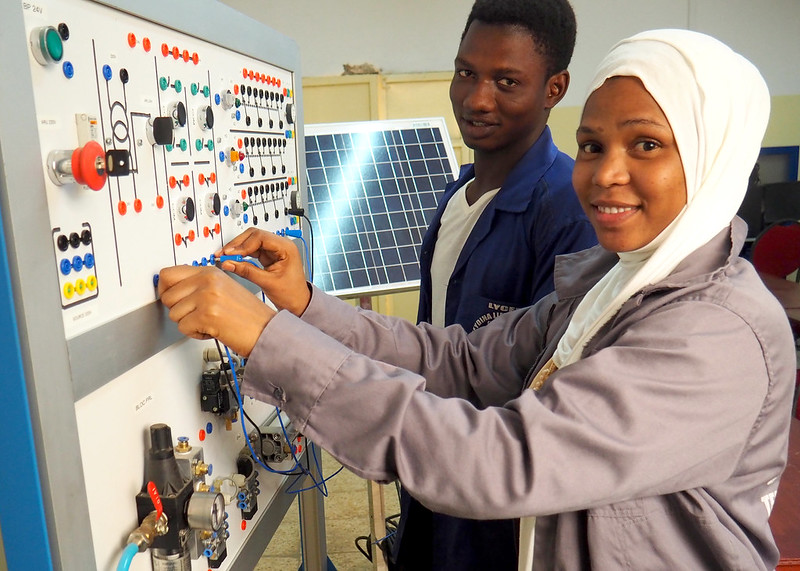
Solar microgrid projects have empowered young Yemeni women to set up infrastructure in their communities and increased school enrollment through solar-powered schools. Farmers have used solar power to pump water to keep their plants alive and health centers to power refrigerators.

The U.N. program also provided training to women and youth, allowing them to establish and maintain microgrid businesses to provide for their families, which had the added benefit of elevating their social status in their communities.

Broader Implications

This project is an example of development aid, which, in contrast to cash aid, builds sustainable self-reliance. It proves renewable energy in Yemen is a practical, important solution to many of Yemen’s electricity problems and shows how other countries and communities can follow in their footsteps.

Beyond benefiting the people of Yemen, more affordable renewable energy also contributes positively to the environment. As of August 2021, renewable energy in Yemen has already prevented 26,203 tons of carbon dioxide emissions from being released into the atmosphere and this figure continues to grow.

– Mitra Nourbakhsh
Photo: Flickr

August 10, 2023
https://borgenproject.org/wp-content/uploads/borgen-project-logo.svg 0 0 Kim Thelwell https://borgenproject.org/wp-content/uploads/borgen-project-logo.svg Kim Thelwell2023-08-10 01:30:092023-08-08 12:59:26Renewable Energy in Yemen
Development, Global Poverty, Health

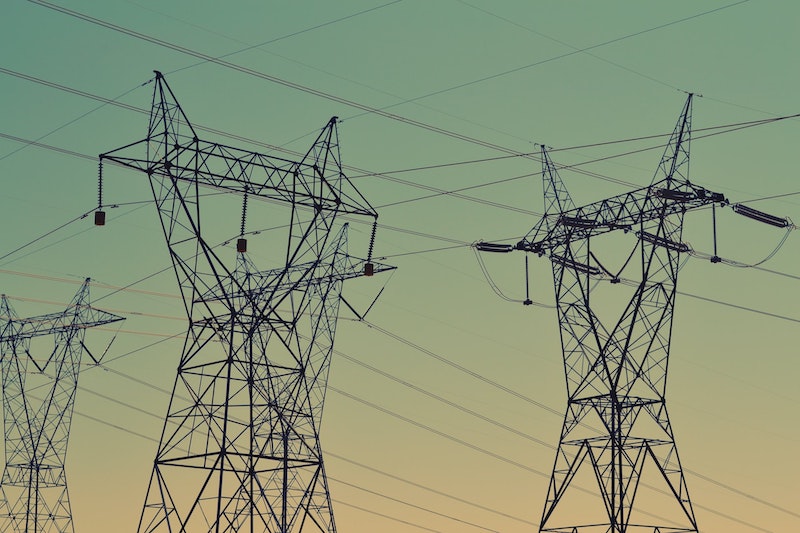
Energy Poverty in Ireland

Energy Poverty in IrelandAccording to The Irish Times, energy poverty is “spending more than a tenth of [ones] income on energy.” In Ireland, 29% of households, up from 13% in 2015, meet this “threshold for energy poverty.” This widespread energy poverty in Ireland has resulted from the sudden surges in gas and electricity prices which are partially due to Russia’s invasion of Ukraine.
The Problem

On average, Irish households are spending €21 more weekly on energy instead of other essential goods. To make matters worse, if motor fuels are included, families are spending €38 more weekly than before the recent inflation, according to The Irish Times.

According to research by the Irish Houses of the Oireachtas, “it is well established that certain groups are more vulnerable to energy poverty and its consequences.” Research by the House discussed that not only do poorer households have limited capacity to support their energy needs due to economic restraints, but they also frequently have increased energy costs. Many of the poorer households in Ireland live in less energy-efficient accommodation, such as mobile homes and trailers, which leads to higher energy costs.

The groups suffering from increased energy costs the most are the Irish Traveller and Roma communities residing in Ireland. These communities frequently face “financial exclusion” and energy-inefficient accommodation. In fact, 40% of Travellers and Romas in Ireland significantly struggle to make ends meet, and 13% live in accommodations in bad condition. “These factors result in significant health and safety risks for Traveller families,” says research by the House.

Specifically, energy poverty affects individuals’ health, social inclusion and housing tenure. Additionally, homes often use cheaper alternatives, such as coal, to meet their energy needs, which has serious effects on air quality and climate change. Thus, it is in everyone’s best interest to reduce energy poverty and ensure all households can safely meet their energy needs.

Possible Solutions

Social Justice Ireland, a think tank and justice advocacy organization, stated that, in theory, the solution to both the financial and environmental costs is as simple as making homes more energy-efficient. This would reduce the carbon emission of individual homes and require less fuel, in return reducing cost. In order to do so, the organization suggests a “state-led retrofitting scheme” to improve the condition of poorer quality homes.

In research by the House, it endorsed the need for grants and programs in order to retrofit homes. However, it also suggested the need for “income supports in the form of transfer payments” and subsidizing energy in order to prevent more homes from falling below the threshold for energy poverty.

National Efforts

Currently, the Irish government aims to alleviate the effects of spiking energy prices by cutting indirect taxes on fuel, such as the carbon tax. However, the Economic and Social Research Institute (ESRI) has criticized the government’s efforts, as “most of the aggregate gains would go to the highest-income 40% of households while less than a third would go to the lowest-income 40%,” The Irish Times reports. Alternatively, the think tank suggested income supports, such as welfare payments, similar to the recommendation by the Irish Houses of the Oireachtas.

Unfortunately, according to Tánaiste Leo Varadkar, “the Government might already be at the limit” of what it can do, due to the constantly rising levels of energy poverty in Ireland.

Local Actions and NGO Efforts

Considering the government’s limited ability to act, local and NGO actions are even more valuable in alleviating and preventing energy poverty than usual.

Locally, according to a report by the European Commission, the Deep Retrofit Transforms Wexford Sheltered Housing project has helped retrofit 12 one-bedroom homes, including social housing, in Wexford, Ireland. The projects will not only have serious economic and environmental benefits but will also benefit the homeowners’ health and wellbeing.

Furthermore, Energy Action, established in 1988, fights to address energy, specifically fuel poverty in Dublin, Ireland. The NGO, which was “Ireland’s first community-based energy project,” provides free insulation in the homes of the disadvantaged, such as the elderly and poor. Since its founding, Energy Action has insulated 35,000 homes. The remarkable NGO has also helped tackle poverty in Ireland by employing and training the formerly long-time unemployed, “providing them with sustainable and ecologically sound employment opportunities.”

Although Ireland lacks a national program to tackle energy poverty, Energy Action supports multiple “community-based organizations ” fighting energy poverty throughout the country to get started with their own projects.

– Lena Maassen
Photo: Flickr

July 20, 2022
https://borgenproject.org/wp-content/uploads/borgen-project-logo.svg 0 0 Kim Thelwell https://borgenproject.org/wp-content/uploads/borgen-project-logo.svg Kim Thelwell2022-07-20 07:30:152022-07-18 03:13:17Energy Poverty in Ireland
Global Poverty

Energy solutions to end energy poverty

Ending poverty with energy solutionsThere are 840 million people worldwide without access to electricity. According to The Rockefeller Foundation, 650 million people will still lack access to electricity in 2030. Without electricity, people have limited access to education and healthcare. Having access to power is critical for all aspects of life. Access to electricity means “small businesses of all kinds can expand and connect with outside markets.” It also helps farmers protect their crop value and boost the productivity of local agriculture. Making sure people have access to reliable electricity can help lift families out of poverty. The Rockefeller Foundation has made it its mission to end energy poverty globally.

Solutions

Distributing clean and renewable energy is a big way to end energy poverty. The goal of The Rockefeller Foundation is to “dramatically accelerate the pace of electrification by leveraging the full potential of decentralized renewable energy.” The way to do this is through climate-smart energy systems. By doing this, the populations that are more vulnerable will have access to reliable energy.

Powering the last mile

In 2015, The Rockefeller Foundation launched the Smart Power for Rural Development Initiative in India, Myanmar, and sub-Saharan Africa. The initiative addresses the gap in access to affordable, dependable energy in different communities. “SPRD promotes partnerships around decentralized renewable energy solutions, specifically mini-grid electricity, to ensure that high-quality, reliable energy is provided to all segments of the community.” By providing access to renewable energy, SPRD gives local economies a chance to thrive. Smart Power India has connected 15,000 households and over 8,000 enterprises with electricity. With this initiative, local “renewable energy mini-grid companies” get the support they need. Business revenue has also increased between 35% and 52% since the program started.

While using decentralized mini-grids is a great way to provide electricity access to rural areas, the cost of doing it is increasing. To combat this, Smart Power India uses unique technological solutions, such as standardizing grid technology by using a “grid-in-a-box”, along with using irrigation to help farming communities. Also, with smart meter technology, they can modernize the operations of energy companies. These solutions are cost- and energy-efficient ways of getting the job done.

Smart Power Myanmar intends to bring access to electricity to 10 million people during the next decade. By taking what they have learned through Smart Power India, along with partnering with USAID and The World Bank, their plan is to “accelerate rural electrification access through decentralized solutions.”

Through Smart Power Africa, The Rockefeller Foundation has a three-step plan to expand access to electricity: The production of mini-grids in Sierra Leone, extending the connections with last-mile communities and developing rural mini-grids in Africa.

Final thoughts

Electricity is a huge part of modern society, and without it, it is difficult to thrive. The Rockefeller Foundation is doing all it can to help end energy poverty by providing electricity globally.

– Ariel Dowdy
Photo: Unsplash

October 5, 2021
https://borgenproject.org/wp-content/uploads/borgen-project-logo.svg 0 0 Lynsey Alexander https://borgenproject.org/wp-content/uploads/borgen-project-logo.svg Lynsey Alexander2021-10-05 05:15:562021-10-22 14:48:39Energy solutions to end energy poverty
Page 2 of 41234

Get Smarter

  • Global Poverty 101
  • Global Poverty… The Good News
  • Global Poverty & U.S. Jobs
  • Global Poverty and National Security
  • Innovative Solutions to Poverty
  • Global Poverty & Aid FAQ’s
Search Search

Take Action

  • Call Congress
  • Email Congress
  • Donate
  • 30 Ways to Help
  • Volunteer Ops
  • Internships
  • Courses & Certificates
  • The Podcast
Borgen Project

“The Borgen Project is an incredible nonprofit organization that is addressing poverty and hunger and working towards ending them.”

-The Huffington Post

Inside The Borgen Project

  • Contact
  • About
  • Financials
  • President
  • Board of Directors
  • Board of Advisors

International Links

  • UK Email Parliament
  • UK Donate
  • Canada Email Parliament

Get Smarter

  • Global Poverty 101
  • Global Poverty… The Good News
  • Global Poverty & U.S. Jobs
  • Global Poverty and National Security
  • Innovative Solutions to Poverty
  • Global Poverty & Aid FAQ’s

Ways to Help

  • Call Congress
  • Email Congress
  • Donate
  • 30 Ways to Help
  • Volunteer Ops
  • Internships
  • Courses & Certificates
  • The Podcast
Scroll to top Scroll to top Scroll to top