Posts

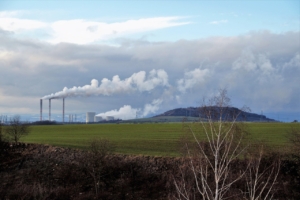
Bulgaria's Air QualityBulgaria’s public health initiatives prioritize air quality and disease prevention. They address critical issues that disproportionately affect low-income communities and exacerbate poverty, promoting a healthier and more equitable society.

Breathe Sofia

In September 2022, the city of Sofia, Bulgaria, launched Breathe Sofia, a project aimed at improving air quality in one of the country’s most polluted cities. It focuses on protecting vulnerable populations by building public support for stronger policies, offering technical guidance for regulations and sharing international best practices.

By reducing air pollution, these efforts can help alleviate poverty by lowering health care costs and improving quality of life, especially for communities most affected by environmental disparities. Beyond health benefits, air pollution reduction also promotes social equity. It supports children’s well-being in impacted areas, increases economic participation and reinforces Bulgaria’s commitment to inclusive development under the European Union’s (EU) sustainability goals.

Bulgaria’s Air Quality

Bulgaria has also launched the New Operational Program on the Environment, allocating $1.77 billion to address water and waste management, biodiversity and air pollution. Since 2021, the program has helped provide cleaner air for 1.3 million people.

Furthermore, as part of its broader sustainability agenda, Bulgaria has prioritized emissions reduction through the National Program for the Improvement of Ambient Air Quality. This strategy drove significant progress between 2018 and 2024, with emissions falling by 66.5%. This reduction directly benefits low-income families by providing cleaner air and supporting healthier, more sustainable living conditions.

Addressing Diseases

To address cancer and chronic diseases, Bulgaria has joined the Joint Action to Prevent Noncommunicable Diseases and Cancer (JA PreventNCD), a three-year EU-funded health initiative. The project aims to reduce the burden of cancer and other noncommunicable diseases (NCDs) across Europe by supporting 22 EU Member States, along with Iceland, Norway and Ukraine. It also focuses on tackling social inequalities linked to NCD risk factors.

With NCDs disproportionately affecting marginalized communities, JA PreventNCD targets the root causes by addressing the link between poverty and poor health. The initiative acknowledges the unequal impact of NCDs on lower socioeconomic groups and promotes equitable access to prevention and care. By focusing on prevention and healthier lifestyles, JA PreventNCD aims to reduce health problems, ease the economic burden of NCDs and contribute to poverty reduction.

Bulgaria’s commitment to rare disease recognition took a major leap in 2005 when it joined the J Project, a Central and Eastern European initiative focused on primary immune deficiencies. Ten years later, this progress led to the establishment of a dedicated expert center at the university hospital. The center provides families in low-resource communities with access to specialized care for rare diseases.

Final Remarks

As Bulgaria works to improve the quality of life for its citizens, it collaborates with national and international programs aimed at disease prevention and air pollution reduction. Supported by initiatives like the Clean Air Fund and the EU partnerships, these efforts create healthier environments and expand access to essential resources in underserved communities through public health and sustainability investments. Indeed, they help pave the way for a more equitable and resilient future.

– Karisma Polly

Karisma is based in Sunrise, FL, USA and focuses on Global Health and Celebs for The Borgen Project.

Photo: Pixabay

Invisible Threat: Combating Mold and Poor Air in Informal Settlements to Boost HealthInformal settlements, often characterized by dense populations, inadequate infrastructure and precarious living conditions, house millions of people worldwide. While visible challenges like the lack of sanitation and access to clean water are widely recognized, a serious and often overlooked threat exists within the very structures these communities rely on: mold and poor air quality. This ongoing issue significantly affects public health, contributing to chronic illnesses and undermining the overall well-being of residents.

The built environment in informal settlements worsens the problem. Residents often construct dwellings from salvaged or low-cost materials that provide minimal insulation and poor ventilation.

Overcrowding is common, further limiting air circulation and increasing humidity. Additionally, many residents rely on open fires or rudimentary stoves for cooking and heating and this releases harmful pollutants into the already confined spaces. The combination of moisture, poor ventilation and indoor pollution creates ideal conditions for mold growth and contributes to dangerously poor air quality in informal settlements.

Health Impacts of Mold and Poor Air

Exposure to mold and poor air in informal settlements has far-reaching health consequences, particularly for vulnerable populations like children, the elderly and individuals with preexisting respiratory conditions.

  • Respiratory Illnesses. Mold spores, when inhaled, can trigger allergic reactions, asthma attacks and other respiratory problems. Chronic exposure to indoor air pollutants, including particulate matter and volatile organic compounds from cooking fires, significantly increases the risk of acute respiratory infections, chronic obstructive pulmonary disease (COPD) and even lung cancer. Children, whose respiratory systems are still developing, are particularly susceptible to these adverse effects.
  • Allergic Reactions and Skin Conditions. Beyond respiratory issues, mold can cause a range of allergic reactions, including skin rashes, itchy eyes and nasal congestion. The damp and unhygienic conditions often associated with informal settlements can also exacerbate existing skin conditions and contribute to new ones.
  • Cognitive and Developmental Impacts. Studies have begun to link exposure to poor indoor air quality, particularly in early childhood, with negative impacts on cognitive development and academic performance. This creates an unfortunate cycle where environmental factors undermine educational opportunities, perpetuating poverty.
  • Mental Health. The constant presence of dampness, mold and poor air in informal settlements can also contribute to stress, anxiety and depression among residents. The feeling of living in an unhealthy and unsafe environment can take a significant toll on mental well-being.

Potential Solutions and Ongoing Efforts

Addressing mold and poor air quality in informal settlements requires a multi-faceted approach that considers the unique challenges of these communities.

  • Improving Housing Design and Materials. Simple design modifications, such as strategically placed windows and vents, can significantly improve airflow and reduce humidity. Educating residents on preventing water intrusion and managing leaks could also play a crucial role. Implementing affordable and moisture-resistant building materials can also help. Organizations like Habitat for Humanity often focus on improving housing conditions, including better ventilation and moisture control. Exploring the use of locally sourced, sustainable materials that offer better insulation and breathability can potentially provide long-term solutions.
  • Enhancing Indoor Air Quality Practices. Promoting access to and adoption of cleaner cooking technologies, such as improved cookstoves or alternative fuels, can significantly reduce indoor air pollution. The Global Alliance for Clean Cookstoves promotes the use of these solutions. Educating residents on simple practices like opening windows when cooking, drying clothes outdoors and maintaining regular cleaning can make a significant difference. Proper waste disposal reduces the presence of damp organic matter that can contribute to mold growth.
  • Community Engagement and Education. Informing residents about the health risks associated with mold and poor air and empowering them with practical solutions is paramount. Supporting local initiatives that focus on improving housing conditions and environmental health can lead to sustainable change. Organizations like Slum Dwellers International (SDI) often work with communities to identify and address their housing and infrastructure needs. Establishing community-based health monitoring programs can help track the prevalence of respiratory illnesses and other health issues linked to indoor air quality, allowing for targeted interventions.
  • Policy and Urban Planning Interventions. Granting secure land tenure to residents of informal settlements can incentivize them to invest in improving their homes and living conditions, knowing they won’t be evicted. Investing in basic infrastructure like drainage systems, piped water and electricity can reduce dampness and the reliance on polluting energy sources.
  • Integrated Urban Planning. Incorporating health considerations into urban planning for informal settlements, with a focus on ventilation, open spaces and access to services, is crucial for long-term public health. UN-Habitat supports inclusive and sustainable urbanization.

A Healthier Future for Informal Settlements

Addressing mold and poor air in informal settlements appears to go beyond improving housing; it also involves safeguarding public health, strengthening resilience and reducing poverty linked to environmental conditions. Implementing strategies that combine improved housing, cleaner practices, community engagement and supportive policies can help mitigate these risks and improve outcomes for affected communities.

– Anoushka Rai

Anoushka is based in Frisco, TX, USA and focuses on Technology and Global Health for The Borgen Project.

Photo: Flickr

Air Pollution in UlaanbaatarAccording to the World Bank, Ulaanbaatar, the capital of Mongolia, contains 39% of the country’s population and generates upwards of 60% of the Mongolian GDP. This population and economic growth, however, is sustained by a heavy reliance on raw coal, which is essential to surviving harsh winters but has also fueled the crisis of air pollution in Ulaanbaatar.</p><h2>Air Pollution in Ulaanbaatar
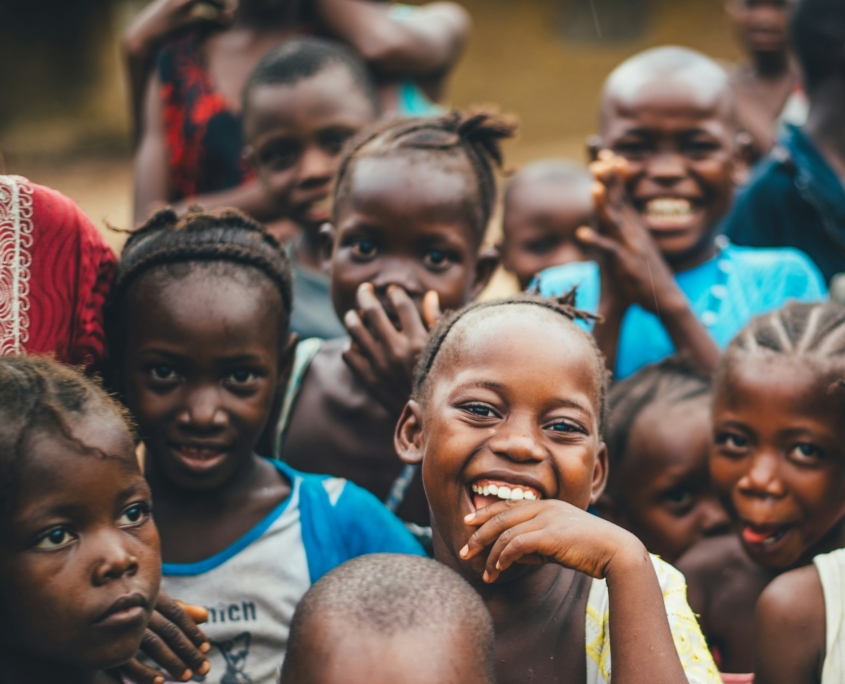
Pollution from coal-burning disproportionately impacts Mongolians who live in poverty in yurts known as gers on the outskirts of the city. It is estimated that upwards of 80% of pollution in the city comes from the ger district, where residents rely on coal-fired stoves for cooking and heating. In 2018, UNICEF reported that Ulaanbaatar’s PM-2.5 levels, which measure the content of dangerous tiny particles in the air, sometimes reach up to 133 times the World Health Organization (WHO)-certified safe maximum.

Children in Mongolia especially struggle with lung problems, bronchitis and pneumonia, which is the second leading cause of death for Mongolian children under 5. In 2018, UNICEF reported that the past 10 years have seen a 2.7-fold increase in respiratory infections. The outsized impact of air pollution on Ulaanbaatar’s youngest and most vulnerable formed part of the impetus behind the Mongolian government’s 2017 decision to declare air pollution a state of emergency.

Making a Change

Founded in the wake of a 2018 protest movement in New York City, Breathe Mongolia is a loose coalition of advocates and volunteers seeking to end air pollution in Mongolia. The nonprofit’s three-fold approach prioritizes acting as a watchdog, increasing transparency and serving as a platform for collaboration.

While Breathe Mongolia emerged as a grassroots movement, Switch Off Air Pollution is a part of the EU-funded SWITCH-Asia program. Founded in 2007, SWITCH-Asia seeks to promote sustainable development and green technology through a grants scheme that funds relevant pilot projects.

Switch Off Air Pollution seeks to combat air pollution in Mongolia through investing in sustainable consumption and energy efficiency in the housing sector. From 2018 to 2021, Switch Off Air Pollution aimed to retrofit 1,000 houses, saving an estimated 1,600 metric tons of coal and preventing the emission of 6,000 TeqCO2. Upon the project’s completion in 2022, 73 newly trained construction brigades had successfully retrofitted 1,546 households, saving 5,665 CO2 emissions. A new phase of the project is working to further improve energy efficiency.

Although Ulaanbaatar is facing a momentous challenge in the form of its air pollution crisis, these nonprofits are working hard to solve the problem. This innovative combination of grassroots and institutionally funded approaches, channeled through the infrastructure of nonprofit organizations, is bringing hope to the fight against air pollution in Ulaanbaatar and globally.

– Josephine Koch

Josephine is based in New York City, NY, USA and focuses on Good News and Politics for The Borgen Project.

Photo: Flickr

Chad's Air QualityThe Republic of Chad, an independent nation in Central Africa, is landlocked by Niger, Libya, Sudan, South Sudan, the Central African Republic, Cameroon and Nigeria. With a population of approximately 17.7 million, according to the World Bank, Chad suffers from some of the world’s worst air quality. Several factors contribute to the country’s poor air conditions, significantly impacting children with respiratory infections. Nevertheless, Chad is implementing measures to enhance its air quality and improve the lives of its citizens.

Factors Contributing to Air Pollution in Chad

Air pollution is when the air is contaminated by particles, gas and chemicals that are harmful when breathed in and cause respiratory illnesses. Chad is one of the worst in the world because according to the World Health Organization (WHO), it measured to be 17 times higher than the acceptable limit, making the country dangerous to breathe in. 

The factors contributing to Chad’s poor air pollution include indoor sources such as stoves but also uncontrolled waste burning, textile, oil, meatpacking industries and vehicle emissions.

The electricity in Chad is also generated from 90% fossil fuel, which is another cause of air pollution, as well as the Bodele Depression. Located south of the Sahara Desert in north-central Africa, it is one of the largest sources of airborne dust, which brings large dust clouds to the region.

Bad quality air affects everyone in Chad, but it is especially dangerous to those who live in urban cities such as N’Djamena, Chad’s capital. It affects those in poverty-stricken areas more often as they live closer to the factories and other pollution-causing sources and don’t have the means to protect themselves from the air. The most vulnerable groups affected by air pollution are the elderly, children and pregnant women.

Health Impacts of Poor Air Quality

Air pollution can not only lead to respiratory disease, but it can also cause strokes, lung cancer and heart disease. In the worst cases, it can even cause death. In 2017, an estimated 13,329 Chadians died with association from air pollution, with more than 7,000 of those deaths being young children with respiratory infections.

According to the State of Global Air, air pollution is the third-leading risk of death or disability in Chad as of 2017, trailing behind sanitation and malnutrition. Additionally, Chadians lose 2 years and 11 months in life expectancy at birth due to air pollution. 

Initiatives to Improve Air Quality

There are some initiatives in place to combat this rampant air pollution in Chad. According to a study by UNEP in 2015, it found that the government lacks policies in place to combat pollution. However, this is changing, as Chad is beginning to promote cleaner cooking fuel to reduce indoor air pollution and grid electrification.

The National Poverty Reduction Strategy is also working to make power generation more widespread and cost-efficient, reducing air pollution, as well as other methods of energy like solar and wind. With the United Nations’ support, it implemented waste management in refugee camps and communities such as Sila, Wadi Fira and Salamat, which granted 74% of households proper services. 

The Interactive Country Fiches also includes opportunities to implement new policies such as waste management to improve public health rather than burning it. Different factories and industries also require more regulation to better improve the health of all Chadians and beyond. 

Looking Ahead

Chad is on a promising path to significantly enhance air quality and public health through targeted environmental initiatives and cleaner energy solutions. By focusing on sustainable practices and improved regulatory frameworks, the nation aims to reduce the burden of air pollution on its most vulnerable citizens. Continued collaboration with international organizations and a commitment to innovative policies could be crucial for improving Chad’s air quality and securing a healthier future for all Chadians.

– Sabrina Betterly

Sabrina Betterly is based in Drums, PA, USA and focuses on Good News and Global Health for The Borgen Project.

Photo: Unsplash