Everything To Know About Seasonal Poverty in Greece
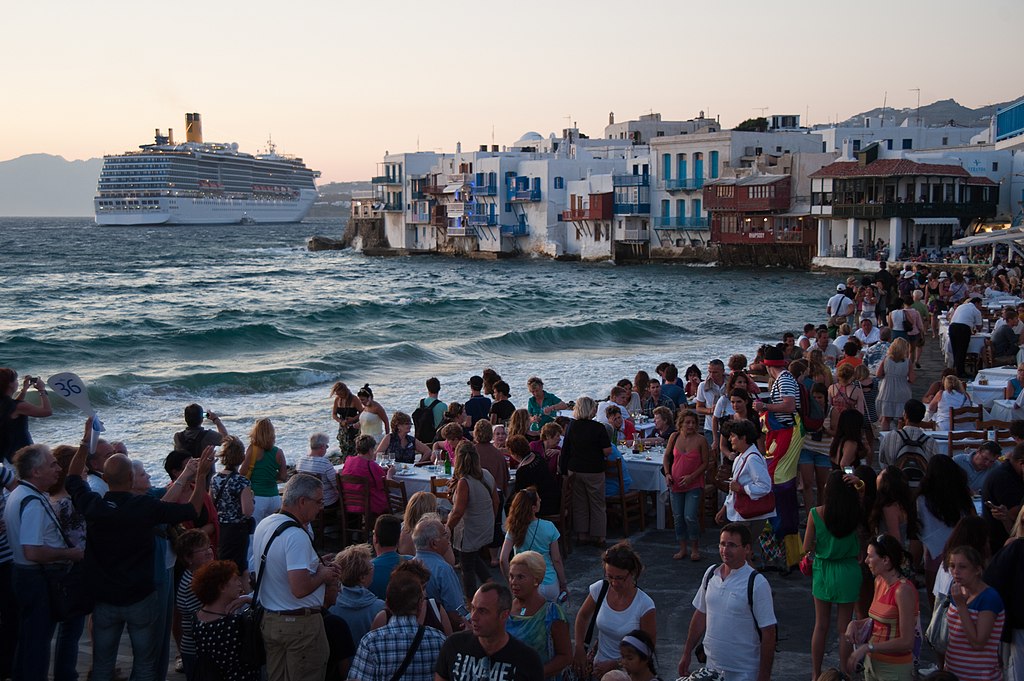 Each year, Greece’s tourism season fuels the economy throughout the summer months. However, when the holiday crowds depart, the industry’s seasonal nature leaves workers vulnerable. Without stable income or job security, thousands face economic challenges once Greece’s resorts close for winter.
Amanda Williams, a tourist who visited Santorini in 2023, told The Borgen Project about a conversation she had with a waitress working at a local beach resort. The waitress described 16-hour shifts, six days a week, while her partner worked nights as a security guard at the same hotel. They barely saw each other or their two young children, yet she explained that they had no choice saying “I need to help my children.” The couple had to maintain this demanding routine so the money earned over summer could sustain them through the winter, when Santorini’s economy slows dramatically as resorts and restaurants temporarily close down. This is when seasonal poverty in Greece becomes most visible.
A Seasonal Economy
Tourism is Greece’s economic backbone, contributing between 28.5% and 34.3% of national GDP in 2023. On islands like Santorini and Mykonos, that dependence is even more extreme as the South Aegean region relies on tourism for an estimated 97.1% of its GDP.
According to official data, from October to November 2024, the number of international visitors arriving in Greece dropped by 62%. Most hotels, restaurants and tour operators shut their doors from November to March, forcing thousands of seasonal workers into unemployment.
Industry reports confirm that Greece’s tourist season runs from April through October, with the majority of arrivals concentrated between June and August. During those peak months, popular destinations like Santorini can see crowd densities estimated at 33 people per square meter. Yet, by winter, these same streets are empty, and the workers who once kept them alive face months without receiving any income or benefits, a defining feature of seasonal poverty in Greece.
The sharp divide between summer prosperity and winter hardship is visible in Greece’s poverty statistics. In 2024, 26.9% of Greece’s population was at risk of poverty or social exclusion, one of the highest rates in the European Union. Amongst children, the rate rises to 27.9%, meaning roughly one in four Greek children grow up in poverty.
This poverty is particularly severe on the islands, where import and transport costs inflate the cost of living. A survey found that 6.2% of Greek households reported skipping meals in the past year due to lack of money. When tourism stops, many families are left jobless and forced to rely entirely on their summer savings, stuck with rationing themselves and often running out long before spring returns.
Lower Wages Against Higher Costs
Seasonal employees in Greece typically earn the national minimum wage of €880 per month, compared with roughly €2,000 per month in the United Kingdom before tax. Although the cost of living in Greece is around 20% lower than in Britain, the wage gap means Greek workers face a significantly higher financial strain.
Greece’s tax system also deepens the disparity. Income is taxed 9% starting from the first euro earned, while in the U.K., workers pay no income tax until earning around £12,570 per year. With limited government support and no consistent child benefit programs, many Greek families depend entirely on what they earn during the tourist season.
Tourism’s rapid growth has also reshaped the housing market. Rising demand for short-term rentals has pushed up prices, making it harder for locals to find affordable homes. In Santorini, housing costs are increasing by 15%-25% in the past year alone.
Nikos Gouliomis, Secretary of ELME Corfu, has highlighted the growing financial strain on teachers as increasing rent prices on islands like Corfu now consume nearly “two thirds of a teacher’s salary.” Many are left with no choice but to sleep in their cars or on the beach while tourists occupy most available apartments and homes. This mirrors a broader national issue where housing prioritizes tourists over residents, displacing low-income workers and pushing essential community members such as our teachers, nurses and police, off the islands altogether.
A Seasonal Paradise
Greece is now ranked at third for the top holiday destinations in the world for Europeans, yet much of this prosperity bypasses the people who make tourism possible. For many, the end of the tourist season means the start of financial insecurity, reinforcing this cycle of seasonal poverty in Greece that affects families each year. Without steady income, social support or affordable housing, thousands of workers face winter in poverty while the resorts they serve remain desolate.
The Greek government has begun addressing some of these issues, introducing new regulations on short-term rental properties to prevent extreme housing inflation and launching initiatives like Social Consideration and Social Leasing to create 10,000 affordable housing units for low-income families. However, these efforts will need to go hand in hand with policies that expand unemployment support, introduce child benefits, and promote year-round employment, especially in regions dependent on tourism. Expanding winter tourism, investing in local industries, and improving worker protections could help stabilize income and reduce poverty among seasonal workers.
Emfasis is a nonprofit organization working to assist people experiencing extreme poverty and social exclusion across Greece. Starting in 2013, the organization maps unmet needs and delivers targeted assistance ranging from material support and counseling services to emergency humanitarian aid and capacity-building programs for long-term impact. Emfasis has documented rising economic precarity, including the fact that 83.9% of the population cannot cover an unexpected but essential expense of 410 euros. Through both immediate and preventive action, Emfasis aims to help individuals regain access to basic rights like housing, health and employment.
Looking Ahead
Greece’s islands continue to attract millions of tourists each year, but for many residents, financial stability remains out of reach once the tourist season ends. Organizations such as the Emfasis Foundation can help strengthen social protection systems and build a more sustainable future for Greece’s island communities, reducing seasonal poverty in Greece.
– Daisy Winstone
Daisy is based in Cardiff, Wales and focuses on Good News and Politics for The Borgen Project.
Photo: Wikimedia Commons
