The Link Between Poverty and Poaching
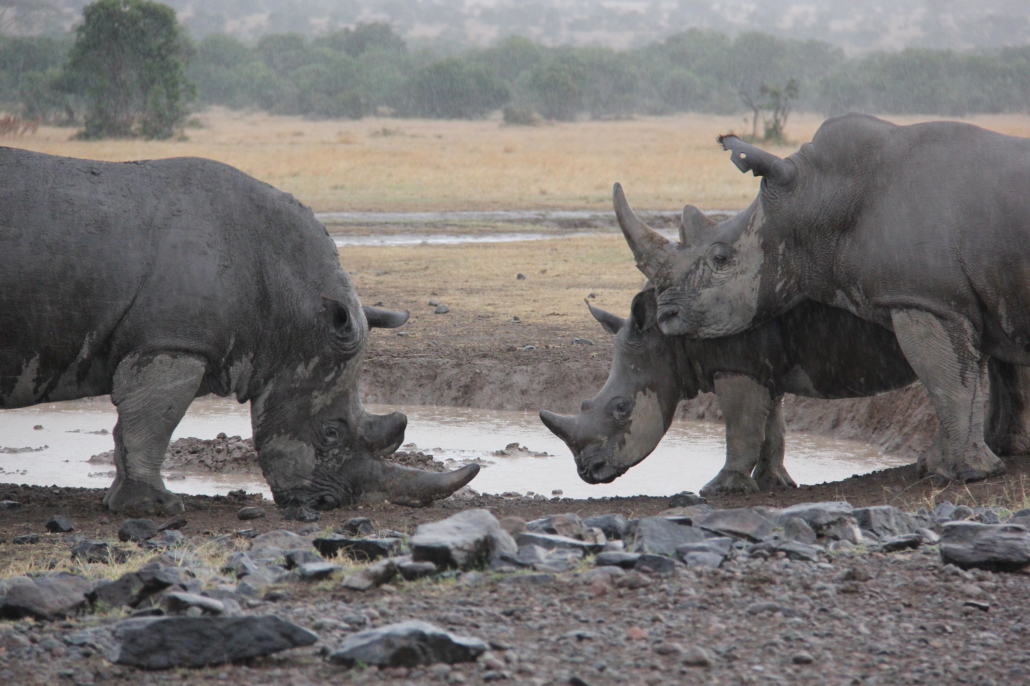 Big mammals all around the world are at risk because of poaching. The countries most impacted are the poorest ones despite the presence of natural parks and nature reserves. A recent scientific review examined the decline of mammal species and found that between 1980 to 2020, 294 species were illegally hunted in the parks designed to protect them. There is a clear link between poverty and poaching; the environment, animals and people can all be helped by alleviating poverty.
What Animals are Poached?
Endangered animals that are commonly poached are elephants, rhinos, tigers, sea turtles, lemurs and gorillas. Despite efforts to save these animals, high rates of poaching still threaten them. Currently, poachers are the single greatest threat to elephant’s survival. Their ivory makes elephants a highly-prized target. Similarly, rhinos are hunted for their horns. As a result, the western black rhinoceros went extinct in 2011.
Why is it a Threat in Poorer Countries?
Poverty and poaching have many reasons for commonly coinciding. However, it should be stated that poverty does not lead to poaching. It is one of the drivers, but to say that poverty causes poaching is not exactly correct. The International Conservation Caucus Foundation states that “the extreme poverty of many African communities induces their complicity in African-based, Asian-run poaching networks.” Due to a lack of conservation resources, a boom in bushmeat trade and the desire to increase socioeconomic status, poaching rates remain high. Another major driver is corruption. Research from the University of New York identified that corruption and poverty actually influence poaching more than the adequacy of law enforcement.
Who Poaches?
An important clarification is that it is not necessarily the poorest people who poach. A major influence on poachers is their financial status relative to others in their community rather than total amount of wealth. Many poachers are not among the absolute poorest, but they collect bushmeat to supplement their income. They need the funds they receive from bushmeat, ivory and rhino-horn trade for basic needs. In a 2015 study in Tanzania, 96% of villagers said they would stop poaching if they received enough income through other means. Evidently, poverty and poaching are inseparable.
Can Poaching Be Stopped?
Anti-poaching programs need to take a multidimensional approach to tackling both poverty and poaching. Increasing law enforcement isn’t enough. Top-down measures, such as increasing patrols and arrests, may help reduce the number of people who poach to gain a little extra income, but it will not dissuade those who depend on it for their livelihood.
The key is to implement bottom-up strategies that increase opportunities and agency for these communities. Poaching is seen as a method to raise people out of poverty. However, what researchers and conservationists need to understand is that poverty is relative rather than absolute. By understanding this fact, they can start to ask questions such as: how much do households need to be elevated out of poverty to help prevent them from poaching?
CITES, the Convention on International Trade in Endangered Species of Wild Fauna and Flora, is making a difference. It is an international agreement that aims to protect wild animals from going extinct through international trade. The ideas for CITES were first formed in the 1960s, but now they have evolved greatly. CITES places species in one of three appendices, each representing a different level of endangerment. The first appendix provides the greatest level of protection with restrictions on commercial trade. CITES prevents poaching using an international approach that advocates for socioeconomic and environmental change.
This is a messy issue that has very little clear data and even fewer clear-cut answers. The extent to which poverty and poaching are correlated is still debated and researched; however, it is certain that poverty has an effect. The issue of poverty must be addressed in order to resolve the issue of poaching.
– Fiona Price
Photo: Flickr
