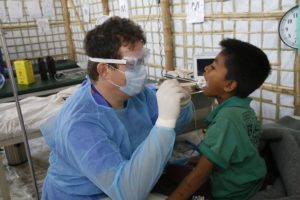
 Science, technology and innovation are critical factors that contribute to socio-economic development. They are the engines of economic mobility in advanced countries and allow these regions to respond to dynamic challenges, with greater ease. However, a global, digital divide exists between developed and developing countries. This divide is caused by differences in access to technology and the infrastructure that supports it. Moreover, the digital divide has far-reaching implications beyond just a particular society’s relationship with communication technology and internet coverage. A lack of digital access also hinders access to medical technology, industrial and operational technology and production capability. Below is more information about an exciting initiative called the Tech Access Partnership which aims to address the core of the issue.
A Need Emerges
Following the outbreak of the COVID-19 pandemic, demand for personal protective equipment (PPE) and advanced medical devices increased, sharply. Yet, countries with limited production capability were unable to distribute the necessary resources, due to limited technical knowledge, shortage of manufacturing facilities and insufficient compliance with state regulations. These local deficiencies highlighted the urgent need to fill the gap in the production capabilities of underdeveloped regions. Through addressing these local deficiencies, these regions would enable themselves to respond effectively to the crisis and meet their citizens’ needs.
Thinking Long-Term
The Tech Access Partnership (TAP) is the United Nations Technology Bank’s latest collaboration involving the U.N. Development Program, U.N. Conference on Trade and Development and the World Health Organization. The program launched in May of 2020 to increase the production of essential, life-saving medical technology through technical expertise and market integration. By providing training and resources to developing countries, TAP hopes to create sustainable operations as opposed to temporary solutions, to bolster long-term production.
The Tech Access Partnership
The Tech Access Partnership has three main functions. First, it provides emerging manufacturers with design specifications, product information and technical knowledge to increase production capabilities. Second, the partnership also offers guidance regarding market information and production regulations. Furthermore, the scope of the project continues with providing technical support to tackle issues that arise during manufacturing processes, itself. Third, the organization acts in a partnership development capacity by forging partnerships with private sector companies and global organizations alike. This aim is to provide expertise, optimize production and accelerate distribution.
Technology Access in a COVID-19 Era
In the past, inequalities in the field of technology have had an impact on educational attainment and opportunities for youth. Today, they pose an increased challenge — technology is a crucial component of the response to the COVID-19 pandemic. Without access to life-saving medical technology and protective equipment, developing countries are unequipped for responding to the devastating impacts of the virus. By providing these countries with the resources and expertise to produce these items themselves, TAP promotes self-sufficiency that can speed up the path to recovery. TAP’s mission of creating equity in the field of medical technology is crucial to the pandemic response. By expanding the skills and capacity of local manufacturers, the initiative will accelerate technical innovation in the long term. This, in turn, may open the doors to improved public health and steady economic growth, in the long-term.
– Sylvie Antal
Photo: Flickr

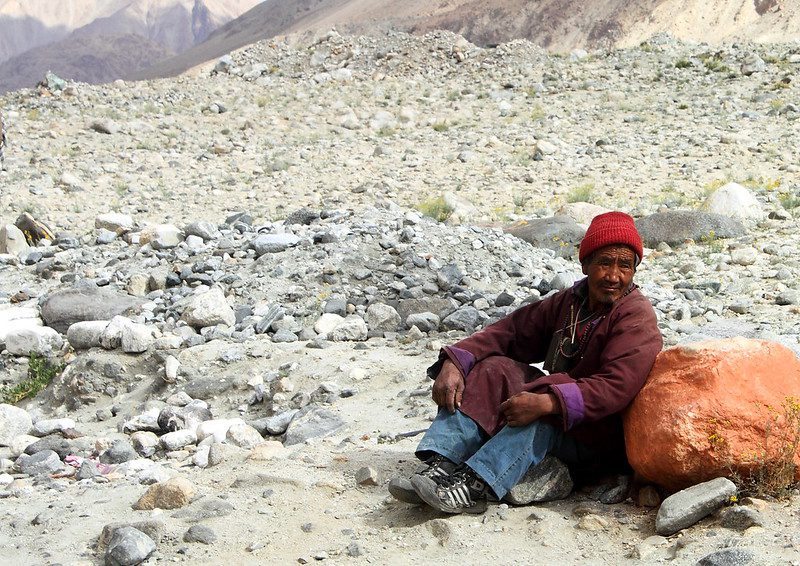 In the mountain desert of Ladakh, a region located in Northern India, water has long been a valued and scarce resource. Ladakh is located in the Himalayas with a base elevation of roughly 8,000 feet and peaks reaching over 25,000 feet. Ladakhis rely almost entirely on glacial and permafrost melt for water. However, in recent years, due to rapidly receding glaciers, water shortages in Ladakh have become more severe. In years to come, experts expect this problem to worsen. Despite this issue, Ladakhis continue to


 When China was at the peak of its COVID-19 outbreak, unexpected lockdowns affected well over