Surfing in Ivory CoastSurfing is gaining momentum along the coastline of Ivory Coast, not just as a sport but as a tool to fight poverty, build life skills and promote gender equality. Local pioneers like Nadi Saddy and Souleyman Sidibe lead the charge with their organization, Surf Côte d’Ivoire, using surfing to open new doors for youth empowerment and community development.

Surfing in Ivory Coast as a Driver for SDG 1 and SDG 8

On the Ivorian coastline, surfing is a growing force against poverty and unemployment. Côte d’Ivoire’s poverty rate decreased from 46.3% in 2015 to 39.4% in 2020, but unemployment and regional disparities persist. Surfing, led by young pioneers like Nadi Saddy and Souleyman Sidibe, is creating new jobs and economic potential in coastal communities.

“There are many opportunities around surfing,” Nadi said. “Surf camps, guided beach tours, board rentals, surf classes — all these can create jobs.” Souleyman Sidibe, a national champion and co-founder of Surf Côte d’Ivoire, now earns a living teaching surfing.

In 2024, he opened Souley Surf School in Assinie Terminal to offer lessons and mentorship to local youth. “Surfing can’t end poverty overnight,” he said. “But it can help. It gives young people a purpose and can generate income for communities.”

Building Life Skills and Encouraging Education

Surfing provides more than economic benefits. It fosters confidence, discipline and resilience, vital for personal development and success in school and work. “To surf, you have to respect nature. You learn humility,” Sidibe said. “These are values we want to share with our students.” Saddy adds, “It helps kids build confidence and face their fears. That strength carries into other parts of life — work, school, adulthood.”

Surfing programs also include mentorship and environmental education, encouraging youth to stay engaged in their communities and pursue lifelong learning.

Promoting Gender Equality and Inclusion

According to the United Nations Educational, Scientific and Cultural Organization (UNESCO), only 55.5% of girls in Côte d’Ivoire complete lower secondary education, compared to 60.2% of boys. This reveals a 4.7% point gender gap in completion rates at this level.

However, surfing is breaking this gender barrier. While some families remain hesitant, demanding that girls stay home, progress is visible. Sidibe’s surf school has welcomed a dozen girls aged 8 to 14, with hopes to train the country’s first female surf instructors.

Overcoming Challenges and the Path Forward

Despite growing interest, surfing remains a niche sport with challenges such as limited access to equipment and lingering fears of the ocean. “In Côte d’Ivoire, many people are afraid of the ocean,” Saddy explained. “It can be powerful and dangerous. Many people don’t know how to swim, so the ocean is seen as something to fear, not to enjoy.”

Support from local authorities and the international community is essential. “We need support from local authorities to see surfing as a real economic asset — just like Senegal has done,” Saddy said.

From Childhood Dreams to a National Movement

Saddy and Sidibe’s love for surfing in Ivory Coast started when they were young. “When I was a kid, I used to spend weekends in Assinie,” Saddy said. “I would watch the waves and the few surfers there. I dreamed of having my own board one day.” “My older brothers surfed,” Sidibe said. “They were my role models. I wanted to be like them.”

Today, their shared vision is a growing community inspiring youth to dream bigger and believe in themselves. “Whether you’re a surf coach, a teacher, a photographer — come join us,” Saddy stated. “Help us show the youth of Côte d’Ivoire that they don’t have to be afraid of big waves — or big dreams.”

– Alexandra Diallo-Scholler

Alexandra is based in Los Angeles, CA, USA and focuses on Good News for The Borgen Project

Photo: Flickr
SDG 2 in EgyptIn 2015, the United Nations adopted the 2030 Agenda for Sustainable Development, which includes 17 goals. Among them is SDG 2, which aims to create a world free of hunger by 2030. Nations around the globe have already started to take steps towards achieving SDG 2 and Egypt is among them. Here are some updates on SDG 2 in Egypt.

Updates on SDG 2 in Egypt

One of the significant projects that aligns with the UN’s SDG 2 is the Egypt’s Future project, which promotes sustainable agriculture, which President Abd El-Fatah El-Sisi inaugurated on May 21, 2022. This project is a vital step towards achieving SDG 2 in Egypt. According to 2022 Global Hunger Index, Egypt ranks 57 out of 121 countries, which means it is at a moderate level. However, its dependence on global markets in more than half of its staples makes food affordability and quality very challenging.

Project Overview

Egypt’s Future project is the first phase of the New Delta Project, a mega project in the Western Desert of the Nile, which aims to achieve self-sufficiency. The project focuses on providing citizens with high-quality products at affordable prices, boosting exports and reducing imports. It costs 8 billion EGP and targets the reclamation of 1,050,000 feddans of the total 2.2 million feddans that the New Delta project covered. 

The project land depends on treated wastewater and three groundwater reservoirs. The implementation process includes paving roads, digging wells, building two power stations and an internal electricity network. Additionally, the project provides lots of job opportunities and improves the economy. Here is a brief list of the project’s major accomplishments. The project:

  • reclaimed and cultivated 350,000 feddans during the period 2021 to 2022.
  • built 2,600 pivot irrigation systems across the 350,000 feddans.
  • cultivated 70,000 feddans during the period 2024-2025.
  • implemented 1,800 Spanish greenhouses covering an area of 16,000 feddans. 
  • built two electric power stations and an internal electricity network.
  • completed phase 1 of an industrial city on May 21, 2025. The city includes grain storage silos, cooling and packaging stations, dehydrated product factories and an animal feed factory.

The Impact of the Project on Citizens

According to the State Information System, the project provides nearly 10,000 direct job opportunities and 360,000 indirect ones. Despite the huge progress made in this project, the country is still encountering food insecurity issues. According to a study published in 2024, Egypt’s food insecurity level remains unaltered as the country encounters major threats, including severe changing weather patterns, poor quality agricultural land and rising global food prices. According to Trading Economics, in June 2025, food prices increased 6.90%, compared to the same month in the previous year.

Enhancing Collaboration and Future Recommendations

International collaboration is crucial to strengthening the impact and longevity of the project. In 2022, Egypt built the MisrSat -2 satellite, using China’s $92 million grant. This satellite supports Egypt’s objective for sustainable development by employing space technology in different areas, including agriculture, searching for mineral resources and exploring of surface water sources.

In 2023, with cooperation with the World Bank,  the Food and Agriculture Organization (FAO) conducted a study that shows several climate-smart policy actions at COP28. Similar partnerships could enhance the agricultural land quality under Egypt’s Future project.

– Eiman Elsawy

Eiman is based in Kirkland, WA, USA and focuses on Business and Politics for The Borgen Project.

Photo: Flickr

Ending Extreme PovertyEnding extreme poverty globally is not a new goal. The United Nations set in motion the formal goal of Sustainable Development Goal 1 (SDG 1) to “end poverty in all its forms everywhere” by 2030. The World Bank has upheld this hope with the goal of reducing extreme poverty to 3% or less of the globe by 2030, which is no longer feasible.

Some experts contend that broadening the horizon to end extreme poverty by 2050 could provide a more feasible pathway forward to overcome structural inequalities, climate pressures and economic impediments. Similarly, 2050 provides countries additional time to enact systemic changes that include enhancing health care access to education, increasing infrastructure development and improving climate adaptation, all of which are important steps toward sustainable poverty reduction.

Global Poverty

According to the World Bank’s Poverty and Shared Prosperity 2022 report, almost 700 million people still live on less than $2.15 a day. This is even after a historic low since 1990, which has lifted more than one billion people out of extreme poverty. Climate instability is one of the biggest threats to people and livelihoods while also impacting economies, especially in low-income countries.

Weather disasters such as extreme weather, flooding and droughts primarily affect low-income countries. Environmental disruptions can easily push economic growth in countries where communities have shown economic growth back into extreme poverty. Income inequality is another complex challenge to global, regional and local progress.

As the wealthy in a region benefit from growth, the vulnerable become further entrenched in poverty. Public health systems and preventive care remain weak, even as income levels rise. Meanwhile, billions of people still lack access to clean water and sanitation.

Issues such as high energy prices, the war in Ukraine, global conflicts and rising inflation can stall poverty reduction and strain both public and private resources. This underscores the need for leaders to consider how national strategies can be supported and extended into long-term sustainable initiatives.

Organizations Driving the Fight Against Poverty

Many organizations are working to address these challenges. The United Nations (U.N.) continues to lead global efforts through its 17 SDGs. The World Bank provides funding, technical assistance and progress measurement. UNICEF works to expand access to education, health care and clean water for children in developing countries. Meanwhile, the World Food Programme (WFP) delivers food assistance to more than 150 million people each year, targeting hunger as one of the root causes of poverty.

Regional development banks, NGOs and private foundations also contribute funding, expertise and innovation to programs that support livelihoods and foster inclusive economic growth. Yet it is concrete collective action, from these actors and others, that has made it clear that ending extreme poverty is not only a moral necessity but also a global economic and political priority.

Final Remarks

Investments in renewable energy, climate-resilient development, infrastructure and universal education will all be integral to establishing systems that permanently move people out of poverty.

The benefits of achieving this goal would be global: stronger economies, larger markets, greater social stability from a better-educated citizenry and improved health for all.

– Sophia Scelza

Sophia is based in Lindenhurst, NY, USA and focuses on Good News and Technology for The Borgen Project.

Photo: Flickr

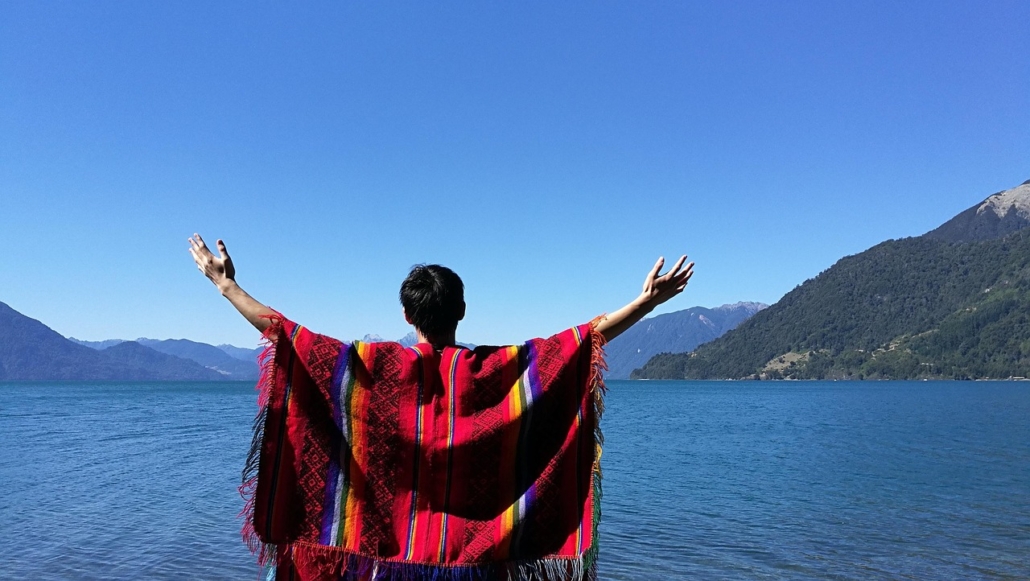
SDG 15 in ChileThe Sustainable Development Goal 15 (SDG 15) – Life on Land– has taken center stage in Chile. Changing weather patterns have impacted Chile’s unique and rugged landscapes. Despite economic growth in Chile due to mining, agriculture and logging, the environmental impacts have become rapidly apparent. The retreat of the Great Andean Glaciers and the simultaneous destruction of the ancient Araucania region by forest fires and logging have forced the Chilean ecosystem to reach instability and increasing environmental pressure. The Chilean government is relying on a major joint indigenous and international cooperation to carry out national strategies to quell the escalating pressures on Chilean ecosystems and address SDG 15 in Chile.

The Crucial Nature of SDG 15 in Chile 

The U.N.’s SDG 15 looks to tackle biodiversity loss and degraded ecosystems, and promote the sustainable use of ecosystems across the globe. Chile is home to more than 40% of the world’s temperate rainforests, Ancient Araucania regions, unique species of flora and fauna and one of the largest glacier networks across the Southern Hemisphere. For the nation and the wider network of interconnected peoples and systems, there is a hard-line policy change vital to promote a healthy change.  

The National Strategy on Climate Change and Vegetation Resources (ENCCRV), a government initiative focused on restoring landscapes and promoting inclusive environmental governance, is the beating heart of Chile’s SDG 15 policies.

The Ancient Araucania Forest: The Indigenous Devotion

The legendary Araucania region represents the core of the battle taking place, to promote the SDG 15 strategy, spearheaded by the indigenous Mapuche and Huilliche communities. The indigenous people have been the one consistent organization advocating for change. Now, with a dedicated United Nations agenda, the indigenous, national organizations and international initiatives have joined forces to stabilize the region. 

Through the ENCCRV and REDD+ (U.N. Framework), Chile has supported 861 community-led projects, which have helped restore more than 14,000 hectares of native forest since 2020. Due to the historic tensions between the indigenous and Chilean government, these reforestation projects vitally serve as a cultural revival, and a symbol of diplomacy regarding land rights. 

On Huapi Island, Mapuche-Huilliche leaders are replanting native tree species like the Laurelia sempervirens on a massive scale to continue the stabilization of the ecosystem and reestablish the culturally significant landscapes that define the region. Much of the ecological knowledge that is required for the planting, cultivation, and maintenance of the native species is passed down via generations of Mapuche-Huilliche families. In 2016, the establishment of the ENCCRV, to support SDG 15 in Chile, incorporated indigenous ecological knowledge within the frameworks of national environmental policy, a signifier of the cultural shift taking place within Chile, regarding both the environment and indigenous relations. 

According to the U.N., more than 2,000 indigenous people, including many women, have participated directly in ENCRVV-supported projects. These projects include the Recovery of the Native Forest on Huapi Island, Ecological Restoration across La Araucania and Los Andes, +Bosques Landscape-wide Implementation and the Villarrica National Park Co-governance agreement. These are all frameworks in which indigenous communities work in tandem with national organizations to tackle environmental instability across Chile.

Geoparks and Poverty Reduction

SDG-15 in Chile continues its permeance through Chilean culture with the establishment of a UNESCO Global Geopark in 2019. Inside Chile’s Araucania region, the Kutralkura Geopark spans more than 8,100 km², including vast forestry, rivers and volcanoes. Since earning this UNESCO status, Kutralkura has become a strong symbol of indigenous leadership, working in tandem with government and international organizations to cultivate environmental conservation. However, its impact does not end there. Since 2019, the region has supplied strength to local communities, becoming a beacon of poverty reduction and economic prosperity

Sustainable agroforestry, tourism and artisan enterprises continue to support upwards of 55,000 local inhabitants. Geotourism services, supplied by locals who are uniquely engaged with the surrounding areas, offer guides and cultural tours to both international tourists and those of Chilean descent. The indigenous locals are incentivized to pass down and maintain knowledge of the vast environment, simultaneously raising awareness among Chilean populations about the key importance of the Geopark, and its link to the wider sustainability of both Chile’s intertwined ecosystems and economies.

In 2023, a project engaging Mapuche girls in volcanology education, led by female Chilean scientists, aimed to develop an educational volcanology guide with a gender focus. This initiative was designed to meld scientific knowledge with indigenous world views to boost disaster preparedness and safety, and bolster environmental awareness. 

In September 2025, the people of Temuco City, Chile will host the 11th International Conference on UNESCO Global Geoparks, once again highlighting the SDG-15 in Chile and the proud impact it has had on the indigenous peoples, both directly and indirectly. This will not only improve environmental preservation, but also bolster indigenous involvement in local government policy, international recognition and economic prosperity for multiple indigenous communities. 

Final Thoughts

Environmental sustainability in Chile is not only an ecological necessity but also a pathway out of poverty for many vulnerable communities. Deforestation, soil erosion and forest fires have historically threatened rural livelihoods, particularly for indigenous families who depend on agriculture, forestry and small-scale tourism for survival. By restoring native forests, promoting sustainable agroforestry and expanding ecotourism initiatives, Chile’s SDG 15 programs create stable sources of income that reduce reliance on extractive industries. These initiatives give families more secure access to food, jobs and education, while also protecting ecosystems that future generations will depend on. As Chile continues to align its environmental goals with poverty reduction strategies, it offers a model for how sustainable development can uplift communities while safeguarding the planet.

– Luis-Enrique J Lander

Luis-Enrique is based in Leeds, UK and focuses on Global Health and Politics for The Borgen Project.

Photo: Pixabay

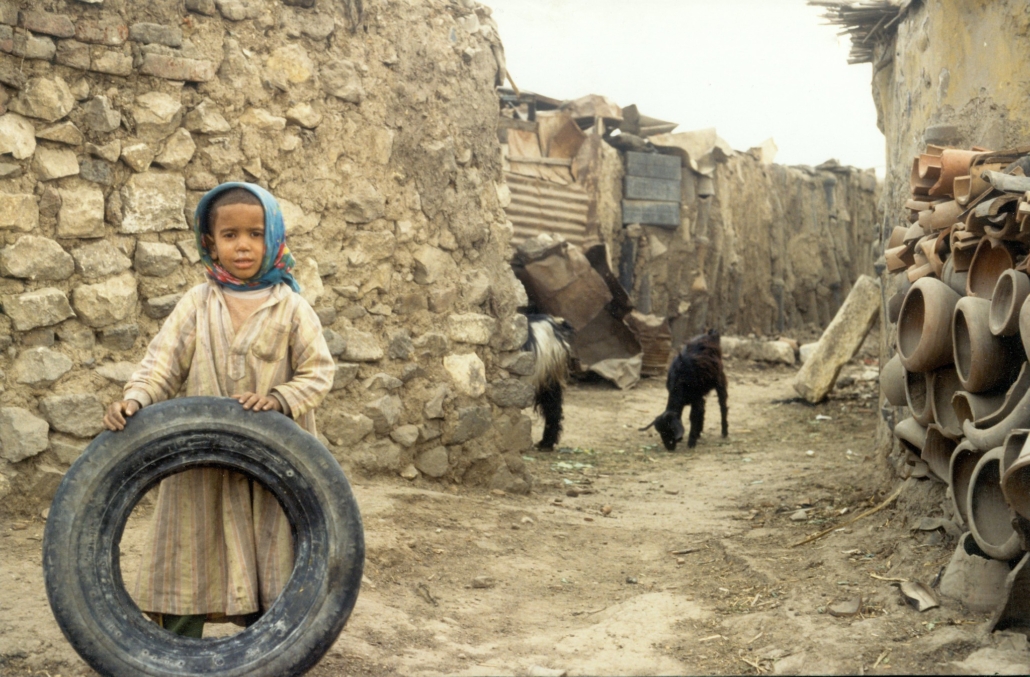
SDG 1 in EthiopiaDespite ongoing instability in the Tigray region, Ethiopia is steadily advancing in its fight against extreme poverty, aligning with Sustainable Development Goal 1 (SDG 1), which aims to eradicate poverty in all its forms by 2030. This goal includes ensuring equal access to resources, basic services and economic opportunities for all. As one of Africa’s most populous countries, Ethiopia’s progress on SDG 1 is critical for the continent’s development.

Updates on SDG 1 in Ethiopia

The most recent data indicates that Ethiopia is on track in reducing extreme poverty. As of 2024, the proportion of people living on less than $2.15 per day has dropped to 14.01%, according to worldpoverty.io. A decade ago, this figure was much higher. The number of people living under the $3.65 threshold has also decreased significantly—from 72.79% in 2014 to 37.77% in 2024. These numbers reflect consistent efforts to improve access to basic services, employment and rural development. 

Government programs like the Productive Safety Net Program (PSNP) have played a key role. Established in 2005, the PSNP provides food or cash in exchange for public work to millions of food-insecure households, helping them avoid selling assets during times of crisis.

Public Health and SDG 1

Improved health care directly supports SDG 1 by reducing the financial burden of illness. Ethiopia has made significant strides in maternal health and HIV prevention. For example, new adult HIV infections fell to just 0.08 per 1,000 people in 2022, thanks to expanded education, free testing services and access to antiretroviral therapy. Maternal health has improved due to wider coverage of prenatal services and an increase in skilled birth attendants.

Gender Equality and Poverty Reduction

Gender inequality remains a root cause of poverty, including in the labor force. But there are positive updates on SDG 1 in Ethiopia when it comes to empowering women. In 2023, women occupied 41.3% of parliamentary seats—up from just 2% in 2000. The female-to-male labor force participation rate rose to 87.05%, showing progress toward economic equality.

Still, women – especially in rural areas –  face higher unemployment, limited access to land and greater exposure to unpaid labor. Government initiatives and NGO-led training programs have been essential in boosting financial literacy and entrepreneurship among women. For instance, the Adult and Non-Formal Education Association in Ethiopia (ANFEAE) launched the “Literacy Plus” program in 2008, training more than 6,200 rural women in basic business and income-generating skills.

Responsible Waste Management and Urban Poverty

Ethiopia has also made progress in responsible consumption and production, an important component in fighting urban poverty. Ethiopia now meets its targets for managing municipal, plastic and electronic waste.

In Addis Ababa, TechnoServe’s LIWAY initiative collaborated with the city cleaning agency to launch more than 580 micro-enterprises run by women and youth. These small businesses collected more than 41,800 tonnes of paper and plastic in the year 2023 alone, generating nearly $10 million in revenue while providing regular income opportunities to vulnerable groups. In a related project started earlier, 125 micro-enterprises involving 1,250 members were established; 70% remained active after a year, and half saw a rise in income. By 2021, 117 micro‑enterprises had collected 7,000 tonnes of paper and generated $400,000 in sales, creating employment for more than 2,200 women and young people.

Climate Vulnerability and Poverty

Changing weather remains a challenge that exacerbates poverty. In Ethiopia, erratic rainfall and prolonged droughts damage crops, displace rural families and reduce food security. While the country is making progress in reducing its own carbon emissions, vulnerability to climate-related shocks still poses a serious threat to SDG 1.

Integrating climate resilience into poverty alleviation programs is therefore essential. Projects like the Climate Investment Funds’ $500 million resilience initiative and the expansion of Ethiopia’s early warning systems offer promising solutions. Additionally, Ethiopia’s Drought Resilience and Sustainable Livelihoods Program, which launched in 2013, has helped rehabilitate degraded land, improve water access, and enhance food security for pastoralist communities in drought-prone areas. Lately, a new financial support for “lowlands livelihood resilience,” continues to scale the drought resilience efforts for about 3 million pastoralists and agro-pastoralists.

Looking Ahead

Updates on SDG 1 in Ethiopia reveal steady progress, especially in reducing poverty, improving gender equality and expanding access to health services. Continued investment in climate resilience, sustainable waste systems and inclusive policies will be key to ensuring that no one is left behind.

– Alexandra Diallo-Scholler

Alexandra is based in Los Angeles, California and focuses on Good News for The Borgen Project.

Photo: Flickr

Poverty in BarbadosBarbados is a small island in the Atlantic Ocean, part of the Lesser Antilles region of the West Indies, being neighbors with Saint Lucia, Saint Vincent and the Grenadines and Trinidad and Tobago. Barbados became a free country in 1966, moving to a commonwealth realm, then to a republic in 2021. The level of poverty in Barbados is well below the average, making for a well-off country. Despite that, there are still some issues that arise due to poverty. Here is everything to know about poverty in Barbados.

Where Poverty Lies

Poverty in Barbados, in contrast with the average poverty rate of 29% for Latin American and Caribbean countries, is at roughly one-third of the average, with 11.1% of Barbadians living below the international upper middle-income country poverty line of $6.85 as of 2016. Some of these causes lie within economic dependency, race, income and gender inequalities and limited access to the justice system. This has been detrimental to people who have been in poverty for many years, with some instances stemming from before Barbados was a free nation.

One such way things have improved is in regards to people in Barbados seeing poverty as less of an issue today, with an estimated 9.2% of Barbadians living below the poverty line, even as COVID-19 rolled through globally. Barbados’s Gini index, or the measure of income inequality for a nation, is at 34.1%. This number is one of the lowest figures for Latin American and Caribbean countries, and is well below the threshold for high inequality of 40%. One issue lies within this figure, however.

There are some differences in population groups, with poverty being more prevalent among women and girls, and even more so in regards to female-led households. The level of multidimensional poverty, or poverty that takes in monetary state, education and basic infrastructure is also critically low, only coming in at 0.3%. Still, 4.1% of the population lacked access to basic sanitation, and 3% lacked access to electricity. Life in poverty means not having access to basic necessities. There have been instances of people needing to move to homeless shelters out of rundown houses due to a lack of income. These people end up needing clothes, food and even counselling in some cases.

Solutions

There has been significant improvement regarding poverty in Barbados. As of 2025, out of 184 countries, Barbados is 36th in regards to economic freedom, putting them at a moderately free status, and putting them above the world average. Despite the poverty that Barbados is facing, it is quite well off as a whole, boasting one of the Caribbean’s highest incomes per capita.

The United Nations Development Program (UNDP) took a vested interest in helping Barbados with the issues they face regarding poverty, and under this umbrella, the UN’s Multi-Country Office got to work in regards to poverty, establishing the Poverty and Governance cluster in 2020. This cluster works with the intent to achieve the Sustainable Development Goals (SDGs) that each country sets out to achieve, implementing programs intended to help countries and keeping track of support that countries may need. Poverty reduction is a key point for this cluster.

There are a few projects that are at the forefront for Barbados. One such example of this is the PACE Justice project, which is the improvement of the justice system as a whole, elevating the system itself from being devoid of resources to process criminal proceedings to being able to increase the efficiency of the justice system as a whole. Another project that Barbados is taking part in is the Universal Adaptive Social Protection – SDG Fund Joint Program. This program began in 2020, and aims to protect the society of Barbados by improving institutional capacities, developing financial strategies for sustainability, and mitigating risk alongside utilizing social protection for vulnerable populations in need. As recent as the end of 2021, the implementation of these goals was at 84%.

Looking Ahead

Barbados, despite still struggling with some poverty issues, is in a very good spot as a result of the United Nations and the programs that it participates in. These programs aim to lessen the blow of poverty, and help the development of the country in the long term. Barbados is also in a good spot due to the economic freedom that they have developed over time. This all combines into a country that is not without its issues in facing poverty, but is well off in the long run with how they handle poverty.

– Amari Jennings

Amari is based in Orlando, FL, USA and focuses on Technology and Politics for The Borgen Project.

Photo: Flickr

SDG 3 in BrazilBrazil, Latin America’s largest country, faces a diverse and unequal health landscape. From urban favelas to remote Indigenous communities, access to care varies widely. Millions lack regular health services, and regional disparities in medical infrastructure persist. These challenges make Sustainable Development Goal 3 (SDG 3 in Brazil)—ensuring health and well-being for all—a particularly urgent priority.

SDG 3 includes targets to reduce maternal mortality, combat infectious diseases, improve mental health and ensure universal health coverage. Brazil has made significant progress in some areas, although gaps remain. The country is advancing this goal through a combination of public policy, innovation and grassroots action.

According to the Sustainable Development Report, Brazil is making steady progress on SDG 3 in Brazil, particularly in reducing child mortality and expanding access to primary health care. However, ongoing challenges in infrastructure and staffing call for targeted investment and coordination. Here are five ways Brazil is working to enhance the health and well-being of its people.

1. Expanding Universal Health Coverage

Brazil created the Sistema Único de Saúde (SUS) in 1988, declaring health a right for all citizens. SUS now provides free and universal health care to more than 200 million Brazilians, including vaccines, preventive care, childbirth support and HIV/AIDS treatment.

Despite challenges, Brazil continues to strengthen SUS through mobile health units, telemedicine and community outreach. These efforts, in particular, benefit rural and underserved populations in the Amazon and Northeast. SUS is a cornerstone of progress toward SDG 3 in Brazil, as it reduces inequality and ensures that all Brazilians—regardless of income or location—can access essential care.

2. CONASS and the Oral Health Care Network

Oral health inequality remains a serious issue in Brazil, particularly among low-income populations. Many families cannot afford dental services, and untreated oral diseases disproportionately affect people experiencing poverty. In response, the National Council of Health Secretaries (CONASS) and Conasems created the Oral Health Care Network (RASB) in partnership with the Ministry of Health.

This initiative aims to make comprehensive and preventive dental care accessible through the SUS network. The federal government increased investment in oral health programs from R$1 billion to R$4.5 billion, a fourfold rise. This funding supports public dental clinics, mobile services and training for oral health teams. By addressing an often-overlooked dimension of public health, this initiative helps Brazil advance SDG 3 in Brazil more equitably.

3. Addressing Doctor Shortages in Remote Areas

Remote regions of Brazil face a chronic shortage of doctors. In 2023, the government relaunched the Mais Médicos (More Doctors Program) to place trained physicians in underserved areas.

The program now includes incentives for long-term placements, expanded residency opportunities and support for Brazilian medical graduates. Its goal is to reduce turnover and strengthen primary health care delivery where it is most needed. Brazil advances SDG 3 by implementing strategies that enhance continuity of care and guarantee equitable access to health services across all regions.

4. Community-Led Health Outreach in the Amazon

Since 1987, Projeto Saúde e Alegria (PSA) has been working in the Amazon region to deliver health services to remote Indigenous and riverine communities. These groups often lack access to public clinics and face threats from illegal mining and environmental degradation.

PSA operates mobile clinics, provides clean water solutions, and trains community health agents. In response to mercury contamination from mining and the COVID-19 pandemic, PSA expanded its water and hygiene programs. Serving more than 30 villages, PSA shows how grassroots, community-led models can close health gaps and contribute directly to SDG 3 in Brazil.

5. Brazil’s Role in Global Health Policy

In 2024, Brazil hosted the G20 Health Working Group in Salvador, highlighting the need for sustainable financing in primary health care (PHC). To advance SDG 3 in Brazil, the Pan American Health Organization (PAHO), the World Bank and the Inter-American Development Bank (IDB) co-hosted the event, bringing together global leaders to discuss sustainable health financing.

At the summit, Brazil helped launch the Alliance for Primary Health Care in the Americas, a regional initiative to boost PHC investment and resilience. Brazil’s leadership showcased its commitment to building equitable health systems, both domestically and across Latin America. This international engagement reflects Brazil’s growing role as a health leader and its long-term investment in achieving SDG 3 in Brazil.

Progress and Outlook

Through programs such as SUS, Mais Médicos and PSA, Brazil has made significant strides toward achieving universal health coverage, particularly in marginalized regions. Oral health investments and regional partnerships further illustrate its multifaceted strategy to achieve SDG 3 in Brazil. According to recent SDG dashboards, Brazil is showing steady progress in reducing maternal and child mortality and expanding primary health care.

Challenges remain—particularly in infrastructure, staffing and rural care access—but Brazil’s combination of national policy and local innovation is producing measurable impact. Continued investment and coordination will be crucial to sustain progress and enhance the well-being of all Brazilians by 2030.

– Isaac Nelson

Isaac is based in Florianópolis, Santa Catarina, Brazil and focuses on Good News for The Borgen Project.

Photo: Unsplash

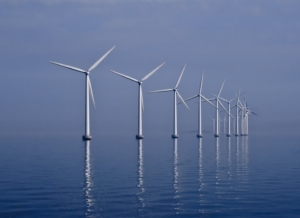
SDG 7 in EgyptOn July 1, 2025, ENGIE, a global energy company located in France, announced the full operation of Egypt’s Red Sea Wind Energy project. This 650 MW wind farm is considered the largest one in the Middle East and North Africa region. The project is located along the Red Sea in the Ras Ghareb district.

The first operational phase of the project started in December 2024 and the last phase was in June 2025. The project reduces the emission of CO2 by approximately 1.3 million tons per year. Additionally, it supplies more than 1 million homes with electricity generated from wind power.

Significance of the Project

For a long time, Egypt’s exports were dominated by chemicals, petroleum products, cotton and textiles. With the evolution of the global energy landscape, Egypt works to strengthen its renewable energy potential. The current administration’s goal is to make Egypt a leader in clean energy export, reduce reliance on fossil fuels and meet domestic demands. To achieve these goals, internal challenges should be addressed, including underdeveloped renewable energy infrastructure and the reliance on natural gas for electricity production.

In 2024, the North African region suffered from an electricity shortage due to the increase in cooling demand during summer. Egypt’s Prime Minister Mostafa Madbouly referred to the fact that natural gas supplies have shrunk as power demand increased, highlighting that the daily power consumption increased 12% from the previous year. However, in summer 2025, Madbouly confirmed that there would be no electricity cuts, affirming the country’s preparedness for any increase in electricity.

SDG 7: Ensuring Affordable Energy for All

In 2015, the United Nations (U.N.) adopted the 2030 Agenda for Sustainable Development, which includes 17 goals. Among them is Sustainable Development Goal 7 (SDG 7), which refers to the fact that modern and sustainable energy should be affordable for all by 2030. Indeed, the wind energy project is a significant step in achieving SDG 7 and reducing the reliance on natural gas in Egypt.

The Role of Partnership and Foreign Aid

The Red Sea Wind Farm project was implemented by a group of development companies, known as the Red Sea Wind Energy consortium. This consortium is 35% owned by ENGIE, 25% by Orascom Construction PLC, 20% by Toyota Tsusho Corporation and 20% by Eurus Energy Holdings Corporation.

It was financially supported by the Japan Bank for International Cooperation (JBIC) in coordination with Sumitomo Mitsui Banking Corporation, the Norinchukin Bank, Société Générale and the European Bank for Reconstruction and Development (EBRD).

Final Remarks

This achievement demonstrates the significance of partnership and foreign aid in implementing such projects. Investing in such renewable energy projects is critical to achieving SDG 7 in Egypt. Overall, Egypt’s Red Sea Wind Energy project is a significant milestone. However, there is still an urgent need for more renewable energy projects to ensure sustainable and affordable energy for all.

– Eiman Elsawy

Eiman is based in Kirkland, WA, USA and focuses on Business and Politics for The Borgen Project.

Photo: Wikimedia Commons

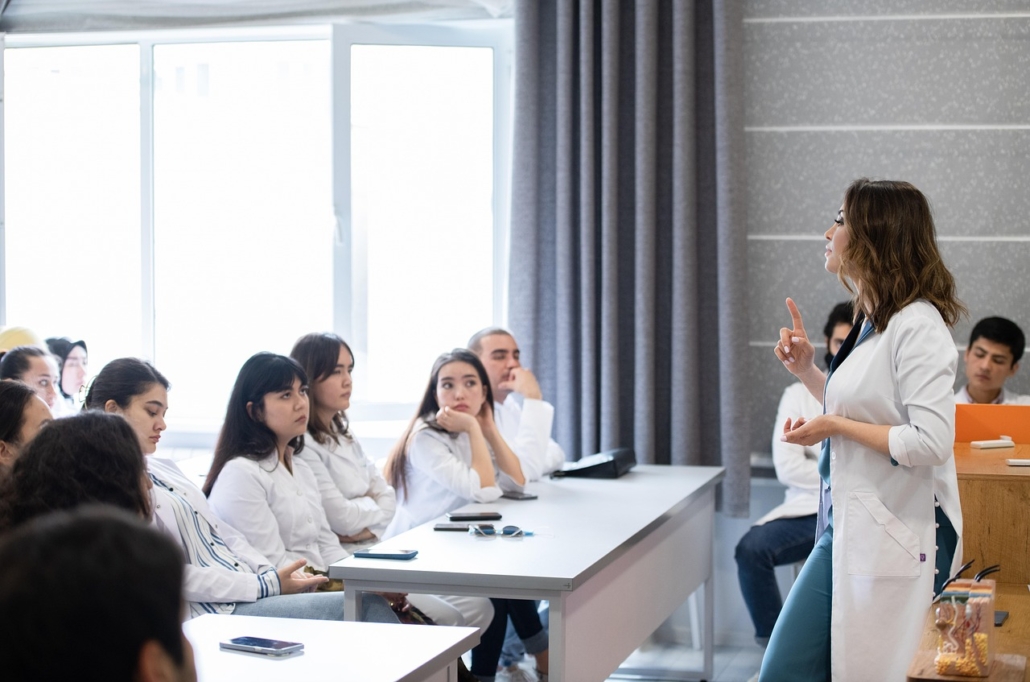
SDG 3 in the Russian FederationThe Russian Federation has long borne the burden of chronic diseases. More than 40% of citizens are living with two or more long term health conditions, which cause 86% of deaths in Russia. There are a number of systems addressing this systemic issue, including The Federal Research and Practical Center for Palliative Medical Care in Sechenov University. On June 5th, 2025, the World Health Organization (WHO) designated this center as a Collaborating Centre for Training in Palliative Care. This designation reflects Russia’s dedication to improving Sustainability Development Goal (SDG) 3, Good Health, by improving the quality and accessibility of palliative medical care in the Russian Federation.

What Is Palliative Care?

Palliative care aims to alleviate suffering and improve quality of life among people with serious illnesses. According to the Osteosarcoma Institute, palliative care involves understanding the symptoms and pain that come with an illness and then, working in collaboration with a medical team to focus on comfort. Examples of palliative care include treatment for terminal cancer patients, Alzheimer’s patients, hospice care and pain management.

How Does Palliative Care Affect Poverty?

Access to health care is so crucial in the fight against global poverty, but why palliative care? As the Osteosarcoma Institute states, palliative care is providing care to those with serious and long-term illnesses. The long-term care necessary for these illnesses can get expensive very quickly, and without accessible palliative care, many can find themselves staring down the barrel of poverty. Palliative care also provides stability to people with these illnesses, which allows them to retain work. Essentially, poverty and palliative care share many connections. If somebody lacks access to long term services, they can quickly find themselves in poverty. Below the poverty line, health care access is even less accessible. Therefore, increasing access to palliative care is an effective method to reduce the number of those living in poverty. 

The Center’s Mission and Objectives

Sechenov University organized The Federal Research and Practical Center for Palliative Medical Care in 2019 to develop the palliative medical care system in Russia. Specifically this institution aimed to bring better health care to Russian citizens. Article 36 of the Russian Constitution defines said health care as a social fundamental right. The Center itself focuses on the organizational side of the mission, by developing and implementing programs that will deliver this care to Russian citizens. By training medical personnel focused on palliative care, they are raising the quality of the health care industry across Russia. By bringing this program to Russia, they are ensuring more people have access to this long-term and expensive care. In doing so, they’re also reducing the presence of poverty. 

Global Implications

The Federal Research and Practical Center for Palliative Medical Care, located in Sechenov University, is a center that is establishing a new standard for medical care in Russia. However, its implications reach much farther than that. The center has long partnered with prestigious medical institutions such as Harvard University, Johns Hopkins University and Oxford University. In doing so, they are fostering a new culture in the health care industry and creating a global exchange of research, expertise and medical knowledge. These partnerships develop systems that provide quality palliative care to those in need across the globe. As a result, this institution is strengthening the quality of medical care that Russian citizens have access to. Furthermore, it is cultivating globally competent palliative care and reducing the presence of poverty world-wide.

Challenges on the Path Forward

While major steps have been made toward SDG 3 in the Russian Federation, good health does not come easy. The path to improvement holds a number of challenges: lack of financing, shortfall of medical personnel and distribution of medical care. Specifically, in recent years, as the aggression between Ukraine and Russia deepens, the Russian Federation has prioritized military spending. This leaves the medical industry without the funds they need to progress. As a result of this, there is a blatant shortfall of medical personnel in numerous regions. For example, the Center for Eastern Studies notes that Altai Krai requires more than 1,500 physicians and 1,200 mid-level practitioners.

Moscow, the nation’s capital and largest city, is more fortunate with financial and medical resources. This makes it a hotspot for medical treatment in Russia. Moscow citizens reap the benefits of specialized hospitals, medical professionals and major investments into health care infrastructure. However, those outside the major city receive severely inferior treatment. To work toward the United Nations SDG 3 in the Russian Federation, policymakers must address the uneven distribution of these necessary resources.

A Step Toward Better Care

The World Health Organization’s recent designation of the center as a WHO Collaborating Centre for Training in Palliative Care marks an important step in pursuit of SDG 3 in the Russian Federation. It is a symbol of medical progress in Russia and across the world. Its mere existence fosters global exchange of information that improves the palliative care industry exponentially. By addressing their shortfalls in funding, staffing and infrastructure and redistributing materials more equitably across the nation, the Russian Federation will only continue to propel the medical industry to progress and reduce poverty globally. It is the hope of this center that one day it will not be an isolated example of progress. Instead, it will serve as the national standard for palliative care.

– Caroline May

Caroline is based in Denver, CO, USA and focuses on Good News and Technology for The Borgen Project.

Photo: Pixabay

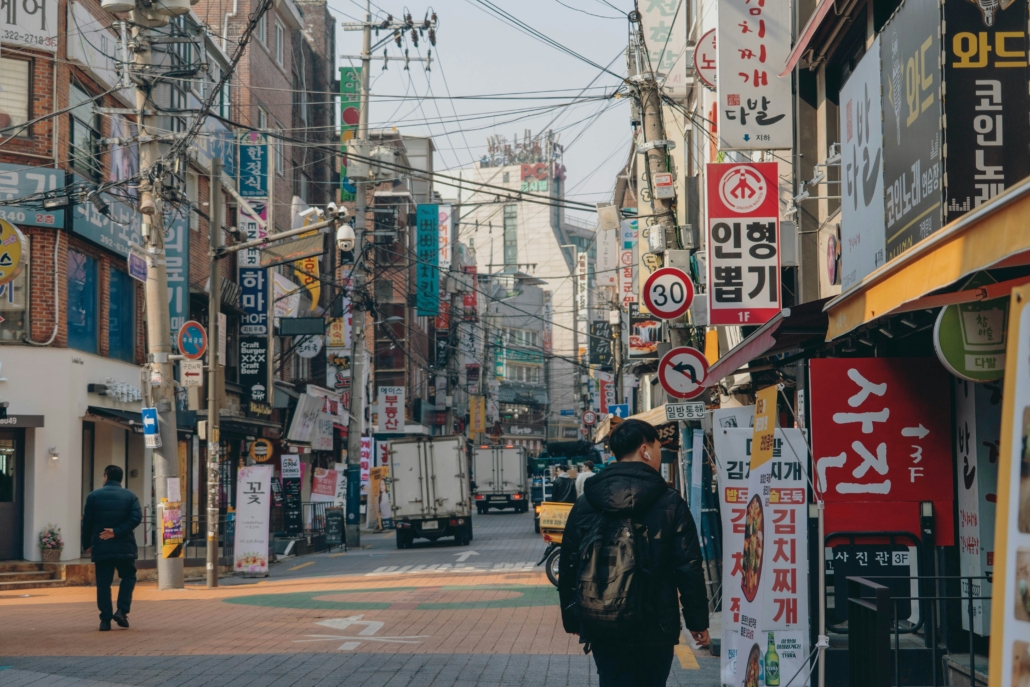
SDG 1 in South KoreaDespite its status as a high-income country, poverty in South Korea remains a persistent challenge as the country strives to achieve Sustainable Development Goal (SDG) 1, which is to end poverty. However, the newly proposed 2025 budget plan shows potential for significant progress to occur at both the domestic and international levels. Here are some updates on SDG 1 in South Korea.

Tracking Progress on SDG 1 in South Korea

All UN member states adopted the 17 SDGs in 215, which form the backbone of the global 2030 Agenda for Sustainable Development. Since then, South Korea has steadily improved its SDG Index score, reaching 77 out of 100 last year and ranking 33rd among 166 countries according to the Sustainable Development Report 2024.

More specifically, when it comes to SDG 1 in South Korea, the country has managed to reduce the relative poverty rate from 18.5% in 2015 to 14.9%. Going forward, this rate will likely to decline further, especially as the annual living allowance was increased by 1.41 million KRW (approximately $1,000 USD) compared to last year under the new basic livelihood security program.

However, the Sustainable Development Goals Index marks South Korea’s progress on ‘no poverty’ at the stage of ‘challenges remain,’ which means that the country is moderately improving but this is not enough to achieve the goal. Such challenges include old-age poverty. Although it has dropped from 43.6% in 2016, it remains at an alarming rate of 39.8% – the highest among other OECD states. This is particularly troubling considering South Korea’s fast-aging society as more than 20% of the population is now aged 65 or over.

Policies To Tackle Domestic Poverty

In response to these challenges, the 2025 budget proposal lays out measures specifically to address elderly poverty. A major component is the expansion of the Basic Pension Program, which allocates 70% of public transfers to senior citizens as opposed to the significantly smaller proportion of 25.9% in 2016.

The new budget proposal not only aims to tackle elderly poverty but also introduces specific measures targeting various dimensions of poverty in South Korea to support other marginalized groups. For instance, the government plans to increase the number of beneficiaries of disability-related employment incentives from 633,000 to 756,000 by expanding its budget by 6.6%. In addition, the proposal includes the launch of the ‘National Advance Payment System for Child Support,’ which supports single-parent families where child support is unpaid since they are also particularly vulnerable to poverty.

The 2025 budget plan addresses poverty among younger generations as well by increasing the stipend granted to young adults to support them with financial independence. The plan moreover expands the youth work experience program to accommodate 58,000 participants to help with improving job prospects as unemployment is often the root cause of poverty among young adults.

Extending Impact Beyond Borders 

South Korea’s efforts to alleviate poverty extend beyond its borders. Since its reclassification as a developed country in 2021, South Korea has expanded its role in international development. The 2025 budget plan allocates 6.5 trillion KRW (approximately $4.8 billion USD) in Official Development Assistance – a 3.8% increase from last year. The country has also joined the Global Alliance Against Hunger and Poverty, further solidifying its commitment to addressing poverty in developing countries.

In addition to financial support, the country is also sharing its own experience in addressing poverty in South Korea and the development model they used. One example is the Saemaul Undong (New Village Movement) Project which is now adapted into overseas Saemaul Projects. These rural development programs based on Korea’s own transformation in the 1970s now support 42 villages in 10 countries, helping establish community infrastructure and improve agricultural productivity. By focusing on empowering local communities, these initiatives allow sustainable economic growth that breaks the cycle of poverty.

Looking Ahead

As a former aid recipient that is now a donor state, South Korea shows how efforts through social policy and international cooperation can lead to real progress. Although SDG 1 in South Korea has yet to be fully achieved, the 2025 budget plan, with its expanded support for vulnerable groups and initiatives for international development, marks a significant step toward the goal of ‘no poverty.’

– Lucy Cho

Lucy is based in Edinburgh, Scotland and focuses on Good News for The Borgen Project.

Photo: Unsplash