• Link to X
  • Link to Facebook
  • Link to Instagram
  • Link to TikTok
  • Link to Youtube
  • About
    • About Us
      • President
      • Board of Directors
      • Board of Advisors
      • Financials
      • Our Methodology
      • Success Tracker
      • Contact
  • Act Now
    • 30 Ways to Help
      • Email Congress
      • Call Congress
      • Volunteer
      • Courses & Certificates
      • Be a Donor
    • Internships
      • In-Office Internships
      • Remote Internships
    • Legislation
      • Politics 101
  • The Blog
  • The Podcast
  • Magazine
  • Donate
  • Click to open the search input field Click to open the search input field Search
  • Menu Menu

Archive for category: Sanitation

Global Health, Global Poverty, Sanitation

N.C. State Research Addressing Global Health and Sanitation

N.C. State Research Addressing Global Health and SanitationAt North Carolina (N.C.) State University in Raleigh, a diverse team of faculty and students addresses water and sanitation challenges through research. The Global Water Sanitation and Hygiene (Global WaSH) Cluster program at N.C. State focuses on developing new technologies to tackle critical global health and sanitation issues. Researchers in the program apply advancements in energy, environmental processes, materials science, design and ecology to these problems. The program also educates its participants about the significance of addressing water and sanitation challenges through environmental research. Additionally, Global WaSH actively works on applying new technologies and engineering solutions to assist countries like Zambia in Southern Africa, where access to adequate sanitation remains a significant issue.

Global WaSH in Zambia

In 2017, the Global WaSH team from N.C. State introduced a more sanitary and efficient method for removing human waste from latrines in Zambia, called the Flexcrevator. This device has developed from several prototypes, the original of which N.C. State alumnus Tate Rogers invented in 2011. Rogers later founded the Triangle Environmental Health Initiative.

Nearly two billion people worldwide use pit latrines, exposing those who manually remove waste and trash from these latrines to dangerous pathogens. Mechanized methods for removing raw sewage are often costly and ineffective as they easily clog. In Zambia, however, the introduction of the flexcrevator has revolutionized this process. This vacuum-like device efficiently removes waste along with debris such as plastic bags, bottles and hair. Waste is vacuumed into a drum via a hose and an attached trash excluder pushes trash aside during the waste pumping process, making the process safer and cleaner.

Global WaSH has received funding and support from the Bill and Melinda Gates Foundation for its initiatives in Zambia. Additionally, the team collaborated with a German development agency to test prototypes. It has established field testing sites across the African continent.

The Man Behind the Mission

Dr. Francis de los Reyes, a professor of Civil, Construction and Environmental Engineering at N.C. State leads the Global WaSH Cluster. He has published more than 130 peer-reviewed papers detailing N.C. State’s research contributions to global health and sanitation. He has also educated both faculty and students about the significance of improving sanitation in underserved communities already burdened by poverty.

Dr. Reyes and his team earned recognition for their flexcrevator technology, receiving the RELX Group Environmental Challenge Award in 2018 and the Patents for Humanity Award in 2020. The Global WaSH program at N.C. State prioritizes sustainability and environmental research, actively addressing global health and sanitation through faculty and student collaboration. “I see the cluster as continuing to lead in education, research and extension in this field and making an impact directly and indirectly to the lives of millions who are underserved,” Reyes stated.

Looking Forward

The innovative efforts of N.C. State’s Global WaSH program is poised to enhance health and sanitation for millions in underserved areas around the world. Moreover, with continued support and development, technologies like the Flexcrevator promise to revolutionize waste management and improve public health in vulnerable communities.

– Jacob Buckner

Jacob is based in Raleigh, NC, USA and focuses on Technology and Solutions for The Borgen Project.

Photo: Unsplash
May 5, 2024
https://borgenproject.org/wp-content/uploads/borgen-project-logo.svg 0 0 Precious Sheidu https://borgenproject.org/wp-content/uploads/borgen-project-logo.svg Precious Sheidu2024-05-05 07:30:052024-05-05 02:56:57N.C. State Research Addressing Global Health and Sanitation
Global Poverty, Sanitation, Water

Transformative Gains in Water and Sanitation Across Asia

Water and Sanitation Across AsiaIn recent years, Asia has been making commendable strides in the realm of water and sanitation. There has been a wave of positive change that promises a brighter, healthier future for millions. The unfolding narrative explores the vibrant tapestry of initiatives and innovations that define this transformative era for those in Asia.

WASH Initiatives Taking Root

Water, Sanitation, and Hygiene (WASH) initiatives have become catalysts for change across the continent. Countries like India, with its Swachh Bharat Abhiyan (Clean India Mission), have set ambitious goals to enhance sanitation infrastructure and promote hygiene practices. This concerted effort has yielded visible improvements in rural and urban areas alike.

WASH initiatives go beyond infrastructure development; they emphasize education and awareness. Programs across countries like Indonesia are not only building toilets but also educating communities about the importance of hygiene. These initiatives instill sustainable practices, ensuring that the impact endures for generations.

Innovative Technologies Making a Splash

The adoption of innovative technologies is revolutionizing water and sanitation solutions. In countries such as Singapore, advanced water treatment technologies, including recycled water for domestic use, are not just addressing scarcity concerns but also setting a benchmark for sustainable practices.

Community-Led Sanitation Programs

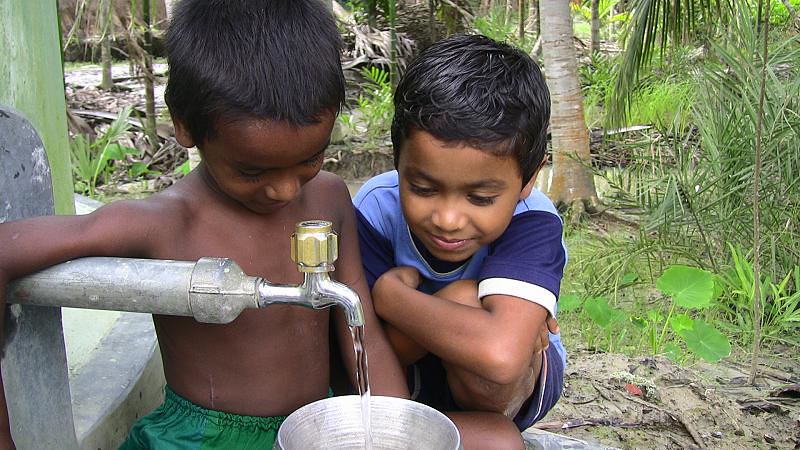
Community engagement has emerged as a linchpin in the journey towards better sanitation. Community-led Total Sanitation (CLTS) programs, as seen in Bangladesh, empower local communities to take charge of their sanitation needs. The result is open defecation-free villages and improved health outcomes.

Cross-Border Collaboration for Clean Water

The importance of cross-border collaboration cannot be overstated The Mekong River Commission (MRC) stands as a testament to regional collaboration. Established to promote sustainable development and management of water resources, the MRC facilitates dialogue and joint decision-making among member countries. By sharing data, coordinating infrastructure projects, and fostering cooperation, the MRC contributes to equitable water use and addresses issues of water quality and quantity. The Mekong River Commission, involving countries like Cambodia, Laos, Thailand and Vietnam, exemplifies regional cooperation for sustainable water resource management, ensuring access to clean water for millions. 

Private Sector Partnerships Flowing In

Partnerships with the private sector are proving instrumental in addressing water and sanitation challenges. Organizations like the Bill & Melinda Gates Foundation are investing in innovative sanitation technologies and solutions, aiming to provide access to safe sanitation facilities for underserved communities.

The progress in water and sanitation across Asia is undeniably heartening. The collaborative efforts of governments, communities, and innovative thinkers are creating a ripple effect that goes beyond infrastructure improvements, touching the lives of millions. As the wave of positive change continues to swell, the future looks promising for a region where access to clean water and sanitation is no longer a luxury but a fundamental right.

– Diana Vu
Photo: Flickr

March 28, 2024
https://borgenproject.org/wp-content/uploads/borgen-project-logo.svg 0 0 Jennifer Philipp https://borgenproject.org/wp-content/uploads/borgen-project-logo.svg Jennifer Philipp2024-03-28 01:30:292024-05-30 22:32:53Transformative Gains in Water and Sanitation Across Asia
Global Poverty, Nonprofit Organizations and NGOs, Sanitation

Tearfund’s Impact in the Democratic Republic of Congo

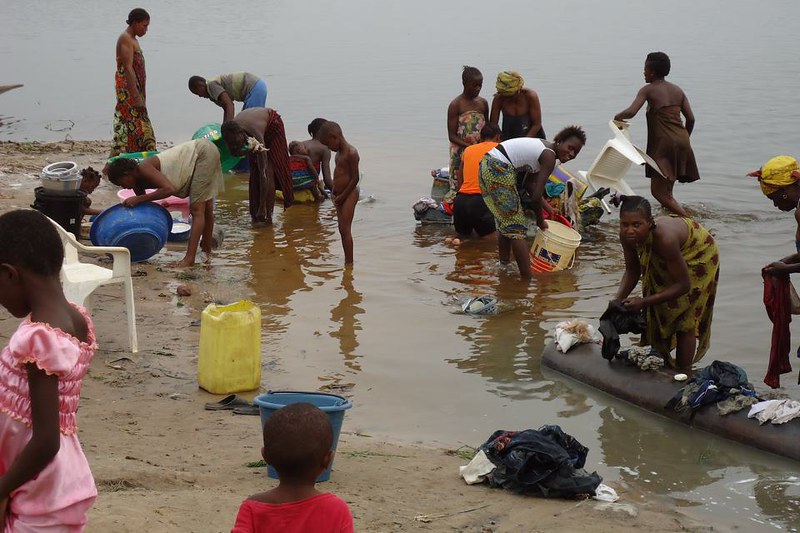
Tearfund's Impact in the Democratic Republic of CongoTearfund’s impact in the Democratic Republic of Congo (DRC) significantly contributes to alleviating the country’s enduring challenges. Amidst the wealth of natural resources and a population exceeding 95 million as of 2021, the DRC faces severe trials such as prolonged civil unrest and poverty affecting nearly 60 million people. These issues have led to violence, societal rifts and extensive displacement. As a leading charity, Tearfund plays a crucial role in offering vital aid to those most affected by these difficulties.

Tearfund’s Initiatives for Change

Since 1986, Tearfund has been active in the DRC, engaging in peacebuilding, humanitarian aid and community development efforts. The organization’s on-the-ground efforts include providing supplies and practical support, along with disaster risk reduction activities to strengthen community resilience. Key funding sources for Tearfund include the United States Agency for International Development (USAID) and U.K. Aid Match, among others.

Addressing Water Scarcity and Sanitation Needs

Nearly 8 million people in the DRC lack access to clean water and sanitation. Tearfund’s Water, Sanitation and Hygiene (WASH) projects provide sustainable access to safe water and sanitation, which is crucial to rural communities. The organization has undertaken various projects, encompassing initiatives such as constructing 10 drinking water points and training local volunteers to oversee its management.

In addition, 6,195 households have been equipped with water kits, enabling them to treat drinking water while awaiting the functionality of the new points. The organization has also directed financial resources toward impactful endeavors, exemplified by a £100,000 (about $128,000) grant from the Scottish Government directed to Maniema. This allocation of funds has played a pivotal role in extending access to clean and safe water, benefitting nearly 45,000 individuals in the region.

Innovative Waste Management and Sustainability Efforts

There are no proper waste collection points in Kinshasa, the capital city, with locals dumping rubbish into the river. This plastic is also used as flood defense as the river often floods. In response, Tearfund’s local partner in Kinshasa runs a program reusing plastic waste, which cleans up the city and provides job opportunities for locals who collect and transform plastic into government-approved tiles.

In addition, this initiative has enabled turning discarded plastic into marketable goods such as paving stones, bricks, brooms and bags. Another way it helps deal with waste is by supporting sustainable farming, offering seeds, tools and training to reduce dependency on external aid. Through government funding and donations, Tearfund’s work in DRC has been a lifeline for those who live there.

Through three decades of commitment, the nonprofit has actively engaged in peacebuilding, humanitarian aid and community development, playing a crucial role in a country marked by decades of civil war and instability.

Looking Forward

Tearfund’s impact in the Democratic Republic of Congo (DRC) illuminates a path of hope and resilience amidst challenges. Through innovative water sanitation projects and waste management initiatives, it is not just improving immediate living conditions but also laying the groundwork for sustainable development. Above all, as Tearfund continues its dedicated efforts, the future holds promise for enhanced community well-being and environmental stewardship in the DRC.

– Jack Timmins
Photo: Flickr

March 19, 2024
https://borgenproject.org/wp-content/uploads/borgen-project-logo.svg 0 0 Precious Sheidu https://borgenproject.org/wp-content/uploads/borgen-project-logo.svg Precious Sheidu2024-03-19 07:30:142024-03-18 05:22:50Tearfund’s Impact in the Democratic Republic of Congo
Global Poverty, Sanitation

Namami Ganga: Improving Water Sanitation in India

Sanitation in IndiaBeginning in the western Himalayas and winding through India and Bangladesh, for centuries Hindus have regarded the Ganges as a holy river. Its basin is home to hundreds of millions of people and is among the most densely populated areas in the entire world. However, despite its sanctity, it has become highly polluted and a significant factor in the poor levels of sanitation in India. People use the Ganges as a means of waste disposal for anything and everything, from untreated sewage to animal carcasses. A traditional ritual for Hindus, involving casting the ashes of the deceased into the river, revered to be a direct path into heaven, has also been linked to contaminating the waters.

As of 2021, approximately 16% of India’s population live in poverty, often living with limited access to clean water and sanitation and as a consequence are at risk of contracting dangerous diseases. River pollution is a substantial factor in poor sanitation in India and the high levels of waterborne diseases, such as cholera, affect the most poverty-stricken and claim the lives of more than 1 million children in India every year. Due to the levels of poverty and the limited access to safe water, there have been many calls to clean up and regulate the waste that is polluting the Ganges River.

Namami Ganga

In 2014, Prime Minister Narendra Modi launched the Namami Ganga campaign during his election campaign, which aims to improve the reduction and proper management of pollution and environmental conservation and restoration of the river. The success of this initiative could help contribute to improving sanitation in India. With approximately 200 million liters of untreated sewage emptying into the river daily in Varanasi alone, it needs proper regulation and cleanup.

The main elements of Namami Ganga include sewage treatment infrastructure, river cleaning, afforestation, industrial waste overseeing, river-front development, bio-diversity and promoting public awareness,

A decade later, the campaign seems to be making good progress. It helped complete a total of 99 sewage management projects and another 48 are underway across several states in India and multiple locations have launched means of floating solid waste collection and disposal along the Ganges.

Namami Ganga has launched projects in collaboration with several wildlife organizations to help restore the local biodiversity and forest large amounts of land, which can combat soil erosion and flooding. The campaign is also working to increase public awareness with workshops, seminars and activities to promote local participation and understanding of the mission, according to its website.

Thanks to the initiative, the Ganges has seen great improvements over the last decade, and there is great optimism for its efforts to continue and help improve sanitation in India.

Sankat Mochan Foundation

Although Namami Ganga has made great strides since 2014, other organizations and initiatives, such as the Sankat Mochan Foundation (SMF) have been raising awareness and doing vital work too.

First established in Varanasi in 1982, the SMF is a non-profit and non-political organization that has been working to combat the Ganges River’s environmental damage. The SMF centers its mission on the eradication of sewage pollution in the Ganges, an objective all the more relevant in Varanasi, a holy city on the Ganges, where many Hindus come to visit and practice the spiritual act of bathing in the Ganges’ sacred waters that have now become highly polluted.

According to its website, some of the SMF’s key objectives include the promotion of education and health care for the region’s poorer communities, the protection and advocacy of Varanasi’s time-honored traditions and customs and the environmental restoration and conservation of the Ganges.

The Future of Sanitation in India

The clean-up of the River Ganges seems key to safety and prosperity on both a health, social and environmental scale and could help bring into fruition what the SMF has been advocating for since the 1980s and contribute to the ongoing mission to improve sanitation in India. Nanami Ganga has the potential to reduce the threat of many diseases and significantly improve the quality of life of those who depend on the river in their daily lives, as well as those who bathe in its waters in reverence to its sanctity as one of the holiest water sources in all of Hinduism.

– Rose Williams
Photo: Unsplash

March 14, 2024
https://borgenproject.org/wp-content/uploads/borgen-project-logo.svg 0 0 Naida Jahic https://borgenproject.org/wp-content/uploads/borgen-project-logo.svg Naida Jahic2024-03-14 01:30:532024-03-13 04:36:06Namami Ganga: Improving Water Sanitation in India
Sanitation

Improving Rural Sanitation Access in Senegal 

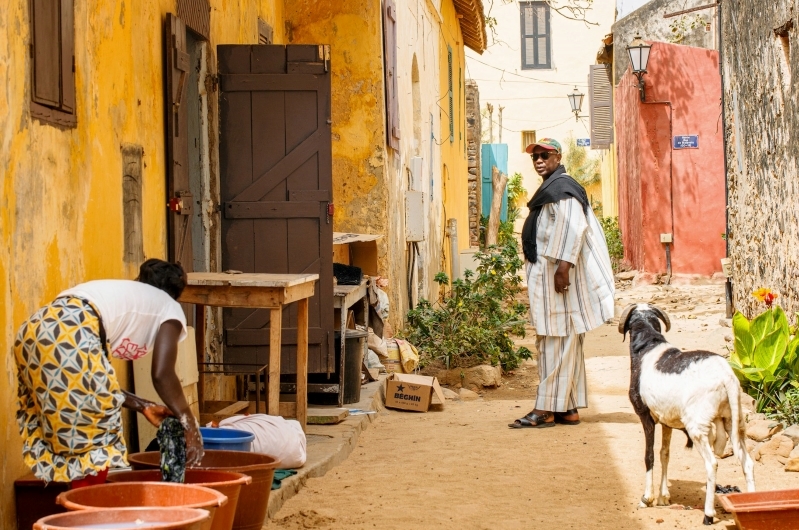
rural sanitationSenegal is a country in West Africa that has made great strides in expanding access to safe water and sanitation services over the past two decades. However, as in much of the developing world, rural sanitation access lags behind that of urban areas, with around 64% of people living in rural Senegal lacking access to basic sanitation in 2022. While urban areas of Senegal, like the capital of Dakar, have largely eliminated open defecation, around 1.25 million people in rural Senegal continue the practice, which causes a range of diseases such as diarrhea, “the second leading cause of death” for children under the age of 5 globally. Improper sanitation and diseases it causes perpetuate the cycle of poverty by stunting the growth of children, keeping children out of school and placing the financial burden of medical care on rural families, according to PLOS Medicine.
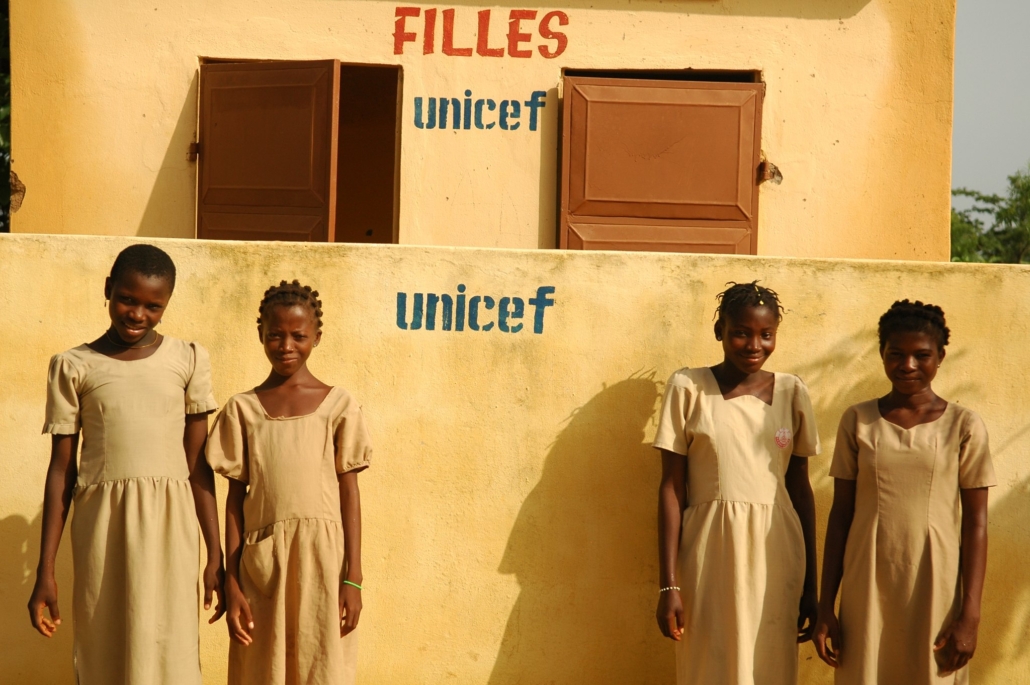
The Initiative

To address this public health challenge, UNICEF began to implement its highly successful Community-Led Total Sanitation (CLTS) programs in rural Senegal starting in 2009. As opposed to other, less effective rural sanitation programs, the CLTS approach emphasizes inclusive local participation to change community attitudes and behaviors regarding sanitation practices. To maximize sustainability and keep project overhead low, CLTS programs rely on UNICEF-trained local committees to manage community sanitation education and make decisions on sanitation infrastructure, such as the location of handwashing stations. Women have an equal representation in these committees, giving them a voice in their traditionally male-led communities on an issue that disproportionately affects them. Children, who perhaps open defecation and poor sanitation affect the most, take part in youth councils that can lobby UNICEF to meet their specific needs.

Educating and Making Improvements

CLTS programs combine sanitation education and basic latrines and handwashing station construction to not only create lasting sanitation improvements but also to set the stage for a smooth transition to improved sanitation in the future, according to UNICEF. While the end goal of all rural sanitation projects is to provide people with proper sanitation facilities, the poverty and established behaviors prevalent in rural areas often make this a longer-term objective. Thus, CLTS programs focus on improving rural health using cost-effective measures, such as constructing latrines and handwashing stations using locally available materials. In one example, the rural village of Bloc Chantier used old plastic peanut oil bottles that were readily available in the community to construct hand-washing stations, UNICEF reports. Such solutions provide cheap and easy ways to end the practice of open defecation, while also getting the community invested in their health and sanitation practices.

The Future

Since UNICEF began its CLTS programs in Senegal in 2009, more than 1.8 million people from 4,300 rural villages have abandoned open defecation, as of 2022, UNICEF reports. Furthermore, as of 2022, more than 6,100 of the 11,000 target villages have initiated CLTS approaches. UNICEF’s CLTS programs are not confined to Senegal and have been successfully implemented in countries from Cambodia to Timor-Leste.

Despite these successes, however, work must continue to make these gains sustainable through regular monitoring of open defecation-free communities and the provision of improved sanitation infrastructure, such as formal latrines. CLTS programs offer an excellent starting point for improving rural sanitation that can end open defecation and deliver tangible health benefits to the communities who need it most, while also engaging all members of a community to come together for a common good.

– Sebastian Hoffman
Photo: Unsplash

February 26, 2024
https://borgenproject.org/wp-content/uploads/borgen-project-logo.svg 0 0 Naida Jahic https://borgenproject.org/wp-content/uploads/borgen-project-logo.svg Naida Jahic2024-02-26 15:00:062024-02-26 12:08:54Improving Rural Sanitation Access in Senegal 
Africa, Global Poverty, Sanitation

Sanitation in Togo

Sanitation in TogoAmid the vibrant tapestry of Togo’s cultural heritage and natural beauty, the state of sanitation plays a crucial role in shaping the country’s public health landscape. As the nation strives for progress and development, the need for sanitation is a factor in influencing the well-being of its citizens. In examining Togo’s sanitation practices, five key facts come to light, shedding light on the challenges and opportunities within this essential domain.

Increased Exposure to Diarrheal Diseases

Regarding sanitation in Togo, open defecation has become a significant contributor to the increased prevalence of diarrheal diseases. With a lack of proper sanitation facilities, many individuals resort to defecating in the open, exposing themselves to a heightened risk of waterborne infections.

The presence of flies that land on the feces and subsequently carry bacteria into nearby households exacerbates the aftermath of open defecation. More than six million people, or 88% of the 7.3 million people living in Togo, lack a toilet in their homes. An outdoor pit latrine is a toilet, but they are rare. According to reports from the United Nations Children’s Fund (UNICEF) and the World Health Organization, 54% of Togolese people defecate outside. This can result in outbreaks of cholera, typhoid and other diarrheal illnesses, resulting in hundreds of avoidable deaths annually.

Provision of Clean Drinking Water by the World Bank

The World Bank has approved a new initiative to improve sanitation and provide clean drinking water to as many families in Greater Lomé as feasible. With a $100 million budget, this initiative will enhance access and the quality of water and sanitation services through several private sector partnerships and investments.

The project will fund many initiatives, including the construction of a wastewater and fecal sludge treatment plant, the restoration of the water supply systems, technical studies for the long-term expansion of large-scale water production capacity and the integration of a distribution network.

Inclusive Sanitation in Urban Centres in Togo

A €1.25 million (about $1.3 million) initiative by the African Development Bank aims to enhance sanitation in ten Togolese cities, including Sokode, the country’s second-biggest metropolis. According to Minister Tiem, the initiative supports the government’s sustainable access to clean drinking water and excellent sanitation in Togo.

In Sokodé, where just 34% of households had a toilet in 2010, there is a severe deficiency in hygiene and sanitation. The African Development Bank had 16 ongoing projects regarding sanitation in Togo valued at hundreds of millions of dollars. Addressing this issue involves improving sanitation infrastructure and implementing comprehensive awareness campaigns to promote healthier hygiene practices and break the chain of disease transmission in communities across Togo.

Laws for Solid Waste Management

Due to the industry’s rapid expansion and the resulting 2427.2 tons of waste produced daily, Togo is also experiencing difficulties with its social and environmental operations. Due to population expansion, 54 million tons of solid garbage will be generated nationally by 2030. The predicted average annual production of municipal solid waste is 305.340 tons, of which 89.428 tons are collected and buried.

On July 3, 2023, the University of Rostock (UR) and the West African Service Center for Climate Change and Adaptive Land Use (WASCAL) jointly released the draft of the National Sustainable Strategy (NSS) on integrated municipal solid waste management by 2023 with a Vision to 2030 and projection to 2050. To achieve the goals, action areas and infrastructure requirements must be considered, together with the financial arrangements for investments and the capital recovery strategy for waste management operations.

Implementation of Green Industrial Companies

Green Industrial Companies (GICs) are industrial enterprises that integrate certain green concepts into their operations to protect the environment, either directly or indirectly. Generally speaking, the legislative’s goal is to create regulatory frameworks to encourage more businesses to become GICs and integrate some form of green strategy into their daily operations. At the end of 2018, the rate was 43%, while the share of renewable energy in total electricity production rose to 3%.

Green growth entails promoting economic development and growth to ensure that natural resources continue offering resources and environmental services essential to our well-being. Today, low- and middle-income economies rely heavily on the commercial, export-focused economic activities that arise from their natural resource endowments. The fact that primary product exports, such as food, fuel, ore and metal commodities, dominate export revenue for these economies highlights Togo’s need for natural resources to compete in the global economic spectrum.

Conclusion

The alarming rise in diarrheal diseases, linked to the widespread practice of open defecation, highlights the urgent need for comprehensive sanitation reforms. Organizations like the World Bank and the Project for the Promotion of Inclusive Sanitation in Urban Centres in Togo are committed to providing clean drinking water. They aim to achieve this through strategic operations addressing a critical aspect of public health, offering a lifeline to communities grappling with waterborne infections.

– Mahima Bhat
Photo: Pixabay

February 22, 2024
https://borgenproject.org/wp-content/uploads/borgen-project-logo.svg 0 0 Hemant Gupta https://borgenproject.org/wp-content/uploads/borgen-project-logo.svg Hemant Gupta2024-02-22 07:30:372024-02-21 03:25:24Sanitation in Togo
Global Poverty, Sanitation

Facts About Women Sanitation in Indonesia

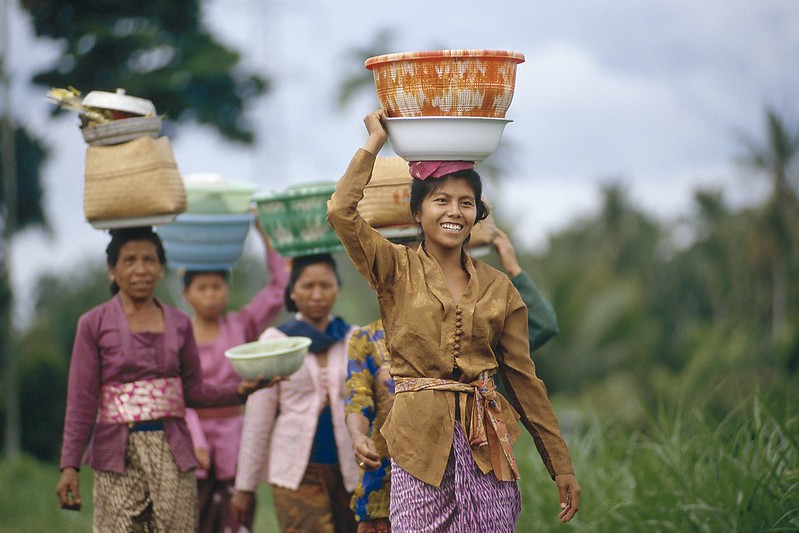
Women Sanitation in IndonesiaIndonesia is a developing country with many social inequalities, especially regarding sanitation. Data from the Ministry of Health shows that 28 million Indonesians do not have access to clean water and millions of households still defecate in the open due to lack of clean toilets. Addressing proper sanitation for the Indonesian people became a government concern in 1993 when only 11% of the population had access to adequate sanitation. This is despite the U.N. stating that access to adequate sanitation is a basic human right. Although this has improved over the decades, this issue persists and is more pronounced for women in Indonesia, who face a multitude of problems related to sanitation.

Period Poverty

Period poverty can be defined as a lack of access to menstrual products, hygiene facilities, waste management and education, affecting many women globally and causing physical, mental and emotional challenges. Women in Indonesia also cannot afford proper menstrual sanitation products such as tampons and sanitary napkins. They only use one pad for one day. Most women depend on their husbands’ salary, which averages less than IDR 2,000,000 to IDR 3,000,000 (approximately $128 to $192).

Only 34% of Girls Receive Menstruation Education

More than 50% of girls in Indonesia do not receive menstruation education from their mothers. Menstruation is considered abnormal and abject, so girls are not able to talk about menstruation when they experience it. The negative stigma attached to menstruation makes menstruation taboo to talk about. About 25% of teenagers in Indonesia “never discussed menstruation before they had their first menstruation” and 17% of them do not know that “menstruation is a sign of puberty.”

Lack of proper education regarding menstrual and reproductive hygiene can lead to unwanted pregnancies and reproductive diseases. Schools often fail to provide education about menstruation and proper reproductive health for girls experiencing puberty, along with adequate facilities for those undergoing menstruation. A recorded 42% of girls do not change sanitary napkins at school due to the lack of cleanliness in school toilets.

Sanitation Has a Significant Impact on Stunting

Many women and girls cannot access proper sanitation at home. Poor maternal health and hygiene have a significant impact on stunting. Data shows that 1 in 3 children in Indonesia experience stunting. The World Health Organization (WHO) defines stunting as “the impaired growth and development that children experience from poor nutrition, repeated infection and inadequate psychosocial stimulation.” The impact of stunting does not occur instantly but will have an effect on children’s health and nutrition in the long term.

Poor Sanitation Kills More Women Than HIV and Aids

Poor sanitation is closely related to death. Not washing hands when handling deliveries and after giving birth causes mothers to contract infectious diseases. About 12% of mothers die during childbirth due to infection. Zainal I Nampira, the Head of the Water Health and Basic Sanitation Sub Division of the Directorate of Environment Health at the Ministry of Health, hopes that as access to basic sanitation improves, the maternal mortality rate can be reduced to 24 per 1,000 people.

Looking Ahead

To combat women’s sanitation-related issues in Indonesia, the World Bank, in collaboration with the Indonesian government and other organizations, implemented the National Rural Water Supply and Sanitation Project (PAMSIMAS) in 2008. The program successfully provided access to drinking water to 24.5 million people in 35,928 villages across 408 districts in Indonesia by the end of 2021.

– Afra Amirah
Photo: Flickr

February 16, 2024
https://borgenproject.org/wp-content/uploads/borgen-project-logo.svg 0 0 Hemant Gupta https://borgenproject.org/wp-content/uploads/borgen-project-logo.svg Hemant Gupta2024-02-16 03:00:302024-02-15 03:36:19Facts About Women Sanitation in Indonesia
Global Poverty, Sanitation, Water Sanitation

5 Innovative Solutions for Global Water and Sanitation Crises

Innovative SolutionsAccording to the United Nations (UN), more than 2 billion people lack access to safe drinking water and nearly half of the world’s population (3.5 billion) do not have access to safe sanitation. Therefore, striving for universal access to safe drinking water and sanitation practices will not only reduce the number of deaths due to waterborne illness, but it will also help to reduce the global disease burden by 10%. Several unconventional and innovative solutions are currently underway to address global water and sanitation crises.

1. Lifestraw

This product enables the conversion of any contaminated water source into clean, safe drinking water. The small, portable filtration device removes about 99% of contaminants, such as bacteria, parasites, chemicals, microplastics and pesticides.

For every 500 LifeStraw products that consumers buy, LifeStraw donates a LifeStraw Community Purifier to a school in need, ensuring safe drinking water for 100 kids for five years. By the end of 2022, the innovative solution had provided safe water to more than 7 million kids and 2,500 schools.

2. Peepoo Bag

The Peepoo bag is a portable, self-sanitizing and biodegradable toilet. It comprises a thin film for people to use in the absence of clean facilities. The bag includes a layer of urea that helps sanitize and break down human waste into fertilizer that individuals can then use for up to a month.

Previous studies of the Peepoo bag in Bangladesh and Kenya found the product to be especially useful to women and children due to its usefulness in situations when it was difficult to leave the house. Mothers with access to the bag also report their children were sick less often. Almost 90% of users in the study said the bag was better than their normal sanitation practices.

3. Bottle Bright

Bottle Bright, the company, offers all-natural, biodegradable cleaning tablets designed for thorough cleaning of drinking containers. These tablets use effervescent technology, enabling foaming and dissolving in water without the need for chlorine or harsh chemicals.

With each Bottle Bright package sale, the company commits to donating an equal amount of tablets to people in developing countries facing challenges in transporting water and maintaining cleanliness. Bottle Bright has distributed more than 60,000 tablets to developing communities to date.

4. Waterstep Bleachmaker

The BleachMaker utilizes electrolysis to purify large quantities of drinking water quickly, producing chlorine through the combination of salt, water and electricity to effectively eliminate harmful bacteria. The portable device can produce up to five liters of bleach every hour, providing quantities that can be used for water disinfection and medical sanitation.

In 2022, the United Nations Development Programme (UNDP) and the Governments of Japan and Malawi worked together to install BleachMakers in 46 hospitals and health facilities across Malawi, empowering “public institutions to locally produce chlorine bleach more cheaply within the convenience of their facilities’ budgets.”

5. Everly

Through the creation of flavored drink mixes with clean ingredients and crucial electrolytes, Everly demonstrates a commitment to ending dehydration and waterborne diseases. For every pouch of Everly drink mix sold, the company donates a pouch of rehydration salts to ColaLife, a nonprofit committed to improving access to essential medicines and health products in developing countries. 

ColaLife gained attention for its innovative approach to utilizing the existing networks of companies like Coca-Cola to distribute health products. Specifically, they focus on oral rehydration salts and zinc supplements, which are vital in treating dehydration caused by diarrhea, a leading cause of child mortality in many developing regions.

Through Everly’s commitment to partnering with ColaLife, more than 1.5 million packets of rehydration salts have been donated to help mothers and their children in countries like Zambia gain access to life-saving nutrients.

The Importance of These Innovative Solutions

These innovative solutions for global water and sanitation crises are advantageous in that they are non-infrastructure solutions, meaning they can be implemented to help people in developing areas without political support or pushback.

While implementing policy and investments that safeguard necessary human health needs is the key to long-lasting progress in developing communities, these technological innovations are evidence of convenient, immediate opportunities for positive change. 

– Bella Simokaitis
Photo: Flickr

January 13, 2024
https://borgenproject.org/wp-content/uploads/borgen-project-logo.svg 0 0 Hemant Gupta https://borgenproject.org/wp-content/uploads/borgen-project-logo.svg Hemant Gupta2024-01-13 01:30:442024-01-09 07:50:225 Innovative Solutions for Global Water and Sanitation Crises
Global Poverty, Sanitation

Flushing Poverty: Toilets in Developing Nations

Toilets in Developing NationsAs of 2018, about 4.5 billion people worldwide live without a toilet. This is far more than an inconvenience to those people — toilets are on the front lines of saving lives. Living without an adequate toilet is downright dangerous. Fortunately, steady progress is occurring on this issue, and several organizations are addressing this pressing need. 

What is the Current State of the World’s Toilets? 

About 60% of people worldwide lack access to an adequate toilet at home. According to WHO and UNICEF, one can classify the world’s current sanitation systems using three labels:

  • Improved: This is any system that keeps human waste away from human contact. 
  • Shared: Multiple households use these systems. They may be improved or unimproved. 
  • Unimproved: This is any waste disposal system that does not keep human waste away from human contact. 

Open defecation, for instance, is the most severe form of unimproved sanitation. Nevertheless, 892 million people practice it around the world. An “adequate” toilet is improved and only one household uses it. The UN has formally recognized the importance of this issue and made it part of Sustainable Development Goal 6 (SDG 6). Unfortunately, the world is off track to meet that goal by 2030. According to the World Toilet Organization, the world must quadruple its current efforts to meet SDG 6’s toilet-centered objectives.

What Impact Do Toilets in Developing Nations Have? 

Toilets are critical players in the fight against preventable disease, automatically making them agents in the fight against poverty. Here are some key facts and statistics about toilets and their benefits. Every dollar spent on toilets and water prevents the expenditure of $4 on “medical costs, averted deaths and increased productivity.” 

“One gram of feces can contain 10 million viruses, 1 million bacteria, and 1,000 parasite cysts.” As a result, adequate toilets prevent many diseases by keeping contaminant-ridden human waste away from human contact. Toilets are life-changing for menstruating girls. They increase their ability to go to and stay in school, and they also increase their safety, as girls using open defecation methods can be taken advantage of. 23% of the world’s schools do not have any form of toilet. Without toilets, human waste can contaminate the environment, facilitating the spread of contagions. About 2 billion people worldwide use water contaminated with human waste, which is extremely detrimental to global health.

The Implementation of Toilets in Developing Nations

Installing adequate, beneficial toilets in developing nations is far from easy. While toilets face typical aid issues such as economic feasibility, they also require regular maintenance, which includes cleaning and emptying. As a result, every toilet represents a recurring expense. Making this maintenance process practical for impoverished people is a severe and evolving challenge. 

Additionally, for toilets to be fully effective, they must be one piece of a more extensive system of hygiene, commonly known as WASH. Furthermore, unsafe practices such as open defecation are often woven into a culture’s fabric. As a result, people who have never had a toilet are often entirely unaware of their benefits. Because of this, they are likely to ignore, abandon or disdain toilets that do not come with an explanation or training. Aid that adequately addresses this problem does not just provide a toilet; it is also necessary to educate the local people about their purpose and use. 

The Progress

Although this issue still needs to be fully addressed, the world has come a long way towards increasing the availability of adequate toilets. For example, “the percentage of the population [of India] with access to basic sanitation services” (including toilets) grew from 16% to 60% between 2000 and 2017. These are some of the organizations that are making numbers like these even better: 

The Bill and Melinda Gates Foundation hosts the annual Reinvent the Toilet challenge, created to create more sustainable and useful toilets. Several significant developments have come from this event. 

SATO pans are devices that are used to retrofit existing toilets. The design reduces the spread of contagious diseases as well as smells. Between 2014 and 2018, UNICEF “helped more than 70 million people access basic toilets in their homes.” These organizations represent just a few institutions fighting for clean, useful toilets in developing nations. 

Conclusion 

Installing and maintaining adequate toilets in developing nations is key to the fight against global poverty. Toilets decrease infectious diseases, which reduces medical expenses and the instability that sickness and unexpected death bring. While it will be long before toilets get to everyone who needs them, many organizations are also working on this vital front. With the right effort, this problem will be a thing of the past. 

– Abigail Leland
Photo: Flickr

November 20, 2023
https://borgenproject.org/wp-content/uploads/borgen-project-logo.svg 0 0 Yuki https://borgenproject.org/wp-content/uploads/borgen-project-logo.svg Yuki2023-11-20 01:30:542024-05-29 23:22:50Flushing Poverty: Toilets in Developing Nations
Global Poverty, Sanitation

The NALA Foundation WASH Program in Ethiopia

The NALA Foundation WASH ProgramClean and drinkable water is an essential human right. Whether out of bottles in grocery stores, a faucet or tap water. Unfortunately, this is not the case for some people in developing nations. People living in impoverished areas often only have access to water full of parasites, bacteria and other disease-causing organisms. In Ethiopia, this issue causes needless death and stymies the ability of people to lift themselves out of poverty. According to the World Health Organization (WHO), as of 2022, 2 billion people were without access to safe drinking water in their homes. 

Nearly 80% of communicable diseases in Ethiopia come from an unsanitary water supply. Another contributing factor to the spread of disease is unsafe hygiene practices. Unsafe hygiene leads to poor overall health and nutrition, making it harder for people in impoverished communities to go to school or work, leading to school absences, unemployment and continuing poverty. If they cannot go to school or work, lifting themselves out of poverty will be more challenging. Fortunately, the NALA Foundation WASH program is doing its part to give Ethiopians improved access to clean water and ultimately lead to a healthier lifestyle that will help them grow and prosper.

What is NALA?

The mission of the NALA (NTD Advocacy Learning Action) Foundation is to eradicate diseases of poverty, especially neglected tropical diseases (NTDs). NALA is an organization that specializes in educating the people who need them about NTDs. These diseases are typically found in tropical areas and mainly affect poverty-stricken communities.  Through education and work with local communities, the NALA Foundation addresses the leading cause of these diseases. It works to combat poverty, not just in Ethiopia but in many different countries, by eradicating NTDs at the source and changing the hygiene behavior of the people they help.

The organization began after its founder, Professor Zvi Bentwich, MD, discovered a connection between HIV and tropical diseases. The founder was inspired to help at-risk communities protect themselves from preventable diseases. Bentwich founded the NALA foundation soon after that. It started as a small-scale operation out of a small area in Ethiopia with a high rate of NTDs. It has since grown to help many communities. 

The WASH Program in Ethiopia

More specifically, the NALA Foundation runs a program focusing on preventing water-borne illnesses through local involvement. This program is the WASH (Water, Sanitation, Hygiene) program. The NALA Foundation WASH Program emphasizes the need for communities to keep the community ownership of the project and maintenance of the infrastructure running after the organization has come through and helped them. NALA emphasizes the need for community members to be involved in making their water cleaner and for the people to continue to educate themselves. Community engagement in such projects ensures that these people in Ethiopia have the kind of water purification system they want and the one that will work for their town or village.

The Department of International Development and the Department of Management of the London School of Economics and Political Science did a 2015-16 study in Tanzania, which demonstrated the role of community engagement is in making people more aware of how to keep their water clean and live healthier lives. For example, the disease Schistomiasis declined by 4.4% in children after preventative measures were taken regarding hygiene. With the NALA Foundation model, the organization has reduced rates of intestinal worms in children by nearly 90%. The model consists of WASH programs, health education and drug administration. The Nala Foundation WASH program is just one part of a collective plan.

How Does NALA Lift People Out of Poverty? 

The entire purpose of the NALA Foundation WASH Program is to give people a chance to leave poverty and give themselves better opportunities to advance by preventing the spread of infectious diseases that make it difficult for people to go to work or school. The “Bring Bilharzia to Zero” field project has been in existence since 2015 and has resulted in a 60% drop in the rate of NTDs among children in school. Another initiative would be the “Deworming Mekelle” initiative. Through extensive drug administration, hygiene education and increased water sanitation, in 2014, after five years, the city of Mekelle received official recognition as the first city in Ethiopia to be free of Bilharzia. By focusing several programs on schoolchildren, NALA helps children stay in school and miss fewer days due to preventable diseases. More education leads to better knowledge and a greater chance of escaping poverty. 

The NALA Foundation WASH program does excellent things for Ethiopians in need. The stress of worrying about diseases that could prevent them from getting an education and going to work is a thing of the past. Whether eradicating the disease in a city where that had been a considerable issue or making children less likely to miss school, because of the NALA Foundation WASH program, people in Ethiopia and other African nations can worry a little less about education and community engagement in projects designed for their safety, with any luck, this program will change many lives for years.

– Calder Miller
Photo: Flickr

November 12, 2023
https://borgenproject.org/wp-content/uploads/borgen-project-logo.svg 0 0 Jennifer Philipp https://borgenproject.org/wp-content/uploads/borgen-project-logo.svg Jennifer Philipp2023-11-12 07:30:302024-05-30 22:32:34The NALA Foundation WASH Program in Ethiopia
Page 2 of 29‹1234›»

Get Smarter

  • Global Poverty 101
  • Global Poverty… The Good News
  • Global Poverty & U.S. Jobs
  • Global Poverty and National Security
  • Innovative Solutions to Poverty
  • Global Poverty & Aid FAQ’s
Search Search

Take Action

  • Call Congress
  • Email Congress
  • Donate
  • 30 Ways to Help
  • Volunteer Ops
  • Internships
  • Courses & Certificates
  • The Podcast
Borgen Project

“The Borgen Project is an incredible nonprofit organization that is addressing poverty and hunger and working towards ending them.”

-The Huffington Post

Inside The Borgen Project

  • Contact
  • About
  • Financials
  • President
  • Board of Directors
  • Board of Advisors

International Links

  • UK Email Parliament
  • UK Donate
  • Canada Email Parliament

Get Smarter

  • Global Poverty 101
  • Global Poverty… The Good News
  • Global Poverty & U.S. Jobs
  • Global Poverty and National Security
  • Innovative Solutions to Poverty
  • Global Poverty & Aid FAQ’s

Ways to Help

  • Call Congress
  • Email Congress
  • Donate
  • 30 Ways to Help
  • Volunteer Ops
  • Internships
  • Courses & Certificates
  • The Podcast
Scroll to top Scroll to top Scroll to top