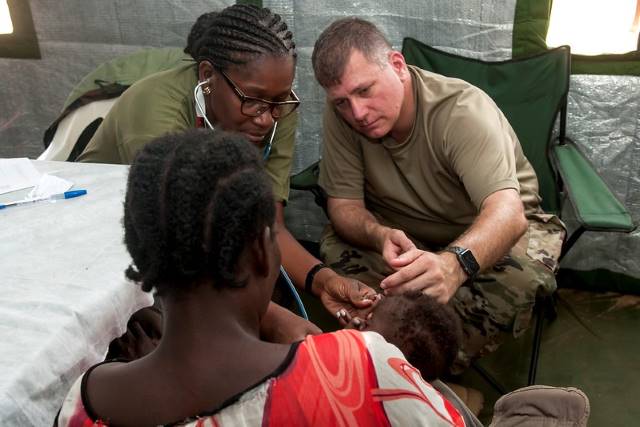
 With a population of about 30 million, many Angolans do not have access to adequate healthcare. The limited access to quality healthcare is due to decreased funding due to the Angolan Government’s budget restrictions. The lack of funding affects the quality of public healthcare which people can receive at no cost. The public healthcare sector in Angola does not have enough healthcare providers with proper training and resources. The lack of resources in healthcare reflects in the low ratio of about one health center per 25,000 people and more than 50% of people are without access to healthcare services. In recent years, USAID’s Health for All project, using the Health Network Quality Improvement System (HNQIS), has implemented formative supervision in Angola. Implementing formative supervision in Angola has shown to improve the quality of healthcare by increasing the number of healthcare providers with proper training.
USAID’s Health for All Project
USAID’s Health for All program is a five-year project that began in 2017. It works with the Angolan Government to help improve the quality and access to healthcare in the country. The project’s focus is on addressing the issues of malaria and reproductive health since those are two of the main health concerns affecting the people of Angola. With the current funding being at $63 million, the program has been able to train 1,489 health professionals on how to diagnose and treat malaria and created reproductive health services in 42 health facilities.
The program’s use of formative supervision in Angola has helped in educating and providing healthcare workers with the necessary tools to effectively care for patients. The Health Network Quality Improvement System is the main tool that USAID uses to help improve the quality of healthcare because the system is used to evaluate the performance of individual healthcare providers. By tracking the performance of the healthcare providers in Angola, USAID can more easily determine which areas of the healthcare system need improvement. Under the Health for All program, USAID has been using formative supervision with healthcare providers who specifically tend to cases of malaria and reproductive health.
The Benefits of Formative Supervision
From October 2019 to March 2020, the Health for All project recorded improvements in the quality of healthcare through the use of formative supervision in 276 out of 360 Angolan health facilities with prenatal services. In addition to tracking the performance in maternal and reproductive health, the supervision has also helped in finding the areas in which the management of malaria has been lacking. There are now about 1,026 health providers that have been properly trained in managing malaria cases as a result of the project. This has in turn indirectly improved the quality of care regarding maternity since malaria causes 25% of maternal deaths in Angola.
Besides increasing the amount of funding that goes toward healthcare, the Health for All project has used such funding to be more interactive with healthcare facilities through the use of formative supervision in Angola. Formative supervision has shown to drastically improve the quality of care in the areas of malaria and reproductive health as supervision allows trained health officials to identify and fix integral issues pertaining to healthcare in Angola.
– Zahlea Martin
Photo: Flickr
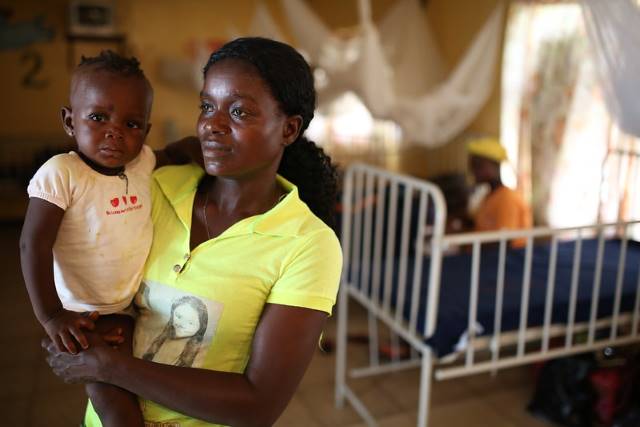 COVID-19 has understandably been the main focus around the world. In developed countries, many are new to health epidemics and the disruptions caused by them. But, in some parts of the world, widespread disease is not new at all and COVID-19 is not the only health concern. There are several other global health concerns during COVID-19. Some seem obvious, like malaria or HIV/AIDS. But, some have made less news, like a toxic goldmine in Ethiopia. These health crises also require assistance and aid from the international community.
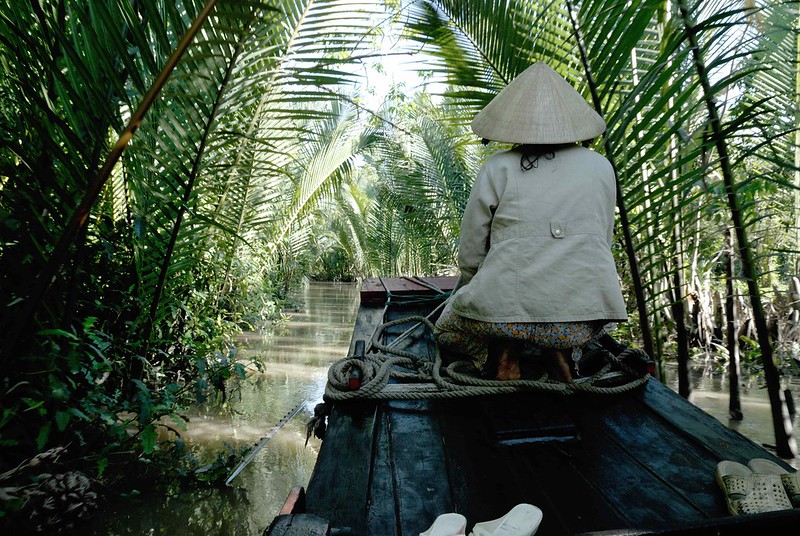 Although Malaria remains at the forefront of global health issues, malaria in Southeast Asia represents a success story in terms of mobilizing aid in the fight against the disease. In 2018, the World Health Organization (WHO) reported 8 million malaria cases, a
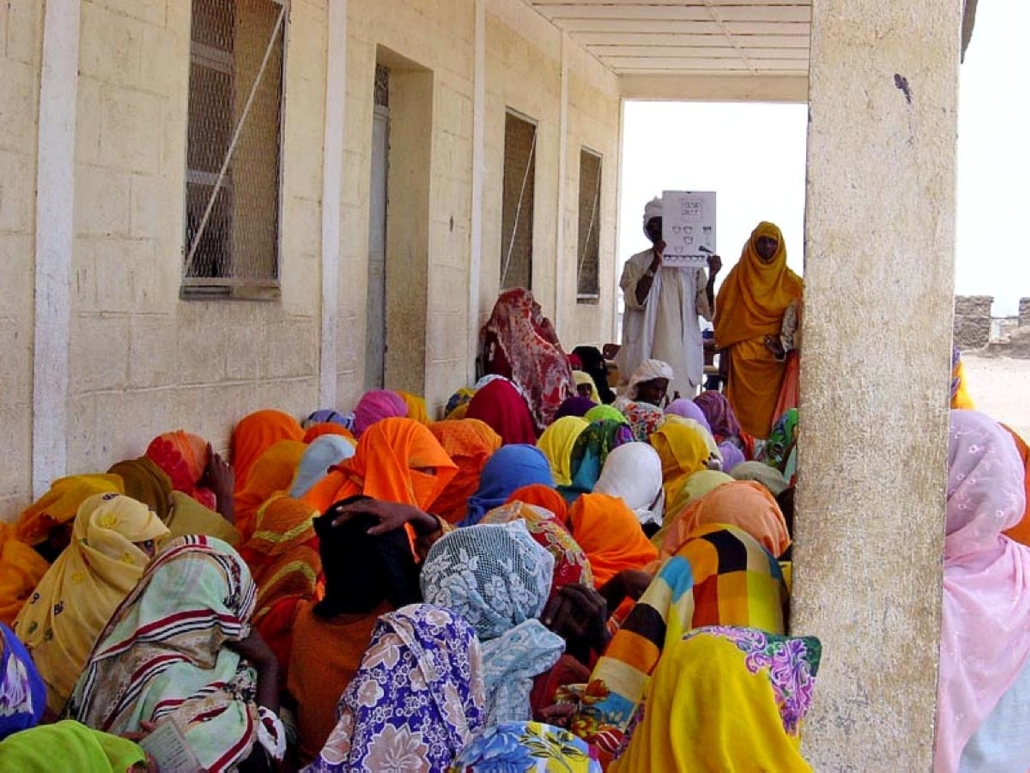 Eritrea is a small country in Northeast Africa, with a population of 3.2 million people. Eritrea gained independence in 1993 and remains one of the poorest countries in the world. Considering the total population, 66% of Eritreans live
 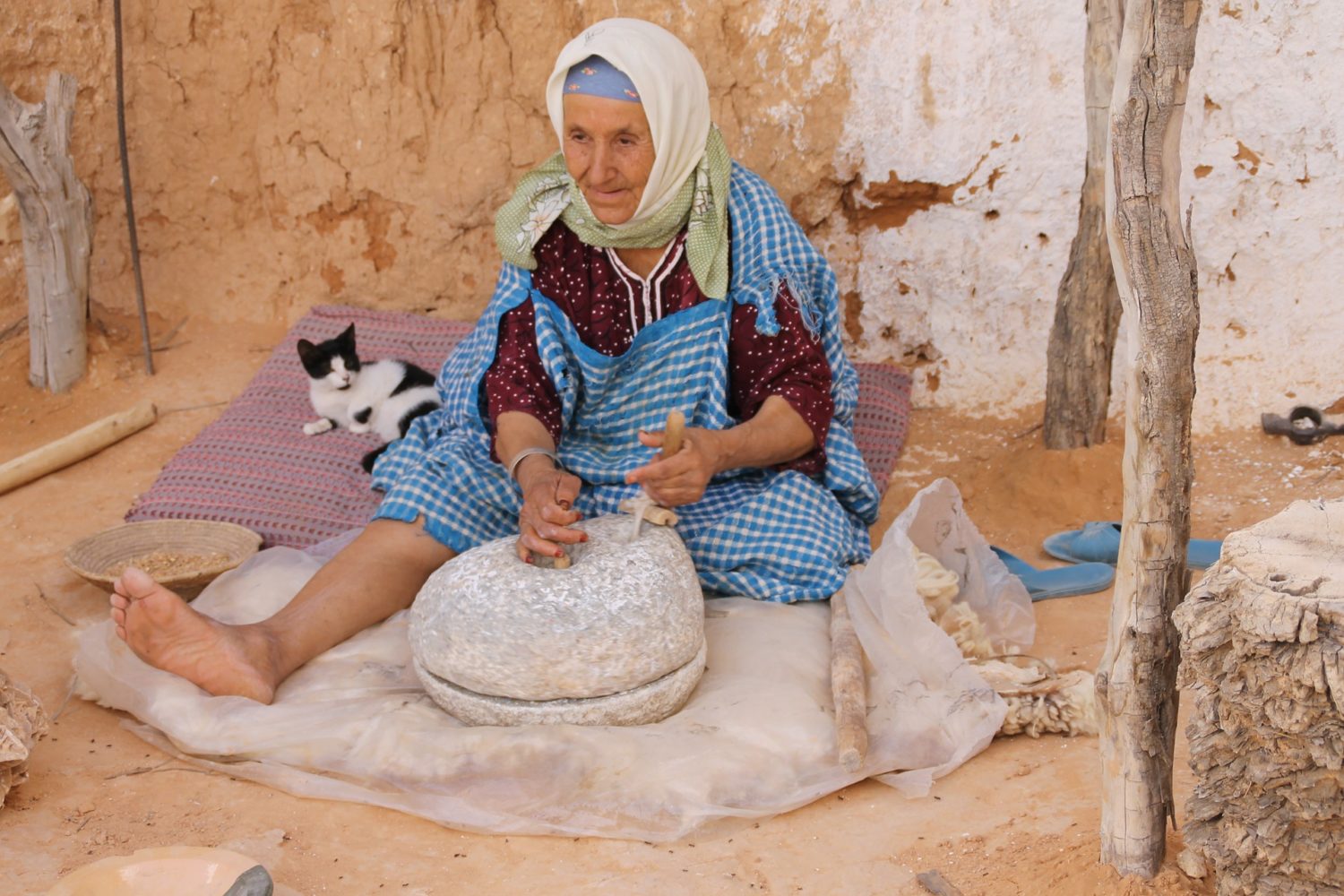 The North African country of Tunisia is sandwiched by two relatively unstable nations, Algeria and Libya. However, Tunisia has had
 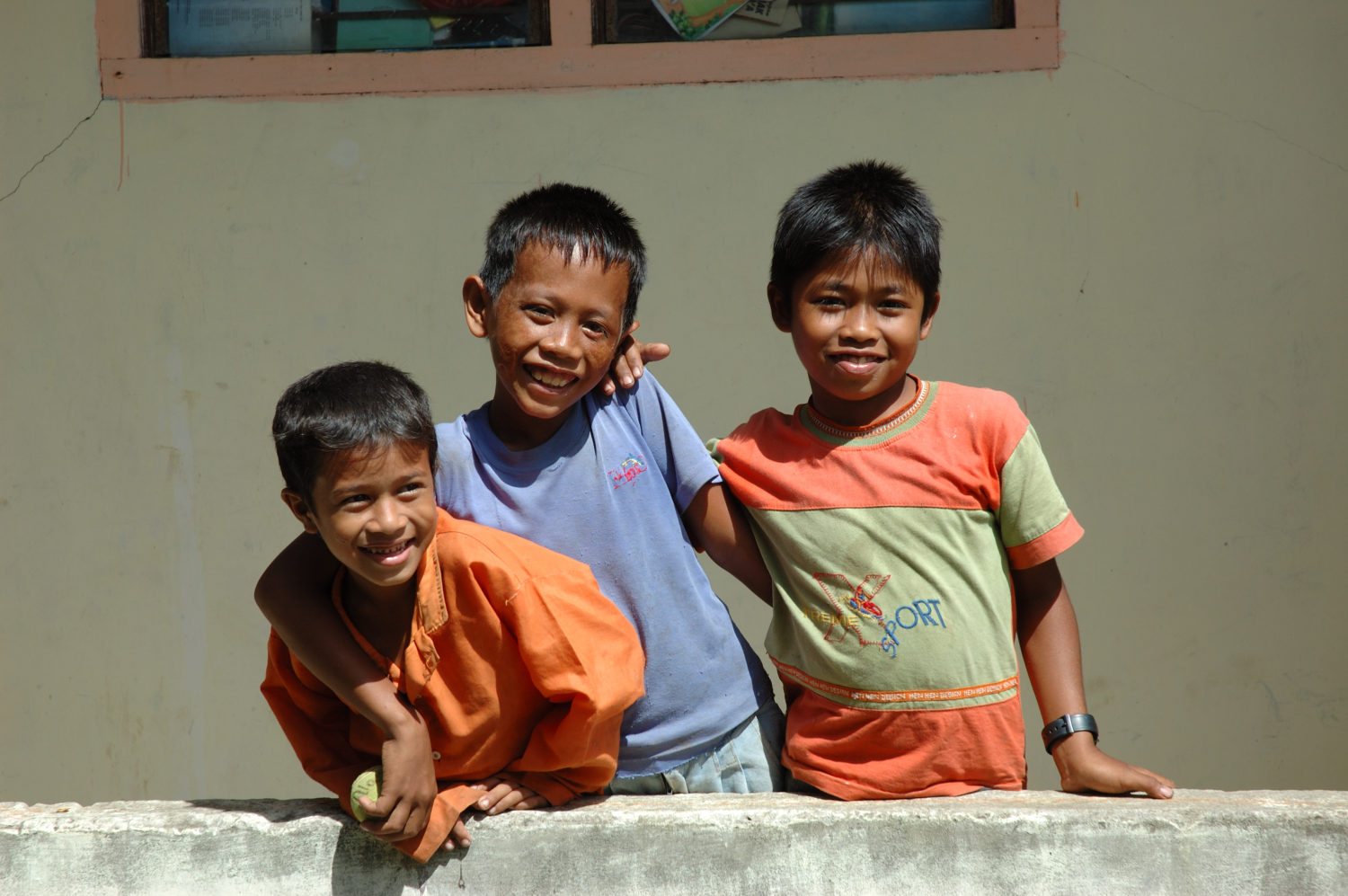 Several economists estimate that the cost of ending world poverty is around $175 billion. To the average person, this amount can seem like an unachievable goal to reach, therefore making any contribution futile. In other instances, some people prefer not to make direct donations to end poverty, in fear that their money is not being allocated efficiently.
 Mosquito-spread diseases such as malaria and dengue fever have plagued tropical regions for centuries. Most recently, the Zika virus emerged as a high profile danger to those living below the poverty line. Both malaria and dengue fever have higher mortality rates than the Zika virus. However, Zika causes birth defects. As a result, it promises to leave lasting effects on generations to come.
 Many people recognize mushrooms these days as a trending health topic, but the benefits of mushrooms reach far beyond its popularized portrayals of a healthy supplement to add to one’s morning coffee. The perspectives of several renowned scientists and organizations with focuses on international development have proven that mushrooms are substantial in their medicinal properties, disease control, agricultural and malnutrition solutions and much more.