• Link to X
  • Link to Facebook
  • Link to Instagram
  • Link to TikTok
  • Link to Youtube
  • About
    • About Us
      • President
      • Board of Directors
      • Board of Advisors
      • Financials
      • Our Methodology
      • Success Tracker
      • Contact
  • Act Now
    • 30 Ways to Help
      • Email Congress
      • Call Congress
      • Volunteer
      • Courses & Certificates
      • Be a Donor
    • Internships
      • In-Office Internships
      • Remote Internships
    • Legislation
      • Politics 101
  • The Blog
  • The Podcast
  • Magazine
  • Donate
  • Click to open the search input field Click to open the search input field Search
  • Menu Menu

Archive for category: Inequality

Global Poverty, Inequality

Protests in Thailand: Inequality and Poverty

Protests in Thailand
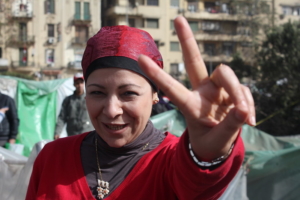
Since February 2020, protests in Thailand have been underway calling for a restructuring of the Thai monarchy and demanding that King Maha Vajiralongkorn relinquish his assets to the people. Thailand performs well in many areas that are criteria for consideration as a developed country, including the enrollment of school-aged children and access to water and sanitation. However, the nation suffers from a severe discrepancy in income distribution. Now, four years after the King has taken the throne, the Thai people are calling attention to the country’s struggles with inequality and poverty.

The Many and the Few

With the COVID-19 pandemic bringing the world’s economy to a screeching halt, including shutdowns and travel bans, Thailand’s tourism industry crashed. Since then, poverty has skyrocketed. Meanwhile, Thailand’s high society can do most anything inconsequentially – the monarchy more than anyone else.

Most of Thailand’s elite are highly educated citizens living in the capital city, Bangkok. With Thailand’s long and frequent history of coups, there is widespread distrust surrounding politics and the government. However, the elite has historically leveraged its wealth to preserve its own interests, disregarding the needs of the majority.

Two student groups galvanized anti-governmental support that spurred the 2020 protests in Thailand. The protestors, most of them young, called for change and openly criticized the monarchy. This cry for reform mobilized tens of thousands of protestors to rally in support of the demands made against the crown.

Among the demands made, which included legal equality for all and the un-dissolution of the Future Forward Party, the people also criticized the monarchy’s handling of the pandemic. Despite Thailand’s success in stanching outbreaks of new infections, subsequent economic devastation plunged middle-class and poor populations deeper into poverty. This undid much of the progress that Thailand’s poverty-mitigating measures made in the past few decades.

Thailand’s Fortune

Thailand garnered most of its existing fortune during the 20th century through real-estate holdings, maintaining an estimated 40,000 rental contracts. All of this adds up to over 16,210 acres of land across Thailand.

In 1948, Thailand began declaring its assets the property of the Thai people. The Crown Property Bureau (CPB) managed these assets for the next 70 years. However, in 2018, Thailand’s courts then declared these assets to be directly under the control of the King. The protests in Thailand stem from the skepticism of this approach. King Vajiralongkorn, who has ruled since 2016, has been deeply unpopular and controversial throughout his reign. He succeeded his father, King Bhumibol Adulyadej, who many saw as a man of the people. Thailand’s current struggle with poverty, and the monarchy’s inability to alleviate the situation, has exacerbated the contrast between the two kings. Poverty and the pandemic have called citizens’ attention to the role that the monarchy plays in Thailand’s economy and thus the role it plays in the struggles of the people.

Give2Asia

The protests in Thailand have called attention to what many NGOs have been working toward alleviating for many years. Since 2001, Give2Asia, a San Francisco-based NGO that works in 23 countries, has helped 2,500 charities attain more than $342 million in grants to carry out their missions. The organization focuses on empowering individuals and teaching vocational skills to women and children.

In Thailand, Give2Asia is partnering with several organizations and foundations to provide medical supplies in response to the pandemic. The country’s handling of the pandemic is a major grievance that the 2020 protests in Thailand are attempting to highlight.

Give2Asia and its partner groups also circulate information regarding the prevention and control of COVID-19 in the most vulnerable populations. They do this by distributing information in an easy-to-understand format and by providing care kits for elderly, orphaned and disabled people. Raks Thai, while furthering Give2Asia’s initiatives in empowering women, also offers support for migrant workers and their families by offering vocational training workshops and supplementing income.

Efforts like those above call attention to the protests in Thailand and the challenges the nation will face moving forward. Hopefully, through continued efforts, Thailand will be able to reach a higher level of equality in the future.

– Catherine Lin
Photo: Flickr

January 1, 2021
https://borgenproject.org/wp-content/uploads/borgen-project-logo.svg 0 0 Kim Thelwell https://borgenproject.org/wp-content/uploads/borgen-project-logo.svg Kim Thelwell2021-01-01 10:43:432021-05-21 10:43:56Protests in Thailand: Inequality and Poverty
Global Poverty, Inequality

Social and Economic Mobility in South Korea Amid COVID-19

Social and Economic Mobility
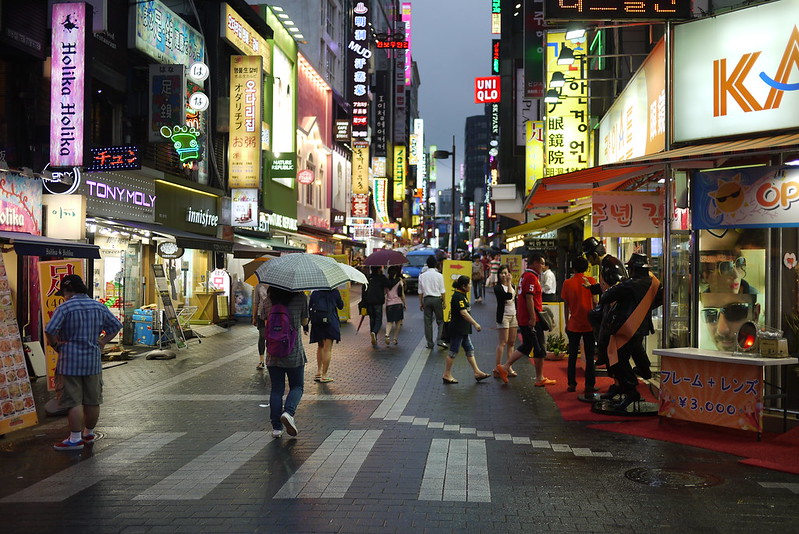
Social and economic mobility in a developing country becomes possible by examining the socio-economic inequalities that exist within a country due to the improved mobility of other social classes. This is a noticeable issue in South Korea amid the COVID-19 pandemic. The loss of revenue due to forced closures out of precaution and safety has impacted South Korea’s entrepreneurial workforce. Business owners who share the same sentiment have expressed that their government has been short on loans to cover business expenses. They also mentioned their preference toward establishing a tax cut. Additionally, the resulting dependence on technology for social-distancing purposes has further divided social classes and vulnerable groups like the elderly in South Korea. Fortunately, increased investment and trade have strengthened South Korea’s social and economic mobility amid COVID-19.

Elderly and Technological Advancements

One of the main issues in socio-economic inequalities is the wealth gap, which the pandemic has exacerbated. There are individuals who have been able to maintain a steady income while working from home. However, others have had to sell their assets to repay loans in order to keep their businesses thriving. The prospect of job security is low since workplaces have frequently turned workers away from their work, causing a hindrance in receiving income.

The pandemic has particularly impacted the elderly due to the shift in technology to follow the no-contact rule of the social guidelines. A 61-year-old experienced a QR code for the first time at a bakery, not knowing what it represented or how it became the new “normal” in facilitating a transaction in a business.

Future Economical Advancements

The new issues that have surfaced because of the pandemic have opened a potential source of income. This source boosted the South Korean economy in regard to social and economic mobility. The job market in South Korea is focusing on advanced technological fields, specifically working on the future of the car industry, as well as the low-carbon emission industry.

According to the 2020 GDP forecast, South Korea is less likely to take an economic hit compared to other countries. This is great news, specifically for the industries focused on bringing in revenue for the country.

North and South Korea Inter-Economy

Social and economic mobility is prevalent with the help of companies such as KPMG International. Recently, an investment guide has emerged to help with the economic cooperation of both North and South Korea. It aims to bring in more job opportunities to both countries and provide South Korea with information on the investment environment in North Korea. The president of South Korea mentioned that revenue would expand by combining both North and South Korea through “trade and infrastructure links.”

South Korea’s Trade Business

South Korea’s revenue will increase due to the new trading shift. The country also experienced an economic boom with the help of its exports and manufacturing activities. South Korea’s exports have grown by 4% in 2020 because of the high demand for technology. Exports are significant to South Korea’s economy, especially with strict lockdowns during the pandemic to help control the virus. With the increased investment plans and trade, hope exists that South Korea can continue to diminish socio-economic inequalities amid COVID-19, helping to advance its social and economic mobility efforts.

– Amanda Ortiz
Photo: Flickr

December 29, 2020
https://borgenproject.org/wp-content/uploads/borgen-project-logo.svg 0 0 Kim Thelwell https://borgenproject.org/wp-content/uploads/borgen-project-logo.svg Kim Thelwell2020-12-29 11:17:362021-04-23 11:17:53Social and Economic Mobility in South Korea Amid COVID-19
Child Marriage, Child Poverty, Children, Global Poverty, Inequality

Poverty in Panama Affects Rural Areas and Children

Poverty in Panama
Panama — the narrow bridge of land that connects North and South America. The tropical country is renowned for its natural beauty and diverse plant, animal and birdlife. Yet, all that glitters is not gold. Panama’s economy is highly unequal and there is a wide gap between the wealthy and the impoverished. Poverty in Panama is as much of a prominent feature of the country as its landscape.

Rural Poverty

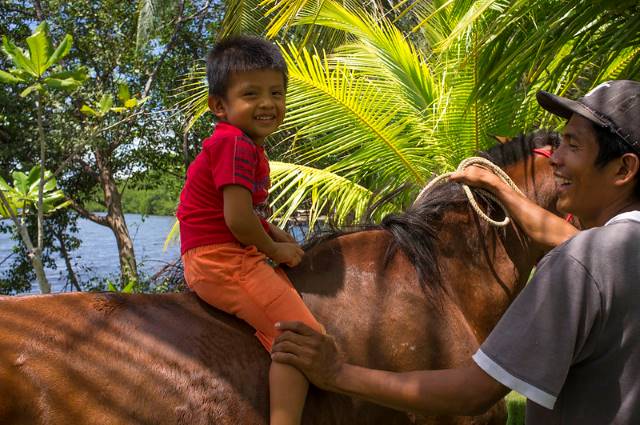
Ethnicity and geographic location determine one’s poverty level in Panama. Panamanians who live in rural areas do not have adequate access to resources, such as hospitals and schools. This is a result of the lack of infrastructure as well as few professional doctors and teachers or mentors in rural areas.

Panama is the second-worst in income distribution in Latin America, which leads to sector-specific poverty. Unpaved roads in the country make travel especially difficult for farmers. Accordingly, farmers do not end up selling their crops in big cities where they can earn a larger income. Thus begins a chain of poverty in Panama that materializes as poor hygiene and sanitation, child labor, malnutrition, and eventually, another generation living a poor quality of life.

Child Poverty

About 27.7% of Panamanian children live in poverty and 12% experience malnutrition. Failure to register children at birth causes many to go without citizenship. Thus, the government is uncertain of the nation’s exact child population and cannot justly allocate money to the “nonexistent.”

Around 15% of children are victims of early marriages. The legal age to marry in Panama is 16 for boys and 14 for girls. However, most of these children are not registered with the government, so parents marry children off at ages as young as 10, mostly to escape the circumstances of poverty.

The minimum age for working in Panama is 15. Even with this being the case, 5-year-old children often work carrying bricks on construction sites. Several underage workers, or child laborers, even appear in big cities like Panama City and Tocumen. To earn a few dollars more, families force their children to work. However, this comes at the cost of children losing education and facing exploitation.

The Rays of Light

Panama is taking steps to fight poverty. From 2015 to 2017, poverty in Panama declined from 15.4% to 14.1%. In the same time span, extreme poverty decreased from 6.7% to 6.6%. Additionally, multiple NGOs are working to address poverty and other prominent issues in Panama.

The Calicanto Foundation, established in 1994 in Panama, aims to empower Panamanians living in poverty. The organization runs a “personal and professional/vocational training program for women who live in marginalized communities with high levels of poverty.” At the end of the program, participants receive a certificate for employment in the hospitality sector. These skills empower women to achieve economic sufficiency to support their families and break cycles of poverty.

The country, with aid of NGOs and the government, has the potential to bridge the income inequality gap and establish an equitable society for all, regardless of class, region or ethnicity. Panama can be as bright and colorful as its beaches for not only the urbanites but also the rural citizens.

– Riddhi Bhattacharya
Photo: Flickr

December 13, 2020
https://borgenproject.org/wp-content/uploads/borgen-project-logo.svg 0 0 Jennifer Philipp https://borgenproject.org/wp-content/uploads/borgen-project-logo.svg Jennifer Philipp2020-12-13 01:30:132022-05-12 13:24:44Poverty in Panama Affects Rural Areas and Children
Global Poverty, Inequality

How the Caste System Affects People in India

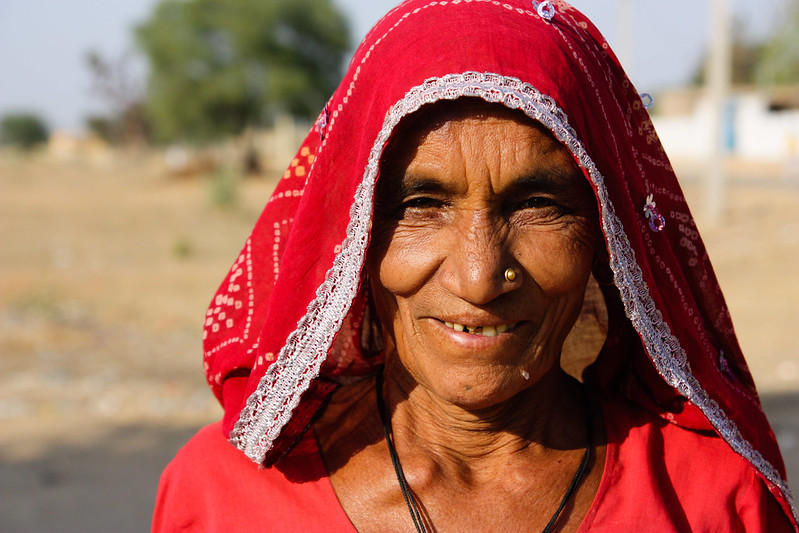
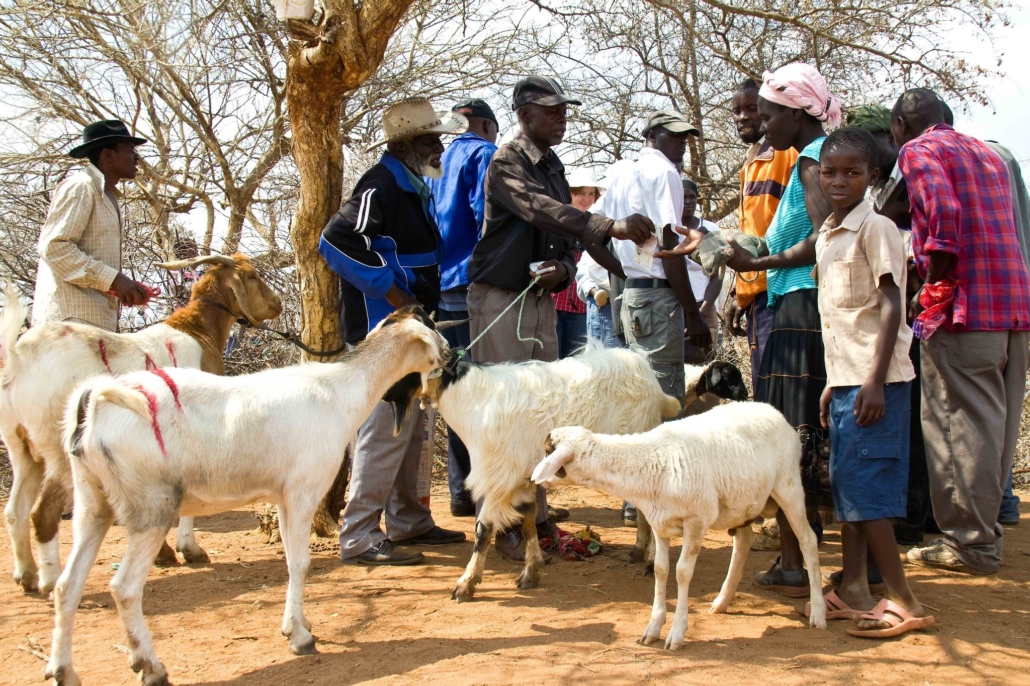
How the Caste System Affects People in IndiaIndia has its own form of racism. We refer to it as “Casteism.” India’s caste system was formed based on socio-economic factors or ideological factors. In 1500 BC, Aryans arrived in India and disregarded local groups. They formed three groups, namely warriors, priests and farmers. Warriors and priests fought for the leadership role. Out of which priests emerged victorious to supreme their power over India. In the end, farmers, craftsmen, warriors and locals were led by Brahamans or priests. Like many societies, a son will inherit his father’s job in India. This inheritance continued for a long time and it ended up as a community, jaati or a caste in the Indian system. Brahamans encouraged socialism only within their respective groups that created inequality in this diversified country. A caste looking down on the other is a common occurrence and it is publicly accepted. People who clean drainage are aligned to the “Scheduled Caste” and they are termed as “untouchables.” Those who live in forests as tribes are aligned to “Scheduled Tribes.”
The caste system is a significant social system in India. One’s caste affects their options regarding marriage, employment, education, economies, mobility, housing and politics, among others.

How the Caste System Affects Citizens

  • Marriages: Most Indian marriages are arranged by parents. Several factors were considered by them for finding the ideal spouse. Out of which, one’s caste is a significant factor. People do not want their son or their daughter to marry a person from another caste. Just like the word “untouchables” suggests, a Brahmin would never marry a person from an SC or ST caste.
  • Education: Public universities have caste-based reservations for students coming from underprivileged backgrounds. A person from this background can secure a seat in a top tier college with par or below par academic scores based on reservation. However, impoverished Brahmans are disadvantaged with this reservation system. For example, a Brahman has to score 100% on certain exams to get into a top tier university. While the lower caste applicant can even bypass the exam for getting a seat in the university.
  • Jobs: A significant amount of public sector jobs are allocated based on caste reservation. Impoverished communities from Brahman backgrounds get affected significantly because of this reservation.

It is just as Dr. Bhimrao Ambedkar said, “Caste will stand in your way for political and economical reforms within India.” According to him, eradicating such a strong foundation is extremely difficult yet doable. However, the path to reform has many roadblocks in it.

How Can the Government Solve this Caste Issue?

The government has come to the conclusion that segregating people across castes and aligning them to a particular caste by offering special quotas will solve the caste problem. In fact, the Indian government provides incentives to people of lower caste to make them feel better about their poor inheritance. However, the caste system still lurks in the minds of Indian citizens.
According to Ambedkar, the annihilation of the caste system can be done by supporting these actions:

  1. Intercaste Marriage: Cross caste marriage can possibly eradicate the upper and lower caste mentality. Around 5% of marriages in India are between different castes. Around a quarter of the population on matrimonial sites are open to intercaste marriages at the moment.
  2. Intercaste Dining: Addressing caste-related issues at large public events can contribute to diversity and inclusion efforts. Several dining events were organized by local state governments to incorporate people from all around the country.

Prime Minister Narendra Modi’s political agenda includes caste elimination from the country. India has improved to some extent in this 21st century on several fronts. However, there is still lots of room to grow. The Indian government has an effective plan of bringing people together from all walks of life. Yet, certain inherent ideological contradictions will stand in the way while solving this issue. Regardless, that should not deter our hope in escaping the shackles of casteism.

– Narasinga Moorthy
Photo: Flickr

December 11, 2020
https://borgenproject.org/wp-content/uploads/borgen-project-logo.svg 0 0 Kim Thelwell https://borgenproject.org/wp-content/uploads/borgen-project-logo.svg Kim Thelwell2020-12-11 01:31:152020-12-11 06:36:51How the Caste System Affects People in India
Children, COVID-19, Education, Global Poverty, Inequality

Teaching Children in Sub-Saharan Africa Via TV Amid COVID-19

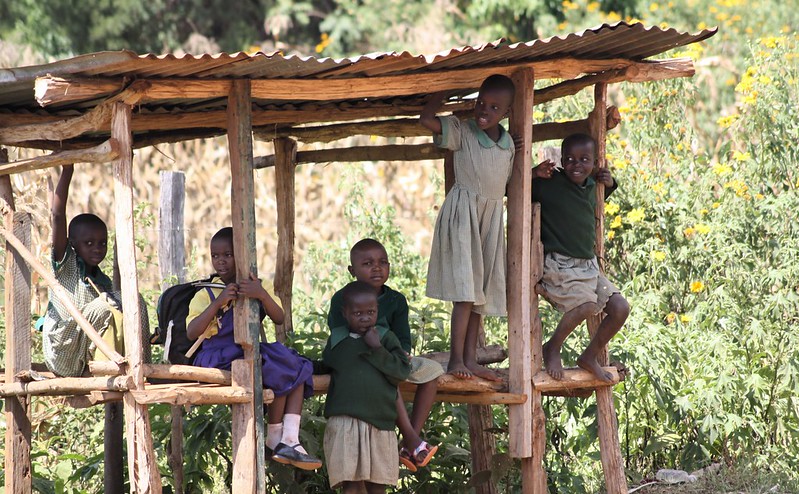
Teaching Children In Sub-Saharan AfricaAs a result of the coronavirus pandemic, schools around the world have been forced to find innovative and sometimes unusual alternatives to traditional forms of teaching. Several countries in sub-Saharan Africa, such as Tanzania and Kenya, have decided to close schools until January 2021. As a result, the nations’ education departments are collaborating to create educational television programs as a solution for teaching children in sub-Saharan Africa during COVID-19.
Teaching Children in Sub-Saharan Africa During COVID-19

Bringing access to education to every child is a task that many African nations are working on, but have not yet achieved. Recent statistics from the United Nations Educational, Scientific and Cultural Organization (UNESCO) show that one-third of the children in sub-Saharan Africa are not in school. This issue is also a gendered one, with UNESCO reporting that only 8% of girls finish secondary school.

The COVID-19 pandemic has made it all the more difficult for children in this region to access educational resources. UNESCO monitoring shows that COVID-19 has affected 1.2 billion children’s education around the world. In addition, many organizations believe that developing nations will continue to struggle to fund education in the upcoming years due to the urgent redirecting of funds in response to coronavirus.

Governments in sub-Saharan Africa are not left with many choices but to shut down schools to best protect the health of civilians. Online schooling is not an option for many children in this region. UNICEF reports that at least one in two children in sub-Saharan Africa do not have access to the internet, with many more lacking stable and uninterrupted connections. In turn, governments have turned to television programs during COVID-19 as a creative alternative that may be more accessible than online programs.

Ubongo

Ubongo, which means ‘brain’ in Swahili, is one of Africa’s most popular producers of children’s entertainment. Founded in 2013, its programs now reach more than 17 million homes across Africa. The organization produces free, entertaining educational content on television, radio and mobile phones to ensure the most access possible.

Ubongo has programs for different age groups, ranging from ages 3 to 14. One challenge that Ubongo faces is the difference in language across the continent. However, CEO and co-founder Nisha Ligon explains that the organization is actively working to adapt its content to the needs of children across Africa as its capacity grows.

For many children who are unable to attend school due to government regulations, Ubongo is the only way to continue learning. One Tanzanian mother told Reuters that Ubongo has helped her child “differentiate a lot of shapes and colors, both in English and Swahili.”

According to Ubongo’s head of communications, Iman Lipumba, the COVID-19 pandemic has given the organization the opportunity and responsibility to expand its operations. Between March and August 2020, Ubongo expanded from nine countries to 20.

Teaching children in sub-Saharan Africa via educational television programs during COVID-19 has given many children the opportunity to broaden their knowledge, but TV programs are certainly not a permanent nor comparable replacement to in-class learning. However, in the near future, during which COVID-19 will surely continue to affect access to education, Ubongo plans to develop more content about health and the prevention of COVID-19.

– Leina Gabra
Photo: Flickr

December 10, 2020
https://borgenproject.org/wp-content/uploads/borgen-project-logo.svg 0 0 Kim Thelwell https://borgenproject.org/wp-content/uploads/borgen-project-logo.svg Kim Thelwell2020-12-10 07:57:452024-05-30 07:55:37Teaching Children in Sub-Saharan Africa Via TV Amid COVID-19
Developing Countries, Global Poverty, Inequality

Infertility in Developing Countries: An Overlooked Health Concern

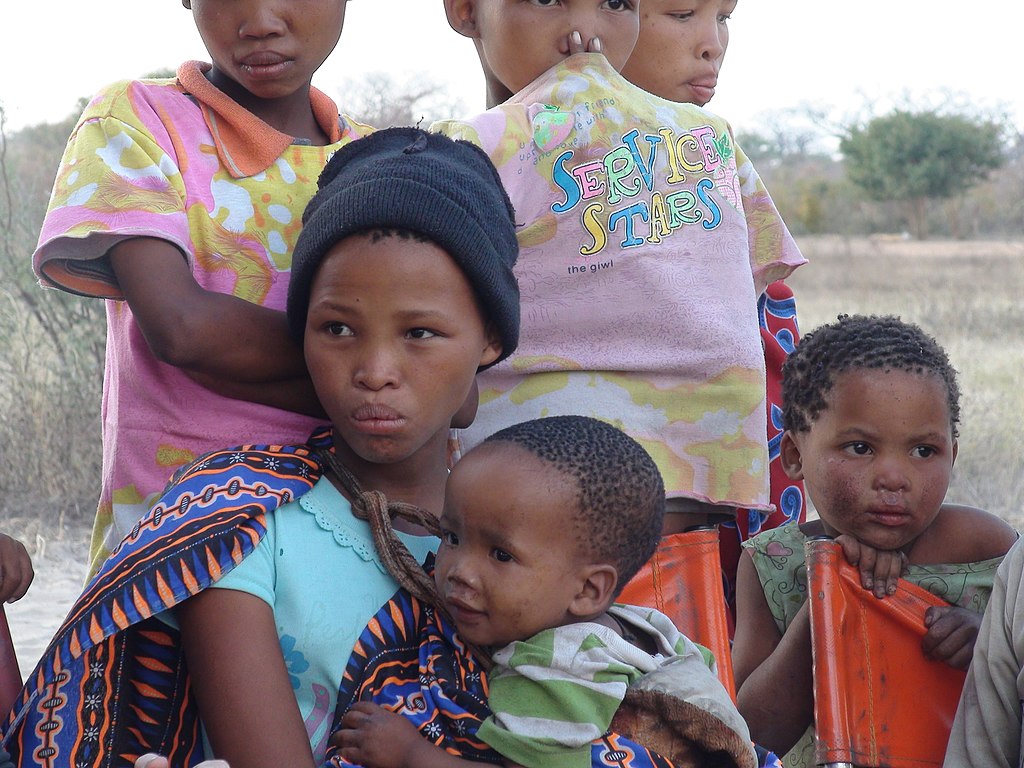
Infertility in Developing CountriesAn estimated 49 million to 180 million couples  suffer from infertility, globally. Moreover, the majority of those affected live in developing countries. The most common cause of infertility in developing countries are STDs and pregnancy-related infections. With the focus of most poverty reduction efforts aimed at lowering overpopulation the health concern of infertility is often overlooked. Women who suffer from infertility in developing countries often face ostracization and struggle to get the healthcare they need. Thankfully, there has been an emergence of programs to help these women.
Causes of Infertility in Developing Countries

The most common cause of infertility in developing countries is untreated STDs since treatment is often unavailable or costly. In Africa, more than 85% of women’s infertility resulted from an untreated infection compared with 33% of women, worldwide. The most common STDs involved are chlamydia and gonorrhea. Other risk factors increasing the chance of infertility are poor education, poverty, negative cultural attitudes towards women. Finally, a lack of access to contraception is a huge risk factor.

The Sexist Effects of Infertility

The burden of infertility in developing countries falls on women although male infertility is the cause in 50% of cases. When a woman is unable to conceive, her husband will often divorce her or take another wife if permitted in the country. Women who are deemed infertile also suffer discrimination from the community.  In some cultures, society views these women as having a “bad eye”, which can pass on infertility from person to person. This results in infertile women missing important events such as weddings and other social gatherings since they receive no invitations.

Combating Infertility in Developing Countries

A campaign initiated by the Merck Foundation, “Merck More than a Mother,” seeks to heighten access to education and change the stigma for infertile women in developing countries. The program has provided training for fertility specialists and endocrinologists with more than 109 specialists trained since 2016.

Also, the foundation has created music videos, songs and fashion shows in African countries to send the message that women should not be blamed if they cannot have a child. More than 14 songs have featured singers from Gambia, Ghana, Kenya, Rwanda and Sierra Leone.

Women Deliver

In 2016, women’s infertility was a topic of discussion at Women Deliver — the world’s largest women’s health and rights conference held in Copenhagen. There were more than 5,500 conference participants, including government ministers, policymakers, business leaders, NGOs and activists. The WHO brought the topic to the conference, with the Director of Reproductive Health and Research giving a speech about the detrimental effects of infertility.

The WHO and Women Deliver, along with the International Committee Monitoring Assisted Reproductive Technologies and the International Federation of Gynecology and Obstetrics have partnered to increase global advocacy for infertility in developing countries. The partnership aims to achieve this through advancing education and research in the field.

Hopefully, with these increased advocacy efforts, the world will start to recognize the health concern of infertility in developing countries.

– Rae Brozovich
Photo: Wikimedia Commons

October 27, 2020
https://borgenproject.org/wp-content/uploads/borgen-project-logo.svg 0 0 Kim Thelwell https://borgenproject.org/wp-content/uploads/borgen-project-logo.svg Kim Thelwell2020-10-27 07:30:232024-05-30 07:52:51Infertility in Developing Countries: An Overlooked Health Concern
Child Marriage, Global Poverty, Inequality, Women, Women and Female Empowerment

Women’s Rights in Indonesia

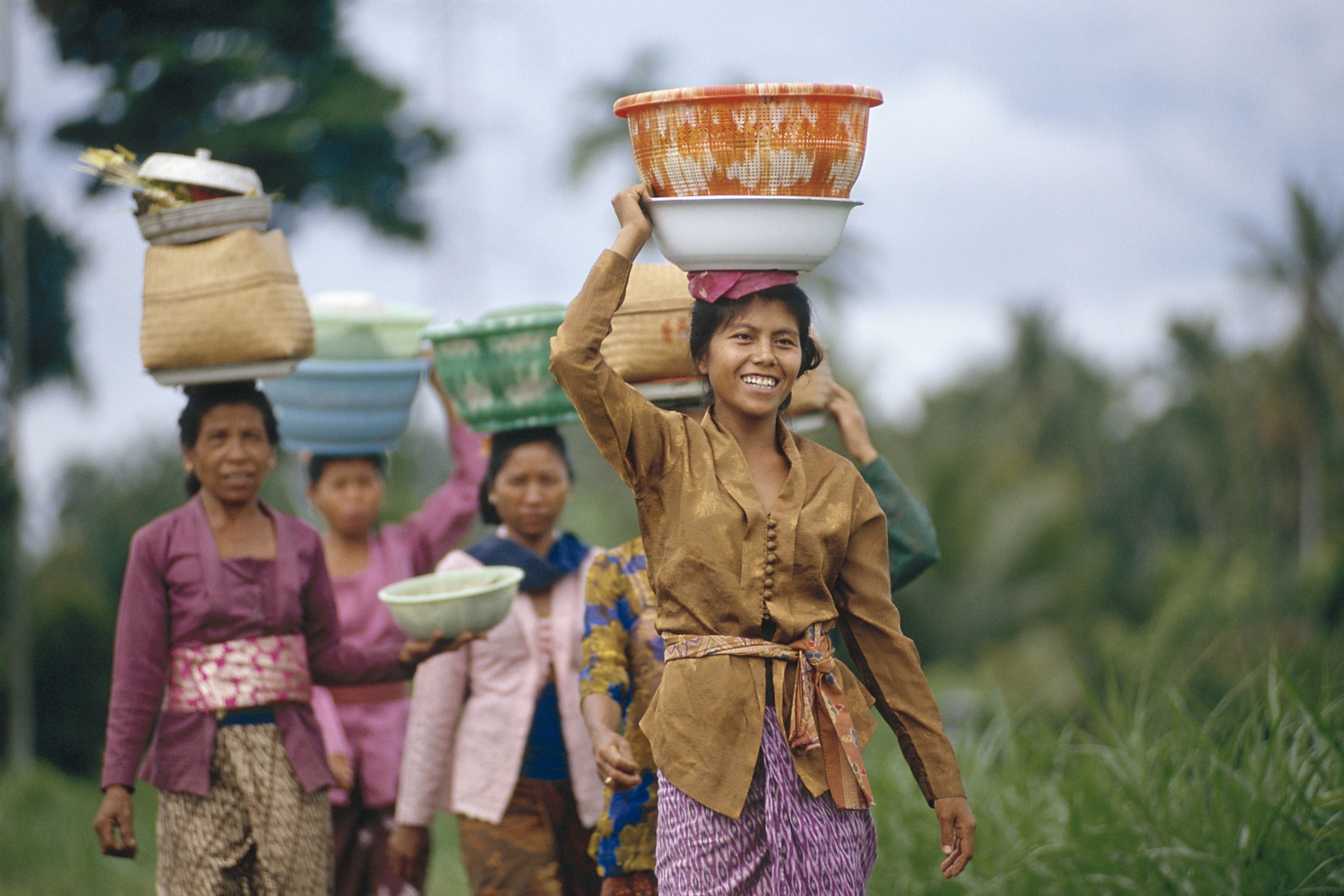
Women's Rights in IndonesiaWomen in Indonesia are working hard and fighting for their rights. Recently, Indonesia ranked second in the most dangerous countries for women in the Asia-Pacific. Violence against women can happen anywhere from the slums to the richest neighborhoods. However, this has not stopped the women of Indonesia, as they continue to march — closing the inequality gap. Importantly, women’s rights in Indonesia have fierce advocates.
Child Marriage

Concerning Indonesian girls, 14% marry before their 18th birthday. This is in part, due to their society’s view of women and discriminating legislation. The Marriage Law, established in 1974, states that parents can marry their daughter off as young as 16 years old. In April of 2018, Indonesia’s president, Joko Widodo, came forth and said that he was drafting a presidential decree that would ban child marriage. However, there has been no timeline set for the decree to be passed. Child marriage indirectly takes away a girl’s future and exposes them to a greater chance of being a victim of sexual violence. This can be directly related to the percentage of women in the workforce (51%) and the percentage of women experiencing sexual violence in their lifetime (33%).

UN Women

U.N. Women give girls and women in Indonesia the voice they deserve. This organization advocates for an end to the violence wrought against women while actively pursuing partners to respond to it. U.N. Women do so much for the women of Indonesia, from giving them access to entrepreneurship classes to directly fighting the government. This, in an attempt to hold authorities accountable for women’s rights in Indonesia. In the mix of their many programs, there is WeLearn and WeEmpower Asia, which both give women resources to integrate into the workforce. WeLearn’s goal is to improve equal learning opportunities and empower women to start their businesses. Where WeLearn encourages women into the workplace, WeEmpower Asia aims to achieve a business environment that empowers women and urges companies to adopt the Women’s Empowerment Principles.

Women Making Progress

Women’s rights in Indonesia have come a long way. Women in Indonesia now march freely in their opposition to the rights they have (or lack, rather). As backstory, the reason that this big (yet slowly closing gender gap) exists is because of the country’s second dictator, Suharto. He ruled for 32 years and widened the gap exorbitantly. However, most notably, he put the mindset in place that women and men garner different treatments. Now, the gap is closing and for the better. In political parties, 30% of the cabinet must be comprised of women. Further, as mentioned above, President Joko Widodo has the highest number of women in his cabinet in the country’s history. Now, those women in the cabinet are pushing for bills like the Sexual Violence Bill, to be passed.

Thanks to Suharto, the women in Indonesia have a lot of work to do. Fighting for women’s rights is not an easy battle. As for the support of men, Gitika Bhardwaj says that “I do think there are a large number of men who are supporting gender equality in the country but unfortunately there have not been enough high-level public awareness campaigns.” In the next few years, these women leaders hope to see the inequality gap as not a tangible thing, but a thing of the past.

– Bailey Sparks
Photo: Flickr

October 17, 2020
https://borgenproject.org/wp-content/uploads/borgen-project-logo.svg 0 0 Kim Thelwell https://borgenproject.org/wp-content/uploads/borgen-project-logo.svg Kim Thelwell2020-10-17 05:52:462020-10-17 05:52:46Women’s Rights in Indonesia
Activism, Global Poverty, Inequality

How Young Creatives Are Revolutionizing Activism

Young creatives
Without a doubt, the surge of the internet has created many waves in the way that people live their everyday lives. From ride-sharing apps to Instagram stories to trendy Tiktok dances, it seems like social media has overwhelmed every aspect of modern life, working particularly hard to keep people connected through an unprecedented time of social distancing. However, it is not just the mundane that has changed with the dawn of the online age; young creatives have used the internet to completely reimagine modern activism.

The Age of Digital Activism

Digital activism, defined as the use of digital tools (i.e. the internet, mobile phones, social media, etc.) for bringing about social and/or political change, is hardly a new phenomenon. As of 2018, the Pew Research Center found that around half of all Americans had engaged in some form of political or social activism via social media over the past year. They also found the majority of Americans believed that social media was a good tool for bringing important global issues to the attention of lawmakers. It is more than likely that these statistics have grown over the past several years, particularly in the culmination of movements such as the March for our Lives, #MeToo and Black Lives Matter. It does not take very long to come up with countless examples of online activism.

More recently, however, a new trend has grown popular among young creatives on Instagram: zines. Zines are self-published, non-commercial print works that are typically produced and distributed in small batches by artists looking to share their work. While they have been a part of youth pop culture for many years now, a group of young women have taken it into their own hands to shift that paradigm.

The Birth of More Color Media

In early June of 2020, Aissata Sall, a recent high school graduate, single-handedly launched her independent publication, More Color Media. From the very beginning, Sall wanted this project to be different from what had been done already; she wanted to tell the stories that were not already being told. Within just 10 short weeks, the small project gained nearly 5,000 followers across multiple platforms and exploded into a team of nearly 100 creatives, all using their talents from photography to poetry to bring global issues of poverty, education and inequality to light in a new, innovative way.

“We have team members from Estonia, France, North Africa — everywhere!” Sall said in an interview with The Borgen Project on August 14th of 2020. “It’s just been amazing to see how many people we’ve reached and how many people have reached out to us to tell us how happy they are with the space and the platform we’ve created. That’s the biggest accomplishment in our eyes.”

This new platform has created a unique way for young creatives to share information, with eye-catching graphics and stunning photography all utilized to draw attention to global issues from Venezuela to Lebanon to Serbia. Many of these posts include thorough factsheets and sources, allowing viewers to digest news from around the world and quickly find resources to help. By just sharing informational posts, fund pages and petitions to lawmakers regarding specific issues, More Color Media has reportedly reached over 30,000 individual audience members across all of their platforms.

“We want to provide more platforms for us to be able to support people in our communities and in the global community,” explained Diana Sinclair, the co-Editor-in-Chief of More Color Media. “We’ve already been using our platform to highlight individual funds to help reach people’s needs. We’ve also talked a lot about opening up other platforms like a podcast to help give a greater voice to the communities we want to support.”

A New Generation of Activists

While they continue to grow, More Color Media may very well represent the future of digital activism, serving to show that there is no limit on who can make a difference. According to RESET, an organization working to help advance the next generation into the digital age, one of the biggest benefits of digital activism is the ability to connect with a large community and globalize a campaign’s goals. More Color Media is doing just that. More Color Media’s first print issue is fast approaching, with a release date tentatively in late September, and both Sall and Sinclair are waiting eagerly with bated breath.

To learn more about More Color Media, visit their website, www.morecolormedia.com, or check them out on Instagram at @MoreColorMedia.

– Angie Bittar
Photo: Wikimedia Commons

September 27, 2020
https://borgenproject.org/wp-content/uploads/borgen-project-logo.svg 0 0 Kim Thelwell https://borgenproject.org/wp-content/uploads/borgen-project-logo.svg Kim Thelwell2020-09-27 13:24:122024-05-29 23:23:30How Young Creatives Are Revolutionizing Activism
Global Poverty, Inequality, Sustainable Development Goals

Updates on SDG 10 in China

SDG 10 in China
The United Nations Sustainable Development Goals (SDGs) are a set of 17 targets intended to combat poverty on a global level and create a more sustainable future. All United Nations Member States adopted them in 2015. Major challenges still remain to reach SDG 10 in China, which targets the reduction of inequalities across the world.

The Gini coefficient, which is an indicator used to measure wealth and income inequality within a nation, typically measures inequality levels. The United Nations has set the warning value of this indicator as any value over 40. China’s Gini index peaked in 2008 at 49, and has since experienced a slight decline to 46.8 in 2018, and then to 46.5 in 2019.

Causes of Inequality

One of the primary hindrances to progress in SDG 10 in China is its rural-urban gap. There are major differences in lifestyle, education level, income and access to financial services between urban and rural areas in China, which exacerbates the increase in inequalities across the country.

High levels of inequality in China began to surge in the 1980s when the country experienced one of the most rapid periods of macroeconomic growth and urbanization. While poverty levels overall lowered substantially in China over this time period, and income levels increased among poorer groups, inequality increased drastically. This is largely due to the income of the most wealthy upper two deciles (most of whom live in urban areas) nearly doubling between 2002 and 2007. This, coupled with the creation of private property, all led to a severe widening of the wealth gap. Private ownership of property led to a growth of asset income in urban areas. In 2002, experts found that assets contributed to 8% to 10% of national income inequality in China, and in 2007, this figure grew from 13% to 19%.

China’s Urbanization Plan

Since 2008, there has been some slight advancement in SDG 10 in China but continued levels of rapidly increasing urbanization will cause China to largely depend on policy reform to continue to moderate and lower its high levels of inequality. These initiatives should include a focus on targeting the rural-urban gap.

As a way to target the rural-urban gap, which experts see as a main cause of inequality, China announced an urbanization plan in 2014, which targets moving about 100 million more current rural residents into cities by 2020. The urban population in China has since increased from a proportion of 54.77% of the population in 2014 to a proportion of 59.58% of the population in 2018. A criticism of this plan notes that as this does not address the underlying issues causing inequalities between rural and urban areas, it could simply lead to a shift to an urban-urban wealth gap.

The New Rural Cooperative Medical Scheme

China has also expanded the New Rural Cooperative Medical Scheme since 2005, which is a health insurance program that emerged in the late 1990s. It also created the New Rural Pension Scheme in about 2010. These two programs expanded the rural social protection system, which previously did not cover all people in rural areas. Access to health insurance for rural populations has indirect effects on rural incomes. The rapidly aging population of China has also been a contributor to inequality levels, which the pension program helps to address.

Other Initiatives

Several other policy initiatives that aid the progress of SDG 10 in China include personal tax income reform, labor market policies, pro-farmer policies, social security, regional development strategy and fiscal transfer policies, poverty alleviation policies and financial inclusion. The country also added an exemption from agricultural fees and taxes for rural households in 2006. These had historically been a financial burden for rural citizens. China has also established the Dibao program, which is a cash transfer program that guarantees a minimum income for low-income households. It started in urban areas in the mid-1990s and expanded to include rural areas after 1999. In 2016, more than 60 million people were beneficiaries of the Dibao program.

Further fiscal policy reforms are crucial to improve the status of SDG 10 in China. Without these, projected structural trends predict rising inequality levels. These policies will likely have to focus on tax reforms, an increase in public spending on education, health and social assistance and on targeting the provincial and regional inequalities that contribute to the rural-urban gap.

– Katherine Musgrave
Photo: Flickr

September 24, 2020
https://borgenproject.org/wp-content/uploads/borgen-project-logo.svg 0 0 Jennifer Philipp https://borgenproject.org/wp-content/uploads/borgen-project-logo.svg Jennifer Philipp2020-09-24 16:27:042024-05-30 07:52:41Updates on SDG 10 in China
Global Poverty, Inequality

How Hurricanes Amplify Poverty in the Bahamas

Hurricanes amplify poverty in the Bahamas
On September 1, 2019, a massive Category 5 hurricane hit the Bahamas, bringing mass destruction and devastation to the people living there. The storm, named Dorian, took the lives of 70 people and left thousands homeless. A storm of this magnitude impacts all people in its path, yet those hit hardest are the ones living in poverty. During the hurricane season between June and November, hurricanes amplify poverty in the Bahamas by increasing the unemployment rate and exacerbating socioeconomic inequalities. Hurricanes also leave many without access to food, water and shelter.

Unemployment Rates Rise

The Bahamas relies heavily on tourism from resorts, casinos and cruise lines to support its economy. Bahamians living in poverty-stricken conditions depend upon employment from these resorts to support their families. A large storm like Dorian often reduces these resorts and casinos to rubble, leaving thousands unemployed. It is in this way that hurricanes amplify poverty in the Bahamas.

Before the destruction that Hurricane Dorian caused, the unemployment rate stood at 10.9%; however, after the storm, the unemployment rate rose to a staggering 50%. With a fractured economy, an abundance of destroyed homes and limited food and water, survivors of the storm had to leave their homes and families had to seek employment elsewhere.

The Helplessness of Poverty-Stricken Neighborhoods

Of those missing and pronounced dead following Dorian, many were Bahamians living in poverty-stricken neighborhoods. The Mudd, a neighborhood well-known for its high levels of poverty, is just one of many that major hurricanes have leveled. Thousands of Haitian immigrants sought refuge in unstable wooden homes, which were no match for hurricane-force winds. The winds reached 185 mph winds, blowing neighborhoods like it to pieces.

In an interview conducted with Dorval Darlier, the chargé d’affaires of the Haitian Embassy in the Bahamas, Darlier described the aftermath of Hurricane Dorian in The Mudd. He stated that “It looked like a bomb just exploded. It is completely destroyed. Not even a piece of wood stands up in The Mudd. If someone was not evacuated, they have to be dead.” Approximately 3,500 Haitian immigrants live in The Mudd and other poverty-stricken neighborhoods.

The devastation that hurricanes leave increases public health risks, particularly for the poor. Bahamians living in poverty tend to take refuge in the most vulnerable areas. When a storm threatens the island, they are the least able to afford to evacuate. Additionally, they often have no choice but to stay in life-threatening conditions. Bahamian officials must visit these neighborhoods and urge residents to evacuate; however, many refuse to leave because they either have no place to go or are living in the Bahamas illegally.

Hurricanes Expose Inequality

In the past, hurricanes like Dorian have exposed the severity of inequality in the Bahamas. People living in poverty-stricken conditions, primarily Haitian immigrants, end up without homes. Bahamian Prime Minister Hubert Minnis vowed not to rebuild immigrant neighborhoods like The Mudd: he mandated that those without homes after a storm are to experience deportation.

Shella Monestime, a Haitian evacuee and resident of one of these neighborhoods, spoke out following the aftermath of Hurricane Dorian and the Prime Minister’s response. She stated, “We just lost everything. We have no clothes, no home, no money. We have to start all over again. People died, and all they are talking about is people getting deported.”

Relief workers in the country have emphasized the drastic nature of this social inequality. A lack of legal papers and uncertain statuses prevent immigrants from receiving assistance after a hurricane. Fear of arrest and deportation has forced the Haitian community into hiding. The Bahamian government has instructed relief workers not to provide assistance to Haitians without proper documentation.As a result, they often end up homeless and helpless after massive storms ravage the area.

Hurricane Aid Provides Hope

The American Red Cross is just one organization that helps rebuild and aid people who experienced an impact from hurricanes. In response to Hurricane Dorian, the American Red Cross provided food, shelter, clean water and emergency supplies to thousands of families that the storm displaced. As of June 30, 2020, the Red Cross had distributed more than $11 million in cash to more than 3,000 Bahamian families. This funding has helped families recover financially and overcome many challenges that Dorian brought on.

In partnerships with Mercy Corps, World Central Kitchen and CORE, the American Red Cross is able to continue providing thousands of gallons of clean drinking water, cash grants to business owners, fresh meals, rent payment assistance and physical aid in rebuilding homes. More than 50 disaster respondents have reached the Bahamas. Each of them has specializations in varying categories including IT/Telecommunications, relief distributions, cash-as-aid, information management, communications, shelter and finance.

The 2020 Atlantic hurricane season has already been extremely active with 11 storms as of August 6, 2020. Additionally, predictions have determined that there could be 10 more storms by the end of the year. Although hurricanes amplify poverty in the Bahamas, aid from organizations like the American Red Cross provides hope to those affected. Despite past destruction, the island continually recovers and proves its resilience as a country.

– Jacey Reece
Photo: Pixabay

September 23, 2020
https://borgenproject.org/wp-content/uploads/borgen-project-logo.svg 0 0 Kim Thelwell https://borgenproject.org/wp-content/uploads/borgen-project-logo.svg Kim Thelwell2020-09-23 15:40:172022-02-11 13:27:19How Hurricanes Amplify Poverty in the Bahamas
Page 7 of 17«‹56789›»

Get Smarter

  • Global Poverty 101
  • Global Poverty… The Good News
  • Global Poverty & U.S. Jobs
  • Global Poverty and National Security
  • Innovative Solutions to Poverty
  • Global Poverty & Aid FAQ’s
Search Search

Take Action

  • Call Congress
  • Email Congress
  • Donate
  • 30 Ways to Help
  • Volunteer Ops
  • Internships
  • Courses & Certificates
  • The Podcast
Borgen Project

“The Borgen Project is an incredible nonprofit organization that is addressing poverty and hunger and working towards ending them.”

-The Huffington Post

Inside The Borgen Project

  • Contact
  • About
  • Financials
  • President
  • Board of Directors
  • Board of Advisors

International Links

  • UK Email Parliament
  • UK Donate
  • Canada Email Parliament

Get Smarter

  • Global Poverty 101
  • Global Poverty… The Good News
  • Global Poverty & U.S. Jobs
  • Global Poverty and National Security
  • Innovative Solutions to Poverty
  • Global Poverty & Aid FAQ’s

Ways to Help

  • Call Congress
  • Email Congress
  • Donate
  • 30 Ways to Help
  • Volunteer Ops
  • Internships
  • Courses & Certificates
  • The Podcast
Scroll to top Scroll to top Scroll to top