• Link to X
  • Link to Facebook
  • Link to Instagram
  • Link to TikTok
  • Link to Youtube
  • About
    • About Us
      • President
      • Board of Directors
      • Board of Advisors
      • Financials
      • Our Methodology
      • Success Tracker
      • Contact
  • Act Now
    • 30 Ways to Help
      • Email Congress
      • Call Congress
      • Volunteer
      • Courses & Certificates
      • Be a Donor
    • Internships
      • In-Office Internships
      • Remote Internships
    • Legislation
      • Politics 101
  • The Blog
  • The Podcast
  • Magazine
  • Donate
  • Click to open the search input field Click to open the search input field Search
  • Menu Menu

Archive for category: Global Poverty

Key articles and information on global poverty.

Global Poverty, Health, Technology

Revolutionizing Health Sector Communication with mHero

health sector communication
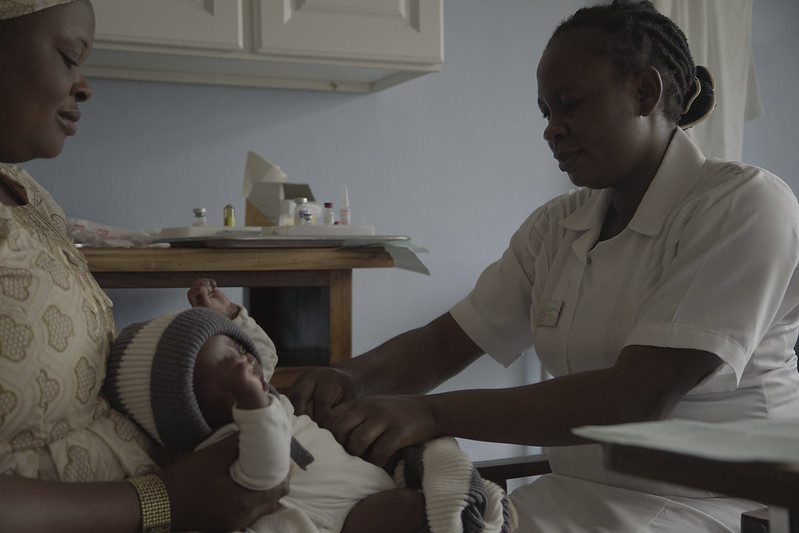
Communication is key when it comes to developing a well-performing healthcare system. Ineffective communication within healthcare systems “increases the likelihood of negative patient outcomes,” overall costs for healthcare systems, and “patient utilization of inpatient and emergency care.” Meanwhile, sound health sector communication ensures the maintenance of overall health and helps prevent diseases and premature death. Thus, it is important to ensure that healthcare systems across the globe are well equipped and supported. Recent developments in mobile technologies have made it easier to do so and transformed health-sector communication in several countries.

mHERO

A recently developed mobile application, called mHERO, has become one of the latest mobile applications to demonstrate the powerful and wide-reaching role that technology plays in health-sector communication. Created in 2014 by IntraHelath International and UNICEF, mHERO is a mobile-based application used by healthcare workers and ministries of health in order to communicate and coordinate effectively and efficiently. The application was developed during the 2014 Liberian Ebola outbreak after recognizing the need for a way to communicate urgent messages to frontline healthcare workers, to collect data concerning outbreaks development, and to provide support and training.

Messages sent through the application are transmitted through basic text or SMS. The app is compatible with most cellular devices. By merging existing health information systems, such as Integrated Human Resources Information System (iHRIS) and Fast Healthcare Interoperability Resources (FHIR), with popular communication platforms, such as RapidPro, Facebook Messenger and WhatsApp, mHERO acts as a cost-efficient, accessible and sustainable resource for many healthcare systems.

Implementation in Liberia 2014

The 2014 West African Ebola outbreak overwhelmed the Liberian healthcare sector. The absence of effective communication channels blocked the supply of vital information from health officials to health workers. UNICEF and IntraHealth International created mHERO to address the communication challenge. The application was initially designed to suit the needs of the Liberian healthcare system, utilizing the technology that was already available in the country. It then became the responsibility of the ministry of health to effectively manage and maintain the application’s implementation and its continued use.

Liberia utilized mHERO to validate healthcare facility data, to update health workers and to track which facilities need additional resources. Today, health officials use mHero to coordinate the country’s response to COVID-19. mHERO has become an integral part of the Liberian healthcare system, maintaining a vital role in health-sector communication.

Development and Reach

Guinea, Mali and Sierra Leone followed Liberia’s lead with the mHero integration process. The implementation guidelines and intent of use in these countries have generally remained the same as Liberia’s. Mali, however, has implemented the application with a need to train and develop the skills of healthcare workers.

Uganda, as of 2020, has also incorporated mHERO into its healthcare system with the intent of reducing the spread of COVID-19. The application has allowed for easier COVID-19-related communication between ministries of health, health officials and healthcare workers.

Uganda employes a developed form of the application with an extension called FamilyConnect. The extension sends “targeted lifecycle messages via SMS to pregnant mothers, new mothers, heads of household and caregivers about what they need to do to keep babies and mothers safe in the critical first 1,000 days of life” as long as they have been registered with the Ministry of Health’s Reproductive, Maternal, Newborn, Child and Adolescent Health (RMNCAH). Mothers can register themselves or can choose to have registration done by a community health worker.

Future Plans

UNICEF and IntraHealth International want to expand access to mHERO. Counties in East and West Africa have indicated an interest in implementing the application. UNICEF and IntraHealth International intend to continue to support the ministries of health and healthcare systems in which mHERO has already been implemented. They also hope to find new ways to encourage ministries of health “to understand the interoperability of the technology, the processes for implementation and best practices to using mHero data.”

Overall, mHERO has substantially improved health-sector communication within several countries, proving the application’s potential for revolutionizing health-sector communication throughout the world. Developments can be made to expand the application’s capabilities and reach, as proven in Uganda. The application is a sustainable and cost-efficient resource for healthcare systems and helps reduce the chances of premature death along with the spread of diseases and misinformation. It provides crucial support to healthcare workers, especially during times of epidemics, increasing the overall quality of healthcare and life.

– Stacy Moses
Photo: Flickr

September 11, 2020
https://borgenproject.org/wp-content/uploads/borgen-project-logo.svg 0 0 Kim Thelwell https://borgenproject.org/wp-content/uploads/borgen-project-logo.svg Kim Thelwell2020-09-11 10:40:372024-06-07 05:08:06Revolutionizing Health Sector Communication with mHero
Global Poverty, Politics

Tunisian Poverty after the Arab Spring

tunisian povertyTunisia stands as the only Arabian country to have undergone democratization as a result of the Arab Spring protests that shook the region in the 2010s. Fueled by widespread Tunisian poverty and a low standard of living, alongside many other factors, the nearly month-long campaign of civil disobedience led to the ousting of President Zine El Abidine Ben Ali. However, the installation of a functioning democracy has yet to alleviate all of the issues that Tunisians faced pre-revolution.

The Jasmine Revolution

In December of 2010, Mohammed Bouazizi, a Sidi Bouzid fruit vendor whose goods had recently been confiscated by local authorities, self-immolated outside of the local governor’s office. His sentiments were echoed amongst many citizens frustrated with Tunisian poverty, corruption and suppression of freedoms. Leading up to the revolution, an increasing number of middle-class citizens expressed dissatisfaction with their standards of living. Despite an approximate 7% increase in GDP per capita from 2008 to 2010, the percentage of the country’s middle class that rated themselves satisfied with their current and future prospects dropped from 24% to 14%. Due to other factors such as government corruption, something that is not accurately reflected by metrics like GDP, Tunisians felt as if they had little to gain from their country’s economic growth. As a result of these factors, many Tunisians took to the streets soon after Bouazizi’s act of defiance.

As riots escalated, with protestors dying under live fire from police, President Ben Ali appeared on national television and made some concessions, including a reduction in food prices and in restrictions on internet usage. However, these remarks proved too little, and the protests continued. By Jan. 14 2011, state media reported the dissolution of the Ben Ali regime and the establishment of legislative elections. As unrest continued, Ben Ali fled the country. While new leadership took charge of the newly reformed government, protests continued, as much of this new leadership consisted of members of Ben Ali’s Democratic Constitutional Rally. Eventually, Mohammed Ghannouchi, the acting prime minister, announced the posting of several figures from other parties in the interim government. He also reemphasized the new government’s pledged efforts to maintain economic prosperity and freer speech. Eventually, the Democratic Constitutional Rally was dissolved in the face of continued protests over the inclusion of politicians from the old regime. These reforms within the Tunisian government stand as one of the major catalysts for the Arab Spring protests, a series of demonstrations across the Arab world that demanded alterations to many standing regimes.

Fundamental Changes in Tunisian Poverty?

While the Tunisian government changed drastically in the face of this civil uprising, Tunisian citizens still face some of the issues that plagued them before. Socially, there has been continued strife between Islamism and secularism in the country, with violence spreading throughout the country in 2012 over the interaction of religion and government. While secular parties have slightly outpaced Islamist parties, there have been problems with fundamentalist violence both domestically and abroad. Tunisians have joined terrorist organizations such as ISIS in Syria, Iraq and Lybia, making up large percentages of their foreign recruits. Additionally, terrorist groups have staged attacks on Tunisian soil, attacking institutions such as museums and resorts.

Economic troubles have also challenged Tunisians. Since 2011, nearly 100,000 highly skilled workers and professionals have left the country. Despite the changes in government, unemployment still stands as a grave issue. Nearly 23% of university graduates were unemployed right before the onset of the revolution. This number has since risen to 29%. Government corruption and protracted bureaucracy have done less than initially desired in helping the Tunisian middle and lower classes. Unfortunately, some Tunisians have started to doubt the effectiveness of the new government, with only 46% saying that “democracy is preferable to any other kind of government” in 2018, dropping from 71% in 2013. However, there has been some support from the international community in alleviating these economic issues.

The International Labour Organization

A wing of the United Nations, the International Labour Organization, has devoted resources toward alleviating Tunisian poverty and some other societal issues currently facing Tunisians. Some initiatives include construction projects, such as a covered market in Sidi Bouzid. This provides vendors with more favorable conditions to sell their goods while providing construction workers with employment. In Regueb, a village near Sidi Bouzid, the organization has implemented the Programme to Support the Development of Underprivileged Areas, providing around 100 individuals with agricultural skills. Mahmoud Ben Romdhane, the Tunisian Minister of Social Affairs, has endorsed the collaboration of local organizations and the International Labour Organization in improving the conditions of Tunisian citizens.

Tunisians face many challenges in the near future in alleviating the societal and economic issues that stand before the country. However, the success of Tunisians in standing for a reformed government has inspired generations across the world. With support from the international community and dedication within the country, a bright future may lie ahead in regard to Tunisian poverty and political stability.

– Samuel Levine
Photo: Flickr

September 11, 2020
https://borgenproject.org/wp-content/uploads/borgen-project-logo.svg 0 0 Kim Thelwell https://borgenproject.org/wp-content/uploads/borgen-project-logo.svg Kim Thelwell2020-09-11 10:32:012020-09-11 10:32:00Tunisian Poverty after the Arab Spring
Foreign Aid, Global Poverty, Humanitarian Aid

5 Types of Foreign Aid

types of foreign aid
U.S. foreign assistance is defined as “aid given by the United States to other countries to support global peace, security, and development efforts, and provide humanitarian relief during times of crisis.” In 2019, the United States disbursed a total of $29 billion in foreign aid across all sectors to over 200 countries or geographical areas, amounting to 1% of its total budget. Within each category are many specific sectors, such as agriculture and food security, environment and climate change, gender equality, education, global health and many others. These sectors may overlap, and improvements in one area often lead to improvements in other areas as well, as many of these issues interconnect. Below are five types of foreign aid.

5 Types of Foreign Aid

  1. Military Aid: Military aid is any type of aid given to strengthen security measures within a country. An estimated 33% of total U.S. foreign aid is dedicated to the military sector. In 2018, $33.1 billion went toward military aid. The country that receives the largest amount of military aid from the U.S. is Afghanistan, which received about $5 billion in military aid alone. The country also received $953 million for developmental and other purposes, according to USAID. Contributing to the financial security of other countries may reduce conflict between nations and improve global security as a result. Military aid allows for nations to build relationships with allies, improve democracy, establish foreign military bases or potentially support counterterrorism efforts in other countries.
  2. Economic Aid: Economic aid is a general category that describes transfers that support the economies of recipient countries. The donor can either be an independent country or a large international organization. Aid of this type can be in the form of loans, grants or credits. The most common type of economic aid is Official Development Assistance (ODA), in which money goes toward the development of the recipient’s economy. The U.S. dedicated 0.16% of its total Gross National Income (GNI) to ODA in 2018, according to the OECD.
  3. Humanitarian Aid: The primary purpose of humanitarian aid is to improve the social wellbeing and the living situations for people in the recipient country. This can take place in response to a natural disaster, in which emergency supplies like first aid, water, food and clothing go to a country in need. Organizations may also send services such as healthcare volunteers to help with recovery efforts. In 2018, the U.S. disbursed $6.9 billion in emergency response assistance to foreign countries. For example, the U.S. dedicated about $700 million to Syria during the COVID-19 pandemic, to assist with emergency food, water, sanitation and medical care for vulnerable populations.
  4. Bilateral Aid: The most simple definition of bilateral aid is when a single country gives aid to another. This is a common occurrence within many countries, in which a developed country may transfer resources to a developing country. The donor country may introduce restrictions in terms of how the other country uses this assistance, such as by designating it to a specific sector. A donor country may offer funding through an international organization, but as long as “decisions regarding fund disposal are on balance taken at the donor’s discretion,” then it is still considered to be bilateral.
  5. Multilateral Aid: International organizations disperse multilateral aid, rather than a single country. These organizations, such as the World Bank, the United Nations and around 200 other groups, receive their funding from multiple nations and governments. They disburse that money to countries so they can use it for improvements in a variety of sectors.

Other types of foreign aid include “multi-bi” or “non-core” aid, which donor countries give to international organizations to disperse for a specific reason or to a specific area. Despite having separate categories and sectors, different types of foreign aid can influence one another, and no one type is most important.

– Sydney Bazilian
Photo: Flickr

September 11, 2020
https://borgenproject.org/wp-content/uploads/borgen-project-logo.svg 0 0 Kim Thelwell https://borgenproject.org/wp-content/uploads/borgen-project-logo.svg Kim Thelwell2020-09-11 10:16:462024-06-06 00:43:145 Types of Foreign Aid
Global Poverty

3 NGOs Educating Children in India

Educating children in India
The new coronavirus pandemic has imposed previously unforeseen obstacles on education systems across the globe. This especially applies to those in low-income areas or rural communities. The responsibility to provide a sufficient alternative for the in-classroom education model has been placed on virtual resources. This is because online lessons keep children safe from exposure while learning. However, digital access may not be either adequate or equal in certain countries. The digital divide separates many people from the Internet. However, NGOs in India are working to provide children in India with the necessary tools to participate in virtual classes. Three NGOs in particular are taking care of vulnerable children who are unable to meet educational needs in India. Here are three NGOs educating children in India.

3 NGOs in India Facilitating Virtual Education

  1. The Miracle Foundation is a nonprofit organization with a focus on vulnerable children in orphanages. Furthermore, the foundation has a focus on vulnerable children in other institutions as well. Alongside the Child Care Institute (CCI), the Miracle Foundation is setting out to cover children’s COVID-era education, in vulnerable areas. Some activities facilitated by the duo include providing students with full use of CCI libraries. It also supplies teachers for remote lessons via video conference applications and hosts virtual Life Skills Education classes, among other things. CCI and the Miracle Foundation are operating successfully throughout seven states in India and they have shown no signs of slowing down.
  2. E-Vidyaloka, based in Bangalore, is an NGO that focuses on imparting education to students of rural, government schools in India. It does this through crowdsourcing volunteer teachers and connecting them to the rural government schools, using the power of information technology. The group creates digital classrooms for children in remote Indian villages. Consequently, this makes education more accessible to students during the current pandemic. The goal is to create a virtual learning environment that provides high-quality, e-learning for children in India. E-Vidyaloka has done just that by using technology for educating children in India.
  3. Magic Bus is one of the most prevalent poverty alleviation NGOs in India. The group helps more than 375,000 children in India, spanning across 22 states and 80 districts. Magic Bus supplies disadvantaged children in India from ages 12 to 18, with the necessary skills to overcome poverty into adulthood. In partnership with Classplus, Magic Bus provides an online, education platform to young students in India. The platform is called the Magic Bus Livelihood Programme. Classplus has enabled Magic Bus to engage in a virtual classroom setting while quarantined. According to the EdTechReview, Magic Bus’ expert staff is utilizing the platform to share assignments and broadcast messages. It is also utilizing it to deliver learning content and evaluate students’ performances, online. The application’s reach is incredible. The platform is projected to impact more than 2,000 children across 22 states in some of India’s most remote areas. These areas include Kurnool in Hyderabad, Ambadi and Shahpur in Mumbai and Thane.

An Educated Outlook

Overall, the upcoming school year will be an unprecedented event for students everywhere. It is far from likely that any parent could have prepared their child for education in this environment. Online education may soon become the new norm. Groups like the aforementioned NGOs are working to provide equal opportunities for children in vulnerable areas. With the beginning of the school year fast-approaching, educating children in India is under the care of notable organizations like the Miracle Foundation, E-Vidyaloka and Magic Bus. Students will now be enabled to study virtually, alongside other learners in any country.

– Maxwell Karibian
Photo: Pixabay

September 11, 2020
https://borgenproject.org/wp-content/uploads/borgen-project-logo.svg 0 0 Kim Thelwell https://borgenproject.org/wp-content/uploads/borgen-project-logo.svg Kim Thelwell2020-09-11 10:12:242020-09-11 11:21:583 NGOs Educating Children in India
Global Poverty

Combating the Electricity Shortage in Iraq

Electricity in Iraq
The electricity shortage in Iraq is a major problem for ordinary citizens. Since the fall of the Saddam regime, the government has been unable to keep up with demands for electricity, a particularly painful issue during the summer’s crushing heat. The failure began when agencies of coalition forces took control of Iraq after the disposition of Saddam. A 2011 report by the United Nations indicated that the daily demand for electricity in Iraq was 6,400 MVV, while the supply of output was 4,470, creating a supply gap. “Moreover, during the summer, it was reported that demand would frequently go up in the range of 6,600 to 7,500 MVV. As a result, up to 40% of electricity demand was not being met during these critical times when people were suffering.

Understanding the Electricity Shortage

The electricity shortage in Iraq exists for many reasons. The first comes from the damages inflicted on the country over the course of various wars and invasions. A 2007 Government Accountability Office report indicated that due to the damage of the Gulf War, the production of electricity in Iraq dropped from 5,100 megawatts to 2,300 megawatts. After 2003, Iraq’s energy and electric infrastructure underwent a series of attacks from non-state actors such as Al-Qaida in Iraq (known today as the Islamic State).

Another challenge to accessing electricity in Iraq is corruption and illegal activity. Approximately half of Iraq’s national budget went into paying the salaries of civil servants. The IMF estimated that Iraq would need $88 billion for reconstruction and infrastructure alone; nearly $50 billion is going to the salaries of government employees. Electricity in Iraq is often dependent on oil revenues. U.S. State Department reports indicated that up to 30% of Iraq’s refined fuels go into the black market. There is also widespread mismanagement and mishandling of the infrastructure that provides electricity. The country loses between 30-50% of electricity in Iraq due to inadequate systems of energy. For example, some of Iraq’s electricity is sourced from power plants that date back to the 1980s and are unable to meet the massive energy demands that people expect them to.

Effects on the Ground

How does this affect the working class of Iraq? Not everyone can afford a private generator—a now booming business in Iraq that closes the gap between public demands and government deliverables. Buying those private electricity services is simply not an option for many of Iraq’s poor, which makes life extremely intolerable for these families. Some have reported that they cannot use a fridge, wash clothes or even store food without it going bad overnight. These conditions of corruption, political gridlock and poor living conditions are the cause of massive protests in southern Iraq, one of the country’s poorest regions. The heat only fuels the anger of the protestors.

Finding Solutions

While the situation might seem hopeless, there are those working on solutions to the problem. In 2019, the government announced plans to privatize electricity, which could combat the issue by reducing the deficit and stimulating economic growth. Others suggest that addressing problems directly might alleviate conditions. They suggest tackling the country’s corruption and reliance on unreliable infrastructure. Oil energy production is also a solution that can bankroll the electricity demands.

The most important thing is to ensure the efficient use of these resources and to prevent their trade on the black market. Some of the country’s neighbors are also helping provide electricity. The countries of the Gulf Cooperation Council (including Bahrain, Qatar, UAE, Saudi Arabia and Kuwait) are moving forward on a deal to provide electricity to Iraq and distance it from the Iranian supply. Regardless of political implications, the effort is still helping Iraq manage its electricity shortage.

– Mustafa Ali
Photo: Flickr

September 11, 2020
https://borgenproject.org/wp-content/uploads/borgen-project-logo.svg 0 0 Kim Thelwell https://borgenproject.org/wp-content/uploads/borgen-project-logo.svg Kim Thelwell2020-09-11 10:00:362024-12-13 18:02:11Combating the Electricity Shortage in Iraq
Global Poverty

5 Ways that Load Shedding Impacts Health in South Africa

health in south africaSince 2007, Eskom, the primary electrical provider in South Africa, has implemented a power-sharing technique across the country. This technique, referred to as load shedding, works to distribute power across the country by staging scheduled power outages in some municipalities for multiple hours a day. The power outages switch across different municipalities on a schedule to compensate for Eskom’s inability to provide sufficient power to the entire country at once without the collapse of the national grid. It is not known specifically why Eskom is unable to provide total power to the country, but the most commonly understood reasons for why load shedding was introduced involve the company’s failure to maintain power stations, update electrical infrastructure and uphold quality administration. Health in South Africa is adversely affected by these load shed power outages, particularly for those living in poverty.

There is considerable controversy surrounding the effects of load shedding, particularly on the topic of health in South Africa. Healthcare in South Africa is under-funded by the government, which is reflected in the inequality of access to care for those without jobs. This lack of healthcare support is especially detrimental due to the quadruple burden of disease in the country, referring to maternal and child health, HIV/AIDS and tuberculosis, non-communicable diseases and injury in South Africa. Together with the daily fundamentals of preventative and reactionary health procedures, each burden of disease is independently impacted by power outages in the country. Here are five ways that health in South Africa is impacted by the country’s load shedding system.

5 Ways that Load Shedding Impacts Health in South Africa

  1. Refrigeration: High rates of HIV and tuberculosis in South Africa call for the refrigeration of medications, which is impacted when load shedding occurs across the country. South Africa’s incidences of both HIV/AIDS and tuberculosis are among the highest in the world, with over 20% of the adult population living with HIV/AIDS and over 450,000 people developing tuberculosis every year. Many anti-retroviral medications used to treat these diseases require specific temperature-controlled storage to remain effective. Without proper access to refrigeration, medications can spoil, leading to further expenses for patients, along with potentially fatal health repercussions.
  2. Traffic: Traffic lights losing power as a result of load shedding often results in automobile collisions, which contribute heavily to the incidence of injury in South Africa. In 2000, injury was responsible for around 12% of all deaths in South Africa. The most common causes of injury in the country are interpersonal violence and traffic incidents. With a safer driving environment implemented across the country through a reliable traffic light system, traffic accidents would be more preventable. Fortunately, the country has discussed implementing crossing guards and traffic directors at intersections in need of guidance during load shedding to prevent collisions and improve health in South Africa.
  3. Food safety: Hygiene within households surrounding food storage, processing and consumption is obstructed by extended periods without power in South Africa. Nearly 80% of South Africans use electricity to sterilize food, and improper food preparation could lead to serious health implications for this population. In addition to sterilization through proper food processing, the loss of refrigeration for perishable products like dairy and fresh vegetables enables bacterial growth in food. Consuming bacteria from poorly kept foods could lead to health complications such as diarrhea and dehydration.
  4. Hospital admissions: Load shedding poses many risks to both pediatric and adult health. As reported through a case study of load shedding and its impacts on one pediatric hospital admission rate, load shedding periods consistently result in a 10% increase in hospital admissions. Superficial health, then, is impacted by a loss of electricity due to load shedding.
  5. Public hospitals: Public hospitals are impacted by load shedding due to inconsistent support for reliable electricity. Public hospitals are reliant on government funding in order to maintain back-up power generators that provide stable electricity to physicians and patients. According to a recent study on the impacts of load shedding on hospitals, one electrical generator could cost a monthly maintenance fee of nearly $50,000. If the high expense for generator maintenance is not tended to at public hospitals around the country, many who seek public care could be impacted. Only 20% of the South African population is not dependent on public healthcare, meaning that a great majority of South Africans are at a higher risk of health complications in the event of electrical failure at a public hospital.

With proper support through government funding, the infrastructure for generating ample electricity could be improved and maintained in South Africa, which would not require load shedding. Preventative health measures would become possible with improved access to electrical resources, and reactionary medicine in hospitals would also become more reliable and effective without a dependency on unstable generator electricity. Not only would increased funding for electrical infrastructure contribute to equal access across the country, but it would also support the overall status of health in South Africa.

– Lilia Wilson
Photo: Flickr

September 11, 2020
https://borgenproject.org/wp-content/uploads/borgen-project-logo.svg 0 0 Kim Thelwell https://borgenproject.org/wp-content/uploads/borgen-project-logo.svg Kim Thelwell2020-09-11 09:43:492024-05-29 23:23:025 Ways that Load Shedding Impacts Health in South Africa
Global Poverty, Hunger

5 Vegan Groups Fighting World Hunger

Fighting World Hunger
Vegans are often the butt of every joke in pop culture, from comments on their hair and hygiene to their fondness for eating “rabbit food.” Yet, vegans are more than their food choices; veganism is a form of activism. This article will explore five vegan groups fighting world hunger.

Veganism and Global Hunger

Plants produce 9.46 quadrillion calories each year, enough to feed every human 2,700 calories a day for a year, with 2 quadrillion calories leftover. If this is the case, why do people go hungry? Unfortunately, humans only consume a little over half of these calories, with 36% going to animal feed and 9% to industry. This leaves humans with only 5.6 trillion calories — well below the amount necessary to solve world hunger. When consuming animals, a staggering 89% of calories of these plant calories disappear when humans consume animals secondarily.

Moreover, animal-based diets require 1,000% more crop growth than plant-based diets. Moving to a plant-based diet creates 70% more room to grow crops, and, even accounting for population growth, could bring an end to global hunger.

Fortunately, many activism groups are working to fight global hunger and poverty while serving healthy vegan meals. Here are five vegan groups fighting world hunger.

5 Vegan Groups Fighting World Hunger

  1. Food Not Bombs: Anti-nuclear activists founded Food Not Bombs in 1980 in Cambridge, Massachusetts. Their goal was to spark an anti-violence movement against war, poverty, food waste and global hunger through education, protests and providing individuals with meals from recovered food waste. The organization feeds people in 1,000 cities in 65 countries around the world. Food Not Bombs believes that food is a right, not a privilege.
  2. World Central Kitchen: World Central Kitchen uses food to empower communities and provide relief during difficult times. Jose Andrews and his wife founded the organization to cook meals, including vegan and vegetarian ones, for those suffering from hunger abroad. The organization works by giving women in other countries access to cooking supplies, training chefs in Haiti to cook and providing healthy meals to families in need. WCK does international frontline work during natural disasters, providing over 3.7 million meals to victims of Hurricane Maria in 2o17.
  3. Food Empowerment Project: Lauren Ornelas, a woman of color, founded Food Empowerment Project as a way to educate people about making ethically sustainable food choices. Among fighting for animal rights, Food Empowerment Project also fights for racial equality, poverty reduction and environmental justice. By making ethically sustainable food choices, people can prevent deaths and empower those with fewer resources. Through its website, Food Empowerment Project provides the public with education about veganism, including access to sustainable, vegan recipes.
  4. Food for Life: In 1974, the founder of Srila Prabhupada told his yoga students to begin serving food to the hungry, believing that “No one within ten miles of a temple should go hungry.” From there, his yoga students began creating food kitchens around the world, creating the basis for Food for Life. The organization aims to promote Vedic values of equality by giving vegan meals to those in need and during times of crisis. To date, volunteers have served over 6 million meals since the organization’s start, amounting to nearly 20 tons of vegan food.
  5. Vegans Against World Hunger: Helen Wright and Julian Wilkinson founded Vegans Against World Hunger in 2019 as a way to fight global poverty and hunger through vegan meals in the U.K and abroad. The nonprofit works to create food forests that provide food stability, combat deforestation and establish food banks around the globe. While it is a new organization, Vegans Against World Hunger has a bright future ahead.

These vegan groups fighting world hunger show that vegans around the world are using their plant-based diets to help solve one of the quintessential issues facing the world today: global hunger. While the transition to a completely plant-based diet brings challenges, scientists see that it could be a step forward in fighting global poverty and hunger through ethical and sustainable food choices.

– Breanna Bonner
Photo: Pixabay

September 11, 2020
https://borgenproject.org/wp-content/uploads/borgen-project-logo.svg 0 0 Kim Thelwell https://borgenproject.org/wp-content/uploads/borgen-project-logo.svg Kim Thelwell2020-09-11 09:30:552020-12-03 09:31:095 Vegan Groups Fighting World Hunger
Global Poverty, War, Women, Women's Rights

Afghan Women Aid War-Torn Communities

afghan womenAlthough Afghanistan’s Constitution, ratified in 2004, forbids discrimination and declares that “man and woman, have equal rights and duties before the law,” gender inequality still persists. Women are repeatedly denied opportunities for social, educational and economic advancement, leaving 80% out of the workforce and only 8% with more than a primary education. Gallup surveys conducted in 2018 identify Afghan women as the “least satisfied women in the world,” with more than half reporting that they would permanently leave the country if given the opportunity due to discrimination, food insecurity and violence. The good news, however, is that the United Nations Mine Action Service has enacted a new initiative in Afghanistan’s Bamiyan province that mobilizes women to escape poverty and empowers them to clear war-torn communities of the remnants of war.

Poverty and Conflict

The World Bank estimates that the number of people living in areas overwhelmed by conflict has doubled since 2007, a rate that has increased alongside poverty expansion. People living in fragile and conflict-affected situations, or FCS, are 10 times more likely to be poor. Forty-three of the world’s most impoverished countries are classified as FCS regions. Proximity to conflict directly affects education, infrastructure, health and the economy. In violent areas, children are less likely to travel to school, families are more likely to suffer long-term medical conditions and communities lose valuable opportunities for monetary mobility and advancement.

The Taliban has sustained a significant presence in Afghanistan for over a decade and has remained a constant threat. More than 1,400 people were killed or injured by landmines in Afghanistan in 2018, a number that has tripled since 2012. Mines and other explosives are certainly detrimental to infrastructure after detonation, but unexploded devices can be equally as destructive. Construction projects are largely avoided for fear of encountering an explosive during the building process. This leaves many areas without roads, essential buildings and airports, all assets that could play a role in reducing poverty.

Dauntless De-Miners

The United Nations Mine Action Service (UNMAS) began a de-mining pilot program in 2018, featuring 14 brave Afghan women in Afghanistan’s Bamiyan province. After receiving training from the UNMAS de-mining experts, the women strap on Kevlar vests and sport protective face shields that enable them to search the soil using massive metal detectors. Once a detector beeps, the team member will kneel and sift through the dirt until the mine or explosive is found and deactivated.

The primary goals of the program are to clear mines, educate villagers and equip Afghan women with the tools they need to escape poverty. The team works approximately nine hours per day, but depending on location, mine removal projects may be short-term. In circumstances where land can be swiftly searched, the team uses the remaining time to learn vocational skills taught by UNMAS workers, training that has the potential to change their status. Additional education for Afghan women, who would otherwise receive very little, is crucial to broadening their job opportunities, increasing household income and helping them rise out of poverty. UNMAS also requires women to participate in meetings that decide how to use the land that is newly mine-free, which showcases their growing presence and immense contribution to their historically war-torn communities.

Fatima Amiri was one of the Bamiyan province’s first team members, and she is frequently highlighted for her dedication. She works tirelessly for her team after witnessing the devastating effects of hidden and unexploded devices. A member of her community traveled to a mountain on the Day of Eid, or the end of Ramadan, and never returned. Amiri realized that day she wanted to rid the surrounding area of mines, and she notes that now, “no one says that women are weak.”

Brace for Impact

Afghanistan’s fearless team is looking to expand its efforts beyond the Bamiyan province in the coming years. Since its inception, the team has covered more than 51,500 square meters and is projected to clear their land of mines and explosives by 2023. Most of the cleared region is now being used to build infrastructure or for farming, a lifestyle that boosts community economies and indirectly improves Afghan women’s social status. The de-mining women are recognized for their success and newly respected for providing their fellow community members with safety, food security and ways to maintain a steady income, three things crucial to overcoming conflict-induced poverty. The community’s appreciation erodes traditional gender norms that have restricted Afghan women for centuries by proving their value as productive members of society capable of protecting thousands in war-torn communities.

– Natalie Clark
Photo: Flickr

September 11, 2020
https://borgenproject.org/wp-content/uploads/borgen-project-logo.svg 0 0 Kim Thelwell https://borgenproject.org/wp-content/uploads/borgen-project-logo.svg Kim Thelwell2020-09-11 09:23:452020-09-11 09:23:44Afghan Women Aid War-Torn Communities
Global Poverty

5 Organizations Helping People With Disabilities in Africa

disabilities in Africa
The World Bank reported in 2020 that some form of disability affects 1 billion people, which represents 15% of the global population. An estimated 60–80 million people in Africa live with disabilities. Disabled people face many stereotypes, prejudices and discrimination. Unfortunately, this discrimination and prejudice come from the general public, friends and even family members. The following five organizations provide a variety of resources to people with disabilities in Africa.

5 Organizations Helping People With Disabilities in Africa

  1. Able Child Africa: Able Child Africa works with local partners to help children with disabilities in four East African countries — Kenya, Rwanda, Tanzania and Uganda. The organization notes that the majority of people with disabilities in Africa are children. Moreover, 80% of these children will not reach the age of five. Additionally, those who do survive are four times more likely to be abused and 10 times more likely not to attend school. Able Child Africa focuses on protecting, empowering and educating children with disabilities.
  2. Inclusion International-Africa: Inclusion International has been in Africa for more than 10 years and has offices across the entire continent. Inclusion Africa (IA) is a regional federation of family-based organizations and is one of the largest organizations in Sub-Saharan Africa. The organization’s main objective is to advocate for people with intellectual disabilities and their families. IA provides opportunities and resources to people with disabilities so they can stand up for their inclusion in leadership and employment spaces. These resources include family consultations and self-advocacy teaching.
  3. Disability Africa: Disability Africa focuses on children and youth with disabilities and their families. The organization engages the children through “playschemes;” activities that engage children with disabilities to play and exercise. The organization focuses on play because it is the major field where children with disabilities are normally abused and feel isolated. Playing ends isolation and challenges negative attitudes. Furthermore, it physically and mentally benefits the children involved. These activities are inexpensive but they exemplify how local leaders can and should develop social services. Partnering with local healthcare providers, Disability Africa has provided and promoted medical support and inclusive education to children with disabilities in The Gambia, Zambia, Kenya and Sierra Leone.
  4. Africa Disability Alliance: Africa Disability Alliance (ADA) is an African knowledge-based agency that works through networks to advocate for the human rights of people with disabilities. ADA also created the Network of African Women with Disabilities (NAWWD), which focuses on advocating for women with disabilities with governments and the U.N. NAWWD also encourages policymakers to establish inclusive laws, have an inclusion representative in the government and provide better reproductive and sexual health services to disabled women in Africa.
  5. The International Council for the Education of People with Visual Impairments: The International Council for the Education of People with Visual Impairments (ICEVI) helps people with visual impairments access quality education. They advocate for inclusive education and special needs schools. Additionally, they encourage policymakers to invest in inclusive education, increase the enrollment numbers of people with visual impairments and provide accessible infrastructure for people with disabilities.

Supporting Those in Need

The above organizations are only a few among many that encourage inclusive education and opportunities to help people with disabilities in Africa. Some of these organizations themselves are led by people with disabilities. Examples being certain networks in Inclusion Africa and the Africa Disability Alliance. These initiatives have encouraged people with disabilities to fight for their rights, giving them the support that may have been otherwise lacking in their lives.

– Renova Uwingabire
Photo: Pixabay

September 11, 2020
https://borgenproject.org/wp-content/uploads/borgen-project-logo.svg 0 0 Kim Thelwell https://borgenproject.org/wp-content/uploads/borgen-project-logo.svg Kim Thelwell2020-09-11 09:17:042024-05-29 23:23:025 Organizations Helping People With Disabilities in Africa
Child Poverty, Global Poverty

7 Facts About Inequality in China

inequality in chinaChina, a vast country harboring nearly 1.4 billion people, is situated in East Asia. In 1944, China, one of the four Allied powers during the Second World War, became a pillar in forming what would later become the United Nations. Furthermore, China has become one of the fastest growing nations throughout the world. Despite its longstanding partnership with the U.N. and its rapid economic growth, widespread inequality and poverty still exist in China. Here are seven facts about inequality in China.

7 Facts About Inequality in China

  1. Income inequality is due to many systemic factors. Location within the country, families, lineage and hukou (home registration) play a vital role in individuals’ income. Another element is the swift economic expansion that has overtaken the country, which many view as a necessity for the country’s development.
  2. Rapid economic expansion has both hindered and helped China. In 1978, China opted to expand its economy, which has made its GDP rise by nearly 10% annually. The swift growth has allowed over 850 million people — more than half of the population — to remove themselves from poverty. However, 373 million people still make $5 a day on average in China. Due to China’s rapid expansion, inequality across social, economic and environmental spheres persists.
  3. The merit-based Hukou system plays a pivotal role in the income gap between urban and rural locations. Moreover, it hinders rural workers from migrating and contributing to the larger urban centers spread across the country. China’s eastern seaboard is home to numerous densely populated cities, which has left the western regions predominantly rural. This system favors the upper echelon of society while discriminating against former farmers from villages.
  4. China has 23 provinces, yet five are autonomous. These self-governing regions include Taiwan, Hong Kong and Macau. Taiwan is considered a province yet it still has its currency, localized government and the national flag. Hong Kong and Macau are considered administrative regions, with the former set to be absorbed by the mainland in the coming years.
  5. In 1979, Mao Zedong, founding father of the People’s Republic of China, implemented a one-child policy that aimed to control the rapidly growing nation. More than three decades later, the country changed the policy to allow for two children per family in 2015. Despite strict efforts to diminish the surge in population, China still has a large proportion of children across all developing nations and a significant child poverty issue.
  6. Child poverty is a big issue in a country of nearly 1.4 billion. China holds one out of every five children across the developing world. Child poverty in China is a generational issue that can be traced back to family dynamics. However, the country is providing social assistance for children attending their education and for being fed an adequate amount. This strategy is known as a conditional cash transfer, and it helps children climb out of poverty.
  7. Healthcare hurts the poor. Nearly 200 million farmers have fled their respective regions to find work in cities, but the China has adopted a “pay first, claim later” form of healthcare. China has aimed to tackle healthcare through its rural poverty alleviation program; however, high medical expenses have adversely affected rural populations.

Despite China’s rapid economic growth, the country has suffered and experienced backlash over its imbalance in the social welfare of its citizens, its impact on climate change and the economy. These facts about inequality in China highlight elements that have played a role in perpetuating inequality and how it has predominantly affected those from rural settings. However, the country is determined to turn the tide on these challenges and has made headway moving forward, supported by the U.N.

– Michael Santiago
Photo: Needpix

September 11, 2020
https://borgenproject.org/wp-content/uploads/borgen-project-logo.svg 0 0 Kim Thelwell https://borgenproject.org/wp-content/uploads/borgen-project-logo.svg Kim Thelwell2020-09-11 09:09:042024-05-27 09:27:587 Facts About Inequality in China
Page 985 of 2161«‹983984985986987›»

Get Smarter

  • Global Poverty 101
  • Global Poverty… The Good News
  • Global Poverty & U.S. Jobs
  • Global Poverty and National Security
  • Innovative Solutions to Poverty
  • Global Poverty & Aid FAQ’s
Search Search

Take Action

  • Call Congress
  • Email Congress
  • Donate
  • 30 Ways to Help
  • Volunteer Ops
  • Internships
  • Courses & Certificates
  • The Podcast
Borgen Project

“The Borgen Project is an incredible nonprofit organization that is addressing poverty and hunger and working towards ending them.”

-The Huffington Post

Inside The Borgen Project

  • Contact
  • About
  • Financials
  • President
  • Board of Directors
  • Board of Advisors

International Links

  • UK Email Parliament
  • UK Donate
  • Canada Email Parliament

Get Smarter

  • Global Poverty 101
  • Global Poverty… The Good News
  • Global Poverty & U.S. Jobs
  • Global Poverty and National Security
  • Innovative Solutions to Poverty
  • Global Poverty & Aid FAQ’s

Ways to Help

  • Call Congress
  • Email Congress
  • Donate
  • 30 Ways to Help
  • Volunteer Ops
  • Internships
  • Courses & Certificates
  • The Podcast
Scroll to top Scroll to top Scroll to top