
In El Salvador, poverty is the main impediment to child education. With a population of 6.4 million, the poverty rate decreased from 39% to 29% in 2017. However, the COVID-19 pandemic will likely negatively affect poverty reduction and economic growth in 2020, according to The World Bank. Disability and poverty in El Salvador are an obstacle for many children living in rural areas.
The fight against poverty and the current economic crisis accentuated the already existing lack of education for the deaf population. For this reason, Fatima Project swims against the current with the hope of instructing disabled children one by one. The project intends to create an educational system that teaches deaf children primary and secondary education so that they can access university and participate in it in the same way as their classmates.
The Situation
In El Salvador, there are four public schools for deaf people, but only one of them offers education from kindergarten to high school. On the other hand, few private schools provide the option for a deaf person to attend classes with an interpreter, who translates Spanish into a gestural language. In this case, the student’s parents fund the interpreter’s work. Moreover, only the University of El Salvador can offer education for the deaf and fully pay for the interpreter’s expenses. Still, the statistics are discouraging: Between 2010 and 2018, only eight deaf people graduated from college. In a deaf population of 88,000 people, what is the main obstacle and –most important- the ultimate solution?
From a Garage to NGO
In May 2017, Fátima Abarca -a deaf-mute teacher- established a small kindergarten education school for deaf children with help of the Forja Foundation, an NGO that provided the facilities. She received one classroom in Forja’s facilities in San Salvador, but that was enough to help 10 children from 3 to 7 years old. Abarca told The Borgen Project that “Becoming a teacher was a moral imperative that nourished from a deep conviction about the need to educate and guide children who like me, face hearing impairment.” The project began a few years before Fátima received a classroom when a group of parents approached her to ask for her help and she agreed to teach them in the only space available to her: the garage.
In rural areas of El Salvador, low-income families, who cannot afford education or transportation to public schools, often withdraw their children from school. In addition, some of those families have deaf children and do not speak sign language. Therefore, their children live in isolation. The latter triggered Fátima and her collaborators into action, knowing that those parents could not pay for the teacher’s services. Fundraising has kept the project going.
The project obtains funding from sponsors. For example, a donor will take on the responsibility of paying for one child’s tuition. Fátima uses the money that she has received to finance the project and pay for the teachers. Moreover, the Forja Foundation takes care of utility expenses. In addition, the NGO Gloria de Kriete awarded the project $5,000 for the category of community development in 2018. However, Fatima needs more funding to expand the project.
The Children
“The first years of age are crucial for a human being’s education. That is where we lay the foundations of knowledge for intellectual and moral development,” said Fátima. Fátima dreams of establishing a school that provides the education necessary for children to access a public high school and understand –just as she did- that the disability should not be a limitation.
Fabricio Hernández, 12, is one of her students. He has a cleft lip and congenital disorders that affect his hearing. He lives with his mother and his maternal grandparents. His mother works at a bakery to support their living. “Fabricio is an intelligent, outgoing child with an extraordinary thirst to learn,” argued his teacher.
Like Fabricio, 5-year-old Angélica Martínez struggles to learn due to the added difficulty of Asperger’s syndrome. For this reason, Fátima provides her with specialized lessons. Angelica’s parents are deaf too, so she is under the care of her mother and grandmother.
Meanwhile, Alison Diaz, 12, struggles with deafness and autism. Her parents’ divorce affected her. “Despite the difficulties that surround my star student, she has made progress in her behavior and has learned a lot,” Fátima reaffirmed.
The Effects of the COVID-19 Crisis on the Project
The school closed during the pandemic. In addition, the funds decreased because no parents were able to pay for the education the school provided. Thus, the pandemic has significantly affected children experiencing disability and poverty in El Salvador. Many of them, confined at home, do not have access to the internet. However, Fatima has found other proactive strategies to reach them: she sends schedules to parents through their mobile devices and uploads the lessons to her YouTube channel, proving that she has not given up on her fight against disability and poverty in El Salvador.
The project is a young dream. Freshly settled three years ago, Fatima has made progress in educating children who are struggling with disability in the face of poverty. Fatima has given them the opportunity to educate themselves and expand their threshold of opportunities.
– Paola Arriaza Avilés
Photo: Flickr
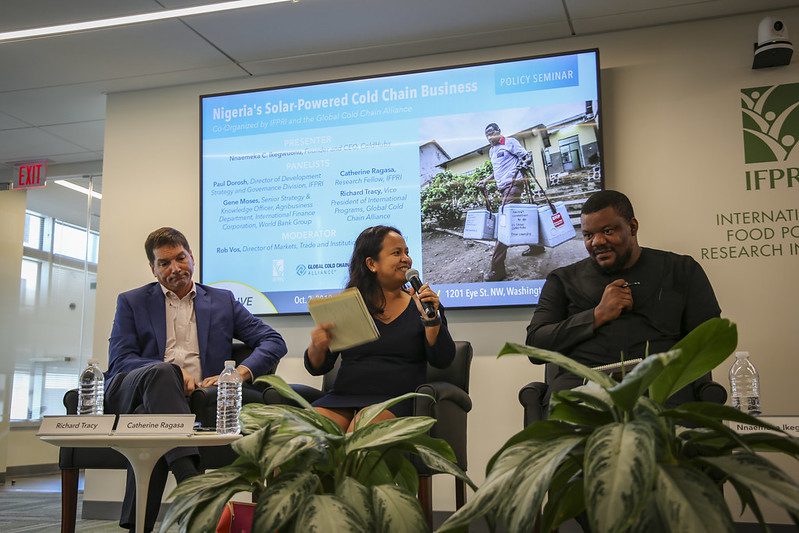 In sub-Saharan countries, post-harvest crop loss is so high that nearly 50% of fresh food never reaches consumers. These losses not only diminish the economic potential of the agricultural industry, but they also
  Millions of individuals struggle to get an education in Malaysia. This is due to systemic repercussions of poverty, stigma and lack of resources. However, the Malaysian government and the U.N. have released conflicting numbers regarding the poverty rate in Malaysia. Malaysia reports that the poverty rate is less than 1%. But the U.N. contends that the poverty line should be adjusted for accuracy to 15% to 20%. When statistics ignore the reality of those living in extreme poverty, the consequences go beyond understanding household income and financial security. Poverty deprives individuals of job opportunities and education in Malaysia, as well as exposes them to discrimination.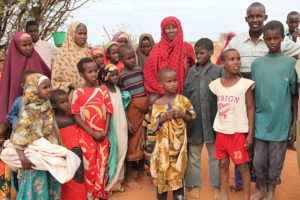
 Located on the island of Hispaniola is the Caribbean nation of Haiti. The country gained independence in 1804, becoming the first country led by formerly enslaved peoples. A long history of political instability and corruption accompanied by catastrophic natural disasters has devastated Haiti’s population and economy. Additionally, a lack of infrastructure and access to basic resources ranks Haiti as one of the world’s least developed countries. This has created a crisis for mental health in Haiti, which has only worsened during the COVID-19 pandemic.
 Equatorial Guinea, which lies on the central west coast of Africa, has seemingly abundant resources. Natural resources in Equatorial Guinea range from its tropical climate and arable land to its minerals and labor. However, widespread socioeconomic development spurred by its discovery of petroleum in the 1990s hindered the country’s progress. It has led to issues including political corruption, resource misuse and human rights abuses. As such, natural resources in Equatorial Guinea affect poverty in the country.
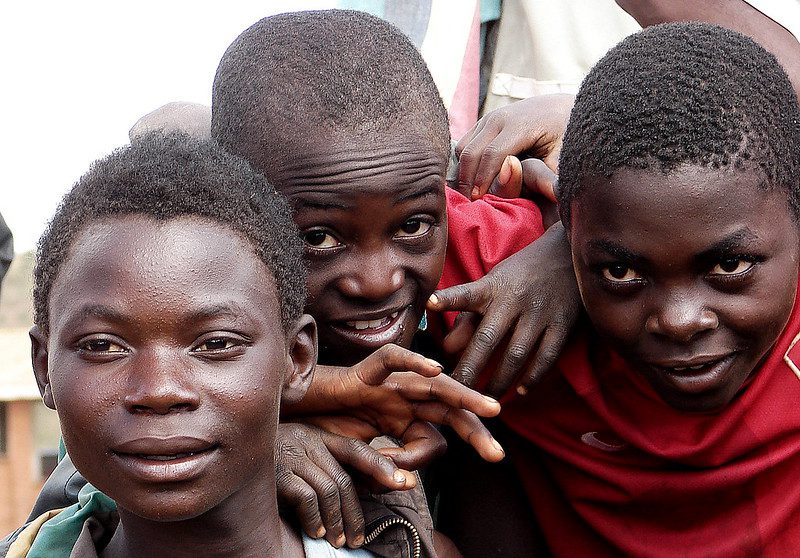 The people of Malawi went to the polls in May 2019 eager to make their voices heard. Due to some electoral static, however, the world only recently received their message. Marred by allegations of impropriety and delayed by legal challenges, a resolution came in June 2020 when the country repeated the election. On June 27, 2020,
 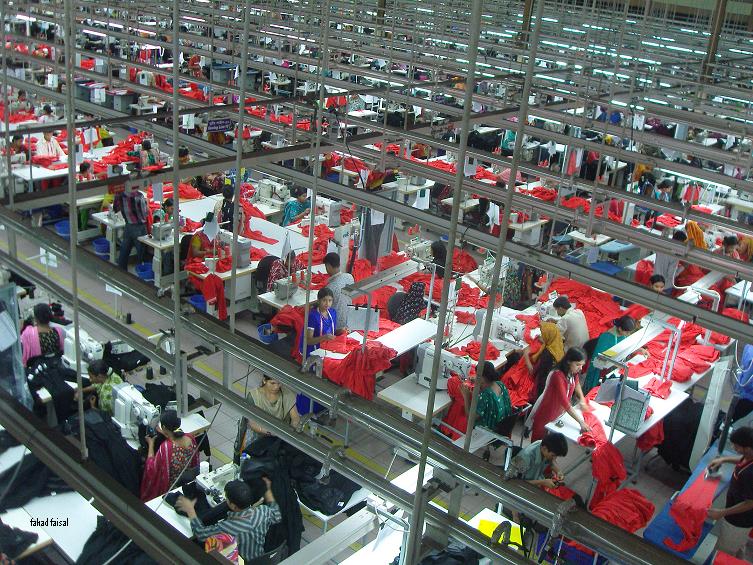 The ready-made garment (RMG) industry is a significant source of growth for Bangladesh’s rapidly developing economy. Bangladesh is the world’s