Overpopulation in Rwanda
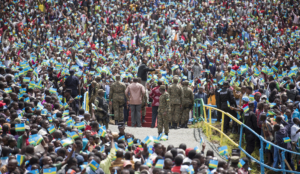
Rwanda is a small, highly populated, mostly rural country in Central Africa. Within the past few decades, the rate of population growth has grown to unsustainable and potentially dangerous levels. For instance, a woman in Rwanda has an average of 5.4 children and the country is on pace to double its already large population in just 24 years. As a small rural country, limited amounts of resources exist to support the overpopulation in Rwanda. This exponential increase will inevitably lead to problems with resource management.
Increased Access to Healthcare
Increased access to reliable healthcare in the country has certainly, in part, contributed to overpopulation in Rwanda. An ever-expanding amount of children survive into adulthood due to 82% of the country being vaccinated against deadly diseases. This may seem like a purely positive fact at first glance. However, as more children survive, the population grows and generates other problems. Third world countries, such as Rwanda, have limited access to adequate food and water supplies. The more people there are, the fewer resources there are available to each person. Moreover, the growing population has a direct link to more people suffering from malnutrition and starvation.
Geography and Resources
Rwanda is 10,000 square miles with a population density of more than 1,000 people per square mile. The immense overcrowding and strain on limited resources lead to stifled agricultural growth within the country. The farmland supports the population to the best of its ability, but there is very limited space for new fields for crops. The population explosion stagnates food production. Quality of life depends on adequate food access and overpopulation blocks that. Rapid population growth must stop to save the quality of life from deteriorating at an alarming pace in Rwanda. Two things they could look into are investing in family planning and education.
Family Planning and Education
Family planning helps reduce family sizes by providing different forms of birth control to eliminate unplanned births. Making family planning more accessible to all people should help reduce overpopulation in Rwanda.
The Belgian Development Cooperation is an NGO working in Rwanda to help limit the birth rate and population. They strongly believe that access to family planning, birth control and contraceptives is a human right. They are donating 26.7 million pounds to the Rwandan government to try and make family planning available to all of the people of Rwanda.
Education is also important in curbing rapid population growth. Investing in education is important because people with an education, especially women, generally tend to have fewer children.
Looking Forward
Something needs to be done in Rwanda to help stop the birth rate from increasing. Investing in methods to lessen birth rates, such as birth control and education, could have major influences. Working on being able to sustain an ever-increasing population is also a priority. Overpopulation is not just a problem in Rwanda; it is a global issue. Rwanda as well as the entire world should work to decrease birth rates. To sustain an acceptable standard of living, the world needs to take action before it is too late.
– Samira Akbary
Photo: Flickr
