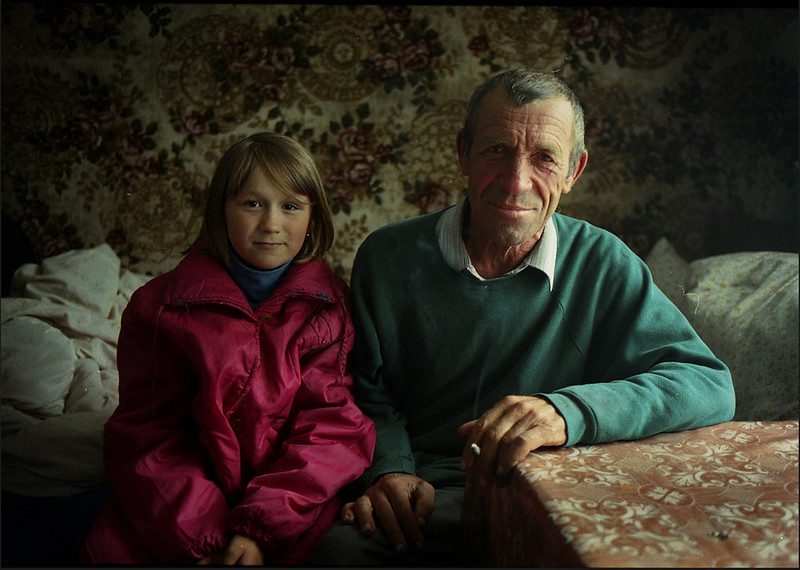
 Ukraine, a former Soviet Republic, currently has the 112th largest GDP per capita in the world. However, Ukraine’s economy has lagged behind those of other European powers and is considered to be a developing country. Experiencing wars and widespread poverty, Ukraine’s homeless population has grown in recent years, especially amid the COVID-19 pandemic. Here are five facts you need to know about homelessness in Ukraine.
5 Things to Know About Homelessness in Ukraine
- The number of homeless people in Ukraine is unknown: The Ukrainian government only counts the homeless population who qualify for government aid. As such, many NGOs, including the Ukrainian Social Fund Partnership, and other experts estimate that the homeless population in Ukraine was over 200,000 in 2015. With a 9.2% unemployment rate pre-COVID-19 and 1.5 million people in Ukraine living below the poverty line, these figures are likely understated. However, if these estimates are to be believed, Ukraine would have one of the highest rates of homelessness in Europe with a similar homelessness rate to that of countries like Peru and Guatemala. The level of homelessness in Ukraine is difficult to track due to a lack of adequate government surveillance and social services available for homeless individuals to use.
- The war with Russia has increased the homeless population: Since the Russian invasion of Crimea in 2014, 2,777 civilians have been killed. The military conflict between Russia and Ukraine has also left an estimated 1.6 million internally displaced people (IDPs) as civilians have fled conflict zones to the relative safety of Kyiv. Made up largely of ethnic minorities, the large amount of internally displaced persons within Ukraine gives the country the most amount of IDPs in the world. The United Nations Refugee Agency and other organizations have provided shelter to these refugees in an effort to prevent them from becoming homeless. Additionally, in 2019, the Ukrainian parliament passed a bill to increase funds for affordable housing for displaced persons, providing housing for 800 IDP families. Despite these efforts, the Ukrainian refugee crisis has undoubtedly contributed to homelessness in Ukraine although exact numbers are unknown. However, the United Nations High Commissioner for Refugees (UNHCR) did report that in 2019, it failed to provide shelter and other needs for between 8000 to 9000 internally displaced families in Ukraine.
- Leftover Soviet-era policies discriminate against homelessness in Ukraine: During Soviet-era Ukraine government documents called propiska served as a form of internal passport to allow access to social services and travel within the Soviet Union. Although these documents were abolished in name by the Ukrainian government in 1997, residence permits serving the same function as propiska are still used. Ethnic minorities like Roma, displaced persons and the homeless are not issued these documents due to a lack of residency. These documents serve the same purpose as the Soviet documentation once did and as such, Ukrainians still refer to them as propiska. Without propiska, the homeless population in Ukraine does not have access to public housing, homeless shelters, unemployment benefits, food coupons, employment, childcare or the right to vote. This practice of issuing government identification only to those with homes has often been criticized by organizations like the European Roma Rights Centre (ERRC) for deliberately discriminating against impoverished and minority communities.
- Social aid has become more restrictive: In April of 2016, a spokesperson from the NGO Narondna Dopomoga revealed to the Kyiv Post that they were no longer being allowed by the government to register homeless people for propiska. Previously, a homeless person was able to register via a homeless shelter or center and would gain access to social payments from the government and employment opportunities. However, with new legislation, the homeless are required to have a place of residence (which may include a semi-permanent bed at a shelter) in order to apply for these benefits. These restrictions have been criticized for appealing to anti-homeless sentiments within Ukrainian society.
- Several NGOs are stepping up in the absence of government assistance: Because Ukraine is a conflict zone with one of the worst economies in the world, the Ukrainian government lacks the ability to adequately respond to the country’s homelessness crisis. However, because the country receives a large amount of aid from the United Nations and its partner NGOs, there have been some efforts to combat homelessness in Ukraine. For example, the Ukrainian Charity Fund Social Partnership in Kyiv has a center where thousands of homeless come each day. Here they receive food, medical assistance, facilities to clean themselves, laundromats and access to recreational facilities. Helping the homeless youth, ex-convicts and refugees who come through, the Ukrainian Charity Fund Social Partnership also helps these groups to find employment that does not require propiska. Other organizations like Depaul provide shelter for the homeless, especially those fleeing conflict zones in eastern Ukraine as well as homeless mothers and their children.
Due to its struggling economy and war with Russia, Ukraine has suffered an increase in the homeless population in the past few years. Ranging from the unemployed to internally displaced people, government policy often discriminates against those without homes. However, with the intervention of U.N. organizations and other NGOs, homelessness in Ukraine is being addressed. With shelters, jobs and other facilities being provided, many homeless people are being tended to although much is still yet to be done on the part of the Ukrainian government.
– Aidan Sun
Photo: Flickr
 On any given day, there are
  Prior to the arrival of Airtel Africa, implementing and maintaining a
 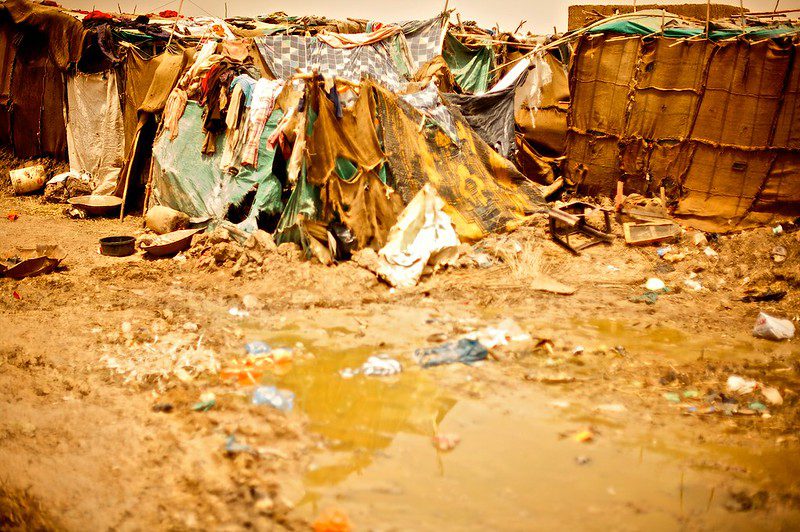 Forced evictions, an abundance of petroleum, wealth inequality, economic growth and slums surround the
  Non-Communicable Diseases (NCDs) are now causing more damage than communicable diseases, globally killing approximately
 Environmental instability in India is a nuanced and multifaceted issue in terms of multiple causes and effects that hinder the search for a solution. India has the second-highest population in the world, second only to China. This makes India particularly susceptible to poverty because there are not enough resources to sufficiently aid each citizen. In fact, roughly
 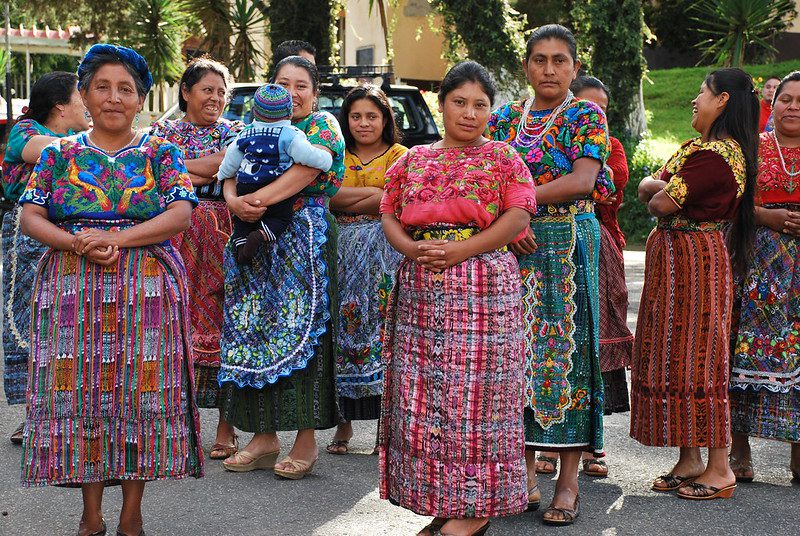 A small country located within Central America, south of Mexico, Guatemala has one of the
  Child poverty in Ecuador is on the rise in Ecuador, resulting in poorer standards of living and higher rates of child mortality. Efforts from organizations around the world are successfully fighting against this, promoting the health and education of Ecuador’s youth.
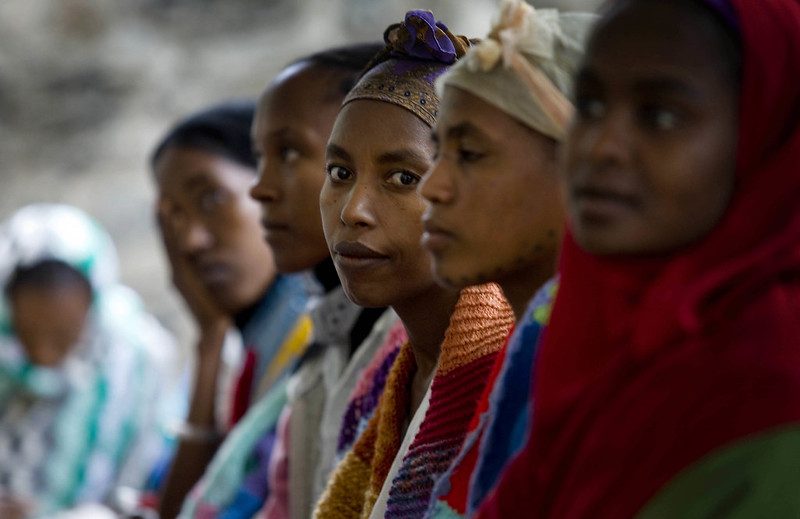 Namibia is a Southwestern African nation bordering the Atlantic ocean. With a population size of just over 2.6 million and a ratio of female to male just short of 1:1, Namibia is one of the more progressive African nations. Namibian places second out of 55 states on the continent in its efforts to reduce gender inequality. However, while it has made considerable progress, there are still lengths to go in reducing
 With a robust elderly population that only continues to grow, Japan faces an unconventional problem concerning its impoverished elder populations. Food security and homelessness have resurfaced as an increasing number of Japan’s older residents find themselves strapped for money and without access to basic needs. The number of those reliant on public assistance had been steadily decreasing since the mid-90s; however, recent socio-economic issues like COVID-19 have increased elderly poverty in Japan.