Airtel Africa Connects Millions of Africans
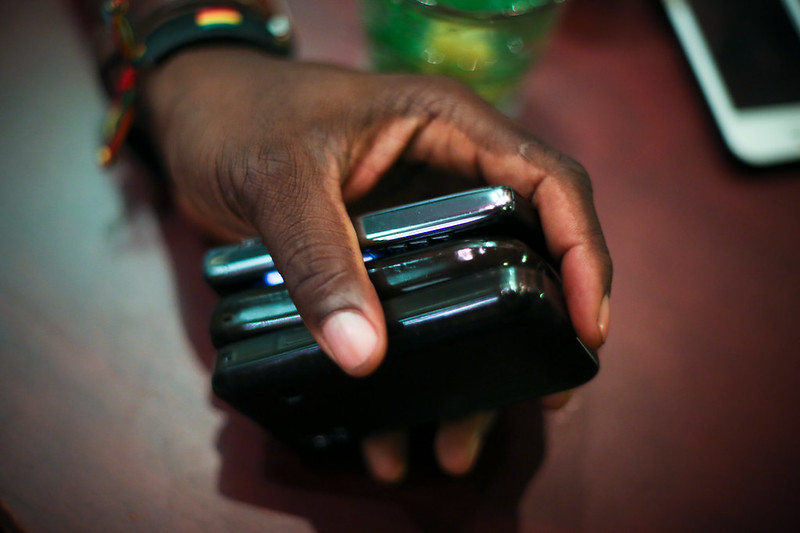 Prior to the arrival of Airtel Africa, implementing and maintaining a large-scale telecommunications company in sub-Saharan Africa seemed unthinkable. But, in 2009, when Airtel set up shop in Africa, the cellphone, once a luxury available only to the upper-class, became a simple and affordable tool for the average person. With more than 100 million subscribers in 2019, Airtel Africa represents a game-changing shift in the accessibility of mobile connections in Africa while providing employment to 1.6 million people across the continent. When its first major operation in sub-Saharan Africa began in 2008 with the acquisition and transformation of smaller telecommunications companies within the continent, the face of the average African cellphone user began to shift dramatically.
Airtel Africa: Providing Affordable Mobile Access
While it is difficult to measure the number of unique users of mobile phones, as of 2019, sub-Saharan Africa noted 747 million SIM connections, accounting for 75% of the population. The increased accessibility of cellphone access in this region is largely credited to Airtel Africa’s groundbreakingly affordable prices, with a basic handset, SIM card and prepaid credit voucher available for just $20.
A portion of Airtel Africa’s impact is also attributed to the company’s radical construction of cellphone towers across sub-Saharan Africa. Airtel Africa has targeted the capitals of all 14 countries in which it operates, with 4G live in each city and plans to expand to rural areas as well. The company’s largest investment is in Nigeria, with the construction of 30,000 towers across the nation. From 2008 to 2018, rates of Nigerian cellphone subscriptions rose from 2 million to 172 million.
One of the most significant causes of increasing mobile connections in Africa is visible in Kenya where rates of cellphone ownership rose from just 1% in 2002 to 39% in 2014. The effects of increased mobile connections in Kenya are exemplified by the development of its online economy through developments such as Kenya Internet Exchange Point, an international axis for the country’s mobile technology. Today, urban Kenya serves as a hub for novel advancements in information technology that serves populations across the globe.
Additionally, thanks to increased rates of cellphone usage, mobile banking in Kenya has become more widely available than ever before. The accessibility of online banking allows those abroad to easily send remittances to underserved populations in rural areas without the hefty fees that once came with international money transfers. This cash flow allows rural populations to lead better quality lives while bolstering the local economy and filling the gap between developed and developing nations.
Mobile Access Improving Education
Evidently, cellphones in sub-Saharan Africa have also come to fill an important role in the world of education. In one 2015 field study, researchers found that students and teachers alike utilized smartphones as multipurpose tools for education.
At the student level, 37.5% of surveyed students in Ghana, 36.9% in Malawi and 60.9% in South Africa reported receiving funding for their education, including uniforms, books and lunches through their smartphones. Aside from being a source of mobile money, school children also used smartphones for their calculator applications, internet search abilities and as a light source in areas with little to no electricity. In other words, smartphones fill crucial gaps for students with limited access to educational resources in and outside the classroom.
Likewise, in all three countries surveyed, teachers reported using their smartphones to access more detailed information in the classroom. As one teacher in Ghana reports, “I try to get current issues for illustration in class.” In short, the mobile connection in Africa represents radical economic growth that allows those stuck in poverty to become upwardly mobile and create better lives for themselves and their communities. By working to allow the average, often underserved person, to easily access a cellphone connection, Airtel Africa has created a new world of possibilities for the future of development in Africa.
– Jane Dangel
Photo: Flickr
