• Link to X
  • Link to Facebook
  • Link to Instagram
  • Link to TikTok
  • Link to Youtube
  • About
    • About Us
      • President
      • Board of Directors
      • Board of Advisors
      • Financials
      • Our Methodology
      • Success Tracker
      • Contact
  • Act Now
    • 30 Ways to Help
      • Email Congress
      • Call Congress
      • Volunteer
      • Courses & Certificates
      • Be a Donor
    • Internships
      • In-Office Internships
      • Remote Internships
    • Legislation
      • Politics 101
  • The Blog
  • The Podcast
  • Magazine
  • Donate
  • Click to open the search input field Click to open the search input field Search
  • Menu Menu

Archive for category: Global Poverty

Key articles and information on global poverty.

Global Poverty

Renewable Energy in North Korea

renewable-energy-in-north-koreaNorth Korea’s chronic energy crisis is threatening the quality of life of its citizens, especially those living in rural areas, by restricting the quality of and access to essential energy-powered resources. Prioritizing the development of off-grid renewable energy in North Korea, such as solar panels and wind turbines, near under-electrified rural areas will provide a more significant number of North Koreans with access to energy.

About North Korea’s Energy Challenges

North Korea’s energy sector requires a lot of attention. North Korea struggles to meet energy demands as domestic energy production and consumption have been generally declining for years. As of 2020, 48% of the North Korean population did not have access to electricity, and in 2016, only 10.8% had access to clean fuel for cooking. The elites in the capital city Pyongyang consume the majority of energy resources, forcing rural populations to go without.

North Korea relied heavily on the Soviet Union for subsidized oil, and the country’s energy production and consumption rates dipped following the Soviet Union’s dissolution. The absence of these energy subsidies, aging infrastructure and a poor national grid system caused North Korea’s energy sector and economy to fall behind.

North Korea’s lack of energy poses a threat to human security. The country’s unstable electricity rates cause frequent blackouts, depriving residents of lighting and other services. The lack of energy is a threat to public health since hospitals and clinics are dependent on electricity access. Access to clean fuel is necessary for sanitation practices and safe cooking habits. Furthermore, North Korea’s energy shortages threaten its agricultural sector and lower its food supply. Electricity and fuel are necessary to produce fertilizer, power irrigation systems, manufacture machinery and transport crops. Thus, improving its energy supply and providing greater access can significantly benefit the well-being of the average North Korean citizen.

North Korea is focusing on initiating renewable energy sources to address its energy crisis. Research has found that renewable energy consumption positively correlates with energy poverty reduction, which is where people lack access to energy sources.

How Renewable Sources Can Alleviate Energy Poverty

Under Kim Jong Un, investing in renewable energy in North Korea has become a priority. The percentage of total energy consumption from renewable energy increased from around 7% in 1992 to close to 25% in 2015. In addition, North Korea adopted various policy measures such as the Renewable Energy Law in 2013.

As North Korea continues to invest in renewable energy sources, increasing access to energy in rural communities should be of special concern. The majority of North Korea’s population lives in rural areas, which are regions with scarce access to electricity and other energy supplies. A survey that occurred in 2014 found that rural households significantly lacked electricity compared to urban households.

Furthermore, North Korea’s focus on hydroelectric power as a main renewable energy source is not ideal for mitigating energy poverty in rural North Korea. Hydroelectric plants do little to power rural areas; the North Korean government controls the available energy from hydropower and it prioritizes electrifying large military facilities over rural residential communities.

Solar Power and Wind Turbines

Small-scale renewable energy sources such as solar panels and wind turbines are ideal for powering rural residential areas, thus providing more people in North Korea with access to energy. Solar panels and wind turbines are off-grid energy sources, meaning that their generated energy will be able to power nearby rural communities rather than large military and industrial sites.

This will be especially helpful to improve the living standards of North Korea’s rural residents. Additionally, off-grid energy systems are economically favorable, making them ideal investments in the midst of North Korea’s economic lull.

The importation and use of solar panels in North Korea have significantly increased, especially following the 2012 Pyongyang International Trade Fair. In 2015, North Korea began building small scale wind turbines that generate between 100 and 300 watts of power.

Reports claim that the North Korean government is encouraging production plants to erect and make use of wind turbines.

– Ashley Kim
Photo: Wikimedia Commons

August 14, 2022
https://borgenproject.org/wp-content/uploads/borgen-project-logo.svg 0 0 Jennifer Philipp https://borgenproject.org/wp-content/uploads/borgen-project-logo.svg Jennifer Philipp2022-08-14 07:30:152022-08-12 05:46:49Renewable Energy in North Korea
Education, Global Poverty, Health

The Health Crisis in Ukraine

Health Crisis in UkraineMonths of war leaves a health crisis in Ukraine and its healthcare system strained to provide proper healthcare to the citizens. As many healthcare facilities are destroyed and many more are overwhelmed with the number of patients, healthcare workers work long hours treating patients with short-term to long-term illnesses like HIV, tuberculosis and polio.

World Health Organization Director-General Dr. Tedros Adhanom Ghebreyesus stated that “this war has gone on for 100 days too many,” as the war in Ukraine is “shattering lives and communities and imperiling the short- and long-term health of Ukraine’s people”.

HIV

The HIV virus affects the immune system and leads to AIDS if untreated. Even before the war started, Ukraine suffered an epidemic of HIV, with an estimated 250,000 people diagnosed and many more not realizing they have the virus. HIV is more common among people who struggle with drug addiction and sex workers, in other words, people living on the marginalized side of society.

USAID provides support and services to treat people with HIV. However, with the ongoing war and the health crisis in Ukraine, it is hard for patients to get tested for HIV or receive the proper treatment.

Tuberculosis

Tuberculosis is a bacterial disease in the lungs with about 33% of cases connected with drug use. Meanwhile, only 76% of patients receive successful treatment for the disease, with the remaining 24% not completing or receiving their treatment too late. Additionally, some TB victims are asymptomatic, causing the disease to spread rapidly.

Because of the war and the COVID-19 pandemic, the rate of detecting TB dropped. TB is one of the leading causes of death of HIV patients, and because of the health crisis in Ukraine, TB can spread easily and cause more deaths.

Polio

Similar to HIV, Ukraine experienced an outbreak of polio before the Russian invasion. Polio is a virus that affects the spinal cord that can lead to paralysis or even death. Children under the age of five are especially vulnerable to the virus.

Vaccination is possible, but the Russian invasion interrupted a campaign to vaccinate children against the virus. Even so, vaccination rates for polio are under 50% in Ukraine. Areas similar to Kharkiv, Ukraine’s second-largest city, have struggled to combat polio due to a lack of vaccination.

World Health Organization Increases Its Presence

Before the war started, Ukraine was on a path of progress with health care. In 2014, the Ministry of Health implemented the National Strategy on Health to help improve the quality of health. However, the ongoing war halted progress as hospitals and health care services were destroyed.

Because of the health crisis in Ukraine, WHO increased its presence in Ukraine and in countries with refugees. Since the start of the war, Ukraine confirmed over 260 attacks on their healthcare system as of June 2.

“WHO is doing everything we can to support Ukraine’s Ministry of Health and deliver essential medical supplies and equipment,” Ghebreyesus said. “But the one medicine that Ukraine needs most is the one that WHO can’t deliver – peace. We call on the Russian Federation to end the war.”

To meet the needs of the health crisis in Ukraine, WHO appealed to the U.S. for $147.5 million. WHO wants to use $80 million to provide support to the people still in Ukraine and an additional $67.5 million to support countries with refugees.

A Look Ahead

Even though Ukraine is experiencing a health crisis as a result of the Russian invasion, international organizations similar to the WHO provide medical support while also advocating for monetary support to the U.S. government.

– Chris Karenbauer
Photo: Flickr

August 14, 2022
https://borgenproject.org/wp-content/uploads/borgen-project-logo.svg 0 0 Jennifer Philipp https://borgenproject.org/wp-content/uploads/borgen-project-logo.svg Jennifer Philipp2022-08-14 01:30:442022-08-12 04:20:22The Health Crisis in Ukraine
Global Poverty

Football for the Goals: The UN Teams with UEFA

football-for-the-goals-the-un-teams-with-uefa-to-achieve-developmental-goalsWith billions of fans worldwide, football is quite unmatched when it comes to global influence and popularity. This is why the United Nations is partnering with the Union of European Football Associations (UEFA), one of the largest and most influential governing bodies in world football, to launch Football for the Goals. Through this initiative, the two organizations will work to use the massive popularity and influence of football in order to work towards the U.N.’s Sustainable Developmental Goals (SDGs). Here are some key facts about this unique partnership as well as the goals it will work to accomplish and bring awareness to.

What are the Sustainable Developmental Goals?

Adopted in September of 2015, the U.N.’s Sustainable Developmental Goals (SDGs) are a broad group of 17 goals that the organization hopes to achieve by 2030. As described by the U.N., “The [SDGs] are a call for action by all countries… to promote prosperity while protecting the planet. They recognize that ending poverty must go hand-in-hand with strategies that build economic growth and address a range of social needs including education, health, social protection, and job opportunities…”

The SGDs are aimed at:
  • Eliminating poverty “in all its forms everywhere” by providing disaster relief, social protections, access to basic services, etc.
  • Addressing world hunger by providing humanitarian relief and taking steps to ensure access to “safe, nutritious and sufficient food” year-round.
  • Promoting general health and well-being through goals such as researching and developing vaccines and medicines as well as strengthening the prevention and treatment of substance abuse.
  • Ensuring quality education through actions such as building and upgrading educational facilities, creating scholarships, teacher training, etc.

The Partnership

In a joint statement on July 6, 2022, UEFA and the U.N. announced Football for the Goals. The initiative will primarily see UEFA strive to use its partnerships with various footballing confederations, leagues, clubs, players, fans, media and commercial partners in order to work towards achieving these goals the U.N. outlined in its SDGs, according to UEFA.

In addition to bringing awareness to these goals, however, UEFA also hopes to influence other organizations to use its own platforms by “[demonstrating] how sustainable practices can be mainstreamed through any business model, including sport.”

Speaking on the announcement of this unique partnership, Deputy Secretary–General of the U.N., Amina J. Mohammed, commented, “The [U.N.] recognizes the powerful voice football carries in the global community and the role football can play in raising awareness for the SDGs through the popularity of the game. Not only is football the most popular sport in the world, but it is also the most accessible… Football for the Goals offers a unique opportunity to raise awareness and galvanize the world into action on the SDGs,” UEFA reports.

The Potential

With recent UEFA competitions reaching billions of viewers worldwide, such as the most recent UEFA European Football Championship, the reach and appeal of football is no doubt an ingenious vessel for raising awareness and calling for action.

Whether it’s through an on-field advert or a TV spot, Football for the Goals and the very SDGs it represents have the potential to fall into the view of billions of people worldwide. Using this global reach and influence of football, the U.N. and UEFA can begin shining an even greater light on the work that might enable a more secure and prosperous future for millions worldwide.

Speaking alongside the U.N. Deputy Secretary–General, UEFA president Aleksander Čeferin, emphasized this unique role the football community has to play in creating this kind of positive change: “I am convinced that if football comes together and bundles its power to drive sustainable change, it will be able to have a strong and long-lasting positive impact. As UEFA, we must set the right example towards sustainable change and inspire others to follow,” UEFA reports.

– Riley Wooldridge
Photo: Flickr

August 14, 2022
https://borgenproject.org/wp-content/uploads/borgen-project-logo.svg 0 0 Jennifer Philipp https://borgenproject.org/wp-content/uploads/borgen-project-logo.svg Jennifer Philipp2022-08-14 01:30:222024-05-30 07:52:08Football for the Goals: The UN Teams with UEFA
Global Health, Global Poverty

Tackling HIV/AIDS in Barbados

tackling-hiv-aids-in-barbadosHIV/AIDS rates in the Caribbean are the highest in the world after Sub-Saharan Africa. With the prevalence rate within the region being 1.6% in 2005, the National Strategic Plan of Barbados marked HIV/AIDS as one of the nation’s biggest threats. Its small size and population mean that Barbados, and the Caribbean as a whole, tend to be overlooked in discussions of HIV/AIDS. Despite this Barbados has since, with foreign help, embarked on a mission to reduce the transmission of HIV/AIDS within the nation.

Understanding the Problem

HIV/AIDS transmission in Barbados saw a significant uptake in the early 2000s. This upward trend was mirrored across most of the Caribbean region. The Barbadian government identified that disfranchised groups were overrepresented in statistics regarding HIV/AIDS transmission.

A range of factors led to the higher than global average rate of HIV/AIDS in the nation. One of the largest factors contributing to the relatively high rate of HIV/AIDS in Barbados was the low rate of condom usage among the nation’s youth. In 2006, only 21% of Barbadians between the ages of 15 to 24 reported using a condom in their most recent instance of sexual intercourse.

Men who have sex with men, sex workers and other venerable groups also accounted for a disproportionate share of those infected with and dying from HIV/AIDS. These vulnerable and at-risk groups later became the focus of transmission reduction and treatment efforts.

Most recently the COVID-19 pandemic distracted from efforts to combat HIV/AIDS in the country. Initiatives such as the Man Aware event, which seeks to raise awareness of HIV/AIDS among Barbadian men, were canceled. The risk of spreading COVID-19 meant such face-to-face events could not be held.

Calls to Action

Various national and international actors have had a hand in combating HIV/AIDS transmission and AIDS-related deaths within Barbados. The World Bank provided one avenue of initial support. The World Bank’s Adaptable Program Loan, known as APL, provided the nation with additional health care funding. The main purpose of this program’s adoption in Barbados was to combat HIV/AIDS transmission and quell deaths from HIV/AIDS, according to The World Bank. One way Barbados achieved this was by providing free antiretroviral to HIV-positive citizens.

The U.S. Emergency Plan for AIDS Relief (PEPFAR), created in 2003, partnered with the Barbadian government, among other developing nations, to combat HIV/AIDS transmission. The U.S. organization contributed over $80 billion to this global project so far. PEPFAR also oversaw the wide-scale adoption of pre-exposure prophylaxis (PrEP) HIV prevention treatment in the nation. The Barbadian Ministry of Health and Wellness worked closely with PEPFAR to adapt HIV/AIDS treatment services to each vulnerable group.

As well as partnering with American-led organizations, Barbados also partnered with the governments of other Caribbean nations under the Pan-Caribbean Partnership Against HIV/AIDS (PANCAP). This regional collaborative effort sort to connect HIV/AIDS funding, on the governmental and intergovernmental level, to local services. This aided research within research facilities and supported the functioning of further treatment centers. Barbados, along with its partners in the PANCAP has seen the most progress in combating HIV/AIDS in the Caribbean region.

Progress

The action taken to combat HIV/AIDS in Barbados by both internal and external actors have brought about significant progress in the fight against the disease. Through these various initiatives, Barbados embarked upon a U.N. set a target of having at least 90% of HIV-positive citizens know their status and receive treatment by the year 2020. As of 2020, Barbados has reached 89% of HIV-positive citizens knowing their status, according to the U.S. Embassy in Barbados, the Eastern Caribbean and the OECS.

This promotion and uptake of testing began saving lives immediately upon its adoption as a major priority by the Barbadian government. Between 2001 and 2006 the number of AIDS-related deaths in Barbados plummeted by 72%. Within the same time period, new AIDS diagnoses fell by 46%, according to The World Bank.

The education which accompanied testing and treatment has helped quell much of the further spread of HIV/AIDS in Barbados. The education of Barbadian youth resulted in 72% of young people aged 15 to 24 stating they used a condom during their most recent sexual encounter in 2014. This rose significantly from the 21% reported in 2006, The World Bank reports.

Centers for Disease Control and Prevention (CDC), has continued much of the positive work pioneered by the Barbadian government, U.N. and previous U.S. interventions. The CDC established its regional office in the Caribbean region in 2002. The CDC has paid particular attention to ensuring testing and treatment for men who have sex with men, one of the most vulnerable portions of Barbadian society. Today the CDC continues to work with its ministries to improve the quality of testing and treatment services. CDC funding also continues to create great outreach for HIV/AIDS prevention and treatment efforts.

These progressive strides made within Barbados over the last two decades to tackle HIV/AIDS have been a result of the collaboration between numerous stakeholders. Although it still needs more progress, Barbados has come a long way in combating the disease over the last 20 years.

–Bryce Mathurin Lindsay
Photo: Flickr

August 13, 2022
https://borgenproject.org/wp-content/uploads/borgen-project-logo.svg 0 0 Jennifer Philipp https://borgenproject.org/wp-content/uploads/borgen-project-logo.svg Jennifer Philipp2022-08-13 07:30:472022-08-12 04:05:46Tackling HIV/AIDS in Barbados
Global Poverty

Poverty and Inequality in the Kibera Slum

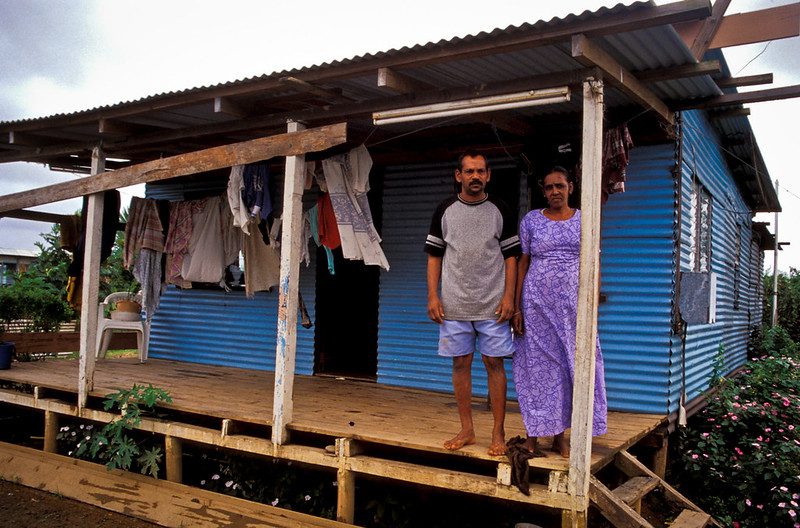
inadequacy-and-inequality-in-the-kibera-slumKibera is an informal settlement, or slum, in Nairobi, Kenya — the largest slum on the African continent. Rampant poverty in the Kibera slum is the source of numerous grievances and foundational inadequacies. Factors such as gender discrimination, crime, widespread unemployment and inaccessible electricity feed the continuation of poor conditions in the Kibera slum.

Slums in developing countries are narrowly defined as areas of “overcrowding, poor and informal housing, inadequate access to safe water and sanitation and insecurity of tenure.” A growing proportion of the population born into overcrowded impoverished conditions curbs movement toward a healthy economic foundation. Increasing inequality and the lack of infrastructure in the Kibera slum foster a poor quality of life.

Factors Exacerbating Poverty in Slums

  • Gender discrimination and gender roles in slum society. Women are expected to care and provide for their children more than men. Due to societal expectations, girls are discouraged from attending school. In the “Slum Survivors” documentary produced by Integrated Regional Information Networks (IRIN) in 2007, Carol, a slum-dweller from Kibera, explains her father’s refusal to send her to high school as he believed the education of girls “is a waste of money.” Instead of completing school, many young girls become young mothers or child brides. A lack of education among girls serves to exacerbate cycles of poverty. Discriminatory cultural norms and institutions account for the rising percentage of female-headed households, which Carol explains from an imprisoning rather than an empowering standpoint as female-headed households face higher rates of poverty.
  • Criminal activity. Due to high rates of poverty, some resort to the illegal sale of alcohol and wood derived from illegal logging to make a living, among other illegal business activities. Crime is widespread in urban slums, such as Kibera — Crime surveys conducted by the Security Research and Information Centre (SRIC) with support from the Government of Kenya and UNDP Kenya reported that “98.8% of the respondents had witnessed crime being committed in the last three months of the study period.” The study highlights rampant poverty and low incomes in slums as the driving factors behind crimes in Kenya’s major slums. Kenya struggles to keep up with the rapid growth of cities, leading to a lack of housing, infrastructure and opportunities.
  • High unemployment rates. Economic instability and a lack of job opportunities encourage crime and contribute to the 50% unemployment rate in the Kibera slum. Due to high rates of poverty and unemployment, many individuals are unable to afford vital medicine or hospital bills. Incentives for quick and easy money encourage waste dumping and illegally cutting trees at night.
  • Inadequate electricity access. The Kibera slum relies on unsafe and poor-quality electricity. Electric fires and electrocutions are not uncommon in the slum. A partnership between Kenya Power and Lighting Corporation and the World Bank has led to improved access to safe electricity for slum-dwellers in the last couple of years. However, a number of Kenyans still resort to buying illegal connections from local cartels.

Poverty in Developing Countries Impacts the US

A remote and unattainable outlook prevents action from the international community. Distance between continents widens the rich-poor gap between the United States and low-income countries. Developed countries may view urban poverty in developing nations as out of their reach. Domestic issues almost always take precedence over worldwide injustices, with foreign aid accounting for less than 1% of the U.S. federal budget. Contrary to popular belief, Kibera’s poverty impacts the U.S. — impoverished countries are unable to afford U.S. goods and products. By investing in the development of lower-income countries, the U.S. can expand its markets and further grow the U.S. economy.

USAID’s Initiatives in Kenya

USAID has created numerous programs with tangible courses of action and projects that are currently underway. In 2022, USAID and the Government of Kenya (GOK) signed a five-year agreement to bolster education and employment opportunities for Kenya’s youth. The ultimate goal is “preparing a new generation of young African leaders with the skills and mindset to transform the region and the continent.”

The agreement discusses commitments to improve “education, youth workforce development and youth leadership programming” with a special focus on marginalized girls. USAID says “the GOK has committed to co-finance at least 15% of the total joint investments in education and youth development priorities in Kenya and East Africa.”

This partnership is creating jobs and empowering youth, working to reduce gender-related obstacles and illegal activity. Moreover, USAID’s Small Business Development Center program “strengthens the capacity” of micro, small and medium businesses (MSMEs) in Kenya and establishes “linkages to U.S. counterparts.” USAID’s actions will help some of “Kenya’s 1.5 million formally registered MSMEs and [more than] 5 million informal MSMEs.”

Looking Ahead

Poor conditions in the Kibera slum make it difficult to revitalize the economy and move closer to equality. For instance, low socioeconomic standards and an insufficient justice system elevate vulnerability to crime and marginalization. Even though those living in preferable living conditions outside of slums may feel removed from the problem, everyone’s perception and actions have an impact. Inequitable resource distribution pertains to every socioeconomic group in an unprecedentedly globalized world.

– Anna Zawistowski
Photo: Wikimedia Commons

August 13, 2022
https://borgenproject.org/wp-content/uploads/borgen-project-logo.svg 0 0 Kim Thelwell https://borgenproject.org/wp-content/uploads/borgen-project-logo.svg Kim Thelwell2022-08-13 07:30:042024-05-30 22:29:57Poverty and Inequality in the Kibera Slum
Global Poverty

Poverty and Other Risks of the UK-Rwanda Deal

UK-Rwanda DealOn April 14th, 2022, the United Kingdom signed a deal with Rwanda to send illegal asylum seekers to the African country and process their asylum claims there. The U.K. paid Rwanda £120 million (about $144 million) and promised to fund the logistics of the process. Though the Home Office claims the deal will disrupt the business of people smuggling, Rwanda’s past human rights violations led to many critiques that the humanitarian risks of the U.K.-Rwanda deal outweigh its potential benefits.

The Deal Set in Motion

The first flight to Rwanda was scheduled for June 14th. However, charities such as Care4Calais and Detention Action, along with individual asylum seekers’ lawyers, fought the flight on legal grounds, leaving only seven out of the initial 37 destined to board the plane. The Supreme Court, however, upheld the Court of Appeal’s decision to reject a motion to cancel the flight.

Before the flight could take off, the European Court of Human Rights (ECHR) issued an interim emergency measure after an Iraqi asylum seeker’s request. As the ECHR is not an EU body, the U.K. is still a member despite Brexit and must abide by the court’s decision.

The ECHR demanded that the U.K. and European courts take more time to decide whether the deportation was lawful. As per the U.K. legal system, the logic behind the measure applied to the rest of the passengers and the flight was canceled. 

Human Rights Risks of the UK-Rwanda Deal

The Geneva Convention 1951’s principle of non-réfoulement states that countries must accommodate those who flee persecution and cannot displace or return them to dangerous territory. The ECHR issued the interim measure because it considered that the Iraqi asylum seeker could face a “real risk of irreversible harm” in Rwanda, BBC reports.

Countries repeatedly infringe the principle by finding ways to remove migrants from their territory into a neighboring state, imposing additional entry requirements, or refusing access altogether. But transferring asylum-seekers to a country with a severe history of violating human rights 4,000 kilometers away would set a new precedent.

The U.K. has denounced Rwanda’s human rights violations and its refusal to investigate allegations of torture and deaths in custody in the past. Moreover, in February 2021, the British High Commissioner to Rwanda advised the government against choosing Rwanda as a candidate for deporting immigrants. The High Commissioner’s memo reported that Rwanda allegedly “recruited refugees to conduct armed operations in neighboring countries” and reinstated the country’s numerous human rights violations, according to AP News.

Yet, since April, Downing Street denies any human rights risks of the U.K.-Rwanda deal, going as far as to say that the East African country is one of the “safest countries in the world.”

An internal government memo two days before the deal’s signing further explains Downing Street’s claims. The message warned that if the U.K. chose Rwanda, it would have to close a blind eye to Rwanda’s human rights violations and prepare itself to face challenges from Parliament and NGOs.

Situation in Rwanda

Although Rwanda’s GDP has been growing since 2010, the country has made little progress in reducing poverty in its rural areas – yet about 70% of Rwandans are subsistence farmers, according to BBC. Kigali saw its poverty rate decrease due to investments in the tourism industry, but extreme poverty rose in the Southern Province. Moreover, around 57% of Rwandan households face food insecurity and the pandemic exacerbated the effects of the crisis, with even more Rwandans falling into poverty.

About 150,000 refugees from other African countries currently reside in Rwanda. According to a 2019 paper on the influence of Congolese refugees on Rwandan communities, the refugees’ presence brought both direct and indirect benefits. Rwandans living closer to a refugee camp had more chances to have wage employment rather than living as subsistence farmers and females had more chances for self-employment. Hence, Rwanda’s economy can benefit from migration.

However, the deported asylum-seekers to Kigali would likely fail to integrate as the intra-region migrants did. Most refugees already living in Rwanda don’t have a job and rely on welfare, according to BBC. If the system is overwhelmed, the risks of the U.K.-Rwanda deal mean that asylum seekers and Rwandans may fall into poverty. The Rwandan government initially stated it could accommodate 1,000 migrants from the U.K. – a claim the U.N.’s refugee agency questioned – before recently admitting the country only has space for 200. Nonetheless, the government assured that it would expand its capacities, a claim that, if not upheld, jeopardizes Downing Street’s ability to reap the deal’s economic benefits.

Future of the Deal

Despite being fully aware of the humanitarian risks of the U.K.-Rwanda deal, Downing Street chose to pursue the policy. The Supreme Court’s judicial review of the policy is due in September, according to BBC. Until then, it remains to be seen whether the courts deem Rwanda a country where asylum-seekers can find refuge without violating their rights and further worsening the host country’s situation.

– Elena Sofia Massacesi
Photo: Flickr

August 13, 2022
https://borgenproject.org/wp-content/uploads/borgen-project-logo.svg 0 0 Jennifer Philipp https://borgenproject.org/wp-content/uploads/borgen-project-logo.svg Jennifer Philipp2022-08-13 01:30:252022-08-24 01:20:26Poverty and Other Risks of the UK-Rwanda Deal
Global Poverty

This Mobile App Fights Hunger in Africa

this-mobile-app-fights-hunger-in-africaSub-Saharan Africa has the highest prevalence of undernourishment, with poverty being the leading cause of hunger. One invention increasing agricultural efficiency to fight back against hunger is the Farm to Market Alliance (FtMA) app. The app fights hunger in Africa by acting as a communication system for farmers to connect with one another and as an educational system for farmers to understand the market.

What Causes Hunger in Africa?

According to the U.N., approximately 21% of people in Africa suffered from hunger in 2020. Even further, the cost of food is also on the rise, up 42% from 2016. A number of factors contribute to these troubling statistics:

  • Poverty is the leading cause of hunger, resulting in an inability to afford sufficient food.
  • Conflict places constraints on employment opportunities and subsequently inhibits a person’s ability to acquire food. Conflict can also impact the import and export of food, leading to limited food access.
  • The environment, as environmental challenges such as erosion, drought and water shortages can have grave impacts on food security.
  • Poor governance and policies can lead to insufficient food access.
  • Population growth can limit increases in per capita income, causing hunger.

Creating an Alliance

Though reducing hunger is not easy, increasing agricultural productivity in developing countries is critical to chipping away at the problem. Growth in agriculture is two to four times more effective than growth in other sectors at raising income and subsequently, reducing hunger.  

Motivated by the promise of agricultural improvements serving as a counter to growing hunger rates in Africa, six agricultural-focused organizations — the Alliance for a Green Revolution in Africa (AGRA), Bayer, Rabobank, Syngenta, United Nations World Food Programme (WFP) and Yara International ASA — banded together to create the FtMA in 2016. The goal of the Alliance is to help make a sustainable agricultural sector that empowers farmers, builds strong markets and improves food security in Africa.

FtMA helps African farming families transition to commercial agriculture by leveraging the knowledge and experience of the world’s agricultural experts. In addition, FtMA looks to form local private sector partnerships that deliver a wide range of products and services to farmers.

As a result, the smallholder farmers can confidently plan, grow, store and sell their crops, maximizing the productivity and profitability of their yield.

Getting Technical

To reach as many farmers as possible, the Alliance launched the FtMA app. The app fights hunger in Africa through its many functions, including acting as a platform for ecosystem workers to offer their services, a communication tool to connect farmers, and, in the future, a method of payment to digitize transactions, according to WFP.

The FtMA app also fights hunger in Africa by providing modules for commodity aggregation, input and equipment ordering, loan applications and more currently under development. In addition, to help the farmers’ relationships with suppliers, the app keeps records of farmers’ activities and creates a credit history that financiers can use to provide loans.

The app aims to build upon the success of the Farm to Market Alliance, which has helped over 223,000 farmers since 2016, according to its website. By going digital, the app fights hunger in Africa by connecting farmers, organizing their work and, most importantly, empowering farmers as they face the difficult task of providing for those who are hungry.

– Sarah DiLuzio
Photo: Flickr

August 13, 2022
https://borgenproject.org/wp-content/uploads/borgen-project-logo.svg 0 0 Jennifer Philipp https://borgenproject.org/wp-content/uploads/borgen-project-logo.svg Jennifer Philipp2022-08-13 01:30:242024-05-30 22:29:56This Mobile App Fights Hunger in Africa
Developing Countries, Development, Global Poverty, Health

Fanning the Flames: Extreme Heat and Child Malnutrition in West Africa

Extreme Heat and Child MalnutritionResearchers from Cornell University found a link between extreme heat and child malnutrition in western Africa. The study revealed that there was an increased prevalence of chronic and acute malnutrition in young children due to extreme heat exposure.

About the Study

The study focused on West Africa because it is a particularly warm section of the sub-Saharan region that experiences an average maximum temperature of 32 degrees Celsius — the heat threshold after which there are effects on mortality. It looked at data from the Demographic and Health Surveys (DHS) in the West African countries of Benin, Burkina Faso, Côte d’Ivoire, Ghana and Togo between 1993 and 2014.

The DHS Program conducts household surveys to collect data from developing countries about health, nutrition and demographics. Researchers studied the nutrition of children aged 3-36 months who had been exposed to temperatures at multiple ranges, the highest of which is above 35 degrees Celsius or 95 degrees Fahrenheit.

According to the study, extreme heat affects child growth and nutrition in three main ways:

  • Agriculture: Inadequate rainfall brought on by extreme heat can negatively impact agricultural production. The study primarily looked into the agricultural effects of extreme heat on chronic and acute malnutrition.
  • Disease: Extreme heat increases exposure to infectious diseases that may affect early development, as pathogens and vectors survive at warmer temperatures.
  • Direct Impact: Infants and young children are sensitive to sudden heat waves or increased temperatures, as they are unable to regulate their heat stress.

The study found that the prevalence of stunted growth from chronic malnutrition increased by 12% and low weight from acute malnutrition increased by 29% as a result of average heat exposure.

Beyond health impacts and higher mortality rates, chronic undernutrition can also lead to worse learning outcomes and lower incomes later on in life, which perpetuates the cycle of poverty and malnutrition.

Future Implications

Research published by the American Association for the Advancement of Science showed that extreme weather patterns are linked to increased conflicts, the spread of diseases and migration globally. While the study analyzed child nutrition and temperatures between 1993 and 2014, its findings have larger implications for the future.

Rising temperatures are affecting the African continent disproportionately. According to the National Oceanic and Atmospheric Administration, 2021 was the sixth warmest year globally, but the third warmest year for Africa. In particular, West African countries faced their highest annual temperatures on record, including the countries reviewed in the study. The region is also likely to be more prone to heat waves in the future, which can set off droughts and other extreme climate events. In addition, Africa already has a high rate of stunting at 30.7% compared to the global average of 22% as of 2020, according to the Global Nutrition Project.

The effects of extreme weather patterns on food insecurity can already be seen in the long-term drought in the Horn of Africa, where millions are food insecure and are facing malnutrition. Western Africa is also experiencing a food crisis exacerbated by multiple factors, including extreme weather events, conflict, Russia-Ukraine war-driven inflation and impacts of the COVID-19 pandemic.

This issue will not stay localized to Africa — many other regions are seeing the impacts of extreme heat. Europe experienced extreme heat waves in June and July 2022, with countries such as France breaking temperature records. Along with these heat waves come wildfires, heat-related deaths and rising food prices from decreased agricultural production, leaving many families food insecure.

Successes

The study found that in the period of analysis, interventions such as improved infrastructure and child care decreased rates of stunting by 5.8%. Programs instituted by organizations such as UNICEF, Save the Children, the World Food Programme, Actions Against Hunger and more have made a tangible impact on providing food assistance and reducing child malnutrition in the past few decades.

Countries across Africa, including Senegal, Rwanda, Cameroon and Angola, set up councils or committees in their governments to address food insecurity and malnutrition. They started initiatives encouraging breastfeeding, fortifying foods, hosting school feeding programs and using technology to spread awareness about the importance of nutrition. Malabo Montpellier Panel, an international group of agriculture and food security experts, noted that these countries saw a significant drop in stunting and undernourishment rates between 2000 and 2016.

As the current food crisis persists, President Joe Biden’s administration announced $215 million in emergency food assistance to several African nations as of May 2022. This is an important step in addressing what Secretary of State Antony Blinken called “the greatest global food security crisis of our time.”

– Ramona Mukherji
Photo: Flickr

August 13, 2022
https://borgenproject.org/wp-content/uploads/borgen-project-logo.svg 0 0 Jennifer Philipp https://borgenproject.org/wp-content/uploads/borgen-project-logo.svg Jennifer Philipp2022-08-13 01:30:132024-06-07 05:08:17Fanning the Flames: Extreme Heat and Child Malnutrition in West Africa
Global Poverty, Health

Is Thorium-Based Nuclear Energy a Viable Solution?

Thorium-Based Nuclear EnergyThe 2021-2022 global energy crisis is the most recent in a series of energy shortages in the last 50 years. However, because of the rise in gas prices along with the strain on the world oil supply caused by the Russia-Ukraine War, impoverished countries reliant on oil and gas as their primary sources of energy are affected by this crisis much more. Now more than ever, the importance of alternative energy sources, such as thorium-based nuclear energy, is evident as countries reliant on the now strangled supply of oil and gas face struggles.

What is Causing Increased Energy Prices?

The primary source of energy in the world is usually a type of fossil fuel such as oil, natural gas and coal.

However, as a result of the current global energy crisis, every form of fossil fuel has rocketed in price. Due to the sudden hike in prices, some countries could find it difficult to afford their required quantities of fossil fuels. As such, countries could be unable to obtain enough energy-producing resources.

What is Thorium?

Thorium is a naturally occurring, slightly radioactive element that can be used to derive nuclear energy. It is also far less radioactive than uranium.

Thorium does not contain fissile material and therefore it is far safer than uranium. It can be immediately switched off in the case of a disaster, preventing a meltdown, while the latter will continue to produce energy during a disaster, causing a meltdown to occur.

Along with being safer, thorium is cheaper and more plentiful compared to uranium as well. This is partly because the concentration of uranium within the earth’s crust is far less abundant than thorium, making uranium much rarer. This could make thorium-based nuclear energy a much more affordable option.

How Thorium Can Help Energy Shortages?

While the initial cost of mining thorium and constructing power plants would be costly, it is an investment that could pay off in the long run. Thorium is extremely efficient when compared to the most commonly used sources of energy in the developing world. For instance, a ton of thorium is equivalent to around 3.5 million tons of coal.

Even when compared to other nuclear resources, thorium still holds out as superior to uranium, to which thorium is around 200 times as efficient.

Throughout history, energy sustainability has been one of the forefront issues when dealing with fossil fuels. This is especially true in developing nations, as many rely on coal as their main source of energy.

However, due to recent developments in nuclear technology, thorium-based nuclear energy puts humanity a step forward in achieving energy sustainability. The use of thorium could possibly eliminate one of the biggest problems faced by those in poverty, being a reliable source of energy that does not cause frequent power outages while being able to readily supply heat.

Hope for the Future

Energy crises are complex and even life-threatening disasters. In developed countries like the U.S., reserved power and backup sources of deriving energy encourage recovery. However, even with these resources, truly getting out of an energy crisis could take years; if unsuccessful, many could lose their jobs/livelihoods along with losing their comfortable standards of living.

In developing countries, years easily turn into lifetime struggles with a crisis that could prevent much of their population from advancing out of poverty. Fortunately, many countries in the developing world are realizing the potential of nuclear power and are funding programs to provide its energy to their citizens.

For example, in 2021, Nigeria established the Russian-Nigerian Joint Coordination Committee (JCC) which plans to build the largest nuclear power plant in Africa by the end of the decade.

In 2018, Bangladesh’s signed into law the funding for a second VVER-1200 nuclear power plant, one of the most efficient in the world.

While thorium-based nuclear energy may not be the perfect solution to the energy problem, it certainly could be a good start in helping those in poverty live a life without energy instability.

– Humzah Ahmad
Photo: Flickr

August 12, 2022
https://borgenproject.org/wp-content/uploads/borgen-project-logo.svg 0 0 Kim Thelwell https://borgenproject.org/wp-content/uploads/borgen-project-logo.svg Kim Thelwell2022-08-12 07:30:312022-08-11 01:57:52Is Thorium-Based Nuclear Energy a Viable Solution?
Global Poverty

Push Africa Lobbies Government to Focus on Poverty

push-africa-lobbies-government-to-focus-on-povertyPush Africa is an NGO dedicated to reducing poverty throughout Africa by lobbying for policy change and encouraging community growth. It has most recently launched campaigns in the cities of Borno and Yobe to bring awareness to worsening poverty throughout Nigeria and inspire change in elected officials.

Worsening Poverty in Nigeria

Unemployment in Nigeria increased from 27.1% to 33% between the second quarter of 2020 and the first quarter of 2021. As of 2022, as many as four in 10 Nigerians live below the national poverty line.

In its 2022 assessment of poverty in Nigeria, the World Bank found that the country needs “deep structural reforms” to lift Nigerians out of poverty. The effects of the changing climate, conflict and COVID-19 further impacted the effects of poverty. Conflict alone has displaced over 3 million Nigerians, as the insurgency has continued for well over a decade, according to The Sun News.

The World Bank assessment notes that many jobs are not sufficiently productive, as only 17% of Nigerians hold, “the wage jobs best able to lift people out of poverty.” It states that Nigeria needs serious policy reform to create productive jobs and social programs. The three main recommendations are large-scale economic reform, policy to assist in making household enterprises profitable, and increasing general access to basic necessities like water and sanitation while also improving various technologies.

Push Africa

Push Africa describes itself as a “Pan-African non-governmental organization with the aim to reduce poverty and unemployment in Nigeria and in neighboring West Africa states by promoting entrepreneurship, skill acquisition and agricultural development programs amongst women and youth.”

Its ultimate goal is to entirely rid Africa of poverty by the year 2050. It has a number of objectives through which it hopes to achieve this. Among these objectives are promoting cluster farming, encouraging bilateral trade and tourism among African states and building local “response mechanisms” for crises.

Initiative in Borno and Yobe

In July 2022, Push Africa launched its newest initiative in the Nigerian cities of Borno and Yobe. The campaign hopes to increase anti-poverty policies and initiatives both among those seeking elected offices and development agencies and private institutions, The Sun News reports.

With Nigerian elections set to take place next year, now is a poignant time to hold elected representatives accountable and encourage them to take on anti-poverty as part of their platform, according to Development Diaries.

The organization has tagged its initiative “do-one-thing” and is using the platform to highlight the stories of those that poverty affected.

Convener of Push Africa, Doris Egberamen, explained in the press conference announcing the initiative. “This is to show the depth and harsh realities they live with. The projection is that by exposing the vulnerable conditions in which they live, the nation’s elected and appointed leaders will be encouraged to take serious and actionable steps towards solving the problem,” she explained to The Sun News.

Push Africa is an organization with the goal of eradicating poverty throughout Africa. Its most recent initiative to do so uses the stories of real people to encourage the political class and the private sector to put more of its focus on reducing the worsening poverty throughout Nigeria.

–Eleanor Corbin

Photo: Flickr

August 12, 2022
https://borgenproject.org/wp-content/uploads/borgen-project-logo.svg 0 0 Jennifer Philipp https://borgenproject.org/wp-content/uploads/borgen-project-logo.svg Jennifer Philipp2022-08-12 07:30:072024-05-30 22:29:54Push Africa Lobbies Government to Focus on Poverty
Page 603 of 2162«‹601602603604605›»

Get Smarter

  • Global Poverty 101
  • Global Poverty… The Good News
  • Global Poverty & U.S. Jobs
  • Global Poverty and National Security
  • Innovative Solutions to Poverty
  • Global Poverty & Aid FAQ’s
Search Search

Take Action

  • Call Congress
  • Email Congress
  • Donate
  • 30 Ways to Help
  • Volunteer Ops
  • Internships
  • Courses & Certificates
  • The Podcast
Borgen Project

“The Borgen Project is an incredible nonprofit organization that is addressing poverty and hunger and working towards ending them.”

-The Huffington Post

Inside The Borgen Project

  • Contact
  • About
  • Financials
  • President
  • Board of Directors
  • Board of Advisors

International Links

  • UK Email Parliament
  • UK Donate
  • Canada Email Parliament

Get Smarter

  • Global Poverty 101
  • Global Poverty… The Good News
  • Global Poverty & U.S. Jobs
  • Global Poverty and National Security
  • Innovative Solutions to Poverty
  • Global Poverty & Aid FAQ’s

Ways to Help

  • Call Congress
  • Email Congress
  • Donate
  • 30 Ways to Help
  • Volunteer Ops
  • Internships
  • Courses & Certificates
  • The Podcast
Scroll to top Scroll to top Scroll to top