• Link to X
  • Link to Facebook
  • Link to Instagram
  • Link to TikTok
  • Link to Youtube
  • About
    • About Us
      • President
      • Board of Directors
      • Board of Advisors
      • Financials
      • Our Methodology
      • Success Tracker
      • Contact
  • Act Now
    • 30 Ways to Help
      • Email Congress
      • Call Congress
      • Volunteer
      • Courses & Certificates
      • Be a Donor
    • Internships
      • In-Office Internships
      • Remote Internships
    • Legislation
      • Politics 101
  • The Blog
  • The Podcast
  • Magazine
  • Donate
  • Click to open the search input field Click to open the search input field Search
  • Menu Menu

Archive for category: Global Poverty

Key articles and information on global poverty.

Global Poverty, Women

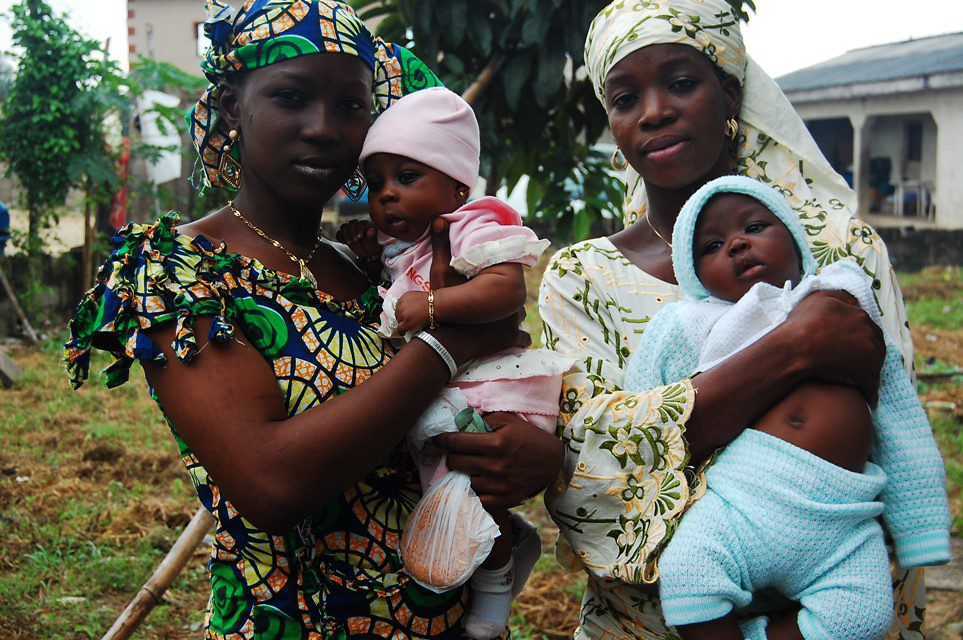
How Women in the Chivi District Are Reducing Poverty

Women in the Chivi District
Zimbabwe is a landlocked country in Southeast Africa. It is a member of the United Nations, the Southern African Development Community and the African Union. Many know it for its gold and agriculture-based economy as well as its status of being a tourist destination. The Chivi district, specifically, is a district located in the Masvingo province of Zimbabwe. This district is known for being quite arid and prone to drought. Natural disasters and changing weather patterns have exacerbated the arid climate and drought in the region.

While changing weather patterns and environmental disasters have been negatively affecting the area, women have been working to combat the more unfavorable effects, such as poverty. A 2012 study on the Chivi District shows that around 33.8% of people in the district suffer from chronic malnutrition. Malnutrition is one of the effects of extreme poverty that women in the district are aiming to combat. This article will focus on the role of women in the Chivi district in battling the effects of poverty and the challenges they face in their mission.

The Role of Women in Rural Economies

Overall, women play an important role in developing countries. A study by Hilda Jaka and Elvin Shava has explained that in more rural countries, such as Zimbabwe, women contribute greatly to the reduction of poverty. They help reduce poverty by making important improvements to rural economies. These improvements often come in the form of livelihoods as farm laborers or wage laborers. They also manage and operate complex households and families. Depending on the region, rural women often work in different sectors of agriculture. In the case of the Chivi district, women uphold the economy through their work in irrigation and pottery.

The Role of Women in Chivi

With a population of 90,170 women and 75,879 men in the district, women make up a larger portion of the population in Chivi. Women in this region often spend the majority of their time working on unpaid chores that are necessary for survival. During cropping season in Chivi, women often tend to contribute by working in irrigation. During the agricultural off-season times, many of the women in Chivi are focused on tasks such as pottery, crocheting, sewing and beer-brewing as means to earn extra income for their families. The work of women in this region contributes greatly to the overall economy as they play key roles in society by providing for their families and communities.

Challenges That Women in Chivi are Facing

Although women play an elemental role in the region’s economy, there are still a number of challenges that they face. One of the main challenges women face in this region is the lack of access to competitive markets. The local Chivi government does not provide ready markets, so women often have to travel to other areas in order to sell their goods (pottery, cloth, etc.). There is no direct transport to these areas so women oftentimes have to walk many miles each day. Changing climate patterns is another problem that women in the area are facing. Environmental disasters, in general, have made it harder for agriculture, which is one of the main means of livelihood for women in the region. These cause high temperatures that negatively impact crop production. Women in Chivi are also not very educated about this matter and have no tools to mitigate it.

Conclusion

Women play a large part in the Chivi district and its economy. Whether working as a laborer in agriculture or making pottery and other sellable goods, women are doing something to help their local economy year-round. While they do face challenges such as a lack of education about changing climate patterns and limited access to competitive markets, they still manage to contribute greatly to society. Their contributions to society not only aid their community and family but also helps in reducing global poverty.

– Timothy Ginter
Photo: Flickr

January 30, 2023
https://borgenproject.org/wp-content/uploads/borgen-project-logo.svg 0 0 Jennifer Philipp https://borgenproject.org/wp-content/uploads/borgen-project-logo.svg Jennifer Philipp2023-01-30 01:30:252024-05-30 22:30:43How Women in the Chivi District Are Reducing Poverty
Global Poverty, Sustainable Development Goals

Updates on SDG 1 in Qatar: Will the World Cup Reduce Poverty?

Updates on SDG 1 in Qatar
The first Sustainable Development Goal (SDG) is for countries to eliminate poverty. Qatar is an interesting case. While it is the second richest country in the world with an excess of riches through its oil wealth, its kafala sponsorship system has created a great disparity between its migrant population and native Qataris. The kafala system is a labor system that is a predominant culprit of poor living conditions in Qatar. Unfortunately, little data exists on updates on SDG 1 in Qatar. On the whole, Qatar has made some progress in recent years in tackling poverty, and this has been centered around fixing a broken labor system. Since Qatar won the World Cup bid back in 2010, its overall SDG rating has increased from 62.83 in 2010 to an updated score of 66.8 in 2022.

Perhaps the most positive impact of the World Cup came before the tournament commenced. In 2021, the Qatari government announced the implementation of a new increased universal minimum wage. The U.N.’s International Labor Organization (ILO) has said that this will benefit more than 400,000 workers.

Reality

However, as reports have widely stated, many of Qatar’s advancements in labor rights have not been unanimous. There remain reports of foreign workers, which make up 95% of the working population, receiving less than $1 an hour despite the legislative progress.

Under the kafala system, many foreign workers pay a fee to come to Qatar to work. This has been the primary reason for a lack of progress on SDG 1 in Qatar. Workers must work off this fee and often experience uncompromising working conditions, with 12-hour days and no days off. Another often-underreported dimension of this includes the abuse of female workers who take jobs as live-in maids and are extremely vulnerable.

Possible Solutions

Hosting a World Cup is a tremendous commitment and something that requires a variety of complex infrastructure. Qatar has built a new airport, metro system, hundreds of new hotels and multiple new modern stadiums. This has had a direct impact on SDG 8 as economic growth steadily increases and unemployment decreases. 

Approximately 20,000 workers have come under the guise of the Supreme Committee for Delivery and Legacy, the committee that oversaw the planning and building of the World Cup, reflecting a massive surge in employment. There have clearly been transgressions in working conditions during the preparation for the tournament, with concerning reports of worker deaths. However, there is also hope that the building of this infrastructure will trickle down and benefit the entire population.

Similarly, Amnesty International has devised a comprehensive 10-point plan to reform the labor system. This plan reflects how many of the reforms Qatar has made to its kafala system are not far-reaching enough, but with further revisions, foreign workers can have protection and enjoy greater autonomy. For instance, the government changed a law that previously meant that workers had to ask their employers’ permission to leave Qatar in 2020. Now, workers must still inform their employers.

The work of Amnesty International has influenced progress, with an expose in June 2020 surrounding the building of the Al Bayt stadium and its subpar working conditions leading to much international outcry. One can see the progress that occurred in labor reform thereafter as a direct consequence of the NGO’s investigation. 

Looking Ahead

Overall, unfortunately, there is a lack of data surrounding poverty levels and SDG 1 in Qatar. Much of the data that the government released only includes native Qatari who enjoy great benefits from the government. It remains evident that migrant workers bear the brunt of poverty, and it has been reported that Bangladeshi workers, for instance, can earn as little as $275 a month. 

 – Claudia Dooley
Photo: Unsplash

January 30, 2023
https://borgenproject.org/wp-content/uploads/borgen-project-logo.svg 0 0 Jennifer Philipp https://borgenproject.org/wp-content/uploads/borgen-project-logo.svg Jennifer Philipp2023-01-30 01:30:092024-05-30 22:30:43Updates on SDG 1 in Qatar: Will the World Cup Reduce Poverty?
Global Poverty

The Links Between Poverty, Violence and Psychological Well-Being

Violence and Psychological Well-Being
According to a working paper by Nik Stoop, Murray Leibbrandt and Rocco Zizzamia of the Southern Africa Labour and Development Research Unit, “The ‘social causation’ hypothesis posits that circumstances associated with living in poverty — e.g. high levels of stress, malnutrition, social exclusion, lowered capital, exposure to violence — increase the risk of mental illnesses.” Therefore, links exist between poverty, violence and psychological well-being.

Intimate Partner Violence

The links between poverty, violence and psychological well-being are apparent in the case of intimate partner violence.

In Kenya, intimate partner violence is prevalent and the rates of violence toward women are some of the highest globally, according to a 2016 World Bank article. According to the Kenya Demographic Health Survey of 2014, “More than 41% of Kenyan women experience sexual and/or physical violence by intimate partners in their lifetime.” Women have experienced sexual and/or physical violence at the hands of men due to certain stressors.

A World Vision Kenya project initiated a study wherein males reported that stressors such as “unemployment, excessive alcohol and substance use and family difficulties as well as other psychosocial, cultural and gender issues” increase the inclination of violent behavior toward a female spouse. Financial stressors are likely considering that the poverty rate in Kenya stood at 53% in 2018.

The Work of World Vision Kenya

World Vision Kenya in collaboration with the Sexual Violence Research Initiative and World Bank Group Development Marketplace for Innovations to Prevent Gender-Based Violence began an initiative to decrease intimate partner violence in two peri-urban areas of Kenya.

The initiative targeted males with “common mental health problems such as depression and anxiety, acknowledging the links between men with mental health problems, alcohol and substance use and high incidences of [intimate partner violence].” The project employed a psychological intervention called Group Problem Management Plus (GPM+) for men with common mental health issues.

Charles Barbuti, an attorney and former New York City Police Department captain, told The Borgen Project that when certain stresses occur, many males feel stuck and helpless and “don’t feel that they have an outlet.” As such, some men turn to violence. The frustrations of unemployment and financial issues and the cultural expectations of a man’s role as the provider contribute negatively to mental well-being. The initiative that World Vision Kenya launched looked to address the links between poverty, violence and psychological well-being.

Psychological Well-Being and Violence

Researchers have comprehensively researched the correlation between poverty, violence and psychological well-being as each factor can be a symptom of the other. One of the many consequences of intimate partner violence is the development of severe psychological issues.

According to the World Health Organization (WHO), “About two-thirds of women receiving mental health services have experienced intimate partner violence/domestic violence, a number higher than the general population.”

A study published in April 2022 by Claire Bahati and others used data from the 2018 Rwanda Mental Health Survey to identify correlations between intimate partner violence and mental health issues.

Findings from the cross-sectional study revealed that “the prevalence of all types of mental disorders was significantly higher in participants exposed to IPV than in non-exposed (p ≤ 0.001).” Furthermore, the subject group with exposure to intimate partner violence had higher rates of major depression, post-traumatic stress disorder and panic disorder as well as other disorders.

The Low-Income Link

When asked if intimate partner violence is higher in households that are suffering from poverty, Barbuti responded: “It may just be a correlation problem, but it does seem that it is more prevalent in lower-income environments.”

A cross-sectional study titled Income, Gender and Forms of Intimate Partner Violence published in July 2017 looked at the correlation between income and different forms of intimate partner violence among males and females. Data for this study came from the Mater-University of Queensland Study of Pregnancy in Brisbane, Australia.

The study found that “relative experiences of almost all forms of IPV (with the exception of physical abuse in males and harassment in females) are highest when both partners report receiving low income.” In addition, the study found that females in lower-income households are most susceptible to physical abuse, emotional abuse and severe combined abuse while males are more susceptible to experiencing harassment and severe combined abuse.

According to the Child Poverty Action Group, “Women in households with low incomes are 3.5 times more likely to experience domestic violence than women in slightly better-off households.” Child Poverty Action Group helps address the stressor of poverty in the U.K. by providing assistance and support to struggling families and children through payments, advice, free school meals and advocacy work.

Looking Ahead

By analyzing the links between poverty, violence and psychological disorders, organizations can address the root cause of the issues and develop more effective initiatives to combat poverty, violence and psychological disorders. Initiatives by organizations such as World Vision Kenya aim to reduce intimate partner violence by addressing stressors and the mental health illnesses associated with such violence.

– Yonina Anglin
Photo: Flickr

January 29, 2023
https://borgenproject.org/wp-content/uploads/borgen-project-logo.svg 0 0 Kim Thelwell https://borgenproject.org/wp-content/uploads/borgen-project-logo.svg Kim Thelwell2023-01-29 07:30:372023-01-26 10:53:52The Links Between Poverty, Violence and Psychological Well-Being
Global Poverty

The Truth About HIV/AIDS in South Sudan

HIV/AIDS in South Sudan
The Republic of South Sudan is located in Eastern Africa. Many know it for its newly-gained independence from Sudan and its status of being the youngest nation in the world. However, South Sudan is also one of the poorest nations in the world and is listed as 185 out of 189 countries on the Human Development Index (HDI). Due to ongoing conflict in the region, such as the recent civil wars, South Sudan has seen a spike in issues related to the country’s health system and many of its citizens are impacted by HIV/AIDS. Nevertheless, international and domestic institutions are taking major steps in combating the prevalence of HIV/AIDS in the region.

The Reality of HIV/Aids in South Sudan

One can characterize the issue of HIV/AIDS in South Sudan as being more concentrated in certain social groups and geographical areas. For example, HIV and AIDS are more prevalent in the southern regions of the nation and even more prevalent among female sex workers within those regions.

The transmission of HIV is a topic that is studied at length to combat the spread of the virus. According to the South Sudan Mode of Transmission Report (MoT), a study that occurred in 2014 regarding forms of transmitting HIV, the majority of the newest cases came from heterosexual sexual relations and mothers transmitting to their newborn children. Mother-to-child transmission often happened in cases of birthing, breastfeeding and pregnancy.

Another statistic that researchers often analyze when discerning the severity of the issue within a certain region is the percentage of the general population that has the virus. The U.N. Progress Report for monitoring HIV/AIDS in South Sudan states that around 2.5% of adults (ages 15-49) are living with HIV. This number, however, is improving due to help from institutions such as the Ministry of Health (MoH) and the U.N. These institutions are working on new ways of preventing the spread of HIV and treating those who have already been affected.

Something else that institutions take into consideration when attempting to combat viruses such as HIV is the general public’s knowledge of that virus. According to a survey on the attitudes and knowledge of HIV in Nimule, most adolescents had “fair” knowledge of HIV with 82% of the surveyed youth being aware that HIV can spread through sexual intercourse and 98% being aware that it can spread through blood. While the researchers concluded that there were some misconceptions surrounding the virus, it is commendable that most adolescents in the survey had a basic knowledge of the subject.

How Institutions are Battling HIV/AIDS in the Region

According to an article that the U.N. published, the prevalence of HIV/AIDS in South Sudan – and Africa as a whole –  is declining rather quickly. This is due to international institutions such as UNAIDS and the governments of Africa funneling money into their health programs. However, this article also stresses the need for continued monetary support to help these countries become healthier and safer.

One way that UNAIDS and African governments are helping combat this virus is through HIV testing. According to the MoH, there were around 32 facilities in South Sudan that provided HIV-related assistance, like testing. The South Sudanese government has also made it its mission to “Test and Treat all.” These testing efforts have made it a lot easier for institutions to pinpoint certain concentrations of affected individuals and allocate their resources accordingly. These measures to “test all” have been successful. The total number of people receiving antiretroviral treatment increased by around 20,300 between March 2013 and March 2018.

Another way in which institutions are helping the cause is by amping up anti-retroviral therapy (ART). This is an HIV treatment that helps to contain HIV replication. This therapy greatly reduces the mortality rate of HIV and even allows some patients to live completely normal lives. The “test all treat all” initiative has certain guidelines, one of which includes a minimum amount of time one can wait to receive treatment after testing positive for HIV (one week). Guidelines like these make it easier for governments and other institutions to manage the spread and treatment of the virus.

The Road Ahead

Although HIV/AIDS in South Sudan continues to be an issue, it is critical to note that governments and organizations are working to combat it. With the help of both international and domestic institutions, the cases of HIV continue to decrease year after year. However, it is still crucial to take into account that the issue has not reached its end, and continued support for South Sudan is of utmost importance.

– Tim Ginter
Photo: Wikipedia Commons

January 29, 2023
https://borgenproject.org/wp-content/uploads/borgen-project-logo.svg 0 0 Jennifer Philipp https://borgenproject.org/wp-content/uploads/borgen-project-logo.svg Jennifer Philipp2023-01-29 07:30:312023-01-30 03:51:49The Truth About HIV/AIDS in South Sudan
Global Poverty

How Entrepreneurship in Nigeria Alleviates Poverty

Entrepreneurship in Nigeria
Located in West Africa, Nigeria is one of the poorest countries in the world. The Federal Government of Nigeria, through a report by the National Bureau of Statistics in 2022, reported that 133 million Nigerians are multidimensionally poor. This accounts for about 63% of the country’s total population. Many cannot afford to fund their basic and essential needs and struggle to make a living every day.

One fundamental cause of poverty in Nigeria is the lack of employment. In March 2022, Professor Idris Bugaje, the Executive Secretary of the National Board for Technical Education (NBTE), reported that about 90 million Nigerian youths are unemployed. Many Nigerians do not have an education which makes it challenging for them to obtain jobs. Without employment, people often cannot be financially secure or meet basic needs. Currently, there are about 159 polytechnics and 221 universities in Nigeria, which produce up to 500,000 graduates every year with no jobs in the labor market. There are not enough job opportunities in the country even for those who have an education. However, entrepreneurship in Nigeria has proven to be effective in the reduction of unemployment.

Entrepreneurship in Nigeria

Through Micro, Small and Medium Enterprises (MSMEs), entrepreneurship in Nigeria has contributed immensely to the economy. In fact, Vannesa Lerato Phala, the Country Director of the International Labour Congress said at the opening session of a workshop that took place in November 2022, at Abuja, that “In Nigeria, SMEs contribute 48% of national GDP, account for 96% of businesses and 84% of employment. This sector contributes significantly to alleviating poverty and increasing job creation.”

Entrepreneurs create employment opportunities for themselves as well as for others. Entrepreneurship in Nigeria impacts the country’s economic growth by bringing new products, techniques and processes to the market and also extensively increases productivity and competition amongst producers of goods and services. Many Nigerians now possess at least one entrepreneurial skill with which they are able to sponsor the lifestyle they wish to live. The government has helped increase awareness of the importance of entrepreneurship in Nigeria by introducing entrepreneurship studies as a compulsory course in higher institutions and establishing and supporting some programs that promote skill acquisition. Here are three entrepreneurship programs promoting entrepreneurship in Nigeria.

3 Entrepreneurship Programs Promoting Entrepreneurship in Nigeria

  1. The Youth Entrepreneurship Development Programme (YEDP): YEDP launched on March 15, 2016. It aims to promote resourcefulness by providing capital to youth entrepreneurs and start-ups that often face problems of inadequacy and high costs. Target beneficiaries of the program are graduates who are members of or have completed their service with the National Youth Service Corps (NYSC) after five years or less or those who possess a verifiable tertiary institution certificate. Beneficiaries also include artisans with a First School Leaving Certificate or a technical certificate or accredited proficiency certificate from the National Board for Technical Education (NBTE).
  2. The Development Bank of Nigeria (DBN) Entrepreneurship Training Programme: The Development Bank of Nigeria has aimed to reduce the constraints that MSMEs face in Nigeria by providing loans and risk management tools. The DBN Entrepreneurship Training Programme began in 2019 to implement MSMEs with the prerequisites necessary for business growth and success. The training is usually open to business owners who are 18 years old and above, and are legal citizens of Nigeria.
  3. FGN Special Intervention Fund For MSMEs (National Enterprise Development Programme): This is an initiative of the Federal Government of Nigeria targeted toward the provision of subsidized loans to MSMEs with 9% interest only. In order to promote and encourage the impact of MSMEs, which are engaged in manufacturing and agro-processing, on the economy of the country, the Federal Government of Nigeria established the Special Intervention Fund in 2015 to give funds necessary for local raw materials. With this program, SMEs can receive funding of up to 20 million Naira, for people to pay back with only 9% interest per annum.

Looking Ahead

With so many skills that entrepreneurs in Nigeria engage in, they have slowly proven to be the major drivers of job creation, wealth creation and industrialization. By promoting entrepreneurship in Nigeria, the government encourages those who are underprivileged, and without funds, to go ahead and pitch their business ideas for funding, this has resulted in significant progress in the country’s economy over the years.

– Oluwagbohunmi Bajela
Photo: Flickr

January 29, 2023
https://borgenproject.org/wp-content/uploads/borgen-project-logo.svg 0 0 Jennifer Philipp https://borgenproject.org/wp-content/uploads/borgen-project-logo.svg Jennifer Philipp2023-01-29 01:30:232024-05-30 22:30:42How Entrepreneurship in Nigeria Alleviates Poverty
Global Poverty

Eliminating HIV/AIDS in Ghana

HIV/AIDS in Ghana
According to the Ghana AIDS Commission, more than 346,000 people are currently living with HIV/AIDS in Ghana. There are several important facts to know about the impact of HIV/AIDS in Ghana and the solutions in place to address the issue.

HIV/AIDS in Ghana

In sub-Saharan Africa in general, the majority of HIV/AIDs infections are concentrated among those living in poverty. According to a 2018 World Bank article, in 2015, sub-Saharan Africa accounted for more than 50% of the world’s extremely impoverished people. Predictions indicate that by 2030, 90% of the world’s extreme poor will reside in sub-Saharan Africa.

A 2007 research article by Noel Dzimnenani Mbirimtengerenji indicates that “HIV is an important outcome of poverty, with sexual trade, migration, polygamy and teenage marriages as its predictors in the sub-Saharan region.”

In 2018, 69% of all people living with HIV/AIDS resided in sub-Saharan Africa. Ghana does not have as high a risk of HIV/AIDS cases compared to other parts of sub-Saharan Africa. For the period of 2018 to 2020, the Joint United Nations Programme on HIV/AIDS, UNAIDS, categorized Ghana as “having a low-level generalized HIV epidemic.”

The prevalence of HIV/AIDS cases in Ghana has decreased over the years. In 2017, the country’s HIV rate stood at 2.1% compared to the 2016 rate of 2.4%. Women account for a significant portion of these cases.

Women are at greater risk of contracting HIV/AIDS in Ghana, but also globally. UNAIDS estimated in 2012 that “a young woman gets infected with HIV every minute.” In 2018, in Ghana,  females accounted for 65% of the 334,713 people living with HIV/AIDS in comparison to 35% of men. Women are at a greater risk of engaging in poverty-driven sex work, which increases their risk of contracting HIV. In 2014, female sex workers made up 11.1% of those with HIV in Ghana.

Greater Accra, Eastern, Ashanti and Western Region are the areas in Ghana with the highest rates of HIV. The four regions hold 75% of cases but only 58% of the population. The most at-risk populations are men who have sex with men, prisoners and female sex workers.

Solutions

The Ghana AIDS Commission, established in 2016, is a body that aims to “formulate policy on the HIV and AIDS epidemic and to direct and coordinate activities in response to HIV and AIDS.” The commission’s objectives include:

  • Advocating for HIV/AIDS prevention and control in Ghana.
  • Leading “national planning, supervision, and support of the HIV and AIDS program.”
  • Monitoring and assessing the effectiveness of the country’s HIV/AIDS programs.
  • Disseminating HIV/AIDS education across the country.
  • Ensuring proper data collection on persons living with HIV in Ghana.

Free to Shine, which the Organisation of African First Ladies Against HIV/AIDS (OAFLA) and the African Union launched in January 2018, aims to reduce mother-to-child transmission of HIV and lower the risk of pediatric HIV. The First Lady of Ghana, Rebecca Akufo-Addo, gave a speech explaining that there is an urgency for increased testing and treatment efforts among women of childbearing age in order to prevent mother-to-child transmission.

Looking Ahead

Overall, HIV/AIDS in Ghana affects women and those in poverty at a much greater rate. Through the resources that programs and organizations have provided, as well as more testing and accurate data, HIV-infected people can receive support and the spread of HIV can reduce.

– Ann Shick
Photo: Flickr

January 29, 2023
https://borgenproject.org/wp-content/uploads/borgen-project-logo.svg 0 0 Naida Jahic https://borgenproject.org/wp-content/uploads/borgen-project-logo.svg Naida Jahic2023-01-29 01:30:152023-01-26 10:23:56Eliminating HIV/AIDS in Ghana
Economy, Global Poverty

Nepal’s Economic Recovery

Nepal’s Economic Recovery
Nepal, a landlocked nation famous for the mountainous range of the Himalayas on its borders, has been working to restructure its economy, bring new opportunities to its citizens and decrease poverty rates. Historically, Nepal’s poverty rates have been incredibly high, currently leveling at about 25%, with a heavy reliance on agriculture, lacking education and infrastructure, and many more variables that have stunted and limited economic growth for decades. Many feared that Nepal’s economy was on its way to economic collapse and crisis. Instead, Nepal has recently had some of its most promising improvements during the COVID-19 pandemic.

Nepal’s Economic Burdens and Poverty Exacerbators

The factors increasing Nepal’s poverty rates are numerous. One of the greatest is Nepal’s reliance on agriculture. Agriculture serves as Nepal’s primary source of income and food. Such farming practices are known as “subsistence farming, and 68% of Nepal practices subsistence farming. Agriculture is responsible for one-third of Nepal’s Gross Domestic Product (GDP). It connects employees ranging from farmers to small-business merchants and large-scale international traders. Nepal is vulnerable to severe droughts and flooding, resulting in a vicious cycle that upsets the agriculture sector and limits production, income and the food available per family.

A wide class divide has also exacerbated Nepal’s poverty challenges, as the education system in Nepal has exemplified. Nepal’s education system has been slowly expanding to reach the rural regions, specifically the Kathmandu region, where the public and private sectors are integrating to be more inclusive for children of all ages. Net enrollment in schools is up to 97%, but more than 770,000 children are still unable to obtain a comprehensive education as many areas do not have schools or the ones that do exist are understaffed. Minimalized education perpetuates regional poverty, limiting upwards economic progression.

Nepal’s Economic Recovery

Economists have feared that Nepal is due for an economic crisis similar to the one that Sri Lanka experienced in 2022. Sri Lanka’s economy slid into a crisis due to extremely high external debt, a tremendous trade deficit and overwhelming inflation. The crisis is increasing poverty rates, about 25% in Sri Lanka, with the urban poverty rates tripling since 2021. The government is struggling to restructure the economy and take control of the rising poverty rates and joblessness, but Nepal’s economy is not on the same track.

Nepal’s external debts have much lower interest rates than Sri Lanka’s, and the government has implemented new transparent and efficient policies that concentrate efforts on local infrastructure changes. Despite the challenges regarding Nepal’s reliance on agriculture, agriculture became a savior for the nation after the economy lost income from tourism and external support systems. Nepal’s economic recovery would not be possible without the changes to its debt or agriculture system.

The Asian Development Bank (ADB) predicts that Nepal’s economy will again experience a year of modest improvement for the fiscal year 2023, with further decreases in poverty, meaning Nepal’s economic recovery was not temporary. The government has tightened restrictions on imports and exports to ensure the economy remains stable. The new restrictions created new reliances on agriculture, forcing the government to invest extra efforts in the agriculture system’s impact locally before returning to expanding trade externally. The pauses allow the government to take stock of its depleted foreign currency reserves before deciding which allies to renew, strengthen or end.

Improvement to Education in Nepal

Nepal’s education system has improved as the COVID-19 pandemic forced the schools to reconfigure their newly developed teaching styles and practices. The pandemic’s pauses in everyday life presented Nepal with the opportunity to implement new teaching programs nationwide. The original interruption of the COVID-19 pandemic in daily life slowed the pace at which Nepal can reach the United Nation’s Sustainable Development Goals (SDG). The government aimed to hit benchmarks by 2022 to exemplify the progress in academia throughout Nepal, but the new plans restructured the older outline for the education goals. The alterations to the Nepalese education system can provide new academic opportunities for an education that can lift children out of poverty.

Despite Nepal’s economic strife in years past, the COVID-19 pandemic was a window of opportunity for the government to restructure the nation’s reliance on agriculture and deficient education system and reconfigure trade deals with international allies. Nepal’s economic recovery shows that the country is nowhere near an economic crisis, as the private sector may have feared, but it is on a stronger path to recovery than ever before.

– Clara Mulvihill
Photo: Flickr

January 28, 2023
https://borgenproject.org/wp-content/uploads/borgen-project-logo.svg 0 0 Jennifer Philipp https://borgenproject.org/wp-content/uploads/borgen-project-logo.svg Jennifer Philipp2023-01-28 07:30:452023-01-25 13:23:44Nepal’s Economic Recovery
Global Poverty, Human Trafficking

The Fight to Eliminate Human Trafficking in Zimbabwe

Human Trafficking in Zimbabwe
Every year, the country of Zimbabwe faces the ever-present issue of human trafficking. The targets of human trafficking in Zimbabwe and the rest of the world are typically women and children whom the traffickers exploit as free labor for their businesses. This business of human trafficking is especially prevalent in Zimbabwe, rooting itself into the country similar to weeds. However, there is hope as Zimbabwe can pass legislation to suppress human trafficking. 

Targets of Human Trafficking in Zimbabwe

Every year, the United States Department of State conducts reports on the various levels of human trafficking in countries across the world. The U.S. Department of State uses three different criteria to determine a country’s level of human trafficking.

  • “Tier 1: Countries and territories whose governments fully comply with the minimum standards.
  • Tier 2: Countries and territories whose governments do not fully comply with the minimum standards but are making significant efforts to bring themselves into compliance with those standards.
  • Tier 2 Watch List: Countries and territories whose governments do not fully comply with the minimum standards but are making significant efforts to bring themselves into compliance with those standards and the estimated number of victims of severe forms of trafficking is very significant or is significantly increasing and the country is not taking proportional concrete actions.”

As of 2023, the U.S. Department of State recognizes Zimbabwe as a Tier 2 watch list. According to the report, human trafficking in Zimbabwe uses the victims of trafficking for various reasons including, mining for gold and diamonds, sex trafficking, cattle herding, domestic service and agriculture. About 71% of children who are victims of human trafficking work in the agricultural industry of Zimbabwe, where the children labor on tobacco, sugarcane and cotton farms. Another part of working in the agricultural sector is forestry and fishing, in which children harvest and pack goods.

The report also states that children ages 9-14 are used as “nannies, housemaids, and gardeners in urban areas and mining communities,” where employers withhold wages and deny the children access to school, as an incentive for the children to work. Zimbabwe also has multiple traditional practices which make young girls subject to trafficking including trading girls for food or money and using girls as “replacement brides” for deceased family members.

The Failure of Zimbabwe’s Legislation

In 2019, Zimbabwe released a three-year plan with hopes of reducing human trafficking. Strategies named in the plan to lower human trafficking include:

  • To improve access to services for victims of trafficking (VOT)
  • To reduce bribery corruption in trafficking in persons (TiP) cases
  • To offer specialized continuous training for investigators
  • To facilitate the provision of appropriate shelter and psycho-social support services to identified VOT
  • To enhance cooperation at international levels

Each of these strategies fundamentally failed, which the U.S. Department of State goes into detail about in their 2022 report on Zimbabwe.

VOT access to services has not seen significant improvement. In fact, the Zimbabwean government has still held no trials for 17 VOT from a case in 2016, regardless of the victims urging for a trial. The report states that bribery is still highly prevalent too. The U.S. Department of State has reported one example of this in which border officers accept bribes in exchange for allowing unauthorized crossings over the border.

The US Department of State’s Report on Investigations

The report also finds judges accepting payments of “farms and houses” to turn a blind eye in court. While 500 officers and 10 immigration officers have received training on trafficking, the government did not provide effective procedures to investigate cases. The lack of proper procedures results in law enforcement dishing out wage infractions or immigration violations, instead of human trafficking violations.

Shelter for VOT is lacking as well, in which traffickers kidnap children from one of the government-run homes and force the children to work on citrus farms in Mazowe. Cooperation at the International level requires improvement as well. One key way Zimbabwe is not in cooperation at the International level is concerning how they write their laws on human trafficking. Zimbabwe’s law regarding human trafficking, the 2014 Trafficking in Persons Act, is not consistent with International law by way of not defining “exploitation” adequately. This leaves Zimbabwe without “comprehensive prohibitions of trafficking crimes.”

Improvements by the Zimbabwean Government

The Zimbabwe government hopes 2023 will be a year of improvement for the human trafficking situation. In April 2022, the Information Minister of Zimbabwe, Monica Mutsvangwa informed the media that the government will introduce a Trafficking in Persons Bill. The contents of this bill are focusing on strengthening the current laws regarding human trafficking in Zimbabwe. This bill also contains the definition of “service exploitation.” Introducing this definition will allow for much less leeway for human traffickers, as there will be strong legal guidelines on what is technically human trafficking.

The situation of human trafficking in Zimbabwe is deep-rooted and corruption has accelerated it. While the level of human trafficking in Zimbabwe is not ideal by any measure, it is seeing improvement. With the hopes of new legislation on the horizon, Zimbabwe could see massive changes in 2023 which would drastically improve the situation for the country.

– David Keenan
Photo: Flickr

January 28, 2023
https://borgenproject.org/wp-content/uploads/borgen-project-logo.svg 0 0 Jennifer Philipp https://borgenproject.org/wp-content/uploads/borgen-project-logo.svg Jennifer Philipp2023-01-28 07:30:212024-05-30 22:30:43The Fight to Eliminate Human Trafficking in Zimbabwe
Global Poverty

How Huru International is Working to End Period Poverty in Africa

Period Poverty in Africa
Huru International, a New York-based nonprofit organization, has been providing aid in order to end period poverty in Africa since 2008. The organization provides environmentally-safe, reusable menstrual products, along with education to help African women and students gain a deeper understanding of their own menstrual health. Huru also works to provide them with opportunities they otherwise would not have in order to combat period poverty in Africa.

Lorna Macleod founded Huru International in 2008 in order to fight HIV in Mukuru kwa Njenga. Prior to founding the organization, she noticed how many girls in the area were struggling to keep themselves clean and healthy during their periods. Macleod knew that many residents of Mukuru already struggled with basic hygiene because of their lack of “electricity, clean water, waste management and adequate medical care,” making period poverty inevitable in the area. Macleod wanted to combat this issue.

Education

Huru International uses a variety of educational methods in creating an “adaptable and accessible” curriculum to teach young women about their menstrual health and what they can do to keep themselves safe. The organization also works to educate boys about the menstrual cycle in order to create a generation of allies to their female peers and help them become respectful members of society joining the fight against period poverty in Africa.

Huru also includes education on the recognition and prevention of HIV/AIDS. Within these safe spaces, information about STD testing centers and contraceptives is provided to all – from youth classes to young adults.

Skills Development Program

Huru International provides a Skills Development Program, where East African women go through a four-month course to gain helpful skills in order to ensure a future of “economic stability, employment, financial independence, and optimism toward their future.” More than 65% of those involved with the program have no income. 

The program tackles many issues present in East Africa:

  • The Employment Epidemic: Exacerbated by the COVID-19 pandemic, many between the ages of 15-24 years old are finding it much more difficult to find a job. This problem is hitting the country’s girls much harder, with many dropping out of school when they reach “menarche,” or their first menstrual cycle. They are thus disproportionately losing job opportunities compared to their male counterparts.
  • Skill Training: Because of the aforementioned drop in employment, Huru leads a “Skills Development Program” in order to train Kenyan women on skills that will give them a boost in certain careers, like textiles and tailoring. The program provides a plethora of lessons, including textile creation, entrepreneurship and health education.
  • Employment Post-Program: Huru’s students take the National Industrial Training Authority (NITA) exam at the end of its four-month program. The NITA, a certification given to those who pass the exam, can result in an increase in pay at the student’s next job.

AmericaShare and Micato Safaris

AmericaShare is a nonprofit organization that emerged in 1986 that supports the children of Mukuru in Nairobi, Kenya by offering programs that provide education and community development. Huru International founder Lorna Macleod co-founded Micato, AmericaShare’s parent company.

The two legs formed the nonprofit Micato-AmericaShare, in order to provide aid to Kenyan citizens affected by the HIV/AIDS epidemic and the consequential poverty that followed.

Micato-AmericaShare also introduced the School Sponsorship Programme, where those who have traveled with Micato Safaris can sponsor a child and allow them to attend a high-quality boarding school.

Conclusion

Huru International has reached more than 465,000 people, provided 210,000 of its menstrual kits – coined “Huru Kits” – and has created 1.7 million reusable pads since its creation in 2008. The organization reports that out of the girls who have received a Huru Kit:

  • They became three times less likely to miss school when on their period; 90% of girls report that they have missed less school because of menstrual problems.
  • About 80% reported seeing an improvement in academics.
  • Additionally, 90% felt more confident about their future.

With Huru’s continuous support, supplies and educational programs, the mission to end period poverty in Africa can become a more pragmatic goal instead of a far-fetched dream.

 – Aspen Oblewski
Photo: Flickr

January 28, 2023
https://borgenproject.org/wp-content/uploads/borgen-project-logo.svg 0 0 Jennifer Philipp https://borgenproject.org/wp-content/uploads/borgen-project-logo.svg Jennifer Philipp2023-01-28 01:30:212024-05-30 22:30:43How Huru International is Working to End Period Poverty in Africa
Global Poverty, USAID

USAID’s Support of the Cambodian Fish Industry

The Cambodian Fish Industry
The Cambodian fish industry is vital to the nation’s food security and economy. Recent support that USAID provided has bolstered the skills, knowledge and resources of those engaged in the fish market. This action provides positive assistance to strengthen a vital system within an impoverished country.

The Importance of the Cambodian Fish Industry

Cambodia depends on the strength of its fishing industry, both for the economy and for the nourishment of the general population. It is estimated that its fisheries produce around 2.1 million tonnes of fish per year. According to Open Development Cambodia, “The country holds two world records: the highest catch of inland fisheries per capita and the highest consumption of freshwater fish per capita.” Since seafood is so ingrained in Cambodian society, growths within this field have the ability to reduce poverty and raise the quality of living for inhabitants. As of 2019, 17.8% of the population lived below the poverty line. Two separate projects that USAID produced are fostering positive growth within the Cambodian fishing industry, showing promising implications for future success.

New Fishway Development

The first of these projects reached completion on August 24, 2022. USAID funded the creation of two new fishways to increase accessibility to fishing in the Pursat Province. Prior to the official construction of the new fishways, two demonstrative fish passes were constructed in 2019 and 2021 to act as proof of concept. Because the passes correctly showed the possible impact of the final plan, USAID moved forward with the project shortly after.

These new routes will allow fish to avoid irrigation structures and travel upstream, touching communities in otherwise unreachable areas. USAID states that “These fishways also demonstrate that small-scale fish passes are a feasible, relatively inexpensive solution to the problem of declining fish stocks,” which provides a sense of optimism for future use of similar ventures. The new fishways will allow growth within the crucial Cambodian fish industry.

Nutritional Information Database

Feed the Future, the U.S. Government’s Global Hunger and Food Security Initiative, is another USAID program. A Cambodian researcher by the name of Chakriya Chum has been collecting fish samples across the country for more than a year, for the sole purpose of creating a nutritional database focused on the fishing industry. Feed the Future has supported her work in the hopes of spreading dietary knowledge across Columbia.

Because the population is so highly reliant on fish, it is important for citizens to understand the differences between each type. Chum stated that “Knowledge and research [generated with and] transferred to the community will improve health, fish processing and their livelihood.” The database includes information about best practices for preservation, which will hopefully increase national food security. In addition to the general population, policymakers and farmers can utilize this information to help them create more productive practices.

Both USAID projects provide support for the Cambodian fish industry, an important factor in national food security and economic matters. In the coming years, these programs may be able to expand to neighboring areas and expand in size to create greater change on an international level.

– Hailey Dooley
Photo: Flickr

January 28, 2023
https://borgenproject.org/wp-content/uploads/borgen-project-logo.svg 0 0 Jennifer Philipp https://borgenproject.org/wp-content/uploads/borgen-project-logo.svg Jennifer Philipp2023-01-28 01:30:162023-01-25 09:16:37USAID’s Support of the Cambodian Fish Industry
Page 532 of 2162«‹530531532533534›»

Get Smarter

  • Global Poverty 101
  • Global Poverty… The Good News
  • Global Poverty & U.S. Jobs
  • Global Poverty and National Security
  • Innovative Solutions to Poverty
  • Global Poverty & Aid FAQ’s
Search Search

Take Action

  • Call Congress
  • Email Congress
  • Donate
  • 30 Ways to Help
  • Volunteer Ops
  • Internships
  • Courses & Certificates
  • The Podcast
Borgen Project

“The Borgen Project is an incredible nonprofit organization that is addressing poverty and hunger and working towards ending them.”

-The Huffington Post

Inside The Borgen Project

  • Contact
  • About
  • Financials
  • President
  • Board of Directors
  • Board of Advisors

International Links

  • UK Email Parliament
  • UK Donate
  • Canada Email Parliament

Get Smarter

  • Global Poverty 101
  • Global Poverty… The Good News
  • Global Poverty & U.S. Jobs
  • Global Poverty and National Security
  • Innovative Solutions to Poverty
  • Global Poverty & Aid FAQ’s

Ways to Help

  • Call Congress
  • Email Congress
  • Donate
  • 30 Ways to Help
  • Volunteer Ops
  • Internships
  • Courses & Certificates
  • The Podcast
Scroll to top Scroll to top Scroll to top