Tackling the Double Burden of Malnutrition in South Africa
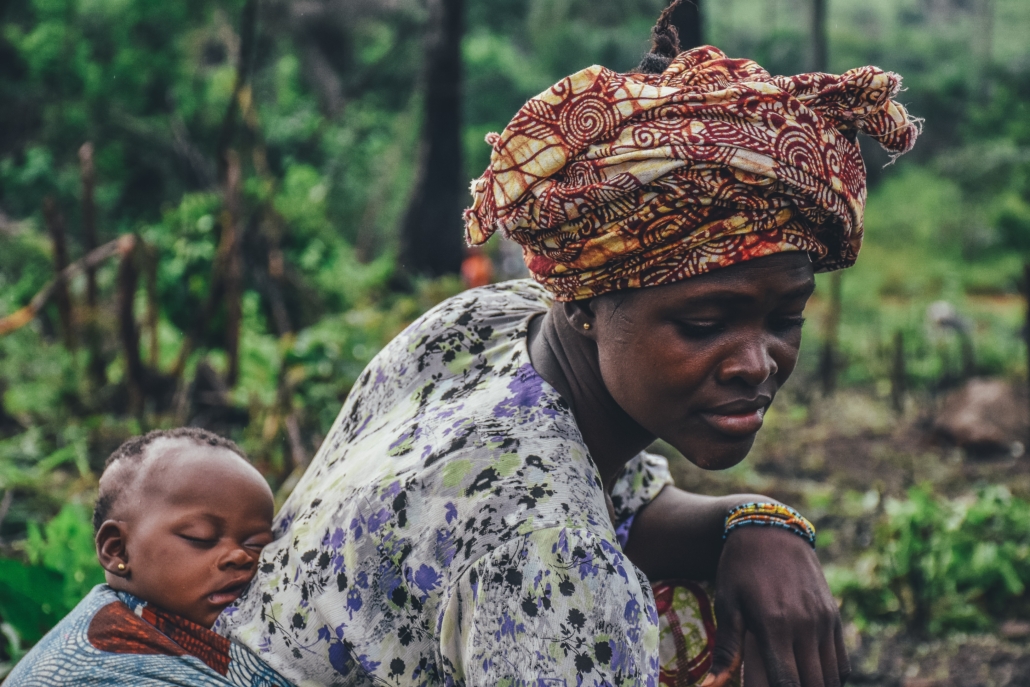
Because of recent lifestyle transition and urbanization, South Africa has shown an increase in overnutrition (overweight, obesity) at a global population level while undernutrition among children dangerously persists. Here is some information about the double burden of malnutrition in South Africa.
An Introduction to the Double Burden of Malnutrition in South Africa
South Africa is experiencing the impact of the double burden of malnutrition. The term “double burden” characterizes the state of malnutrition in a country where both undernutrition (and associated micronutrient deficiencies) and overnutrition (overweight and obesity) and nutrition-related noncommunicable diseases (NR-NCDs) exist simultaneously in the population.
The double burden of malnutrition typically occurs in middle-income countries that, just like South Africa, are experiencing rapid economic growth, industrialization and urbanization. Those changes often occur with shifts in dietary patterns, such as a preference for a diet high in fats and salts and low in fiber, which often happens alongside demographic and epidemiologic shifts.
Infants and children are at the most immediate risk as their growth and development are dependent on proper alimentation. The most common side effect of undernutrition in children is stunting. Undernutrition can cause impaired development that can result in irreversible cognitive and physical damage later in life. Overnutrition occurs most frequently among adults and correlates with high blood pressure and cholesterol which are both risk factors for NR-NCDs. If no action occurs, the already considerable economic and social tolls that malnutrition and its associated health burdens have will only worsen.
The Current State of Malnutrition in South Africa
Over the past decades, South Africa has invested and adopted a wide range of nutrition policies in order to improve children’s health. Despite global and national efforts, the country is still not on track to meet most of the Global Nutrition Targets by 2025. The country is undergoing a nutrition shift involving overnutrition that leads to obesity and persisting undernutrition among children. The prevalence of stunting (27% of children under 5) has remained constant over the years and is higher than in other poorer neighboring countries.
Scarce progress has occurred in achieving the diet-related NCD targets with the prevalence of overweight and obesity being on the rise in all age groups with a particularly high prevalence of obesity in adult women (40%). A consequence of the rapid development of the country is the widening of economic and social disparities that include poverty and limited access to resources.
Solutions for Malnutrition in South Africa
As part of its motto “Health for all, Hunger for None,” the pharmaceutical company Bayer has expanded one of its sustainability programs: the Nutrient Gap Initiative. The program initially aimed to expand access to vitamins and minerals to underserved communities. The Nutrient Gap Initiative is now receiving an upgrade so it can provide essential sources of foods such as fruits, grains and vegetables. Bayer is partnering with reach52, a tech company that delivers health services to understudied markets, to train health workers in South Africa. The goal is to teach health workers to collect data – through an app that reach52 created – on nutrition factors to better understand where help is necessary. The health workers then analyze the data to provide targeted supplements to the community.
Another example of a positive initiative was from Food & Trees for Africa (FTFA), a nonprofit organization that aims at improving food security and environmental sustainability where it is the most necessary in Africa. During the COVID-19 lockdown in South Africa, FTFA launched the Grow your Own Initiative and encouraged people to grow their own food by providing an estimated 720,000 seedlings throughout the country. This had a positive outcome as the FTFA was able to offer food during hard times to people in need.
Recommendation for Future Improvements
Despite the fact that useful tools and programs are undergoing development and adoption, the double burden of malnutrition remains a significant issue. The multicausal aspect of malnutrition calls for a coordinated intergovernmental action plan that looks into all aspects (economic, agricultural, social…) of the issue. It is crucial to also take into account the lifestyle and nutrition shifts that drive the malnutrition epidemic in South Africa. Policies targeting the supply-demand side of malnutrition are necessary to address the double burden of malnutrition.
– Raphaelle Copin
Photo: Unsplash
