• Link to X
  • Link to Facebook
  • Link to Instagram
  • Link to TikTok
  • Link to Youtube
  • About
    • About Us
      • President
      • Board of Directors
      • Board of Advisors
      • Financials
      • Our Methodology
      • Success Tracker
      • Contact
  • Act Now
    • 30 Ways to Help
      • Email Congress
      • Call Congress
      • Volunteer
      • Courses & Certificates
      • Be a Donor
    • Internships
      • In-Office Internships
      • Remote Internships
    • Legislation
      • Politics 101
  • The Blog
  • The Podcast
  • Magazine
  • Donate
  • Click to open the search input field Click to open the search input field Search
  • Menu Menu

Archive for category: Global Poverty

Key articles and information on global poverty.

Global Poverty

Poverty and Gender Inequality in India

Gender Inequality in India 
According to UNICEF, India is one of the most rapidly developing economies globally. However, poverty and gender inequality in India remain deeply entrenched. Despite the voices of women worldwide in various professional domains, women and girls within India still face restrictions on their rights, due to deeply ingrained beliefs about their inferior value and power.

Gender Disparity in the Indian Workforce

According to the National and Family Health Survey findings, the participation rate of women in the workforce in India stands at 25%, while for men, it is 57.5%. This discrepancy is not surprising but deeply concerning. India has long been known for its low female workforce participation rate. In contrast, countries like Nepal (79%) and Bhutan (52%) have rates of female workforce participation much higher than India. 

Oxfam India’s inequality report titled “On Women’s Backs” highlights how unpaid care work ultimately leads to income and time poverty for women, impacting their health, financial situation and emotional well-being and limiting their professional aspirations. 

Oxfam India’s 2022 report on discrimination in India sheds light on access to the labor market. The report reveals that the labor market reflects the country’s realities with a gender gap in employment and wages and discriminatory attitudes towards women. Although discrimination has declined over the 15 years, significant gender bias persists within the labor market which makes poverty and gender inequality in India continue. 

It suggests that the differences in abilities and qualifications such as education level, work experience, asset ownership, land possession and parental education are insufficient to explain the disparities between genders in employment and wages. It highlights that gender-based discrimination plays a role in perpetuating these inequalities accounting for 98% of the employment gap between men and women in areas. Moreover, one can attribute 67% of the wage gap to gender-based discrimination. 

This discrimination is often driven by attitudes towards genders held by employers and their policies that overlook gender fairness. Employers sometimes intentionally favor men over women regardless of their qualifications while claiming fair and unbiased practices, leading to adverse outcomes of poverty and gender inequality in India.

UNICEF’s Initiatives for Gender Equality

UNICEF India has created its 2018–2022 Country Programme to address the challenges that children in India face related to gender disparities. Each program outcome emphasizes the importance of gender equality, which is explicitly reflected in the program’s objectives, budget allocation and expected results, contributing to the decline of poverty and gender inequality in India. UNICEF India’s goals include: 

  • Health: Reducing the high mortality rate among girls under five and promoting health care-seeking behavior for girls and boys. For instance, frontline workers actively encourage families to seek attention for sick baby girls.
  • Nutrition: Enhancing the status of women and girls by promoting equitable eating practices. One approach involves empowering women cooperatives to develop and implement their plans for nutrition within their communities.
  • Education: Providing gender support to ensure that out-of-school girls and boys have access to education and fostering curricula and teaching methods that promote gender equality. This includes implementing strategies to identify out-of-school children and revising textbooks so that they no longer perpetuate harmful gender stereotypes.
  • Child protection: Ending child marriages by supporting village councils to eliminate child marriage through organizing clubs for girls and boys that teach girls non-traditional activities like sports, photography and journalism.
  • WASH (water, sanitation and hygiene): Enhancing girls’ access to menstrual hygiene management, including providing equipped toilets in schools.
  • Social policy: Assisting state governments in creating cash transfer programs that are responsive to gender needs and promoting women’s leadership in governance. For instance, implementing a cash transfer program in West Bengal to support girls’ education.
  • Disaster risk reduction: Encouraging better gender data collection for disaster risk reduction efforts and increasing the involvement of women and girls in leadership roles by promoting greater female participation and leadership. 

Empowering All for India’s True Progress

According to UNICEF India, many women from India have emerged as leaders and strong advocates in industries worldwide. However, it is unfortunate that most women and girls in India cannot exercise their rights due to ingrained patriarchal beliefs, societal norms, traditional values and structural barriers. India can only achieve complete development when both girls and boys receive support to realize their capabilities. 

– Aysu Usubova
Photo: Flickr

November 4, 2023
https://borgenproject.org/wp-content/uploads/borgen-project-logo.svg 0 0 Lynsey Alexander https://borgenproject.org/wp-content/uploads/borgen-project-logo.svg Lynsey Alexander2023-11-04 15:00:222023-11-03 05:30:39Poverty and Gender Inequality in India
Global Poverty

The Risks of E-Waste in India

E-Waste in IndiaIndia is the seventh-largest country by area and the first most populous as of 2023, overtaking China’s long-standing title. India is one of the oldest civilizations in the world – allowing for a wealth of culture and revolutionary ideas to grow and expand into the rest of the world. However, the disposal of e-waste in India is a problem and impacts the most vulnerable. Here is some information about e-waste and what some are doing to address it.

What is E-Waste?

The latest technology, like smartphones, computers and TVs, is increasingly available to people on a global scale. India’s economy continues to grow as millions of people are spilling into the middle class, allowing mobile technology to become a booming market. 

However, technology like this does not have the ability to last for extended periods of time. Within a few years, smartphones’ performance decays to an unusable state for consumers, and the pieces end up in the trash. Electronic waste, or e-waste, in India, is not limited to its own people’s waste – the United States sends most of its e-waste to India despite legal restrictions on both exporting and importing such dangerous substances. 

The United States generates 6.9 million tons of e-waste every year, of which only around 17% is truly recycled. The UN estimates that 10-40% of the e-waste goes to other countries, with India acting as one of the main exports as buyers aim to harvest the inner materials.

The old electronics are useless to the direct consumer, but internal materials like copper and gold are incredibly valuable and useful resources to those living in poverty. The top 10% of India’s rich are controlling 80% of the nation’s wealth, while 60% of India’s population survives under the World Bank’s median poverty line. 

How it Affects India’s People

India’s e-waste market is highly unregulated – fostering countless health issues and deaths among pickers. Many of the people sifting through the tons of e-waste in India are children. They spend hours shifting around exposed circuit boards and burning chemicals and metals with no protective gear. 

Mercury, lead and arsenic are among a few of the chemicals that harm the lives of thousands of children who must spend 10-hour days harvesting e-waste. Skin diseases, chronic lung infections, cancer and death are all direct health risks of working with such harsh chemical materials. 

Environmental enforcement is poor, allowing for e-waste in India to be a persistent and unregulated issue affecting the lives of predominantly poor children. Poverty and education have inextricable links, and instead of school, the children end up working in dangerous conditions to earn a meager income.

Of 250 e-waste workers studied over a 12-month period, almost all of them suffered from severe breathing problems and 10-20 times higher levels of lead, mercury and chromium in their blood and urine samples. 

Moving Forward 

Though India has made steps to regulate such an uncontrolled, destructive industry, little progress has been effective in mitigating the dangers of the facilities. Workers are still lacking in protective gear and access to health care, and most of the workforce are children who lack community and financial support. 

Several NGOs have spent years working to put pressure on the government to enact effective and strictly enforced protection for the children forced into this industry of hazardous waste interaction. 

Saahas, for example, is an NGO that began as a waste-management organization that encouraged the safe disposal of waste through education and recycling resources. It has implemented e-waste drop boxes across cities like Delhi and Bangalore and provides education on how to safely dispose of e-waste as a preventative measure against landfills of hazardous waste. One company testimony on their site expresses that Sahaas’ help has reduced their waste from 60% down to 6%, keeping this waste off of the streets and away from the children stuck sifting through waste chemicals.

Increased access to education could help pull these children from the landfills and instead allow them to advance their opportunities for more controlled safety standards. Literacy and education are vital to combating child labor, but in such a poorly restricted and dire situation many of India’s children have no option other than to help their families gain income. 

Until the industry can be more globally managed, there needs to be an increase in education on safe disposal with resources like gloves and masks to reduce the risk of exposure to harmful conditions. Harm reduction is vital to protecting the lives of those who have no other choice than to wade through the waste of the world. 

– Eden Ambrovich
Photo: Unsplash

November 4, 2023
https://borgenproject.org/wp-content/uploads/borgen-project-logo.svg 0 0 Yuki https://borgenproject.org/wp-content/uploads/borgen-project-logo.svg Yuki2023-11-04 07:30:402023-10-31 07:59:07The Risks of E-Waste in India
Global Poverty

Aid Groups Rally to Assist Afghanistan Amid Herat Earthquakes

Herat Earthquakes
On Saturday morning, October 7, 2023, 
a 6.3 magnitude earthquake struck western Afghanistan, followed by several aftershocks. On October 11, another 6.3 magnitude earthquake hit the same region, leading to widespread destruction of villages, with hundreds of mud-brick homes — typical structures for those living in poverty — demolished beyond repair. Then, on Sunday, October 15, a third earthquake registering the same magnitude on the Richter scale hit the already devastated Herat region. International aid groups are rallying to help those who have survived the Herat earthquakes, which have killed nearly 3,000 and left countless more injured in a nation already in an economic crisis. Many residents sleep outside tonight — mostly in public parks and streets, fearing that any homes still standing could collapse in another round of tremors and aftershocks. 

Poverty-Stricken Afghanistan 

Afghanistan has suffered many economic, humanitarian and environmental blows over the past two years. Since the Taliban takeover in 2021, locals have seen a sharp rise in their cost of living. Changing weather patterns have significantly impacted the Afghani region, devastating local agriculture and leaving almost 90% of Afghani citizens in extreme poverty without enough food to eat. The United Nations estimates that over 60% of people in Afghanistan require humanitarian aid to combat the devastating poverty plaguing the Afghani people. 

Since the Herat earthquakes began their devastation in the western region of Afghanistan on October 7, 2023, they have directly affected 43,395 people (7,165 families) across the districts of Injil (23,053 people), Kushk / Rabat-e-sangai (8,541 people), Zindajan (7,523 people), Gulran (3,428 people), Herat (717 people) and Kohsan (133 people). The earthquakes have destroyed more than 3,330 homes — the majority in the Zindajan district — and severely or moderately damaged more than 3,000 homes. The earthquakes did not spare their vital community infrastructure, including schools and health clinics. 

Aid Groups Assist Afghanistan Amid Herat Earthquakes

The UN and humanitarian partners have deployed health and humanitarian field teams to assess and respond to needs in the most affected areas. The World Food Program (WFP), an international organization within the United Nations that provides food assistance worldwide, has provided 525.07 metric tons of food assistance to the affected areas. On October 13 and 14, the WFP delivered mixed food commodities to 1,715 households (more than 12,000 individuals). These distributions occurred in various locations, including towns and villages most affected, and among food distribution points (FPDs) within the Zindajan district. Additionally, 984 households, comprising roughly 6,900 individuals, received fortified biscuits and supplements in the Shakiban food distribution point in the Zindajan district and the Herat Babahaji school. On October 15, an additional 77.74 metric tons of food assistance was delivered to affected villages in the Herat Province. 

Humanitarian responders are still assessing damages in more remote areas and expect to find more locals needing assistance in the days to come as responders fully grasp the severity of this tragedy. 

Looking Ahead

While the WFP has focused on food delivery and security in the region, Doctors Without Borders (Médecins Sans Frontières/MSF) treats hundreds of wounded at the Herat Regional Hospital. Today, more than 540 patients have been treated at the Herat Regional Hospital with MFS support. The MSF teams have also set up tents for residents who do not have homes to go to, providing temporary shelter for families in need. 

While humanitarian responders are scrambling to provide as much assistance as possible to families in need, facilities are full and supplies are limited, leaving many residents in dire need of help. “These past few days have been incredibly distressing. We’ve spent the last two nights in the desert, and more aftershocks keep occurring,” said Shakib, a Herat resident. “My two-year-old son is unwell, and there’s nowhere to take him for medical care.” 

– Ann-Jinette Hess
Photo: Flickr

November 4, 2023
https://borgenproject.org/wp-content/uploads/borgen-project-logo.svg 0 0 Yuki https://borgenproject.org/wp-content/uploads/borgen-project-logo.svg Yuki2023-11-04 07:30:172023-11-06 06:56:58Aid Groups Rally to Assist Afghanistan Amid Herat Earthquakes
Global Poverty, Hunger

Food or Farming Equipment? Achieving Zero Hunger in Nigeria 

Hunger in Nigeria
With a population of 213 million, Nigeria is the most populous country in Africa, but it suffers from uneven development and rapid population growth. An overwhelming 70% of the population lives below the poverty line, most of whom live in the northeast region. In this region alone, 8.4 million people are food insecure. With an array of fresh crises and so many mouths to feed, solutions are essential to stop Nigeria from falling further into this hunger crisis in Nigeria.

The Hunger Crisis in Nigeria

The northeast of Nigeria has been facing a humanitarian crisis for over a decade. In 2023, access to food is under threat due to increasing costs, armed violence and banditry specifically targeted at farmers. The increase in refugees in the region, mainly from Cameroon, has worsened this crisis. As of July 2023, Nigeria registered 87,228 refugees from Cameroon, who fled conflict in their country. Nigeria has displayed inspiring dedication to humanitarian goals by welcoming the refugees and allowing them to work in their country, but it does make their struggles for zero hunger a more dire situation.

The Importance of Farming in Nigeria

Perhaps surprisingly considering the crisis, estimates have indicated that more than 70% of Nigerians work in agriculture. The Nigerian economy is therefore closely tied to agriculture, as are many Nigerian livelihoods.

The solution to the hunger crisis is therefore more complex than increasing food importation. According to Adeole Akinola, a specialist in the region, reliance on imports would “incapacitate those rural dwellers that rely on the sale of their farm products.”

Why the Farming Industry is Not More Developed

Despite its clear cultural and economic importance, agriculture remains underdeveloped in Nigeria. Smallholders produce 90% of the food consumed in the country. These small-scale farmers often lack the machinery to optimize their yield and suffer attacks due to security issues.

The main reason why farming has remained in these precarious conditions and not developed into a larger industry is because of governmental focus. For most of the 20th century, the government believed that oil would provide the bulk of Nigeria’s GDP, leading to the neglect of other sectors.

As of today, the oil industry accounts for somewhere between 6% to 9% of Nigerian GDP. Agriculture accounts for more than 22%.

How Aid Can Eliminate Hunger in Nigeria

The obstacles to zero hunger in northeast Nigeria have not gone unnoticed in the global community. The U.K. has provided £38 million in aid, which has gone toward providing humanitarian assistance. Foreign Secretary James Cleverly states that the aid is “saving lives” and adds that “the international community must support these efforts.”

Food security is at its lowest between June and August when there is no harvest. In August 2023 alone, the World Food Programme (WFP) gave 9,932 new refugees emergency food provisions in the northeast region. However, WFP recognizes that the crisis will only persist, and has requested an urgent $152 million USD – even as the new harvest comes into effect – to continue to keep the situation under control.

In the meantime, there is a clear market.

Zero hunger will not occur with the current state of the Nigerian agricultural industry. Nigerian farmers need more security, as well as better equipment to increase their yield. The International Trade Administration recognizes that Nigeria is “a big window of opportunity for suppliers of agricultural equipment.”

Empowering Nigerian farmers seems to be the best way towards zero hunger and a solution beneficial to all.

– Luke Gouldson
Photo: Pixabay

November 4, 2023
https://borgenproject.org/wp-content/uploads/borgen-project-logo.svg 0 0 Jennifer Philipp https://borgenproject.org/wp-content/uploads/borgen-project-logo.svg Jennifer Philipp2023-11-04 03:00:592023-11-03 01:53:45Food or Farming Equipment? Achieving Zero Hunger in Nigeria 
Global Poverty

Reconstruction After Hatay’s Earthquakes

Hatay's Earthquakes
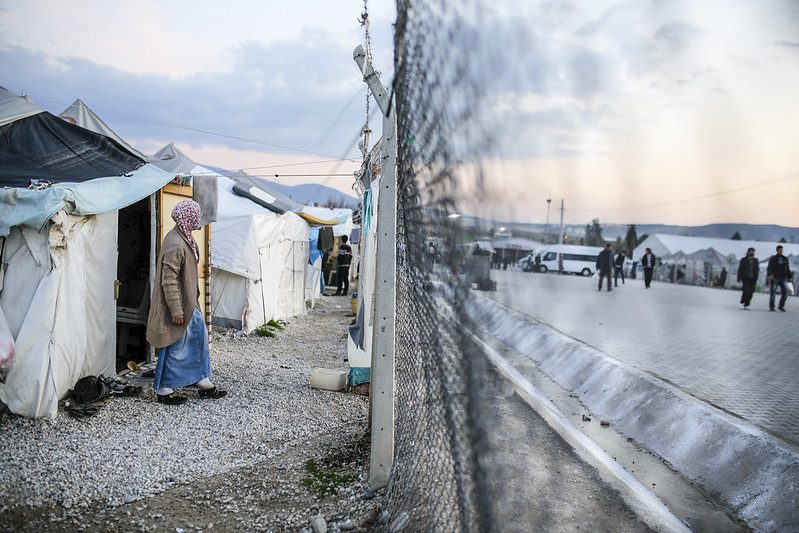
The city of Hatay in southern Turkey has faced significant challenges following the magnitude 7.8 earthquake, which took place on February 6, 2023. The natural disasters have not only left the city’s infrastructure in ruins but also had profound socio-economic consequences. However, amidst the adversity, Hatay has shown remarkable resilience. In the wake of Hatay’s earthquakes, the city is making ongoing efforts to rebuild, continue delivering education to children and combat poverty.

Hatay’s Earthquakes and Their Impacts

A series of powerful earthquakes struck Hatay, a city that has received renown for its rich history and cultural diversity, leaving an indelible mark. The tremors caused widespread destruction, leaving many homes, schools and vital infrastructure in ruins. Thousands of residents were rendered homeless, and the socio-economic fabric of the city was severely disrupted. Organizations such as UNICEF collaborated with governmental and non-governmental organizations to rebuild Hatay.

With the government in close collaboration with these organizations and ministries, this endeavor encompasses the construction of resilient infrastructure throughout Hatay, as well as the restoration of public services and efforts to alleviate poverty for those affected by the earthquakes.

Reconstruction Efforts in Hatay: Rebuilding Residential Areas

In the wake of Hatay’s earthquakes, one of the most crucial aspects of the recovery process has been the meticulous reconstruction of residential areas. The tremors left many of the city’s housing stock in shambles, rendering countless families homeless. However, there are resilient efforts made in response to this crisis.

Authorities, construction crews and volunteers have come together to rebuild residential areas more resistant to future earthquakes with the Ministry of Environment, Urbanization, and Climate Change assigning this work to the Turkish Housing Development Administration (TOKI). With these efforts combined, the ministry announced on May 3 that “132,000 housing units are already under construction” emphasizing the recovery of Hatay is more than bricks and mortar, focusing on restoring the sense of security and belonging for Hatay’s residents. New homes are designed with resilience in mind, adhering to stringent building codes.

International Aid and Support for Poverty Alleviation

International aid and support have played a pivotal role in rebuilding Hatay and its ongoing struggle to alleviate poverty in the aftermath of the earthquakes. In the wake of these disasters, countries across the globe rallied to provide critical assistance to help citizens in Hatay. The World Health Organization (WHO) in Europe, for example, has provided countless aid to providing essential services as well as offering training programs “tailored to the needs of a range of survivors, with topics such as reproductive health, elder care, interpersonal communication and community engagement.”

Aid organizations such as WHO have been instrumental in coordinating these efforts, ensuring that resources reach those in need. In addition, organizations such as the World Food Programme (WFP) have directed their attention to help alleviate poverty using funds to provide food assistance to “150,000 crisis-affected families through cash assistance” as well as food provisions to “590,000” citizens. This influx of international support has not only provided immediate relief but has also contributed to the long-term anti-poverty initiatives, offering a glimmer of hope for the path to a more prosperous and resilient Hatay.

Empowering Hatay’s Communities Through Microfinance

Empowering communities through microfinance has emerged as a potent tool in Hatay’s efforts to rebuild and alleviate poverty. These small-scale financial initiatives have had a profound impact on the lives of residents who were left financially vulnerable by the natural disasters. Microfinance institutions, often in collaboration with local and international organizations, provide individuals with access to microloans and financial services tailored to their needs.

One of the primary benefits of microfinance is that it encourages entrepreneurship and self-sufficiency. In Hatay, where the earthquakes disrupted many traditional income sources, microloans have enabled individuals to start or expand small businesses. The Refugee Investment Network focuses on economic and social revival by “providing microfinance to local farmers and artisans, or facilitating tech-based remote employment” to increase displaced people’s livelihoods, “especially to respond to workforce losses due to the earthquake.”

Community-based microfinance initiatives often come with a strong focus on accountability and social cohesion. Borrowers frequently form communities to support one another, which is crucial after such devastating natural disasters. This sense of community involvement strengthens not only social ties but also instills a sense of responsibility and trust among residents, and as a result, by empowering these communities through microfinance, Hatay is not only rebuilding its physical structures but also fostering financial resilience.

Looking Ahead

In the wake of Hatay’s devastating earthquakes, the city has embarked on an extraordinary journey of recovery, resilience and hope. The efforts to simultaneously reconstruct the physical infrastructure and alleviate poverty have been inspiring. Hatay’s citizens, local businesses, and the international community have come together with unwavering determination, demonstrating the incredible power of unity in the face of adversity.

Rebuilding Hatay and its residential areas, the revival of its educational institutions, and the infusion of international aid have not only begun to mend the scars of the earthquakes but have also laid the foundation for a more robust, resilient and prosperous future. Empowering communities through microfinance, vocational training and job creation initiatives has empowered individuals to chart their paths out of poverty, while community-driven anti-poverty programs have strengthened social bonds and fostered a sense of shared responsibility.

– Mia Deniz Duru
Photo: Flickr

November 4, 2023
https://borgenproject.org/wp-content/uploads/borgen-project-logo.svg 0 0 Yuki https://borgenproject.org/wp-content/uploads/borgen-project-logo.svg Yuki2023-11-04 03:00:532023-11-03 01:49:16Reconstruction After Hatay’s Earthquakes
Children, Global Poverty

Child Malnutrition in Yemen: Hope Among the Conflict

Child Malnutrition in Yemen
The Middle Eastern nation of Yemen has been plagued by eight years of devastating conflict disproportionately affecting its children. The Yemeni conflict remains one of the largest humanitarian crises in the world, with more than 11 million children in need of humanitarian assistance. Child malnutrition in Yemen, alongside food insecurity and hunger, has reached alarming levels in the heart of this turmoil. Xavier Joubert, Save the Children’s Country Director for Yemen, underscores the harsh reality facing Yemeni children:

“Hunger in Yemen is an entirely human-made legacy of this war, and the increase in child malnutrition levels around conflict lines shows the impact of this brutal conflict on children.”

Despite the ongoing conflict, hope is emerging from the efforts of numerous organizations. This article sheds light on the dire challenges these children face daily while highlighting the unwavering dedication of organizations working to mitigate their suffering. 

The Impact

Amidst Yemen’s enduring conflict, the crisis affecting its children has reached catastrophic proportions. This nation is grappling with one of the world’s most significant humanitarian crises, where more than 11 million children are in dire need of humanitarian assistance. Child malnutrition in Yemen has surged to alarming levels, with nearly 2.2 million children under the age of five in Yemen acutely malnourished, and more than 500,000 facing severe malnutrition. 

The repercussions of this crisis on Yemen’s children are profound and enduring. Malnutrition not only jeopardizes their immediate well-being but also their long-term growth and cognitive abilities. The compounding effect of malnutrition and the ongoing conflict leaves so many children without access to essential health care, clean water and adequate sanitation. This is further exacerbated by the scarcity of essential food items and the destruction of critical infrastructure. Yemen’s children are carrying the heaviest burden amid the ongoing conflict, and the repercussions on their health and future are immeasurable.

Working for Change

Amidst the seemingly bleak landscape, various organizations have stepped forward to combat the malnutrition epidemic to alleviate the suffering occurring within this nation. The organization War Child is a prime example of the life-changing work occurring to improve these children’s lives. War Child has been tirelessly working to provide access to healthcare, clean water and nutritional support to children in need. UNICEF is also a notable organization instrumental in providing health care, education and nutrition support to the vulnerable young children in Yemen. Continued is their unwavering efforts to save young lives and build a better and sustainable future. 

Stories of Hope

Despite the immense challenges and continued conflict within Yemen, stories of hope and resilience are emerging. Children who have received critical support from these organizations are on their way to recovery. Their strength and the unwavering commitment of these organizations showcase the resilience of the human spirit, even in the face of the harshest circumstances. 

The World Health Organization (WHO) has played a crucial role in this effort. WHO has trained almost 400 health workers on managing medical complications in children suffering from severe acute malnutrition. To increase families’ awareness and knowledge of basic nutritional and preventive health requirements for children, as well as to promote the importance of the continuity of breastfeeding, WHO trained 1,277 community health and nutrition volunteers and midwives. These trained individuals communicate key health and nutrition messages to the most affected vulnerable communities in 28 districts. 

In addition to this, WHO has developed awareness messages for TV and radio, ensuring that these important messages reach a wider audience. It has also engaged communities through various platforms, including religious, youth and women’s groups. These comprehensive efforts are making a tangible difference in the lives of Yemen’s children — offering them hope and the prospect of a brighter and healthier future. 

Moving Forward

While child malnutrition in Yemen remains a pressing issue, and the ongoing conflict only exacerbates the situation, the dedicated efforts of organizations working in Yemen provide a glimmer of hope. With continued support and awareness, there exists a possibility for positive change in the lives of Yemen’s children. The world must remain engaged in addressing this crisis, as the future of Yemen’s children depends on it. Together, we can make a difference and bring hope to a nation facing immense challenges.

– Phoebe Abrahams
Photo: Flickr

November 4, 2023
https://borgenproject.org/wp-content/uploads/borgen-project-logo.svg 0 0 Yuki https://borgenproject.org/wp-content/uploads/borgen-project-logo.svg Yuki2023-11-04 03:00:442023-11-03 01:47:05Child Malnutrition in Yemen: Hope Among the Conflict
Global Poverty

4 Ways Nepal’s Community Forestry Impacts Poverty Alleviation

Community Forestry 
Having endured earthquakes in April 2015 while being one of the world’s youngest democracies, Nepal’s population has been struggling to lift themselves out of poverty. Nevertheless, a transformative light has emerged over the last 40 years through pioneering community forestry initiatives. Beyond empowering local communities, these endeavors present promising avenues for alleviating poverty’s grip. 

What is Community Forestry?

Community forestry is a participatory approach to natural resource management where local communities are empowered to collectively manage and make decisions about nearby forest resources. This practice involves sustainable utilization, conservation and regeneration of forests to meet both environmental and socioeconomic goals, offering communities opportunities for income generation, livelihood diversification and a stake in preserving their ecosystem. Here are four ways Nepal’s community forestry impacts poverty alleviation.

1. Empowerment for Economic Upliftment

Nepal’s community forestry model focuses on empowering local communities to manage their nearby forests. This approach opens avenues for sustainable resource utilization, creating income streams that can uplift communities from poverty. The village of Fulbari, nestled in Nepal’s Siwalik hill range, has become a powerful testament to the potential of community forestry in uplifting impoverished communities. With the backdrop of Nepal’s forest cover at 26%, Fulbari’s landscape shines as a living example of the success of such initiatives. 

The village, primarily comprised of the Tamang caste, faced considerable challenges, including displacement due to floods and limited resources. In 2003, Fulbari was established on public land to resettle those affected by natural disasters. The on-site Grass cultivation significantly supported livestock farming, offering a readily available source of feed, and freeing up time for other income-generating activities. The villagers embraced alternative crops like turmeric and ginger, diversifying their income streams. Financially, this transition was profound, with farmers experiencing improved economic conditions and even establishing internal funds for various needs.

2. Breaking Agrarian Chains

Nepal’s heavy dependence on agriculture has perpetuated poverty in rural pockets. Community forestry introduces an alternative avenue, offering livelihoods less vulnerable to climate shifts. According to a study in 2017 investigating the rural regions of central Nepal, it was found that small-scale farmers have shifted their primary livelihood focus from subsistence farming towards alternative non-farm endeavors, such as remittance-based income and wage labor. Additionally, the research highlighted that the trend of diversifying livelihoods through non-farm activities is prevalent among a significant portion of rural households.

3. Women’s Rise To Empowerment

Community forestry initiatives have ignited a positive ripple effect on gender equality and women’s empowerment. Women’s involvement in decision-making and income-generating pursuits is on the rise. As of 2009, the Community Forestry Guidelines were amended so that 50% of community forestry user group executive committee members would comprise women and 35% of user-group income would be used for pro-poor intervention. The Dolakha Community Forest underscores this trend with women-led endeavors such as herb cultivation and apiculture, leading to not only poverty reduction but also a shift in societal dynamics.

4. Scaling Impact for a Brighter Future

Community-managed forests now account for more than a third of Nepal’s forest cover, which has grown by about 22% since 1988, according to government data. Independent studies also confirm that greenery in Nepal has sprung back, with forests now covering 45% of the country’s land. Thus, Nepal’s achievements are garnering attention far beyond their borders. Government bodies and international organizations are amplifying these initiatives to replicate success stories. Supported by funding and expertise from entities like the United Nations Development Programme (UNDP), the expansion of community forestry continues to broaden opportunities for poverty alleviation.

Looking Forward

Nepal’s community forestry undertakings offer a glimmer of hope in the global struggle against poverty. Through local empowerment, livelihood diversification and gender-inclusive strategies, these programs present a blueprint for sustainable poverty alleviation. As Nepal’s journey unfolds, its lessons resonate globally, prompting us to explore innovative pathways that can uplift vulnerable communities and lead us closer to a world free from the shackles of poverty.

– Miriam Schuller
Photo: Flickr

November 4, 2023
https://borgenproject.org/wp-content/uploads/borgen-project-logo.svg 0 0 Lynsey Alexander https://borgenproject.org/wp-content/uploads/borgen-project-logo.svg Lynsey Alexander2023-11-04 03:00:212024-06-11 00:17:584 Ways Nepal’s Community Forestry Impacts Poverty Alleviation
Global Poverty, Refugees, Women and Female Empowerment

A Beacon to Rally Behind: Empowering Women in Pakistan

Empowering Women in Pakistan
Pakistan is not known for being staunchly progressive concerning women. However, in recent times, progress has occurred to propel lower-income women into the future by trying to give opportunities to vulnerable communities. To the point where women in Pakistan are also able to aid female refugees from Afghanistan. Here is how people are empowering women in Pakistan.

Efforts in the Midwife Industry

Statistics from 2020 state that Pakistan is 54th out of 186 countries in maternal mortality deaths, with 154 a year. Studies backed by the World Health Organization (WHO) show that midwives can help to substantially reduce maternal deaths. Pakistan is currently estimated to have only 0.72 midwives for every 10,000 people. The goal is obvious: to populate the midwife industry. With a strong push from both international organizations and national midwife representatives, such as the Midwifery Association of Pakistan and the Pakistan Nursing and Midwifery Council, Pakistan developed the National Midwifery Strategic Framework, and its current popularizing slogan is ‘Midwives’ Voices, Midwives’ Demands.’

Pakistan is investing more in its national midwife service by establishing a four-year Bachelor of Science graduation path. This new path will teach the importance of reproductive health and self-care interventions.

The campaign aims to improve higher education standards and their availability, as well as establish a more robust transitional pathway from the classroom to the workplace. This campaign will further legitimize the profession and attract more candidates in the future. More midwives are to work in hospitals alongside nurses and doctors. The goal is to add 1,500 midwives to the industry in the near future.

Gender-based Bond to Empower Women

 In July, the microfinance bank Kashf issued Pakistan’s first gender-based bond. Gender bonds aim to raise awareness of global gender inequality and empower women. The overall goal is to establish sustainable economic development for women, by women. This bond is worth 2.5 billion Pakistani rupees, slightly more than $9 million.

Kashf has been working for years on empowering women in Pakistan, specifically in rural areas. As a result of their impact, women in poor communities have been able to generate income and establish their own businesses while employing people from their communities. According to Maheen Rahman, CEO of the credit enhancement facility InfraZamin Pakistan, Kashf’s customer base is 99.7% women.

The bond issue comes at a fortunate time, as Pakistan is still recovering from the monsoon season in the summer of 2022. Monsoons damaged or destroyed at least 2.1 million homes, killed 15,000 people and displaced 8 million.

In the Sindh province, the regional government has begun providing land titles and funds to previously landless people to offer a new start for many storm victims. Out of the 1.3 million eligible beneficiaries, more than 426,000 are women. Only 1.2% of Pakistani women own land. Owning land would be a phenomenal start for thousands of women looking to rebuild and would be a crucial landmark in the quest for empowering women in Pakistan.

Female Refugees in Pakistan

Since the Taliban took over Afghanistan in 2021, hundreds of thousands of female refugees have fled. A skills center opened in Peshawar, Pakistan, to aid them in their migration. Teaching skills like beauty, technology and tailoring. Hundreds of women have already enrolled and began learning. The school is looking to expand to accommodate more students. Courses are about three months until graduation; afterward, women can start looking to create income by obtaining employment or starting their own businesses.

While the country is still deeply entrenched in gender inequality, there is a push for empowering women in Pakistan to generate their own income. The government is bolstering the midwife profession to make another viable career path for women and reduce the maternal mortality rate. In the aftermath of last year’s devastating funding, women in poor communities now receive gender bonds to establish businesses and are now in line to receive land titles. Women from Afghanistan are now coming to Pakistan to learn employable skills. If this social reform can develop for a prolonged period, Pakistan could become a beacon for women across the Middle East. 

– Eddie Dale
Photo: Flickr

November 4, 2023
https://borgenproject.org/wp-content/uploads/borgen-project-logo.svg 0 0 Yuki https://borgenproject.org/wp-content/uploads/borgen-project-logo.svg Yuki2023-11-04 01:30:382023-10-31 07:16:23A Beacon to Rally Behind: Empowering Women in Pakistan
Global Poverty

Progress Under the Partnership for Central America

Partnership for Central AmericaCentral America, particularly Central America’s Northern Triangle — El Salvador, Guatemala and Honduras — has been experiencing a major evacuation of migrants precipitated by the multifaceted economic, political and humanitarian crises in the region. Since 2019, over 2 million migrants have fled. 

The region is among the poorest and most dangerous in the Western Hemisphere, and all three countries ranked near the bottom for gross domestic product (GDP) per capita among Latin American and Caribbean countries. The region lacks skilled workers, access to education and economic security. A significant push factor is the high rate of informality, which is approximately 77%. Furthermore, according to the World Food Program, more than 6 million inhabitants were food insecure.

Nearly Half the Population Wants to Emigrate

The region’s problems are rooted in its brutal history of violence stemming from decades of civil war, instability and gang violence. Thus, many Central Americans are willing to make the long and treacherous journey to the United States in the hope of a better life. The governments of Central America and the United States have been trying to work together to solve these issues. 

To address this immense migration, the Biden Administration has created the Partnership for Central America, which will combat the problems of migration by creating economic opportunity in the region. 

The Partnership for Central America

Vice President Kamala Harris announced that the private sector, thanks to the Partnership for Central America, has agreed to commit more than $950 million as a part of the Call to Action for Northern Central America. Under this public-private partnership, around 47 companies and organizations are cooperating across financial services, agriculture, textiles, technology, telecommunications and nonprofit sectors to build the nation’s economic security.

These investments are creating jobs, expanding access to financing for small businesses, expanding opportunities for training and education for youth and workers and improving livelihoods for inhabitants of the region. As part of the plan, Vice President Harris has called on businesses and organizations to contribute to advancing the economies of the region. 

A few of the commitments made by major companies:

  • Target has agreed to increase its funding by $300 million in the region and attempt to grow vendor relationships that operate in all three countries. 
  • Nestle will support more than 7,500 coffee producers in adopting regenerative agriculture practices which will enhance their production thus strengthening their coffee supply chains. 
  • Root Capital will be lending $1.4 million to small businesses in Guatemala as well as educating these businesses on how to grow and access capital. Additionally, it has committed $80 million in loans to agricultural businesses. 

Central America Forward 

Following the investments in Central America’s private sectors, Vice President Harris’s Central America Forward plan will focus on advancing good governance and labor rights. Furthermore, a U.S. government Northern Central American Investment Facilitation Team will support USAID workforce development, clean energy infrastructure, connection to the digital economy and work to empower women in the region. 

Through these measures, Central America can obtain significant economic growth that is stable as well as sustainable. Furthermore, these investments can pave the way for American companies to gain access to new overseas markets which will continue to spur growth. International experience shows that when the international community works together, it can make significant economic and social advances.

Following the massive migration from Northern Central America, the U.S. government and leaders of Central America have committed to addressing the root causes by supporting the region’s long-term development. This plan will work to foster economic opportunity, expand access to education, improve governance, combat corruption and strengthen security. These efforts will work to provide the region not only with new opportunities, but a new vision of hope for Central America. 

– Cameron Alcocer
Photo: Wikimedia Commons

November 4, 2023
https://borgenproject.org/wp-content/uploads/borgen-project-logo.svg 0 0 Yuki https://borgenproject.org/wp-content/uploads/borgen-project-logo.svg Yuki2023-11-04 01:30:142023-10-31 07:27:25Progress Under the Partnership for Central America
Global Poverty, Women

The Role of Women in the Guatemalan Health Care System

Guatemalan Health Care
In many families and homes across the globe, people consider women the primary caregivers. In rural Guatemalan communities, where health care facilities are sparse or inaccessible, women’s roles often expand beyond their front doors and into the wider community.  

The Guatemalan Health Care System

Guatemala has endured a long history of political and economic unrest in recent centuries. However, since the end of the most recent civil war in 1997, the country has celebrated a vast economic incline with 8% and 4.1% growth in 2021 and 2022 respectively. Furthermore, to date, Guatemala possesses the largest economy in Central America, including the neighboring countries of Belize, El Salvador, Honduras and Mexico. Despite its seemingly stable economy, the wealth disparity within the country is one of the highest in the Latin American and Caribbean region with more than half the Guatemalan population living below the poverty threshold. Health care in Guatemala reflects this disparity.

There are three primary branches of health care in Guatemala: the public sector, the profitable private sector and the nonprofit private sector. The largest of the three branches is the public sector, which covers 88% of the population. However, facilities within this sector are often lacking vital equipment and infrastructure. This is a result of the lack of funds that the Guatemalan government has allocated towards health care — the lowest amongst Central American countries. As per the Guatemalan constitution, health care in Guatemala is a universal right of every citizen. However, in reality, health care in Guatemala is not readily accessible to everyone, particularly those who reside in rural locations.

Women in Health Care

Indigenous Mayan communities inhabit rural Guatemalan regions, where health care facilities are not only sparse but entirely inaccessible. Despite women being the most active users of health care services across the world, one in three women in these communities has no access to health care services. As a result, many women take up prominent positions to fill this void.

One such role includes presiding over local health committees that bring together women from throughout the community, often for training sessions with international aid charities such as the International Federation of the Red Cross and Red Crescent Societies (IFRC). These training and educational sessions often involve promoting hygiene practices and knowledge of common diseases. In turn, the women present on these committees go on to spread and impart their knowledge to other women and future generations of women. The IFRC reports that through its support of these local health committees, it has been able to provide approximately 1,250 families in the Quetzaltenango region of Western Guatemala with vital health knowledge.

In exchange for the information and resources that the IFRC provides, local women provide key insights into life within these rural communities that can be passed on to national health care authorities in the hopes of improving local health care facilities. 

Conclusion

While health care in Guatemala is ostensibly universal and possesses a prominent public sector, it lacks the resources and infrastructure to reach every citizen. In those cases, it is women who extend their caregiving roles into the community to provide physical health care as well as impart health awareness information. In doing so, they continue to support their community as well as improve the overall state of the health care system in Guatemala.

– Holly Coop
Photo: FreeImages

November 3, 2023
https://borgenproject.org/wp-content/uploads/borgen-project-logo.svg 0 0 Yuki https://borgenproject.org/wp-content/uploads/borgen-project-logo.svg Yuki2023-11-03 07:30:412023-10-30 11:01:12The Role of Women in the Guatemalan Health Care System
Page 397 of 2161«‹395396397398399›»

Get Smarter

  • Global Poverty 101
  • Global Poverty… The Good News
  • Global Poverty & U.S. Jobs
  • Global Poverty and National Security
  • Innovative Solutions to Poverty
  • Global Poverty & Aid FAQ’s
Search Search

Take Action

  • Call Congress
  • Email Congress
  • Donate
  • 30 Ways to Help
  • Volunteer Ops
  • Internships
  • Courses & Certificates
  • The Podcast
Borgen Project

“The Borgen Project is an incredible nonprofit organization that is addressing poverty and hunger and working towards ending them.”

-The Huffington Post

Inside The Borgen Project

  • Contact
  • About
  • Financials
  • President
  • Board of Directors
  • Board of Advisors

International Links

  • UK Email Parliament
  • UK Donate
  • Canada Email Parliament

Get Smarter

  • Global Poverty 101
  • Global Poverty… The Good News
  • Global Poverty & U.S. Jobs
  • Global Poverty and National Security
  • Innovative Solutions to Poverty
  • Global Poverty & Aid FAQ’s

Ways to Help

  • Call Congress
  • Email Congress
  • Donate
  • 30 Ways to Help
  • Volunteer Ops
  • Internships
  • Courses & Certificates
  • The Podcast
Scroll to top Scroll to top Scroll to top