Addressing Period Poverty in Chad
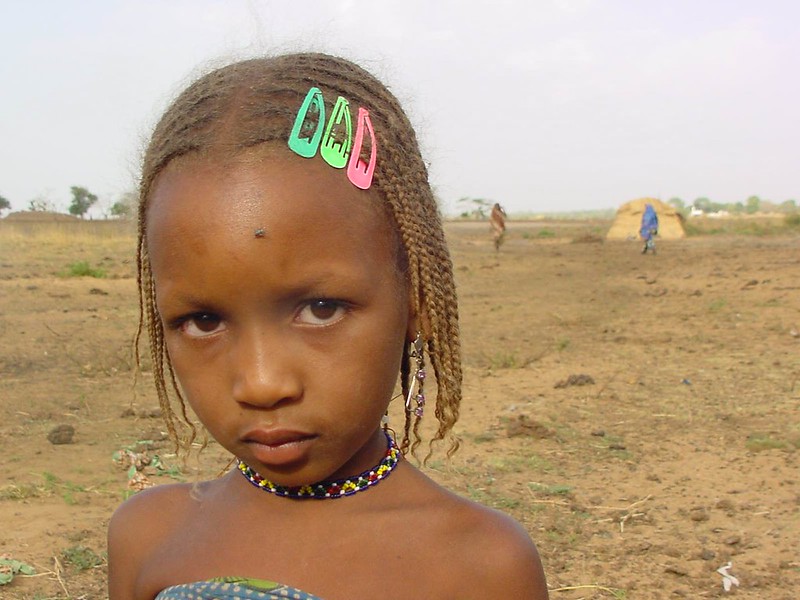 Period poverty affects an estimated 500 million women and girls worldwide. The United Nations defines period poverty as the struggle that low-income women face, who do not have access to affordable menstrual supplies and suitable facilities to manage their menstrual cycle.
In 2022, the World Health Organization (WHO) published a statement acknowledging that, until that point, the Sustainable Development Goals (SDGs) did not state menstrual health and that this needed to change. WHO now asserts that governments and communities should work to provide menstruation resources for women and girls and to help destigmatize the shame around menstruation.
Period Poverty in Chad
Sub-Saharan Africa is a particularly low-income area. According to Children International, more than 48% of its population lives in poverty. The World Bank notes that poverty and vulnerability are especially pervasive in Chad. Consequently, rates of period poverty in Chad are extremely high. A 2016 United Nations Educational, Scientific and Cultural Organization (UNESCO) study found that one in three girls reported missing school as a result of a lack of menstrual supplies and support.
Cultural and Economic Issues
Women and girls across sub-Saharan Africa suffer from extremely high rates of gender-based discrimination. This includes societal attitudes of menstruation as ‘unclean’, encouraging women to feel shame about their periods.
Global Citizen writes that period poverty negatively impacts a person’s mental health, on top of the negative effects of cultural bias against menstruation. The stigma around menstruation must be tackled to reduce period poverty, as a more open discussion around the subject will encourage women and girls to seek the support they may need.
Global Citizen also found that an average pack of seven sanitary pads in Nigeria cost approximately $2, and 65% of women in Kenya felt that sanitary pads were too expensive. With approximately 75% of Chad’s population living in rural areas, and 87% of this rural population living in poverty according to Oxfam, access to sanitary products and facilities is extremely limited.
A lack of education for girls further encourages a cycle of poverty, which is difficult to escape. Providing the sanitary supplies necessary to keep girls in school is essential for helping break that cycle.
The League of Women Preachers
In order to tackle the issue of period poverty in Chad, the stigma around menstruation must be confronted. The League of Women Preachers is a group of female Muslim teachers working in the Lac region of Chad to educate young girls about menstruation. The group teaches in all-girl classrooms that often contain 50 pupils, some as old as 20.
The group has not only helped achieve cultural change, but also successfully advocated for a 2015 parliamentary vote in favor of a law banning child marriage. This helps discredit the common belief among Chadians that the age at which a girl starts to menstruate signals her sexual maturity and therefore her readiness for marriage—often resulting in girls leaving school, unable to financially support themselves and thus unable to escape from poverty.
UNICEF and the Jesuit Refugee Service
In the Lake Chad area, populated largely by refugees, the United Nations Children’s Fund (UNICEF) supports the Jesuit Refugee Service in the production and distribution of locally produced Menstrual Hygiene Management (MYM) kits. The initiative focuses on educating young girls and encouraging teachers to talk about MYM in schools. Originating in 2019, the Jesuit Refugee Service has distributed at least 6,000 MYM kits to vulnerable women and girls in Chad.
Though the Chadian government has yet to act definitively in the fight against period poverty, these efforts demonstrate the power of small organizations to help tackle the stigma against menstruation and keep girls in school—a crucial task in lifting women and girls out of poverty across the country. These groups are creating cultural and governmental change that benefits women and girls, helping progress toward gender equity in Chad.
– Alice Brayford
Photo: Flickr
