• Link to X
  • Link to Facebook
  • Link to Instagram
  • Link to TikTok
  • Link to Youtube
  • About
    • About Us
      • President
      • Board of Directors
      • Board of Advisors
      • Financials
      • Our Methodology
      • Success Tracker
      • Contact
  • Act Now
    • 30 Ways to Help
      • Email Congress
      • Call Congress
      • Volunteer
      • Courses & Certificates
      • Be a Donor
    • Internships
      • In-Office Internships
      • Remote Internships
    • Legislation
      • Politics 101
  • The Blog
  • The Podcast
  • Magazine
  • Donate
  • Click to open the search input field Click to open the search input field Search
  • Menu Menu

Archive for category: Global Poverty

Key articles and information on global poverty.

Global Poverty

How the Attacks on Ukraine Are Affecting Citizens

Attacks in UkraineOn February 24, 2022, Russian forces invaded several Ukrainian villages with missile attacks extending east to west, mostly targeting Ukraine’s capital city, Kyiv. The President of Russia, Vladimir Putin, exclaimed that he invaded Ukrainian territory to “demilitarize and denazify” the country. Putin used propaganda to explain to Russian citizens that by invading and creating Russian attacks on Ukraine, he is protecting them from more years of Ukranian bullying and genocide. Almost immediately, Ukraine began to fight back, rounding up the Armed Forces.

The Situation

Currently, statistics show 70,000 Ukrainians have died and 120,000 have become wounded since the attack on Ukraine in February. Officials estimate 120,000 Russian soldiers have died and 170,000 have been wounded since the invasion. Casualties on both sides round up to around 500,000. 

At the beginning of the war in March of 2022, Russian attacks on Ukraine were able to take over five parts of Ukraine; Sumy, Kyiv, Kharkiv, Kherson and Mariupol. Later, in November 2022, Ukraine regained control of all regions and almost kicked Russia out of its borders. However, since June 2023, Russia has been able to regain control of Kherson, as well as Bakhmut, keeping the world on its toes as it continues to watch the back-and-forth battle between Russia versus Ukraine.

During an interview with ABC News, Ukrainian President Volodymyr Zelenskyy explained that he will not agree to give Russia any territory that was not initially theirs in February 2022. He will continue to counterattack Russian forces until justice is served.

How the Attacks in Ukraine are Affecting Citizens

As Zelenskyy continues to fight back for Ukrainian territory, many citizens of Ukraine are struggling to stay safe. As of early summer, 8.2 million Ukrainians ventured out of their borders to seek refuge somewhere more secure. Many have settled in bordering countries such as Poland, Romania and Hungary.

In big cities such as Krakow, several Ukrainian children and mothers flood train stations, hotels and apartments looking for somewhere to settle down. One of these mothers is Oksana, a Ukrainian engineer and a young mother of two.

Oksana did not intend to leave her home in Ukraine, but after hearing news stories about potential radiation leaks as well as seeing military vehicles pass her by each day, she decided it was time to find a safer place to raise kids. After a long and stressful trip to Krakow, she settled down with an acquaintance to house her children.

“I’m doing what I need to do,” Oksana said, “and I’m okay with it. Thousands of women like me were forced to leave Ukraine and now must find ways to feed their families. It’s not a problem for me. It’s the next step. We’ll see what comes later.” Oksana spoke to City Journal journalist, Tamar Jacoby.

How Polish People are Helping

Some are urging Polish citizens to help Ukrainian refugees by passing out food, water and other vital supplies. One woman in particular, Ula Kryszuk, is doing all she can at the Warsaw train station to help women and children get back on their feet.

Monika Kryszuk, Ula’s daughter, explained in an interview with The Borgen Project how her mother started helping at the station a month or two after the war started. She was in charge of giving Ukrainians directions to connecting transportation systems.

“As far as I know, people that she met were quite scared and shocked,” Kryszuk said. Meanwhile, citizens at home are struggling to find peace and safety in the comfort of their own cities due to 

The Impact of Russian Attacks on Ukraine

Yulia Garbunova is a journalist for the Human Rights Watch association. Garbunova was able to interview Ukrainians still living at home and get inside information about what it was like living in Ukraine during the war. 

One woman stated, “There is not a single family in Mariupol [Ukrainian city] who didn’t bury someone, or doesn’t know someone who did.” Others explain how many Russian attacks have broken into houses and beaten or raped family members. 

“I lost everything,” another Ukrainian said.

While circumstances differ for every Ukrainian, most situations need similar aid. Nonprofits such as Razom for Ukraine are sponsoring Ukrainians at home and abroad with supplies such as food, clothes and medical aid. Founded in 2014, the organization delivered $62 million in aid in 2022. 

One of its projects called Razom Relief focuses on helping NGOs in Ukraine that work directly with civilians and “supply aid to vulnerable communities.” In 2022, Razom provided $5 million in grants to 123 volunteer organizations in Ukraine, helping them to continue supporting the most vulnerable communities in the country.

Support for Ukraine is worldwide, and it continues to grow stronger as the war progresses. Supporting Ukrainian citizens and refugees in particular is a top priority for many people worldwide. Ukrainians continue to struggle with the atrocities the war has created for them and need as much awareness and support as they can get. Charities and allies are advocating for a stop to the violence between the two countries and a fair resolution.

– Nina Donlin
Photo: Flickr

November 14, 2023
https://borgenproject.org/wp-content/uploads/borgen-project-logo.svg 0 0 Yuki https://borgenproject.org/wp-content/uploads/borgen-project-logo.svg Yuki2023-11-14 07:30:192023-11-09 18:08:33How the Attacks on Ukraine Are Affecting Citizens
Global Poverty

Flash Flood in India

Flood in IndiaOn October 4, 2023, a flash flood in India (the state of Sikkim) led to a death toll of 74, with 101 people still missing as of October 9, making it one of the worst disasters the area has seen over the last 50 years. As natural disasters like this are increasingly frequent and extreme, we will address how India is combatting this issue and how they will adapt to prevent future flash flooding.

India’s Recent History of Natural Disasters

India experiences earthquakes frequently, being on a fault line along the Himalayas. However, of the 2.5 million internal displacements in India reported in 2022, most were displaced because of water-based natural disasters, like floods and cyclones. India reported 2,227 deaths due to extreme weather in 2022, which has devastatingly increased since 2020, when there were only 1,338 deaths reported. Natural disasters both cause poverty and also impact the impoverished more than any other group.

India loses about 2% of their GDP every year due to natural disasters. On top of socio-economic issues in most of India, almost every area in the country is in a hazard zone. It is challenging to assist communities after disasters in rural areas, where, as of 2012, only 37% of homes had inpatient facilities within a five-kilometer distance, and only 68% had access to outpatient facilities. It has been proposed that “the more rustic (rural) one’s existence… the greater are the odds of disease, malnourishment, weakness, and premature death” in India.

Sikkim sees many floods, but few are as extreme as this flood in India. Many have been worried about this flood in India since a dam was built six years ago. The area has many glacial lakes, and as the weather has been getting more extreme yearly, activists have been experiencing growing concern about the hydraulic power plant sitting high up the river. In 2019, Lhonak Lake was described in a government report as “highly vulnerable” to flooding. They stated that the flooding could breach dams and cause incredible damage to the area.

The Flood

The flood happened Wednesday morning, October 4, and was caused by a glacial outburst, when the water in a glacial lake rises too high or too much of the surrounding ice and land melt or fall away, causing the lake to “burst.” In this case, Lhonak lost 60% of its water content when it burst, which broke the dam downstream and came crashing into town with only 10 minutes of warning to the town Rangpo.

Despite many warnings about the risks Lhonak posed to the surrounding communities, it seems like scientists were ignored, and little was done to build preventative infrastructure in the area. In Rangpo, a Sikkim town, the mud is 15 feet high, covering entire houses. The flood carried tons of debris across cars and buildings, and with 101 people still missing, it is unclear how long it will take them to be found and how far away they could have been carried from their homes by the flood waters. This disaster has displaced so many and destroyed so much, with multiple universities and factories being impacted. It is difficult to know how Rangpo will bounce back from this and how many will face poverty. In the face of this calamity, the community has come together to create shelter spaces with food and water, and the army has come in to assist as well.

Prevention Measures 

In April of 2023, there was a workshop in New Delhi organized by the Indian Water Partnership and the World Bank. The workshop was on the EPIC (Enable, Plan, Invest, Control) response framework, an idea published partially by the World Bank. This strategy states that floods and droughts do not have to be disasters but could be addressed so that they will cause minimal damage if approached thoughtfully. The preventative measures look like increased and more reliable drainage, more thought in building and a consciousness of the greenery of an area.

As of October 19, more than 2,000 citizens in the flooded area were moved to safer ground by the Indian Air Force, and 132,805 kg of relief materials were transported to Sikkim. The Indian Air Force and the state government were able to act quickly and in sync in reaction to this sudden disaster, which saved many lives.

In Sikkim, the government has a heavy focus on addressing poverty, with an initiative to make Sikkim completely poverty-free. This mission includes providing shelter and food to those who need it, focusing on those in rural areas, as rural poverty in India is much higher than urban poverty. This promise has led to Sikkim having one of the lowest poverty rates of any state in India at just below 4%.

India is still a country where many are struggling or displaced, but the government has worked hard to stabilize and gain wealth. In 2005, more than 50% of India was estimated to be experiencing poverty, whereas now, in less than twenty years, that number has dropped to only 16% of Indians. This flash flood in India displaced many families. It increased poverty in this community severely, but the World Bank seems confident that this could eventually be a thing of the past, and India seems to be more than capable of supporting those who were impacted by the flood.

– Ren Pratt
Photo: Flickr

November 14, 2023
https://borgenproject.org/wp-content/uploads/borgen-project-logo.svg 0 0 Yuki https://borgenproject.org/wp-content/uploads/borgen-project-logo.svg Yuki2023-11-14 03:00:292024-06-04 01:09:00Flash Flood in India
Children, Global Poverty, Health

How Air Pollution Affects the Impoverished

Air Pollution Affects the ImpoverishedAir pollution is a global problem, but it disproportionately impacts impoverished communities. According to the World Bank, approximately 10% of people living in poverty experience poor air quality. This affects at least 70 million individuals, who must contend with air pollution alongside other challenges associated with poverty.

Lower-income communities often face significant disadvantages due to their location and economic circumstances. This can result in a range of issues that may persist for generations. According to Professor Robert Shorten, there is a notable relationship between poverty and environmental pollution, where poverty can lead to increased pollution, and environmental pollution can, in turn, exacerbate poverty. Here is how air pollution affects the impoverished.

The Way Air Pollution Affects the Impoverished

When pollution affects an area, it often leads to a decrease in house prices. This happens because fewer people want to live in polluted areas, so the demand for homes there is lower. As a result, individuals with limited financial resources may find it easier to afford housing in these areas due to the reduced property costs compared to less polluted regions.

While industrial areas and factories contribute significantly to air pollution, households also play a role. In many developing countries, impoverished families use inexpensive but harmful energy sources that pollute the air. Fossil fuels, in particular, are often to blame due to the unhealthy levels of nitrogen oxide emissions they produce.

The switch to less harmful energy sources, such as renewable energy sources, is difficult for impoverished households. Renewable energy infrastructure involves costs that people in poverty simply cannot afford.

The Effects of Air Pollution

Air pollution significantly impacts human health as the harmful particles damage the lungs and puts people at risk of cancer, heart disease and stroke. For people in impoverished communities, quality health care is scarce, meaning people struggle to access medical services when they need to.

The lack of proper health care facilities leads to delays in people returning to work when they are sick, resulting in reduced income. Even worse, air pollution can lead to serious health issues and, in some cases, premature death.

According to the World Health Organization (WHO), approximately 7 million people, primarily in developing countries, die each year due to the effects of air pollution. Moreover, an alarming “nine in 10 people on the planet live with poor, even dangerous, air.”

Devastating Consequences

Children are the most vulnerable group in this situation. One study revealed that children from lower-income neighborhoods suffer from brain damage due to exposure to neurotoxic air pollutants. These pollutants negatively affect the development of their brains, hampering their cognitive growth. This is a significant issue because research indicates that children with impaired neurological development often face difficulties in school.

Children from lower-income backgrounds face educational disadvantages due to pollution, which can trap them in poverty. This situation can hinder their ability to complete their education or attend prestigious colleges, resulting in reduced income. Furthermore, neurotoxic air pollutants may also affect their offspring. Research from the Institute of Labor Economics supports this, which indicates that lower-income children living near industrial facilities releasing toxic chemicals experience, on average, 1.252 fewer years of education and a 13.9% reduced likelihood of graduating from high school. Additionally, forecasts suggest that about 9.3% of these children could develop cognitive disabilities as adults.

Ongoing Efforts

BreatheLife mobilizes communities to reduce the impact of air pollution on human health and the environment. In 2019, BreatheLife, a campaign by the Climate and Clean Air Coalition, WHO and the UN Environment, implemented initiatives in 55 cities and countries, positively impacting more than 153 million people. The campaign convinced 55,000 people to travel regularly via bike or on foot in order to reduce air pollution from vehicles. BreatheLife’s efforts continue to impact. The organization is active in 79 cities, regions and countries, reaching nearly 500 million people.

WHO has developed an entire guidebook on how countries can monitor their air quality. “The overall objective of the updated global guidelines is to offer quantitative health-based recommendations for air quality management, expressed as long or short-term concentrations for a number of key air pollutants.”

Hopes for the Future

While the fact that air pollution affects the impoverished is a concerning issue, there are ongoing efforts to address this problem. Initiatives like BreatheLife are making a positive impact by mobilizing communities to reduce air pollution’s effects on both human health and the environment. Additionally, WHO has provided guidance on how countries can monitor and manage air quality to protect their citizens. These efforts offer hope for a healthier and more equitable future, where the burden of air pollution on impoverished communities can be alleviated.

– Uzair Khan
Photo: Flickr

November 14, 2023
https://borgenproject.org/wp-content/uploads/borgen-project-logo.svg 0 0 Kim Thelwell https://borgenproject.org/wp-content/uploads/borgen-project-logo.svg Kim Thelwell2023-11-14 01:30:362024-12-13 18:03:02How Air Pollution Affects the Impoverished
Global Poverty

The Asani Napkin Project Targets Period Poverty in India

Period Poverty in IndiaPeriod poverty is a prominent issue for women and girls in India. The Asani Napkin Project aims to eliminate stigma while increasing education and access to menstruation products. The program trains women to distribute affordable, high-quality sanitary napkins to their communities.

Asani’s Mission

In 2017, the Asani Napkin Project launched. Asani focuses on the regions of Valsad, Navsari, Tapi, Surat, Dang, Bharuch and Nanded but is working to expand further to regions such as Odisha, Tamil Nadu and Madhya Pradesh. This ever-expanding program transforms the response and access to menstruation products in these communities.

Asani takes a holistic approach to attacking period poverty in India. The lack of knowledge that women in these communities have about their hygiene has raised both physical and mental health challenges. Roughly 71% of girls in the regions that Asani has reached have no knowledge of menstruation before the arrival of their first cycle. Asani aims to destigmatize menstruation to help women attend school at the same rate as their male counterparts and, more importantly, overcome cultural barriers and gain full autonomy over their own health. Another element of Asani’s mission is to expand access to jobs. Currently, Asani reports that more than 2,900 women are working for the program. These women are employed to educate their communities on the proper usage of sanitary napkins.

Empowering Women and Girls

Made for women, by women, the Asani Project prides itself on this initiative. A huge part of the program is its goal to empower women and girls through developing a sense of self-worth and self-esteem. The program’s core mission is to cultivate dignity, opportunity and health. Its 2017 launch event illustrates this mission. During this event, reports indicated that more than 700 women and girls were holding signs celebrating their right to bleed. This was impactful in fighting against the cultural taboos around menstruation that are present in these communities of rural India.

Lack of accessibility and education on the usage of sanitary napkins may be two of the strongest leading causes of the perpetual issue of menstrual equity in India, however, another leading cause is harming women’s access to napkins too. The shame of purchasing sanitary napkins from a male shopkeeper plagues many women in these communities. Asani’s model of being a woman-to-woman-run project eliminates this shame as women can access menstrual resources while simultaneously unlearning the present stigma on periods.

The Impact of Asani

“Asani” translates to “with ease.” This speaks to the program’s overall message that women should be able to address their monthly cycle with ease, both physically and socially. As Asani has produced more than 3.5 million sanitary napkins to address period poverty in India, the future looks bright for both the company and the regions receiving these napkins. Asani’s website allows for community participation, where one can become a distribution partner or advocate for a new community to be reached. This community-based program is rewriting the way women and society as a whole view menstruation.

– Morgan Schriner
Photo: Flickr

November 14, 2023
https://borgenproject.org/wp-content/uploads/borgen-project-logo.svg 0 0 Yuki https://borgenproject.org/wp-content/uploads/borgen-project-logo.svg Yuki2023-11-14 01:30:102023-11-09 15:13:32The Asani Napkin Project Targets Period Poverty in India
Global Poverty

Poverty Reduction in Pakistan

Poverty Reduction in PakistanPakistan is a country known for its poverty. Pakistan’s poverty rate has gone from 34.2% to 39.4%, with around 95 million Pakistanis in poverty. However, there have been plans and systems being actively implemented to improve the country for the better. This article will focus on some of the strategies for poverty reduction in Pakistan.

Basic Amenities

The root of many problems of poverty-stricken families is the lack of basic amenities. Many Pakistanis do not have access to essential equipment. For example, 79 million people don’t have a toilet. Access to basic amenities has been getting worse, with disasters such as the flood leaving 10 million people without water. This lack of clean water and proper toilets can be dangerous, as it causes diarrhea, which has led to the death of 19,400 children under the age of 5. 

Pakistan has made some investments in this area, as solving this issue can be a big step for poverty reduction in Pakistan. For example, the World Bank contributed $442 million to help 16 districts in Punjab by improving access to clean water. This program was estimated to help around 2,000 villages, totaling 6 million people. These are small steps for establishing a healthy society. 

General Education

Even if a family has access to clean resources, they may not have guaranteed education. The income of many Pakistanis has prevented them from sending their children to school. This has led to 22.8 million children not attending school. Education is a vital part of Pakistan, as it ensures jobs and careers for those who are knowledgeable in certain careers. Because there are not enough children in school, most industries in Pakistan are unemployed, causing a low output rate of certain companies. In 2023, it was found that Pakistan’s industrial production had decreased by 14.55%. 

Increasing education in Pakistan could be beneficial in increasing productivity in various industries. The United States Agency for International Development (USAID) in particular has done a lot. Not only have they built/repaired 1,600 schools in Pakistan, but they have also improved oral reading fluency for 26% of young students. This improvement in education can help students use their knowledge to create better opportunities for themselves and their families. 

Infrastructure

The third issue to address is Pakistan’s infrastructure. Infrastructure has always been a goal for Pakistan, but they have always been held back. The country has nearly 70% of its financial resources going towards paying off its debt, which has come from previous ventures in investing in agriculture. Thankfully, there are multiple projects in the works to ensure an improvement in the infrastructure. 

For example, in terms of energy, Pakistan has made it financially attractive to switch to solar, with net metering, feed-in tariffs and tax incentives. By 2030, the government plans for solar and wind energy to make up around 30% of Pakistan’s overall energy. If Pakistan’s efforts in this area are an indication of their performance in other infrastructure fields, then they should be on a good path. 

A Look Ahead

Pakistan may be a far way from ridding itself of poverty, but it has the potential to change itself. As long as poverty reduction in Pakistan remains a steady goal, the country has a chance to improve the lives of its people for the better.

–Uzair Khan
Photo: Wikimedia

November 13, 2023
https://borgenproject.org/wp-content/uploads/borgen-project-logo.svg 0 0 Yuki https://borgenproject.org/wp-content/uploads/borgen-project-logo.svg Yuki2023-11-13 15:00:562023-11-12 12:48:16Poverty Reduction in Pakistan
Child Poverty, Global Poverty

5 Facts About Child Poverty in Kosovo

Child Poverty in KosovoKosovo, a small country in southeastern Europe, declared itself independent on February 17, 2008, after experiencing ethnic violence and forced displacement in the late 1990s. The United States (U.S.) officially recognized Kosovo as a sovereign state on February 18. This marked a significant development in Kosovo’s history after a challenging period. However, only around 100 United Nations (U.N.) member states recognize Kosovo as a sovereign state.

Kosovo remains one of the poorest countries in Europe, with an estimated 23% of the population living in poverty. The country struggles with widespread corruption and a low employment rate, with the unemployment rate in Kosovo predicted to reach 22% by the end of 2023.

Poverty in Kosovo has a big impact on children, mainly because many Kosovans had to leave their homes during the Kosovo War and couldn’t go back. The education system is also not doing well. Just 41% of kids in Kosovo have good reading skills, and only 42% are strong in math. For children from minority groups like Roma, Ashkali, and Egyptian communities, the numbers are even lower—18% in reading and 13% in math. This makes it harder for them to succeed in the future.

The nation’s struggle to join the European Union (EU), mainly because of the Serbian deadlock, significantly contributes to its ongoing issue of high child poverty rates. This situation has lasting effects on the well-being of children in the country.

5 Important Facts About the Issue of Child Poverty in Kosovo

  1. Poverty disproportionately affects children in Kosovo: Not only does poverty disproportionately affect Kosovan children, but particularly children from Roma, Ashkali and Egyptian communities, or those who have disabilities or live in rural areas. Moreover, children in Kosovo account for half of those benefitting from social assistance.
  2. Only a fraction of Kosovo’s GDP goes toward social protection:  The country spends 8.5% of its GDP on social protection, compared to an average of 28% in the wider EU. Therefore, access to health care, education and other social services remains limited for its children, exacerbating the issue of child poverty in Kosovo.
  3. Child begging: Child begging is a significant concern in Kosovo, notably affecting Romany children and serving as a major sign of child poverty. In the initial half of 2023, authorities intervened and recorded 41 cases of child begging, potentially setting a new yearly record. The prevalence of this issue highlights ongoing challenges related to child poverty in Kosovo.
  4. High child mortality rate: Child mortality rates are a concern, especially in certain communities where the numbers are higher. For example, in Roma, Ashkali and Egyptian communities, the child mortality rate is eight times higher than the EU average. There are also differences in health services, with only 38% of children under 2 fully immunized in these communities, compared to 73% in the general population (UNICEF 2021).
  5. Active Charities: Several charities work tirelessly to alleviate child poverty in Kosovo. Actions for Mother and Children (AMC) stands out as a crucial player, dedicated to supporting Kosovo’s mothers and children facing poverty since 2009. AMC takes a dual approach: advocating for improved health care for mothers and children and raising funds to provide essential life-saving equipment and medications. Notably, its Women’s Health Resource Center program, launched in 2014, has been instrumental. This initiative educates and supports women throughout pregnancy, delivery and the early postpartum period, impacting at least 10,000 pregnant women and their partners since January 2014.

Looking to the Future

As Kosovo looks to the EU for guidance on its future, charities like AMC are tackling child poverty. This work is vital as the country navigates its path, waiting to see what its European future holds.

– Eleanor Lomas
Photo: Flickr

November 13, 2023
https://borgenproject.org/wp-content/uploads/borgen-project-logo.svg 0 0 Kim Thelwell https://borgenproject.org/wp-content/uploads/borgen-project-logo.svg Kim Thelwell2023-11-13 15:00:432023-11-12 12:56:375 Facts About Child Poverty in Kosovo
Global Poverty

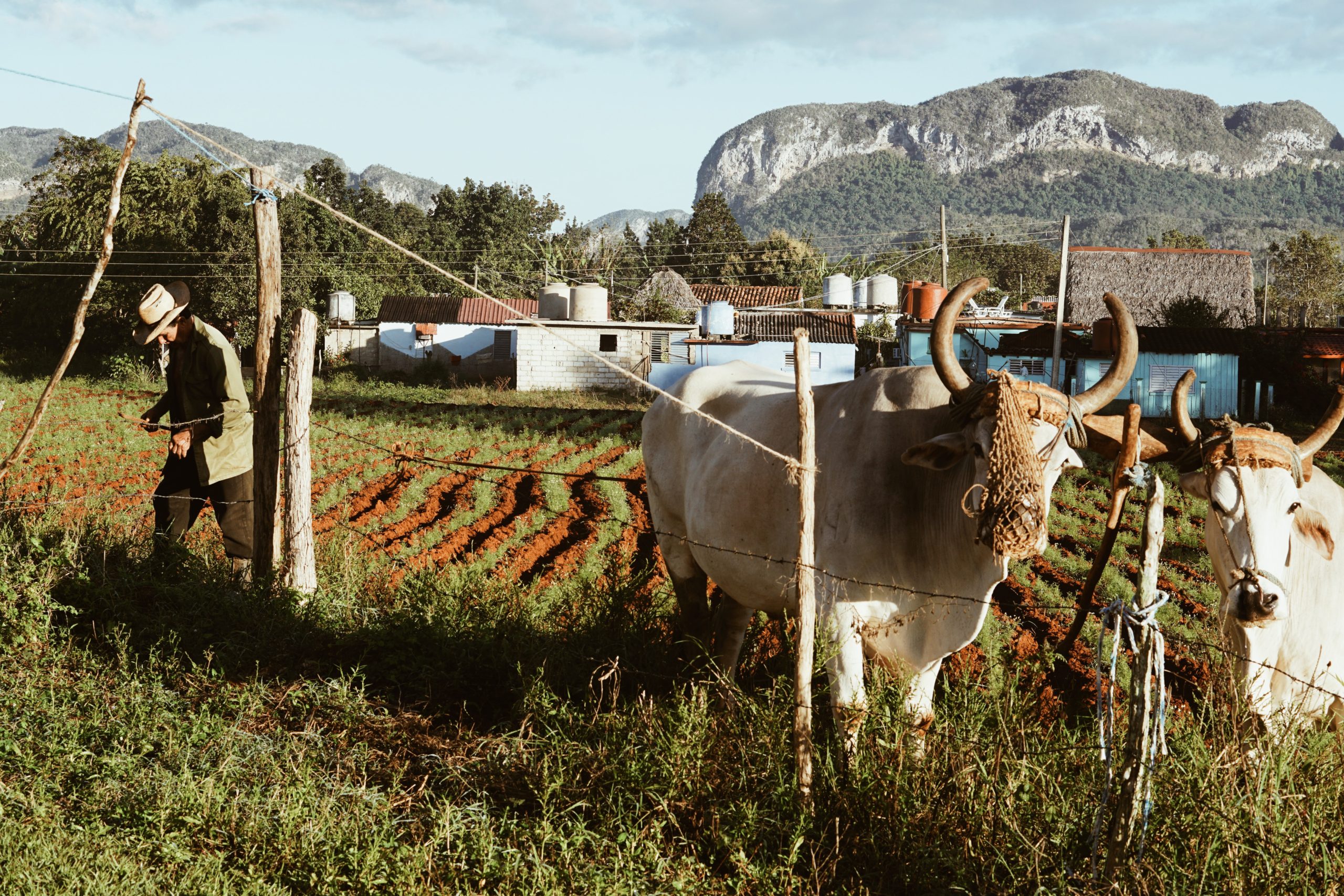
HIV/AIDS in Cuba

HIV/AIDS in CubaAccording to UNAIDS, in 2022, 42,000 people lived with HIV/AIDS in Cuba. Although the disease has claimed many lives since its discovery and initial cases, the threat has reduced significantly through Cuba’s handling of the pandemic. “Cuba’s national AIDS program is the most successful in the world based solely on statistics,” according to a research article by Sarah Z Hoffman published in 2004.

The First Cases

Cuba noted its first case of HIV/AIDS in 1985 — a heterosexual male returning from travel abroad. The country’s leading infectious disease specialist, Dr. Jorge Perez, spearheaded a drastic approach to contain the spread by destroying all foreign-sourced blood products while also commissioning a National AIDS foundation before the first reported death of AIDS in 1986. Cuba’s strategy continued to differ drastically from many countries, with many of its protection regulations already being sanctioned and declared lawful through existing health regulations. Decree-Law 54 for example, stated for the prevention of such diseases, individuals suspected of suffering from a communicable disease would be subject to immediate isolation and quarantine from the public and potentially infected individuals would need to suspend or limit their daily activities.

The Strategy

While many view Cuba’s approach to the pandemic as barbaric or controversial, Cuba’s stratagem has been the most effective in the world based on statistics. The United States caseload of HIV/AIDS infected persons was 10 times higher than Cuba, which had reported 1,177 back in 2003. In July 1983, the Ministry of Public Health in Cuba published an article stating that the Ministry itself would oversee the determination of which diseases pose a risk to the community as well as the adoption of diagnostic and preventative measures to contain the spread of the outbreak, reduce transmission and present options for mandated treatment.

From 1986 to 1994, the Cuban Government utilized these regulations to lawfully quarantine HIV-positive individuals in sanatoriums built and maintained by the Ministry. While these facilities were isolated from the general populace, the sanatoriums provided food, shelter, medication and education on the dangers of contraction and the importance of honesty, healthy behaviors and safe sex practices. The Cuban government rescinded this law in 1994 and relaxed mandated isolation protocols. However, the government required persons testing positive for HIV/AIDS to stay in a sanatorium for approximately eight weeks to receive thorough education on the disease. The government permitted people who completed their eight-week programs to leave and allocated a general care physician to help each person manage their conditions.

Today

Every year, a total of 1.4 million mothers living with HIV become pregnant. While untreated, they risk a 15-45% chance of transmitting the infection to their infant during pregnancy, labor or breastfeeding. Since 201, the WHO (World Health Organization) has partnered with Cuba and other countries in the Americas to implement a region-wide system that will virtually eliminate mother-son transmission of HIV and syphilis. This effort is achieved through rigorous HIV testing for both pregnant women and their partners. Cuba’s nationwide health care access makes this easy for mothers who may test positive to receive treatment and education to continue their daily routines without fear or transmission.

According to PAHO Director Dr. Carissa Etienne; “Cuba’s success demonstrates that universal access and universal health coverage are feasible and indeed the keys to success. Even against challenges as daunting as HIV.” In 2014, The WHO and supporting partners published an article titled “Guidance on global process and criteria for validation of elimination of Mother to Son transmission of HIV and Syphilis,” which outlined the requirements and the specificity of different indicators each country needed to meet to validate such elimination.

The Lesson

While many have critiqued Cuba’s HIV/AIDS management strategy, Cuba’s stratagem has been unlike any other implemented across the globe, with almost unprecedented results. As of today, only one sanatorium remains open. With quarantine and isolation laws no longer in place, the remaining sanatorium has become a hospital and a clinic for those who seek extensive HIV treatment by their own choice. With global health care, worldwide attention and universal access to everyone, the world can win the fight against HIV/AIDS. Everyone can be helped and everyone can be treated, regardless of financial means or societal status.

– Anthony Durham
Photo: Flickr

November 13, 2023
https://borgenproject.org/wp-content/uploads/borgen-project-logo.svg 0 0 Kim Thelwell https://borgenproject.org/wp-content/uploads/borgen-project-logo.svg Kim Thelwell2023-11-13 15:00:272023-11-12 12:53:08HIV/AIDS in Cuba
Global Poverty

5 Facts About Elderly Poverty in Nepal

Elderly Poverty in NepalNepal, nestled in the heart of the Himalayas, captivates with its breathtaking landscapes, rich cultural tapestry and spiritual heritage. Home to Mount Everest, diverse ethnic groups and ancient temples, this South Asian nation invites exploration of its natural wonders and the warmth of its people. 

However, the elderly poverty situation in Nepal unveils a poignant narrative of economic vulnerability and social intricacies affecting its aging population. Exploring the nuanced facets of elderly poverty in Nepal sheds light on the imperative for targeted interventions and policies to ensure dignified lives for its senior citizens. Below are five facts about elderly poverty in Nepal.

5 Facts About Elderly Poverty in Nepal

  1. Rising Elderly Population and Migrating Younger Generation: Nepal has a rapidly growing elderly population, with seniors accounting for around 10.21% of the total population in 2021. This is a 38.2% increase compared to the 2011 census. More than 80% of Nepalese seniors depend on their children for support. However, youths from 47% of Nepalese households have migrated abroad in search of better economic opportunities, leaving elderly family members behind to shoulder the family’s social, financial and physical responsibilities with reduced support.
  2. Limited Pension Coverage and Poor Social Safety Nets: While non-contributory social pensions have been a blessing for some Nepalese seniors, barriers such as geographic, poor infrastructure and limited awareness about available social welfare programs for the elderly can make it difficult for seniors to access essential services and markets, resulting in underutilization of available resources and benefits. Additionally, the absence of comprehensive social safety nets further complicates the situation. While Nepal has implemented unique social pensions such as the Old Age Allowance (OAA), the intended results of such pensions have fallen short. For example, a study on the OAA found that 61.7 % of OAA beneficiaries were dissatisfied with the cumulative allowance.
  3. Area and Gender Disparities: More than 85% of older adults live in rural or economically disadvantaged regions of Nepal. The multifaceted struggle for the elderly population is more pronounced in these rural areas, where access to basic services and economic opportunities is often limited. Seniors often face high health care costs that can deplete their limited financial resources. For example, a study conducted on malnutrition among the elderly in the Kavre district of Nepal found that 49.7% of the elderly faced the risk of malnutrition, with malnutrition prevalence being higher among females at 15%, compared to males at 8%.
  4. Illiteracy: Illiteracy and poverty share an intertwined relationship, perpetuating a cycle of disadvantage. Limited access to education hinders individuals from acquiring essential skills and knowledge, severely limiting their employment prospects and income potential. Without the ability to read, write, or comprehend information, economic opportunities remain restricted, reinforcing the barriers to escape poverty. Illiterate individuals often lack awareness of available social welfare programs, further marginalizing them from support systems. A survey found that the literacy rate for older adults in Nepal was 27% for males and only 4% for females.
  5. Elderly Abuse: Despite a large portion of the elderly being dependent on their family, elderly abuse silently festers in Nepal, a distressing concern demanding urgent attention. Abuse, in this case, is not limited to physical abuse and also includes neglect, financial abuse and psychological or emotional abuse. A study on elderly abuse in Nepal concluded that 54.5% of the elderly experienced some form of abuse, with neglect being the most common form at 23.1%, followed closely by psychological abuse at 20.6%.

Solutions

Current solutions to elderly poverty include international and local efforts and ongoing research.

  • International efforts: Many international organizations, including the UN and its affiliated organizations, are involved in the fight against elderly poverty in developing countries. However, there are specific organizations aiding the elderly. For example, Help Age International aims to aid 8,000 elderly citizens with access to their basic needs. Additionally, aid from Western economies has made a significant impact on alleviating poverty. For example, the U.K.’s Official Development Assistance (ODA) support has spent £897,549,791 on cultural and educational development projects.
  • Local efforts: NGOs based solely in Nepal have focused on specific sectors that may aid in poverty reduction. For example, Volunteers Initiative Nepal has assisted 25,113 beneficiaries through its Women’s Empowerment Program and 143,842 beneficiaries through its Public Health and Medical Care Program. 
  • Future research: Many scholars have been researching aging trends in Nepal, and some have noted that technology can be an important tool, as the introduction of schemes such as Mobile Money Cash Transfers can overcome the physical distance hindrance and deliver the OAA on time to elderly individuals in remote areas.

Looking Ahead

Elderly poverty in Nepal presents a pressing and complex challenge. With a growing senior population and limited social safety nets, many elderly individuals find themselves grappling with financial insecurity and inadequate access to health care. The interplay of insufficient pension systems, lack of family support and limited employment opportunities exacerbate their vulnerability. 

Addressing elderly poverty requires comprehensive policies that ensure equitable access to essential services, foster intergenerational support and promote sustainable livelihoods. By recognizing the unique needs of Nepal’s elderly population, the Nepalese government and other organizations can work towards alleviating their plight and enhancing their quality of life.

– Piyush Plabon Das
Photo: Flickr

November 13, 2023
https://borgenproject.org/wp-content/uploads/borgen-project-logo.svg 0 0 Yuki https://borgenproject.org/wp-content/uploads/borgen-project-logo.svg Yuki2023-11-13 07:30:552024-05-30 22:32:375 Facts About Elderly Poverty in Nepal
Global Poverty

The UK Forms Strategy to Combat Severe Poverty in Madagascar

Severe Poverty in MadagascarMadagascar is among the poorest countries that are not involved in ongoing conflict or affected by political violence in the world. An astronomical 75% of its 29 million people are living in poverty, which is a figure often aggravated by its vulnerability to changing weather patterns and frequent weather disasters. Over the past 35 years, Madagascar has been victim to more than 50 natural disasters varying from droughts, floods and cyclones, all of which exacerbate conditions for those living in poverty in Madagascar. 

The UK’s Development Strategy

The U.K. government found that, if current trajectories continue, by 2045, Madagascar will likely be third in the list of African countries hosting the greatest number of poor people. It cites “governance failings and high population growth (2.4% a year) as key factors.”

The strategy to reverse long-term decline and improve biodiversity, while also avoiding further humanitarian crises, consists of four main elements: humanitarian and disaster preparedness, freedom and democracy, climate and nature, and women and girls. By tackling each of these, the U.K. hopes to kick-start sustainable change that will have a positive long-term impact on those living in poverty in Madagascar. 

Humanitarian and Disaster Preparedness

To help minimize the impacts of natural disasters on those living in poverty, the U.K. is aiming to strengthen the region’s ability to cope when droughts and cyclones strike. The U.K. has funded the START Network, which is designed to act in response to forecasted extreme weather events and ensure that communities that are likely to be affected are adequately prepared. Alongside this, U.K. scientists are working to assess the effect of changing weather patterns on cyclone strength in Madagascar and will use this data to create more accurate warning systems.

The U.K. supports the Africa Risk Capacity financing mechanism and provides insurance pay-outs to the government to provide immediate support in the wake of natural disasters.

Freedom and Democracy

The U.K. government has been working with the Madagascar government and interacting with opposition parties and the national electoral commission to ensure that the presidential electoral process of 2023 is peaceful and fair, minimizing the chances of a political crisis that would exacerbate the stability of the country and the lives of those in poverty.

Climate and Nature

The U.K. was appointed to lead and host the 26th United Nations Climate Change Conference (COP26) in November 2021. As part of this, the U.K. encouraged Madagascar to implement planning to achieve its climate commitments as the Nationally Determined Contributions and National Adaptation Plan dictated.

The U.K. government is also working to create more progress on the carbon market by engaging with the World Bank and USAID.

Women and Girls

In 2020, there were 3,500 maternal deaths in Madagascar. The U.K. government will support the government to facilitate better dialogue on reducing preventable maternal deaths through changes to legislation. 

By providing crucial aid, technical expertise and resources, the U.K. government is playing a vital role in addressing the urgent humanitarian needs in Madagascar. This support not only helps to alleviate immediate crises, such as food insecurity and health care challenges but also contributes to long-term resilience-building efforts.

– Maia Winter
Photo: Flickr

November 13, 2023
https://borgenproject.org/wp-content/uploads/borgen-project-logo.svg 0 0 Yuki https://borgenproject.org/wp-content/uploads/borgen-project-logo.svg Yuki2023-11-13 07:30:402023-11-09 13:18:43The UK Forms Strategy to Combat Severe Poverty in Madagascar
Child Poverty, Global Poverty

What You Need To Know About Child Poverty in Portugal

Child Poverty in PortugalNestled between stunning landscapes and steeped in history, Portugal’s charm is undeniable. As a popular tourist destination, visitors enjoy beautiful mountains in the north and lush terrain in the south. However, behind the charm of this attractive country lies a heartbreaking reality: over 20% of Portuguese children live in poverty. More specifically, almost a third of these children go to bed starving.

Why Is This an Issue?

Economically, Portugal is significantly weaker than its other European counterparts. A considerable number of Portuguese citizens earn notably less than other Europeans, attempting to make ends meet with the monthly minimum wage of €741. This amount is less than half of other countries like the U.K., where the monthly minimum wage is €1,600. The lack of sufficient income coupled with the expensive cost of living makes the lives of the citizenry very difficult. Families with children are in an even worse situation since more money is needed to feed every family member.

Child Labour

Despite laws against child labor, economic difficulties drive many children under 16 to beg. The financial crisis results in kids leaving school early to aid their families. This trend is especially seen in northern Portugal in industries like textiles, footwear and construction. These young workers earn less than one euro hourly, increasing the likelihood of school dropouts and skill deficiencies. 

Luckily, there is a brighter hope for these kids due to the work of entities such as the National Commission for the Promotion of the Rights and the Protection of Children and Young People–an organization founded in 2015 that aims to curb child poverty in Portugal by monitoring the actions taken by the public sector of Portugal regarding dealing with the human rights of children and other vulnerable populations. To date, the NCPRPC has safeguarded the rights of roughly 66,529 children in Portugal since 2021.

Education

In purely economic terms, due to the relatively low salaries of many families, private school fees ranging from €400 to €550 per month can pose a significant financial burden, making it difficult for them to afford these fees alongside their modest incomes. Furthermore, the prospect of a child leaving school to work and earn money is incredibly damaging and dangerous. Because proper education provides access to many opportunities to break the cycle of poverty, any threat to the quality of learning could only deepen and perpetuate the poor lifestyle of children into adulthood. Moreover, the lack of proper education also makes these children susceptible to falling into precarious situations and potential abuses, further exacerbated by their vulnerability due to economic circumstances.

Abuses Stemming From Child Poverty

Child exploitation and abuse is an unsettling reality that plagues Portugal. The numbers, which surpass 4,815 reported cases since 1950, paint a grim picture primarily affecting children between the ages of 10 and 14. This disheartening revelation sheds light on the stark contrast between perception and reality, calling into question prior notions. Legislative shortcomings have paved the way for the trafficking of particularly vulnerable girls, often hailing from impoverished backgrounds, magnifying the urgency of addressing these gaps. Moreover, the alarming practice of children trafficked from regions like Brazil, Eastern Europe and Africa into the heart of Portugal, where their lives are marred by unimaginable suffering, encompassing forced prostitution and a barrage of mistreatment, is unfortunately still rampant. 

Luckily, a resolution is underway. The Portuguese Victim Support Association (APAV), dedicated to aiding crime victims and combating sexual trafficking, partnered with The Body Shop’s impactful global campaign, receiving €44,300 for their anti-trafficking project and garnering seven million signatures for the petition ‘Stop Sex Trafficking of Children and Young People,’ thereby advancing awareness and support efforts.

Solutions

Fortunately, the Portuguese government has taken notice of the human rights violations that stem from child poverty in Portugal, and they took significant steps in 2021 to combat child poverty by participating in EU initiatives like the Child Guarantee National Action Plan. Their plan focuses on crucial aspects such as early education, accessible health care, mental health services, free school meals, housing support and strengthening care institutions. This concerted effort reflects Portugal’s commitment to improving the well-being of vulnerable children. So far, there has been a downward trend in children at risk of poverty since 2021, with childhood poverty decreasing by roughly 2%, reflecting a positive resolution to the issue of child poverty in Portugal.

While addressing child poverty in Portugal remains an urgent task, the government’s dedicated efforts and collective awareness are crucial, as aligning the nation’s inner compassion with its outward allure is imperative for a more harmonious future.

– Neha Yadavalli
Photo: Flickr

November 13, 2023
https://borgenproject.org/wp-content/uploads/borgen-project-logo.svg 0 0 Yuki https://borgenproject.org/wp-content/uploads/borgen-project-logo.svg Yuki2023-11-13 03:00:452024-05-30 22:32:37What You Need To Know About Child Poverty in Portugal
Page 390 of 2161«‹388389390391392›»

Get Smarter

  • Global Poverty 101
  • Global Poverty… The Good News
  • Global Poverty & U.S. Jobs
  • Global Poverty and National Security
  • Innovative Solutions to Poverty
  • Global Poverty & Aid FAQ’s
Search Search

Take Action

  • Call Congress
  • Email Congress
  • Donate
  • 30 Ways to Help
  • Volunteer Ops
  • Internships
  • Courses & Certificates
  • The Podcast
Borgen Project

“The Borgen Project is an incredible nonprofit organization that is addressing poverty and hunger and working towards ending them.”

-The Huffington Post

Inside The Borgen Project

  • Contact
  • About
  • Financials
  • President
  • Board of Directors
  • Board of Advisors

International Links

  • UK Email Parliament
  • UK Donate
  • Canada Email Parliament

Get Smarter

  • Global Poverty 101
  • Global Poverty… The Good News
  • Global Poverty & U.S. Jobs
  • Global Poverty and National Security
  • Innovative Solutions to Poverty
  • Global Poverty & Aid FAQ’s

Ways to Help

  • Call Congress
  • Email Congress
  • Donate
  • 30 Ways to Help
  • Volunteer Ops
  • Internships
  • Courses & Certificates
  • The Podcast
Scroll to top Scroll to top Scroll to top