Supporting Imazighen People After the Moroccan Earthquake
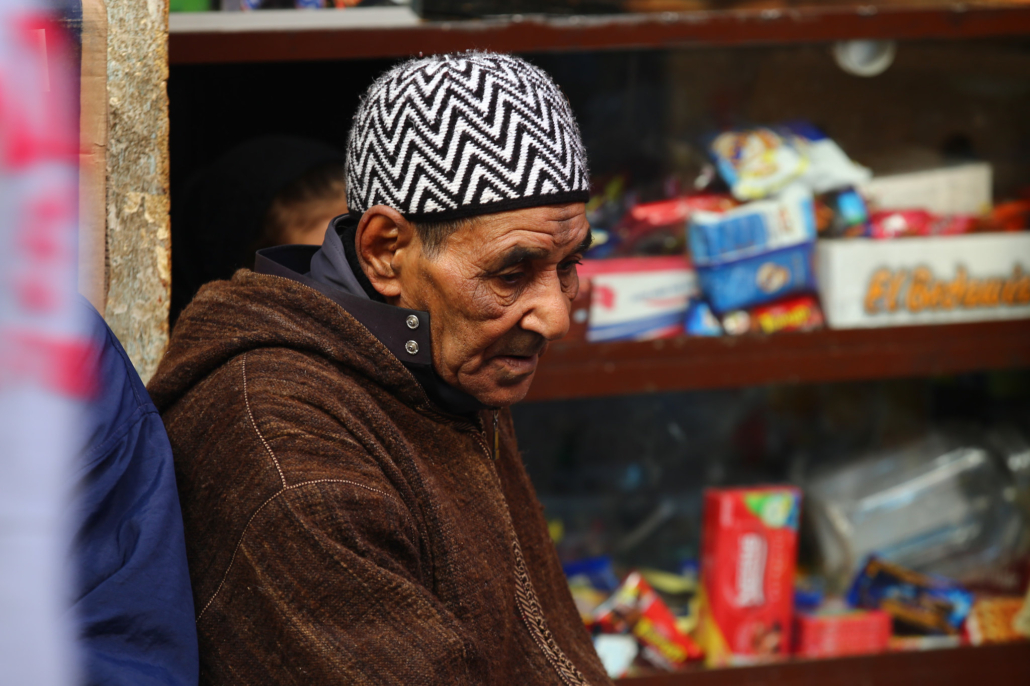 The Imazighen people are an ethnic group indigenous to North Africa, with a large population living in Morocco. While the specific size of the population here is contested, The International Work Group for Indigenous Affairs (IWGIA) estimates that 20 million Imazighen people live in Morocco alone. A large proportion of the Imazighen people live in the outskirts of Morocco in mountainous areas such as the Atlas Mountains across the south-west or the Rif Mountains towards the northernmost point of the country.
Vulnerability of the Imazighen People
The Imazighen people are more at risk of natural disasters such as the September 2023 Moroccan earthquake for various reasons. The Rif is an area predominantly occupied by the Imazighen people and also a noted earthquake zone. In 2004, an earthquake in the northern Rif region caused more than 600 deaths. Additionally, the infrastructure in villages in both the Rif and the High Atlas areas cannot cope with these disasters. In an interview for Stanford News, Mellon Postdoctoral Fellow Sami Errazzouki noted that some villages in the High Atlas have building codes requiring clay rather than stable materials to preserve the aesthetics of the area.
Geographical and Infrastructural Challenges
Furthermore, these areas are very isolated and important facilities such as hospitals are difficult to reach. In 2017, hundreds marched 60 miles from the Atlas Mountain to Beni Mellal city hall to protest against the marginalization that the Imazighen people faced. Hundreds of people supported the protests, known as Hirak, yet the authorities arrested many in response, and no steps were taken to develop more effective infrastructure in the Rif or High Atlas. Therefore, the geographical and societal situation of the Imazighen people meant that they suffered particularly as a result of the September 2023 Moroccan earthquake.
The Guardian writes that the September 2023 Moroccan earthquake was the country’s deadliest in more than six decades, measuring at 6.8 magnitude and reportedly killing at least 2,000 people. The High Atlas and Rif areas, and therefore the Imazighen people, suffered greatly. In Adaseel, a village in the High Atlas, 32 students aged six to 12 years lost their lives. Homes, schools and entire communities collapsed. One village, Tafeghaghte, was almost entirely destroyed as were many others in the Al Haouz province in the High Atlas close to the epicenter of the earthquake where the authorities recorded 1,351 deaths.
Global Aid in the Aftermath of the Earthquake
During a three-day period of mourning following the September 2023 Moroccan earthquake, military forces and emergency services worked to rescue survivors in inaccessible areas across the mountains. Morocco also accepted international aid from Spain, Qatar, Britain and the United Arab Emirates. Algeria opened its airspace to flights carrying humanitarian aid and the injured. This indirectly benefited the Imazighen people as many of the roads leading to their villages had been destroyed, and receiving aid through trucks and cars was impossible or dangerous in many areas.
Within the country, the International Federation of Red Cross and Red Crescent (IFRC) disbursed at least $1.1 million from the Disaster Response Emergency Fund, a large portion of which was distributed to the Imazighen people. In October, World Central Kitchen established a second kitchen in the area to help distribute hot food to communities in need faster and more efficiently.
The Rif Tribes Foundation
One charity in particular targeted their aid to help the Imazighen people. The Rif Tribes Foundation, which usually works to promote Imazighen art and culture, was among the first to respond to the emergency. Spending ten days in rural villages in the High Atlas, they provided beds, mattresses and other essentials to thousands of families and worked with the Royal Moroccan Armed Forces to share resources as well as working with the local population. Many of the locals also helped those most vulnerable, with drivers carrying supplies on 100-mile-long journeys to reach distant Imazighen villages in the mountains.
Though the September 2023 Moroccan earthquake was recent and therefore difficult to determine how financial aid will help the population rebuild in the long term. However, it is undeniable that the work of charities and NGOs using resources and methods targeted to help the disadvantaged Imazighen people saved many lives by providing food and shelter in the days and weeks following the disaster.
– Alice Brayford
Photo: Flickr
