• Link to X
  • Link to Facebook
  • Link to Instagram
  • Link to TikTok
  • Link to Youtube
  • About
    • About Us
      • President
      • Board of Directors
      • Board of Advisors
      • Financials
      • Our Methodology
      • Success Tracker
      • Contact
  • Act Now
    • 30 Ways to Help
      • Email Congress
      • Call Congress
      • Volunteer
      • Courses & Certificates
      • Be a Donor
    • Internships
      • In-Office Internships
      • Remote Internships
    • Legislation
      • Politics 101
  • The Blog
  • The Podcast
  • Magazine
  • Donate
  • Click to open the search input field Click to open the search input field Search
  • Menu Menu

Archive for category: Global Poverty

Key articles and information on global poverty.

Global Poverty

Brands Unite: Empowering Global Change Against Poverty

Global Change

In the dynamic landscape of corporate social responsibility, a group of like-minded companies has joined forces to make a tangible impact on empowering global change. By supporting Whole Planet Foundation’s microcredit programs, these brands contribute to empowering entrepreneurs who lack access to traditional capital. Through the provision of small loans, typically under $500, these microentrepreneurs can start or expand their small businesses, often based at home. The ripple effect of such initiatives is profound, offering individuals the opportunity to lift themselves and their families out of poverty, one loan at a time.

Many of these companies can be found on the shelves of Whole Foods stores across the nation. Companies such as Aura Cacia, KeVita, Sir Kensington’s, Stacy’s, The Republic of Tea and Vital Farms, among others, have donated graciously to this fund to help global entrepreneurs facing poverty. Previous brands include Alaffia, Cedar’s Mediterranean Foods, Dr. Praeger’s Purely Sensible Foods, Health-Ade Kombucha, Honest Tea, PACT, TAZO and Tony’s Chocolonely. These recognizable brands only establish a greater ethos in alleviating global poverty, as those who buy these brands can have more of a reason to join in the fight.

The Launch of the Foundation

Whole Foods Market first launched the Whole Planet Foundation in 2005, and ever since it has been making tremendous strides in empowering global change. The foundation has funded more than $79 million in order to create 3.7 million microloans to help entrepreneurs across the globe who live below the poverty line. Working in 76 countries around the world, the Whole Planet Foundation has made a lasting impact on the fight against global poverty.

Whole Planet Foundation took another step in this fight in 2019 with its introduction of the annual Poverty is Unnecessary project. The Poverty is Unnecessary Project spotlights Poverty is Unnecessary Fund partners, who have collectively committed to donating $275,000 to alleviate poverty through microloans, and culminates in the foundation’s signature event of the year on October 25, known as Poverty is Unnecessary Day.

Sentiments From Whole Planet Foundation Leaders

Millions worldwide have reason to celebrate Poverty is Unnecessary Day as an occasion for a brighter future. On this day, the Whole Planet Foundation also acknowledges and honors its supplier partners, corporate allies, donors, volunteers, advocates and sponsors.

“Whole Planet Foundation is committed to supporting our network of implementing partners,” said Daniel Zoltani, Global Program Director of Whole Planet Foundation, “and pushing forward our pipeline of potential future investments.”

The foundation continues to make strides in empowering global change. In 2023, Whole Foods brands contributed $150,000 to building business capital for entrepreneurs across the globe. Whole Planet Foundation invited brands to contribute additional funds to extend the mission through further microloan support. 

Whole Planet Foundation has completed a multitude of projects throughout the years, with around $7 million funded through 51 projects in 39 different countries by the end of 2021.

“We added many new projects,” said Zultani, “including a $300,000 grant to GGEM for farmers in Malawi to have better access to quality farming inputs, $300,000 to support Fundación Paraguaya expand their collateral-free group loan and $150,000 to support our first project in Jordan with Near East Foundation. “In addition, we added two new partners in the United States, MercyCorps Northwest and People’s Partner Community Development, helping small business owners start and expand their business across Washington and Oregon and within the Cheyenne territory in Lame Deer, Montana.”

Stories of the Entrepreneurs

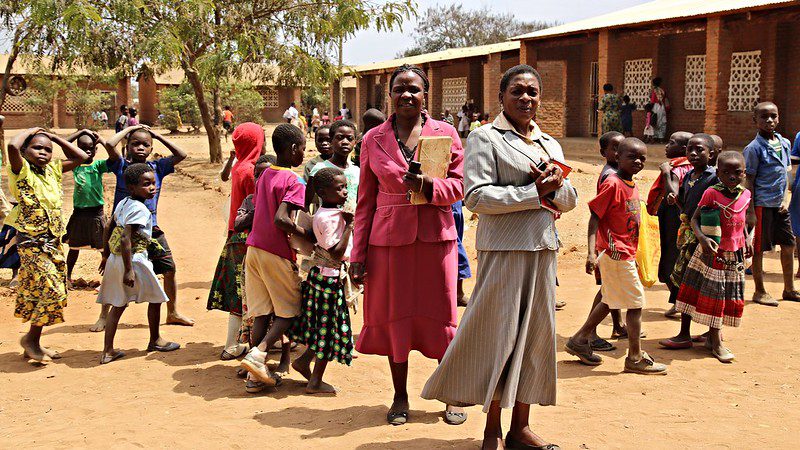
2021 was challenging for the foundation, but 2023 did prove fruitful in empowering global change. Clients like Biti from Malawi have had an amazing experience due to the microcredits granted to them. Biti actively participates in GGEM Farming’s program, securing a loan comprising seeds and fertilizer for rice cultivation. GGEM also pledges to buy the harvest at the end of the season at a rate exceeding what smallholder farmers typically receive from other local buyers.

Other entrepreneurs like Tin Ohn Khaing have lifted themselves and their families out of poverty with help from the Whole Planet Foundation. Tin Ohn Khaing is a first-time loan recipient at the Shan State Branch, supported by WPF, which commenced operations in early 2019. The foundation, through microfinance partners, has funded 19.4 million opportunities for Tin Ohn Khaing and other global entrepreneurs.

The Foundations Work in the Field

Whole Planet Foundation even goes as far as doing in-field work. This work, of course, was halted due to COVID-19 limitations. However, once the lockdown lessened, in-field work increased.

“The remote review tools our field team has been using for over a year continues to help us move forward with project disbursements and new proposals for funding to established partners,” said Zoltani. “Moreover, the field team is slowly picking up international travel again, as we look to add new partners to a growing portfolio of diverse organizations and local-led approaches.”

Zoltani finishes by saying, “Thank you for your ongoing support of Whole Planet Foundation’s mission, the implementing partners we work with, and the entrepreneurs we serve.”

In Conclusion

The collective efforts of many recognizable Whole Foods Market brands highlight the transformative power of corporate philanthropy in empowering global change. By supporting Whole Planet Foundation’s microcredit programs, these brands are not only contributing financially but also actively participating in the upliftment of global communities. Through their commitment to empowering microentrepreneurs, these companies are exemplifying the positive change that businesses can effectuate in the world. As we celebrate their contributions, we recognize that poverty is unnecessary, and with continued support, the mission to alleviate global poverty can become a reality.

– Caleb Picone
Photo: Flickr

January 8, 2024
https://borgenproject.org/wp-content/uploads/borgen-project-logo.svg 0 0 Lynsey 2 https://borgenproject.org/wp-content/uploads/borgen-project-logo.svg Lynsey 22024-01-08 07:30:542024-05-30 22:32:44Brands Unite: Empowering Global Change Against Poverty
Global Poverty

Unique Alliances: Beekeeping for Poverty Alleviation

Beekeeping for Poverty AlleviationIn the heart of eastern Colombia’s rainforest, Delio de Jesús Suárez, a member of the Indigenous Tucano community, has forged a unique alliance with stingless bees. Delio de Jesús Suárez embarked on a remarkable journey, embracing beekeeping for poverty alleviation. His dedicated efforts in La Ceiba, a community along the Inírida River, not only rejuvenated vital bee populations but also emerged as a beacon of hope for the economic well-being of the region, demonstrating the transformative power of indigenous beekeeping initiatives. Through a decade of dedicated beekeeping in La Ceiba Suárez Gómez’s efforts have not only revitalized bee populations critical for global pollination but have also become a beacon of hope for poverty relief and economic well-being in the region.

Poverty in Colombia

After the COVID-19 pandemic, 18.3 million people were living in poverty in Colombia. Extreme poverty has also risen slightly to 6.9 million people, making poverty alleviation more necessary than ever. Columbia has the fourth-highest level of extreme poverty in the world.

Beekeeping as Poverty Alleviation

Beekeeping is providing community members with financial opportunities and viable economic alternatives across the country. Communities are able to transition away from less sustainable sectors such as gold mining or monoculture, embracing beekeeping as an alternative that yields transformative outcomes for both livelihoods and community well-being. This shift reflects a broader trend towards more environmentally friendly and economically viable practices. In certain communities, residents can achieve a viable monthly income equivalent to one and a half to two times the Colombian minimum wage.

The Association

Suárez Gómez’s initiative, Asomegua (Asociación de Meliponicultores del Guainía), an association of meliponiculturists (stingless bee-keepers and managers), is the tangible outcome of his commitment to beekeeping for poverty alleviation Suárez Gómez’s marries ancestral knowledge with Western scientific methods. Bees, responsible for pollinating 75% of the world’s globally important food crops, are facing a global decline, making Suárez Gómez’s initiative even more critical.

Negotiating a delicate balance with the intricate lives of Amazonian bees, Suárez Gómez planted several wild tree species to attract and sustain them, transforming La Ceiba into a vibrant garden. The success of this environmental and cultural project has significantly extended the flowering periods of trees, providing a lush landscape and subsistence for both the community and the bees.

Community Leader and Friend to Bees

Suárez Gómez, 58, draws upon his deep understanding of the planet’s enigmas. He was born and raised in the village of Monfort, a small hamlet on the Brazilian border. In collaboration with his wife, Silvia Perez, a member of the Indigenous Puinave community, Suárez Gómez has become a community leader, driving positive change in La Ceiba.

The introduction of meliponiculture has not only enhanced honey production but has also altered La Ceiba’s economic landscape. With flowering trees attracting these essential pollinators, the community’s once-modest agricultural activities have flourished, providing families with increased food and fruit supplies.

Tourism

Tourism has also played a pivotal role in La Ceiba’s economic transformation. Over recent years, the region has seen a surge in visitors, drawn to the area’s natural beauty. As La Ceiba attracted attention as a travel destination, the meliponiculture project gained momentum. What began as a conservation effort soon evolved into a source of income, with honey production becoming a focal point for La Ceiba’s economic sustainability.

Despite facing challenges in the journey, including initial struggles with funding and the complex dynamics of bee behavior, Suárez Gómez’s resilience and commitment paid off. The project, initially supported by the Ricola Foundation and the University of Pamplona, has now become a community-led initiative. The Association of Guainía Meliponiculturists, which Suárez Gómez and his colleagues formed, focuses on sustainable beekeeping practices and independent honey trade.

As La Ceiba opens its doors to tourists, the community invites visitors to explore the honey route, showcasing the intricate relationship between the community and its bee partners. The guided tours, which Suárez Gómez and his colleagues led, provide an immersive experience into the world of stingless bees, emphasizing the mutual respect that underlies this extraordinary alliance.

Changing the Lives of People and Bees

The story of La Ceiba is not just about beekeeping; it is a testament to the power of indigenous wisdom, environmental stewardship and community-led initiatives in alleviating poverty and fostering economic well-being. The story of La Ceiba unfolds as a testament to the potential of beekeeping for poverty alleviation, as Suárez Gómez’s project not only enhanced honey production but also altered the economic landscape of the community. Through the delicate dance between humans and bees, this initiative has not only revitalized ecosystems but has also become a sustainable model for coexistence, offering a unique solution to the complex issue of poverty in the region.

– Mirali Shukla
Photo: Flickr

January 8, 2024
https://borgenproject.org/wp-content/uploads/borgen-project-logo.svg 0 0 Lynsey 2 https://borgenproject.org/wp-content/uploads/borgen-project-logo.svg Lynsey 22024-01-08 07:30:242024-01-04 06:38:30Unique Alliances: Beekeeping for Poverty Alleviation
Global Poverty

EDGE Fund Initiative Boosts Business in the Dominican Republic

EDGE Fund in Dominican RepublicPromising economic growth has resulted in a $120 billion GDP for the Dominican Republic, but worries have spiked in the nation regarding the slowing down of its economy. Sectors are unable to provide quality jobs; small to medium-sized business owners could be cast aside, leaving the potential for the 22% living in poverty in the Dominican Republic to be a figure that grows. The $1.4 million pledge offered by the EDGE Fund Initiative arrives at a vital moment for the Dominican Republic’s economy. 

Emerging Market

While the most popular tourist destination in the Caribbean and a hotspot for American holiday travelers, the Dominican Republic has become an important emerging market for the U.S. American goods account for 70% of the Dominican Republic’s consumer market and U.S. brands and television shows are also popular in the Caribbean nation.

The Dominican Republic’s economy grew by 2.5% in 2023, further cementing the nation’s position as the leading Latin American country in GDP growth. Accordingly, the consumer market in the Dominican Republic has grown by 5% annually since 2020, with the sector’s value now nearly achieving $100 billion. 

The Dominican Republic relies significantly on American investments, with the U.S. being the leading foreign investor. This has resulted in the Caribbean nation’s growing consumer market favoring American produce. Some of the leading U.S. exports are air conditioning systems, refrigeration equipment, medical utensils and automobile parts and services.

Economic Ties: US and the Dominican Republic

The growing market in the Dominican Republic is contributing to the development of businesses in the country and has been profitable for the U.S., too. However, its newfound reliance on U.S. exports poses some worry. Fluctuations in the U.S. economy will also result in fluctuations in the Dominican Republic. This connection has been forecasted to impact the Latin American country’s growth in 2024.

Fostering independent purchasing power for the average Dominican is on the U.S. agenda and the continuation of the $400 million fuel subsidy works to this effect. However, the nation faces challenges such as slowly rising inflation, insufficient electricity supply and a growing disparity between the business sector and the human capital necessary to sustain it. These factors contribute to difficulties in administering purchasing power for all in the nation.

Poverty in DR

Inequality persists in the Dominican Republic and is reflected by what is close to a quarter of the population living in poverty. Along with a poverty rate that is dependent on location due to discrepancies between rural and urban areas, 1.6 million out of the 11 million population suffer from multidimensional poverty. The United Nations Development Programme (UNDP) has offered assistance through support of the Dominican Republic’s Social Security Program and by tackling the issue of persistent poverty in line with the United Nations’ END 2030 goals. However, the causes of poverty in the Dominican Republic reveal themselves as being deep-seated and gendered. 

Female Educational Poverty in the DR

For a nation with a well-developed economy, the educational outcomes in the Dominican Republic fall short of expectations. A higher prevalence of this issue is observed among female students as compared to male students. Female stigmatization, based on cultural norms regarding education, dissuades young women from adopting a positive approach to learning attitude. Consequently, Dominican women of working age are forced to face lower rates of employment.

Female-Owned Business in the DR

In an empowering fashion, however, Dominican women constitute the majority of micro-entrepreneurs in the nation, with their presence mostly felt in agricultural areas. Effective programs have allowed this female entrepreneurship to bloom in the Dominican Republic. For instance, the UNDP encouraged the female workforce in Valverde’s banana industry by training more than 700 women on how to start, manage and promote their small enterprises and the International Trade Centre (ITC) introduced SheTrades workshops to enhance the business skills of women in the Latin American region.

The EDGE Fund Initiative 

On December 12, 2023, an agreement between the EDGE Fund Initiative and the Global Alliance for Trade Facilitation (GTAF) showed continued global support for boosting business in the Dominican Republic. The new U.S. policy targets areas such as women-owned businesses, small and medium-sized enterprises and trade as areas that will be offered support. 

Aside from the potential economic growth that the new U.S. agreement provides, there is the potential for the policy to reduce poverty in the Dominican Republic by lowering the barriers to employment. Taken in hand with how the policy tightens the bond connecting the U.S. and the Dominican Republic, the December agreement lifts the spirits of many Dominicans uneasy with employment entering 2024. 

– Joseph Wray
Photo: Flickr

January 8, 2024
https://borgenproject.org/wp-content/uploads/borgen-project-logo.svg 0 0 Lynsey 2 https://borgenproject.org/wp-content/uploads/borgen-project-logo.svg Lynsey 22024-01-08 01:30:452026-04-16 10:20:58EDGE Fund Initiative Boosts Business in the Dominican Republic
Global Poverty, Women and Female Empowerment

Huairou Commission: Supporting Women’s Grassroots Movements

Huairou Commission: Supporting Women’s Grassroots Movements
The Huairou Commission (HC) was established in 1995 at the U.N.’s World Conference on Women. Since then, it has grown from a tent of female community leaders in China into a global movement for women’s grassroots empowerment movements. 

HC has two missions: reform the paradigm of how development policies undergo planning and implementation, and center female leadership in global, social-issue decision making. It aims to position women’s grassroots groups as agents of change and active development partners, helping make the world free from poverty, inequality, violence, insecurity and injustice. HC is an example of bottom-up development, an approach to international development that places local communities at the center of the process, with a specific focus on women’s grassroots movements in Asia, Africa and South America.

Why Women’s Grassroots Movements Matter

“Achieving gender equality and empowering women is not only the right thing to do but is a critical ingredient in the fight against extreme poverty, hunger and malnutrition,” says Food and Agriculture Organization of the United Nations (FAO) Director-General Jose Graziano da Silva.

The U.N. Sustainable Development Goals (SDGs) require the active involvement of poor and marginalized populations in both establishing and supporting sustainable systems. In this regard, civil society and women’s grassroots movements must be in dialogue with their governments, and HC works to facilitate these conversations.

The U.N.’s SDGs also emphasize identifying and combating social inequalities, including at grassroots levels. Women comprise 60% of those living with food insecurity in developing nations, placing them in an ideal position to lead the anti-poverty revolution. Ella Bhatt, founder of the Self-Employed Women’s Association (SEWA) highlights the crucial role of impoverished women as an untapped source of strength, known for innovative, inclusive and peaceful problem-solving approaches. She stresses that involving women in leadership is crucial for SDG success. 

Despite women making up 43% of the labor force in the agriculture industry of developing countries, there is persistent discrimination against them in owning land and livestock, wage equality, participating in decision-making, and access to credit and financial services. It is estimated that if women had the same access to resources as men, productivity gains would skyrocket and global poverty would reduce by 150 million people. With the understanding that marginalized people are better able to determine their own needs and solutions, the HC strongly advocates for bottom-up development and locally driven policy-making led by women’s grassroots groups.

Ways HC Helps Women’s Grassroots Movements

The organization focuses on empowering impoverished women to develop resilience against economic shocks and natural disasters. This allows these women to drive decisions about their own development, particularly in cultures where men hold dominant roles. 

HC works with international donors and financial partners to create Community Resilience Funds (CRFs), financial resources specifically intended to assist women’s grassroots groups in implementing initiatives focused on reducing disaster risks in impoverished communities. These funds serve the dual purpose of fostering collaboration between these groups and local or national governments to expand the reach of women-led projects. 

CRFs are primarily allocated to women residing in economically disadvantaged rural and urban areas, which face significant exposure to natural disasters and extreme weather. For more than 10 years, CRFs have been extensively utilized across 21 countries. In 2018, they helped 2,675 women in impoverished and indigenous communities to spearhead resilience plans.

The Community Practitioners Platform For Resilience (CPPR), an HC initiative, unites various community groups to tackle issues such as natural disaster recovery, poverty and social inequality. It aims to foster collaboration among grassroots organizations, encouraging idea-sharing and joint projects in support of resilience development. By empowering grassroots efforts, CPPR emphasizes community-specific development processes and drives collective action toward sustainability and resilience, acknowledging the vital role of low-income area residents in tackling poverty, inequality and changing weather patterns.

CPPR is instrumental in enabling women and impoverished communities to take leadership roles in resilience planning. For example, the Shibuye Community Health Workers in Kenya — an HC member group — became empowered to establish a formal agreement with the Ministry of Agriculture that ensures agricultural subsidies reach impoverished households in regions affected by drought.

The Power of Women’s Grassroots Movements

The HC actively supports grassroots resilience programs that women lead to address community needs and mitigate the effects of natural disasters. It asserts that resilience is key to fighting inequality, injustice and poverty. Women in developing nations often face regular exposure to natural hazards and entrenched poverty and have acquired valuable, practical knowledge for community-level work. This expertise helps in creating solutions that combat poverty and foster sustainable responses to climate challenges and disaster risks. With HC’s support, these grassroots groups become catalysts for resilience, applying their knowledge to drive sustainable development from the ground up and foster solutions to modern challenges.

HC’s support for women’s grassroots movements represents an innovative approach toward addressing poverty and achieving various SDG goals. Its emphasis on locally driven change and bottom-up development places the beneficiaries of these solutions at the core of planning and implementation. Its efforts ensure the inclusion of women’s grassroots groups while also taking the lead in driving progress.

– Sam Waterkeyn
Photo: Flickr

January 8, 2024
https://borgenproject.org/wp-content/uploads/borgen-project-logo.svg 0 0 Lynsey 2 https://borgenproject.org/wp-content/uploads/borgen-project-logo.svg Lynsey 22024-01-08 01:30:312024-12-13 18:03:06Huairou Commission: Supporting Women’s Grassroots Movements
Global Poverty, USAID

USAID DIV Initiatives to Tackle Extreme Poverty in Rwanda

Poverty in RwandaIn November 2023, Village Enterprise, a nonprofit founded in 1987 committed to eradicating extreme poverty in Rwanda, secured a substantial $6.5 million grant from the United States Agency for International Development’s (USAID) Development Innovation Ventures (DIV) program. This marks the second-largest DIV grant in over a decade and is poised to make a significant impact in fighting poverty in Rwanda.

What Is the USAID DIV Program?

Co-founded in 2010, the USAID DIV Program, or Development Innovation Ventures, is an open innovation initiative by the United States Agency for International Development (USAID) that funds groundbreaking solutions to address complex global development challenges. DIV provides grant funding to innovators and researchers, allowing them to test new ideas, take strategic risks and build evidence of what works. The program aims to discover and scale creative solutions that can make a meaningful impact on global development issues.

Village Enterprise’s Transformative Approach

Village Enterprise’s poverty graduation model has a track record of success, empowering individuals to set up, launch and run their own businesses in various sectors, from retail to bicycle repair. Entrepreneurs undergo a year-long program with mentorship from Village Enterprise’s specialist staff and receive business and financial literacy training, ensuring the sustainability of their ventures. 

Village Enterprise has significantly impacted the lives of more than 1,656,000 individuals in Tanzania, Kenya, Ethiopia, the Democratic Republic of the Congo, Congo-Brazzaville, Uganda, Kenya and Rwanda by starting at least 80,000 enterprises and training around 274,000 first-time entrepreneurs.

What Are the Main Points of the Grant?

  1. Historic Grant: The $6.5 million grant is the largest in over a decade from USAID DIV and the second-largest in its history, demonstrating a notable commitment to combating poverty in Rwanda. 
  2. Scaling Impact: The funding aims to scale Village Enterprise’s proven poverty graduation model across Rwanda, directly impacting over 30,000 households and catalyzing the launch of 10,000 group businesses. 
  3. Government Partnership: Beyond financial support, the grant includes a partnership with the Rwandan government, equipping them to independently deliver the poverty graduation model. This aligns with Rwanda’s National Strategy for Sustainable Graduation, targeting the elimination of extreme poverty in Rwanda by 2030.
  4. Potential Impact: The initiative has the potential to attract an additional $28 million in investment, aiming to lift over 1 million people out of extreme poverty in Rwanda by 2027, aligning with Rwanda’s ambitious poverty reduction goals.

Supporting Rwanda’s Goals

The Rwandan government is committed to eliminating extreme poverty by 2030, and the partnership with Village Enterprise aims to equip them with the tools and resources needed to achieve this goal independently. According to the U.N. Development Reports of 2023, 48.8% of the nation’s residents face poverty with another 22.7% nearing the poverty line. 

The grant will facilitate the training of government parasocial workers, enabling Rwanda to deliver the poverty graduation program without external support. Additionally, a management information system will be deployed for effective program monitoring. 

Dianne Calvi, CEO and President of Village Enterprise expressed enthusiasm about the USAID DIV grant, highlighting its potential not only to alleviate extreme poverty in Rwanda but also to serve as a blueprint for other African governments facing similar challenges. This transformative initiative aligns with global efforts to address poverty, emphasizing collective action and proven solutions.

– Suhani Bhattad
Photo: Pixabay

January 7, 2024
https://borgenproject.org/wp-content/uploads/borgen-project-logo.svg 0 0 Lynsey 2 https://borgenproject.org/wp-content/uploads/borgen-project-logo.svg Lynsey 22024-01-07 07:30:342024-01-03 03:34:53USAID DIV Initiatives to Tackle Extreme Poverty in Rwanda
Global Poverty

The UAE’s Donation to the IMF

The UAE's DonationIn early October, at the 50th annual Poverty Reduction and Growth Trust (PRGT) meeting in Morocco, the United Arab Emirates (UAE) declared it will be sending $200 million to the International Monetary Fund’s (IMF) PRGT. The pledge is a representation of both the UAE’s commitment to battling poverty and how the IMF’s mission has spread and is receiving support from more nations than ever before. With funding from nations like the UAE, the IMF has been able to cultivate change in global sustainability, poverty and justice. Here is some information about the IMF, the PRGT and the UAE’s donation to help countries in need.

The IMF’s Origins

Now with 190 participating countries, the IMF works to cultivate reciprocal economic and social policies in the international community. The IMF originated in 1944, originally with 40 nations, with the goal of uniting to prevent mass economic strife. According to the IMF, the recent Great Depression in the 1930s made the importance of preventing international economic collapse apparent. The IMF proclaims it has two foundational functions: providing financial assistance and implementing strong training programs for policymakers.

About the PRGT

With the precedent of the Great Depression, the IMF has become acutely aware of how the international economy is intertwined and fragile. The IMF created the PRGT in 2010 to provide an avenue for struggling nations to get short-term economic relief without long-term repercussions. The PRGT’s function is to provide interest-free loans to low-income nations, thus eliminating the burden of paying back with interest, making the loans a way for nations to propel themselves out of severe poverty.

The IMF reports that the PRGT has lent a total of $29 billion since the beginning of the pandemic in interest-free loans. An example of the usage of the PRGT was in the Democratic Republic of Congo (DRC), where it lent $500 million to the nation to fund rapid credit facilities, in response to the pandemic. Headed into the meeting in October, the PRGT was $1.2 billion short of the goal for the trust, which inhibited the IMF from providing the financial aid it aimed for. The present shortage has only amplified the impact of the UAE’s pledge, as it cuts the shortage by around 20%, and puts pressure on other nations to do their part as well.

The UAE’s Donation

The pledge that the UAE made in October is not the only financial aid the UAE has provided to countries in need, as in February, the UAE sent more than $50 million to Syria to aid their social and economic recovery from the devastating earthquake. The Minister of Foreign Affairs for the UAE, Mohamed Bin Hadi Al Hussaini, proclaimed that “the history of UAE’s foreign aid began with its foundation. It is now a vital financial, commercial and logistical hub for the Middle East, Africa and South Asia, thus linking its economy to those nations’ economies.”

The UAE’s donation signifies the role that wealthier nations are necessary to fulfill in the present international economy, as these donations will be reciprocated through the rebuilding of a strengthened global economy. With each nation intertwined in this economic web, there is not a single strand that does not support the other. This mindset is the one that keeps the world afloat, and the one that the UAE has displayed through its foreign aid in 2023.

– Dimitri Lykidis
Photo: Flickr

January 7, 2024
https://borgenproject.org/wp-content/uploads/borgen-project-logo.svg 0 0 Lynsey 2 https://borgenproject.org/wp-content/uploads/borgen-project-logo.svg Lynsey 22024-01-07 07:30:092024-05-30 22:32:45The UAE’s Donation to the IMF
Developing Countries, Disease, Global Poverty

Stroke in Low- and Middle-Income Countries

Stroke in Low- and Middle-Income CountriesThe World Stroke Organization reported in 2022 that more than 85% of stroke-related deaths worldwide occur in low- and middle-income countries. Strokes also happen at a lower average age in these countries than in high-income countries, often during peak working years. Strokes can cause death and disability and create an economic burden in low- and middle-income countries. The occurrence of strokes in impoverished people in developing countries can severely impact them and worsen their lack of essential resources. A stroke is an abrupt death of brain cells caused by a shortage of blood flow and oxygen to the brain. Key factors contribute to the burden of stroke in low- and middle-income countries, and global organizations implement strategies to improve outcomes. 

Hypertension in Low- and Middle-Income Countries

Low- and middle-income countries have a high incidence of hypertension, or high blood pressure, which leads to stroke. The poorest people in developing countries often experience hypertension. The link between poverty and hypertension is counter to the common assumption that people in poverty have low body weight and high physical activity levels. Still, other environmental and lifestyle factors can cause hypertension in poor populations. Hypertension damages blood vessels and can cause them to leak or clog, increasing the chances of a stroke. High blood pressure in developing countries is linked to various factors, including environmental conditions and diets high in salt and low in fruits and vegetables. 

There is less awareness and treatment of hypertension in low- and middle-income countries compared with high-income countries. Research published in 2019 by Pascal Geldsetzer and others showed that 26% of people with hypertension in 44 low- and middle-income countries had never received a blood pressure check. Furthermore, merely one in 10 of the hypertension cases had attained control. People in poverty with hypertension often cannot access quality treatment and heavily depend on good health to support themselves financially. 

Air Pollution and Stroke

Air pollution is a significant contributor to stroke and causes 21% of worldwide stroke deaths, according to a report from Dean Schraufnagel and others in 2019. The World Health Organization (WHO) reported in 2016 that more than 85% of air pollution-caused deaths occur in low- and middle-income countries. Lower-income groups in developing countries often work outdoors and endure more air pollution exposure, creating a relationship between poverty and air pollution. Jun Rentschler and Nadezea Leonova reported research in 2023 showing that more than 700 million people living on less than $2 per day experience unsafe levels of air pollution exposure. Air quality standards are typically less strict in developing countries than in high-income countries. The sources of air pollution include older models of machines and cars, city transportation systems, industrialization and the clearing and burning of land for farming. 

Both short-term and long-term exposure to air pollution increases the risk of stroke. Over the long term, tiny pieces of air pollutants affect internal organ function, leading to increased blood clot formation and a potential stroke. 

Health Care Access and Stroke Outcomes

Health care access affects the outcomes of stroke in low- and middle-income countries. A research study by Peter Langhorne and others published in 2018 showed that people in low- and middle-income countries had reduced access to evaluation and treatment when experiencing a stroke. Poverty is also linked to decreased access to quality care for strokes and other cardiovascular events. 

According to a study by Mohammad Rabhar and others published in 2022, access to health care contributes to the lower average age of stroke in low- and middle-income countries. Health care facilities in these countries do not always start preventative stroke measures, such as treating hypertension and measuring blood lipids. Developing countries often lack the imaging capabilities necessary to diagnose stroke effectively. Improving access to health care before, during and after stroke is a potential strategy to reduce stroke incidence and death in low- and middle-income countries. 

The Fight To Improve Stroke Outcomes in Low- and Middle-Income Countries

With an increased understanding of stroke in developing countries, organizations are acting to reduce the burden. In 2017, the International Society of Hypertension began a global campaign to screen people for hypertension. Over two years, the effort resulted in the blood pressure evaluations of 4.2 million people. 

There are also regional groups fighting stroke, including the Middle East and North Africa Stroke Organization, the African Stroke Organization, the European Stroke Organization and the Asia Pacific Stroke Organization. In 2022, the American Heart Association recognized the Middle East and North Africa Stroke Organization for its efforts to educate citizens and health care professionals about stroke and its advocacy for stroke health services. 

The World Stroke Organization—Lancet Neurology Commission Stroke Collaboration Group published a multi-pronged practical strategy for improving worldwide stroke outcomes in October 2023. The commission outlines a path to improve stroke outcomes in developing countries, including increasing surveillance, and access to preventative health care, acute stroke care and rehabilitation therapies. To encourage research on global stroke prevention and treatment, the World Stroke Organization announced funding for four pilot research projects in 2024, prioritizing projects focused on stroke in low- and middle-income countries. 

Looking Ahead 

Stroke in low- and middle-income countries is a complex and multifaceted issue. People in poverty can experience increased exposure to the risk factors of stroke and have fewer resources to cope with stroke. International organizations continue researching and implementing practical strategies to reduce stroke in impacted countries. Improvements in the prevention and treatment of stroke can potentially improve citizens’ quality of life and economic contributions.

– Kelly Carroll
Photo: Unsplash

January 7, 2024
https://borgenproject.org/wp-content/uploads/borgen-project-logo.svg 0 0 Lynsey 2 https://borgenproject.org/wp-content/uploads/borgen-project-logo.svg Lynsey 22024-01-07 01:30:392024-06-11 00:18:04Stroke in Low- and Middle-Income Countries
Global Poverty, War

Everyday Life in Ukraine: Poverty in a War-Torn Country

Life in UkraineDespite the bustling atmosphere on the surface of Ukraine’s capital city, the ongoing war has reversed 15 years of progress, as 7.1 million more people were living in poverty by the end of 2022. This is expected as Russian attacks have devastated Ukraine’s infrastructure. Only 10 months after Russia’s full-scale invasion, it damaged or destroyed 149,300 residential buildings, 3,000 educational institutions, 1,131 health care facilities, 14,400 public transport vehicles and 1,327 community facilities (such as cultural, sport, religious and tourism facilities). The loss of these resources has a significant impact on everyday life in Ukraine as hundreds of thousands have lost their homes, have no access to a health care facility or have no school to attend. 

Life for Those in Ukraine

Oleksandra, a 40-year-old woman from Kyiv, lost her job as an accountant when Russian troops launched a full-scale invasion of Ukraine in February 2022, dismantling Ukraine’s economy and infrastructure. The war is still ongoing, and since then, people have lost an estimated 2.4 million jobs, making Oleksandra just one of the millions struggling to live in a war-torn country without an income.

With her savings dwindling, she turned to pawning possessions, a popular solution for those on the brink of poverty in Ukraine. According to the shopkeeper of the Treasure pawn shop in Kyiv, Oleksandr Stepanov, on busy days, there can be up to 50 people pawning their appliances and phones as “the price of everything has gone up. Food is the most expensive, and then there is fuel for the car… Before the war, my wife would go to the supermarket to shop, which would cost 200 hryvnias, now the same shop costs 400-500.” With inflation reaching 26.6% at the end of 2022, even those employed struggle to navigate everyday life in Ukraine and feel insecure about their future.

Reliance on Handouts

Those experiencing the toughest circumstances have had to rely largely or completely on handouts. In Irpin, a heavily hit town on the outskirts of Kyiv, the priests of a protestant church established six distribution centers, running five days a week, where people can collect bread for free. Almost every day, around 500 people queue for a loaf of bread, while occasionally, tables and tents offering second-hand clothes, shoes and toys are also set up next to the church.

One woman, Veronika Pravyk, searched for baby milk and nappies for her toddler amongst the bins of donated items. When Russia invaded Ukraine, Pravyk lost her job and fled with her children to Spain, but within just six months, she had used all of her savings and returned home. Although her husband has employment, inflation has meant his salary no longer covers their food, rent and heating, “I just never imagined we would be living like this. Before the war, we managed everything. It’s very difficult, and everyone is suffering the same,” she told The Guardian. 

Job Losses in Ukraine

Around 400 people in Irpin lost their jobs when the factories of one of the biggest employers, a wood carving business, were severely damaged by the war, forcing them to relocate to the West. As a result, “people are ready to work for peanuts here. The salaries are already less. But people will do anything to earn some money,” The Guardian reports. With Ukraine exporting 80% of its goods, the GDP had already declined by 30% at the end of 2022, and the hryvnia, Ukraine’s currency, lost 20% compared to the dollar.

However, Ukraine’s economic situation would be even worse without the ongoing financial support from the international community of $43 billion in pledges. A volunteer at the church, Larysa Kuzhel, told The Guardian,“ is going to get more difficult, especially for the younger people. The pensioners who you see here get support. It’s only $50 a month, but it is something. But it is the younger people who have lost their jobs who are suffering.”

Efforts to Help People in Ukraine

Since the war began, everyday life in Ukraine is almost unrecognizable as Oleksandra and Pravyk are two of millions who, for the first time in their lives, are facing poverty, having to pawn their belongings or rely on handouts to survive. Thankfully, organizations are working on the ground in Ukraine to alleviate poverty. UNICEF administers learning supplies to children so they can participate in formal or nonformal, education, provides crucial mental health and psychosocial services, facilitates access to safe water in regions where water networks have been destroyed or damaged, enabling access to health care by distributing medical supplies and even assisting households with cash. The Disasters Emergency Committee (DEC) is also offering its help. After the first six months, DEC had equipped 1.9 million people with clean water, 392,000 people with food aid, 71,000 with primary health care and 3338,900 people with cash support.

Although everyday life in Ukraine has changed, organizations like UNICEF and DEC are on the ground providing as much support as possible to ensure the people of Ukraine do not go hungry, thirsty, cold or untreated. UNICEF and DEC, alongside local communities such as the church in Irpin, provide relief and hope to those facing poverty because of the war. 

– Alice Isola
Photo: Flickr

January 6, 2024
https://borgenproject.org/wp-content/uploads/borgen-project-logo.svg 0 0 Lynsey 2 https://borgenproject.org/wp-content/uploads/borgen-project-logo.svg Lynsey 22024-01-06 07:30:212024-01-02 13:17:42Everyday Life in Ukraine: Poverty in a War-Torn Country
Global Poverty

7 Causes of the Gender Wage Gap in Italy

Gender Wage Gap in Italy
Italy is an interesting case study in Europe when exploring the intricate landscape of gender wage disparities. From the seemingly promising statistics, it seems to be performing quite well. The gender wage gap in Italy is around 5%, significantly lower than the general European average.

However, this encouraging figure masks a much different reality. The numbers do not consider many underlying key factors that shape the Italian labor market and, specifically, the wage difference. Italy stands out in the European Union for having an exceptionally low rate of female workforce participation, along with the lowest employment rate for women. Women make up just 42.8% of the workforce, ranking Italy at the lower end in comparison with other European countries.

At 51.7%, Italy has the lowest rate of female employment within the European Union, just recently surpassed by Greece (51.8%).

In fact, the persistent gender wage gap in Italy has roots in deep-seated structural imbalances. According to OECD, 60% of the Italian pay gap exists within companies due to men and women with comparable qualifications working in roles with differing responsibilities and tasks. An additional 40% arises from the concentration of women in lower-paying firms and sectors. Here are seven key factors responsible for the persistence of the gender wage gap in Italy today.

7 Key Factors Responsible for the Gender Wage Gap in Italy

  1. Historical Workforce Segregation: In Italy, traditional gender roles have deeply influenced job segregation, where women have historically worked in specific sectors including lower-paying and part-time jobs and unp, exacerbating the gender wage gap. In 2019, about 26% of women found employment in fields such as education, health and social services, compared to just 7% of men. On the other hand, in science, technology, engineering and mathematics fields, only 6% of the workforce was female, compared to 31% being male.
  2. Unequal Representation in High-Paying Industries: Women often have limited representation in high-paying sectors like technology, finance and upper management, which contributes to the overall wage gap. According to the World Bank, in 2020, women accounted for 23% of employees in senior and middle management positions in Italy. When compared to other countries, Italy’s proportion of women in these management roles places it in the second quintile internationally.
  3. The Motherhood Penalty: Women often face a ‘motherhood penalty,’ where maternity leave and child-rearing responsibilities negatively impact their career progression and earning potential. Furthermore, even years post-childbirth, average earnings remain 40% lower than for women without children due to a decrease in working hours, often resulting from a transition to part-time contracts.
  4. Part-Time Work Bias: A higher proportion of women in Italy work in part-time roles compared to men, which typically offer lower wages and fewer opportunities for advancement. According to EIGE, approximately one-third of women had employment in part-time roles in 2019, while this applied to only 9% of men. Women typically worked around 33 hours each week, in contrast to men who averaged 40 hours.
  5. Lack of Flexible Working Arrangements: Insufficient flexibility in working arrangements for balancing work and family responsibilities, such as telecommuting and flexible hours, hinder women’s career progression and earning potential, perpetuating traditional gender roles. Women continue to bear the brunt of unpaid domestic work and childcare, reinforcing the stereotype that caregiving is primarily a woman’s responsibility. This societal expectation limits women’s participation in the workforce while also influences their choice of jobs.
  6. Discrimination and Bias in the Workplace: Conscious and unconscious biases in hiring, promotion and pay decisions can lead to women receiving less pay than men for the same roles. The average annual total compensation for male workers in Italy in 2022 was €26,227, compared to €18,305 for their female counterparts. This is entrenched with deep-rooted cultural norms and stereotypes about gender roles, which continue to influence hiring practices, career progression and salary negotiations.
  7. Education and Career Guidance: Differences in education and career guidance can steer women away from high-paying fields and towards traditionally ‘female’ careers that tend to be lower-paid. In 2019, only 36% of the students enrolled in STEM Bachelor’s Degree Programs in Italy were female while 41% enrolled for STEM Masters’ Programs.

Women in Poverty in Italy

The persistence of the gender wage gap in Italy not only reflects but also contributes to the broader issue of poverty among women. Today in Italy, women and single mothers are the groups most at risk of poverty. The annual ISTAT report, released in July 2022, uncovers stark gender disparities. Of the 11.7% of single-parent families living in absolute poverty, single mothers head 80.9%. Around 2.28 million women are living in poverty and merely having a job does not guarantee an escape from it. Approximately 30% of Italian women do not own a bank account and 40% rely financially on their spouses. 

National Recovery and Resilience Plan

The Italian government and various NGOs have been implementing initiatives to address this issue. One notable example is the government’s National Recovery and Resilience Plan, which allocates significant funding towards expanding childcare services and promoting women’s participation in the workforce. This plan recognizes the pivotal role of women in economic recovery and aims to create a more inclusive labor market.

One such initiative is the “Family Act” that the Italian government proposed, which aims to support families with children through various measures, including tax breaks and increased childcare services. This policy, particularly beneficial for working mothers, can help narrow the gender wage gap by providing better support for balancing work and family life.

Women in the Field and WeWorld

Additionally, NGOs including Donne in Campo (Women in the Field) focus on empowering women, particularly in rural areas. They provide training and resources to women, enabling them to start and sustain their businesses. Such initiatives not only address immediate financial needs but also build long-term economic resilience among women.

Another significant step is the work of NGOs including WeWorld, which focuses on supporting women in Italy who are facing poverty. It provides assistance through education programs, vocational training and advocating for women’s rights, thereby empowering women economically and socially. 

Looking Ahead

Furthermore, legislative reforms aimed at promoting gender equality in the workplace, such as enforcing equal pay for equal work, are crucial. Tackling gender disparities requires a multifaceted approach, implementing policies to challenge societal norms and encourage women to enter traditionally male-dominated fields, especially in countries with such rooted traditional roles such as Italy. Ultimately, the journey towards bridging the gender wage gap in Italy is about fairness in paychecks and building a society where women’s contribution is valued as equally as her male counterparts.

– Matilde Liboni
Photo: Pexels

January 6, 2024
https://borgenproject.org/wp-content/uploads/borgen-project-logo.svg 0 0 Jennifer Philipp https://borgenproject.org/wp-content/uploads/borgen-project-logo.svg Jennifer Philipp2024-01-06 07:30:062024-01-02 13:46:537 Causes of the Gender Wage Gap in Italy
Global Poverty, Poverty Reduction

10 Low-Cost Innovations Saving Lives

Low-Cost InnovationsWhile large-scale governmental action is of paramount importance in tackling poverty, grassroots innovations still play a critical role. Access to nutritious food, clean water, sanitation and medical supplies can spread further through grassroots products that are inexpensive and use local resources. Here are 10 low-cost innovations that save lives by reducing malnutrition, waterborne diseases, back and foot injuries and infant hypothermia. 

1. The Shoe That Grows

The first of these low-cost innovations is The Shoe That Grows. This rubber sandal is designed with expanding straps and buckles, designed to fit a growing child’s feet from the age of five up to nine years old. Not only do these shoes save parents money, they prevent foot injuries among growing children and protect against soil-transmitted diseases, parasites, and bites from snakes and scorpions. Children in more than 97 countries have already received a pair.

2. Flo

Flo is a reusable kit of menstrual products, including washable pads, a pouch to carry them in and a container for them to be washed and dried in. A menstrual hygiene kit allows girls to keep attending school throughout their periods. On average, girls in Kenya miss four days of school every month because they do not have the products or the facilities necessary at school. Additionally, a reusable design means women can reuse the products for multiple years, which is better for the planet.

3. SafariSeat

This is an all-terrain wheelchair modified from the design of a traditional wheelchair to suit mountainous roads and off-roading. Made from recycled bicycle parts and designed to be manufactured and fixed in developing countries, the SafariSeat is a cyclical product requiring few inputs. Two hand levers propel the wheelchair, keeping the users’ hands clean from dust and dirt that collect on the wheels. The Accessibility Institute, the company that developed the SafariSeat, is now manufacturing a cart that can be added.

4. NIFTY Cup

The NIFTY cup is a small plastic cup that allows for easy collection of breastmilk to feed babies with a cleft palate or other difficulty with breastfeeding. This reusable cup prevents malnutrition in places where an infant’s ability to nurse is the difference between life and death. Only costing $1 to produce, what the NIFTY cup lacks in size it makes up for in use.

5. The Life Saving Dot

Women across rural Bangladesh suffer from iodine deficiency, which can cause fibrocystic disease, breast cancer and complications with pregnancy and childbirth. The Life Saving Dot is a variation on a traditional bindi, worn by women between the eyebrows, and provides women with the recommended dose of iodine. This is an affordable innovation for rural households, as each pack costs only two rupees.

6. Lucky Iron Fish

Iron is another common deficiency, especially among menstruating women, with roughly 3.5 billion suffering worldwide. This life-changing innovation is a fish-shaped iron object that is put into boiling water before vegetables are added to increase their iron content. This can prevent anemia and boost concentration levels and energy.

7. Life Straw

The LifeStraw filters water through a specially designed fabric, making it safer to drink and can prevent water-borne diseases such as cholera and typhoid. The company that makes them donates straws to communities that need them, in addition to providing filtration systems.

8. Embrace Warmer

The Embrace Warmer is a special sleeping bag for babies, to prevent them from catching hypothermia, a common cause of death among infants in developing countries. It stays at optimum body temperature for four hours, takes in heat from the baby who is too hot and gives out heat if the baby’s temperature drops. Low-cost and reusable, it is a great innovation for areas with high infant mortality rates, with many babies around India and Africa having used the embrace warmer so far.

9. Hippo Roller

Carrying water can cause long-term health effects to women, who often bear the responsibility of collecting a household’s supply. The Hippo Roller is essentially a plastic barrel with a metal handle, allowing users to roll a day’s worth of water for their household along the ground, instead of carrying it. This also protects women who are at risk of sexual assault or violence as they can collect water during the day, when it is safer. Currently, Hippo Rollers are used in 56 countries to transport 2 billion liters of water every year.

10. Hemafuse

The Hemafuse makes blood transfusions simpler in areas without access to storage banks. Acting like a large syringe, it allows a doctor to collect blood from a hemorrhage, filter it and replace blood back into the patient’s own body. This improves hygiene in remote areas which don’t have access to high-tech medical supplies, saving lives in emergency situations and childbirth.

Looking Ahead

These low-cost innovations play a huge role in tackling poverty, especially for people in developing countries, helping them overcome their everyday struggles such as access to clean water, nutritious food and health care. Hopefully, both governments and NGOs will focus on low-cost innovations in the future as well, providing help to more and more people every day.

– Lydia Greene
Photo: Flickr

January 6, 2024
https://borgenproject.org/wp-content/uploads/borgen-project-logo.svg 0 0 Lynsey 2 https://borgenproject.org/wp-content/uploads/borgen-project-logo.svg Lynsey 22024-01-06 01:30:212024-01-02 12:24:4010 Low-Cost Innovations Saving Lives
Page 368 of 2161«‹366367368369370›»

Get Smarter

  • Global Poverty 101
  • Global Poverty… The Good News
  • Global Poverty & U.S. Jobs
  • Global Poverty and National Security
  • Innovative Solutions to Poverty
  • Global Poverty & Aid FAQ’s
Search Search

Take Action

  • Call Congress
  • Email Congress
  • Donate
  • 30 Ways to Help
  • Volunteer Ops
  • Internships
  • Courses & Certificates
  • The Podcast
Borgen Project

“The Borgen Project is an incredible nonprofit organization that is addressing poverty and hunger and working towards ending them.”

-The Huffington Post

Inside The Borgen Project

  • Contact
  • About
  • Financials
  • President
  • Board of Directors
  • Board of Advisors

International Links

  • UK Email Parliament
  • UK Donate
  • Canada Email Parliament

Get Smarter

  • Global Poverty 101
  • Global Poverty… The Good News
  • Global Poverty & U.S. Jobs
  • Global Poverty and National Security
  • Innovative Solutions to Poverty
  • Global Poverty & Aid FAQ’s

Ways to Help

  • Call Congress
  • Email Congress
  • Donate
  • 30 Ways to Help
  • Volunteer Ops
  • Internships
  • Courses & Certificates
  • The Podcast
Scroll to top Scroll to top Scroll to top