• Link to X
  • Link to Facebook
  • Link to Instagram
  • Link to TikTok
  • Link to Youtube
  • About
    • About Us
      • President
      • Board of Directors
      • Board of Advisors
      • Financials
      • Our Methodology
      • Success Tracker
      • Contact
  • Act Now
    • 30 Ways to Help
      • Email Congress
      • Call Congress
      • Volunteer
      • Courses & Certificates
      • Be a Donor
    • Internships
      • In-Office Internships
      • Remote Internships
    • Legislation
      • Politics 101
  • The Blog
  • The Podcast
  • Magazine
  • Donate
  • Click to open the search input field Click to open the search input field Search
  • Menu Menu

Archive for category: Global Poverty

Key articles and information on global poverty.

Global Poverty, Poverty

4 Facts About Poverty in Iraq

Poverty in Iraq
About 22% of Iraqis live in poverty. Poverty in Iraq is a dynamic issue, the facets of which have changed with the country’s progress and efforts at modernization. Urbanization and the discovery of vast oil reserves have adversely impacted Iraqis with corruption and conflict driving poverty rates up. The following are four exceedingly relevant facts about poverty in Iraq and what the International Rescue Committee (IRC), a nongovernmental organization that emerged in 1933 to respond to international humanitarian crises, has done to help since entering Iraq in 2003.

4 Facts About Poverty in Iraq

  1. Urbanization and Food Shortages: Recent conflict and economic change have caused Iraqis to concentrate in urban areas. Iraq is 70.7% urbanized and is nearly unrecognizable in comparison to its agricultural past. Poor agricultural policies have catalyzed this shift toward urbanization and overcrowding in cities. This, combined with military and economic crises, has resulted in as many as one in six households experiencing some form of food insecurity. Iraq has a universal food ration program called the Public Distribution System (PDS), which is its most extensive social assistance program, but it has not been enough. Many Iraqis who have either lost access to the PDS or find that it does not cover enough, have turned to humanitarian agencies like the IRC for aid. Since 2003, the IRC has helped hundreds of thousands of people: in 2018 alone, it assisted 95,000 Iraqis, providing financial, familial, educational and professional support.
  2. Corruption and Oil: According to Transparency International, Iraq is the 13th most corrupt country. The Iraqi government often subsidizes inefficient state industries, which has led many Iraqis to view government and business leaders as corrupt. With the rise in oil prices over the past decades, Iraq’s government had sufficient funds to complete significant reconstruction and aid projects. However, poverty in Iraq has not improved. The oil sector provides an estimated 85% to 95% of government revenue. High-level corruption in Iraq impedes the development of private, non-oil business sectors, spurring overdependence on oil. Protests were rampant in 2019 with Iraqis indignant that their economy was flush with oil money but their government was too corrupt to provide basic services. Average Iraqi citizens never see oil profits due to the corrupt nature of the Iraqi government, which empowers politicians through informal agreements and patronage. Leaders hand out government jobs to build their support networks and stifle dissent, making the public sector inefficient and draining oil profits such that there is little left over for investment in social programs. While federal social programs are lacking and corruption is still serious, NGOs like the IRC have stepped in to pick up the slack and somewhat lighten the suffering of many Iraqis.
  3. Poverty and Unemployment: Roughly 95% of young Iraqis believe they need strong connections to those in power in order to obtain employment. Overall, unemployment is at 11% with one-third of Iraqi youths unemployed and 22% of the population living in poverty. The aforementioned protests in 2019 involved young Iraqis frustrated at being unable to find work, and projections determine that unemployment and poverty will worsen even further in 2020. The United Nations expects the poverty rate to double to around 40%, with monthly oil revenues falling from $6 to 1.4 billion between February and April 2020 due to the recent collapse in global oil prices. To combat these figures, the International Rescue Committee (IRC) has provided more than 40,000 people with emergency supplies, business training and funding to help Iraqis rebuild their lives.
  4. War and Internal Displacement: Conflict with ISIS led to the displacement of more than 6 million Iraqis from 2014 to 2017, and about 1.5 million Iraqis remain in camps despite the recent territorial defeat of the terrorist organization. The rise and conquest of ISIS was a primary driver behind the increase of the poverty rate to the current level of 22%, with forced displacement and brutal violence leading to the destruction of Iraqi homes, assets and livelihoods. The above factors have struck internally displaced persons (IDPs) the hardest — few IDPs have employment and most have to support an average of six other members in their household. On top of all this is the fact that many IDPs have lost access to what little the PDS food program does supply, illustrating the true humanitarian challenge of poverty in Iraq. While the displacement and refugee issue is still serious today, the International Rescue Committee has aided over 20,900 women and girls to recover from the violence, providing hope for a battered people.

Looking Ahead

Despite expansive oil profits flooding into the Iraqi system, this money does not reach ordinary Iraqis who struggle to provide for their families. The failure of urbanization, stark unemployment and violent conflict with ISIS have exacerbated the lack of action from corrupt business and political leaders to address the systemic issue of poverty.

Experts expect global poverty to worsen during the current COVID-19 pandemic, especially in Iraq. Combined with the recent crash in oil prices, this will likely lead to serious unrest in a country that has struggled for decades to bring about some semblance of effective governance. Despite the ongoing issues that these four facts about poverty in Iraq show, hope continues to live on thanks to organizations like the IRC that are able to provide aid.

– Connor Bradbury
Photo: U.S. Department of Defense
June 22, 2020
https://borgenproject.org/wp-content/uploads/borgen-project-logo.svg 0 0 Jennifer Philipp https://borgenproject.org/wp-content/uploads/borgen-project-logo.svg Jennifer Philipp2020-06-22 07:30:312024-06-06 00:38:124 Facts About Poverty in Iraq
Global Poverty, Homelessness

Understanding Homelessness in China

Homelessness in China
Homelessness in China is a significant humanitarian concern that affected approximately 2.6 million people as of 2011. China is a unique economic powerhouse, a manufacturing giant with the authoritarian remnants of a communist state and a marvel of global tourism despite its isolationist past. The nation’s mammoth population of 1.4 billion adds yet another set of challenges in negotiating economic and social issues. To better understand the dynamics and origins of homelessness in China, there are several factors to consider.

Natural Disasters

The roots of homelessness in China are not strictly economic. Infrastructural damage from natural disasters can ravage populated areas and leave thousands without housing. In 2000, the Yunnan earthquake resulted in the sudden displacement of more than 100,000 people. China’s population density makes disaster relief especially challenging. In 2008, an earthquake hit southwestern China, compromising the housing of nearly 5 million people in an area, “roughly the size of Massachusetts, Vermont, New Hampshire and New Jersey combined.” Beijing appealed for international aid to account for the enormous population in need of temporary housing, food and other supplies. Disaster relief and reconstruction efforts cost the Chinese government $441 billion. Six months following the earthquake, 685,000 homes underwent reconstruction and some rebuilt 200,000 entirely. Even so, around 1.94 million affected households were still living without permanent shelter.

Childhood Homelessness

Nearly 1 million of those experiencing homelessness in China are children. About half of these children are runaways, hoping to escape abusive or impoverished households. Unsurprisingly, these children and adolescents are vulnerable to the lures of gangs and drug use. With an average age of 14 to 15, most of these at-risk youths receive fewer than four years of elementary education. This limits their opportunities for social mobility as they enter adulthood. The one-child policy, China’s aggressive initiative to curb population growth, has also had a direct impact on rates of child displacement. Because of a cultural preference for male children, many girls ended up homeless or in orphanages.

Fortunately, rates of child abandonment have lowered significantly within the past decade. China’s economic development has allowed for higher standards of living and better prenatal care. The end of the one-child policy in 2016 has also lowered rates of child abandonment, particularly for female children. Organizations like China Care help orphaned children with special needs find permanent homes and receive proper medical care. This organization also provides adoptive families with the financial aid necessary to afford adoption costs.

Mental Health

Although the rate of homelessness among the mentally ill is lower in China than in many high-income countries, the relationship between homelessness and mental unwellness is clear. In a 2015 study that the PLOS ONE Journal published, a psychiatrist used a Structured Clinical Interview to screen homeless individuals for DSM-IV Axis-I disorders. Among the subjects that researchers interviewed, 71% had a history of mental illness, 25% of subjects reported alcohol abuse, 25% reported substance abuse and 10% struggled with psychotic disorders. These figures are conservative, as researchers considered nearly one-fifth of the individuals they assessed too ill to consent to participating in the study. Yet, only 13% of those afflicted reported receiving psychiatric care at the time of the study.

This low treatment rate paints a bleak picture of insufficient mental health resources for homeless individuals. In many cases, people must consider patients dangerous before patients can receive involuntary treatment. However, these policies occur with prolonged periods of untreated psychosis. This study points out that mental healthcare professionals should receive training and education on compulsory treatment options for this vulnerable population.

Strides Forward

Despite the complexities of addressing this multidimensional crisis, considerable infrastructure currently supports China’s homeless. Government-subsidized social services are growing, and local governments often ‘buy’ the services of NGOs to provide proper aid. This is naturally scaled to accommodate China’s large populace: as of 2014, China had 2,000 shelters and employed around 20,000 social workers to provide assistance.

– Stefanie Grodman
Photo: Flickr

June 22, 2020
https://borgenproject.org/wp-content/uploads/borgen-project-logo.svg 0 0 Kim Thelwell https://borgenproject.org/wp-content/uploads/borgen-project-logo.svg Kim Thelwell2020-06-22 01:30:212020-06-18 06:54:51Understanding Homelessness in China
Global Poverty

An Overview of Healthcare in Switzerland

Healthcare in SwitzerlandMany know Switzerland for its high standard of living and hail its healthcare system as one of the best in the world—in fact, it often ranks as one of the top 10 healthcare systems worldwide. However, while healthcare in Switzerland is universal, it is not free or public, which makes it very expensive.

How It Works

All residents pay for their own health insurance. Unlike other countries, healthcare does not receive funding from government taxes. Even children and retirees must have their own individual health plan. The Swiss government mandates that health insurance providers cannot reject applicants for any reason and that all insurance providers offer a basic level of healthcare coverage to ensure that all citizens can obtain insurance.

The basic level of health insurance is identical across all Swiss insurance providers, covering expenses such as general check-ups and treatments, prescription costs, vaccinations, hospital visits and more. A basic healthcare plan covers around 80-90% of a person’s medical costs.

Health Insurance Companies

The role of health insurance companies in Switzerland is complicated. As private companies, they are competitive and seek profit. However, since law dictates that they all have to offer the same medical services under the mandatory basic health insurance, companies have limited competition.

Healthcare insurance companies have decreased in number within the past 20 years, from over 1,000 to less than 100. Their influence on political decisions is high since many government officials represent and defend their interests.

Pros and Cons

The Swiss government legally requires anyone staying in Switzerland for over 90 days to acquire health insurance, no matter the total length of stay. Healthcare in Switzerland is expensive, and people pay for most treatments out-of-pocket rather than receiving reimbursement later.

Switzerland’s high healthcare costs partially come from the fact that the government-mandated private insurance premiums largely fund the healthcare system. Healthcare providers charge more money from individuals to cover medical costs and business expenses since the government does not fund healthcare.

However, healthcare standards are high and citizens can receive excellent quality care across the country. Since basic healthcare is mandatory for all residents, every person has an entitlement to the same coverage and standard of care.

Swiss health insurance companies cannot deny insurance or charge inflated insurance rates for those with pre-existing conditions. Depending on customers’ age and insurance package of choice, some health insurance companies also will charge the same fee for the duration of the residency in Switzerland. Insurance rates may not increase even in the event of sickness or injury.

Comparison with Other Countries

The Organization for Economic Co-operation and Development (OECD) compared healthcare in Switzerland with healthcare in the 37 other OECD countries. It found that Switzerland’s model of universal health insurance coverage provides a wide variety of medical services and high patient satisfaction, but the percentage of Switzerland’s GDP that goes towards health is the second-highest in the OECD area.

Other OECD countries perform equally as well or even better in terms of healthcare at a lower cost. Switzerland spends the highest GDP, around 12%, on healthcare in comparison to other European countries. Swiss residents also spend an average of 10% of their salary on health insurance.

– Kathy Wei
Photo: Unsplash

June 21, 2020
https://borgenproject.org/wp-content/uploads/borgen-project-logo.svg 0 0 Kim Thelwell https://borgenproject.org/wp-content/uploads/borgen-project-logo.svg Kim Thelwell2020-06-21 07:30:212024-05-29 23:17:54An Overview of Healthcare in Switzerland
Global Poverty

5 Facts About Healthcare in Japan

Healthcare in JapanHealthcare in Japan is both universal and low-cost. The country provides healthcare to every Japanese citizen and non-Japanese citizen who stays in Japan for more than one year. Japan’s healthcare system is uniform and equitable, providing equal medical services regardless of a person’s income. Here are five facts about healthcare in Japan.

5 Facts About Healthcare in Japan

  1. Everyone has health coverage. Established in 1961, Japan’s universal health insurance sought to provide people with equal access to “necessary and adequate” medical care at low costs. Two key characteristics of Japan’s healthcare are that medical care is affordable and equally accessible to everyone. Citizens can either receive coverage through social insurance if they work for a corporation or through national medical insurance if they are self-employed. Patients and physicians have great freedom in their choices. Patients can choose their own physicians, and physicians are able to freely choose the best procedures, tests and medications they see fit for their patients.
  2. Insurance plans vary for individuals. Japan has three main forms of health insurance. The first insurance system covers employees who work at companies. Companies deduct insurance premiums for healthcare from employees’ paychecks. The second insurance system covers citizens who are self-employed. Factors such as the individual’s income, the number of people living in the household and any assets determine premiums. The third system is a pooling fund, with premiums coming from the previous two plans for medical costs of people 70 years or older. The three medical plans cover citizens from all backgrounds, ensuring that everyone has access to healthcare. Because everyone has coverage, there are seldom issues of people in low-income households or poverty lacking medical care.
  3. Payment is through a fee schedule. Patients pay for their medical care through a national fee-for-service schedule. The government sets the schedule, which includes both primary and specialist care fees. Since the fee schedule is uniform and applies to everyone, all providers “share the same prices for medicines, devices and services.” The poor and the elderly also receive government subsidies to pay for their health insurance. This ensures that the poor do not have any disadvantages in receiving medical care.
  4. Japan’s healthcare plans provide various medical services. The insurance plans include primary and specialty care, visits to hospitals, mental health care and most dental care. Plans also cover prescription drugs that physicians and hospice care approve for the elderly. For pregnant women, the local governments often subsidize check-ups, making it easier for women to access adequate medical care. People with disabilities also get aid from the government. They receive government subsidies to pay for any equipment such as wheelchairs or hearing aids. By making medical care both comprehensive and accessible to disadvantaged groups, healthcare in Japan looks out for the poor.
  5. Japan’s healthcare is extremely equitable. An individual’s income makes less of an impact in influencing the quality of care in Japan in comparison with many other countries. Because the fee schedule for medical care is uniform across the nation, everyone pays the same prices. Furthermore, physicians receive the same fee from patients with or without government assistance due to government subsidies for low-income people. Therefore, Japan’s healthcare system provides no incentives for physicians to treat patients differently. Everyone receives equal treatment and equal access to medical resources, regardless of their social class. This allows the disadvantaged and people living in poverty in Japan to receive the “necessary and adequate” care that the country’s universal health insurance pledges.

Japan’s healthcare system operates on a national fee schedule and is universal in nature. The fee schedule allows healthcare in Japan to be equitable as well as cost-efficient, ensuring that medical care is available to everyone. It also keeps total health expenditures at a minimum due to its set, uniform fees. Healthcare in Japan demonstrates how people in poverty do not experience exclusion from or have difficulties finding medical care, but rather enjoy equal access to healthcare like everyone else.

– Silvia Huang
Photo: Flickr

June 21, 2020
https://borgenproject.org/wp-content/uploads/borgen-project-logo.svg 0 0 Kim Thelwell https://borgenproject.org/wp-content/uploads/borgen-project-logo.svg Kim Thelwell2020-06-21 01:30:062020-06-16 12:49:575 Facts About Healthcare in Japan
Global Poverty, Homelessness

Hidden Homelessness in Cuba

Homelessness in Cuba
The island nation of Cuba has long dealt with the social and urban problem of housing. From shantytowns on the island before the 1950s through the massive construction boom under the Castro Regime beginning in 1959, housing has been an integral part of Cuba’s social and political issues. Here is some information about homelessness in Cuba.

Overview of Cuban Housing Policy

The 1959 Cuban Revolution ushered in the Castro regime. With the rise of Fidel Castro came new social reforms. The regime paid particular attention to reforming housing policy and alleviating homelessness in Cuba which had previously plagued the island. Castro introduced new socialist policies such as high housing subsidies paired with state-owned homes in order to contain housing prices and costs of construction.

According to Cuban architect Dr. Coyula-Cowley, one can attribute much of Cuba’s urban growth and renewal to large scale government building projects under the Castro regime. Coyula-Cowley cited that between 1958 and 1998, both urban and rural housing stock experienced a radical increase in the quality of living conditions. The majority of both urban and rural housing received descriptions of “good” in 1998 as opposed to the majority of units qualifying as “bad” in 1958.

Current Trends

Cuba currently enjoys a near-zero rate of homelessness. This is primarily due to high levels of housing subsidies from the government as well as a cultural tradition of multifamily homes where many members of the extended and nuclear family all share one residency. This social custom causes the vast majority of the Cuban population to be able to list an official address and thus minimize technical homelessness rates.

According to The Conversation U.S. news source, as of 2018, the National Assembly of Cuba approved a reformed draft constitution which includes orders to lower regulations on the market for private residential housing in order to stimulate development. This action could help to stimulate urban growth and renewal throughout Cuba through the use of free market-based mechanisms. This is a departure from previous state-sponsored building projects in order to meet increased housing demand.

Hidden Issues

Despite the near-zero rate of homelessness in Cuba, it is difficult to accurately measure homelessness rates. U.S. intervention and constraints of low-cost construction have created hidden issues. The U.S. embargo on Cuba in the 1990s followed by Cuba’s Special Period due to the collapse of the Soviet Union both constricted the supply for building materials, leading to higher costs and slow-building rates. In addition, the inability of modern Cuba to continue building low-cost homes due to these limitations has led to an increased concentration of multifamily residencies despite the desire for younger generations to live separately.

The elderly are at a particularly high risk of homelessness despite every Cuban having an official address. Retired Cubans live on a fixed pension of 248 Pesos (~10 USD) per month which forces the elderly into a constant state of financial hardship. Given that 10.6% of Cubans are over 65 years of age, a significant part of the population experiences poverty. According to the Havana Times, many elderly Cubans may sleep on public benches or practice “couch surfing” by living with friends as overcrowding makes their own family unable to care for them. The exact percentage of homeless elderly is unknown but social workers are aware of the underreported issue as noted in the Havana Times. Although the elderly may have an official address, the quality of life is reminiscent of homelessness.

Experts have determined that the capital of Havana needs 300,000 housing units in order to meet demand. Thus, with Cuba experiencing an average rate of 4.1 people per living space continues to reinforce the trend of overcrowding. Therefore, official homelessness rates may be low in Cuba, but the quality of Cuban housing can often be below ideal living standards and is often unsafe.

On top of overcrowding, weather-related issues such as hurricanes and tropical storms have also degraded the current housing stock. Weather-related issues cause consistent destruction and inhibit the ability to make repairs, often exposing wiring, poor insulation and leaking rooftops. An official report stated that seven out of 10 homes need repair, with 7% of all houses being unhabitable.

Solutions

There is still a very real housing crisis involving the quantity and quality of Cuba’s housing. Fortunately, the state and local governments of Cuba alongside international NGOs such as Oxfam are working to alleviate this crisis. Oxfam sent workers and aid to Cuba in the wake of Hurricane Sandy in 2012 to assist with rebuilding and maintaining residential homes, 150,000 of which had undergone damage, affecting over 600,000 people.

The state and municipal governments have also implemented the Architect in the Community Programme which provides technical support from architects to homeowners who are undertaking home building and renovations on a self-help basis. The program currently employs 630 architects in 157 of Cuba’s municipalities serving over 500,000 households. This technical assistance empowers individuals to undertake home building and repair work while alleviating the government’s burden of housing due to limited finances.

Homelessness in Cuba remains a complicated and multifaceted issue due to difficulties in recording true homelessness rates and housing shortages as a result of trade limitations. However, despite these issues, multiple government and nonprofit programs exist in order to stimulate building and repairs. They hope to protect against weather-related damage as well in hopes of alleviating both homelessness as well as poor living situations.

– Ian Hawthorne
Photo: Flickr

June 20, 2020
https://borgenproject.org/wp-content/uploads/borgen-project-logo.svg 0 0 Kim Thelwell https://borgenproject.org/wp-content/uploads/borgen-project-logo.svg Kim Thelwell2020-06-20 07:30:382024-06-05 02:12:23Hidden Homelessness in Cuba
Global Poverty, Malaria

6 Facts about Poverty in Malawi

Poverty in MalawiLocated in Africa’s Southern region, Malawi is a nation-state with a size comparable to that of the state of Pennsylvania and a population estimated to reach a little more than 20 million by July 2020. The country is primarily dependent on the agricultural sector which employs close to 80% of the population and remains predominantly rural. Poverty in Malawi is very high and it manifests itself in various indicators, such as in the economy, education and health care, rendering it one of Africa’s poorest nations. Here are six facts about poverty in Malawi.

6 Facts About Poverty in Malawi

  1. Throughout the past few decades, Malawi had made tangible progress in several areas of human development. For instance, primary education completion rates have increased by 17% between 2004 and 2013. Meanwhile, mortality rates for children under 5 decreased by approximately 48% between 2004 and 2015. Similarly, the country’s maternal health has improved as mothers are receiving necessary prenatal and birth care as well as increasingly using contraceptives.
  2. Despite the abovementioned improvements, Malawi continues to have high poverty rates, posing substantial challenges to human development and growth in the African nation’s quality of life. In 2017, its GDP per capita (PPP) amounted to only $1,200, leading it to rank among the poorest countries in the world.
  3. In 2016, Malawi’s poverty rate reached 51.5%. That number remained slightly unchanged at 52% in 2018, according to a 2018 integrated household report, which emerged as a result of a joint effort between the Malawian government and UNICEF. The report also highlights child poverty as a particularly problematic issue as more than two-thirds of children in rural areas in Malawi live in poverty.
  4. Higher poverty rates in a given society tend to go hand in hand with sizable challenges underpinning the state of the economy. Malawi’s dependence on agriculture implies that climate-related problems can be a serious threat to its national economic wellbeing. This was the case during the 2015 and 2016 drought, which negatively impacted the country’s economy. Alinafe Nhlane, a mother and farmer in Muona Village, exemplified another instance of Malawi’s economic volatility when she recounted that she had lost all of her crops as a result of the 2019 Cyclone Idai.
  5. In addition to the fact that an estimated 1 million Malawians are living with HIV/AIDS and that the degree of risk of infection with diseases such as hepatitis A, typhoid fever and malaria is very high, the physician/population ratio in the country is quite low at 0.02 in 2016. In light of the recent COVID-19 global developments, the U.N. Resident Coordinator in Malawi, Maria Jose Torres, expressed her fears that the spread of the virus, even if minuscule, could be destructive to the country’s feeble health care system.
  6. On the other hand, it is notable that UNICEF and U.K. Aid have worked to distribute hygiene and sanitation materials throughout Malawian districts to lead the fight against the virus. Ms. Nhlane also benefited from the $33 she received from the World Food Program (WFP), aid which she will use to feed her family.

Looking Ahead

Malawi indeed continues to face paramount challenges that threaten the very livelihood and wellbeing of its citizens. Nonetheless, it has improved in many aspects including child health. For progress to spread and increase in scope and magnitude, however, it remains critical for the efforts addressing poverty in Malawi to carry on.

– Oumaima Jaayfer
Photo: Flickr

June 20, 2020
https://borgenproject.org/wp-content/uploads/borgen-project-logo.svg 0 0 Kim Thelwell https://borgenproject.org/wp-content/uploads/borgen-project-logo.svg Kim Thelwell2020-06-20 01:30:562024-06-11 03:08:246 Facts about Poverty in Malawi
Global Poverty, Health, Sanitation

10 Facts About Sanitation in Botswana

Sanitation in BotswanaBotswana is a landlocked country in southern Africa. It has actively advocated and improved legislation for water access and sanitation since 1981 and continues to improve its Wash, Sanitation and Hygiene (WASH) conditions. Still, despite its growing economy, the country struggles to provide WASH services for some of its 2 million inhabitants. Here are 10 facts about sanitation in Botswana.
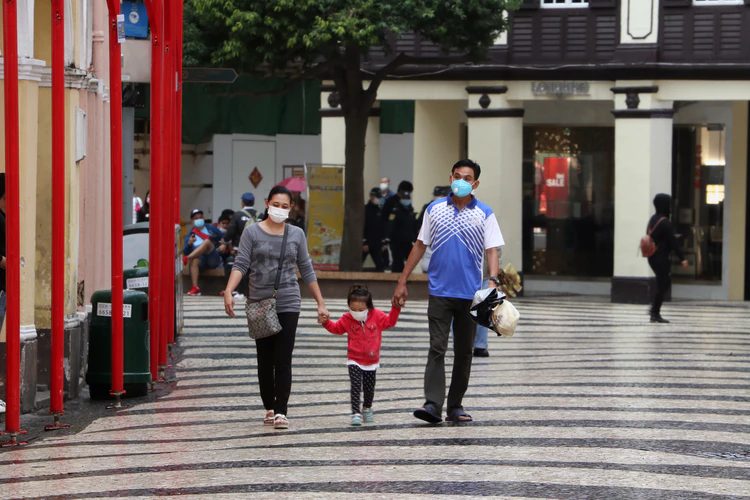
10 Facts About Sanitation in Botswana

  1. Free Feminine Hygiene Products: As of 2017, girls enrolled in both public and private schools have access to free feminine products as part of their school supplies. One in 10 girls reported missing school during their period prior to this initiative. This often led to girls falling behind in their work, and in some cases, dropping out. To combat this problem and encourage more Botswanan girls to finish their education, the government began providing sanitary pads to enrolled students. Similar initiatives throughout Africa have improved school attendance by more than 40%.
  2. Free HIV Treatment: Botswana provides free antiretroviral treatment for HIV and was the first country to do so. Despite the free treatment, Botswana has one of the highest rates of HIV in the world with 20.3% of the population infected according to Avert. Botswana encourages condom use by making 85% of condoms free and by teaching people about their benefits. Botswana has also improved the prevention of Mother to Child Transmission (PMTCT) in all healthcare facilities. The country provides training to employees to combat this issue, decreasing the transmission to 2.1%.
  3. Hygiene in school: A study performed by The University of Botswana concluded many elementary schools have the proper infrastructure for hygiene, such as toilets, sinks and latrines, but they do not always have the resources to ensure that the infrastructure works properly. The study found that 80% of toilets did not flush properly and that there was limited access to handwashing supplies. The Botswanan government is working to ensure these situations are improved through additional funding and newer infrastructure.
  4. Education about hygiene and sanitation: Hygiene is taught to students in elementary schools, but there is still a greater need for implementation and proper hygiene practices. The Okavango Research Institute found only 70% of students said they “always wash their hands,” before eating and after going to the bathroom, if available.
  5. Toilets in Botswana: More than 88% have access to adequate toilets in Botswana in 2020. Most toilets in Botswana are Western flush style, though latrines are also prevalent. However, in rural areas, Western-style toilets are less common, and up to 32.62% of people are practicing open defecation.
  6. Access to water: Clean water in Botswana primarily comes from ground sources, such as rivers and dams. Rates of water access are relatively high in urban areas (99.5%) compared to 84.1% in rural areas. However, limited infrastructure to secure the water forces many women into the laborious and time-consuming task of retrieving the water. Women may spend up to five hours retrieving clean water on a given day.
  7.  Water Demand: With increased access comes increased demand, which is hampered by decreasing rainfall and the high cost of sanitation. This demand also puts pressure on infrastructure systems and threatens access to clean water. To resolve this demand, government agencies and schools have started water recycling facilities. One such facility started by the Ministry of Agriculture recycles water from the Gaborone city sewage. It uses this water for “gardening and brick making,” reducing the need for clean water for these activities.
  8. Disease Implications: Diarrheal diseases remain a prominent concern regarding sanitation in Botswana. Diarrhea is caused by contaminated drinking water, inadequate sanitation services and unsafe storage practices. Through a study published by the Journal of Health, research determined people in rural areas are drinking and using water “unsuitable for domestic use,” despite the apparent availability of clean water. The study also concluded that the lack of proper storage in a person’s home contributes to the contaminants in the water. The prevalence of diarrheal diseases is the third highest killer in Botswana. Such illnesses kill four times as many people as the global median as of 2017.
  9. Healthcare Facilities: A huge factor in improving sanitation in Botswana is healthcare. Botswana has 27 health districts that provide “almost free” healthcare to citizens. Since the Abuja Declaration of 2001, Botswana allocates 17% of its budget to healthcare. Despite this, hospitals struggle with “inexperienced staff” and a lack of bed access. Citizens who can afford it opt for private healthcare to receive better services. However, healthcare and safety are prioritized in Botswana, and because of this, the country has only 49 reported coronavirus cases. This is also due to the government’s early implementation of required masks and social distancing.
  10. Improvement to WASH Services: Botswana has government agencies dedicated to improving WASH conditions: the Ministry of Land Management, Water and Sanitation Services and The Ministry of Health. This Ministry has worked with the U.N. to participate in the Water Global Analysis and Assessment of Sanitation And Drinking Water (GLAAS) survey. Furthermore, since 2000, Botswana has improved basic sanitation by 25% according to UNICEF.

Botswana is continuing to make valiant strides in the public health arena and looks on track to provide a better overall quality of life to its citizens, despite limitations in funding and infrastructure.

– Allison Caso
Photo: Flickr

June 19, 2020
https://borgenproject.org/wp-content/uploads/borgen-project-logo.svg 0 0 Kim Thelwell https://borgenproject.org/wp-content/uploads/borgen-project-logo.svg Kim Thelwell2020-06-19 08:29:042024-06-06 00:38:1210 Facts About Sanitation in Botswana
Global Poverty

The Impact of COVID-19 on Unemployment in China


During the 2008 financial crisis, more than 20 million people in China were laid off, with the official unemployment rate reaching a peak of 4.7% in 2009. Since then, official unemployment in China has remained steady, hovering around 4.6% until 2015 and reaching a decade low of nearly 4.2% in 2018.

China has been able to maintain relatively low numbers in unemployment through an increase in investment in its social policies. Since the 2008 financial crisis, its jobless claims program funding nearly tripled to $82.37 billion. In 2016, China also signed an agreement with the International Labor Organization through the Decent Work Country Program, pledging to focus on generating a better social protection system and increasing the “quantity and quality of employment,” among other objectives, through the end of 2020. However, COVID-19 has interfered with these plans.

Impact of COVID-19 on Unemployment

China has over 84,000 confirmed cases of COVID-19 with more than 4,600 reported deaths as of May 14, 2020. Since its first case in December of 2019, China has taken drastic measures to reduce the spread of the virus. This lead to a 6.8% drop in its GDP from January to March. Many business were also forced to close. While some industries have now reopened, China’s economy is still far from operating at full capacity and has been left with a grudging consumer base.

There was an estimated increase in unemployment in China by three million people as the rate increased from 5.2% in December 2019 to 5.9% in March 2020. However, there was no increase in the number of unemployed receiving benefits. To make matters worse, this is only what has been officially reported and does not include rural migrant workers. Including migrant workers would change the recent peak in unemployment from roughly 6% to nearly 20%.

Additionally, millions have been working without a contract, working without paying into their unemployment insurance or have not worked long enough to collect, leaving them without access to unemployment insurance. Those who do receive an unemployment check are being sent less than minimum wage each month, leaving many unable to pay rent.

Responses to Unemployment in China

The Chinese government recognizes the extreme troubles millions of its citizens are experiencing. They have mandated government officials to “prioritize job security and social stability above anything else.” Already China has been supporting small businesses through an increase in lending, as well as providing subsidies and tax breaks. Additionally, the government has given 67,000 jobless migrants a one-time payment with an additional 2.8 million more people receiving unemployment benefits (averaging $571 per person) and another 5.78 million people receiving subsidies to combat inflation. Those unable to receive unemployment insurance do have the opportunity to apply for financial assistance depending on their income.

As of early May, close to nine million college and university graduates are expected to enter the workforce, further adding to the workforce competition. In response, the Ministry of Education in China has announced plans to help alleviate the additional pressure from graduates entering the workforce. Over the summer, the Ministry of Education looks to create more opportunities for graduate education and teacher positions, as well as to encourage “small, medium-sized and micro enterprises to recruit more college graduates.”

As COVID-19 continues to be a significant problem around the world, it is essential that countries address the poverty and unemployment that the pandemic exacerbates. Moving forward, China and other nations must continue to create policies and programs designed to protect the impoverished.

– Scott Boyce
Photo: Unsplash
June 19, 2020
https://borgenproject.org/wp-content/uploads/borgen-project-logo.svg 0 0 Jennifer Philipp https://borgenproject.org/wp-content/uploads/borgen-project-logo.svg Jennifer Philipp2020-06-19 07:35:012024-05-29 23:17:34The Impact of COVID-19 on Unemployment in China
Global Poverty

Understanding Chinese Investment in Africa 

Chinese Investment in Africa
China’s rise to economic prominence is unparalleled in modern history. In just 40 years, China has become the manufacturing center of the world, built an enviable infrastructure system and created a robust middle class by lifting 800 million people out of poverty. The regime has also expanded Chinese investments abroad, funding a wide range of projects in far-flung corners of the globe. China’s international strategy has met with skepticism from the West due to allegations of corrupt business practices and sketchy dealings between often authoritarian states. This article will explain the effects of Chinese investment in Africa specifically, exploring the impact through the perspective of the international community, China itself and the receiving African nations.

The Extent

The value of Chinese investment in Africa since 2005 has passed $2 trillion. Chinese investment has many dimensions but primarily focuses on infrastructure and resource extraction. The regime’s plan to extract and ship resources through Chinese-built infrastructure connects more foreign markets to China as part of an ambitious megaproject called the Belt and Road Initiative. In doing so, China benefits by ensuring its supply of material needed to further economic growth and receiving nations benefit through job creation and economic diversification. Additionally, Chinese entrepreneurs own over 10,000 businesses on the continent.

One can only accomplish a proper understanding of foreign influence in Africa comparatively. Chinese interests in Africa are primarily commercial, but raise alarm bells in the West due to the scale of China’s acquisition of hard assets. Meanwhile, the West has had cultural and political interests in Africa for centuries, interests that continue today through the presence of Western military bases, political boundaries and cultural footprints of language and religion.

The Benefits

The ease and effectiveness of Chinese investment have provided many benefits for African nations. From its perspective, China provides fast access to capital and prompt delivery of services and workers. Additionally, Chinese loans do not need receiving nations to meet the ethical restrictions that organizations like the IMF require. The nature of Chinese investment often produces tangible results. Infrastructure projects increase access to transportation, healthcare, education and telecommunication services for ordinary Africans. Resource extraction diversifies the economy and can immediately sell to China’s booming market, as Chinese trade to Africa generally eclipses $100 billion every year.

Outside of investment, China plays an active role in addressing poverty on the continent. In 2018, the regime approved a $60 billion aid package and currently participates in five U.N. peacekeeping missions in Africa. In general, African nations view China as a valuable ally with no history of colonialism, but also as an avenue for successful economic development.

The Concerns

While the economic benefits of Chinese investment are numerous, allegations about the regime’s business practices and intentions are of justifiable concern. The lack of accountability measures and regulatory mechanisms on the continent have led corrupt actors to hijack many Chinese-funded projects. In many cases, extraction and infrastructure markets are more concerned with connecting resource markets to China than considering the needs of the population. The influx of Chinese entrepreneurs and cheap goods have also decimated domestic industries such as the Nigerian textile market.

Additionally, Chinese investment projects often lack sustainability regulations and native Chinese laborers frequently dominate them. In fact, every million dollars of Chinese investment only creates 1.78 jobs for African citizens. Chinese lending practices have also received criticism for creating trade imbalances and debt for countries unable to pay them back in time. Finally, Chinese intentions are hard to ascertain, and as their economic influence grows, so does their ability to influence Africa’s diplomatic and political landscape.

The Solutions

Despite the shortcomings of Chinese investment in Africa, there are policy and organizational solutions actively addressing these issues. The findings of international organizations such as the U.N. and WHO can influence the state of Chinese business dealings. In particular, the Ease of Doing Business Index and WHO influence provides international awareness and transparency to Chinese investment projects. African nations have also realized the need to implement more effective regulatory mechanisms in order to combat corrupt dealings.

Additionally, nations such as Nigeria and South Africa have accepted deals from the U.S. and E.U. as a way to mediate Chinese diplomatic influence. China has also sought to improve its image, improving procedural transparency and establishing NGOs throughout Africa. The Beijing Gender Health Education Institute has opened a division in Africa, where it seeks to empower LGBTQ individuals by producing documentaries and spreading visual works. Transnational NGOs with Chinese offices such as the Bill and Melinda Gates Foundation and the “Free Lunch for Children” campaign have started operating in Africa as well.

Despite uncertainty dominating it, Chinese investment in Africa has provided undeniable benefits to ordinary Africans. Ensuring that Chinese actions receive mediation will take the concerted effort of international institutions and accountability mechanisms. With concentrated reforms and an open diplomatic dialogue, Chinese financial support will be instrumental in helping the international community alleviate global poverty.

– Matthew Compan
Photo: Flickr

June 19, 2020
https://borgenproject.org/wp-content/uploads/borgen-project-logo.svg 0 0 Jennifer Philipp https://borgenproject.org/wp-content/uploads/borgen-project-logo.svg Jennifer Philipp2020-06-19 07:30:072024-05-29 23:17:48Understanding Chinese Investment in Africa 
Global Poverty, Health

The Benefits of Health Technology in India

Health Technology in India
With India’s population nearing 1.4 billion, its health care system must be equipped to meet the needs of its people. The health care industry has struggled to keep up with the burden of disease and various health issues in the country, but has significantly expanded its reach in recent years, facilitated by almost doubling the investment in health technology in India. Some of the health challenges that India faces include inequalities resulting from access issues and inadequate resources.

The Ayushman Bharat program, launched in 2018 by the government, has aimed to move toward comprehensive health care with the end goal of Universal Health Coverage (UHC). Included in this program is the Pradhan Mantri Jan Arogya Yojana (PM-JAY), the largest health insurance program globally. The health coverage provided by PM-JAY targets the poorest 40% of the Indian population. This health insurance plan is cashless and paperless, with all information accessible from IT platforms. These improvements have grown the Indian health care industry, which is expected to be worth $372 billion by 2022. Here are other ways health care in India can be improved by technology.

Telemedicine and Disease Mapping

Investment in health technology in India can help address issues such as access gaps, the shortage of health workers and low doctor-to-patient ratios. Smartphones and online programs, such as messaging services, are being used to facilitate communication between doctors and patients, tackling geographical barriers to access to doctors and allowing easier access to consults, appointments and medical information.

Disease mapping is another aspect of health technology in India that is crucial to gaining an understanding of the largest health issues in various geographical areas and providing a visual representation of health disparities across the country. The Centre for Global Health Research (CGHR), founded in 2002, is co-sponsored by the University of Toronto and Toronto’s St. Michael’s Hospital. CGHR does epidemiological research for the world’s poorest population. In addition to conducting many studies in India, the CGHR has created an interactive health map of the country to aid government and health officials.

Medical Databases

Online databases improve access to health data for both patients and doctors. This allows patients to receive medical information and data from home. Doctors can also monitor their patients if they are traveling or if they are helping patients in a different region. Many companies including Microsoft, Google and Amazon have made cloud services available to health care providers. Public as well as private sector health providers have increasingly been using these features.

In addition to generally improving the flow and accessibility of health information, clouds and databases increase the efficiency of health workers. Through these aspects of health technology in India, hospitals can consolidate data, and patient transfers and referrals become more organized. Using databases can also improve diagnoses and treatments by allowing doctors to easily access previous cases to inform their decisions regarding new patients.

Artificial Intelligence (AI)

The Indian health care system is increasingly using more artificial intelligence. The aging population and growing rates of non-communicable diseases have resulted in a demand for technology that can help predict diagnoses and future health challenges in patients. AI and machine learning (ML) include algorithms that find patterns in large amounts of data.

These technologies allow doctors to benefit from thousands of patient cases and information that help in identifying trends. Doctors are then able to make more informed diagnoses for new patients and create effective treatment plans. By analyzing patient data, AI programs can help diagnose patients earlier than would otherwise be possible. They can also help identify patients that might be more vulnerable to certain conditions. This also increases the effectiveness of disease prevention programs.

The use of AI in health care also has the potential to improve doctors’ understanding of what risk factors contribute to disease. Heart disease and cardiac issues have become a leading cause of death in India and doctors hope to use AI to analyze data and gain understanding about the factors contributing to the trend.

Furthermore, AI has the potential to increase the affordability of health care. While increasing the use of health technology in India will initially be expensive, the costs will eventually diminish. The processes will become more streamlined and focused on each patient, improving overall efficiency and decreasing costs. Investing in technologies such as AI can also help make up for the lacking resources and increase the efficiency with which resources are used by improving the accuracy of diagnoses and treatment.


While health disparities in India are very pronounced, the increased use of health technology in India is promising and could potentially decrease the level of health inequity. Various uses of health technology can minimize the consequences of health worker and doctor shortages, facilitate access to medical services and information and improve doctors’ understanding of medical trends and social factors relating to health.

– Maia Cullen
Photo: Flickr

June 19, 2020
https://borgenproject.org/wp-content/uploads/borgen-project-logo.svg 0 0 Jennifer Philipp https://borgenproject.org/wp-content/uploads/borgen-project-logo.svg Jennifer Philipp2020-06-19 07:15:042024-06-11 23:17:18The Benefits of Health Technology in India
Page 1104 of 2179«‹11021103110411051106›»

Get Smarter

  • Global Poverty 101
  • Global Poverty… The Good News
  • Global Poverty & U.S. Jobs
  • Global Poverty and National Security
  • Innovative Solutions to Poverty
  • Global Poverty & Aid FAQ’s
Search Search

Take Action

  • Call Congress
  • Email Congress
  • Donate
  • 30 Ways to Help
  • Volunteer Ops
  • Internships
  • Courses & Certificates
  • The Podcast
Borgen Project

“The Borgen Project is an incredible nonprofit organization that is addressing poverty and hunger and working towards ending them.”

-The Huffington Post

Inside The Borgen Project

  • Contact
  • About
  • Financials
  • President
  • Board of Directors
  • Board of Advisors

International Links

  • UK Email Parliament
  • UK Donate
  • Canada Email Parliament

Get Smarter

  • Global Poverty 101
  • Global Poverty… The Good News
  • Global Poverty & U.S. Jobs
  • Global Poverty and National Security
  • Innovative Solutions to Poverty
  • Global Poverty & Aid FAQ’s

Ways to Help

  • Call Congress
  • Email Congress
  • Donate
  • 30 Ways to Help
  • Volunteer Ops
  • Internships
  • Courses & Certificates
  • The Podcast
Scroll to top Scroll to top Scroll to top