• Link to X
  • Link to Facebook
  • Link to Instagram
  • Link to TikTok
  • Link to Youtube
  • About
    • About Us
      • President
      • Board of Directors
      • Board of Advisors
      • Financials
      • Our Methodology
      • Success Tracker
      • Contact
  • Act Now
    • 30 Ways to Help
      • Email Congress
      • Call Congress
      • Volunteer
      • Courses & Certificates
      • Be a Donor
    • Internships
      • In-Office Internships
      • Remote Internships
    • Legislation
      • Politics 101
  • The Blog
  • The Podcast
  • Magazine
  • Donate
  • Click to open the search input field Click to open the search input field Search
  • Menu Menu

Archive for category: Development

Information and stories on development news.

Development, Global Poverty

Cricket and Poverty Reduction in India

Cricket and Poverty Reduction in IndiaAccording to Wisevoter, India’s poverty rate in 2023 was 21.9%, which ranked it as the 79th country most affected by poverty globally. However, the 2023 National Multidimensional Poverty Index report highlights India’s considerable progress in reducing this percentage. The report indicates that India’s population living in multidimensional poverty has decreased from 24.85% to 14.96% since the last recorded statistics. Hence, a remarkable achievement and India aims to continue this positive trend. This article highlights the relationship between cricket and poverty reduction in India.

Cricket and Creating a Distinct Identity

Cricket has played a significant role in India’s fight against poverty, with a history deeply intertwined with the nation’s quest for autonomy and the ability to shape one’s destiny. A sport introduced by the British Empire became a symbol of resistance for India during its struggle for independence. The game allowed individuals from impoverished backgrounds to achieve economic and social mobility. Pamala Devan stated, “Cricket has enabled social mobility among the Indian people, allowing cricketers from humble origins to master the sport and move to larger cities to showcase their cricketing skills.” This aspect of cricket has provided many with the opportunity to improve their lives and status within society.

Furthermore, the British Empire hoped that by introducing an ‘English’ game, they could control the lower class, when in fact, they provided India with a vehicle to assert their own identity whilst being given a tool to ascend the position the British sought for them, as subservient. Cricket allowed this process to continue post-independence, where the economically disadvantaged can escape poverty via an Indian symbol of freedom: cricket.

The Economic Advantages of Cricket

Cricket’s role in reducing poverty in India is significantly aided by its significant role in India’s economy, providing a considerable economic advantage. As Pamela Devan notes, India is the world’s largest cricket consumer, generating 60% of the world’s cricket income. With a population of more than one billion, India naturally boasts the most prominent TV audiences. Moreover, cricket is not simply a passive spectator sport for many Indians and South Asians; many have also played the game.

Playing cricket, particularly for those from impoverished backgrounds, offers a means of escaping poverty and achieving international stardom, a path that has been available for several decades. This can also increase exposure to Indian culture and showcase world-class cricket players through events such as the Indian Premier League (IPL) and on international stages, allowing audiences to enjoy the sport.

The Indian Premier League (IPL)

Cricket’s role in reducing poverty in India involves collaboration between the Indian Government and cricketing organizations. In 2014, the economic benefits of increased visibility became clear when two teams reported significant profits: Kolkata Knight Riders announced a profit of Rs 14.15 crore ($2.12 million) and Kings XI Punjab reported earnings of Rs 12.76 crore ($1.91 million). The IPL has showcased its marketing prowess by signing players with high market values, ensuring excellent returns on investment both internationally and regionally.

Cricket: A Catalyst for Change in India

The collaboration between the Indian government and cricket organizations, including the IPL, highlights a unique approach to addressing poverty while fostering national pride. These partnerships have not only elevated India’s stature on the global stage but also underscored the potential of sports as a vehicle for social and economic development.

The strategic use of cricket in poverty alleviation efforts exemplifies a successful model for integrating sports into national development agendas. The link between cricket and poverty reduction in India is strengthening the economy through initiatives and providing valuable insights for other nations. The positive impact of cricket in India serves as a powerful testament to the role of sports in driving meaningful change and improving lives across the globe.

– Jordan Cunningham
Photo: Pexels

February 17, 2024
https://borgenproject.org/wp-content/uploads/borgen-project-logo.svg 0 0 Precious Sheidu https://borgenproject.org/wp-content/uploads/borgen-project-logo.svg Precious Sheidu2024-02-17 01:30:242024-05-30 22:32:50Cricket and Poverty Reduction in India
Developing Countries, Development, Education, Global Poverty

8 Key Ways to Strengthen Global Supply Chains

8 Key Ways to Strengthen Global Supply Chains Reliable and consistent global supply chains are essential for the maintenance of life-saving services in some of the world’s hardest-hit developing countries. In fact, they provide the key foundations of sanitation and hygiene, water, education, nutrition and health systems in countries that need the most charitable support.

The United Nations International Children’s Emergency Fund (UNICEF) has committed greater resources to ensure the protection of these crucial supply chains. Hence, working with governments to ensure that all the crucial stages of product selection, strategic procurement and the contracting of logistics services meet as few hindrances as possible.

In addition, UNICEF outlines that post the COVID-19 pandemic, the value of equitable and resilient supply chains is more crucial than ever to ensure access to lifesaving supplies to countries most in need of humanitarian support.

UNICEF Tackle Insecure Supply Chains

In a recent report, UNICEF outlines two key objectives to address the issue:

  1. To create a collection of resources to deal with the most critical hindrances that directly affect supply chains.
  2. To analyze key areas affecting supply chain barriers that affect access to services, products and treatments that are essential.

As a result, UNICEF has compiled data based on the knowledge of key organizations and governments to address these two objectives. These include the Bill and Melinda Gates Foundation, the Global Alliance for Vaccines (GAVI), the United States Agency for International Development (USAID), the Global Fund, the African Centre for Disease Control, the World Health Organisation (WHO), United Nations Population Fund (UNFPA) as well as the private sector.

Ways to Strengthen Global Supply Chains

Furthermore, after compiling the experiences and knowledge of its partners, UNICEF has outlined eight key ways to strengthen global supply chains. Also, these recommendations aim to enhance access to essential, high-quality and life-saving services and supplies in the future.

The following are the eight key ways to strengthen global supply chains:

  1. Foster global sharing partnerships.
  2. Empower supply chain workforces.
  3. Enhance private sector involvement, multi-partner coordination and governance.
  4. Assist local manufacturing supplies and local production, using ‘market shaping’ as a key method. This could include pooled procurement and tools like volume guarantees on products.
  5. Reform fiscal policies and increase funding for the public financing of supplies.
  6. Create a strong service delivery system ensuring quality of care for supplies to their end user.
  7. Ensure the sustainability of social, economic and environmental elements connected to the supply chain.
  8. Quicker access to reliable data and technology to support decision-making.

Global Supply Chain Improvements

Therefore, UNICEF’s investment and collaboration with the mentioned partners and governments have resulted in the implementation of supply chains through projects such as:

  • Nutridash, an online interactive platform that analyzes, stores and captures data from nutritional programs of more than 100 countries.
  • The Vaccine Independence Initiative, a $234 million fund accessible to many governments for procuring nutrition and health supplies, benefiting tens of millions of children annually.
  • The Traceability and Verification System, developed by the organization to authenticate health products including vaccines to ensure patient safety.
  • The Effective Vaccine Management Initiative and Maturity Model, the EVM initiative is a tool that monitors how vaccine supply chains help developing countries improve resource allocation and identify key areas that need development.
  • People that Deliver, this is a branch of UNICEF’s supply chain workforce that supports countries in developing the supply chain workforce through its close association with private and public partnership networks.

These initiatives and projects have helped raise $7.2 billion in supplies and services, enhancing the provision for supply storage and the transportation of vaccines, medicines and other critical supplies. In addition, they have also resulted in increased procurement of Ready-to-use Therapeutic Food (RUTF), a crucial item for treating severe wasting in children. Through these efforts, UNICEF met two-thirds of the global demand for RUTF production.

Progress and Promise

Despite facing significant challenges, the strides made in improving child survival rates in developing countries offer a beacon of hope. UNICEF’s call to action for strengthening global supply chains highlights a path forward to addressing critical needs, from vaccine accessibility to combating severe wasting and enhancing sanitation in schools. Furthermore, with concerted efforts and continued focus, the gap in essential services can be bridged, promising a healthier, more secure future for millions of children around the world.

– Domenico Palermo
Photo: Flickr

February 15, 2024
https://borgenproject.org/wp-content/uploads/borgen-project-logo.svg 0 0 Precious Sheidu https://borgenproject.org/wp-content/uploads/borgen-project-logo.svg Precious Sheidu2024-02-15 15:00:082024-02-14 03:49:378 Key Ways to Strengthen Global Supply Chains
Development, Global Poverty

8 Facts about Education in the South Pacific

Education in the South PacificEducation in the South Pacific often takes a backseat in the minds of those picturing it as a luxury holiday destination, renowned for its crystal blue waters, tropical beaches and exotic wildlife. However, the daily reality for the islands’ inhabitants is far less glamorous.

8 Facts about Education in the South Pacific

  1. Impact of tourism on education. While tourism undeniably boosts foreign revenue, the benefits for infrastructure and the economy often fail to reach the poorest groups in society. Consequently, the education systems on these islands remain overlooked as the tourism industry garners more attention.
  2. History of education in the South Pacific. For informal education, anthropologists have discovered that education in the South Pacific has historically taken an informal approach. This method emphasizes practical situations where young members of society observe and imitate adults, learning not just culture and traditions but also vocational skills for working life. Elders in the community share legends and stories, serving both as a history lesson and as instruction in societal values and their understanding of the universe. This informal system fosters creativity, philosophy, personal history, practical and physical skills and preserves native culture and traditions. In the case of formal education, Christian missions initially introduced more structured learning on the islands, followed by government efforts that led to a more regulated and formalized education system. However, the value of cultural traditions and communal teaching continues to play an integral role in the education system.
  3. Other forms of education. Agro-Technical Education – In the 1970s, South Pacific governments recognized the need to extend education beyond traditional academic subjects. Fiji saw the opening of practically oriented schools, backed by the Education Commission, which emphasized the necessity for these institutions to meet high standards and not be considered inferior.
  4. Low Literacy rates. Although the education sector has seen improvements, low literacy rates remain a significant concern for Pacific Island Countries and Territories (PICT) governments. The impact of insufficient quality education at the primary school level is undeniable, affecting not only educational attainment but also attitudes toward study. The Pacific Islands Literacy and Numeracy Assessment (PILNA) provides evidence of this, with only 46% of participating Year 4 and Year 6 students meeting or exceeding the expected literacy proficiency levels.
  5. Equity Gaps. Education distribution in the South Pacific continues to pose challenges. Before the COVID-19 pandemic, estimates indicated that 50% of children with disabilities were not attending school, a figure that soared to 90% in some rural areas. The pandemic has worsened these conditions, with the loss of social interaction and limited access to distance learning and support services significantly impacting this demographic. Furthermore, UNESCO estimates that 15 million women and girls in East Asia and the Pacific were not enrolled in school, with an additional 1.2 million girls at risk of not returning since the pandemic. Facing greater challenges such as child marriage and pregnancy, exploitation and abuse and reduced economic and financial capacity, women and girls rank among the groups most adversely affected by limited access to education.
  6. Insufficient Infrastructure. The South Pacific islands rank among the regions most severely affected by the worsening climate crisis, with school buildings and other educational infrastructure facing disproportionate impacts from natural hazards. Tropical Cyclone Gita, which hit Tonga in 2018, damaged 72% of schools, resulting in 109 schools being damaged or destroyed. This disaster severely affected the education of approximately 23,000 students. The lack of sufficient infrastructure makes it nearly impossible to deliver effective and innovative education.
  7. International Aid. Much can be achieved through international aid and support, which offer expertise in educational frameworks and funding to enhance facilities. UNICEF collaborates with governments and civil operations to ensure more children, especially the most vulnerable, attend and learn in pre-primary, primary and lower secondary schools.
  8. Domestic Support. Local governments in the South Pacific must actively promote educational development and support international efforts to maximize growth and efficiency. The education ministries in Tonga, Samoa and Vanuatu contribute to the Pacific Safer Schools Program’s mission to enhance the safety and resilience of schools.

Looking Ahead

Significant work remains to advance educational opportunities in the South Pacific, but initiatives are underway to foster development across the board. By strengthening partnerships and leveraging international support, the region is taking steps toward a more inclusive and effective educational landscape.

– Chloe Thomas
Photo: Flickr

February 10, 2024
https://borgenproject.org/wp-content/uploads/borgen-project-logo.svg 0 0 Precious Sheidu https://borgenproject.org/wp-content/uploads/borgen-project-logo.svg Precious Sheidu2024-02-10 07:30:352024-06-11 00:18:098 Facts about Education in the South Pacific
Development, Global Poverty

Innovation and Development in Armenia: Success and Optimism

Development in ArmeniaIn 1991, Armenia experienced transformation into an independent democratic state from a once Soviet Socialist Republic. Despite impressive reductions in poverty, the country has faced difficult times throughout its turbulent history. Most of the recent news out of the mountainous nation has centered around its troubling conflict with Azerbaijan, greatly neglecting the sucessful development in Armenia.

Background

The current situation in Armenia is complicated: although the nation has seen its Human Development Index increase by more than 20% since 1991, more than a quarter of Armenians were still living below the poverty line in 2019 and every third child is currently living in poverty. These consequences can be partially attributed to the trend of over-reliance on a few sources of prosperity, such as the export of commodity goods, tourism and financial services, which has restricted the opportunities available in the country to working-age individuals and their children.

Furthermore, Armenia had the largest agriculture sector as a proportion of GDP among  Eastern Europe and the South Caucasus (EESC) countries at 11% in 2021. The need for modernization and diversification is key to Armenia’s development success and the nation has solid foundations for continued poverty alleviation to be achieved. Armenians can look within for inspiration, with exciting, high-value industries such as the ICT sector proving to be catalysts for new growth and innovation. This highlights the importance of sustained innovation, education, opportunity creation, creativity and modernization for the ongoing development success of Armenia.

Government Initiatives

The Ministry of High-Tech Industry seeks to capitalize on Armenia’s high-tech potential by improving education in the sector. This initiative aims to attract influence from foreign high-tech specialists and establish a National Venture Fund to provide grants and support for startups in the country.

Armenia typically struggles with high outmigration. So, supporting bright young prospects as soon as they enter the labor force may lead to further innovations and the growth of new markets in the country. Furthermore, the arrival of tech specialists from Russia has “opened up new opportunities, with the potential to positively affect start-up creation, investment and growth of the ICT sector.”

The Ministry is also planning to increase the digital literacy of the general population through digital education programs and the widespread expansion of high-tech communication services. This is to ensure public digital literacy, improve accessibility to digital services for persons with disabilities and ensure the availability of a fixed internet connection.

Armenia has a legacy of “entrepreneurial culture and pockets of innovation excellence, such as the information and communication technology service exports sector.” Therefore, “strengthening innovation will play a central role in ensuring the country’s sustainable development, building a solid foundation for its transition to a knowledge-based economy.” New sources of growth for Armenia’s economy will inevitably bring some relief to the worst off in society, as the nation will be able to move away from things such as remittances from Russia to boost GDP, which usually only benefit the better-off.

NGO and International Efforts

The European Bank for Reconstruction and Development laid out its priorities in its 2019-2024 country plan for Armenia. It is prioritizing increasing the ability of small- and medium-sized enterprises to grow and add value, broadening access to finance, in particular for underserved segments and improving economic governance and greater competition. It will aim to achieve these goals by providing direct financing to SMEs, supporting the introduction of innovative technologies, bringing together and working with various financial interest groups and improving the quality of legal, institutional and regulatory frameworks that competition authorities can tackle monopolies.

Furthermore, The United Nations Development Program (UNDP) has been doing great work in Armenia. This includes investing in small and medium-sized enterprises, supporting local start-up initiatives and tourism development. The program is actively boosting entrepreneurism, developing a future-proof labor market and improving preparedness for shocks in rural communities. Through the promotion of technology-based education, re/up-skilling and upgraded public service models, the livelihoods of nearly 30,000 people have been strengthened to date.

Conclusion

While Armenia continues to work through difficult circumstances, the country is full of exciting initiatives seeking to push it far beyond simple subsistence. 

– Arshiya Eslamdoust
Photo: Unsplash

February 10, 2024
https://borgenproject.org/wp-content/uploads/borgen-project-logo.svg 0 0 Lynsey 2 https://borgenproject.org/wp-content/uploads/borgen-project-logo.svg Lynsey 22024-02-10 01:30:382024-02-10 00:12:12Innovation and Development in Armenia: Success and Optimism
Development, Global Poverty

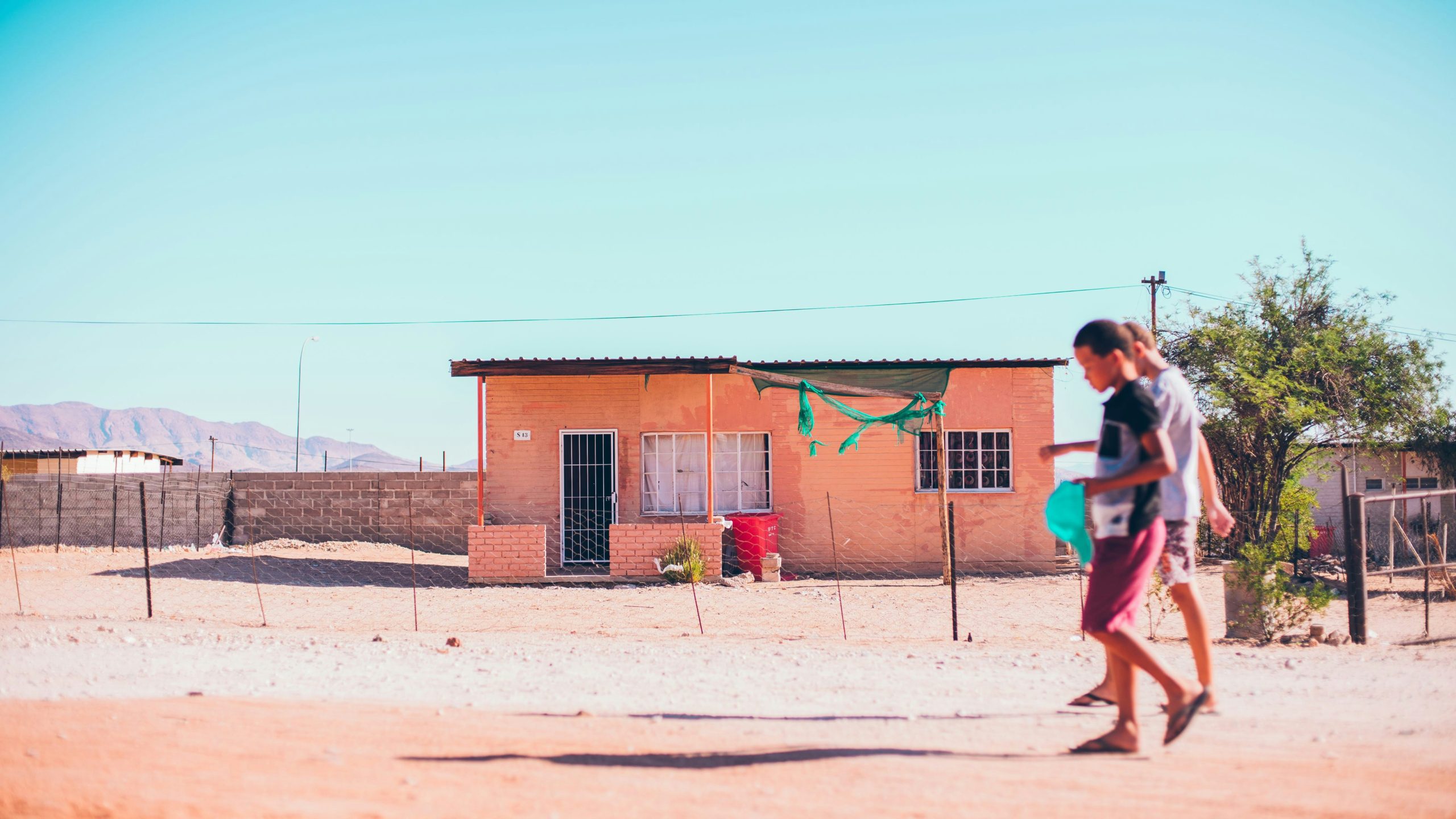
Craftsmanship Meets Community to Tackle Poverty in Namibia

Poverty in NamibiaSince 1992, Penduka has worked in a range of ways to tackle poverty in Namibia. Started by Dutch occupational therapist Christien Roos and five other women, Penduka now plays a pivotal role in Namibia by empowering women through their craftsmanship and supporting communities with the hospitality industry.

The British Council reports that millions of new jobs and billions of dollars in profits are created by social enterprises each year. Penduka aims to empower vulnerable populations in Namibia, both economically and socially, with increased access to the labor market. It primarily seeks to alleviate poverty by selling handicrafts made by female Namibian artists.

Poverty in Namibia

According to the Namibia Multidimensional Poverty Index Report of 2021, approximately 43.3% of Namibia’s population live in multidimensional poverty. Unlike the traditional monetary poverty rates, multidimensional poverty refers to the demographic and social status of people. According to Auditor General Junias Kandjeke, 44% of Namibian households headed by women are impoverished, primarily due to gender inequality caused by unequal distribution of resources and limited educational opportunities.

Poverty rates have decreased since 1990, when Namibia gained independence from South Africa, but fundamental challenges such as economic gender inequality and high levels of unemployment remain — factors exacerbated by the COVID-19 pandemic. In 2022, the CIA Factbook estimated that approximately 50% of Namibians are unemployed. 

In 2012, the United Nations Special Rapporteur on extreme poverty and human rights, Magdalena Sepúlveda, stressed that despite the existing legal support for Namibian women, they still are economically and socially vulnerable. Gender-based violence and limited access to employment for women contribute to the issue of gendered poverty in the country. 

Empowering Women Through Craftsmanship

Local craftsmanship is one of the most important sources of income in developing economies. Globally, the artisan sector is worth more than $32 billion a year, serving as the second-largest employer in developing countries. Penduka offers the women of Namibia opportunities to gain experience in embroidery, sewing, jewelry making and pottery through workshops and training sessions. This empowers the women to join existing companies or create their own, selling locally and globally. Penduka offers continual professional development and support to these women, encouraging peer learning to strengthen community. 

Supporting Communities Through Business

In addition to the manufacturing of handicrafts, Penduka’s philanthropic project includes the retail and hospitality sectors. Namibia is known for its captivating landscape distinguished by the Namib Desert and the Central Plateau. To capitalize on this tourism draw, the organization trains women in inventory management, customer service, food service and general hospitality. Penduka operates a retreat center, campground and tour company, managed and staffed by Namibian women. These efforts ultimately aim to build a sustainable economy in which Namibian women can gain financial independence through equitable employment in a variety of industries.

Looking Forward

To offer continuous support for Namibia’s women in underserved communities, Penduka is breaking the cycle of unemployment and poverty. Over the past 30 years, it has encouraged resilient, sustainable development for social, political and financial gender parity. Penduka now operates in the Netherlands, Belgium, Germany, the US and South Korea, employing the same social enterprise model that has flourished in Namibia. Currently, the work of Penduka looks set to keep translating this vision into reality for the social and economic well-being of Namibian women.

– Grace Mun
Photo: Unsplash

February 1, 2024
https://borgenproject.org/wp-content/uploads/borgen-project-logo.svg 0 0 Yana Chukur https://borgenproject.org/wp-content/uploads/borgen-project-logo.svg Yana Chukur2024-02-01 01:30:582026-04-16 10:12:44Craftsmanship Meets Community to Tackle Poverty in Namibia
Children, Development

Tumaini Children’s Charity: a brighter future for children in Kenya

Tumaini Children's Charity In the heart of Gitamaiyu, Kenya, David and Alice Hinga initiated a remarkable journey 25 years ago with the establishment of Tumaini Brooks School. Their commitment to the community began modestly, offering meals at local church services. This service soon evolved into a more significant endeavor when two children, Paul and Susan, living on the streets, sought refuge with them. Their plight deeply moved the Hingas, propelling them to establish what is now a sanctuary for many: Tumaini Brooks School. Located near Africa’s largest slum, the school is an oasis in a region where poverty is a stark reality for nearly 20% of the population (around 8.9 million people).

The Role and Impact of Tumaini Children’s Charity

Tumaini Brooks functions as a boarding school. It is a haven where food, pastoral care and quality education coalesce to uplift children from Gatamaiyu’s harshest environments. Cassie Watts, Tumaini Children’s Charity’s Social Media Manager, in her conversation with The Borgen Project, shed light on the school’s ethos. Cassie first got involved with Tumaini in 2016, when she heard about it from Hannah, the organization’s Chairperson. In 1998, Hannah had been looking for philanthropic work that would make a tangible difference but hadn’t found any that pulled her in. She met David and Alice and felt compelled to take part in their efforts, beginning the U.K.-based charity shortly afterward to raise funds for the school and bring awareness to its mission. Cassie immediately felt that she had to contribute to its efforts and, frustrated by the charity’s out-of-date website, became the Social Media Manager.

Tumaini Brooks’ unique adaptability to meet the community’s dynamic needs sets it apart, with a mission centered on breaking the poverty cycle through comprehensive education and care.

Navigating Challenges: Tumaini Brooks During the Pandemic

The advent of COVID-19 brought unprecedented challenges, with government directives leading to nationwide school closures. For the residents of the surrounding slums, this meant losing access to crucial services, including the school-provided meals for their children. Tumaini Brooks responded with agility, shifting its focus to food distribution. This endeavor grew exponentially, supporting hundreds of families weekly and highlighting the school’s pivotal role in the community during a global crisis.

Resilience in the Face of Adversity: Tumaini’s Journey

The path for Tumaini Brooks has not been without obstacles. External challenges, such as political corruption and shifting government policies, constantly test the school’s resilience. These challenges range from sudden curriculum changes to new student-per-classroom mandates, requiring Tumaini to allocate precious resources towards meeting these demands rather than focusing on its vision. Despite these hurdles, the school has made significant progress toward self-sufficiency. Investments in agricultural land, solar energy and a reliable water supply underscore its commitment to independence. In addition, the establishment of the school as an exam center marks a milestone, offering educational benefits to students and a sustainable income source.

Tumaini Brooks: A Beacon of Hope and Transformation

Despite the success in breaking the poverty cycle for many, some students return to their challenging circumstances. This reality underscores the complexity of the issues Tumaini Brooks tackles. The school’s unwavering commitment is to cater to the multifaceted needs of its more than 600 students, whether it’s providing a nurturing home, fitting clothes, quality education, or emotional and spiritual support. Cassie Watts’ reflections capture the essence of Tumaini’s impact. She speaks of the community’s resilience and gratitude, especially evident in the children who view the school as a “mothership of hope.” 

Tumaini Brooks, through its multifarious initiatives, has become a symbol of hope and opportunity for many. The school’s role in providing a stable environment for learning and growth is also notable. It stands as a testament to the power of education and care in transforming lives. As Cassie Watts put it, the school instills a sense of trust and positivity in the students, despite their challenging circumstances. The belief that “everything will turn out ok” resonates deeply within the Tumaini community, fueling their efforts to offer a chance at a better life.

Looking Forward: The Vision of Tumaini Children’s Charity

As Tumaini Brooks School continues its noble journey, the vision for the future is clear. Moreover, Tumaini Children’s Charity remains dedicated to supporting the school’s mission toward complete self-sufficiency. This goal involves creating multiple income streams to ensure the school’s sustainability and reduce its dependence on external factors, including the Kenyan government. By doing so, the charity aims to fortify the school’s ability to provide uninterrupted, high-quality education and care to its students.

The story of Tumaini Brooks School is one of compassion, resilience and unwavering commitment to making a difference in the lives of the less fortunate. Currently, the efforts of David and Alice Hinga, the charity’s supporters and the resilient spirit of the students serve as a beacon of hope, demonstrating the transformative power of education and dedicated care in one of the world’s most challenging environments.

– Lydia Greene
Photo: Flickr

January 22, 2024
https://borgenproject.org/wp-content/uploads/borgen-project-logo.svg 0 0 Yana Chukur https://borgenproject.org/wp-content/uploads/borgen-project-logo.svg Yana Chukur2024-01-22 07:30:552024-01-20 14:56:24Tumaini Children’s Charity: a brighter future for children in Kenya
Children, Development, Education, Global Poverty

RISING Uganda: Quality & Inclusive Learning For All

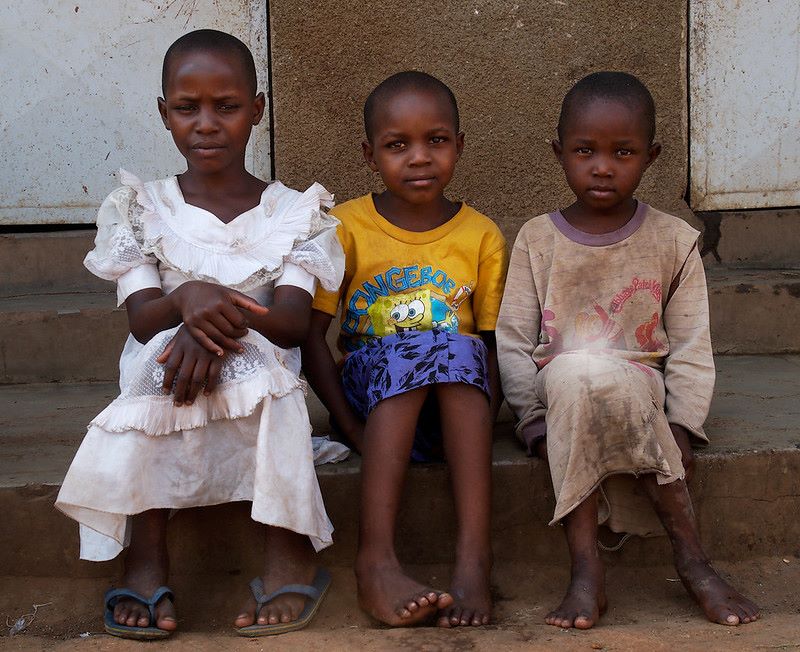
Rising UgandaIn the summer of 2023, the RISING Uganda project, a scheme established to provide Ugandan children with access to education, unveiled its plans to construct and/or refurbish more than 67 classrooms and 53 WASH facilities within nine districts across the country. The charity estimates that the value of this project will be in excess of 3 billion Ugandan shillings.

The Rising Uganda Project

The RISING Uganda project emerged in 2022 through the Stromme Foundation East Africa. The project intends to cover four years and its purpose is to collaborate with households, communities and political leaders to dismantle barriers preventing children from receiving quality education. These barriers include classroom shortages and learning gaps.

The East Africa initiative is a branch of the wider Stromme Foundation. This NGO traces its origins to 1976 through the efforts of Reverend Olav Kristian Strømme of Kristiansand Cathedral in Norway to raise money for the less fortunate. It has since grown into the largest NGO in Norway. Following the reverend’s death, his nephew Gunnar Strømme built upon his uncle’s work by establishing the Strømme Memorial Foundation in support of less fortunate individuals on a global scale. Today, the organization maintains regional offices in Mali, Uganda and Sri Lanka along with headquarters in Norway. The organization also maintains partnerships with 11 different countries, exclusively within Asia and Africa.

Within Uganda itself, the Stromme Foundation estimates that the percentage of Ugandans currently living in poverty stands at 42% and that 23.5% of the population above the age of 15 are illiterate. 

Programs

Intervention schemes to address these statistics include the Bonga Adolescent Empowerment Programme. Bonga is a life skills training program that utilizes “a dialogue process to build confidence among the out-of-school illiterate adolescent girls and boys (13- 19 years) to develop their analytical capacity through life skills and vocational skills,” the Stromme Foundation website says.

Similarly, the foundation’s Technical Vocational Education Training (TVET) program is an outreach project to provide young Ugandans with the transferable skills necessary to succeed in the employment market through apprenticeship models to provide them with a means of contributing to both their household income and the economy of their wider community.

With the RISING Uganda program, a collaborative effort will be maintained between the Stromme Foundation East Africa and district education officers, teachers and community leaders to incentivize such communities to enrol more children in schools erect new classrooms, refurbish existing ones and supply vulnerable school children with the necessary resources to learn. 

Upon the announcement of the construction of 67 new classrooms and 53 WASH facilities by the Stromme Foundation, Carron Beaumont, head of Program Implementation at Plan International Uganda, highlighted at the initiating event that “Investing in basic school infrastructure is crucial for better learning outcomes, especially at this time where enrolment into education is needed for millions of children who have been affected by ongoing and past conflicts as well as crises and gender inequalities.’’

First Lady Janet Kataaha Museveni also attended the initiating event and laid out a foundation stone to mark the occasion. 

The Power of Collaboration

The RISING Uganda scheme is currently being implemented as a consortium involving not only the Stromme Foundation but also Plan International Uganda, a charity similarly devoted to the empowerment of Uganda’s youth since 1992. This collaborative effort is operating in partnership with the Ministry of Education and Sports while receiving funding from Educate A Child in Uganda. Similarly, Educate A Child is a global charity devoted to providing school children across the world with a quality education for children afflicted with circumstances such as poverty, discrimination and conflict. Its reach encompasses 53 countries, including Uganda.

Through the efforts of humanitarian organizations, quality and inclusive learning for all may be a possibility.

– Thomas Perry
Photo: Flickr

January 22, 2024
https://borgenproject.org/wp-content/uploads/borgen-project-logo.svg 0 0 Borgen Project https://borgenproject.org/wp-content/uploads/borgen-project-logo.svg Borgen Project2024-01-22 02:04:022024-01-22 23:12:02RISING Uganda: Quality & Inclusive Learning For All
Children, Developing Countries, Development

How Leave No Girl Behind is Empowering Marginalized Girls

Marginalized GirlsThousands of marginalized girls in developing countries have been impacted by the Leave No Girl Behind (LNGB) initiative. On top of literacy, numeracy and vocational skills, many have developed a stronger sense of agency. Yet, a recent report shows that without wider collaboration and context-specific support, social and economic barriers may continue to stunt girls’ newfound confidence and skills. Shifting community and stakeholder perceptions emerges as a vital focal point, with successes in this area offering hope for progress beyond the program. 

The Evaluation

The independent evaluation analyzes a U.K.-funded program targeting out-of-school girls in low-income countries. The LNGB initiative provides education pathways for marginalized girls, with options to transition into formal schooling or work environments. Reaching 230,000 adolescents across 10 African and South Asian countries, it focuses on those who have never attended school or dropped out early, mostly from impoverished backgrounds. Many are early brides, teenage mothers or face additional challenges due to disabilities. 

The Research for Equitable Access and Learning (REAL) Centre at the University of Cambridge led the report. The Borgen Project interviewed the study’s lead researcher, Dr. Asma Zubairi, who shared insights about key findings and recommendations. 

Girls’ Perspectives

An estimated 122 million girls are out of school worldwide, and women account for two-thirds of all adults unable to read. In low-income countries, girls are more likely to be out of school than boys, according to the UNESCO Institute for Statistics. The recent evaluation focuses on LNGB case studies from Nepal, Kenya and Ghana, where the compounded effects of poverty and gender norms impact education outcomes. Female youth not in education, employment and training is estimated at 25.3% in Ghana, 25% in Kenya and 45.8% in Nepal. 

Foregrounding female adolescent perspectives was at the heart of the study, and Dr. Zubairi emphasized the significance of participatory research methods to mitigate power imbalances and center marginalized voices. “River of Life” exercises allowed participants to chart their personal experiences visually, encouraging nuanced perspectives to emerge. 

Some of the data collected was quantifiable; for instance, 91% of girls interviewed identified the basic literacy and numeracy lessons as the most positive aspects of the projects. Meanwhile, powerful stories of personal change were spotlighted through individual responses. In Ghana, for example, a 17-year-old girl who had become less shy after the LNGB program stated: “No matter the number of people available, I will be able to speak in their midst.” Meanwhile, a 19-year-old from Kenya, forced into marriage at 14, described how the project taught her to protect herself and start a business. 

Contexts and Marginalization

Marginalization, according to Dr. Zubairi, has “no set definition”. While many projects focused on girls coming from ultra-poor households, others, such as in Nepal, targeted early brides. Nepal presented additional issues of familial and cultural resistance to female youth traveling to the learning centers unaccompanied. 

Successes, therefore, varied according to context. One aim was to shift social norms, like perceptions of girls entering traditionally male fields. In Garissa, a county in Kenya bordering Somalia, there was “not the appetite to focus on male-dominated vocations,” Dr. Zubairi said. Instead, the program led to girls opening up tailoring businesses, a more traditionally female endeavor. In a different Kenyan town, Kilifi, girls had more success choosing non-traditional specializations, including mechanics and plumbing.

Furthermore, levels of marginalization vary within the female adolescent category according to age. “The cultural barriers that a 10-year-old will face are very different to those an 18-year-old comes across in accessing education,” Dr. Zubairi said, emphasizing older adolescents’ increased domestic responsibilities.  

Community Change

Community and household sensitization programs were a significant aspect of the program. In Nepal, the project worked closely with community agents termed ‘change champions’ to sustain commitment to girls’ education. These included religious leaders from temples and mosques as well as government stakeholders. 

For example, religious leaders received messages about the importance of delaying early marriage and pregnancy, with emphasis that girls should not be married until 21. With government stakeholders, a lack of “political will” to finance the projects was addressed. Dr. Zubairi said, “Funding for this type of schooling is really, really, low.” Less than 1% of the education budget is designated to education pathways outside of formal schooling across Kenya, Ghana and Nepal. 

Shifting community perceptions was successful in some cases. A vocational training provider in Garissa said: “We didn’t know the importance of educating a girl child before, but now we know. They taught our village girls different skills in their program. They also discouraged FGM in our community.”

Meanwhile, in Kilifi, female youth taking up careers like plumbing and mechanics resulted in changed community perceptions of the propriety of these paths for women. Previously, investing in girls was seen as a waste of money, whereas now the community sees girls opening up their businesses as elevating household incomes and proving their competence.

Dr. Zubairi said the projects “try to communicate why investment and political will for these programs are crucial. These projects are only six to nine months, but changing community norms — that takes a generation.”

Empowerment

Empowerment is a central theme in the new report, assessing changes in girls’ decision-making. In Nepal, a female aspiring doctor whose father had initially supported her in attending the Learning Centre faced hinderance due to his changed attitude once she left the center. Now 15, he forbade her from attending school. Empowered by the program, she vocalized her desires and attended school secretly while her father worked elsewhere, stopping whenever her father returned. 

The study also assessed household decision-making. Approximately one-third of the participants reported feeling confident in making informed life choices, including the ability to go to the market alone and decide what to purchase. An older girl from Kenya shared that the project had provided her with the skills to make independent decisions, allowing her to gain empowerment through her newfound income in her daily life.

Unfortunately, in some cases, empowerment increases the risk of reactionary violence. “These girls suddenly feel empowered. But often, they’re still contained within contexts where perceptions around girls’ agency have not moved. So there is a risk that if projects don’t continue to support them, girls are at extreme risk because the tools are incompatible within the community, to some degree,” the research lead said. 

In Kenya, women gained independence through sewing machines that helped them generate income. However, this new empowerment sometimes created tension within the community. Although the women became self-reliant, some men held onto traditional gender roles, leading to conflict and resentment. Consequently, a few men chose to damage their wives’ sewing machines.

Continued Investment

Ongoing investment and long-term commitment are crucial to sustain female empowerment. Most participants highlighted financial barriers as a hindrance to their aspirations after leaving the program. Girls transitioning to formal school often lacked the means to acquire equipment, and some starting businesses could not afford to buy tools. 

The study recommends developing multi-stakeholder relationships to ensure progress does not end with the LNGB program. The need to develop community contexts in which girls can thrive is clear. The report provides hope and actionable proposals for long-term change in this direction. “These girls are absolutely worth continuing to invest in,” Dr. Zubairi said. 

Centering on personal stories, the study illustrates both the program’s successes and its current limitations, illuminating the barriers marginalized girls face and the profound potential for their empowerment. 

– Anum Mahmood

Photo: unsplash

January 21, 2024
https://borgenproject.org/wp-content/uploads/borgen-project-logo.svg 0 0 Yana Chukur https://borgenproject.org/wp-content/uploads/borgen-project-logo.svg Yana Chukur2024-01-21 07:30:312024-01-19 02:06:51How Leave No Girl Behind is Empowering Marginalized Girls
Developing Countries, Development, Global Poverty, Health

The prevention of malnutrition and IDA in the Philippines

The prevention of malnutrition and IDA in the PhilippinesA significant proportion of the Philippines suffers from malnutrition, and more than 18% of the population lives below the poverty line. Iron deficiency anemia (IDA) is one of the most prominent micronutrient deficiencies among infants and young children in the Philippines, and it can be easily prevented via the consumption of fortified and iron-rich foods. IDA causes significant health care costs and can result in disability and loss of productivity.

The Impact of Cost

Fortification provides a better solution to IDA and other nutrient deficiencies than supplementation or treatment and would be effective in treating malnutrition in the Philippines. However, many individuals from lower-income backgrounds experience IDA or malnutrition because most nutrient-rich foods are not affordable.

Infants and Children

Infants aged 6-11 months have the highest prevalence of nutrient deficiency in the Philippines, with approximately 56.5% suffering from IDA. This is followed by approximately 41% of children aged 12-23 months also suffering from IDA. Increasing iron uptake would improve overall health and provide a positive impact on both physical and cognitive ability. As a result, these infants and children could grow up to have a more positive contribution to society, both socially and economically, a step toward ending malnutrition in the Philippines.

Women

An additional group of individuals who benefit from food fortification is women of reproductive age. IDA can be caused by an increased demand for iron in the body, as a result of menstruation or pregnancy. Consuming enough iron to prevent IDA is much easier than curing it during pregnancy. Iron needs to be readily available, alongside education that promotes the necessity of an iron-rich diet.

The Philippines Multisectoral Nutrition Project

In 2022, the government of the Philippines launched the Philippines Multisectoral Nutrition Project, “To increase the utilization of a package of nutrition-specific and nutrition-sensitive interventions and improve key behaviors and practices known to reduce stunting in targeted local government units.” Financed by the World Bank, the plan aims to significantly reduce malnutrition in the Philippines within four years, thereby increasing the number of the population able to contribute to the country’s financial success.

One goal is to increase the amount of pregnant women receiving prescribed antenatal care and iron-folic supplementation for IDA by 50%. It also aims to increase the number of infants aged 6-23 months who are consuming an age-appropriate adequate diet by more than 50%. It additionally aims to introduce nutrition-specific and nutrition-sensitive interventions to help educate communities on the importance of a balanced diet and nutrients such as iron.

This program targets 235 towns in the Philippines, with the aim of providing children and pregnant women with nutritional support and essential health care. Strategies that are part of the plan include providing fortified food and access to clean sanitation to families with infants and young children, and providing supplements and health care support to pregnant women suffering from IDA and other nutrient deficiencies.

Looking Ahead

The Philippines is making great efforts toward reducing and preventing malnutrition and nutrient deficiencies among poorer communities. Using supplementation to provide support for those already suffering, especially vulnerable individuals such as pregnant women, alongside making fortified foods accessible to the poorer communities, provides great hope for a healthier, more productive country.

– Charlotte Campion
Photo: Flickr

January 17, 2024
https://borgenproject.org/wp-content/uploads/borgen-project-logo.svg 0 0 Lynsey 2 https://borgenproject.org/wp-content/uploads/borgen-project-logo.svg Lynsey 22024-01-17 01:30:472026-04-16 10:21:52The prevention of malnutrition and IDA in the Philippines
Development, Global Poverty

East African Ports Surge Ahead: Closing the Gap with West Africa

East African PortsAs of 2023, East Africa’s efforts to revitalize its ports have catapulted the region into a new era of economic betterment, closing the gap with its West African counterparts. This maritime resurgence has not only transformed the transportation sector but has also become a driving force behind the region’s job creation and economic growth.

Revitalization Efforts and Implementation

Recognizing the need to modernize to compete globally, East Africa initiated strategic plans to revitalize its ports. Investments in infrastructure and technology were needed to streamline the processes of rejuvenating and creating new and more modern ports. The objective was clear: to develop efficient and competitive ports capable of handling increased trade volumes. 

Collaborations with international partners and private investors fueled the implementation, setting the stage for a transformative process. In cities like Mombasa, foreign investors like Japan have shown a serious long-term commitment to modernizing the East African ports. In 2016, Japan spent $10 billion on African infrastructure to create new ports and in 2020, Japan showed support to Mombasa’s $193 million budget to update their container terminals.

Job Creation and Economic Impact

As East African ports surge, their economic activities have translated into a significant increase in job opportunities for neighboring communities. In a recent deal made with the United Arab Emirates (UAE), the expansion of port projects in Kenya is anticipated to bring about job creation and business opportunities.

The African Report has also found that even though the population of people is more prominent in the West, the traffic of goods coming into ports is 60% in the East while the West has 50%. East African ports have played a pivotal role in connecting businesses to global markets, thereby lifting communities from poverty.

Ports as Catalysts for Poverty Reduction

The revitalization of East African ports has become a potent weapon in the fight against poverty. According to a recent report by Konrad Adenauer Stiftung, East African ports “generate revenue, create jobs and stimulate infrastructure development.” 

In nations like Kenya, ports like Mombasa are still making deals with investors to revitalize their ports and, in doing so, stimulate job opportunities. In fact, Kenya’s efforts to rejuvenate its ports and stimulate economic growth are already showing progress. A Statista study in 2022 found that the extreme poverty rate in Kenya has dropped from 19% to 17% and predicted that it will drop to 11% by 2030.

Quantifying Success

Increased trade volumes and streamlined port operations have resulted in higher revenue for the countries involved. A port in Tanzania that handles 85% of the country’s maritime traffic on its own has ranked first among the African ports in terms of progress in 2022. 

Terminals originally considered indecent in Northeast Africa, such as Tangier in Morocco and Port Said in Egypt, have overtaken Southeast ports like Durban, Mombasa and Djibouti in container traffic rankings among the top 10 African ports. 

Kenya’s Mombasa received 1.32 million 20-foot equivalent units (TEUs) of containers, marking a 10.2% rise from the comparable period in 2022. This increase from 1.2 million TEUs occurred despite the challenging global economic conditions.

Local Leaders’ Perspectives

Local leaders play a crucial role in championing the transformative impact of revitalized ports. Olivier De Noray, Managing Director of Ports & Terminals at Africa Global Logistics, emphasizes, “It’s not a question of catching up with the West, but rather of starting a phase of port renewal.”

Looking Ahead

East African ports’ infrastructural growth is a testament to the transformative power of strategic investments. The revitalization of ports in the region has not only caught up with West Africa but has surpassed expectations, creating job opportunities, boosting economies and significantly contributing to poverty reduction. As East Africa continues to invest in its maritime infrastructure, the region is poised for sustained economic growth, promising a brighter future for its people.

– Quinn Higby
Photo: Flickr

January 11, 2024
https://borgenproject.org/wp-content/uploads/borgen-project-logo.svg 0 0 Lynsey 2 https://borgenproject.org/wp-content/uploads/borgen-project-logo.svg Lynsey 22024-01-11 07:30:592024-01-08 09:53:54East African Ports Surge Ahead: Closing the Gap with West Africa
Page 24 of 163«‹2223242526›»

Get Smarter

  • Global Poverty 101
  • Global Poverty… The Good News
  • Global Poverty & U.S. Jobs
  • Global Poverty and National Security
  • Innovative Solutions to Poverty
  • Global Poverty & Aid FAQ’s
Search Search

Take Action

  • Call Congress
  • Email Congress
  • Donate
  • 30 Ways to Help
  • Volunteer Ops
  • Internships
  • Courses & Certificates
  • The Podcast
Borgen Project

“The Borgen Project is an incredible nonprofit organization that is addressing poverty and hunger and working towards ending them.”

-The Huffington Post

Inside The Borgen Project

  • Contact
  • About
  • Financials
  • President
  • Board of Directors
  • Board of Advisors

International Links

  • UK Email Parliament
  • UK Donate
  • Canada Email Parliament

Get Smarter

  • Global Poverty 101
  • Global Poverty… The Good News
  • Global Poverty & U.S. Jobs
  • Global Poverty and National Security
  • Innovative Solutions to Poverty
  • Global Poverty & Aid FAQ’s

Ways to Help

  • Call Congress
  • Email Congress
  • Donate
  • 30 Ways to Help
  • Volunteer Ops
  • Internships
  • Courses & Certificates
  • The Podcast
Scroll to top Scroll to top Scroll to top