• Link to X
  • Link to Facebook
  • Link to Instagram
  • Link to TikTok
  • Link to Youtube
  • About
    • About Us
      • President
      • Board of Directors
      • Board of Advisors
      • Financials
      • Our Methodology
      • Success Tracker
      • Contact
  • Act Now
    • 30 Ways to Help
      • Email Congress
      • Call Congress
      • Volunteer
      • Courses & Certificates
      • Be a Donor
    • Internships
      • In-Office Internships
      • Remote Internships
    • Legislation
      • Politics 101
  • The Blog
  • The Podcast
  • Magazine
  • Donate
  • Click to open the search input field Click to open the search input field Search
  • Menu Menu

Archive for category: Children

Information and stories addressing children.

Children, Developing Countries, Development, Education, Global Poverty, Health

3 Organizations Combating Poverty in Sub-Saharan Africa

Combating poverty in Sub-Saharan AfricaThe region of sub-Saharan Africa encompasses an aggregate of nations with diverse geographies, histories and cultures. Furthermore, the countries composing sub-Saharan Africa have diverse needs. From unaffordable health care to regional conflict, the issues besetting sub-Saharan Africa have left many of its inhabitants in poverty. Fortunately, philanthropic organizations have stepped up to the plate to remedy the many challenges affecting sub-Saharan Africa. Three organizations, in particular, have shown that there is not a universal methodology for combating poverty in sub-Saharan Africa.
Poverty in Sub-Saharan Africa

According to the World Bank, in 2017, two-thirds of the “global extreme poor population” lived in sub-Saharan Africa. While poverty is actually slowly declining in the region, a rapid rise in population growth is stalling a reduction in the number of impoverished people in sub-Saharan Africa.

However, there are differences among sub-Saharan Africa’s constituent countries. According to the World Bank’s 2018 data, in the Democratic Republic of Congo, 73% of people lived on less than $1.90 per day, the international poverty line. Additionally, the World Bank predicted that 27% of Ethiopians lived below the international poverty line in 2019. Finally, a 2020 U.N. report indicates that 18.9% of South Africans live on less than $1.90 a day.

Agrarian Communities “Grow Together” with Nanmo

Nanmo is an Arabic word meaning “growing together.” This word is the spirit of the partnership between the Bill & Melinda Gates Foundation and the Qatar Fund for Development’s $200 million investment in sub-Saharan Africa.

Nanmo’s goal is to provide adaptive ways for rural farmers, especially women, to respond to climate-related difficulties. Mark Suzman, CEO of the Gates Foundation, told the Gulf Times that a “Majority of the poorest living in sub-Saharan Africa are the rural folk. They depend on agriculture…in parts of the world that are seeing much greater temperature fluctuation with frequent floods or frequent droughts.” The collaborative organization gives agrarian communities innovative technologies that can bolster their pathway to food security.

Suzman said that Nanmo was not confined to one country. However, a pilot program in Nigeria and Ethiopia showed an auspicious sign for the future of Nanmo in combating poverty in sub-Saharan Africa.

Efficiency for Access: Ameliorating Poverty through Clean Energy Solutions

In sub-Saharan Africa, more than 600 million people lack a connection to their country’s energy grid. Efficiency for Access, a coalition coordinated by CLASP and Energy Saving Trust, is working to bring life-changing, clean-energy appliances to vulnerable communities.

Bridging the gap between those on and off the energy grid could lead to improved agricultural productivity and thus poverty alleviation. Mike Maina from CLASP told FairPlanet that “In sub-Saharan Africa, 60% to 70% of the population is involved in agricultural livelihoods with the least mechanization in the world. This is a region where using renewable energy can have a big impact, especially on low-income populations.”

In addition to agricultural appliances like solar water pumps, Efficiency for Access also supplies products such as solar-powered refrigerators, electric pressure cookers and fans. As CLASP conveyed to FairPlanet, its theory is to provide people with a livelihood and not just a light bulb.

Zoetis Provides Veterinary Care to Farmers’ Livestock

Despite sub-Saharan Africa’s sizable livestock population, it has the “lowest productivity per animal” of any region. According to Poultry World, Zoetis, an animal health company, is improving the health of livestock through its A.L.P.H.A. initiative. Inaugurated in 2017, this program provides accessible veterinary services to farmers across the region.

Throughout its five years in operation, Zoetis has worked with 128 million animals and educated 26,000 individuals, according to Poultry World. By supplying inoculations and medical training to communities in sub-Saharan Africa, the African Livestock Health and Productivity Advancement program has been a boon for food security in sub-Saharan Africa.

Zoetis’s activity in the region has enabled African communities to produce safer food while reducing the economic burden of raising livestock. Thus, the A.L.P.H.A. initiative has been successfully combating poverty in sub-Saharan Africa.

A Glimpse into the Region’s Future

These three organizations are just some of the numerous charitable entities working on combating poverty in sub-Saharan Africa. While these organizations exemplify a propitious future for the region, it still requires more work.

Governments and NGOs alike need to work in harmony to ensure that the region’s sundry needs are met. However, these three organizations demonstrate that there is no “one size fits all” approach to combating poverty in sub-Saharan Africa. Despite the need for more concerted and adaptable action on behalf of the world’s poor, these three organizations provide a bright glimpse into the future for sub-Saharan Africa.

– Alexander Portner
Photo: Flickr

August 24, 2022
https://borgenproject.org/wp-content/uploads/borgen-project-logo.svg 0 0 Naida Jahic https://borgenproject.org/wp-content/uploads/borgen-project-logo.svg Naida Jahic2022-08-24 07:30:092024-05-30 22:30:013 Organizations Combating Poverty in Sub-Saharan Africa
Children, Developing Countries, Development, Education, Global Poverty, Health

Poverty Reduction in Chile

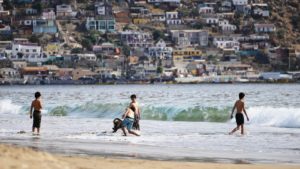
Poverty Reduction in ChileWith the highest GDP per capita in South America in 2020, Chile’s growth in the last few decades has been viewed as a model for Latin American development. Adopting a laissez-faire approach, the government shied away from significant spending on welfare, with the few existing programs geared toward middle and upper-class Chileans. However, recent administrations have made combating poverty a central theme of their campaigns, with presidents like Sebastián Piñera and Gabriel Boric both committing to the elimination of extreme poverty. Poverty reduction in Chile and the challenges the country faces serve as an inspiration and a warning for other developing nations.

Chile’s Approach to Poverty Reduction

Chile’s approach to poverty reduction is based upon a series of programs that focus on short-term income support and long-term economic security. During the 1990s, the Aylwin administration invested in hospitals and schools while also increasing the minimum wage. These reforms halved the number of Chileans living in poverty while contributing to the country’s steady growth throughout the decade. However, the highly centralized and inefficient public services system, coupled with strikes from teachers and health workers, meant Chile required a new solution for the new millennium.

Chile Solidario

With a new presidential administration and the need for change amid stagnating results, the government introduced ‘Chile Solidario’ as the country’s newest front in reducing poverty. Conceived in 2002, the program aimed to help low-income Chileans on an individual level while simplifying the arcane bureaucracy behind the country’s welfare system. Chile Solidario provided those in extreme poverty with cash stimuli and “psycho-social support” from social workers, assisting with immediate needs and future plans. In addition, the program synthesized many smaller financial assistance programs into a cohesive system, aiming to make aid more accessible to low-income citizens.

The program showed some successes with poverty reduction in Chile, albeit with limitations. The clearest evidence supporting Chile Solidario is the rapid decline of the percentage of people living in poverty in the years after the program’s introduction in 2002, from 29% to 8.6% by 2017.

Furthermore, attendance in schools and hospitals rose significantly, suggesting health and educational benefits in the future. A significant drawback of Chile Solidario is that while many in the program leave poverty, the rates of exit from the program are not as high. A study during Chile Solidario’s early years also found that household income per capita among recipients did not significantly increase.

The administration of Piñera further modified Chile Solidario. In 2012, President Piñera replaced Chile Solidario with the Ingreso Ético Familiar (Ethical Family Income). As part of his broader promise to end extreme poverty in Chile, IEF focuses primarily on conditional cash transfers to eligible Chileans, requiring school attendance and regular health checkups.

Looking Ahead

Unfortunately, the emergence of the COVID-19 pandemic and Chile’s strict lockdown has challenged the nearly continual progress of poverty reduction in Chile, with the poverty rate increasing from the 2017 low of 8.6% to 10.8% in 2020. Chile’s new president Boric promised $3.7 billion in aid in April 2022, undertaking to create new jobs while raising the minimum wage.

The ongoing debate over Chile’s draft constitution offers hope in the fight against poverty, promising to end job insecurity and institute a universal basic income. However, it also risks undermining the gradual, albeit successful progress of the last four decades in its radical rejection of the blueprint of the 1980 constitution.

Poverty reduction in Chile stands at a crossroads, able to embrace more direct government involvement in reducing the poverty rate or continue to let economic growth naturally spread to its poorest citizens. President Boric’s government seems to firmly favor the former, but in September, it is up to Chileans to decide whether they agree with his vision for the country.

– Samuel Bowles
Photo: Pixabay

August 24, 2022
https://borgenproject.org/wp-content/uploads/borgen-project-logo.svg 0 0 Kim Thelwell https://borgenproject.org/wp-content/uploads/borgen-project-logo.svg Kim Thelwell2022-08-24 01:30:352022-08-22 11:02:54Poverty Reduction in Chile
Children, Development, Global Poverty, Health

Fighting Plastic Pollution in the Maldives

Plastic Pollution in the MaldivesThe island nation of the Maldives is famous for crystalline waters and vibrant coral reefs. However, rampant plastic pollution threatens these core features of the Maldives. One women’s group, however, is working to alter that trajectory by reducing plastic pollution in the Maldives.
An Island Nation

The Maldives, a nation comprising 185 islands, is intimately connected with the ocean that surrounds it. Beaches and oceans form the backbone of the Maldives’ tourism sector. With tourism being the main driver of economic growth and business profits in the Maldives, the well-being of the Maldivian tourism industry is directly linked to the well-being of the Maldivian economy.

In addition to being vital to the popularity of Maldivian tourism, the ocean fuels the fishing industry in the Maldives. Of poor households in the Maldives, 26% make their livings by fishing and nationally, 11% of Maldivians find their employment at fisheries.

Plastic Pollution in the Maldives

Growing plastic pollution in the Maldives, however, threatens both the tourism and fishing industries. The World Bank estimates that the Maldives produces 365,000 tons of solid waste a year, with the bulk of that waste that resort islands generate. As a result of plastic pollution, plastic has been washing up on beaches in the Maldives and destroying coral reefs. These beaches and coral reefs are fundamental to both the tourism and fishing industries in the Maldives. As plastic pollution threatens to damage the Maldives’ beaches and reefs, it threatens to cripple two of the industries most vital to the Maldivian economy.

Plastic waste also endangers the health of those living in or visiting the Maldives. The Maldives lacks sufficient resources to address with the volume of waste there, with people burning much of the plastic waste or dumping it in the sea. When plastic is burning, it releases toxic and carcinogenic gasses, posing a health threat to Maldivians who breathe the polluted air.

The Maldives Authentic Crafts Cooperative Society

Maldivians have been all but complacent when it comes to the problem of plastic pollution. One group tackling the issue is the Maldives Authentic Crafts Cooperative Society (MACCS). MACCS started its journey in 2011 with the original intention of preserving traditional artistic practices. After witnessing the declining practice of traditional artforms as imported counterfeit versions gained popularity among tourists, a group of 10 women created MACCS with the goal of reviving traditional art forms.

One of its first projects was to revitalize marshlands where reed grass grows, grass that is used for traditional mat weaving. Seeing the close connection between traditional Maldivian artforms and the island nation’s environment, MACCS decided to broaden its focus to encompass protecting the Maldives’ natural assets, as well as its cultural artforms.

In 2021, MACCS worked in partnership with the World Bank and other Maldivian organizations to educate households about how to improve waste sorting and reduce waste production. As part of the project, MACCS worked with residents on 20 islands to improve their waste management approaches and divert plastic pollution from the ocean.

To address the root of the Maldives’ plastic pollution, MACCS has been working to reduce the use of plastic grocery bags. With support from the UNDP, MACCS completed a pilot project in June 2022. For the pilot project, participants could scan a chip on their reusable bag each time they used the bag. When participants scanned the chip, they would earn points that they could save up to receive rewards to incentivize the use of reusable bags. The pilot project started with 500 bags, but MACCS is hopeful to expand in the future and further its efforts to reduce plastic pollution in the Maldives.

– Anna Inghram
Photo: Flickr

August 23, 2022
https://borgenproject.org/wp-content/uploads/borgen-project-logo.svg 0 0 Jennifer Philipp https://borgenproject.org/wp-content/uploads/borgen-project-logo.svg Jennifer Philipp2022-08-23 07:30:172022-08-22 06:03:38Fighting Plastic Pollution in the Maldives
Children, Development, Education, Global Poverty

Rising Income in Japan During Hyperinflation

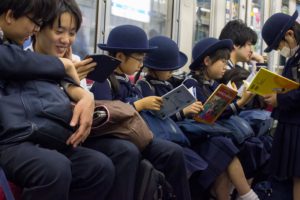
Rising Income in JapanWith inflation leading to soaring prices, effective government intervention is crucial to solving people’s hardships. Recent reports suggest that Japan may be able to teach the world a lesson in this regard. Japan’s economy has maintained a mild deflationary state for decades and overall prices have been relatively stable. However, this year, the island nation has rarely ushered in 2% inflation against the backdrop of rising prices around the world. While Japan’s price hikes are nothing compared to many other countries, unchanged wages are making life more stressful for consumers caught off guard by inflation. Fortunately, the Japanese government has introduced some effective measures against the wage issue, which have improved the lives of ordinary Japanese people. This article will briefly explore the topic of rising income in Japan recently.
Increasing Minimum Wages

Japan’s Central Minimum Wage Council recently issued a new policy, which is to raise the minimum wage standard across Japan by ¥30 per hour. This is the largest minimum wage increase ever issued by the Japanese government. Rising domestic prices stimulated this policy in Japan due to the sluggish yen and the Russian-Ukrainian war. The policy ensures the rights and purchasing power of ordinary Japanese workers.

Senior officials of the Japanese government have also attached great importance to basic wages and livelihood issues. In an interview with reporters, Deputy chief cabinet secretary Seiji Kihara said that raising the minimum wage is an investment in the people and he hopes that the rising trend of basic wages can keep up with the development of new capitalism.

Rising Total Income in Japan

In addition to setting requirements for basic wages, the Japanese government not long ago encouraged Japan’s major companies to raise workers’ wages on the premise of rising prices. In fact, the government wants companies to raise wages to the same extent as prices rise. This major move came with the support of Japanese Prime Minister Fumio Kishida’s economic policy. In fact, it was he who promised to bring New Capitalism to voters, which requires “a virtuous cycle of growth and redistribution driven by investment into people,” according to Japan Times.

Many Japanese companies have followed suit, including major car companies such as Toyota and Hitachi. They heeded the government’s call, even though their business was hurt by soaring oil and wheat prices as a result of the Russia-Ukraine war. In February 2022, Labor unions of major electronics and car manufacturing industries planned to raise workers’ wages by around ¥3,000.

The rising income in Japan during hyperinflation is the result of the government’s efforts to ensure a virtuous circle of the economy, as well as maintain the normal living standards and purchasing power of the people. Although the world economy in 2022 could cause difficulties for many countries, the Japanese government’s practical actions tell us that every government may have a role in caring for the needs of the people.

– Ella Li
Photo: Flickr

August 23, 2022
https://borgenproject.org/wp-content/uploads/borgen-project-logo.svg 0 0 Jennifer Philipp https://borgenproject.org/wp-content/uploads/borgen-project-logo.svg Jennifer Philipp2022-08-23 01:30:212024-05-30 22:29:59Rising Income in Japan During Hyperinflation
Children, Development, Education, Global Poverty, Health

6 Facts about Mental Health in North Korea

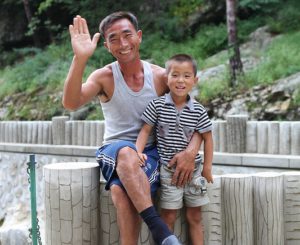
Mental Health in North KoreaAs one of the most secluded nations on earth, it is no surprise that many aspects of North Korean life remain a mystery to outsiders. However, the lack of psychiatric help for mental health in North Korea is well documented and corroborated by defectors. According to a 2014 South Korean study published in the National Library of Medicine, 76.3% of North Korean defectors suffered from mental illnesses that typically went untreated in their homeland. As opposed to the Western view of mental health as a health problem that should be treated by medical professionals, North Korean society sees mental health issues as a byproduct of the individual’s lack of support for the nation’s “revolutionary” ideology.
5 Facts About Mental Health in North Korea

  1. A medical problem misdiagnosed as political. Among both elites and those in poverty, mental health conditions in North Korea tend to go untreated and there are no counselors and psychotherapists. Instead of clinically treating mental health in North Korea with counseling, compatriots view those who have mental health issues as dissidents who are disloyal to North Korean ideology. As a result of this stigmatization, mental health is a very taboo topic in North Korean society.
  2. Number 49 Hospitals. Although North Korea does not utilize psychiatry or counseling to treat mental illness, those deemed mentally ill are placed in “Number 49 Hospitals” upon their family’s request. These facilities practice antiquated techniques such as insulin-coma therapy, where staff members inject “subjects” with high doses of insulin in order to create a coma-like state that lasts for days. The stigmas surrounding “49” inhabitants also cause North Korean society to brand these individuals as outcasts. As a result of this, families with relatives in “49” facilities often lose sociopolitical status due to stigmas.
  3. Defector’s Trauma. According to Dankook University professor Jin-Won Noh and National Medical Center psychiatrist So Hee Lee’s October 2020 study “Trauma History and Mental Health of North Korean Defectors,” only 5% of adult North Korean defectors did not have exposure to trauma when in North Korea. Out of the 95% who dealt with traumatic events in the North, the most common types of trauma stemmed from witnessing government executions, enduring starvation, starvation-related deaths of family and friends, witnessing extreme physical assaults and “escaping arrest following defection.” North Korean defectors also struggle with assimilating into South Korean society due to cultural and linguistic differences.
  4. Long-Term Effects of the Arduous March. North Korea’s famine in the 1990s caused catastrophic death tolls, with millions of citizens dying from hunger. The international aid given to North Koreans during the Arduous March also directly undermined the North Korean government’s claims of self-reliance and complete isolation. However, its effects on mental health are long-term, with these traumatic experiences linked to drug addiction and mental illness among North Koreans. For example, Lee Kwan-Hyung, a researcher from the Seoul-based Database Center for North Korean Human Rights, estimated that 30% of North Koreans used drugs as of 2016, with methamphetamine and opioids the most common. Due to its appetite-suppressing properties, methamphetamine usage spiked during North Korea’s 1990s famine.
  5. Malnourishment’s effect on the brain. Between 2018 and 2020, 42% of North Koreans experienced malnourishment. This extreme food insecurity also has extremely damaging effects on mental health and brain development. For example, malnourishment is linked to mental health issues such as depression, anxiety and concentration difficulties.
  6. Organizations that Aim to Help. Due to its isolationist nature, organizations outside of North Korea cannot provide mental health counseling to North Korean citizens living in North Korea. However, there are groups such as Crossing Borders that give assistance to North Korean defectors that cross into China. Although Crossing Borders is a faith-based group, they also perform secular duties such as providing medical support, shelter, counseling and safety for refugees at risk of trafficking or abuse.

Looking Ahead

North Korea’s failure to properly diagnose and treat mental illnesses with psychiatric care has caused the problem to fester over time. Historical traumas dating back to the nation’s strict rule and history of famine have made the problem endemic in North Korean society. However, other issues connected to mental health in North Korea, such as stigmatization of those in need of help, are not necessarily unique to North Korean society, with similar problems occurring in Western countries as well.

– Salvatore Brancato
Photo: Flickr

August 22, 2022
https://borgenproject.org/wp-content/uploads/borgen-project-logo.svg 0 0 Kim Thelwell https://borgenproject.org/wp-content/uploads/borgen-project-logo.svg Kim Thelwell2022-08-22 07:30:102022-08-21 04:47:526 Facts about Mental Health in North Korea
Children, Development, Economy, Global Poverty, Health

Argentina’s Economy Minister Resigns

Argentina’s Economy MinisterOn July 2, 2022, Martín Guzmán announced his resignation from his position as Argentina’s economy minister, which he held since December 2019, through a seven-page letter posted on his Twitter account. The decision arrived amid conflict in the government concerning the country’s current economic crisis and Argentinian Vice President Cristina Fernández de Kirchner pushing for Guzmán to leave his position. Guzmán alluded to recent disagreements “within the government coalition” as a reason for his departure. Many members of his team have also resigned.

Guzmán’s Career

On December 6, 2019, Argentine President (then-president-elect) Alberto Fernández designated Guzmán as Argentina’s economy minister. At the start of this career, the newly appointed Brown graduate had his first bill approved by the Senate just 11 days after his first day in office. The bill imposed tax increases in specific areas of the middle and upper class while providing tax benefits to the impoverished.

In early August 2020, the Argentine economy minister struck a deal to restructure $65 billion in foreign bonds. Most notably, the former minister engineered a $45 billion debt deal with the International Monetary Fund (IMF). The agreement aims to “promote growth and protect social programs” to tackle Argentina’s economic crisis.

Before resigning, Guzmán planned to head to France to discuss a $2 billion debt deal with the Paris Club of sovereign lenders.

Argentina’s Economic Crisis

Argentina’s economy has been suffering for decades. In July 2022, many Argentine sovereign bonds were worth as low as 20 cents on the dollar — a stark difference from higher rates in October 2020. Inflation in Argentina is staggeringly high, moving toward 70% by the end of 2022. As of July 2022, one United States dollar is worth about 126 Argentine pesos and this exchange rate is still increasing.

An economic disruptor includes truck drivers’ strikes, which have halted delivery of grain, “one of Argentina’s main imports,” to ports. In addition to the COVID-19 pandemic, the devaluation of the peso and a sizeable foreign debt of more than $323 billion by 2020 have sent Argentina into further economic turmoil.

Alongside these struggles, Argentina’s poverty levels are sharply increasing. Due to the severe inflation, the poverty rate in urban centers stood at 37% in the latter half of 2021 and is expected to increase to 39% after the first six months of 2022. This would equate to 500,000 more impoverished people.

The Economy’s Future

Guzmán’s resignation has raised concerns over the economy’s trajectory, most fearing it will head in an even worse direction. Other concerns regard Guzmán’s IMF deal and whether Argentina can meet these needs without the architect of the deal.

On July 3, 2022, one day after Guzmán’s resignation, President Fernández named Silvina Batakis Argentina’s new economy minister. Batakis previously served as the Secretary of Provinces in the Ministry of the Interior and as economy minister of the Buenos Aires province from 2011 to 2015. This week, she stated her belief in “fiscal balance” and her intention to follow President Fernández’s economic program.

In June 2022, the deal with the IMF that former minister Guzmán crafted underwent its first review. This is a sign that the deal may indeed make progress and ultimately come to fruition. A press release regarding this step stated that the program’s policies “will be critical to support Argentina’s economic recovery.”

There are other solutions and aids to Argentina’s economic crisis besides the appointment of a new economy minister — foreign aid. Amid this instability, at least 48 NGO projects in Argentina aim to improve the lives of the country’s poor. A notable organization is Fundación Integrar (Integrate Foundation). The foundation helps young Buenos Aires and La Pampa citizens living in poverty complete their higher education by providing financial aid and guidance to students. With the help of donations, the foundation has given higher education scholarships to 140 students to date.

In office, Argentina’s new economy minister Batakis will need to address the nation’s high inflation rate and foreign debt along with an increasing poverty rate. Yet, she is not alone in this fight — a deal with the IMF is underway and tens of organizations are serving the country’s poor.

– Sophie Buibas
Photo: Flickr

August 22, 2022
https://borgenproject.org/wp-content/uploads/borgen-project-logo.svg 0 0 Kim Thelwell https://borgenproject.org/wp-content/uploads/borgen-project-logo.svg Kim Thelwell2022-08-22 01:30:422022-08-21 04:03:24Argentina’s Economy Minister Resigns
Children, Developing Countries, Development, Economy, Education, Global Poverty, Health

2022 Sees a Rise in Public Giving

 Rise in Public GivingU.S. inflation reached 9.1% in June 2022, the highest inflation rate in nearly 40 years. An alarming rise in the cost of goods and services paired with stock market volatility reflects ongoing concerns of a burgeoning economic recession. Economists’ forecasts grow bleaker as the government races to tackle historic inflation rates. Even so, 2022 sees a rise in public giving despite mounting economic hardship.

2022 Fidelity Charitable Donor-Advised Funds (DAFs)

According to Fidelity Charitable, the largest grantmaker in the United States, Americans donated a record-high $4.8 billion to Fidelity Charitable accounts within the first six months of 2022. Approximately $128 million of these donations went to Ukrainian relief efforts, providing aid to alleviate the many crises Russia’s invasion of Ukraine caused. Donations to prominent NGOs such as Jose Andres’s Central World Kitchen and the International Medical Corps also increased significantly when compared to previous years.

Fidelity Charitable’s 11% increase in donations is a significant divergence from the norm, as charitable giving is generally the first thing cut from the budget during times of financial duress. The 2008 financial crisis, for example, caused donation rates to plummet by approximately 12%, according to Fast Company.

Recent changes in America’s charitable activity can be attributed to the emerging prominence of Donor-Advised Funds (DAFs). DAFs allow individuals and corporations alike to deposit assets for donations to charity over time. Donors invest their charitable donations in advance, allowing them to tap into these funds later down the road when a crisis unfolds. DAFs are essentially donation reserves that allow donors to access funds that have been already been set aside, thus enabling a steady rise in public giving despite mounting economic hardship.

DAFs Bolster Americans Capacity to Give

DAFs are quite new and have grown in popularity since the financial crisis of 2008. Because DAFs create a ready supply of donations over time, they bolster donors and charities alike against future economic hardships. Rapid economic expansion in the decade since the 2008 market crash boosted general economic confidence and encouraged expansive investment in DAFs, which is translating into elevated levels of giving during times of crisis, according to Fast Company.

The purpose of DAFs is to increase the amount that individuals and corporations are able to give. They are incredibly flexible, allowing individuals to invest cash donations as well as assets such as stocks, bonds, cryptocurrencies, life insurance and retirement funds, according to Nerd Wallet. The versatility of DAFs is part of what makes them so successful, as they provide a plethora of investment options that appeal to everyone from the wealthy elite to the average middle-class American family.

Once an individual invests assets in a DAF, they cannot retrieve their contribution from the fund. This works to prevent individuals or companies from abusing DAFs for their tax-deduction qualities. Sponsoring organization controls DAFs, which controls the assets within DAFs as well as the investment options available to donors, according to Nerd Wallet. Once invested, DAF assets mature or appreciate tax-free until they are donated.

Some sponsor organizations do not have a mandatory distribution date, meaning that a donor can allow their funds to grow as long as they wish before donating. Other sponsor organizations require donors to contribute a portion of their funds to charity regularly in order to avoid fraudulent activity.

DAFs offer various tax benefits, permitting donors to receive tax deductions for their DAF contributions. Tax-related donor benefits contributed to the expansive rise in DAF investment in the past decade, fostering the current rise in public giving despite mounting economic hardship. The tax deductions attributed to DAFs faced criticism in the past as they provide a possible tax shelter for the wealthy. Despite these concerns, DAFs have proven a vital funding source for charities during times of economic volatility by bolstering Americans’ capacity to give.

An Evolution in How Americans Give

Although it is America’s largest DAF sponsor organization, expanding DAF investment is not unique to Fidelity Charitable. The 15th annual DAF report by the National Philanthropic Trust of 2021 analyzes data from 976 charitable DAF sponsor organizations from 2020. The report found that DAF donor grants reached approximately $34.67 billion in 2021, an astonishing 27% increase since 2019.

Additionally, the number of individual DAF accounts within the U.S. reached 1 million for the first time in history. This encouraging increase in charitable investment and DAF donations seems counterintuitive considering the economic austerity imposed by the COVID-19 pandemic. The success of DAFs in 2020 and 2021 reflects the current rise in public giving despite mounting economic hardship.

Experts are confident that donation rates will continue to rise as 2022 persists, surpassing all previous records. Historically, Americans tend to give more during the fourth quarter of the financial year. The President of Fidelity Charitable, Jacob Pruitt, expects this trend to continue, with hopes of surpassing 2021’s year-end record of $10.3 billion, Fast Company reports. These donations will be a pertinent source of aid for low-income nations that are most vulnerable to high inflation rates.

Most DAF sponsor organizations do not have a minimum initial contribution, meaning anyone is welcome to open an account, according to Nerd Wallet. A small initial investment followed by regular deposits will appreciate over time, allowing one to mature their donation reserve at a pace that fits their financial situation. DAFs are an investment, so starting one now will not reap immediate results nor will it provide instant gratification.

If the past few years have taught us anything, it is that the course of life is unpredictable and that there will always be someone, somewhere in need of assistance. DAFs were designed with this reality in mind, enabling charitable individuals to plan ahead and prepare a ready reserve that can be tapped into when the need arises. A small DAF contribution today could translate into a major impact in the future, so there really is no better time to start investing than the present.

– Mollie Lund
Photo: Flickr

August 20, 2022
https://borgenproject.org/wp-content/uploads/borgen-project-logo.svg 0 0 Jennifer Philipp https://borgenproject.org/wp-content/uploads/borgen-project-logo.svg Jennifer Philipp2022-08-20 07:30:132022-08-19 16:36:442022 Sees a Rise in Public Giving
Children, Developing Countries, Development, Global Poverty, Health

How Living With Hope is Helping People with Disabilities in Africa

Living With HopeFounded in 2018, Living With Hope is an organization that is devoted to providing resources and training for people with disabilities in Africa. South Sudan native Michael Panther was left in a wheelchair due to illness and war in his country. After receiving care himself, Panther built Living With Hope to offer support for this often marginalized demographic.

People living with disabilities anywhere in the world face challenges, but these challenges are especially tough for those living in Africa. Approximately 80 million people in Africa are living with mental or physical disabilities and the barriers that they face every day have fundamental impacts. Some families in Africa feel ashamed of members who have disabilities and will sometimes hide them from the community to avoid social stigmas, discrimination and even death. There is a substantial lack of medical care or services to help people with disabilities in Africa and the widespread poverty in the country means that the needs of able-bodied people are put before those of disabled people. 

The Treatment of People with Disabilities in Africa

The treatment of people with disabilities is not only lacking in comparison to the rest of the population, but also in comparison to each other. A study published in the 2016 African Disability Rights yearbook found that parents of girls in Africa with disabilities are more likely to abandon or kill their daughters at birth and the girls who survive are more likely to be victims of abuse as they grow up. Women with disabilities are three times more likely to have unmet needs for health care and two times less likely to find jobs.

Mental and physical disabilities disproportionately affect African people living in poverty as this population has little to no access to medical care. Around 20% of people with disabilities are living in the poorer regions of Africa. Additionally, 35 million people who require a wheelchair do not have access to one and are not granted the mobility to attend school or work, surrendering them to a life in poverty.

Mobility Device Distribution from Living with Hope

Living With Hope is helping people with disabilities in Africa by teaching them skills that will help them achieve their potential and live independently. It collaborates with other international disability ministries to change the conversation surrounding people with disabilities by reaching out to families, schools, churches and local organizations to strengthen awareness and action. Living With Hope mainly focuses on mobility device distribution, such as manual wheelchairs, crutches, walkers and canes, as well as wheelchair cushions and trays. It allows donors in various locations to drop off any mobility device they are willing to donate or make a payment to the organization so that they can purchase one. Living With Hope is also helping people with disabilities in Africa by working to raise funds to send affected children to school, so that they may grow up to participate in society as adults. 

A Look Ahead

Africans facing the challenges that come with having a mental or physical disability are severely under-acknowledged and underserved. Very little research has been done on this population, which is necessary to design effective intervention plans. Organizations similar to Living With Hope are trying to help people with disabilities in Africa by raising awareness for and expanding the discussion surrounding this community.

– Ava Lombardi
Photo: Unsplash

August 19, 2022
https://borgenproject.org/wp-content/uploads/borgen-project-logo.svg 0 0 Jennifer Philipp https://borgenproject.org/wp-content/uploads/borgen-project-logo.svg Jennifer Philipp2022-08-19 01:30:482024-06-04 01:08:53How Living With Hope is Helping People with Disabilities in Africa
Children, Development, Global Poverty, Health

All You Need to Know About Poverty in Mexico

Poverty in MexicoFor some, poverty in Mexico is their reality. Juana, a 17-year-old girl living in Maneadero, Mexico, was born into a family with no access to education, clean water, electricity or housing. This is becoming the norm in Mexico. Juana only managed to escape these conditions through the help of foundations that built her family home and provided her with a scholarship. Extreme poverty increased by 2.1 million from 2018 to 2020, with 43.9% of the population below the national poverty line. The current government welfare system is failing to deal with increasing poverty in Mexico. Many Mexicans are not as lucky as Juana. Here is everything you need to know about poverty in Mexico that is causing the lack of opportunities and high inequality.

Corruption, Security and Justice

Mexico is not a poor country. As of 2020, it has the 15th largest economy in the world and until recently had the largest economy in Latin America. However, 15 individuals hold 13% of Mexico’s wealth and corruption is rampant across all sectors. As a result, Mexico invests less money into public services due to bribes and misallocation of resources into unproductive activities and inefficient policies. This has led to the rich getting richer and the poor getting poorer.

In fact, Transparency International outlines that “corruption is the most regressive tax in the country and a direct obstacle to the access to the most basic services for development,” Huff Post reports. This plays a key role in the rising levels of poverty in Mexico.

On top of this, in Mexico wealth is not distributed evenly, with those living in rural areas receiving less. They have little access to infrastructure or social support. The most extreme examples of this are Chiapas and Oaxaca, with poverty rates over 60%.

In addition to rising levels of poverty, people’s quality of life is also impacted by the fact that 93% of all crimes go unreported in Mexico. Crime has multiplied due to Mexican law enforcement agencies failing to hold people accountable.

The growth of drug cartels and petty crime has led to greater political instability and affected economic growth. As a result of this, 12 million Mexicans now work through the black market without the protection of social security. These individuals are often exploited. The number in this situation is only increasing.

To help support the poor, The Hunger Project has set up a scheme that advocates and creates partnerships between municipalities in Mexico. The aim is to create self-reliant communities.

Since 2020, this has already seen success in Oaxaca. Some examples of this are The Hunger Project setting up backyard orchards in seven municipalities, introducing rainwater harvesting systems and installing ecological toilets. This has helped to deal with the issues of health care and education outlined below. The more awareness and opportunities that are introduced like this, the more people could get chances like Juana’s.

Health Care and COVID-19

As a result of corruption and instability, public institutions in Mexico fail to live up to the standards necessary to ensure people’s health and well-being. From 2012 to 2014, those with access to health care decreased by 3.5 million.

Consequently, families are likely to have more children, leading to less investment in each child. This means children develop fewer skills. As a result, families are more likely to stay in poverty. The added pressures of COVID-19 have made the situation worse, explaining the increased rates of poverty in recent years.

Moreover, 30% of the population experience nutritional problems as they cannot afford basic food items. This leads to underdevelopment in children and a higher mortality rate. As a result, human capital in Mexico is lacking.

While unemployment is high, where people do secure work, they are often weak and uneducated, leading to lower productivity. This has reduced economic growth, resulting in higher levels of poverty in Mexico.

Education

COVID-19 has also decreased access to education. Education was already limited, with only 62% of Mexican children reaching high school. This limits the opportunities for those in poverty, amplifying the divide between the rich and poor.

Furthermore, those living in rural areas have even less access to education meaning the uneven distribution of wealth in these areas is only increasing. Lack of skills and qualifications also means that many poor people cannot find jobs, resulting in extreme poverty levels of up to nearly 20% across the country.

Juana was lucky. From everything you need to know about poverty in Mexico, there is hope for a better future through schemes such as The Hunger Project. A self-reliant population could reduce the issues of elitism and corruption. Economic growth could prosper and poverty could decrease if this campaign continues. This could give Mexico the opportunity to renovate its infrastructure and institutions.

– Reuben Cochrane
Photo: Flickr

August 18, 2022
https://borgenproject.org/wp-content/uploads/borgen-project-logo.svg 0 0 Jennifer Philipp https://borgenproject.org/wp-content/uploads/borgen-project-logo.svg Jennifer Philipp2022-08-18 07:30:472024-05-30 22:29:55All You Need to Know About Poverty in Mexico
Children, Development, Global Poverty, Health

WFP E-Shop Fights Food Insecurity in Somalia

E-Shop Fights Food InsecurityThe World Food Programme (WFP) Somalia developed the WFP e-Shop to combat food insecurity in Somalia where 4.1 million people were in need of food assistance in 2021. The online food-ordering e-Shop fights food insecurity using a delivery system that helps those facing hunger in Somalia access nutritious, affordable food.

Food Insecurity in Somalia

The food insecurity crisis in Somalia has only worsened in recent years, with COVID-19 threatening to double the number of people suffering from acute hunger in just one year alone. Some of the causes of this troubling trend include:

  • Conflict. Armed conflict in 2021 led to the displacement of women and girls in Somalia, making it difficult to access basic necessities including food.
  • Climatic shocks. Extreme weather patterns such as drought and flooding have resulted in widespread crop damage. In addition, Somalia endured a desert locust infestation that depleted the remaining crops and pasture in 2019 and significantly reduced food availability.
  • COVID-19. The COVID-19 pandemic reduced remittances due to global lockdowns, ultimately slowing food production and increasing rates of food insecurity.
  • Russia-Ukraine war. “Nearly all the wheat sold in Somalia comes from Ukraine and Russia, which have halted exports through the Black Sea since Moscow waged war on its neighbor on Feb. 24,” AP reports.

WFP Intervention

The WFP estimated that if the rainy season fails, Somalia could suffer from famine by the middle of 2022. A quarter of a million lives were lost when the last famine hit Somalia in 2011. To prevent another crisis, the WFP scaled up its emergency food and nutrition response to reach 3 million people. However, there is a large relief funding gap of $192 million, which means the organization has less than a third of the funding it needs to save lives.

A Technical Response

Trying out a new approach, the WFP in Somalia decided to go technical and launch the WFP e-Shop in 2018, a digital food assistance system. First, users can download the WFP e-Shop on a mobile device. Then, the app enables users to receive food vouchers to shop online from local grocery stores. In 2020, the WFP added a feature that delivers food purchases on the e-Shop to users’ homes. The e-Shop fights food insecurity in five major Somalian cities– Hargeisa, Mogadishu, Kismayo, Baidoa and Galkayo.

The e-Shop app is especially useful in light of the COVID-19 pandemic. During social distancing, online ordering and delivery helped Somalians obtain food while still following protocols. That way, Somalians facing food insecurity can be safe and remain well-fed at the same time. Speaking on the benefits of the e-Shop app during COVID-19, one WFP beneficiary remarked, “It has changed many things in my life such as bringing the food into our houses due to precautions taken for coronavirus, so I am very grateful.” Thus, the e-Shop fights food insecurity in a way that is amenable to changing conditions.

Two years after the launch of the e-Shop, the app completed more than 43,000 successful deliveries with more than 90,000 registered users and 1,100 retailers, according to CTG. More importantly, though, the e-Shop app has greatly empowered local communities and economies. With 100% of the proceeds from the platform going to local businesses, the local economy benefits and bolsters up in the fight against food insecurity. Ultimately, as the innovative WFP e-Shop fights food insecurity, the flexibility and profitability of the app are crucial to changing the tide of the food crisis in Somalia.

– Sarah DiLuzio
Photo: Flickr

August 18, 2022
https://borgenproject.org/wp-content/uploads/borgen-project-logo.svg 0 0 Jennifer Philipp https://borgenproject.org/wp-content/uploads/borgen-project-logo.svg Jennifer Philipp2022-08-18 01:30:112022-08-16 06:26:13WFP E-Shop Fights Food Insecurity in Somalia
Page 29 of 137«‹2728293031›»

Get Smarter

  • Global Poverty 101
  • Global Poverty… The Good News
  • Global Poverty & U.S. Jobs
  • Global Poverty and National Security
  • Innovative Solutions to Poverty
  • Global Poverty & Aid FAQ’s
Search Search

Take Action

  • Call Congress
  • Email Congress
  • Donate
  • 30 Ways to Help
  • Volunteer Ops
  • Internships
  • Courses & Certificates
  • The Podcast
Borgen Project

“The Borgen Project is an incredible nonprofit organization that is addressing poverty and hunger and working towards ending them.”

-The Huffington Post

Inside The Borgen Project

  • Contact
  • About
  • Financials
  • President
  • Board of Directors
  • Board of Advisors

International Links

  • UK Email Parliament
  • UK Donate
  • Canada Email Parliament

Get Smarter

  • Global Poverty 101
  • Global Poverty… The Good News
  • Global Poverty & U.S. Jobs
  • Global Poverty and National Security
  • Innovative Solutions to Poverty
  • Global Poverty & Aid FAQ’s

Ways to Help

  • Call Congress
  • Email Congress
  • Donate
  • 30 Ways to Help
  • Volunteer Ops
  • Internships
  • Courses & Certificates
  • The Podcast
Scroll to top Scroll to top Scroll to top