• Link to X
  • Link to Facebook
  • Link to Instagram
  • Link to TikTok
  • Link to Youtube
  • About
    • About Us
      • President
      • Board of Directors
      • Board of Advisors
      • Financials
      • Our Methodology
      • Success Tracker
      • Contact
  • Act Now
    • 30 Ways to Help
      • Email Congress
      • Call Congress
      • Volunteer
      • Courses & Certificates
      • Be a Donor
    • Internships
      • In-Office Internships
      • Remote Internships
    • Legislation
      • Politics 101
  • The Blog
  • The Podcast
  • Magazine
  • Donate
  • Click to open the search input field Click to open the search input field Search
  • Menu Menu

Archive for category: Children

Information and stories addressing children.

Children, Developing Countries, Development, Global Poverty, Health

The State of Poverty in Jamaica

Poverty in JamaicaMany view Jamaica as the heart of the Caribbean, with beautiful beaches and crystal clear waters. However, Jamaica has long faced an uphill economic climb that continues to plague the nation. While Jamaica’s GDP saw growth from 2013 onward, the onset of the COVID-19 pandemic significantly impacted the economy. The state of poverty in Jamaica indicates regression since the onset of the COVID-19 pandemic. The poverty rate in Jamaica rose 4% in two years, sitting at 23% in 2020.
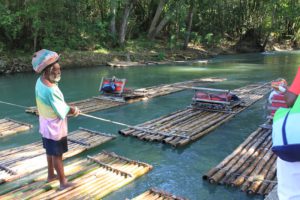
Tourism Industry in Jamaica

Due to the nation’s heavy reliance on the tourism industry, the COVID-19 pandemic affected Jamaica significantly. The tourism industry alone accounts for $60 billion in gross domestic product while generating 2.8 million jobs for the citizens of Jamaica, according to Prime Minister Andrew Holness. In 2019 alone, a staggering 4.2 million tourists flocked to the beaches and resorts on the island.

However, once the pandemic hit Jamaica, the tourism industry came to a halt as did tourism-based income. The gross domestic product decreased by 9.9% in the year 2020, accounting for the steepest decline in the island’s history. During the peak of the pandemic, in July 2020, the unemployment rate reached 12.6%.

The CARE Programme

To combat this harsh reality, the Jamaican government stepped up to the plate to assist citizens. One of the most significant moves the government receives applause for is its implementation of a social and economic support program called the CARE Programme.

In order to improve the state of poverty in Jamaica, the program provided “compassionate grants to those who were unemployed or informally employed” before the onset of the pandemic. Those facing unemployment as a result of the pandemic received “temporary unemployment benefits” and the program supplied grants to small businesses and self-employed individuals whose income decreased due to the pandemic. The CARE Programme also provides aid to ill, elderly and disabled Jamaicans as well as other economically disadvantaged groups by boosting aid through existing initiatives. The program also gave incentives to companies in specific sectors to retain employees who fall in the lower-income bracket.

Due to the government’s generous and swift reaction to the pandemic, the state of poverty in Jamaica has continuously improved post-pandemic. In the year 2022, the percentage of people active in Jamaica’s labor force has risen. According to Carol Coy of the Statistical Institute of Jamaica (STATIN) as of April 2022, “The overall number of persons in the labor force rose by 24,900 or 1.9% to 1,350,300.” In addition to its renewed workforce, Jamaica anticipates that tourism in the nation for the year 2022 may bring in approximately USD $2.9 billion while drawing up to 2.5 million tourists to the island.

Looking Ahead

The perseverance of the Jamaican citizens and the government has led to a historic turnaround for the nation’s economy post-pandemic. While poverty has long ridden the island, the resiliency of the Jamaican people has brought the nation back from the brink of complete economic collapse. The current state of poverty in Jamaica makes it apparent that the future is more prosperous than ever.

– Austin Hughes
Photo: Flickr

September 3, 2022
https://borgenproject.org/wp-content/uploads/borgen-project-logo.svg 0 0 Kim Thelwell https://borgenproject.org/wp-content/uploads/borgen-project-logo.svg Kim Thelwell2022-09-03 07:30:322024-12-13 18:02:44The State of Poverty in Jamaica
Children, Developing Countries, Development, Global Poverty, Health

How Digital Payments Can Aid Afghanistan’s Humanitarian Crisis

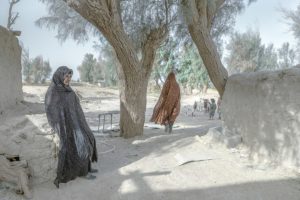
Afghanistan’s Humanitarian CrisisAfter nearly two decades, the Afghanistan War ended in August 2021, when United States forces evacuated the country. For the nearly 40.9 million Afghans left behind, the rippling impacts of the war have created a devastating crisis. Afghanistan’s humanitarian crisis has made nearly every aspect of life take a turn for the worst under the rule of the Taliban. Crucially, this includes economic struggles, which then affect access to food and healthcare.
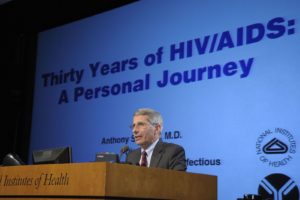
Part of the reason for the harsh and sudden economic downturn for Afghanistan came as a result of the Taliban’s takeover in August 2021. Since then, most foreign aid has been revoked, including from sources such as:

  • The United States
  • The World Bank
  • The International Monetary Fund
  • The Asian Development Bank

As a result, nearly $2 billion in aid has been stopped, causing the economy to collapse, as prior to this, Afghanistan was nearly dependent on foreign aid.

Humanitarian Crisis

The economic collapse was the result of multiple failures or setbacks Afghanistan faced in recent years. Drought, the COVID-19 pandemic and conflicts all came to a head with the Taliban takeover. Food insecurity has been at the forefront of the humanitarian crisis plaguing the Middle Eastern country.

According to the World Food Programme, 95% of Afghans are food insecure as of January 2022. Drought and rising food prices in the last year have increased the severity of food insecurity, which is now up 14 points from 81% the year before.

Food insecurity isn’t due to a lack of food in the country and is rather due to a lack of economic security. As of 2020, 85% of Afghans did not have a bank account. In the current crisis, humanitarian aid is not enough. Afghans need access to secure finances to lift themselves out of poverty and to allow them to purchase food and other necessities.

However, Afghanistan’s Central Bank’s credentials are not recognized internationally, which essentially renders it useless as a financial institution. This is a security measure, as there are fears that the Taliban could use any money for their own purposes. However, the group Human Rights Watch writes of a way to legitimize the Central Bank without giving funds indirectly to the Taliban, in a practice called “ringfencing.”

A Human Rights Watch article stated the ways to protect money going into Afghanistan. By “(ensuring that bank leaders have sole and independent authorities and credentials), put in place independent auditors to monitor the bank’s transactions internationally and domestically and ensure that assets made available are being used for legitimate central banking functions and humanitarian and commercial purposes.”

Measures to ease the burden of the economic crisis will go a long way to aid Afghanistan’s humanitarian crisis.

Digital Payments

One creative attempt to relieve the financial woes felt by Afghans is the use of digital payments. The Center for Global Development released a brief in May 2022 on the potential impact of digital payments on Afghanistan’s humanitarian crisis.

Digital payments do not include cryptocurrency, though it doesn’t exclude the possibility. They work similar to apps like Venmo or CashApp, where money goes directly to consumers and then to the places they do business. The rise of technology like QR codes has made digital payments even more accessible.

In a country similar to Afghanistan, digital payments are seen as a way to alleviate economic hardship without inadvertently giving money to the Taliban, or paying the Taliban to regulate financial institutions. Instead, security measures including biometric data on smartphones or customer due diligence protocols. The protocols are already in place for digital payments used by non-governmental organizations (NGOs), which often utilize digital payments for salaries in the countries they operate in.

The benefit of digital payments is the traceability, unlike bank notes. However, one potential disadvantage is that many Afghan women do not have access to smartphones or are illiterate, which would be a greater barrier to the effective use of digital payments.

There are various digital payment platforms that have already shown success. Fintech for International Development partnered with several NGOs to launch “Lotus20”, which had a successful pilot program in Kenya. In Afghanistan, the platform seeing success is “HesabPay”, which has partnered with more than 4,000 Afghan merchants to accept digital payments.

A Look Ahead

Afghanistan’s humanitarian crisis is rapidly growing and will continue to get worse. There are a plethora of other issues contributing to the total devastation and yet so many can be traced back to economic pitfalls. Digital payments have the potential to help Afghans regain control of their finances and lives in a time of near constant crisis.

–Emma Rushworth
Photo: Wikimedia Commons

September 3, 2022
https://borgenproject.org/wp-content/uploads/borgen-project-logo.svg 0 0 Jennifer Philipp https://borgenproject.org/wp-content/uploads/borgen-project-logo.svg Jennifer Philipp2022-09-03 01:30:482022-09-03 16:29:10How Digital Payments Can Aid Afghanistan’s Humanitarian Crisis
Children, Developing Countries, Development, Global Poverty, Health

Updates From AIDS Conference 2022

AIDS ConferenceThe 24th Annual AIDS conference occurred in Montreal between July 29, 2022 and August 2, 2022. This was the first year the conference employed a hybrid model with both in-person and virtual speakers. As a result, researchers, advocates and leaders from 172 countries attended, and most were from developing countries.
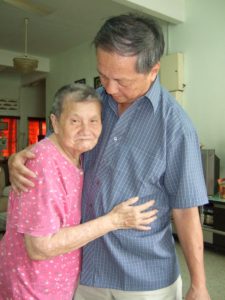
The AIDS conference displayed many breakthroughs in HIV prevention and the intersections between sciences such as clinical, political, social and behavioral. The greatest clinical development, according to the co-chair of the conference Dr. Jean-Pierre Routy, was the research that found that the receipt of a long-acting injection shot of antiretroviral medication every eight weeks is “safe and superior” to daily oral medication.

Necessary Steps

However, though medical science is taking strides forwards, the rollout of these treatments remains behind. Esteban Burrone, the Head of Policy at the Medicines Patent Pool, described the necessary steps to promote the equitable rollout of HIV antiretroviral medication. Each country needs FDA approval, licensing, manufacturing and recommendation in guidelines for a rollout to receive approval. Things that can help fast-track product rollout in countries are “community involvement in demanding access, pursuing early licensing, securing national approval, equitable pricing agreements.” In addition, Dr. Karin Hatzold, a public health physician, discussed how access to “diagnostic strategies such as HIV self-testing… [and] operations research to optimize delivery models” are crucial for a successful rollout and introduction to products.

Reaching Rural Areas

Tackling the difficulty of delivering medications to vulnerable populations in developing countries, however, is Dr. Rosalind Parkes-Ratanshi. Parkes-Ratanshi discussed a pilot project in Uganda where medical drones help distribute HIV medication in remote locations and for mobile populations. Her medical drone project is also used for COVID-19 and STI sample delivery. Although this does not address the policy required to roll out new products in other countries, it is a step to reaching rural populations with already approved antiretroviral medication.

New Framework

Furthermore, representatives from the World Health Organization (WHO), Global Fund and the International Aids Society (IAS) presented new people-focused guidelines that the WHO has adopted to focus on structural barriers. This includes reducing stigma and eradicating “punitive laws.” The new framework also works to target key populations who make up 70% of new HIV infections according to UNAIDS. Each presenter at the AIDS conference including the WHO strives to progress the global community toward the UNAIDS 95-95-95 target, a goal that states by 2030, 95% of people living with HIV will know their HIV status, 95% of people who know their status will be receiving treatment and that 95% of people on HIV treatment will have an undetectable viral load making the chance of infecting others very low.

PEPFAR News

PEPFAR, the U.S. President Emergency Plan for AIDS Relief, announced that 5.5 million babies across the world have been born HIV-free due to the program’s efforts. PEPFAR’s efforts to expand treatment and prevention services to many target populations across the globe have reached millions. U.S. Global AIDS Coordinator and Special Representative for Health Diplomacy Ambassador-at-Large Dr. John Nkengasong described the prevention program that made this possible. “In collaboration with countries, communities, and our partners, PEPFAR supported comprehensive HIV prevention programming for adolescent girls and young women, voluntary medical male circumcision, and we scaled up treatment for women and men with viral suppression.” Other PEPFAR announcements included reaching the 90-90-90 UNAIDS target in at least 12 “high HIV disease burden countries” and treating approximately 20 million men, women, and children with antiretroviral medication.

These were only a fraction of the many positive advancements that researchers discussed at the 2022 AIDS conference. Much progress has occurred in understanding other barriers such as the social, political and economical barriers to reach the UNAIDS 95-95-95 goal by 2030. Check out the AIDS 2022 website for more information about the 24th Annual AIDS conference.

– Jordan Oh
Photo: Flickr

September 3, 2022
https://borgenproject.org/wp-content/uploads/borgen-project-logo.svg 0 0 Naida Jahic https://borgenproject.org/wp-content/uploads/borgen-project-logo.svg Naida Jahic2022-09-03 01:30:232022-09-01 11:26:15Updates From AIDS Conference 2022
Children, Developing Countries, Development, Global Poverty, Health

MAB Improves Visual Health in Malaysia

MAB Improves Visual Health in MalaysiaThe Malaysian National Eye Survey in 1996 estimated that 54,000 Malaysians experienced bilateral blindness. The most recent survey in 2018 reports that 86.3% of blindness causation was preventable with timely treatment. The Malaysian Association for the Blind (MAB) is a nonprofit organization working on the issue. By providing health services and employment opportunities, MAB improves visual health in Malaysia and supports those with visual impairment. Founded in 1951, MAB’s mission statement explicitly focuses on blindness prevention and empowering those with visual impairment through services and opportunities that include them in society.
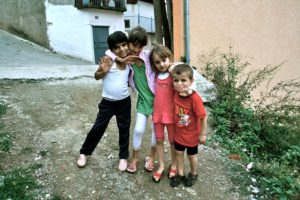
The Gurney Training Center for the Blind

The Gurney Training Center for the Blind is MAB’s vocational training school for those with visual impairment. This center provides both vocational training and rehabilitation services. The center’s vocational courses allow people with visual impairment to receive proper training in a field. Some of the vocational training courses include skills such as woodworking, massage therapy, telephony, industrial work and computer programming. The center also offers rehabilitation services, including physical therapy, counseling, casework, mobility training, communication and social skills, and recreational activities.

Taman Harapan Agricultural Training Center

The Taman Harapan Agricultural Training Center teaches skills for various farming and breeding methods. Other related courses offered include ones such as horticulture and craft making. Like Gurney’s, the center also provides rehabilitation services such as techniques for daily living.

Information Technology

MAB also provides training in how to use assistive devices and software. Additional services include the repair and replacement of this adaptive equipment. The organization also advocates for those with visual impairment by prompting employers and policymakers to provide Information and Communication Technologies facilities (computer labs, laptops, tablets, etc.) in the workplace.

Job Placement

MAB provides a job placement program to help its clients find stable work and improve the economic mobility of Malaysian people with visual impairment. MAB provides work placement by offering different resources, such as placing trained individuals into appropriate employment opportunities, helping with loans for assistive equipment needed for jobs, and working with the Department of Social Welfare and the Ministry of Human Resources to address employment matters.

Assistance to Blind Children Centers (ABC)

ABC Centers are several early intervention programs that provide essential services to children with visual impairment. These children are provided with physical training, basic living skills, preschool activities, recreational activities and counseling services. This center also aids parents by providing services such as education and counseling on visual impairment.

Public Transportation

Safety while riding public transportation is a recurring issue for people with visual impairment. In a broad collaboration with several government ministries, Nongovernmental Organizations and MAB, the Mass Rapid Transit Corporation in Malaysia installed directional tactile tiles on the Putrajaya MRT Line. These tiles give tactile feedback to commuters along the most efficient path from the entry point to the rail platform. The tiles also help indicate where an elevator or escalator is.

MAB improves visual health in Malaysia by promoting such inclusive designs and providing various services. With more efforts like MAB’s, people with visual impairment in Malaysia can integrate into a more inclusive society with improved opportunities for economic mobility.

– Max Cole
Photo: Flickr

September 1, 2022
https://borgenproject.org/wp-content/uploads/borgen-project-logo.svg 0 0 Naida Jahic https://borgenproject.org/wp-content/uploads/borgen-project-logo.svg Naida Jahic2022-09-01 07:30:102022-08-31 20:17:48MAB Improves Visual Health in Malaysia
Children, Developing Countries, Development, Global Poverty, Health

5 Charities Operating in Kosovo

Charities Operating in KosovoKosovo, the smallest country in the Balkans, ranks as “one of the poorest countries in Europe,” struggling with its newfound freedom since declaring independence from Serbia in February 2008. This partially recognized state is home to around 1.8 million people, but Kosovars continue battling for international recognition and an improved economic outlook. With its most recent data in 2015, the World Bank reports that the country has a 17.6% national poverty rate, significantly higher than many European counterparts. As the nation contends with more than 300,000 impoverished Kosovars, five charities operating in Kosovo are making a difference.
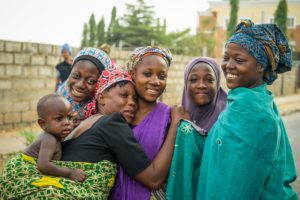
5 Charities Making a Difference in Kosovo

  1. Sunny Hill Foundation. Dua Lipa, a world-renowned singer and songwriter, established the Sunny Hill Foundation in 2016 to advance the quality of life for Kosovars. The organization based in Pristina, Kosovo, works to improve Kosovan society, focusing on helping the country’s most vulnerable residents. The Sunny Hill Foundation raises money to donate to local cultural institutions and NGOs, with a requirement of only contributing to volunteer-led organizations. In 2018, this charity contributed €100,000 to 17 local institutions with focuses ranging from educating special needs children to advancing artistic talent. As a result of Lipa’s efforts to support the nation through the Sunny Hill Foundation, in August 2022 she became an honorary ambassador of Kosovo.
  2. The Ideas Partnership. This is a volunteer organization established in 2009 that focuses on improving education in Kosovo. The organization generally focuses on vulnerable ethnic groups in Kosovo, namely the Roma, Ashkali and Egyptian communities. Completed projects include sending 10 blind children to learn Braille and providing a kindergarten education for 30 children. One ongoing project assists six families with access to nutritious food. Through its network of volunteers, the Ideas Partnership is advancing opportunities for minority communities in Kosovo to increase their quality of life.
  3. PL4Y International. Since 1999, PL4Y International has promoted youth engagement in sports to encourage educational attainment and spur societal change. The NGO has helped more than 500,000 children across 15 countries through its programs. In Kosovo, PL4Y International launched a project called “YOUth can change the future for Kosovo,” concentrating on bridging ethnic, religious and cultural differences in Kosovan society through child sports. As Kosovars struggle to overcome the lasting societal impacts of the Kosovan 1998-1999 conflict and the lingering uncertainty associated with the nation’s international status, PL4Y International is working to bring Kosovan youth together and build a more promising future.
  4. Action for Mothers and Children (AMC). Also known as Akcioni per Nena dhe Femije, AMC concentrates on improving maternal and child health in Kosovo. Since the organization’s founding in 2013, AMC has specialized in projects focusing on education, fundraising, research and advocacy. AMC successfully developed five Women’s Health Resource Centers in Kosovo, helping to educate thousands of women on their pregnancies, deliveries and newborns. In August 2016, AMC expanded its services to an online platform called Beba-ks, offering remote assistance in English, Serbian and Albanian to deliver evidence-based information to new and expecting parents.
  5. HALO Trust. Beginning in 1988, the HALO Trust has worked to unearth landmines and prevent fatalities in former war-torn communities. Because of the 1990s conflict between Yugoslav forces and the Kosovo Liberation Army, landmines and other unexploded ammunition remain buried throughout Kosovo, presenting a fatal threat to Kosovan communities. Since then, 580 people faced injuries and fatalities in Kosovo due to these remaining explosives, driving the HALO Trust’s mission to remove and dispose of these threats. These ready-to-explode landmines are especially dangerous for poor Kosovans in rural areas. Many farmers, for instance, risk their lives by simply going into a field to maintain their crops. Therefore, the work of the HALO Foundation in Kosovo is critical to improving the lives of impoverished Kosovars.

Looking Ahead

From sponsoring youth sports and opening centers for reproductive health to unearthing landmines, these charitable institutions are truly improving Kosovan society. These philanthropic organizations are helping Kosovo achieve a brighter future with less poverty and fewer societal divisions.

– Michael Cardamone
Photo: Flickr

September 1, 2022
https://borgenproject.org/wp-content/uploads/borgen-project-logo.svg 0 0 Kim Thelwell https://borgenproject.org/wp-content/uploads/borgen-project-logo.svg Kim Thelwell2022-09-01 01:30:582024-05-30 22:30:105 Charities Operating in Kosovo
Children, Developing Countries, Development, Global Poverty, Health

NGOs in Nigeria Fight Against Period Poverty on World Menstrual Hygiene Day

World Menstrual Hygiene DayWorld Menstrual Hygiene Day is celebrated worldwide on May 28. Started by a German nonprofit WASH United in 2013, May 28 was chosen to represent the average length of a period, which is five days, and the average menstrual cycle that lasts 28 days. World Menstrual Hygiene Day aims to reduce the stigma around periods, promote awareness about menstrual hygiene management and advocate for ending period poverty.
What is Period Poverty?

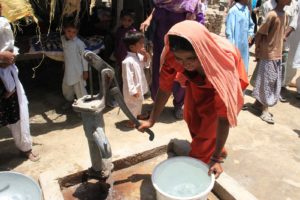
According to the American Medical Women’s Association, period poverty can be defined as “inadequate access to menstrual hygiene tools and education, including but not limited to sanitary products, washing facilities, and waste management.” The United Nations Population Fund also describes the “increased economic vulnerability” that women face when trying to afford menstrual hygiene products. In low-income countries, insufficient access to menstrual products or proper sanitation facilities can lead to young girls missing school or even abandoning education altogether, affecting their economic opportunities. More than 500 million people worldwide have inadequate provisions to manage their menstrual hygiene.

Period Poverty in Nigeria

In Nigeria, more than 25% of women do not have adequate privacy for menstrual hygiene management and access to menstrual products varies largely by region. For example, 37% of women in Kaduna State obtained menstrual products as compared to 88% in Lagos. In 2022, a pack of sanitary pads can cost $2.25, even though around 40% of Nigerians live below the international poverty line of $1.90 per person per day as of 2018.

The COVID-19 pandemic exacerbated period poverty due to shortages in menstrual products and an increase in prices, which only worsened further with the Russia-Ukraine war.

For most of 2020 and 2021, the pandemic also prevented nongovernmental and humanitarian organizations from continuing their menstruation education initiatives in rural areas, but multiple campaigns were held in 2022 to celebrate World Menstrual Hygiene Day. Here are five NGOs that commemorated the day by campaigning for an end to period poverty:

Global Citizen x BeyGOOD Fellows

As part of the “We Can. Period.” project, international advocacy organization Global Citizen and Beyoncé’s BeyGOOD fellowship program hosted workshops on menstrual health for schools in Lagos, promoting awareness about period poverty. In partnership with UNFPA, the organization provided students with 100 free reusable sanitary pads as well as 60 yards of fabric to create their own reusable pads.

PadUp Africa

The nonprofit was founded in 2017 with the aim of destigmatizing periods across Africa, through sensitization campaigns on menstrual hygiene management. PadUp Africa held a ‘Walk for Pad’ rally in Abuja, their second time hosting the event. Attendees walked to show their support for federal policies to address Nigeria’s period poverty and provide free menstrual products in schools.

Aniedi Etim Foundation

The foundation, in partnership with the company Oriental Energy Resources, hosted workshops on sanitary pad usage and menstrual health as part of the Girl Child Menstrual Health Education Outreach initiative. The workshops were held in a secondary school at Akwa Ibom State, where the Aniedi Etim Foundation and Oriental Energy pledged to provide students attending the event with a one-year supply of free sanitary pads.

Plan International

The international humanitarian organization, which works to support children’s rights and equality for girls, arranged a hybrid event in Bauchi State, in partnership with the Kimberly-Clark company. The event featured panel discussions with students, government officials, development partners and journalists around the theme of “Menstruation Matters: My Period, My Pride.” The purpose of the event was also to call on the Nigerian government to provide free menstrual products for adolescent girls in order to reduce period poverty.

Tabitha Cumi Foundation

The Nigerian NGO aims to empower women in marginalized communities across the country. It hosted a training session at the Abuja School of the Deaf to empower young girls with disabilities to manage their menstrual health. The event also drew attention to the necessity of inclusive menstrual health programs that are adapted to the needs of people with disabilities. Its World Menstrual Health and Hygiene Management Day commemoration was attended by representatives from the Ministry of Women Affairs and the National Centre for Women Development. Company Procter & Gamble also sponsored the distribution of free menstrual hygiene kits and sanitary pads at the event.

A Look Ahead

While these events were hosted on World Menstrual Hygiene Day, the organizations, among many others, work year-round to advocate for better policies and facilities to end period poverty in Nigeria.

– Ramona Mukherji
Photo: Flickr


September 1, 2022
https://borgenproject.org/wp-content/uploads/borgen-project-logo.svg 0 0 Kim Thelwell https://borgenproject.org/wp-content/uploads/borgen-project-logo.svg Kim Thelwell2022-09-01 01:30:012024-05-30 22:30:03NGOs in Nigeria Fight Against Period Poverty on World Menstrual Hygiene Day
Children, Developing Countries, Development, Education, Global Poverty, Health

5 Countries that Need the Water Action Plan

Water action planOn June 1, 2022, the White House unveiled its Action Plan on Global Water Security, spearheaded by Vice President Kamala Harris. The White House aims to help achieve water security domestically and abroad, citing the connection between water and U.S. national security interests. In particular, five countries that need the water action plan will benefit from gaining access to clean water and reducing deaths.
Three Pillars

The White House said it views water security as “sustainable access to safe drinking water, sanitation and hygiene services, as well as water to sustain ecosystems and for agriculture, energy and other economic activities.” 

The water action plan focuses on three pillars to implement its goals:

  • Increasing the U.S. role in attaining universal water security and ensuring sustainability without increasing carbon emissions.
  • Encouraging sustainable practices for managing and building water resources and ecosystems to build economies and cooperation.
  • Utilizing cooperation among organizations like the G-20 Summit and the U.N. to achieve water security.

While the plan did not specify nations, five countries that need the water action plan especially are Angola, Somalia, Ethiopia, Uganda and Papua New Guinea.

Angola

Angola is a southern African country with a population of roughly 35 million. Only about half of Angolans have access to basic sanitation and clean water. In 2020, the U.N. reported that access to both had stagnated, hampering the efforts to achieve SDG 6 by 2030.

Malaria deaths account for over 11,000 deaths in 2020. In addition, Angola has one of the highest child mortality rates, with 71.5 of every 1,000 live births dying before age 5.

Water treatment is just one way to curb malaria and child mortality in the country. Investments from the water action plan could fund water treatment and basic sanitation services, especially in rural areas.

Somalia

Like Angola, Somalia is on the U.N.’s list of least developed countries (LDC). Clean water and sanitation services are not easily accessible in the eastern African country, as only 32% of the population used a sanitation service in 2020. In a country of roughly 15 million people, this amounts to more than 10 million people without that access.

Somalia is also amid a severe drought. The U.N. estimates that Somalia is heading toward the fourth year in a row without a successful rain season. This has devastated Somalia, with over 100,000 people relocating to find access to water.

The White House highlighted the link between global water security and national security. Somalia is a prime example: In 2014, at the height of its civil war, the terrorist group al-Shabaab used “water terrorism” to further the conflict between the citizens and the Somali government. By cutting off such a crucial resource, tensions flared, and anger toward the government grew, furthering the war.

Somalia could benefit from the water action plan’s funding to expand water access and treatment, which could have a resounding impact.

Ethiopia

Somalia’s neighbor to the west shares its water insecure status, as well as being one of 46 LDCs, according to the U.N. Ethiopia has been the focus of foreign aid for decades, stemming from the Ethiopian Civil War in the 1970s.

Ethiopia met its Millennium Development Goal (MDG) for clean drinking water, the precursor to SDG 6. Since 1990, it has slashed the percentage of people without access to clean drinking water in half, with 57% of people having access to clean drinking water. This success comes from the government-run water, sanitation and hygiene (WASH) program.

Still, Ethiopia struggles with sanitation and waterborne illnesses, contributing to child mortality rates. According to UNICEF, the lack of treatment and sanitation of water contributes to 60% to 80% of communicable diseases in Ethiopia. In terms of child mortality, this level of water insecurity leads to 70,000 deaths of children under 5 years of age each year.

Uganda

Uganda is also on the U.N.’s LDC list. Uganda has stagnated on SDG 6, with only 55.9% of the population having access to drinking water.

Sanitation is one of the critical issues surrounding Uganda’s water crisis. In Uganda, 8.8 million people practice open defecation, contaminating the natural water supply. According to the nonprofit Water.org, 28 million Ugandans lack access to safe sanitation services, which plays a vital role in SDG 6.

The White House’s water action plan could help enrich existing aid programs through the U.S. Agency for International Development, giving 750,000 Ugandans access to clean water and providing resources to become open-defecation free.

Papua New Guinea

Though not on the LDC list, the Sustainable Development Report finds that Papua New Guinea still needs essential water services. Only 45.3% of Papua New Guinea’s citizens have access to clean drinking water, and only 19.2% have access to sanitation services. The U.N. reports that only 30% of the population can access soap and water at home for a hand washing facility.

According to UNICEF, 30% of the population use surface water daily. This likely correlates with illness and poverty among those who contract waterborne diseases.

Solutions 

The White House Action Plan on Global Water Security could help these five countries in desperate need of aid to create stability and health through water and sanitation services. The World Bank estimates that global WASH programs and infrastructure would cost $35 billion to maintain each year, according to a White House report.

While more funding is called for, USAID committed to $1.2 billion in aid for three years to strengthen global water security. The water action plan is a step in the right direction and provides a starting point for these five countries and others to achieve water security.

– Emma Rushworth
Photo: Wikimedia Commons

August 31, 2022
https://borgenproject.org/wp-content/uploads/borgen-project-logo.svg 0 0 Jennifer Philipp https://borgenproject.org/wp-content/uploads/borgen-project-logo.svg Jennifer Philipp2022-08-31 07:30:212026-04-16 10:09:245 Countries that Need the Water Action Plan
Children, Development, Global Poverty, Health

HIV/AIDS in Belgium

HIV/AIDS IN BELGIUMAccording to a study by BMC Infectious Diseases, HIV/AIDS in Belgium is “largely concentrated among men who have sex with men and sub-Saharan Africans.” According to 2011 data from the Belgian government, 98.2% of patients had links to HIV care, 90.8% were in care and 83.3% were receiving antiretroviral therapy. However, these statistics were disproportionate for certain sections of the population where sub-Saharan Africans on ART had less viral suppression while there was higher retention in care of men who have sex with men.

After carrying out a study, an organization called BREACH (Belgian Research on AIDS and HIV Consortium) concluded that potentially the weakest part of efforts to suppress the HIV/AIDS epidemic in Belgium was the undiagnosed HIV-infected population, which estimates have stated is around 20%. This was particularly prevalent amongst migrants in Belgium and it is a problem that requires attention.

There is also a link between poverty and those suffering from HIV/AIDS. When the Journal of the International AIDS Society conducted research into the link between AIDS and poverty, the results were that vulnerabilities relating to migration such as economic hardship and barriers to HIV testing mean that non-citizens are more likely to become infected by HIV/AIDS.

The Progress

Better sexual health awareness and an increase in levels of screening are some methods that have helped HIV/AIDS patients in Belgium live longer and enjoy better health. A research organization named Sciensano which targets health and disease has contributed to HIV/AIDS research in Belgium and has recorded encouraging statistics over the past few years. Based on a 2017 report, Sciensano found that there was a 2% decrease in HIV/AIDS transmission since 2016 and 27.5% compared with 2012.

The study also notes that “HIV transmission by intravenous drug use is exceptional in Belgium and was only reported for 1% of the HIV diagnoses in 2017.”

Belgium’s National Strategic Plan

A step that the Belgian government took to reduce the transmission of HIV/AIDS was the implementation of its National Strategic Plan on HIV in 2013. The monarchy of Belgium also endorsed this plan, which had three main goals: preventing HIV/AIDS, providing testing and treatment of HIV/AIDS and providing care and support. In setting up the plan, the government ensured it would specifically target vulnerable groups such as migrants.

In conclusion, Belgium has made significant progress in tackling HIV/AIDS. Government initiatives coupled with the work of other organizations have been effective enough to reduce levels of HIV/AIDS in the country and are a step forward for marginalized groups that the disease impacts the most.

– Claire Dickson
Photo: Flickr

August 31, 2022
https://borgenproject.org/wp-content/uploads/borgen-project-logo.svg 0 0 Jennifer Philipp https://borgenproject.org/wp-content/uploads/borgen-project-logo.svg Jennifer Philipp2022-08-31 01:30:472022-09-01 12:42:00HIV/AIDS in Belgium
Children, Development, Education, Global Poverty, Health

Fighting Poverty With Female Education in China

Female Education in ChinaIn June 2022, 65-year-old Zhang Guimei escorted her students to China’s annual college entrance examinations, or ‘gaokao,’ for the 12th year in a row. If all goes well, when these students exit the exam room, they will be able to change their fate by passing the metric for college. According to Global Times, however, this would not have been possible if not for Zhang Guimei. Known as the “principal of miracles,” Zhang has sent more than 1,800 girls from the poorest parts of China to college. Not only did she receive one of China’s highest medals of honor for contribution to society, but she has also been written into the official modern history textbook compiled by the government. However, her story is a simple one about an educator who gave her all for her students to change female education in China.

The Story of Zhang Guimei

Zhang Guimei’s husband, who taught with her at a high school in Yunnan, died of cancer in 1994. Two years later, Zhang Guimei herself became ill. Because all her money had gone to treating her husband, she gave up on treatment and kept her illness a secret.

The truth emerged when she fainted in class. Despite their poverty, the people of Huaping county–the teachers, students, villagers and even the local government–all pitched in to raise money for her treatment.

Zhang knew the difficulty with which the money came by. In the early 2000s, Huaping county was extremely poor because its mountainous terrain limited agricultural growth as well as transportation. It was common for parents to pay their children’s tuition five cents at a time, using coins that are no longer popular in larger cities. Even so, they raised enough money for Zhang’s treatment.

Deeply moved, Zhang Guimei believes–to this day–that the people of Huaping saved her life. She resolved to dedicate her ‘second life’ to educating the people of Huaping–a promise she kept for 40 years.

Keeping Girls in School

During her time there, Zhang noticed a strange phenomenon: many girls who had good grades would suddenly drop out. Later, she realized that they had to withdraw either to work low-paying jobs or get engaged.

At the turn of the 21st century, China was developing at a rapid pace. But Huaping county–and Yunnan province in general–was one of the few areas that remained impoverished. Rural, poor and uneducated, families had no money to pay for school and often prioritized the education of boys over girls. In order to have one less mouth to feed, girls often became engaged or married in exchange for a bride price.

However, Zhang Guimei never stopped believing that developing female education in China was the key to changing the fate of Huaping. In her mind, “if one girl can receive higher education, she can change the fate of three generations.” To tackle the problem at its root, she resolved to establish a free public high school so the girls could have a chance to get the education they deserved.

A Difficult Path

The path to establishing the Huaping High School for Girls was difficult. Although the government was very supportive, it had no money to sustain the operations of a free high school. Zhang had to ask for donations on the street from 2002 to 2007. Things took a turn when a journalist from Beijing discovered her efforts, and with help from people across the country supporting female education in China, her high school finally opened in 2008.

When the school opened, there was only one building, with no dormitories or even bathrooms. At night, the classrooms turned into dorms that the students and female teachers slept in. Not long after, nine out of 17 original faculty members resigned. To make matters worse, the school had no students as many parents still refused to let their daughters out of the mountains.

Zhang took a very simple approach to this problem. Going from house to house, she promised that the school would do its best to help the child even if they could not finish their education. If colleges accepted the girls but they could not afford it, she would take all financial responsibility. Many parents relented, and the girls were finally able to step toward a future outside of the mountains.

One Simple Wish

 In the past decade, more than 1,800 girls have been able to leave the mountains through Zhang’s high school. More than 40% of the students at Huaping High get into first-rate colleges, and the school has ranked first in the entire Lijiang County for many years.

However, Zhang Guimei’s hard work has taken a toll on her health, with 23 different diseases that plague her. Wearing plain clothes and talking into a cheap megaphone, numerous medicinal patches were on the back of her hands as she escorted her students to the 2022 exams. Yet, the entire Huaping changed because of one educator with a simple wish: to change female education in China. Hopefully, her story will inspire many others to fight for the one wish that will better the world.

– Emilie Zhang
Photo: Flickr

August 30, 2022
https://borgenproject.org/wp-content/uploads/borgen-project-logo.svg 0 0 Jennifer Philipp https://borgenproject.org/wp-content/uploads/borgen-project-logo.svg Jennifer Philipp2022-08-30 01:30:422022-08-30 01:29:53Fighting Poverty With Female Education in China
Children, Development, Education, Global Poverty, Health

Impact of COVID-19 on Poverty in Malaysia

Impact of COVID-19 on Poverty in MalaysiaMalaysia saw its first confirmed case of COVID-19 on January 24, 2020. The Malaysian government implemented the Movement Control Order (MCO or PKP) around two months later in response. This mandate restricted travel, work, assembly and established quarantine measures jeopardizing the financial integrity of Malaysian households. Here is some information about the impact of COVID-19 on poverty in Malaysia as well as the country as a whole.

The World on Pause

For fully vaccinated individuals, the MCO ended in November 2021. However, under the mandate, conditional and variable ordinances ultimately played a part in the impact of COVID-19 on poverty in Malaysia.

Working in multiple phases, the MCO developed into the Conditional Movement Control Order (CMCO/PKPB), Recovery Movement Control Order (RMCO/PKPP) and the National Recovery Plan (NRP/PPN). These restrictions prevented movement between states, travel to and from Malaysia and mass gatherings in addition to the closure of schools, government and private premises except those considered essential. Those who violated the MCO were at risk of receiving fines or facing jail time.

Hurting Those Already Struggling the Most

Three-quarters of the Malaysian population live in urban areas, with the majority of individuals falling into the 15-64 age group. A four-part research study that UNICEF and UNFPA conducted titled “Families on the Edge” found that a typical Malaysian household has an average of 5.5 members.

The head of these households are mostly married Malay males around 46 years old with low educational attainment. These workers face a high risk of unemployment, pay cuts or other stresses to household income as they were in jeopardy before the pandemic.

Reports have indicated that a 5% increase in employment occurred between March 2020 and June 2021. Despite the rise, a third of those employed before the crisis experienced work disruptions and 27% faced income reduction.

The World Bank found that around 65% of jobs in Malaysia cannot occur remotely even after modifying them so that they were in an online format. This is because approximately 51% of jobs require close physical proximity. With the MCO restrictions, these jobs were most vulnerable with one-fourth of heads of households experiencing unemployment during this time.

The Impact of COVID-19 on Food and Education

The impact of COVID-19 on poverty in Malaysia consequently affected access to food and quality of education. With little to no income, households spent around 84% less on education and 4% less on food between December 2019 and June 2020. While expenditure on food reduced, approximately 30% reduced food intake itself to cope with financial difficulties.

While employees adjusted to remote working, children needed to transition to online learning. Two-fifths of children do not have access to the required equipment (such as a computer) or internet connection to resume their education.

Closures have also prevented children from impoverished families from accessing meals provided at school-distributed supplemental food programs. This food insecurity pushed households to adopt cheaper and less healthy diets, further threatening the country’s child malnutrition crisis.

A Citizen’s Surrender

Some low-income residents resorted to waving white flags from their flats during the government-mandated lockdown to express the financial stress they were experiencing. This Bendera Putih, or “White Flag” movement emerged to help families ask for assistance. The white cloth outside their homes would encourage others to donate food.

In response, three computer science students from Multimedia University Cyberjaya urgently developed and released the “Sambal SOS” app within the same month the White Flag Movement gained traction. More than 7,000 users registered on the site just two days after its launch.

Here, users could digitally and anonymously report that they needed help. They then could connect with other users ready and able to provide aid.

An Economic Recovery Plan

Prime minister Tan Sri Muhyiddin Yassin announced the Pelan Jana Semula Ekonomi Negara (PENJANA), also known as the Economic Recovery Plan, in June of 2020. This stimulus package totaled RM35 billion (more than $7 billion) allocated to 40 initiatives organized into “three key thrusts:”

  • Empower People
  • Propel Businesses
  • Stimulate the Economy

Some initiatives to empower people included a wage subsidy program, social protection for the gig economy workforce and the internet for education and productivity. PENJANA funded entrepreneurship financing to propel businesses while supporting small enterprises through e-commerce and tourism financing. Initiatives to stimulate the economy included a campaign to buy Malaysian products and financial relief for those working in the agriculture/food sector.

Although poverty rates are still higher than before the COVID-19 pandemic, poverty levels have decreased by 16% between May 2020 and March 2021. Government assistance increased overall average household income since 2019, including disabled-headed households.

Households rely on savings, government and Zakat assistance for financial support as the labor market recovers. While PENJANA has proven to help boost the economy temporarily, many families still do not receive registered business-related aid and do not have social protection or insurance. The impact of COVID-19 on poverty in Malaysia emphasized that social protection assistance still needs to improve its scope of coverage to help the urban poor rebuild post-crisis.

– Aishah French
Photo: Flickr

August 29, 2022
https://borgenproject.org/wp-content/uploads/borgen-project-logo.svg 0 0 Jennifer Philipp https://borgenproject.org/wp-content/uploads/borgen-project-logo.svg Jennifer Philipp2022-08-29 07:30:472024-06-06 01:11:43Impact of COVID-19 on Poverty in Malaysia
Page 27 of 137«‹2526272829›»

Get Smarter

  • Global Poverty 101
  • Global Poverty… The Good News
  • Global Poverty & U.S. Jobs
  • Global Poverty and National Security
  • Innovative Solutions to Poverty
  • Global Poverty & Aid FAQ’s
Search Search

Take Action

  • Call Congress
  • Email Congress
  • Donate
  • 30 Ways to Help
  • Volunteer Ops
  • Internships
  • Courses & Certificates
  • The Podcast
Borgen Project

“The Borgen Project is an incredible nonprofit organization that is addressing poverty and hunger and working towards ending them.”

-The Huffington Post

Inside The Borgen Project

  • Contact
  • About
  • Financials
  • President
  • Board of Directors
  • Board of Advisors

International Links

  • UK Email Parliament
  • UK Donate
  • Canada Email Parliament

Get Smarter

  • Global Poverty 101
  • Global Poverty… The Good News
  • Global Poverty & U.S. Jobs
  • Global Poverty and National Security
  • Innovative Solutions to Poverty
  • Global Poverty & Aid FAQ’s

Ways to Help

  • Call Congress
  • Email Congress
  • Donate
  • 30 Ways to Help
  • Volunteer Ops
  • Internships
  • Courses & Certificates
  • The Podcast
Scroll to top Scroll to top Scroll to top