How Poverty Shapes Schooling in Zimbabwe
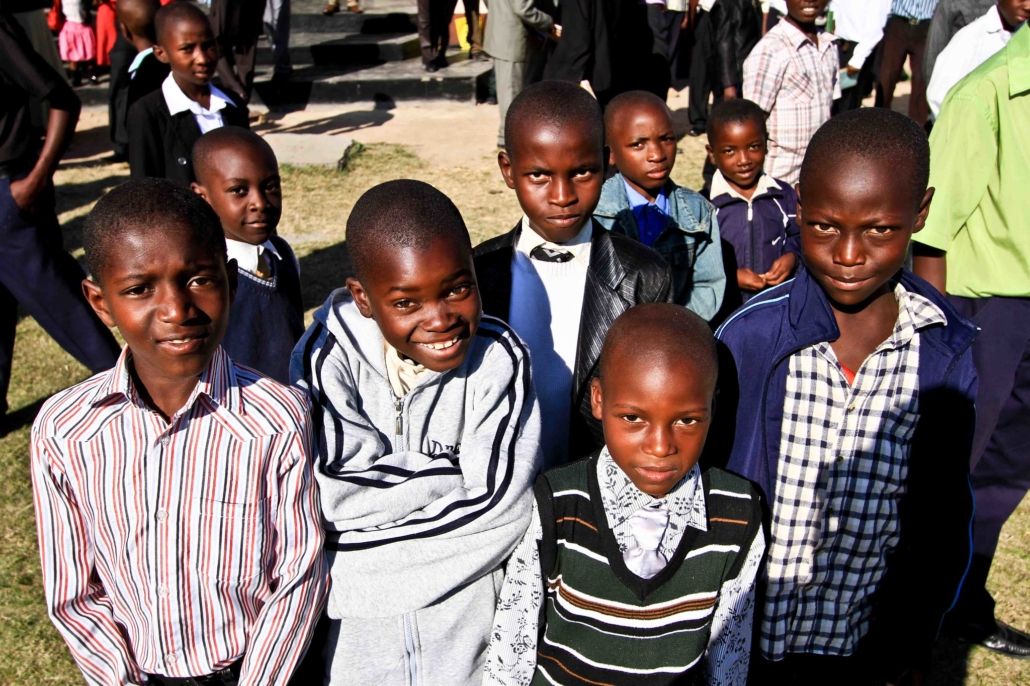
Poverty shapes schooling in Zimbabwe, determining aspects ranging from the quality of education to the duration of study. In essence, students with greater wealth are more likely to attain secondary education and experience transformative outcomes compared to their less affluent peers.
Wealth Inequality Between Urban and Rural Children
Urban Zimbabwean households typically possess more wealth than their rural counterparts. In 2021, according to the World Bank, 55.5% of rural Zimbabweans lived below the national food poverty line in contrast to only 15.5% of urban Zimbabweans. This stark 40% contrast underscores significant wealth inequality, a gap evident in the disparity between urban and rural education.
How Wealth Inequality Affects Schooling in Zimbabwe
Poor communities do not have the infrastructure, staff or resources to maintain quality learning facilities. Families within these communities grapple with daily hardships stemming from living below the poverty line, rendering tasks like funding teacher salaries, constructing safe schools and providing essential amenities such as water and electricity difficult. Put simply, the quality of rural Zimbabwe’s education pales in comparison to its urban counterpart due to the extreme poverty prevalent in rural areas.
Educational Inequalities
Given that rural regions hold the highest poverty rates, rural Zimbabweans disproportionately bear the brunt of educational disadvantages.
For instance, urban children are more likely to successfully complete all educational levels compared to their rural counterparts. In Zimbabwe, urban children achieve a primary school completion rate of 97% whereas rural children achieve a rate of only 86%, falling below the national average, according to UNICEF’s MICS-EAGLE (Education Analysis for Global Learning and Equity) Zimbabwe Fact Sheet of 2021.
Throughout secondary school, rural students consistently lag nearly 10% or more behind the national average in terms of completion rates while urban students consistently surpass the national average.
Completion rates for each individual school level remain consistently low for rural students. Of all students failing to complete a specific educational level, two-thirds are from rural backgrounds, the 2021 MICS-EAGLE Zimbabwe Education Fact Sheet notes.
According to Teach for Zimbabwe, unfortunately, even the rural children who do complete school typically achieve lower academic results compared to children in urban areas. More than two-thirds of Zimbabwean children lack access to quality and comprehensive education, and as a result, there are “tens of thousands of students who cannot even read, write, or speak English after seven years of primary education,” Teach for Zimbabwe says on its website. A lack of trained educators, unideal learning environments and insufficient resources and funding impact the quality of education.
Teach for Zimbabwe’s Role in Schooling in Zimbabwe
Founded in 2018, Teach for Zimbabwe is a branch of the global nonprofit, Teach for All, that focuses on bringing diverse, innovative education to disadvantaged children in Zimbabwe. The organization accomplishes this mission through educators: qualified teachers from diverse backgrounds are trained, compensated and stationed in needy local districts. These educators commit to a two-year term at the school, a period during which both teachers and students become better equipped to navigate Zimbabwe’s education system.
Given that many rural, impoverished regions lack the means to hire and sustain teachers, numerous rural school districts lack educators in general or lack qualified educators. In June 2022, Zimbabwe faced a shortage of more than 25,000 teachers. Having highly qualified teachers in rural schools will elevate the quality of education for rural students, potentially impacting their academic outcomes and education completion rates.
Looking Ahead
The educational inequalities stemming from poverty significantly influence Zimbabwe’s schooling landscape. Two students who both complete primary school may experience vastly different outcomes as a result of the urban-rural divide. Organizations like Teach for Zimbabwe are paving the way for transformative change in rural Zimbabwean schools to allow for quality education that will enable students to reach their highest academic potential.
– Suzanne Ackley
Photo: Flickr
