• Link to X
  • Link to Facebook
  • Link to Instagram
  • Link to TikTok
  • Link to Youtube
  • About
    • About Us
      • President
      • Board of Directors
      • Board of Advisors
      • Financials
      • Our Methodology
      • Success Tracker
      • Contact
  • Act Now
    • 30 Ways to Help
      • Email Congress
      • Call Congress
      • Volunteer
      • Courses & Certificates
      • Be a Donor
    • Internships
      • In-Office Internships
      • Remote Internships
    • Legislation
      • Politics 101
  • The Blog
  • The Podcast
  • Magazine
  • Donate
  • Click to open the search input field Click to open the search input field Search
  • Menu Menu

Archive for category: Charity

Charity, Global Poverty

3 Charities Operating in Italy

Charities Operating in ItalyAn estimated 22% of Italians are at risk of food poverty or food insecurity. Human Rights Watch states that “Exacerbating existing issues with social exclusion and equitable distribution of resources, the prices for groceries and unprocessed foods increased by 8.2% between June 2021 and June 2022.” Here are five charities operating in the country of Italy to fight poverty.

GCAP

 Among the charities operating in Italy is GCAP. Supported by many citizens, organizations, trade unions, movements of civil society and associations in Italy, the GCAP refers to their organizations as “the Italian expression of a broader global movement that has the objective of countering the mechanisms that generate poverty and inequality in the world, promoting the adoption of sustainable development policies respecting human rights, the dignity of every person, gender equality, social justice and the environment.” Since 2005, several mobilization activities and international campaigns have taken place to encourage political leaders to stand by their commitments to the country and eradicate poverty. 

Other issues raised during these movements include the environment, international conventions and human rights. Basing its vision on respect, dignity, equity and sustainability, here is what GCAP vows in its mission. “We want a world in which the economic system creates wealth for everyone and not just for the few; a world where governments, people and the private sector respect and take care of the planet to be habitable for us and future generations.”

Together with the other national coalitions, GCAP Italy supports all women and men in their battles to achieve greater justice and dignity, brings together the organizations of Italian Civil Society to dialogue with the institutions and intervenes in those processes that perpetuate poverty and social and economic uncertainty; defends and promotes fundamental human rights, gender equity, social justice and security necessary to guarantee universal dignity and peace.”

Caritas Italiana

Founded in 1971, Caritas Italiana is a pastoral organization of the Italian Bishops Conference. Supporting the most vulnerable people, the organization engages in many areas, including homelessness, immigration, mental health and old and new forms of poverty. They work within the Church to raise awareness on the issues surrounding charity — promoting the vitality of positive actions towards the poor. Not only does Caritas Italiana implement charitable actions to help those in need, but they also coordinate emergency responses in tragic disasters in Italy and abroad. 

Caritas Italiana is also focused on convincing civil institutions to support the community’s human rights through legislation. The organization conducts research projects related to the causes of poverty and produces analysis. Providing staff training, they emphasize the importance of awakening public opinion and offering helpful services to various groups and movements. The organization remarks that “The deep moral and spiritual principles of dignity, justice, solidarity and stewardship still guide Caritas today.”

EMERGENCY

Having treated more than 12.5 million people across 20 countries, EMERGENCY is an independent organization that provides free, high-quality medical care to victims of war, landmines and poverty — treating one patient every minute. Since 1994, EMERGENCY has promoted respect for human rights, solidarity and a culture of peace. They believe that it is a fundamental human right to receive health care. Their approach to this belief is based on three things — equality, quality and social responsibility. EMERGENCY remark when referencing social responsibility and the government that “Governments must make the health and wellbeing of their citizens a priority. They must set aside the human and economic resources necessary for this end. The health care services governments and humanitarian organizations provide must be free and available to all.” 

Since 2006, its work in Italy has received 533,947 consultations. The Italian Constitution states that “The Republic protects health as a fundamental right of the individual and in the interest of the community, and guarantees free treatment to the destitute.” However, due to poverty and the inability to navigate a complex health care system, many Italians will have this right overlooked. EMERGENCY’s Italy Programme strives to support vulnerable communities to receive the correct access to high-quality health care. Some of their positivity projects include providing medical assistance and psychosocial support to agricultural workers in Sicily. As well as implementing an information point for socio-medical counseling in Brescia and mobile clinics around Italy.

Despite the efforts of these charities operating in Italy to irradiate poverty in Italy, Istat revealed in its 2021 report that “At the individual level, there was also a significant increase in the incidence of relative poverty both in national average (which returned to the 2019 levels when it was 14.7%) and, in particular, in the Southern regions (from 22.6% in 2020 to 25.3% in 2021) and the Centre (from 8.9% in 2020 to 10.0% in 2021).”

– Katerina Petrou
Photo: Flickr  

November 18, 2023
https://borgenproject.org/wp-content/uploads/borgen-project-logo.svg 0 0 Yuki https://borgenproject.org/wp-content/uploads/borgen-project-logo.svg Yuki2023-11-18 01:30:082023-11-14 11:11:443 Charities Operating in Italy
Charity, Global Poverty

5 of the Walt Disney Company’s Charitable Actions

Walt DisneyKnown for its iconic movies and world-famous parks, The Walt Disney Company is the second largest media company in the world. With over 12 parks across the world and world-renowned employees, Disney makes charity and giving back to the world a priority. In fact, The Walt Disney Company’s employees have volunteered for over three million hours since 2012. It is safe to say that Disney is extremely charitable, as it strives to “bring positive, meaningful, and measurable impacts to our communities around the world.” 
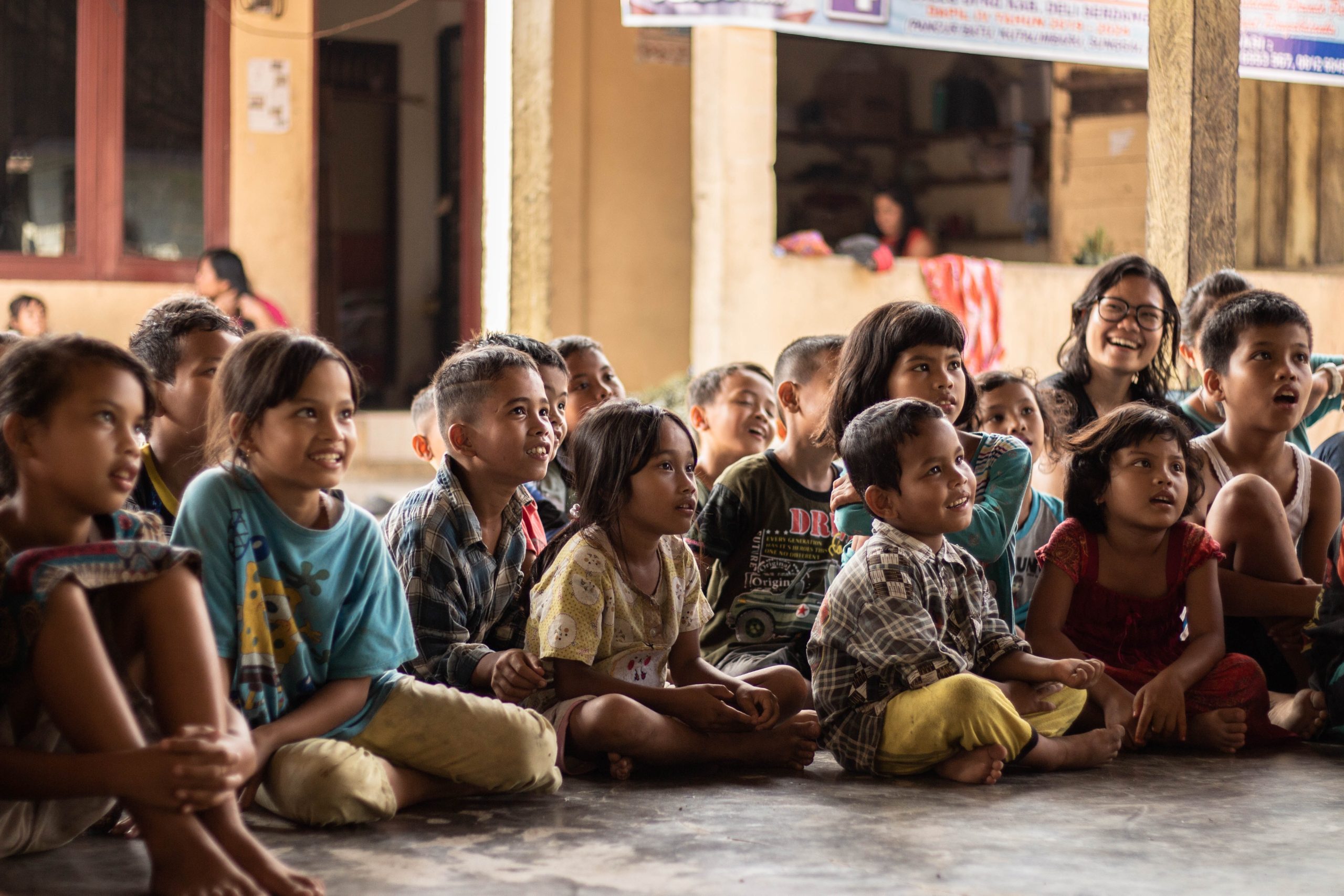
Feeding America

For the past 10 years, Walt Disney has paired up with Feeding America, a hunger relief organization that manages over 60,000 pantries across the United States. With hundreds of volunteers and countless hours sacrificed, Disney has allowed those in need access to more nutritious meals. Disney’s charity for the organization goes beyond this, though, and on top of volunteering the company made sure the food banks had what they needed to properly run and store food effectively. The company expanded the capacity of the food banks and provided more refrigeration, as keeping the donated food as fresh as possible is essential before providing it to others. 

Toy Drive

Children in poverty often are unable to receive toys during the holiday season due to low-income circumstances, but Toys For Tots is an organization that provides toys to children in need. The organization has donated over 652 million toys and has supported over 291 million children. Disney has partnered with the organization and sponsored Toys For Tots since 1947. 

First Book

First Book is an organization that prioritizes education for children in poverty. The organization provides books to classrooms and children and believes that all children should have equal access to quality education. Since Disney’s charity team made the decision to partner with First Book in 2000, the company has donated over 90 million books to the organization. The Walt Disney World refers to this specific donation as the “Magic of Storytelling,” as the company truly believes that storytelling can change the world. 

Leftovers

With the amount of food that the Disney Parks must provide, it’s hard for there to not be a great amount of waste produced. Instead of simply throwing out the leftovers, Disney donates its leftovers to those in need. Since March 2020, Walt Disney has donated over 2.1 million meals that came from Disney kitchens. Disneyland Paris, for example, has donated an additional 62 tons of leftover food to local grocery stores and disadvantaged families. 

Donations

As if all of Disney’s charities weren’t enough, the company makes donating money to these organizations a priority as well, on top of donating resources. In just the fiscal year of 2022 alone, The Walt Disney Company has donated $233 million to charities across the globe and $140 million to underrepresented communities.  

With a company as big as Walt Disney, it’s easy to become engrossed in the glamor and perks that wealth can offer. Disney has made staying humble a majority priority, as giving back to the world and donating to charities has proven to be at the top of their agenda for countless decades. 

– Ryan Balberman
Photo: Flickr

November 6, 2023
https://borgenproject.org/wp-content/uploads/borgen-project-logo.svg 0 0 Lynsey Alexander https://borgenproject.org/wp-content/uploads/borgen-project-logo.svg Lynsey Alexander2023-11-06 03:00:222024-12-13 18:03:025 of the Walt Disney Company’s Charitable Actions
Charity, Global Poverty

5 Charities Operating in Indonesia

Charities in IndonesiaIndonesia, a vibrant nation nestled in Southeast Asia, is home to a diverse population facing various challenges. Amidst the rich cultural tapestry, several charities tirelessly work to uplift communities, promote education, provide healthcare, and protect the environment. Here are five impactful charities operating in Indonesia, each contributing to the nation’s progress and improved welfare.
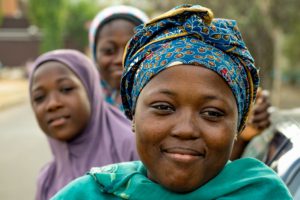
5 Charities Operating in Indonesia

  1. Kitabisa – Kitabisa is a fundraising platform founded by Alfatih Timur and Vikra Ijas and has revolutionized charitable giving in Indonesia through its innovative crowdfunding platform. Established in 2013, this online fundraising platform empowers individuals to contribute to various causes, ranging from disaster relief to educational initiatives. According to its website, over 6 million people have donated to the online fundraising platform, and total liabilities and net assets amounted to IDR 291.61 billion, or over $19 million, in 2020 alone. 
  2. Rumah Zakat – Rumah Zakat is a prominent humanitarian organization dedicated to tackling poverty and improving healthcare in Indonesia. Since its inception in 1998, the charity has been providing essential services, including medical aid, clean water access, and livelihood support, to disadvantaged communities. With over 200 humanitarian programs, Rumah Zakat has positively impacted the lives of over 42 million Indonesians. 
  3. Greeneration Indonesia – Greeneration Indonesia is at the forefront of environmental conservation and sustainability initiatives in Indonesia. Founded in 2011, Greeneration promotes eco-consciousness and undertakes various projects, such as waste management, tree planting, and environmental preservation education. To date, Greeneration Indonesia has engaged over 2 million individuals in its efforts to create a greener Indonesia. 
  4. Solemen – Solemen Indonesia is a remarkable charity that focuses on assisting individuals with disabilities and providing outreach to vulnerable communities. Established in 2009, the organization offers a range of services, including medical care, prosthetics, and education, to those in need. Solemen has touched the lives of over 20,000 people across Indonesia, especially in Bali, helping them lead more fulfilling and inclusive lives. 
  5. Priscilla Hall Memorial Foundation – The Priscilla Hall Memorial Foundation is committed to improving education and empowering the youth of Indonesia. Established in 2005, the charity provides scholarships and educational support to underprivileged students, enabling them to pursue their dreams and break the cycle of poverty. Through its efforts, the foundation has impacted the lives of over 5,000 students across the nation. 

Innovation for the Future

These five charities operating in Indonesia are beacons of hope and inspiration, exemplifying the positive impact that can be achieved through compassion, innovation, and determination. As they continue their noble missions in Indonesia, they invite individuals and corporations alike to join hands in creating a more equitable and prosperous future for all. 

– Kent Anderson
Photo: Unsplash

October 30, 2023
https://borgenproject.org/wp-content/uploads/borgen-project-logo.svg 0 0 Kim Thelwell https://borgenproject.org/wp-content/uploads/borgen-project-logo.svg Kim Thelwell2023-10-30 13:18:592023-10-31 05:11:035 Charities Operating in Indonesia
Charity, Global Poverty, NGOs

3 Humanitarian Organizations Addressing Global Poverty

Organizations Addressing Global PovertyWith the wide-ranging issues affecting people living in poverty, it seems appropriate to spotlight organizations helping alleviate some of those hardships for people and communities who suffer from food insecurity, poverty and mistreatment. According to the World Bank, in 2022, 648 million people, equating to about 8% of the global population, lived in poverty. Here are three humanitarian organizations addressing global poverty.
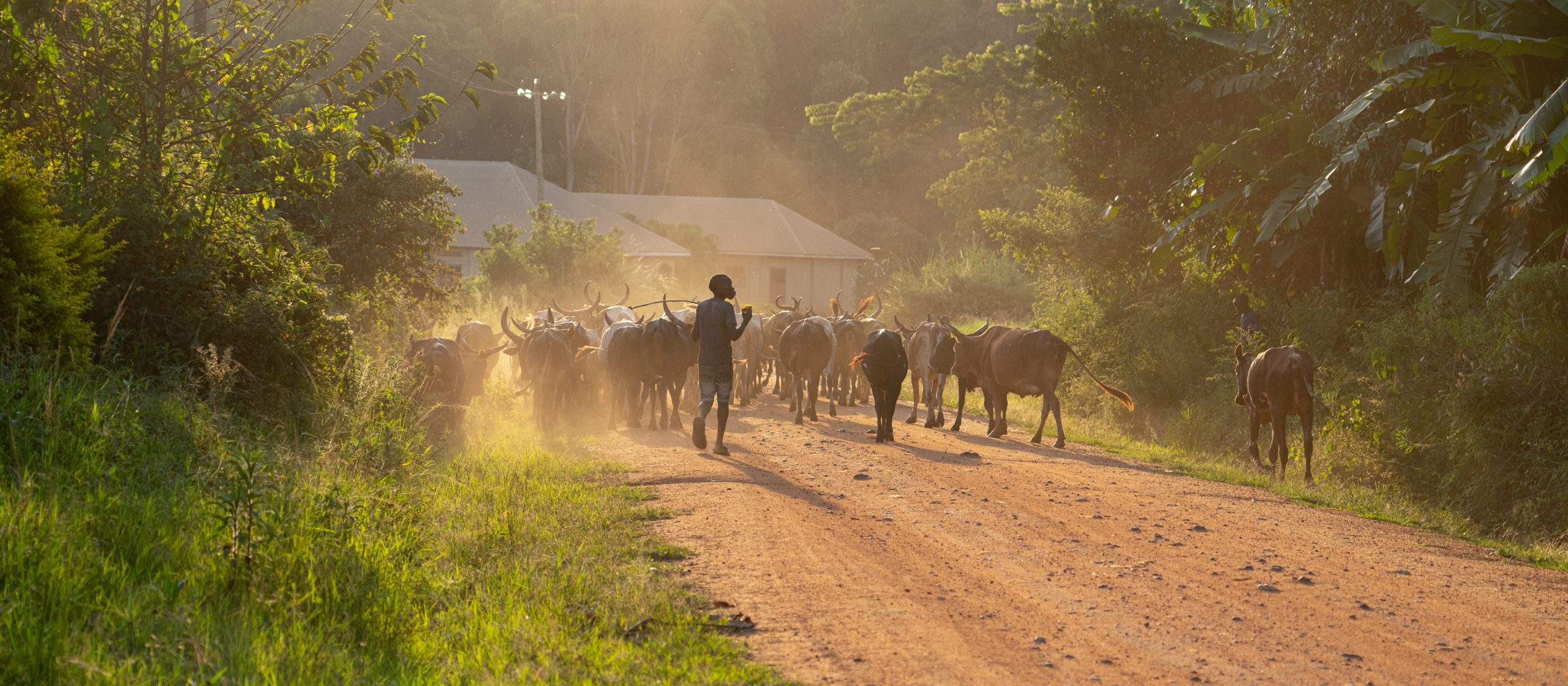
Oxfam International 

Founded in 1942 in the U.K. and true to its name, Oxfam International works worldwide with 4,100 partner organizations to provide specific assistance to 90 countries. Oxfam International has a more individual approach to fighting poverty, focusing more on the local communities and mobilizing the people in these communities to fight poverty. Because of this strategy and its extensive reach, Oxfam International helped 25 million people in 2022.

Whether it’s creating a water distribution system to bring drinking water to 50,000 displaced people in the Central African Republic or integrating women and young people into the labor market in Benin to help them better understand the role they can have in their country’s economic and cultural life, Oxfam International works all over the world to improve the lives and livelihoods of those that need it. Through beekeeping programs in Ethiopia, Oxfam is creating livelihood opportunities for disadvantaged women, allowing them to earn an income and break cycles of poverty.

The Organization for Poverty Alleviation and Development 

OPAD, founded in 2005 in Sweden, operates in many different ways to better the lives of those in need. OPAD benefits people in ways that go beyond food and water and include cultural and psychological support. The organization educates men and women on alcohol abuse and parenting in Kenya, integrates pathways for new refugees and migrant workers in Lithuania and addresses psychological issues among unemployed youth in Latvia, including educating them on intervention and prevention techniques. Overall, OPAD works to combat types of suffering that go beyond hunger and thirst.

OPAD works in numerous nations and creates programs designed to help address country-specific issues. For instance, Lusaka, Zambia suffers from issues related to extreme weather patterns, with random rainy seasons followed by intense periods of drought. About 90% of Zambia’s food is produced by farmers. OPAD helped Zambia improve its agriculture sector and provided food relief, which benefitted 70,000 people between 2019 and 2020. OPAD does not see communities in need as victims but as powerful agents of change.

Concern Worldwide

Though it only operates in 25 countries, that does not mean that Concern Worldwide has not accomplished much. Founded in Ireland in 1968, Concern Worldwide aims to address and tackle the causes of poverty and uses six focus areas. These areas include Livelihoods, Health and Nutrition, Education, Emergencies, Gender Equality and Climate and Environment. 

Through the above focus areas, Concern Worldwide narrows its goals for poverty reduction in a specific country and implements programs to help people achieve self-sufficiency and economic independence. For instance, the organization runs livelihood programs to help people establish strong livelihoods and income-generating activities so that communities can break cycles of poverty. “We do this through a wide variety of activities that range from climate-smart agriculture techniques in rural settings to technical skills training and small-business support in rural and urban settings,” the organization’s website explains.

Concern Worldwide’s livelihood programs reached more than 5.4 million people in 2022. The organization invested €33.1 million in these livelihood programs in 2022. In Malawi, a country with 5.4 million people suffering from food insecurity, Concern Worldwide reached 288,000 people with its food and nutritional security initiative.

Final Thoughts

The remarkable work carried out by these three influential humanitarian organizations plays a pivotal role in the relentless battle against the scourge of global poverty. Their tireless efforts and unwavering dedication have been instrumental in making a substantial impact on the lives of countless individuals affected by poverty worldwide.

– Dylan Hubbard
Photo: Flickr

October 27, 2023
https://borgenproject.org/wp-content/uploads/borgen-project-logo.svg 0 0 Yuki https://borgenproject.org/wp-content/uploads/borgen-project-logo.svg Yuki2023-10-27 06:51:142023-10-27 12:08:493 Humanitarian Organizations Addressing Global Poverty
Charity, Global Poverty

A Close Look at Amigos Worldwide

Amigos WorldwideAmigos Worldwide is an important charity based in the United Kingdom working in rural Uganda to help combat poverty. The charity works to help Ugandans work their way out of poverty through an “integrated approach,” providing training, expanding opportunities for education and ensuring access to clean water. They work alongside existing leaders and local churches to develop an action plan to address the challenges in education, skills and clean water that local Ugandans have expressed as serious issues. The emphasis of Amigos Worldwide as a charity is on ensuring dignity, sustainability and hope among Ugandan families who have found themselves living in poverty. 

Amigos Worldwide places an important emphasis on providing Ugandans with practical and holistic life skills that enable communities to thrive and become self-sufficient. The charity estimates that their high-achieving, low-cost programs cost as little as £35 per family, per year, and that within three years, the vast majority of farmers that Amigos works with will be able to not only feed their households but still have a surplus to sell, providing their children and families with access to key educational and health resources. 

The Situation in Uganda 

With a population of over 45 million, 41.7% of Ugandans continue to live below the global poverty line in 2023, at less than $2.15 a day. The majority of Ugandan families are dependent on agriculture for their livelihoods, yet many do not possess sufficient skills in agriculture to be earning and providing for their families all year round. 

Almost half of Uganda’s population is under the age of 15, which represents one of the youngest populations in the world. Moreover, Uganda is also host to the largest population of refugees in Africa, with over one million people from neighboring countries, such as the Democratic Republic of the Congo, seeking asylum in Uganda. The country’s high youth and refugee population has put substantial pressure on educational provision for young people, as well as job opportunities. Almost half of all Ugandan children do not complete primary education, while the unemployment rate stands at 9.9% in rural areas, and 9.1% in urban areas. 

Many of the families Amigos Worldwide works with have been severely affected by the over 21-year-long civil conflict in Northern Uganda between the Lord Resistance Army and the Ugandan government, which caused immense levels of suffering and displacement for the people of Northern Uganda. Many have also been directly affected by the continuing HIV pandemic and its continuing associated stigma in Uganda, with around 1.6 million Ugandans living with HIV, 11% of which are children below the age of 15. 

Kira Farm Development Centre

One of the biggest successes that has come from the work of Amigos Worldwide in Uganda is the establishment of the Kira Farm Development Centre, located just outside Uganda’s capital, Kampala. Kira Farm was established in 2010, and each year around 40 vulnerable young Ugandans are invited to spend a year on the farm learning key vocational skills such as carpentry, tailoring, construction and hairdressing. They also learn innovative conservation farming techniques, as well as holistic life skills such as conflict resolution, health and hygiene. 

As Southgate Estates estimates, one of Kira Farm’s key sponsors, for every student trained at the development center, at least 12 people in their community will benefit from their new skills and knowledge. This is equivalent to almost 500 lives being impacted by the program each year. 

Other Successes 

In rural areas of Uganda where Amigos Worldwide has implemented their programs: 

  • 100% of farmers have at least doubled their crop yields.
  • Domestic violence rates have dropped 94% in farming communities.
  • Around half of families have reported a significant improvement in their health.
  • Every farmer has increased their crop profitability by at least a third. 

The work that Amigos Worldwide is doing in Uganda has thus clearly had an important impact on those Ugandans living in poverty who have received it. With the World Bank estimating that the poverty rate in Uganda is only set to decrease by 1% to 40.7% by 2025, the work of charities such as Amigos Worldwide will prove particularly important for poverty-stricken Ugandans in the coming years. 

– Eleanor Lomas
Photo: Unsplash

October 27, 2023
https://borgenproject.org/wp-content/uploads/borgen-project-logo.svg 0 0 Yuki https://borgenproject.org/wp-content/uploads/borgen-project-logo.svg Yuki2023-10-27 06:35:412024-06-10 02:28:02A Close Look at Amigos Worldwide
Charity, Global Poverty, Poverty Eradication

The Work Christian Aid Does To Fight Poverty

Christian AidFor more than 75 years, Christian Aid has provided an immense amount of support for poor communities on a worldwide scale, while highlighting the injustices those living in poverty are subjected to. Through working with local partners, Christian Aid ensures that it supports the fight against poverty by responding to humanitarian emergencies, campaigning for global change and enabling people to gain access to vital services. 

Christian Aid’s Mission for a Fairer World for All

Christian Aid as a charity believes that unequal distribution of power and inequalities amongst genders are the root cause of poverty and therefore, most of the charity’s work centers around fighting against this. 

Through pressing local, national and international governments worldwide, Christian Aid ensures that policies and laws are implemented that support the eradication of poverty. Furthermore, the charity also works with churches and religious institutions to challenge intolerance and promote equal treatment for all. 

Esther’s Story

An example of the work that Christian Aid does to fight poverty is displayed through a lady named Esther, who at one stage struggled to support her own family due to not being able to secure a fair price for her crop.

For 10 years Esther grew pigeon peas on a small farm, struggling to make a living and to make ends meet, the situation only worsened when, in 2021, a cyclone destroyed all the crops on the farm. 

On the brink of losing all hope of being able to support her daughter’s future, Esther decided to join a Pigeon Pea program, run by a local partner, the Nandolo Farmers Association. The program helped by supporting Esther to run the Pigeon Pea business as she was then able to start selling the crops as part of a co-operative, which enabled Esther to provide a good income to support her family. 

Esther herself states, “I was able to sell the pigeon peas at a better price with a better market” she explains. It provided financial stability.” 

By growing the pigeon peas, alongside the support of the Nandolo Farmers Association and through the work Christian Aid does to fight poverty, Esther was able to feed her family and support her daughters, as well as buy tools for her son, Zinowe’s carpentry business. 

Esther also acquired a herd of 13 goats that provide manure for the crops which saves a huge expense on fertilizer, as well as a sewing machine and a warehouse that prevents the pigeon peas from being damaged by floods and storms. 

Supporting the Youth Affected by Conflict in Syria

Further to supporting developing countries, Christian Aid also addresses areas that are affected by the turmoil and aftermath of war. Through funding provided by the European Union, alongside local partners in Syria, Christian Aid implemented a 4.5-year “education and resilience project” to address the challenges faced in war-torn Syria. 

This program ensured that young people who were impacted greatly by war could access a safe education, which meant that there would be less chance of young people becoming vulnerable to joining armed groups. 

Between October 2017 and March 2022, the work Christian Aid did to fight poverty meant that 26,804 young people between the ages of 12 and 35 years in Northwest Syria were provided with education, psychological support, vocational training, including specialized nursing courses, first response training and opportunities to get involved in community projects. 

Furthermore, Patrick Watt, currently the chief executive of Christian Aid, spoke to the “Church Times” for an interview about why he is so passionate about the role. He states, “I was attracted by the ethos and grounding in the gospel message of love and hope at Christian aid” and furthers this by talking about the “depth of engagement from our supporters.” “People who give to us take campaign actions, pray for our work, and feel a genuine ownership of what we do, often spanning multiple generations.”

During 2023’s Christian Aid week, the area of focus was Malawi, where “the costs of everyday essentials such as food and fuel are going up and up” with farmers being “exploited by big companies.” In order to gather support across the world, Christian Aid encouraged schools, organizations and churches to take part in the “Big Pea Challenge,” which took place between May 14 to 20. 

Part of the challenge included growing and selling plants, hosting a pea supper and fundraising, this is due to Christian Aid’s work in the region, whereby “farmers and communities are working with Christian Aid to form cooperatives to secure a fairer price, boost the quality of the seeds they use, adding value by baking and selling bread made from pea flour, and building warehouses to keep peas safe from weather events.” In total, the challenge raised $101,155 and had a total of 6,532 supporters across the world, thus demonstrating the power of collective efforts. 

Final Thoughts

Therefore, the work carried out by Christian aid to fight for the eradication of poverty, is invaluable, as the Charity provides the utmost amount of support for those that suffer from consequences of conflict and tension, humanitarian disasters and grave inequalities. Christian Aid arguably serves as an example of what governments and charities can do across the world to support those in need. 

– Megan Rose Miley
Photo: Unsplash

October 27, 2023
https://borgenproject.org/wp-content/uploads/borgen-project-logo.svg 0 0 Yuki https://borgenproject.org/wp-content/uploads/borgen-project-logo.svg Yuki2023-10-27 06:32:102023-10-28 04:49:22The Work Christian Aid Does To Fight Poverty
Charity

5 Charities Operating in Mozambique

Charities Operating in MozambiqueRanking fifth among the world’s poorest nations by the World Bank’s GNI per capita data, the reality on the ground in Mozambique is especially challenging. To put it into perspective, in 2022, the United States sported a GNI per capita value of $76,370, while Mozambique leveled out at $1,410. Despite the state’s rich natural resources, arable land and numerous ports, it cannot harness this natural wealth. The result is that 96% of the population lives on less than $10/day. Charity in Mozambique is a necessity. To lessen the burden, here are five charities operating in Mozambique.

5 Charities Operating in Mozambique

  1. Aga Khan Foundation (AKND) – AKND has been operating in Mozambique since the signing of a cooperation agreement in 1998. Since then, over 500,000 people have benefited from their services, while they currently employ 1,180 people in the country. The scope of AKND is significant as they work in the development of human capacities, aid in economic growth and help to build resilient communities. Representing all three of these initiatives is the 2022 construction of the Aga Khan Academy Maputo, the third of four educational institutions provided for the country’s future workforce. It is a wonderful addition to a nation with a 58% literacy rate. These academies’ vision is to help students realize their full potential so they can bring up themselves, their families and their communities. The curriculum follows the International Baccalaureate (IB) system to ensure a global standard of excellence.
  2. CARE International – In 2023, Mozambique experienced an under-5 mortality rate of 69.6 and a fertility rate of 4.6. That is, of every 1,000 children, roughly 70 will die, and for every woman, there will be approximately five births. Ensuring the healthy development and survival of children under 5 would lessen the burden of excessive child rearing that weighs heavy on impoverished households and prevent malnourished children from developing disabilities. To ensure children can develop to their fullest potential, CARE International worked with the Flatley Foundation from 2018 to 2021 to provide food and nutritional aid to insecure households to ensure healthy development in the first thousand days of life. During this project, the under-5 mortality rates dropped from 76 to 70.
  3. AMURT – The AMURT charity, in Mozambique and abroad, takes a three-pronged approach. Initially, AMURT implemented relief assistance for natural disasters and man-made emergencies. Once situated, AMURT participates in rehabilitation and reconstruction to provide immediate and long-term development. AMURT landed in Mozambique just after Cyclone Eline in the year 2000. After the disaster, 950,000 required medical assistance and 250,000 were displaced. The relief organization was able to provide aid to 8,000 people and constructed 800 homes. In the years following, AMURT has provided expertise and materials for water and sanitation projects that continued through 2011. 
  4. Africare – There are an estimated 2.4 million persons living with HIV in Mozambique. It is no secret that without proper care, these cases will advance to AIDS. In the unfortunate scenario of young children becoming orphans due to losing loved ones to AIDS, Africare has launched the Community-based Orphan Care Protection and Empowerment Project (COPE) in Mozambique, Rwanda, Tanzania and Uganda. For these orphaned and vulnerable children who have to face adulthood sooner than most, COPE clubs allow healing through drawing and sharing experiences as well as providing various forms of support. COPE clubs assist these youths with food, education, shelter, and health care so that despite their losses, they can continue to learn, grow and best prevent their own contraction of this life-threatening disease.
  5. Handicap International – Affecting over 2.5 million people across 60 countries, Handicap International specializes in helping disabled persons find inclusive environments in conflict, natural disasters and poverty. Since 2017, over 670,000 people have fled northern Mozambique in response to conflict. Handicap International aids in transporting vulnerable populations such as those with pregnancies, those with disabilities or simply children. In addition, team members work with vulnerable persons to ensure they also get access to aid distributions, as it is difficult for them to navigate crowds or sometimes understand the systems available. Handicap International also provides specialized training so teachers can tailor learning exercises depending on the disability. Rahmat, a nine-year-old girl, was able to learn to write despite her motor disability. Shelicia, who couldn’t reach her desk due to her wheelchair, received a desk fitted to her chair. Hilario, a vision-impaired physical education teacher, was able to switch to digital formats he could read. Handicap International works every day to provide inclusive environments for those in need.

No matter the charity in Mozambique, the population receives the help they need. Despite figures of unemployment, literacy and poverty, they are, at the end of the day, people not statistics. These are only five of the numerous charities operating in Mozambique and have all made significant impacts. These, after all, are only summaries of their achievements. Until Mozambique can tap into its abundance of natural gasses, have its population escape sustenance farming and suppress internal conflicts, the aid will have to keep flowing. 

– Anthony Coletta
Photo: Unsplash

October 26, 2023
https://borgenproject.org/wp-content/uploads/borgen-project-logo.svg 0 0 Yuki https://borgenproject.org/wp-content/uploads/borgen-project-logo.svg Yuki2023-10-26 09:30:542023-10-26 11:55:005 Charities Operating in Mozambique
Charity, Global Poverty

Murhaf Hamid: A Story of Grace

Murhaf Hamid
Murhaf Hamid of Southern Sweden has captured the public’s attention and everyone’s affection. Hamid worked for a local campaign that fights poverty by selling “majblomman,” which are “little pins sold by children aged 9–12 to collect money for charity.” By simply selling flower pins, the young boy has raised more than $230,000 for charity and went viral on social media for his gracious acts. 

Who is Murhaf Hamid? 

Although born in Sweden, Murhaf Hamid, 11 years old, was born to Ethiopian parents. In Sweden, many young children between the ages of 9–12 participate in a campaign that sells flower pins for charity. These children also get to keep 10% of the profits that they raise. 

Originally, Murhaf was just hoping to raise enough money to buy food to split with his friends. He went in with no intention of raising a significant amount of money. When Murhaf began to sell his flower pins, many told him to leave the streets and received minimal support from the public. A family friend realized his hard work was not getting the attention it deserved, so then took to social media to help spread the word. 

Praised by Many

Once Murhaf’s efforts were posted on Facebook, the 11-year-old quickly went viral. He made multiple headlines across the globe, including receiving almost an additional $11,000 in tips to continue his campaigning from donors all over.

Not only did his recognition spread across social media, but the prime minister also recognized Murhaf and he even received an invite to The Swedish Parliament and the Town Hall in Malmo. Murhaf was even able to sell one of his pins to the prime minister once he met with him. On top of Murhaf raising this money, it also allowed the charity to gain more publicity, leading to more participants and donors toward poverty in Sweden. 

Poverty in Sweden: How Has It Changed?

Sweden, a socialist state, has received recognition across the world for having a low poverty rate. In fact, Sweden has one of the lowest poverty rates in Europe. It prides itself on having a stable government and an effective welfare system and can provide jobs. Despite this, Sweden has recently struggled with a recession and has a low-performing economy, leaving poverty to skyrocket. Currently, poverty in Sweden is growing “in a way that we have not seen before.” 

Many citizens who were not struggling prior to the recession now find themselves with nowhere to turn and have to rely on Red Cross Shops for their food. Many experts say this recession will last into 2024, and it will take time and effort for Sweden to bounce back from this setback. That is why efforts from individuals like Murhaf Hamid and his dedication hold such significance. 

– Ryan Balberman
Photo: Flickr

October 25, 2023
https://borgenproject.org/wp-content/uploads/borgen-project-logo.svg 0 0 Yuki https://borgenproject.org/wp-content/uploads/borgen-project-logo.svg Yuki2023-10-25 07:30:542024-05-30 22:32:28Murhaf Hamid: A Story of Grace
Charity, Global Poverty

Effective Charities Reducing Poverty

Effective Charities Reducing Poverty
One of the most straightforward methods to combat extreme poverty is contributing to charities dedicated to this cause. However, the positive impact a donation can have varies between different organizations. Despite this, only 38% of U.S. donors research where their money is going. Fortunately, websites such as TheLifeYouCanSave and GiveWell provide valuable data to help individuals identify effective charities that reduce poverty globally. Here are three charities reducing poverty. They are different, yet highly cost-effective and impactful, organizations worthy of support.

Effective Charities Reducing Poverty

  1. GiveDirectly: A new and radical way of helping those most in need is through transfers of no-strings-attached cash. This concept has received wide criticism — consider the aphorism, “Give a man a fish and you feed him for the day; teach a man to fish, and you will feed him for a lifetime.” However, Michael Faye, executive chairman and co-founder of GiveDirectly argues, “There is some visceral discomfort with simply giving poor people money. But the evidence, overwhelmingly, is that cash is one of the most effective ways of alleviating poverty.” Using the gold-standard evidence of a randomized controlled trial (RCT), GiveDirectly claims its impact per $1,000 increases earnings by $270, assets by $430 and spending on nutrition by $330, with no effect on alcohol or tobacco spending, clearly demonstrating the effectiveness of their method. One research study conducted in Siaya County, Kenya, found the economic impact of a $1,000 transfer to be roughly $2,500 after 27 months. Not only did the economic benefit more than double, but psychological well-being, food security and education all improved too. Although there could be a risk of inflation, in Siaya where over 15% of local GDP was delivered in cash transfers, prices hardly increased — only rising 0.1%. Another study evaluating $1,000 cash transfers to coffee-farming communities in Uganda also found consumption, earnings and food security all improved for those in coffee farmer households as well as those not. GiveDirectly proves that cash transfers can have a huge impact on poverty-stricken communities as they reduce child labor (without reducing adult labor), increase school attendance, and provide economic autonomy and greater diversity in diet. It might be time to trust that those most in need know what they need and are capable of building a future for themselves.
  2. Malaria Consortium & The Against Malaria Foundation: Malaria is one of the leading causes of death in low-income countries, killing more than 600,000 people annually, most of whom are children under 5 years old in sub-Saharan Africa. One of the most effective ways of combating malaria is through seasonal malaria chemoprevention, a preventative medicine. In the Sahel region of Africa, which experiences notably high malaria rates, the Malaria Consortium leads the implementation of the Seasonal Malaria Chemoprevention program. This program involves administering monthly doses of antimalarial drugs to children during the four months when malaria season is at its peak. According to the World Health Organization (WHO), Seasonal Malaria Chemoprevention has demonstrated its effectiveness in reducing the prevalence of malaria attacks and severe cases by approximately 75%, potentially preventing millions of cases and thousands of child deaths. The estimated cost of providing this treatment during the high-risk rainy season is remarkably low, at around $3.40 per child. Another method for malaria prevention is the distribution of bed nets along with education on how to use them. The Against Malaria Foundation (AMF) excels in efficiently distributing bed nets while conducting follow-up audits to ensure the distributed nets are in use and being used correctly. Each bed net from the AMF costs just $2 and can protect two individuals for up to three years. Thanks to sponsor support for additional costs, the AMF is able to allocate 100% of public donations toward the purchase of bed nets.
  3. Helen Keller International: Malnutrition is another main focus for organizations dedicated to eradicating poverty, as every 11 seconds a child dies of malnutrition. According to the WHO, inadequate consumption of micronutrients (vitamins and minerals) is a form of malnutrition — micronutrients help produce the necessary enzymes and hormones for growth and development. Deficiencies in iron and vitamin A threaten the development and health, especially of pregnant women and children, in low-income countries. More than 200,000 children die every year from vitamin A deficiencies, as they are left vulnerable to deadly infections. Helen Keller International is an effective organization supporting door-to-door campaigns where health workers administer vitamin A supplements to preschool children at their homes and fixed-site campaigns where caregivers travel to health facilities with preschool-aged children to receive the supplements. It is an extremely cost-effective method as it costs only $1.00 to deliver a vitamin A supplement and help save a life.

Looking Ahead

These charities reducing poverty continue to do incredible, life-changing work to reduce extreme poverty. GiveDirectly offers an economic approach by providing families with an allowance to help them not only survive but thrive, while Malaria Consortium, the Against Malaria Foundation and the Helen Keller Foundation focus on health as they try to prevent deaths from malaria and malnutrition. 

– Alice Isola
Photo: Flickr

October 24, 2023
https://borgenproject.org/wp-content/uploads/borgen-project-logo.svg 0 0 Yuki https://borgenproject.org/wp-content/uploads/borgen-project-logo.svg Yuki2023-10-24 08:28:592023-10-25 08:13:06Effective Charities Reducing Poverty
Charity, Global Poverty

How the Arbaeen Pilgrimage Helps Combat Poverty

the Arbaeen Pilgrimage
Every year, millions travel to the holy city of Karbala, Iraq to commemorate Arbaeen, an occasion which marks 40 days after Ashura, when the grandson of the Holy Prophet, Imam Hussein, was killed in 680 AD. The pilgrimage consists of walking 50 miles from Najaf to Karbala and is a show of support for social justice, dignity and compassion. The official number of visitors during the 10-day period surpassed 22 million people on September 6, 2023, making it the largest and most peaceful gathering in the world. Shia Muslims largely attended the commemoration, as well as many Sunni Muslims and Christians who also visited to pay their respect to Imam Hussein. Here is how the Arbaeen pilgrimage helps those in poverty.

Hospitality and Kindness in the Face of Poverty 

One of the most beautiful elements of the Arbaeen pilgrimage is the extensive hospitality that participants offer to all kinds of people. Participants provide water, food, shelter and transportation to visitors for free, no matter their age, ethnicity or religion. Along the walking path from Najaf to Karbala, there are thousands of food and refreshment stalls with spaces for resting and medical attention, set up to serve all passers-by. One table holds the world record for the world’s largest dining table.

UNICEF’s 2020 Report 

UNICEF reports that 4.5 million Iraqis are now below the poverty line for socio-economic and COVID-related reasons. Iraq, with a poverty rate of 31.7%, still makes room every year for millions of visitors to commemorate the family of the Prophet, and in doing so provides stability and hospitality to the many Iraqis who are unable to make ends meet. The scale of hospitality led one visitor to claim that it makes one “want to give back.” The event helps those who don’t have access to basic human necessities such as food, water and shelter and helps combat poverty.

Helping the Poor Worldwide During Arbaeen

During the period of Arbaeen, there are several independent organizations that operate inside Iraq and outside, to help combat poverty. For instance, the charity Who Is Hussain, a grassroots social justice movement, operates on five continents to help feed and clothe the poor. Overall, it has accumulated around 50,000 blood donations, saved more than 140,000 lives and helped feed more than 700,000 people. During the period of Arbaeen, its teams provide voluntary initiatives around the world like donating blood, alongside distributing food, drink and masks to citizens, to countries including “USA, France, Britain, Pakistan, Lebanon as well as African cities and countries suffering from poverty.”

Looking Forward

Despite Iraq’s many years of war and suffering, every year the Arbaeen pilgrimage showcases the many beautiful things Iraq has to offer, demonstrating its resilience and hospitality to the world. The hospitality of Arbaeen helps those who may not have a place to sleep at night or a warm meal to come home to, providing hope to Iraqis — and all humanity.

– Amber Hamed
Photo: Wikipedia Commons

October 24, 2023
https://borgenproject.org/wp-content/uploads/borgen-project-logo.svg 0 0 Yuki https://borgenproject.org/wp-content/uploads/borgen-project-logo.svg Yuki2023-10-24 07:30:392024-06-11 00:17:56How the Arbaeen Pilgrimage Helps Combat Poverty
Page 12 of 42«‹1011121314›»

Get Smarter

  • Global Poverty 101
  • Global Poverty… The Good News
  • Global Poverty & U.S. Jobs
  • Global Poverty and National Security
  • Innovative Solutions to Poverty
  • Global Poverty & Aid FAQ’s
Search Search

Take Action

  • Call Congress
  • Email Congress
  • Donate
  • 30 Ways to Help
  • Volunteer Ops
  • Internships
  • Courses & Certificates
  • The Podcast
Borgen Project

“The Borgen Project is an incredible nonprofit organization that is addressing poverty and hunger and working towards ending them.”

-The Huffington Post

Inside The Borgen Project

  • Contact
  • About
  • Financials
  • President
  • Board of Directors
  • Board of Advisors

International Links

  • UK Email Parliament
  • UK Donate
  • Canada Email Parliament

Get Smarter

  • Global Poverty 101
  • Global Poverty… The Good News
  • Global Poverty & U.S. Jobs
  • Global Poverty and National Security
  • Innovative Solutions to Poverty
  • Global Poverty & Aid FAQ’s

Ways to Help

  • Call Congress
  • Email Congress
  • Donate
  • 30 Ways to Help
  • Volunteer Ops
  • Internships
  • Courses & Certificates
  • The Podcast
Scroll to top Scroll to top Scroll to top